Navigante la Kompleksecojn de Ekologia Pakado en QSR-oj: Lecionoj de McDonald's Paper Straw Strategy
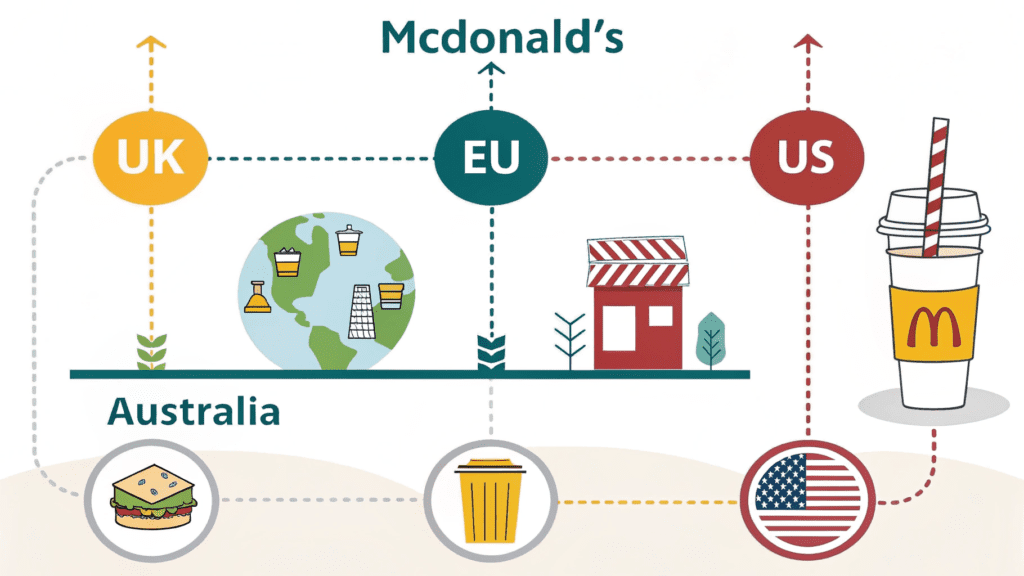
Navigante la Kompleksecojn de Ekologia Amika Pakado en QSRoj
La imperativo por entreprenoj ampleksi daŭrigeblajn praktikojn ŝanĝiĝis de niĉa zorgo al fundamenta strategia kolono. Trans industrioj, sed precipe ene de la rapida servo restoracio (QSR) kaj pli larĝaj manĝservosektoroj, la premo estas grandega. Ĉi tiu premo devenas de pluraj frontoj: kreskanta postulo de konsumantoj pri ekologie respondecaj produktoj, striktaj reguligaj kadroj celantaj unuuzajn plastojn, kaj la nekontesteblaj operaciaj kaj komercaj riskoj asociitaj kun neagado. Tutmondaj gigantoj kiel McDonald's, konataj pro sia skalo kaj merkata influo, funkcias kiel kortuŝaj kazesploroj en ĉi tiu evoluanta pejzaĝo. Ilia tre diskonigita transiro al paperaj pajloj, komence salutita kiel monumenta paŝo al pli verda estonteco, de tiam malkaŝis kompleksan veron, kiu ofertas kritikajn lecionojn por ĉiu B2B decidanto naviganta sian propran daŭripovan vojaĝon. La demando "Ĉu McDonald's-papaj pajloj estas biodiserigeblaj?" kvankam ŝajne simpla, malpakas multe pli larĝan rakonton pri la komplikaĵoj de vera daŭripovo.
Ignori la nuancojn de ekologia pakado povas konduki al gravaj sekvoj. Preter la tuja minaco de nekonformaj monpunoj en ĉiam pli reguligitaj merkatoj, ekzistas la longdaŭra erozio de markfido kaj klienta lojaleco. Hodiaŭaj konsumantoj estas pli informitaj kaj prudentaj; ili rigardas preter surfacnivelaj "verdaj" asertoj, postulante palpeblajn mediajn avantaĝojn. Malsukcesi renkonti ĉi tiujn atendojn, aŭ pli malbone, okupiĝi pri perceptita "verda lavado", povas grave efiki merkatparton kaj profitecon. Komercoj, kiuj vere integras daŭripovon, kontraste, povas akiri konkurencivan avantaĝon, altiri novajn klientsegmentojn kaj konstrui rezisteman, estontecan operacion.
De Plasto al Papero: Malpakante McDonald's Sustainability Saga
Pelita de kreskanta publika maltrankvilo pri plasta poluo kaj baldaŭaj registaraj mandatoj, McDonald's iniciatis signifan ŝanĝon for de plastaj pajloj. Komenciĝante en marto 2018 kun provoj en Britio, la firmao engaĝiĝis al plena transiro tra ĉiuj 1,361 restoracioj en Britio kaj Irlando antaŭ la fino de 2019. Ĉi tiu movo estis rekta respondo al publikaj peticioj, unu el kiuj rikoltis preskaŭ duonan milionon da subskriboj instigantaj la rapidmanĝejan giganton forĵeti plastajn pajlojn, kaj sekvis la malpermeson de la UK-registaro en aprilo de unuopa propono de plasto. pajleroj kaj kotonburĝonoj antaŭ 2020. Similaj iniciatoj kaj provoj baldaŭ sekvis en aliaj ŝlosilaj merkatoj, inkluzive de Aŭstralio, Kanado, Belgio, Francio, Svedio, Norvegio, kaj elektitaj usonaj merkatoj, ĉiuj celante anstataŭigi longdaŭran plaston per materialoj perceptitaj kiel pli ekologie bonkoraj.
Tamen, ĉi tiu bonintenca transiro rapide eltrovis serion de multfacetaj defioj, transformante simplan materialinterŝanĝon en kompleksan kazesploron en reala monda daŭripovefektivigo.
La "biodiserigebla" nuanco iĝis centra punkto de disputo. Dum paperpajloj estas, laŭ sia naturo, dizajnitaj por putriĝi nature, ilia praktika recikleblo pruvis esti enorma obstaklo. Paperpajloj de McDonald's, precipe la pli dikaj, pli daŭraj versioj lanĉitaj en respondo al klientplendoj pri malsekeco, prezentis malfacilaĵojn por ekzistanta rubmastruma infrastrukturo. En aŭgusto 2019, estis rivelita ke malgraŭ esti faritaj el recikleblaj materialoj, la pajleroj estis tro dikaj por esti prilaboritaj efike fare de siaj reciklaj partneroj en Britio kaj Irlando. Ĉi tio kondukis al kritika revelacio: McDonald's konsilis klientojn en iuj regionoj forigi la paperpajlerojn en ĝenerala rubo. Dum la firmao klarigis ke tiu ĝenerala rubo tiam estis uzita por energigenerado prefere ol sendita al rubodeponejoj, la publika protestego estis rapida. Kritikistoj faris akuzojn pri "verda lavado", substrekante la ironion de supozeble ekologia produkto finiĝanta en forbruligo prefere ol esti reciklita kiel vaste supozite. Tio elstarigas decidan interspacon inter la eneca recikleblo de materialo kaj la fakta infrastrukturo havebla por ĝia pretigo. Kompreni la nuancojn de ĉi tiu transiro estas esenca por iu ajn komerco. Por pli profunde plonĝi en unu el la plej videblaj ŝanĝoj en la rapidmanĝa industrio, esploru nian analizonmalkodi McDonald's-pajlo-strategion.
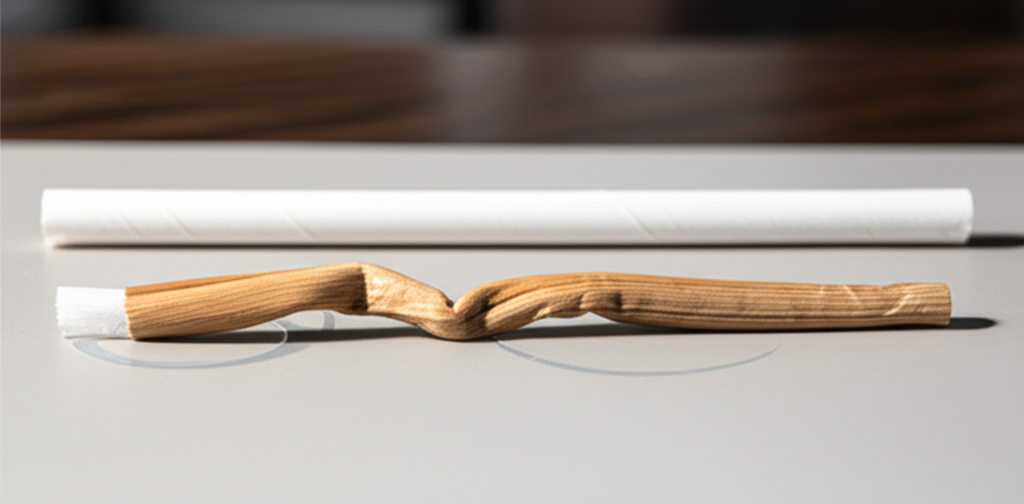
Preter la reciklada enigmo, klienta sperto kaj marka percepto grave suferis. Multaj plendoj ekaperis, kun konsumantoj lamentantaj ke la paperpajleroj iĝis malsekaj kaj diseriĝis rapide, precipe en pli dikaj trinkaĵoj kiel laktofraŭdoj, igante ilin malfacilaj aŭ eĉ neuzeblaj. Kelkaj klientoj raportis ke la paperpajloj ŝanĝis la guston kaj senton de siaj trinkaĵoj, negative influante ilian ĝeneralan ĝuon. Ĉi tiu ĝeneraligita malkontento instigis retajn peticiojn postulantajn la revenon de plastaj pajleroj, unu el kiuj rikoltis pli ol 51,000 subskribojn. McDonald's respondis enkondukante "evoluitan" pli fortan paperan pajlon tra Eŭropo en novembro 2019, kaj en Aŭstralio, ili poste konfirmis 30% pliiĝon en dikeco por siaj paperpajleroj. Tamen, eĉ ĉi tiuj plibonigoj ne povus plene mildigi la negativan senton. Ĉi tiu kazesploro substrekas la kritikan ekvilibron entreprenoj devas bati inter mediaj celoj, produkta funkcieco kaj klienta kontento, precipe kiam efektivigas ŝanĝojn je tutmonda skalo.
Krei Pli Verdan Estontecon: Strategiaj Solvoj por Manĝservo-Pakado
La kompleksaĵoj renkontitaj de industria gvidanto kiel McDonald's ofertas valoregajn lecionojn por iu ajn komerco celanta efektivigi vere daŭrigeblajn pakajn solvojn. La merkato por ekologiaj alternativoj ne nur kreskas; ĝi rapide evoluas, pelita de daŭra novigado, burĝona postulo de konsumantoj kaj ĉiam pli striktaj leĝdonaj premoj tutmonde. La tutmonda ekologia pajlo-merkato, ekzemple, estas antaŭvidita pliiĝos de proksimume USD 12.3 miliardoj en 2025 al preskaŭ USD 25.1 miliardoj antaŭ 2035, kun kunmetita jarkreskofteco (CAGR) de 7.3%. Ĉi tiu fortika kresko substrekas la neinversigeblan ŝanĝon al pli daŭrigeblaj praktikoj.
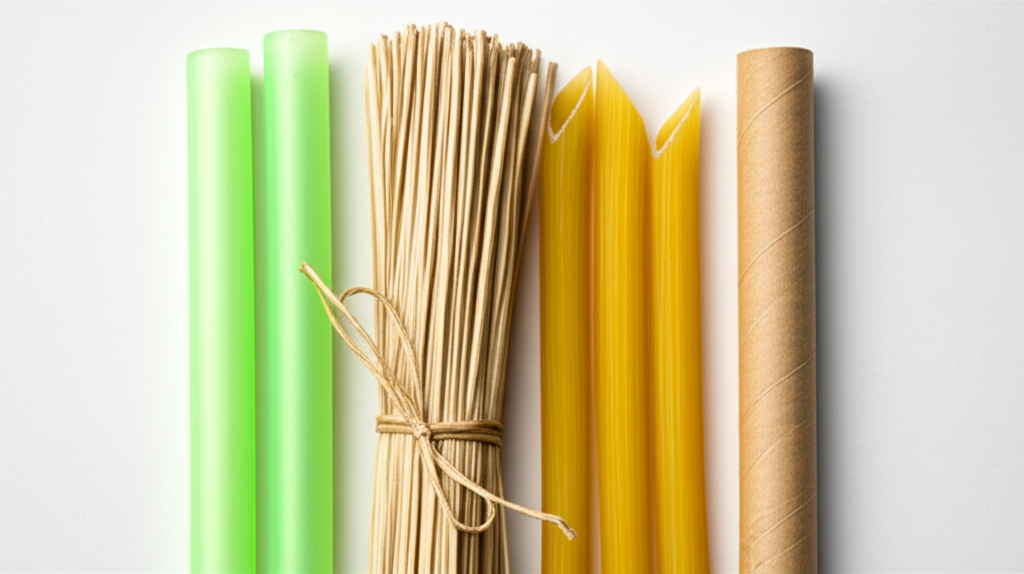
Komparo de Daŭrigeblaj Pajlaj Teknologioj: B2B Perspektivo
Elekti la optimuman daŭrigeblan pajlan solvon implikas pli ol simplan materialinterŝanĝon. Ĝi postulas ĝisfundan taksadon de rendimento, kostaj implicoj kaj finfinaj solvoj, kiuj kongruas kun via specifa operacia medio kaj celmerkato. Komercoj devas konsideri faktorojn preter komenca prezo, inkluzive de reguliga observo, provizoĉenstabileco kaj la ĝenerala efiko al klienta sperto kaj markolojaleco. Por pli larĝa kompreno de materialaj propraĵoj, konsultu nian gvidilon pribiodiserigeblaj pajlaj materialoj.
| Pajla Materialo | Ŝlosilaj Karakterizaĵoj | Biodegradebleco/Komposteblo | Fortikeco/Uzkazo | Kostaj Implikaĵoj | Bezono de infrastrukturo |
|---|---|---|---|---|---|
| Paperaj Pajloj | Farita el ligna pulpo, ofte kovrita. Virga kraftpapero populara por forto. | Biodiserigebla; ofte komerce kompoŝteblaj. | Variablo; inklina al malsekeco. Plibonigitaj tegaĵoj plibonigas reziston. Taŭga por la plej multaj malvarmaj trinkaĵoj. | Modera | Ĝenerala rubo (ofte forbruligita), aŭ specifa industria kompoŝtado se kovrita. Malfacila por normaj reciklaj instalaĵoj pro dikeco. |
| PHA Pajloj | Bioplasto el renovigeblaj rimedoj (maiza amelo, sukerkano). Imitas tradician plaston. | Biodegradiĝas en diversaj medioj, inkluzive de maro kaj grundo. | Alta; simila sento kaj fortikeco al plasto. Bonega por varmaj/malvarmaj trinkaĵoj. | Alta | Industria kompoŝtado; natura putriĝo en diversaj medioj. |
| PLA Pajloj | Bioplasto el fermentita planta amelo (maizo). | Postulas komercajn kompoŝtajn instalaĵojn. | Bona; simila al plasto. Ne ideala por tre varmaj likvaĵoj. | Modera | Industriaj kompoŝtaj instalaĵoj estas esencaj por taŭga forigo. |
| Sukerkano (Bagaso) Pajloj | Farita el sukerkano rubo kromprodukto. | Biodiserigebla; ofte hejme kompostebla. | Bona; fortika en kaj varmaj kaj malvarmaj trinkaĵoj. Akvorezista. | Modera | Hejma aŭ industria kompoŝtado, necesas minimuma infrastrukturo. |
| Fojnaj Pajloj | Tigoj de naturaj tritiko. | Facile kompoŝtebla. | Bona, fortika por malvarmaj trinkaĵoj. | Malalta | Kompostado. Limigitaj uzkazoj pro naturaj varioj. |
| Pastaj Pajloj | Manĝebla, tipe tritik-bazita. | Manĝebla, biodiserigebla, vere nula malŝparo. | Mallongdaŭra uzo (ĉ. 1 horo en malvarmaj trinkaĵoj); ne por varma. Alergena zorgo (gluteno). | Malalta | Manĝebla/Kompostebla. |
| Algoj-Bazitaj Pajloj | Emerĝanta teknologio el algoj. | Mar-sekura, plene biodiserigebla. Solvas sendanĝere en la naturo. | Durable for hot & cold liquids; doesn’t affect taste. | Alta (emerĝanta) | Natura putriĝo/kompostiĝo. Estonteca solvo. |
| Reciklebla (Metalo, Vitro, Silicono) | Daŭrebla, pluruza, lavebla. | N/A (Reuzebla, ne forĵetebla) | Tre alta fortikeco, longa vivdaŭro. | Alta komenca, tre malalta longtempa po-uzokosto. | Postulas fortikan infrastrukturon pri purigado, kolekto kaj kloakigo. Ĝenerale ne taŭgas por altvoluma rapidmanĝejo pro loĝistiko kaj romporiskoj. |
Industry Trends & The Future of Eco-Friendly Packaging
La pivoto de la industrio al daŭrigeblaj pajloj ne estas izolita fenomeno sed integra parto de pli larĝa, transforma ŝanĝo en tutmonda pakado. Ĉi tiu evoluo estas difinita per engaĝiĝo al cirkulekonomiaj principoj kaj iniciatema aliro al media administrado.
- Market Growth & Regulatory Tailwinds: La signifa merkata kresko antaŭvidita por ekologiaj pajloj estas nutrita rekte per pliiĝantaj plastaj malpermesoj kaj limigoj. Regionoj kiel Eŭropa Unio, diversaj usonaj ŝtatoj (ekz. Kalifornio, Novjorko, Vaŝingtono), kaj Britio aktive postulas verdajn fabrikajn praktikojn kaj malŝpar-redukton, devigante entreprenojn adaptiĝi aŭ alfronti punojn. Komercoj, kiuj aktive akceptas ĉi tiujn ŝanĝojn, povas sekurigi avantaĝon de unua-movinto kaj estontecaj siaj operacioj kontraŭ streĉaj regularoj.
- La Potenco de Konsumanto-Prefero: Modernaj konsumantoj estas potenca forto pelanta ĉi tiun ŝanĝon. NielsenIQ-enketo (2023) rivelis ke 69% de rapidmanĝejaj klientoj rimarkis eko-pakaĵŝanĝojn, kun 58% deklarante ke tia enpakado influis ilian restoracioelekton. Krome, 44% de konsumantoj esprimis volon pagi pliajn 5-10% por manĝoj servitaj kun kompoŝtebla aŭ biodiserigebla pakaĵo. Ĉi tio tradukiĝas rekte al plifortigita markreputacio, pliigita klientolojaleco, kaj eble, pli granda merkatparto por entreprenoj kiuj aŭtentike engaĝiĝas al daŭripovo.
- Novigado traktante Ŝlosilajn Defiojn: La defioj alfrontataj de fruaj daŭrigeblaj alternativoj, kiel la malsekeco de paperaj pajloj aŭ la kosto de bioplastoj, estas agreseme traktitaj de produktantoj. Novigoj inkluzivas evoluajn progresintajn, plant-bazitajn tegaĵojn por paperpajloj por plibonigi humidecreziston sen endanĝerigi biodegradeblecon. La apero de Polihidroksialkanoato (PHA) pajleroj, kiuj imitas konvencian plaston en sento kaj rendimento ofertante superan biodegradeblecon en diversaj medioj (inkluzive de maro kaj grundo), signifas gravan salton antaŭen. Manĝeblaj pajloj, disponeblaj en diversaj gustoj kaj jam adoptitaj de klientoj kiel Disney, ofertas vere nul-malŝparo solvo. Por ampleksa gvidilo pri respondeca mastrumado de rubo, inkluzive de la forigo de kompoŝteblaj aĵoj, raportu al nia artikolo pri kompoŝtebla pajloforigo.
- Konstruante Cirklan Ekonomion: Preter individuaj materialaj solvoj, la industrio ĉiam pli koncentriĝas pri starigo de cirkla ekonomio. Ĉi tio implikas ne nur elekti daŭrigeblajn materialojn, sed ankaŭ iniciateme plibonigi recikladon kaj kompoŝta infrastrukturon, kreskigante kunlaboron kun rubaĵadministradprovizantoj, kaj esplori fermitciklajn sistemojn. McDonald's, ekzemple, investas en partnerecoj kiel Polypropylene Recycling Coalition de The Recycling Partnership por akceli la recikleblon de malfacilaj materialoj. Firmaoj ankaŭ efektivigas strategiojn kiel ofertado de pajleroj nur laŭ peto kaj pilotado de "senpajlaj kovriloj" por redukti konsumon ĉe la fonto, montrante tutecan aliron al rubredukto. La estonteco kuŝas en solvoj kiuj ne estas simple "biodiserigeblaj" en teorio, sed vere regeblaj ene de ekzistantaj aŭ evoluantaj rubfluoj, certigante ke daŭripovaj klopodoj tradukiĝas en percepteblajn mediajn avantaĝojn.
Via Vojmapo al Daŭrigebla Sukceso: Efektivigo de Respondeca Pakado
Por rapida servo restoracioj, kafejoj, gastamaj grupoj, kaj ajna manĝserva komerco, transiro al vere daŭrigeblaj pajleroj kaj pakaĵo postulas strategian, holisma aliro kiu etendiĝas multe preter nura plenumado. Ĝi estas ŝanco redifini vian markon, optimumigi operaciojn kaj certigi konkurencivan avantaĝon en rapide evoluanta merkato.
- Faru Ampleksa Pakado-Revizion: Komencu skrupule taksante vian nunan pakan biletujon. Identigu ĉiujn unuuzajn plastajn dependecojn kaj taksu ilian median spuron, rilatajn kostojn (inkluzive de rubforigo) kaj efikon al klienta sperto. Kritike, komprenu la specifan forigon kaj reciklan infrastrukturon disponeblan en ĉiu el viaj operaciaj regionoj, ĉar ĉi tio diktas la daŭrigeblecon de malsamaj materialaj elektoj.
- Priorigi Materialan Elekton Bazita sur Vivciklo: Evitu la "papero ĉiam pli bona" kaptilo. Anstataŭe, konsideru la plenan vivociklon de alternativaj materialoj: fonto de krudmaterialoj, fabrikada energikonsumo, transportaj emisioj, kaj grave, iliaj vivfinaj scenaroj (vera recikleblo, industria aŭ hejma kompoŝtebleco, aŭ degenero). Ekbalanci teorian biodegradeblecon kun praktika funkcieco - ĉu papera pajlo eltenos dikan laktskuadon, ekzemple? – kaj la kapablojn de viaj lokaj partneroj pri mastrumado de rubaĵoj.
- Invest in Infrastructure & Partnerships: La kazo de McDonald elstarigas la kritikan breĉon en rubinfrastrukturo. Proaktive engaĝiĝu kun viaj provizantoj pri malŝparo por kompreni iliajn kapablojn pri prilaborado de novaj, daŭrigeblaj materialoj. Esploru kaj investu en partnerecoj, kiuj subtenas fermitciklajn sistemojn, suprencikligajn iniciatojn aŭ industrian kompoŝtadon kie disponeblas. Fariĝu aktivulo por plibonigita loka kaj regiona infrastrukturo.
- Engaĝiĝu kun Via Provizoĉeno: Kunlaboru proksime kun pakaj provizantoj, kiuj vere kompromitis al novigo kaj daŭripovo. Postuli travideblecon pri atestadoj (ekz., FSC por papero, ASTM D6400 por kompoŝteblaj, maraj biodegradeblaj atestadoj) kaj la mediaj asertoj de iliaj produktoj. Forta provizoĉenpartnereco estas esenca por provizaj kostefikaj kaj vere daŭrigeblaj materialoj.
- Eduku Vian Personaron kaj Klientojn: Travidebleco estas plej grava. Klare komuniku viajn daŭripovcelojn, la kialojn de pakaj ŝanĝoj kaj la mediajn avantaĝojn, kiujn vi celas atingi. Provizu neambiguajn instrukciojn por taŭga forigo ĉe la punkto de konsumo por maksimumigi la efikecon de viaj klopodoj. Ampleksa trejnado de personaro certigas konsekvencan efektivigon kaj helpas ilin respondi klientajn demandojn memfide.
- Mezuri kaj Iterate: Daŭripovo estas daŭra vojaĝo. Establi klarajn mezurojn por spuri la median efikon de viaj ŝanĝoj (ekz., plasta redukto, malŝparo-distraĵaj indicoj), monitori klientajn reagojn kaj analizi funkcian efikecon. Estu preta adapti kaj ripeti vian strategion dum novaj teknologioj ekaperas, malŝparaj infrastrukturoj evoluas kaj konsumantaj atendoj ŝanĝiĝas.
Lernante de la spertoj de industriaj gvidantoj, akceptante strategiajn komprenojn kaj devontiĝante al holisma aliro, via komerco povas iri preter supraĵaj verdaj iniciatoj. Vi povas efektivigi solvojn, kiuj vere kontribuas al pli daŭrigebla estonteco, signife plibonigas markvaloron, mildigi reguligajn riskojn kaj resonancas profunde kun la hodiaŭa ekologie konscia konsumanto, finfine sekurigante pli grandan parton de ĉiam pli verda merkato.
Oftaj Demandoj
Q1: Ĉu McDonald's paperaj pajloj vere biodiserigeblaj?
A1: Jes, McDonald's-pajloj estas konsiderataj biodiserigeblaj ĉar ili estas faritaj el papero kaj nature malkomponiĝos. Tamen, ilia dikeco malfaciligas ilin por normaj reciklaj instalaĵoj procesi, kondukante al la konsilo de la firmao forigi ilin en ĝenerala rubo.
Q2: Kial McDonald's-papaj pajloj ne estas facile recikleblaj kvankam ili estas faritaj el papero?
A2: La ĉefa kialo estas la pliigita dikeco de la pajlero. McDonald's plifortikigis la paperpajlerojn post plendoj pri pli fruaj versioj dissolviĝantaj. Ĉi tiu pli dika konstruo defias ekzistantajn recikladsistemojn, kiuj estas starigitaj por normaj paperaj klasoj.
Q3: Kio okazas al McDonald's-papaj pajloj kiam oni forĵetas en ĝeneralan rubon?
A3: McDonald's indikas ke ĝenerala rubo de ĝiaj restoracioj, inkluzive de paperpajleroj, estas direktita al energio-de-rubo-instalaĵoj prefere ol rubodeponejo en kelkaj merkatoj.
Q4: Kio estas la ĉefaj kritikoj de McDonald's paperpajloj de klientoj?
A4: Oftaj plendoj inkludas malsekecon aŭ disrompiĝon (precipe kun dikaj skuoj), ŝanĝitan guston aŭ buŝsenton, kaj la percepton ke pluraj pajleroj povas esti necesaj por ununura trinkaĵo.
Q5: Kio estas iuj alternativaj daŭrigeblaj pajlaj materialoj disponeblaj por entreprenoj?
A5: Realigeblaj elektoj inkluzivas:
- Sukerkanbagaso (fortika, kompoŝtebla; kontrolu atestojn kiel BPI/TÜV AUSTRIA).
- PHA-bioplasto (plant-bazita; dizajnita por biodegradi en pli da medioj ol PLA).
- Kano / tritikaj tigoj / bambuo (naturaj fibroj; hejmkompostebla, rustika estetiko).
- Rizo/tapioko "manĝebla" pajlero (vera nul-malŝparo se konsumite; gusto-neŭtrala aŭ gustigita).
- Reuzebla rustorezista ŝtalo, vitro aŭ silikono (plej bone por manĝado kun fortikaj purigaj SOP-oj).
Al la fonto, prioritatu PFAS-libera asertoj por papero/fibraj produktoj kaj kontroli nutraĵ-kontaktan dokumentaron (ekz., FDA/LFGB) kaj pliajn kompoŝteblecnormojn (BPI, CMA, EN 13432).