Les pailles en papier sont-elles vraiment durables - ou tout simplement du greenwashing? Un impératif B2B pour l'approvisionnement éclairé
Alors que les responsables des achats, les directeurs des opérations et les responsables du développement durable évoluent dans le paysage complexe de la responsabilité d’entreprise, le passage des pailles en plastique aux pailles en papier est devenu un symbole visible de l’engagement environnemental. Cependant, sous la surface de la perception du public se cache une réalité nuancée qui remet en question la croyance largement répandue selon laquelle la durabilité inhérente des pailles en papier. Cet article décortique la véritable empreinte environnementale des pailles en papier, révélant le potentiel de « greenwashing » et guidant les décideurs B2B vers des solutions véritablement durables. Ignorer ces informations risque non seulement d’entraîner des inefficacités opérationnelles et une augmentation des coûts, mais également d’importants dommages à la réputation et d’éventuelles sanctions réglementaires sur un marché de plus en plus scruté.
La poussée mondiale en faveur de solutions durables et d’interdictions du plastique
L’adoption généralisée des pailles en papier était en grande partie une réponse à la pression croissante du public et des régulateurs alimentée par les inquiétudes concernant la pollution plastique marine. Des images saisissantes, comme celle d’une tortue de mer empêtrée dans une paille en plastique, ont galvanisé l’action mondiale, faisant des pailles en plastique un symbole tangible des dommages environnementaux. Ce tollé général s’est rapidement traduit par une action législative généralisée. Le Royaume-Uni a interdit les pailles en plastique à usage unique en 2020, suivi par 27 pays de l'Union européenne en juin 2021, et des mesures similaires ont été adoptées dans diverses villes et États américains.
Au-delà des mandats gouvernementaux, de grandes entreprises, notamment des compagnies aériennes, des hôtels et des parcs à thème, ont manifesté de manière proactive leur engagement en remplaçant les pailles en plastique, créant ainsi un changement important sur le marché. Ce mouvement collectif visait à réduire les déchets plastiques, à améliorer les performances environnementales et à répondre aux attentes changeantes des consommateurs en matière de marques soucieuses de l'environnement. Cependant, le passage rapide aux pailles en papier, bien que bien intentionné, a dévoilé un ensemble complexe de coûts cachés et de conséquences imprévues qui exigent un examen rigoureux de la part des décideurs B2B.
L’évolution mondiale vers les pailles en papier, motivée par la pression publique et réglementaire, révèle des coûts cachés et des conséquences imprévues pour les décideurs B2B.
Déconstruire la « durabilité » : au-delà des perceptions initiales des pailles en papier
Le passage du plastique aux pailles en papier a été présenté comme une simple victoire environnementale. Pourtant, une analyse plus approfondie du cycle de vie des pailles en papier révèle une réalité plus complexe et souvent problématique, remettant en question leur caractère écologique perçu.
Au-delà de la biodégradabilité : les coûts environnementaux cachés des pailles en papier
Si les pailles en papier sont souvent louées pour leur biodégradabilité, leur processus de production raconte une autre histoire. L'industrie des pâtes et papiers, qui fournit les matières premières de ces pailles, est un secteur à forte intensité énergétique, représentant environ 6 % de la consommation industrielle mondiale d'énergie et 2 % des émissions industrielles directes de CO2. Cette demande énergétique importante repose souvent sur des combustibles fossiles, qui contribuent de manière significative aux émissions de gaz à effet de serre.
Les analyses de l’analyse du cycle de vie (ACV) soulignent encore ces préoccupations. Une étude de 2022 publiée dansScience de l'environnement totala comparé l'impact environnemental de divers matériaux en paille et a indiqué que les pailles en papier (PA) avaient un potentiel de réchauffement global (PRP) de 2,58E+06 kg d'éq. CO2. Ce chiffre est nettement supérieur à celui des pailles en plastique polypropylène (PP), qui mesuraient 5,66E+05 kg CO2 eq dans la même étude. La recherche a souligné que le remplacement des pailles en PP par des alternatives au papier pour réduire la pollution plastique marine pourrait entraîner des coûts environnementaux dans d'autres catégories, comme l'impact du changement climatique.
De plus, la production de papier est notoirement gourmande en eau, consommant de grandes quantités d’eau douce. Si elle ne provient pas de forêts gérées de manière responsable et certifiées par des organismes tels que le Forest Stewardship Council (FSC), la demande de papier peut également contribuer à la déforestation, entraînant une perte d’habitat et une capacité réduite de séquestration du carbone. Ces facteurs démontrent que l’empreinte environnementale des pailles en papier s’étend bien au-delà de leur décomposition en fin de vie.
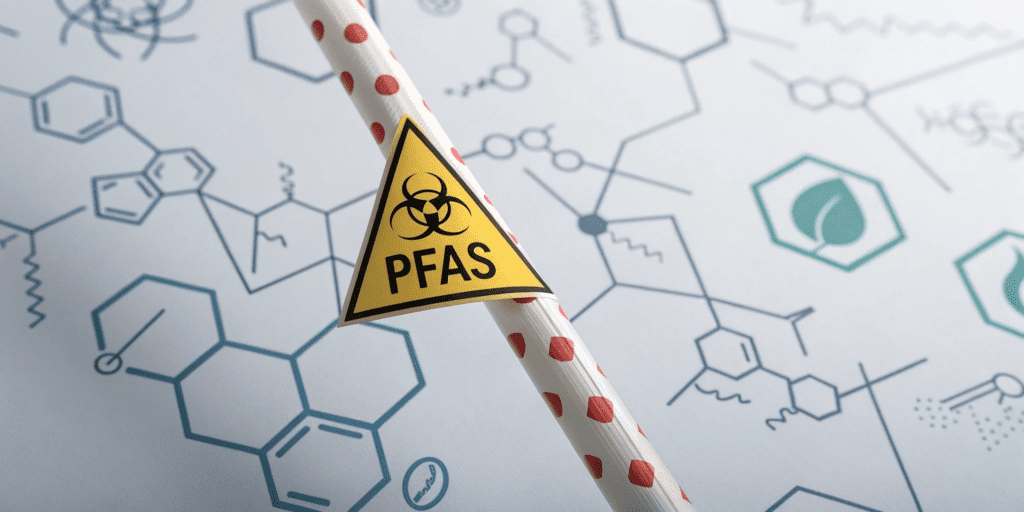
La réalité troublante des produits chimiques PFAS présents dans les pailles en papier
L’une des révélations les plus alarmantes concernant les pailles en papier est peut-être la présence généralisée de substances per- et polyfluoroalkyles (PFAS). Ces « produits chimiques éternels » sont souvent utilisés comme revêtements hydrofuges pour améliorer la durabilité des pailles en papier, un défaut de conception critique de leur matériau inhérent. Une étude d’août 2023 publiée dansAdditifs alimentaires et contaminantsmenée par des chercheurs belges a trouvé des PFAS dans 90 % des marques de pailles en papier testées en Europe, ce qui en fait le matériau le plus susceptible de contenir ces substances problématiques parmi tous les types de pailles examinés.
Les implications des PFAS sont profondes. Ces produits chimiques sont très persistants, se décomposent incroyablement lentement sur des milliers d’années et s’accumulent dans l’environnement et les systèmes biologiques. Ils ont été associés à une série de problèmes de santé graves, notamment les maladies thyroïdiennes, les lésions hépatiques, le cancer du rein, le cancer des testicules, une augmentation du cholestérol et une réponse vaccinale encore plus faible. La présence de PFAS contredit directement les allégations marketing « écologiques » et « biodégradables » de nombreuses pailles en papier, exposant les entreprises à des risques de non-conformité importants, en particulier avec les réglementations émergentes ciblant ces composés dangereux.
Durabilité, fonctionnalité et insatisfaction des consommateurs
Au-delà de leurs coûts environnementaux cachés, les pailles en papier présentent également d'importants défis opérationnels et d'expérience client. Leurs propriétés matérielles inhérentes signifient qu’ils ont du mal à durer, en particulier lorsqu’ils sont exposés à des liquides pendant de longues périodes. Recherche publiée dansBioRessourcesen 2019, il a été démontré que les pailles en papier peuvent perdre plus de 75 % de leur fermeté et 70 à 90 % de leur résistance à la compression après seulement 20 à 30 minutes dans des liquides. Cette dégradation rapide entraîne souvent de la frustration chez les consommateurs, car les pailles deviennent détrempées, s'effondrent ou se dissolvent avant la fin d'une boisson.
Cette mauvaise fonctionnalité a des conséquences pratiques pour les entreprises. Les clients peuvent recourir à plusieurs pailles par boisson, annulant par inadvertance certains des avantages environnementaux escomptés et augmentant le volume des déchets. Cela peut également conduire à une perception négative de la marque, les consommateurs associant les mauvaises performances de la paille à la qualité globale de l’offre de l’établissement, ce qui a un impact sur la fidélité à la marque et la valeur perçue.
La production des pailles en papier, leur teneur en PFAS et leur faible durabilité remettent en question leur caractère écologique perçu et ont un impact sur la satisfaction des clients.
Le dilemme du « écoblanchiment » : dévoiler les allégations trompeuses
L’adoption rapide des pailles en papier a créé par inadvertance un terrain fertile pour le « greenwashing », où les entreprises font des allégations non fondées ou trompeuses sur leurs pratiques ou produits environnementaux.
Démasquer les préoccupations en matière de greenwashing sur le marché de la paille de papier
Un exemple flagrant de greenwashing s’est produit lorsque McDonald’s Royaume-Uni a introduit des pailles en papier « 100 % recyclables » en 2018 pour remplacer celles en plastique. Malgré l’allégation environnementale, ces pailles de papier n’ont finalement pas pu être recyclées en raison du manque d’infrastructures appropriées pour traiter leur épaisseur et leurs revêtements, ce qui les a amenées à finir dans les décharges ou l’incinération, voire dans les océans. Cela met en évidence un décalage critique entre les allégations marketing et les réalités réelles de la fin de vie. Les lignes directrices de l’UE sur les allégations environnementales découragent explicitement les vagues allégations générales telles que « respectueux de l’environnement », précisément parce qu’elles peuvent induire les consommateurs en erreur et faciliter l’écoblanchiment.
De nombreuses installations de recyclage ne sont pas équipées pour traiter des produits en papier contaminés par des aliments ou des pailles en papier avec certains revêtements, même si le matériau de base est du papier. Ce déficit d’infrastructure entrave considérablement la circularité des pailles en papier, les poussant dans les flux de déchets bien qu’elles soient étiquetées comme recyclables ou compostables. Ce défi souligne la nécessité pour les entreprises de regarder au-delà des affirmations superficielles et d’examiner l’ensemble de la chaîne d’approvisionnement et de l’infrastructure d’élimination.
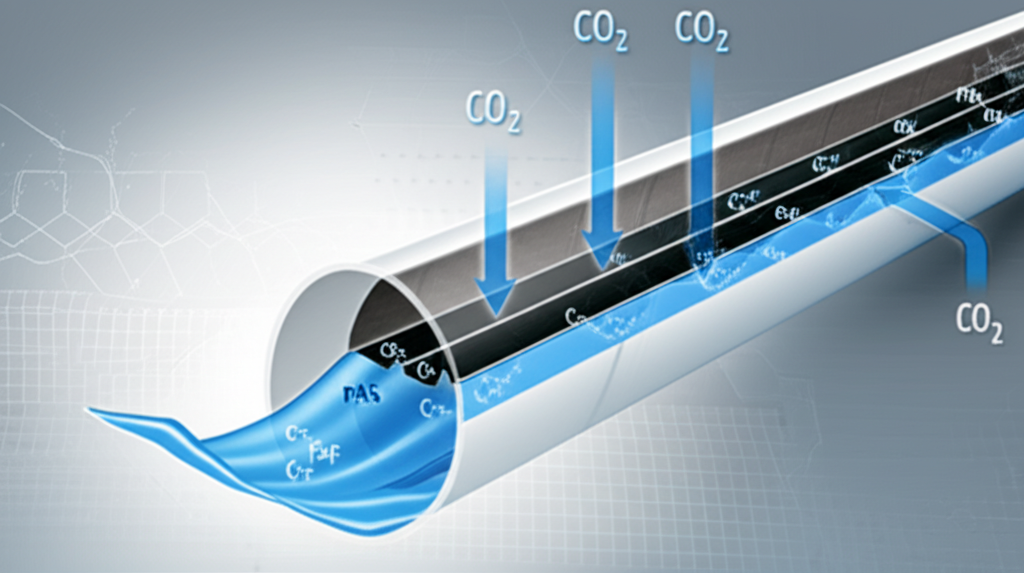
Solutions superficielles vs impact systémique
L’accent mis sur l’interdiction des pailles en plastique, bien que symbolique, aborde un problème environnemental relativement mineur lorsqu’on l’examine dans un contexte plus large. Les pailles en plastique ne représentent qu’un minuscule 0,025 % de la grande quantité de plastique rejetée chaque année dans l’océan. Cette attention disproportionnée peut détourner l’attention et les ressources de sources de pollution plastique bien plus importantes, telles que les filets de pêche abandonnés ou les rejets industriels.
Les critiques des experts, notamment de la part de sociétés comme le Boston Consulting Group (BCG), ont qualifié l’accent mis sur les pailles en papier de « hareng rouge ». Le BCG note que ce changement a eu très peu d’impact global sur les problèmes plus larges de déchets plastiques et de biodiversité. Pire encore, en entachant la réputation de produits véritablement durables en raison de leurs mauvaises performances ou de leurs coûts environnementaux cachés, cela a involontairement poussé les consommateurs vers le plastique, érodant ainsi la confiance dans les alternatives écologiques. Pour les entreprises, investir massivement dans une « solution » finalement superficielle, voire contre-productive, comporte un risque stratégique important.
Le greenwashing sur le marché de la paille de papier met en évidence un décalage critique entre les allégations marketing et l’impact environnemental réel.
Approvisionnement stratégique : évaluer la durabilité des opérations B2B
Pour les responsables des achats, les directeurs des opérations et les responsables du développement durable, la réalité nuancée des pailles en papier exige une approche sophistiquée de l'approvisionnement. Le simple fait de passer du plastique au papier sur la base d’hypothèses au niveau de la surface peut entraîner des défis imprévus et saper les véritables objectifs de développement durable.
La transition vers les pailles en papier, en particulier celles qui ne sont pas véritablement durables, a entraîné une augmentation des coûts d'approvisionnement. Les pailles en papier sont généralement deux à trois fois plus chères que leurs homologues en plastique, ce qui a un impact direct sur les budgets opérationnels et risque d'éroder les marges bénéficiaires si elles ne sont pas compensées par d'autres gains d'efficacité ou des ajustements de prix.
De plus, l’approvisionnement en pailles en papier véritablement durables introduit une complexité significative dans la chaîne d’approvisionnement. Cela nécessite un contrôle rigoureux pour les certifications vérifiables, telles que FSC pour la gestion responsable des forêts et les certifications tierces indépendantes (par exemple, BPI, DIN CERTCO) pour les normes de compostabilité industrielle comme ASTM D6400/D6868 (Amérique du Nord) et EN13432 (Europe). Il est crucial que les entreprises exigent une assurance sans PFAS pour atténuer les risques liés à la santé, à l’environnement et à la conformité. Cette diligence raisonnable accrue nécessite des relations plus approfondies avec les fournisseurs et des processus d’audit robustes.
Le plus grave peut-être est que les entreprises qui font des allégations écologiques non fondées, intentionnellement ou par inadvertance, courent un risque de réputation important. À une époque de sensibilisation accrue des consommateurs et de surveillance réglementaire, les accusations de greenwashing peuvent gravement nuire à la confiance et à la fidélité à la marque, entraînant des réactions négatives des consommateurs, une couverture médiatique négative et même des sanctions juridiques potentielles. Par exemple, la Commission coréenne du commerce équitable a proposé des amendements à ses « Lignes directrices de révision concernant le greenwashing » pour empêcher une commercialisation aveugle. L’atténuation proactive des risques nécessite de la transparence et des données vérifiables.
| Fonctionnalité | Impact opérationnel B2B | Note de conformité | Potentiel de retour sur investissement |
|---|---|---|---|
| Plastique (PP) | Faible coût initial, haute durabilité, facilement disponible. | De plus en plus interdit à l’échelle mondiale (par exemple, Royaume-Uni 2020, directive européenne 2021 sur les plastiques à usage unique). | ROI négatif en raison d'amendes potentielles, de crises de relations publiques et de perte de revenus. |
| Papier (couché/PFAS) | Coût modéré, mauvaise durabilité, plaintes des clients. | Risque de non-conformité aux réglementations émergentes sur les PFAS et aux lois sur le greenwashing (par exemple, le guide européen sur les allégations environnementales). | Faible retour sur investissement en raison de l'augmentation du gaspillage, de l'insatisfaction des consommateurs et des amendes potentielles. |
| Papier (sans PFAS, certifié Com.) | Coût plus élevé, durabilité améliorée mais toujours limitée. | Adhère à la norme ASTM D6400/EN13432 pour le compostage industriel ; Approvisionnement certifié FSC. | ROI modéré grâce à une image de marque positive, mais coût opérationnel plus élevé. |
| PLA Bioplastique (Comm. Industriel) | Coût plus élevé, meilleure durabilité que le papier, besoins spécifiques en matière d’élimination. | Nécessite des installations de compostage industrielles (par exemple, certifiées ASTM D6400). | Retour sur investissement modéré si une infrastructure de compostage industriel robuste est disponible et alignée sur les installations locales. |
| Réutilisable (acier inoxydable/bambou) | Investissement initial élevé, nécessite une infrastructure de nettoyage/logistique. | Favorise les principes de l’économie circulaire et réduit le recours à l’usage unique. | Retour sur investissement élevé à long terme grâce à la réduction des déchets, une forte fidélité à la marque et une réduction des achats. |
L'approvisionnement stratégique exige une vérification rigoureuse des alternatives de paille pour atténuer les coûts, les risques de non-conformité et les atteintes à la réputation.
Innover pour une véritable durabilité : solutions de nouvelle génération
Pour dépasser les pièges des pailles en papier conventionnelles, il faut adopter des solutions durables véritablement innovantes et vérifiables qui tiennent compte à la fois de l'impact environnemental et des performances opérationnelles.
Solutions certifiées industriellement compostables
Pour les entreprises qui privilégient les options à usage unique, l’accent doit être mis sur les matériaux et les produits qui répondent à des normes strictes de compostabilité industrielle. Les produits certifiés selon les normes ASTM D6400/D6868 (Amérique du Nord) et EN13432 (Europe) garantissent que les matériaux se décomposent complètement en 180 jours dans les installations de compostage commerciales, ne laissant aucun résidu nocif. Ces certifications fournissent une référence vérifiable qui va au-delà des simples allégations « biodégradables ».
Les matériaux innovants tels que les pailles en PHA (polyhydroxyalcanoate) représentent une alternative prometteuse. Le PHA est un biopolymère dérivé de sources naturelles, comme l'huile de canola, offrant une durabilité accrue et une sensation similaire à celle du plastique traditionnel, tout en bénéficiant de remarquables qualités de biodégradabilité. Pour les entreprises à la recherche de véritables options respectueuses de l'environnement, explorant leles meilleures pailles biodégradables qui ne sont pas en papierest un impératif stratégique.
Étude de cas : Adoption de la paille Phade® :Les pailles Phade®, fabriquées à partir de PHA, illustrent cette nouvelle génération de solutions durables. Ils ont obtenu des certifications rigoureuses, notamment les certifications « OK compost HOME » et « OK biodegradable MARINE » de TUV Autriche, ce qui signifie leur capacité à se décomposer dans les environnements de compostage industriel et domestique, ainsi que dans les écosystèmes marins. Les principaux distributeurs de restauration ont intégré les pailles PHA dans leurs offres, reconnaissant leur durabilité supérieure et leurs parcours de fin de vie vérifiés. Cette adoption permet aux entreprises d'éviter les problèmes de fonctionnalité et les accusations de greenwashing associées aux précédentes itérations de pailles en papier, démontrant ainsi un véritable engagement en faveur de la gestion de l'environnement sans compromettre l'expérience client. Approfondissez la comparaison environnementale depailles de canne à sucre contre plastique et papierfaire des choix éclairés.
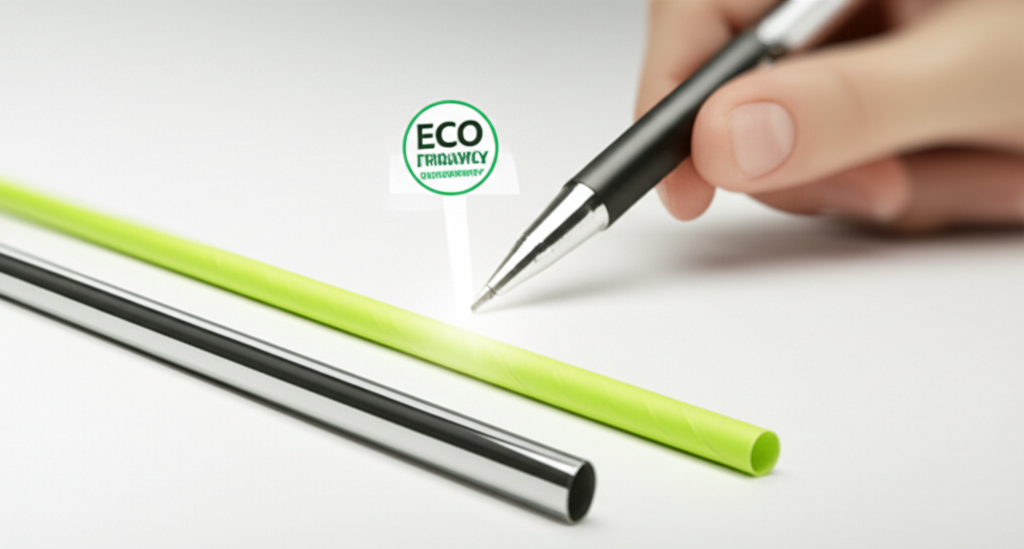
Le pouvoir des pailles réutilisables et la réduction des déchets
Alors que les solutions à usage unique continuent d’évoluer, la voie la plus efficace vers la durabilité consiste à adopter les principes de l’économie circulaire et à réduire la consommation globale. Les pailles réutilisables, fabriquées à partir de matériaux comme l'acier inoxydable, le verre ou le bambou, offrent des alternatives durables et multi-usages qui éliminent complètement le cycle continu de production et d'élimination des articles à usage unique. La mise en œuvre de programmes de pailles réutilisables nécessite toutefois un examen attentif des infrastructures de nettoyage, de la logistique et des changements de comportement des consommateurs.
En fin de compte, la paille la plus durable est souvent l’absence de paille du tout, ce qui souligne un changement fondamental de la culture de l’usage unique vers une consommation consciente. Dans les contextes où les pailles sont vraiment nécessaires, les entreprises doivent explorer des alternatives telles que les pailles durables.Pailles de canne à sucre vs plastiquepour éviter les déceptions fonctionnelles. Il est également essentiel de reconnaître que pour de nombreuses personnes handicapées, les pailles en plastique restent des dispositifs d’assistance essentiels à l’inclusion sociale, et qu’il est primordial de proposer des options réfléchies et adaptées.
Adoptez des matériaux compostables certifiés et des options réutilisables pour une véritable durabilité, en allant au-delà des solutions superficielles à usage unique.
Future Trends & Innovation in Sustainable Straws
Le paysage des solutions de paille durables évolue continuellement, stimulé par les progrès de la science des matériaux et des cadres réglementaires plus stricts. Au cours des 5 à 10 prochaines années, nous pouvons nous attendre à ce que plusieurs tendances clés façonnent les stratégies d’approvisionnement :
- Polymères biosourcés avancés :Au-delà du PHA, la recherche et le développement de polymères biosourcés donneront naissance à de nouveaux matériaux offrant une durabilité améliorée, une biodégradabilité plus large et des processus de production plus durables. Ces matériaux imiteront de plus en plus les caractéristiques de performance des plastiques traditionnels tout en conservant des trajectoires de fin de vie environnementales vérifiables.
- Infrastructure de compostage décentralisée :L’expansion des installations de compostage industrielles et même domestiques se généralisera, permettant une véritable économie circulaire pour les matériaux compostables certifiés. Les organismes de réglementation et les associations industrielles, telles que l'association industrielle européenne 360° Foodservice, avec sa « Charte de confiance pour les pailles en papier » et la « Marque de confiance » qui l'accompagne, travaillent activement à établir des normes claires et à garantir leur conformité, en aidant les entreprises à faire des choix éclairés et en distinguant les produits véritablement durables.
- Réglementations PFAS plus strictes :Les organismes de réglementation mondiaux agissent de manière agressive pour restreindre ou interdire les PFAS dans tous les produits de consommation, y compris les matériaux entrant en contact avec les aliments. Cela nécessitera une transition complète vers des revêtements et des matériaux sans PFAS tout au long de la chaîne d’approvisionnement, ce qui aura un impact sur les fabricants de papier et d’autres produits à base de plantes.
- Concentrez-vous sur les valeurs par défaut « Pas de paille » ou réutilisables :Les entreprises adopteront de plus en plus des politiques de « paille sur demande » ou proposeront des options réutilisables par défaut, réduisant ainsi davantage la consommation à usage unique. Les innovations en matière de nettoyage et de désinfection des programmes réutilisables deviendront également plus sophistiquées.
- Rapports ACV transparents :À mesure que la surveillance du greenwashing s’intensifie, les entreprises seront confrontées à une pression croissante pour fournir des données d’évaluation du cycle de vie (ACV) transparentes et vérifiables pour leurs produits. Cela permettra aux acheteurs B2B de comparer les impacts environnementaux de manière globale, en allant au-delà des affirmations monométriques.
Les tendances futures indiquent une évolution vers des polymères biosourcés avancés, un compostage étendu, des réglementations plus strictes sur les PFAS et des rapports transparents sur l’ACV.
Competitive Advantage & Business Case for True Sustainability
Dans un marché de plus en plus soucieux de l’environnement, la véritable durabilité n’est pas seulement un centre de coûts ou un fardeau de conformité : c’est un puissant moteur d’avantage concurrentiel et de valeur à long terme.
En examinant méticuleusement les allégations des produits et en donnant la priorité à des alternatives véritablement durables, les entreprises peuvent obtenir des avantages quantifiables :
- Économies de coûts grâce à la réduction des déchets :Même si les pailles durables de qualité supérieure peuvent avoir un coût unitaire plus élevé, leur durabilité supérieure réduit le besoin de plusieurs pailles par portion, ce qui entraîne moins de déchets et potentiellement une consommation globale inférieure. De plus, éviter l’interdiction du plastique à usage unique atténue les risques d’amendes et de perturbations opérationnelles.
- Atténuation des risques liés au greenwashing et à la conformité :L’adoption proactive de solutions certifiées sans PFAS réduit considérablement le risque de réputation associé aux scandales de greenwashing. Cela garantit également la conformité aux réglementations en évolution, évitant ainsi des pénalités coûteuses et des contestations judiciaires. Le maintien d’un profil de durabilité solide et vérifiable protège votre marque contre les réactions négatives du public et le contrôle des actionnaires.
- Valeur de marque améliorée et fidélisation des clients :Démontrer un engagement authentique en faveur de la responsabilité environnementale résonne profondément auprès des consommateurs modernes et des partenaires B2B. Cela se traduit par une affinité accrue avec la marque, une fidélité des clients et une position différenciée sur le marché. Les entreprises perçues comme véritablement durables obtiennent souvent une prime, attirant de nouveaux segments de marché et favorisant des relations plus solides.
- Opportunité de part de marché :À mesure que la conscience environnementale grandit, les entreprises qui se démarquent par une durabilité vérifiable peuvent conquérir des parts de marché auprès de concurrents qui s’appuient sur des allégations « vertes » superficielles ou trompeuses. Cela positionne votre organisation en tant que leader du secteur, attirant des clients et des talents soucieux de l'environnement et débloquant potentiellement de nouvelles sources de revenus grâce à des partenariats d'approvisionnement durable.
En fin de compte, l’analyse de rentabilisation en faveur d’un véritable approvisionnement durable va au-delà des coûts immédiats. Cela englobe l’atténuation des risques à long terme, la résilience de la marque et la possibilité d’assurer une position de leader sur un marché qui valorise de plus en plus l’intégrité environnementale.
Une véritable durabilité génère un avantage concurrentiel grâce à des économies de coûts, une atténuation des risques, une valeur de marque améliorée et une croissance des parts de marché.
Conclusion : Naviguer dans les complexités de l'approvisionnement durable
Le cheminement vers une véritable durabilité dans les opérations B2B nécessite d’aller au-delà des solutions superficielles et des gestes symboliques. Alors que les pailles en papier sont apparues comme une solution apparemment simple à la pollution plastique, des évaluations rigoureuses du cycle de vie, des analyses chimiques révélant la présence omniprésente de PFAS et des défis opérationnels révèlent une réalité bien plus complexe. Les entreprises doivent examiner méticuleusement les allégations relatives aux produits, exiger des certifications vérifiables et donner la priorité aux stratégies systémiques de réduction des déchets pour garantir que leurs initiatives environnementales ont réellement un impact, et pas seulement des performances.
Menez votre organisation vers une responsabilité environnementale vérifiable. Évaluez votre approvisionnement actuel en paille à l'aide de données ACV complètes, donnez la priorité aux options certifiées sans PFAS et compostables industriellement, et explorez des solutions réutilisables robustes pour garantir que vos initiatives de développement durable ont un impact, et pas seulement performatives.
Foire aux questions (FAQ)
Les pailles en papier sont-elles vraiment durables pour les entreprises hôtelières ?
Bien que commercialisées comme étant respectueuses de l’environnement, de nombreuses pailles en papier ont des coûts environnementaux cachés en raison d’une production à forte intensité énergétique, de la consommation d’eau et de la présence généralisée de « produits chimiques éternels » PFAS. Leur faible durabilité entraîne également une augmentation du gaspillage et du mécontentement des clients dans les établissements hôteliers.
Que sont les produits chimiques PFAS et pourquoi sont-ils préoccupants dans les pailles en papier destinées à la restauration ?
Les PFAS (substances per- et polyfluoroalkyles) sont des « produits chimiques éternels » hydrofuges utilisés dans les revêtements de paille de papier. Ils sont très persistants et liés à de graves problèmes de santé, posant des risques importants en matière de conformité et de santé pour les opérations de restauration.
Comment les responsables des achats peuvent-ils éviter le greenwashing lors de l’approvisionnement en pailles ?
Les responsables des achats doivent exiger des certifications vérifiables (par exemple, FSC, ASTM D6400/EN13432 pour la compostabilité), garantir l'absence de PFAS et examiner l'ensemble de la chaîne d'approvisionnement et de l'infrastructure d'élimination pour éviter les allégations « vertes » trompeuses.
Quelles sont les alternatives véritablement durables aux pailles en papier conventionnelles pour les hôtels et les cafés ?
Envisagez des solutions certifiées compostables industriellement comme les pailles PHA (polyhydroxyalcanoate), qui offrent une meilleure durabilité et une biodégradabilité vérifiée. Les pailles réutilisables (acier inoxydable, bambou) sont également très efficaces pour réduire les déchets.
Quel est l’impact des pailles en papier sur l’expérience client dans les restaurants et les bars ?
Les pailles en papier deviennent souvent détrempées et s'effondrent rapidement, ce qui entraîne la frustration des clients et une perception potentiellement négative de la marque. Cela peut amener les clients à utiliser plusieurs pailles, augmentant ainsi par inadvertance les déchets.
Prêt à élever votre stratégie de développement durable ?
Passez à l'étape suivante vers une responsabilité environnementale vérifiable et assurez votre avantage concurrentiel dans les secteurs de l'hôtellerie et de la restauration.Contactez-nous pour des solutions d'approvisionnement durable