Siroter vers la durabilité : un guide stratégique B2B sur les pailles biodégradables destiné aux leaders de la restauration
En tant que leader dans les domaines de l’hôtellerie, des bars, des cafés, des restaurants, de la restauration en gros et de l’importation, vous êtes en première ligne d’un changement crucial. L’époque des pailles en plastique à usage unique omniprésentes touche rapidement à sa fin. Ce guide est conçu pour vous fournir les informations stratégiques nécessaires pour naviguer dans ce changement, garantir la conformité, améliorer votre marque et contribuer à une planète plus saine.
I. Introduction : la transition inévitable vers une consommation durable
A. Le problème du plastique dans la restauration : un appel au changement
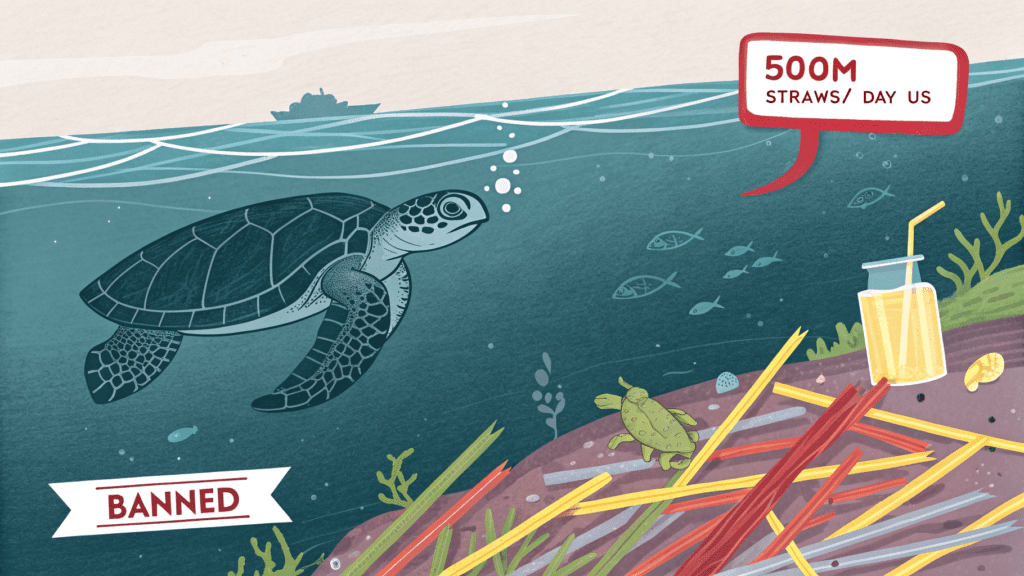
À l'échelle mondiale, des centaines de millions de pailles en plastique à usage unique sont jetées chaque jour, mettant des siècles à se décomposer et contribuant de manière significative à la pollution de l'environnement, en particulier dans les océans et les décharges. Cette crise environnementale croissante, associée à l'évolution des valeurs des consommateurs et à des réglementations plus strictes, n'est plus un problème secondaire pour les entreprises de restauration, mais un impératif opérationnel et de marque critique. Par exemple, les États-Unis représentent à eux seuls environ 500 millions de pailles en plastique utilisées quotidiennement. Les entreprises qui ne parviennent pas à s’adapter risquent de s’aliéner leurs clients et de subir des répercussions juridiques.
B. Adopter la révolution écologique : que sont les pailles biodégradables ?
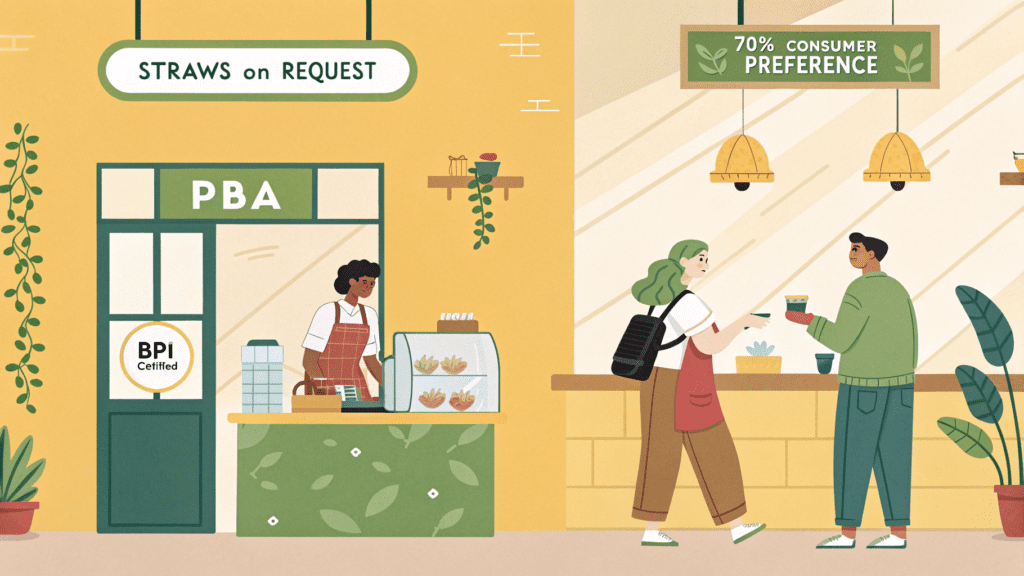
Les pailles biodégradables sont des alternatives innovantes à base de plantes conçu pour se décomposer naturellement, réduisant considérablement l’empreinte écologique. Il ne s’agit pas simplement d’une mesure de conformité ; ils sont un atout stratégique pour valoriser l’image de marque et attirer le segment croissant de consommateurs soucieux de l'environnement, avec des études montrant plus de 70 % des consommateurs préfèrent les marques durables.
Apprenez-en davantage sur les solutions durables pour votre entreprise sur momoio.com
II. L'évolution de la gorgée : des roseaux anciens aux énergies renouvelables modernes
A. Un aperçu historique : le voyage de la paille
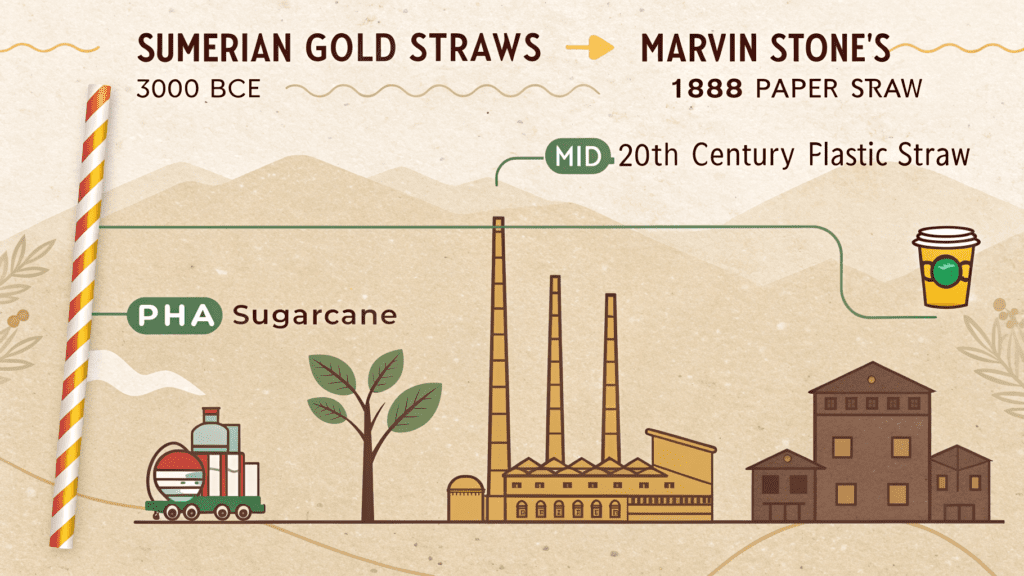
La paille à boire a une riche histoire, depuis l'Antiquité sumérienne et égyptienne utilisant des pailles en or et en bois, jusqu'à l'invention pionnière de la paille en papier par Marvin Stone en 1888. Le milieu du XXe siècle a vu l'avènement de la paille en papier. montée des pailles en plastique, stimulée par la croissance de la restauration rapide et la demande de produits jetables durables et peu coûteux, conduisant à la quasi-extinction des alternatives au papier dans les années 1970.
B. The Tipping Point: Environmental Awakening & Regulatory Action
La sensibilisation croissante du public et de l’industrie à la pollution plastique a commencé à la fin des années 2000, notamment mise en évidence par la vidéo virale de 2015 sur les tortues marines. Cette prise de conscience a déclenché une vague d’actions réglementaires :
- Directive européenne sur les plastiques à usage unique (SUPD), juillet 2021 : Un point de repère interdiction de divers plastiques à usage unique, dont les pailles en plastique (même le PLA), avec des exceptions hospitalières limitées. Cette directive impose également Dispositifs de responsabilité élargie des producteurs (REP), tenant les producteurs responsables de la gestion des déchets et des coûts de nettoyage.
- Interdictions au niveau des États américains : UN patchwork de réglementations exists, including outright bans (e.g., Seattle in July 2018, New York, New Jersey, Vermont, Washington) or “straw upon request” policies (e.g., California in January 2019, New York City). Some US cities have even banned “compostable plastic” (PLA) if not truly non-plastic.
- Industry Response: Major corporations like Starbucks (2018 pledge, introducing Green Planet™ plant-based straws in Japan in 2024), McDonald's (global paper straw transition), Hyatt, American Airlines, and Disney have made significant commitments, demonstrating successful shifts that lead to increased customer satisfaction and positive media coverage.
This period marked a definitive turning point for foodservice, making compliance and sustainable sourcing a top priority.
III. Navigating the Green Landscape: Choices, Trends, and Truths
A. Understanding Your Options: A Deep Dive into Biodegradable Materials
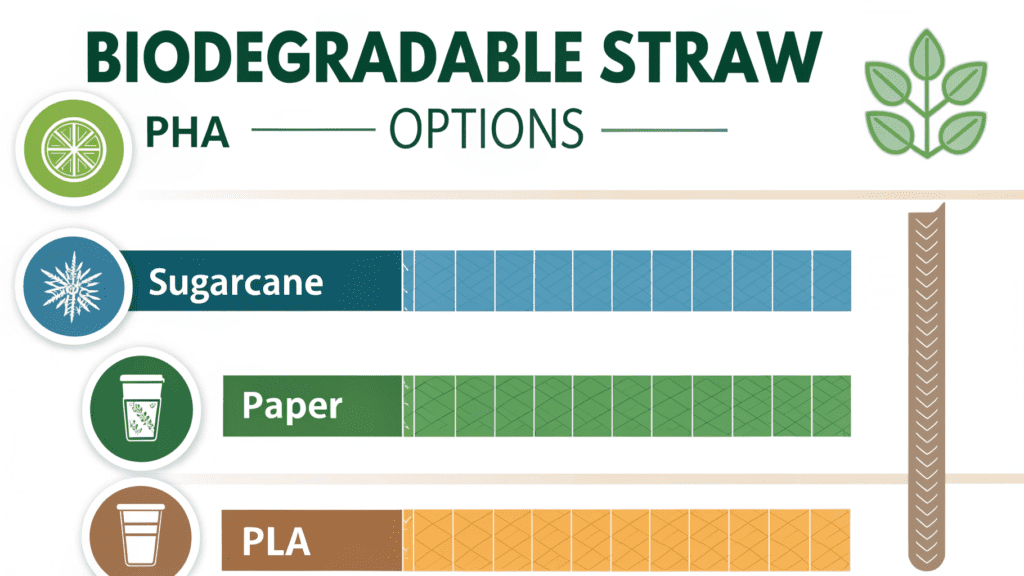
Choosing the right biodegradable straw involves understanding their unique properties and suitability for different foodservice applications. We will focus on the new generation of PLA-free options:
- Polyhydroxyalcanoates (PHA) :
- Avantages: PHA straws mimic the feel and durability of traditional plastic, are marine & home/industrial compostable, durable, suitable for hot beverages (up to 100°C/212°F), FDA-approved, and do not produce microplastics. They have a significantly reduced carbon footprint (up to 70% less emissions than plastic).
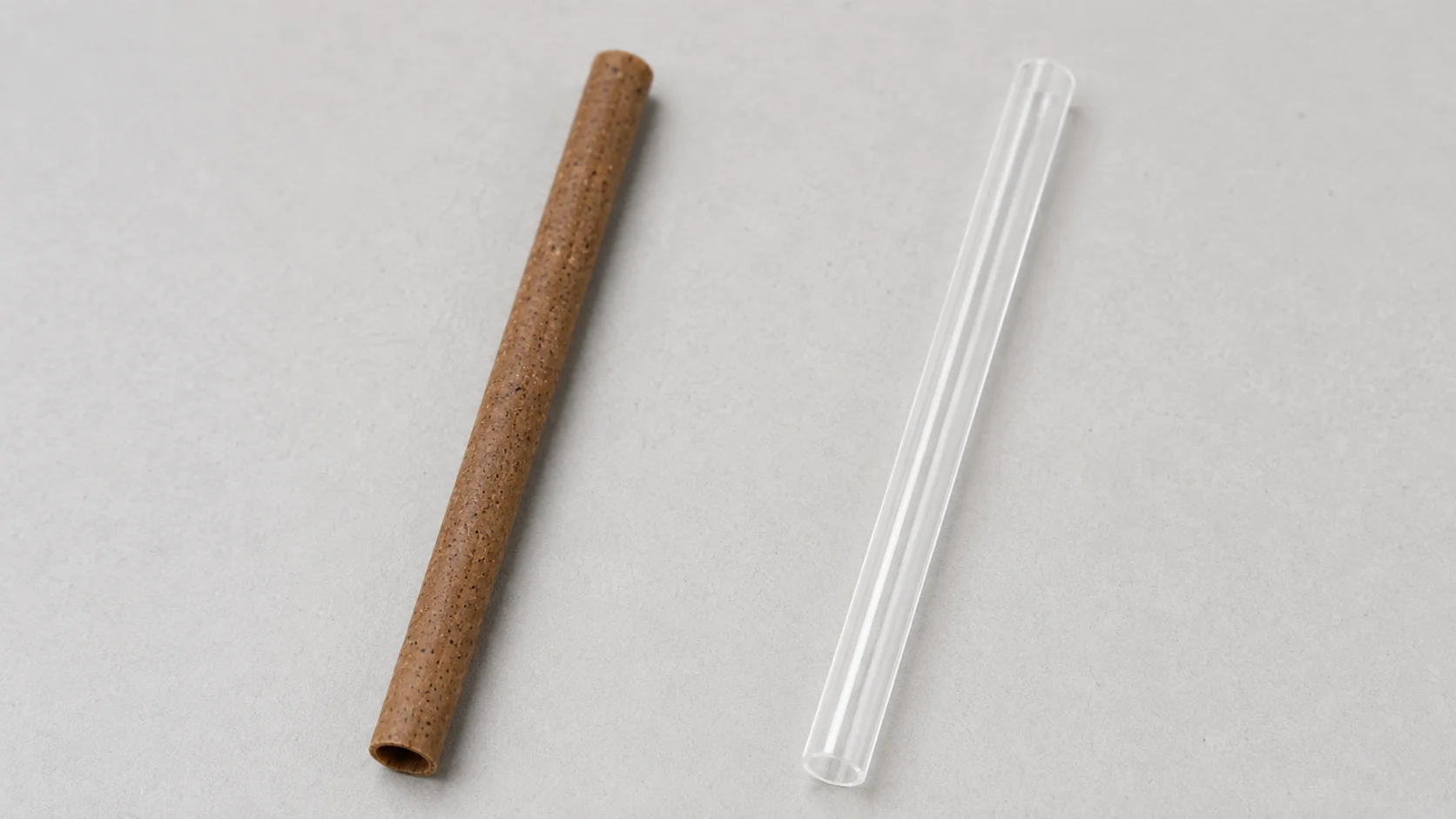
- Inconvénients: PHA straws can be more expensive que les autres options biodégradables en raison de leur processus de production de fermentation complexe, même si les coûts s'améliorent. De manière critique, le L'UE classe le PHA comme un « polymère non naturel » en raison du processus de fermentation industrielle, interdisant ainsi les pailles de PHA à usage unique comme « plastique ». malgré leur biodégradabilité, ce qui impacte considérablement leur utilisation en Europe. Les pailles PHA sont également conçues pour un usage unique, perpétuant ainsi une consommation continue de ressources.
- Canne à sucre (Bagasse) :
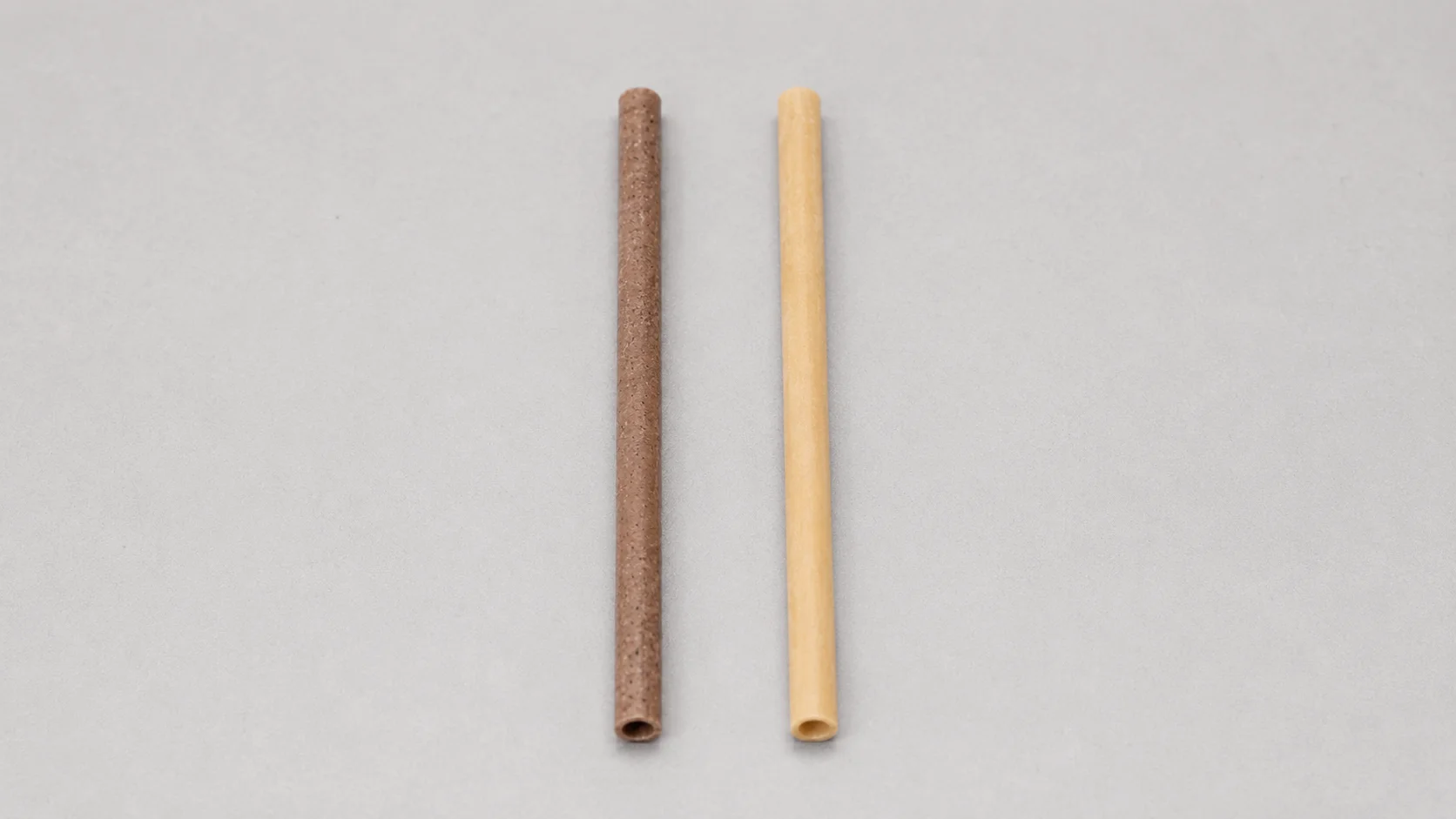
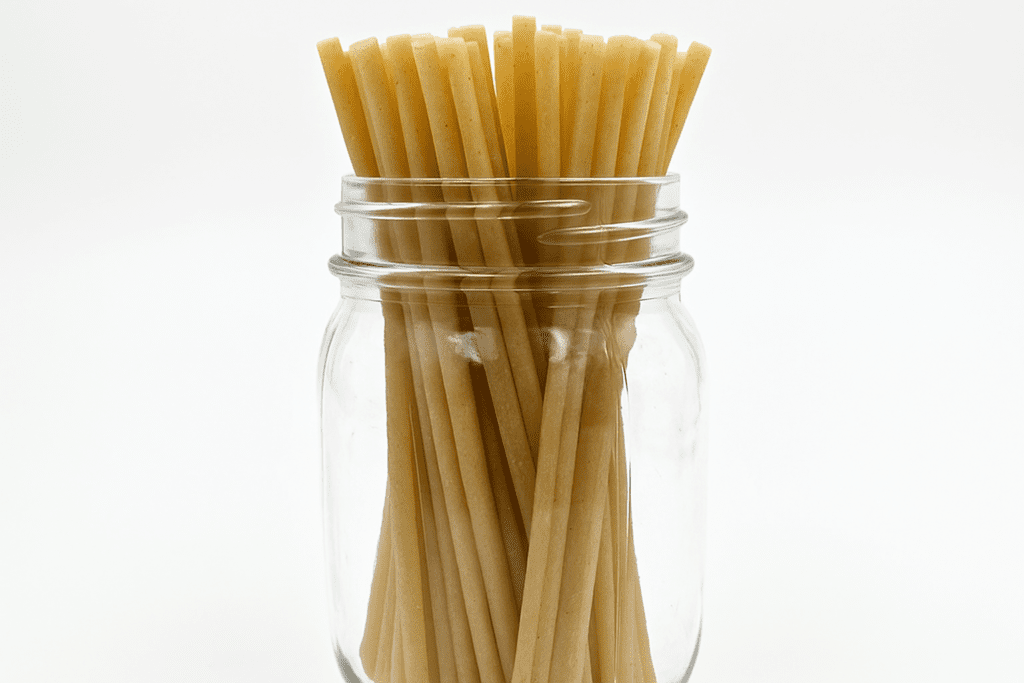
- Avantages: Fabriqué à partir de la bagasse, le sous-produit fibreux de l'extraction du jus de canne à sucre, valorisant les déchets agricoles dans une économie circulaire. Ils sont souvent 100 % sans PLA et sans PFAS, durable, résistant à l'eau, adapté à boissons chaudes (jusqu'à 90°C/220°F), compostable à la maison (généralement 3 à 6 mois) et sans goût. Les pailles de canne à sucre sont généralement autorisé en vertu du SUPD de l'UE comme une fibre naturelle et non chimiquement modifiée.
- Inconvénients: Bien qu'ils durent des heures, certains peuvent se ramollir légèrement au fil du temps. très liquides chauds, tout en restant fonctionnels. Certaines premières versions (V1) contenaient du PLA, désormais interdit dans l'UE. Les avantages optimaux en matière de dégradation nécessitent l’accès à des installations de compostage. Ils ont une durée de conservation de 10 à 18 mois et nécessitent un stockage approprié.
- Article (pour le contexte) :
- Avantages: Largement disponible, rentable (par rapport à certains bioplastiques), biodégradable, recyclable.
- Inconvénients: Sujet à la détrempe, perdant plus de 75 % de fermeté après 20 minutes et s'effondrant en 30 à 60 minutes, ce qui peut frustrer les clients. Ils peuvent donner un goût de « papier », et certaines études ont montré qu'ils étaient nocifs. Teneur en PFAS (substances per- et polyfluoroalkyles).
- Acide polylactique (PLA) (pour le contexte) :
- Avantages: Aspect/sensation similaire au plastique, robuste pour les boissons froides.
- Inconvénients: Nécessite principalement installations de compostage industriel; il faut des années pour se décomposer à température ambiante dans les décharges ou dans les océans, se comportant comme le plastique conventionnel. Adoucit et se déforme dans les liquides chauds (au-dessus de ~60-70°C). Fondamentalement, le SUPD de l’UE interdit les pailles PLA en tant que plastique.
B. Current Market Adoption & B2B Buyer Preferences
Le marché mondial de la paille biodégradable connaît un essor considérable, qui devrait passer de 41,52 milliards de dollars en 2024 à 178,87 milliards USD d'ici 2031 (un TCAC de 23,20 %). L’Amérique du Nord et l’Asie-Pacifique sont en tête des parts de marché et de la croissance.
Les entreprises donnent la priorité au développement durable pour leurs objectifs de RSE, de conformité réglementaire et d’amélioration de la marque. La fonctionnalité (durabilité, adéquation chaud/froid) et la rentabilité sont des facteurs de décision clés. Histoires de réussite de grandes chaînes comme Starbucks, McDonald's, Hyatt, American Airlines, Disney, Sweetgreen, Dunkin', Tous les JOURS et First Watch mettent en lumière des transitions réussies menant à une satisfaction client accrue.
Prêt à mener le changement ? 🌱 Contactez-nous dès aujourd'hui pour demander un devis ou obtenir des échantillons gratuits de canne à sucre de qualité supérieure et de pailles PHA pour votre café ou votre entreprise de restauration. Il est temps de rejoindre les rangs des cafés et restaurants durables pour inverser la tendance du plastique à usage unique – une paille à la fois. Vos clients vous remercieront, et la planète aussi !
C. Addressing the Elephant in the Room: Challenges & Misconceptions
- Cost Barrier: Biodegradable straws are generally more expensive than traditional plastic (e.g., paper straws 5-12 cents vs. plastic <2 cents). However, this must be weighed against the « véritable coût » de la pollution plastique (75 milliards de dollars par an pour la société) et les avantages à long terme d’une réputation de marque améliorée et d’une fidélisation de la clientèle. Les pailles de canne à sucre sont compétitives par rapport aux pailles en papier lorsqu'elles sont achetées en gros.
- The “Biodegradable” Myth & Greenwashing: De nombreux plastiques « biodégradables » (comme le PLA) nécessitent des conditions de compostage industriel spécifiques et peuvent se comporter comme le plastique conventionnel dans les décharges ou les océans, contribuant ainsi à la pollution. Actionable Advice: Emphasize the importance of clear “compostable” certifications (e.g., OK Compost Home/Industrial) over vague “biodegradable” claims.
- PFAS Concerns: Studies (2019-2024) have detected harmful “forever chemicals” (PFAS) in many paper and plant-based straws. Actionable Advice: Seek “PFAS-Free” certifications when sourcing. Sugarcane straws are typically PFAS-free.
- Composting Infrastructure Challenge: While sugarcane and PHA straws are compostable, widespread access to commercial composting facilities is not universal in the US, highlighting the importance of home compostable options.
IV. Strategic Sourcing & Future-Proofing Your Business
A. Key Supplier Considerations for B2B Buyers
To make a confident and compliant choice, B2B buyers must prioritize:
- Non-Negotiable Certifications:
- Compostabilité : Look for BPI Certified Compostable, DIN CERTCO, TÜV Austria (OK Compost Industrial/Home, Marine Biodegradable).
- Contenu biosourcé : USDA BioPreferred Program verifies renewable resource content.
- Sécurité alimentaire : FDA Food Contact Safety Guidelines, LFGB, Good Manufacturing Practices (GMP).
- Sourcing & Safety: FSC-certified sources (for paper straws), and crucially, PFAS-Free verification.
- Logistics & Scalability: Inquire about typical production lead times (e.g., 15-35 days), Minimum Order Quantity (MOQ), and discuss flexibility for initial trials. Leverage the cost-effectiveness of bulk and wholesale purchasing for significant savings.
- Customization for Brand Alignment (OEM Opportunities): Consider custom logo printing (colorful inks), laser engraving (bamboo), and bespoke designs to reinforce your brand identity. Ensure availability of different diameters, lengths, and shapes (straight, flexible, spoon), and packaging options (bulk, individual paper wraps).
B. The Business Case for Adoption: Beyond Compliance
Switching to compostable, PLA-free straws offers tangible business advantages:
- Compliance with Current (and Future) Regulations: Align with growing laws banning single-use plastics, future-proofing your operations against the next wave of plastic restrictions.
- Appel aux consommateurs soucieux de l’environnement : Over 70% of consumers prefer sustainable brands, enhancing your brand and building customer loyalty.
- Expérience client améliorée : Durable, taste-neutral straws eliminate common complaints associated with soggy paper, leading to higher customer satisfaction.
- Contribute to a Circular Economy: Utilizing agricultural byproducts and truly compostable materials reduces waste and carbon footprint.
- Ease of Disposal & Waste Management: Compostable straws can often go into food waste or compost bins, simplifying waste sorting and potentially saving on disposal costs.
- Marketing & Storytelling Opportunities: Highlight your “compostable straws initiative” on menus, signage, and social media, positioning your cafe as a leader in sustainable practices and generating positive PR.
C. Actionable Steps: Implementing Your Sustainable Straw Strategy
- Évaluez vos besoins : Réalisez un audit interne de l'utilisation actuelle de la paille, en tenant compte des types de boissons (chaudes/froides, fines/épaisses) et du volume.
- Programme pilote : Lancer une phase d'essai avec une sélection de matériaux biodégradables, en recueillant les commentaires du personnel et des clients sur les performances et les préférences.
- Formation du personnel : Éduquez votre équipe sur les nouveaux matériaux, la manipulation appropriée et les méthodes d'élimination appropriées (par exemple, différencier le compostage industriel du compostage domestique) pour maximiser les avantages environnementaux.
- Communication client : Communiquez de manière proactive votre engagement en matière de développement durable à travers les menus, la signalisation et les réseaux sociaux pour renforcer les valeurs de la marque et éduquer les consommateurs. Pensez à proposer des pailles « sur demande » pour réduire davantage les déchets.
- Au-delà de la paille : Position this switch as a stepping stone within a larger, holistic sustainability strategy, exploring other waste reduction strategies, reusable systems, and responsible sourcing.
V. Future Outlook: Beyond 2025 – Continuous Innovation & Global Impact
The global eco-friendly straws market is set for continued robust growth, with projections to reach $19.36 billion by 2029 et $25.1 billion by 2035 (7.3% CAGR).
• Innovations émergentes : Anticipate breakthroughs in materials, coatings for enhanced durability, and true biodegradability in diverse environments (marine, home compost). This includes advanced PHA production (genetic engineering, new substrates like food waste) and novel plant-based materials like seaweed, rice, coffee grounds, coconut, and cellulose acetate.
• Cost Optimization: Economies of scale and technological advancements are expected to drive down the cost of biodegradable straws, making them even more accessible.
• Holistic Sustainability: The shift to biodegradable straws is part of a broader industry movement towards comprehensive sustainable practices, integrating with other eco-friendly disposables and waste management solutions. Hotels, for example, are moving towards carbon neutrality, integrating AI for resource management, sustainable design, and circular economy initiatives. This reflects a shift from sustainability as a “marketing add-on” to a “cost-avoidance strategy” for procurement, driving efficiency and resilience.
The time to act is now. Aligning with sustainable practices is not just about compliance but seizing a competitive advantage in a rapidly evolving market. By adopting these next-generation PLA-free straws, you demonstrate your commitment to a sustainable future, delight your customers, and future-proof your business operations.
Prêt à mener le changement ? 🌱 Contactez-nous dès aujourd'hui pour demander un devis ou obtenir des échantillons gratuits de canne à sucre de qualité supérieure et de pailles PHA pour votre café ou votre entreprise de restauration. Il est temps de rejoindre les rangs des cafés et restaurants durables pour inverser la tendance du plastique à usage unique – une paille à la fois. Vos clients vous remercieront, et la planète aussi !