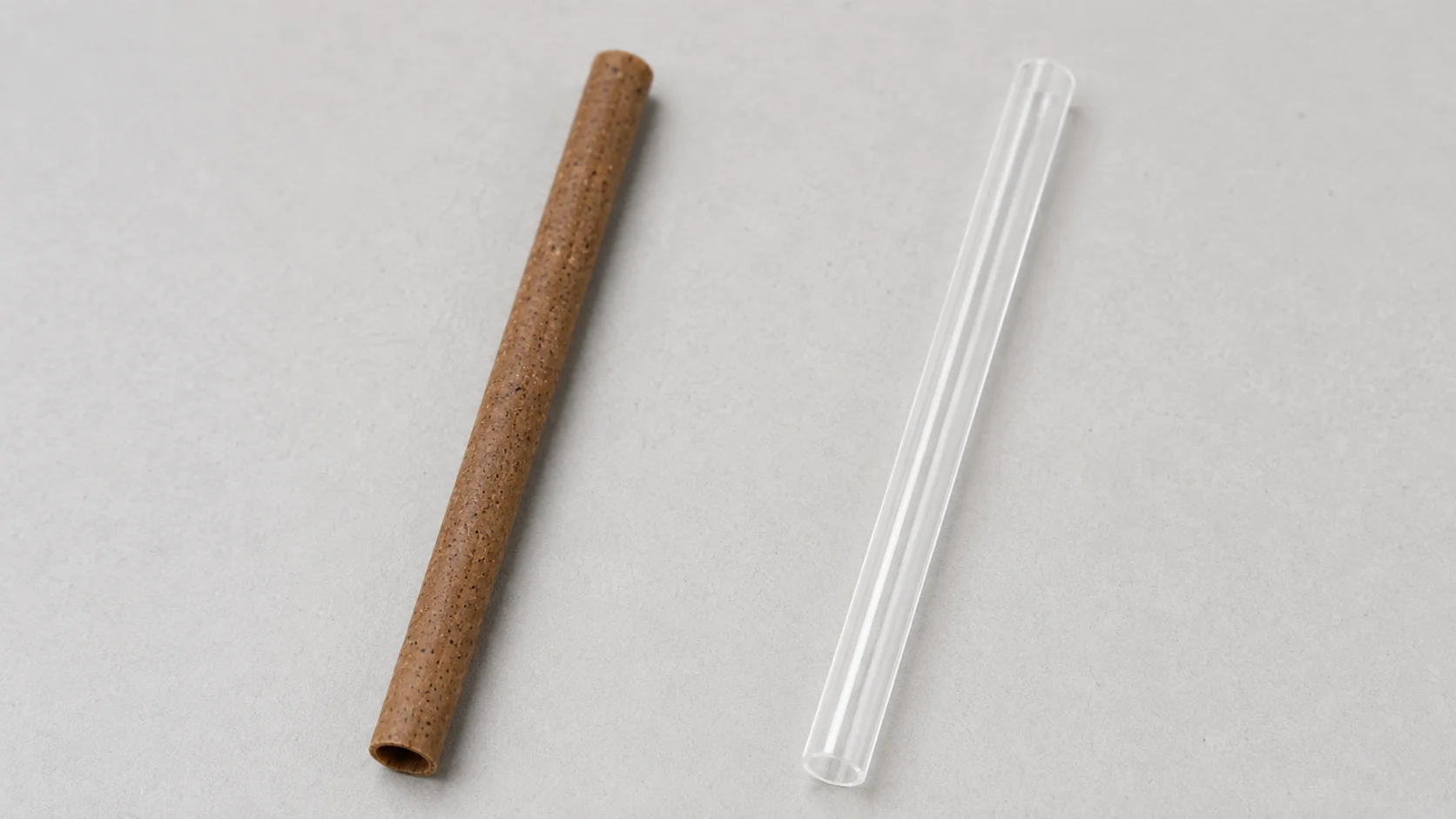
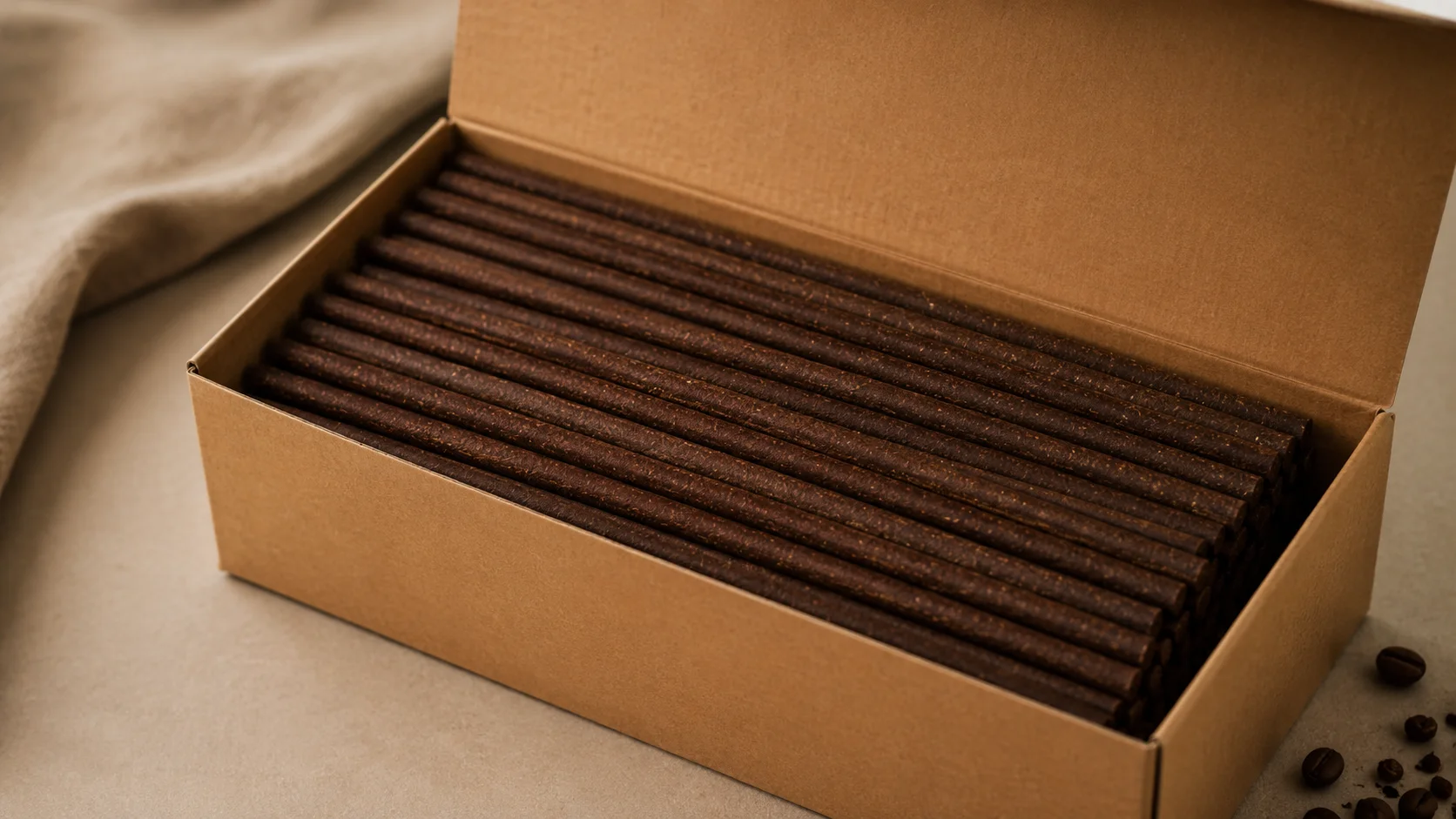
Qu’est-ce que BPI compostable ? Un guide B2B sur les opérations durables et le réacheminement des déchets
For Procurement Managers, Operations Directors, and Sustainability Officers in Hospitality & Foodservice
I. Introduction : Naviguer dans le paysage vert pour les opérations B2B
Dans le paysage des entreprises d’aujourd’hui, les pratiques durables ne sont plus un luxe mais un impératif stratégique. Pour les responsables des achats, les directeurs des opérations, les responsables du développement durable et les responsables de la chaîne d'approvisionnement dans le secteurhospitality & foodservice industries, le mandat d'intégrer des solutions respectueuses de l'environnement dans les fonctions commerciales de base s'intensifie. Un aspect important de cette démarche implique un réacheminement efficace des déchets organiques, un élément essentiel pour optimiser l’efficacité de la chaîne d’approvisionnement et démontrer une véritable gestion de l’environnement. Le défi, cependant, consiste à discerner des produits véritablement durables au milieu d’un océan d’allégations « vertes » trompeuses.
Comprendre les subtilités de la certification « BPI compostable » est donc essentiel pour prendre des décisions d’achat éclairées. Ce guide vise à démystifier la certification BPI, en fournissant aux décideurs B2B les connaissances complètes nécessaires pour tirer parti des solutions certifiées BPI pour une efficacité opérationnelle améliorée, une conformité réglementaire et une réputation de marque renforcée. Ignorer la transition vers des matériaux compostables vérifiés comporte des risques opérationnels et commerciaux importants, allant de l'accumulation des coûts de mise en décharge et des sanctions réglementaires à l'aliénation d'une clientèle de plus en plus soucieuse de l'environnement.
La certification BPI est cruciale pour l’hôtellerie et la restauration afin de garantir une véritable durabilité et d’éviter le greenwashing.
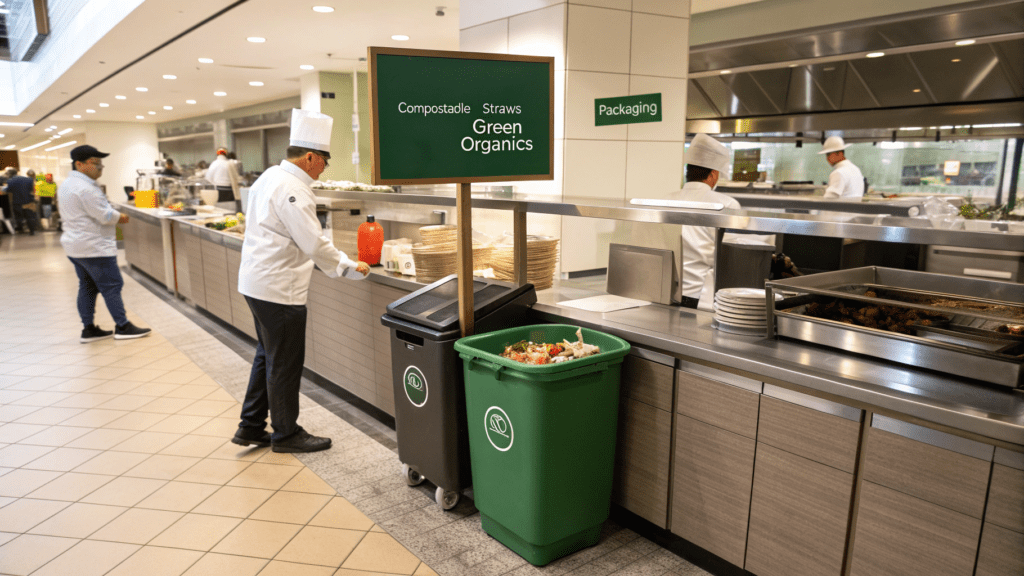
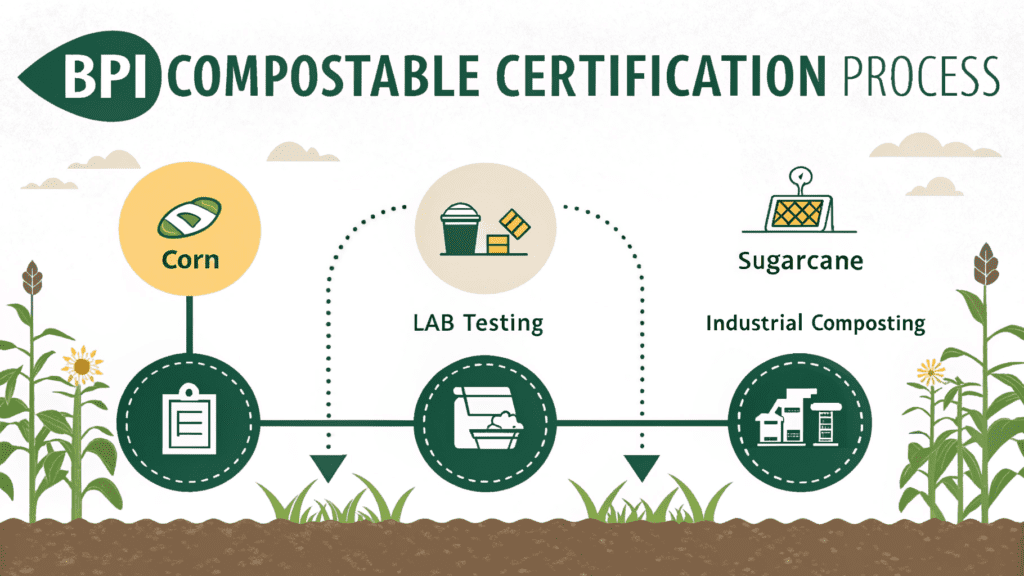
Illustration : Le processus rigoureux de tests et de certification derrière les produits compostables BPI.
II. Démystifier la certification compostable BPI pour les responsables des achats
Pour les professionnels des achats, l’identification des matériaux véritablement compostables est primordiale pour éviter des erreurs coûteuses et garantir que les objectifs de durabilité à long terme soient atteints. LeInstitut des produits biodégradables (BPI)fournit une voie claire et scientifiquement étayée pour cela.
A. Qu'est-ce que BPI compostable ? L’étalon-or nord-américain
Créé en 1999 en tant qu'association multipartite à but non lucratif, le Biodegradable Products Institute (BPI) est devenu le principal organisme de certification tiers pour les produits et emballages compostables en Amérique du Nord. La mission de BPI est de vérifier que les produits et les emballages se décomposeront avec succès dans des installations de compostage commerciales ou industrielles gérées par des professionnels sans nuire à la qualité du compost fini. Ce processus de certification robuste garantit que les articles certifiés sont compostés complètement, en toute sécurité et en temps opportun.
La marque de certification BPI, dotée de son motif tourbillonnant distinctif, fournit une vérification par un tiers fiable qu'un produit a été testé et vérifié de manière indépendante selon des normes scientifiquement fondées. Cette marque est largement reconnue par les municipalités et les installations de compostage aux États-Unis et au Canada, servant de norme définitive pour les produits biodégradables approuvés dans les programmes de réacheminement des matières organiques. Lors de l'achat de produits comme des pailles compostables certifiées BPI, par exemple,entreprises hôtelièrespeuvent être sûrs qu'ils investissent dans des solutions conçues pour une véritable récupération en fin de vie.
B. The Rigorous Standards Behind BPI Compostable Products: ASTM D6400 & D6868
L'intégrité de la certification BPI repose sur son adhésion aux normes techniques rigoureuses de l'American Society for Testing and Materials (ASTM). Les produits certifiés BPI doivent être conformes à la norme ASTM D6400 pour les plastiques ou à la norme ASTM D6868 pour les produits à base de fibres incorporant des polymères comme revêtements ou additifs.
Ces normes sont méticuleusement conçues pour garantir une décomposition complète. Plus précisément, ils exigent que les produits se désintègrent en petits morceaux dans un délai de 90 jours (ou 12 semaines/84 jours) dans un environnement de compostage industriel. La biodégradation complète, où le matériau se transforme en dioxyde de carbone, en eau et en biomasse, doit se produire dans un délai de 90 à 180 jours. Il est essentiel que cette dégradation ne laisse aucun résidu toxique ou métal lourd nocif, garantissant ainsi que le compost obtenu est sans danger pour la croissance des plantes, un critère vérifié par des tests d'écotoxicité.
Une avancée significative dans le programme de certification de BPI est l’interdiction des substances per- et polyfluoroalkyles (PFAS). Depuis le 1er janvier 2020, BPI a mis en œuvre une nouvelle norme exigeant que tous les produits certifiés ne contiennent aucun produit chimique fluoré intentionnellement ajouté et qu'ils présentent un rapport de test contenant moins de 100 ppm de fluor total. Cette mesure proactive répond aux préoccupations croissantes concernant les « produits chimiques éternels » et renforce l’engagement de BPI en faveur de matériaux véritablement sûrs et durables. De plus amples détails sur ces normes peuvent être trouvés sur leSite Web de l'ASTM International.
La certification BPI garantit que les produits répondent aux normes ASTM strictes, y compris les exigences sans PFAS pour un compostage sûr.
Illustration : Rationaliser la gestion des déchets dans l'hôtellerie avec des solutions certifiées BPI.
III. Avantages stratégiques de l'adoption des solutions compostables BPI pour les directeurs des opérations
Pour les directeurs des opérations enhôtellerie et restauration, le passage aux solutions compostables BPI offre plus qu'une simple bonne volonté environnementale ; il offre des avantages opérationnels et financiers tangibles.
A. Améliorer la durabilité : un véritable détournement des déchets grâce aux matériaux compostables BPI
Le principal avantage environnemental des produits certifiés BPI est leur capacité à faciliter un véritable détournement des déchets organiques des décharges et des incinérateurs. En garantissant que les produits se décomposent complètement et en toute sécurité dans les installations de compostage industriel, la certification BPI soutient directement la réduction de la contamination des décharges. Il s’agit d’un problème crucial pour l’industrie du compostage, car les plastiques non dégradables et les articles « biodégradables » trompeurs peuvent coûter des millions de dollars chaque année en coûts de traitement accrus et en matériaux invendables qui finissent toujours dans les décharges.
L'adoption de matériaux certifiés BPI contribue à favoriser une économie circulaire, en transformant les déchets organiques jetés en compost riche en nutriments qui peuvent restituer des ressources précieuses à l'agriculture. La croissance des infrastructures de compostage souligne cette tendance : le nombre d’installations de compostage aux États-Unis a augmenté de 55 % entre 2016 et 2021, avec une augmentation impressionnante de 83 % du tonnage traité. Cette capacité croissante rend l'intégration de produits certifiés BPI de plus en plus viable et impactante pouropérations de restauration.
B. Ensuring Compliance & Mitigating Greenwashing with BPI Compostable Verification
Dans un marché saturé de vagues allégations environnementales, la certification BPI constitue un solide bouclier contre le greenwashing. Des termes comme « biodégradable » ou « dégradable » sont souvent trompeurs ; Même si ces éléments peuvent éventuellement se décomposer, ils se fragmentent souvent en microplastiques ou ne se décomposent pas complètement dans les systèmes de compostage industriels. BPI offre une preuve claire et vérifiée par un tiers de compostabilité, distinguant les véritables produits compostables de ceux qui ne font que se fragmenter.
Cette clarté est vitale pour le respect de la réglementation. Les lois des États d'Amérique du Nord, comme la loi AB 1201 de Californie et les lois de l'État de Washington, exigent de plus en plus la certification BPI pour que les articles compostables soient commercialisés en tant que tels. S'appuyer sur la certification BPI garantit que votre organisation reste conforme aux réglementations environnementales en évolution, atténuant ainsi les risques juridiques et de réputation importants. L’étiquette BPI inclut souvent explicitement « COMMERCIALEMENT COMPOSTABLE UNIQUEMENT » pour clarifier davantage l’élimination appropriée et éviter tout malentendu du consommateur.
C. Operational Efficiency & ROI Potential with BPI Compostable Packaging
Au-delà de la conformité et de la durabilité, les produits certifiés BPI offrent des avantages opérationnels évidents. Contrairement aux plastiques conventionnels, les produits compostables BPI souillés par les aliments peuvent être éliminés directement dans les flux de recyclage des matières organiques sans avoir besoin d'être nettoyés. Cela rationalise considérablement les processus de tri et de collecte des déchets au sein deinstallations d'accueilqui ont accès au recyclage des matières organiques, améliorant ainsi l’efficacité opérationnelle globale et réduisant les coûts de main-d’œuvre associés à la gestion des déchets.
De plus, la transition vers des alternatives certifiées BPI peut générer des avantages financiers directs. Certains programmes régionaux, tels que MNimize Rebate, offrent des incitations financières allant jusqu'à 500 $ aux entreprises remplaçant les produits en plastique à usage unique par des options compostables certifiées BPI. En outre, investir dans des solutions compostables vérifiées améliore la réputation de la marque, attirant fortement les consommateurs et les partenaires soucieux du développement durable, ouvrant potentiellement de nouvelles opportunités de marché et garantissant des contrats à long terme avec des entreprises soucieuses de l'environnement. Vous pouvez en savoir plus sur la manière dont les solutions certifiées BPI s'intègrent dansefforts de durabilité de l'hôtellerieà cecilien interne.
La certification BPI offre efficacité opérationnelle, conformité et retour sur investissement pour la gestion des déchets de l'hôtellerie et de la restauration.
IV. Tableau comparatif : Comprendre les options de fin de vie des matériaux
Choisir les bons matériaux implique une compréhension claire de leurs implications en fin de vie pour votreEntreprise d'hôtellerie ou de restauration B2B. Ce tableau met en évidence les principales distinctions entre les catégories de matériaux courantes.
| Fonctionnalité | Impact opérationnel B2B | Note de conformité | Potentiel de retour sur investissement |
|---|---|---|---|
| BPI Compostable | S'intègre parfaitement aux programmes de recyclage des matières organiques ; réduit considérablement le volume des déchets mis en décharge et les coûts deopérations de restauration. | Conforme à la norme ASTM D6400/D6868 ; Sans PFAS depuis le 1er janvier 2020 ; est conforme aux réglementations croissantes des États (par exemple, CA AB 1201). | Amélioration de l’image de marque et fidélisation de la clientèle ; réductions potentielles des taxes sur les déchets ; éligibilité aux remises de durabilité ; réduction des coûts de contamination pour les composteurs. |
| Plastique conventionnel | Faible coût matériel immédiat ; cependant, cela entraîne des coûts importants de mise en décharge ou de traitement de recyclage à long terme, en particulier si les aliments sont souillés danscuisines d'hôtel. | Soumis à l’interdiction croissante du plastique à usage unique et aux lois sur la responsabilité élargie des producteurs (REP) ; souvent non recyclables s’ils sont souillés par des aliments, ce qui conduit au détournement des décharges. | Les économies de matériaux à court terme sont souvent compensées par l'augmentation des dépenses de gestion des déchets, les amendes potentielles et la perception négative de la marque. |
| Allégation « biodégradable » | Chemin d'élimination peu clair ou trompeur ; risque élevé de contamination des flux de recyclage ou de compostage ; nécessite un tri manuel s’il est accepté dansparamètres commerciaux. | Ne répond souvent pas aux normes de compostage industriel ; risque de réaction négative en matière de greenwashing et de méfiance des consommateurs en raison d’allégations vagues ou non vérifiées. | Aucun véritable avantage environnemental ; risque de dommages importants à la réputation et de poursuites judiciaires en cas de marketing trompeur ; contribue à l’inefficacité du système de gestion des déchets. |
Comprendre les options de fin de vie des matériaux est crucial pour des stratégies d'approvisionnement et de développement durable B2B éclairées.
Illustration : des produits certifiés BPI s'intégrant parfaitement dans un flux de déchets durable.
V. Impact dans le monde réel : BPI Compostable en action
L'adoption de matériaux certifiés BPI va au-delà du simple emballage, imprégnant différentes étapes de la chaîne d'approvisionnement pour garantir une durabilité globale pourentreprises d'hôtellerie et de restauration.
A. Étude de cas : l'engagement de Zeller+Gmelin envers les encres compostables BPI (mai 2025)
Un exemple notable de l’impact de la certification BPI sur la chaîne d’approvisionnement au sens large vient de Zeller+Gmelin Amérique du Nord. En mai 2025, leur gamme d'encres offset sèches série 76z50 a obtenu la certification BPI Compostable. Il s’agit d’une évolution significative, car les encres constituent un élément crucial de l’emballage. En certifiant leurs encres, Zeller+Gmelin permet à ses clients – fabricants d'emballages – d'utiliser en toute confiance la marque BPI sur leurs produits d'emballage compostables finis.
Cette innovation démontre un engagement profond à soutenir des chaînes d'approvisionnement entières avec des composants certifiés, garantissant que même les éléments subtils comme les encres d'imprimerie répondent à des normes strictes en matière de sécurité du contact alimentaire indirect et de performance du compost. De telles intégrations sont essentielles à la création de systèmes véritablement circulaires, dans lesquels chaque partie d'un produit contribue à son retour réussi sur terre sous forme de compost précieux, plutôt que de devenir un polluant, en particulier pouremballage alimentaire dans les restaurants.
Les encres certifiées BPI de Zeller+Gmelin illustrent l’engagement de la chaîne d’approvisionnement en faveur d’une compostabilité complète.
VI. Naviguer dans le paysage : mise en œuvre et perspectives d'avenir pour BPI Compostable
Pour réussir l’intégration des produits compostables BPI, il faut relever les défis existants, notamment en matière de comportement des consommateurs et de développement des infrastructures, cruciaux pouropérations hôtelières à grande échelle.
A. Lutter contre la confusion des consommateurs pour une meilleure gestion des flux de déchets
Malgré la disponibilité croissante de produits compostables, la compréhension des consommateurs reste un obstacle. Une étude conjointe de BPI et du Closed Loop Partners’ Composting Consortium, publiée en juillet 2023, a révélé une grande confusion dans le public. L'enquête numérique menée auprès de 2 700 participants a révélé qu'environ 49 % d'entre eux avaient du mal à faire la distinction entre « biodégradable » et « compostable ». En outre, près d’un tiers des personnes interrogées ont mal placé les emballages compostables dans les bacs de recyclage, et jusqu’à 50 % ont cru à tort que les emballages étiquetés « fabriqués à partir de plantes » pouvaient être compostés, quelle que soit leur certification.
Pour contrer cela, un étiquetage standardisé et l’affichage bien en vue d’informations claires sur la compostabilité sur les emballages sont cruciaux. BPI milite activement en faveur de changements de politique visant à améliorer la gestion des flux de déchets, y compris une pétition importante déposée auprès du ministère américain de l'Agriculture en 2023. Cette pétition vise à mettre à jour la définition du compost, vieille de 25 ans, dans le National Organic Program, qui n'autorise actuellement que les matières végétales et animales, limitant ainsi la capacité de nombreux transformateurs à gérer les emballages compostables. Il est essentiel de remédier à cette confusion pour maximiser l'efficacité des programmes de réacheminement des matières organiques, en particulier dansenvironnements de restauration à volume élevé. Pour plus d’informations sur cette étude et d’autres initiatives, visitez leSite Web des partenaires en boucle fermée.
B. Le paysage en évolution de l’infrastructure de compostage industriel
Même si la croissance des installations de compostage aux États-Unis – une augmentation de 55 % entre 2016 et 2021, entraînant une augmentation de 83 % du tonnage traité – est encourageante, davantage de capacités sont encore nécessaires à l’échelle nationale pour gérer efficacement le volume croissant de déchets organiques et compostables. Le succès des produits certifiés BPI repose en grande partie sur la disponibilité et l'efficacité de ces installations de compostage industriel, ce qui constitue un facteur clé pourchaînes hôtelières.
Pour combler le fossé entre les tests en laboratoire et les performances réelles, BPI a lancé un « programme de validation sur le terrain ». Ce programme rassemble des données complètes sur la façon dont les produits certifiés fonctionnent dans les systèmes réels des installations de compostage. Un rapport de février 2022 de BPI et BioCycle, intitulé « Examen des résultats et programmes d'essais sur le terrain accessibles au public », a compilé des données provenant de diverses sources, montrant que la majorité (85 %) des données accessibles au public indiquaient que les produits BPI avaient réussi les tests sur le terrain dans un délai de 49 jours. Cela suggère que les tests de désintégration de 12 semaines (84 à 90 jours) requis par les normes ASTM sont suffisamment conservateurs.
Toutefois, l’examen a également mis en évidence des domaines pouvant être améliorés. Des difficultés ont été constatées pour certains articles en papier et en fibre, notamment les produits en fibres moulées sans PFAS, qui ont parfois eu du mal à réussir les tests réels de 49 et 90 jours. Il a été observé que les revêtements bioplastiques sur le papier, tels que ceux trouvés sur les gobelets chauds, se dégradent suffisamment, mais laissent parfois derrière eux un substrat en papier pratiquement intact. Le directeur exécutif de BPI, Rhodes Yepsen, a souligné la nécessité de poursuivre les recherches pour identifier les causes profondes des objets qui ne se décomposent pas, que ce soit en raison de la composition spécifique des matériaux ou des conditions environnementales de compostage. Cette boucle de rétroaction continue entre la certification, la recherche et le développement des infrastructures est essentielle au succès à long terme du marché des produits compostables. Une liste complète des produits certifiés BPI et leurs certifications spécifiques sont disponibles via lelien interneau catalogue de produits consultable BPI ici.
Il est essentiel de remédier à la confusion des consommateurs et de développer l'infrastructure de compostage pour le succès des produits BPI.
VII. Conclusion : produisez un changement durable avec BPI Compostable
Adopter les solutions compostables BPI est plus qu’un choix environnemental ; c'est un impératif stratégique pour la modernitéOpérations d'hôtellerie et de restauration B2B. Cela garantit non seulement le respect de normes environnementales strictes et une conformité réglementaire proactive, mais catalyse également un réacheminement substantiel des déchets, renforce l’intégrité de la marque et améliore l’efficacité opérationnelle. En optant délibérément pour des produits certifiés BPI, les entreprises peuvent quantifier les économies de coûts grâce à la réduction des frais de mise en décharge et aux remises potentielles, atténuer les risques de conformité et de greenwashing et augmenter considérablement la valeur de leur marque aux yeux de consommateurs et de partenaires de plus en plus conscients. Cet engagement ouvre des opportunités de parts de marché substantielles, positionnant votre organisation à l’avant-garde de la bioéconomie circulaire.
Le temps des hésitations est révolu.Agissez maintenantpour évaluer et intégrer des produits certifiés BPI dans votre chaîne d'approvisionnement, garantissant ainsi un avenir plus durable, plus conforme et plus rentable pour votre organisation. Demandez dès aujourd’hui une évaluation complète des produits certifiés BPI pour aligner vos opérations sur l’avenir de la gestion durable des déchets.
Adoptez les solutions compostables BPI pour la durabilité stratégique, la conformité et la rentabilité des opérations B2B.
Foire aux questions (FAQ)
Q : En quoi la certification BPI profite-t-elle spécifiquement à la gestion des déchets dans une grande chaîne hôtelière ?
R : Pour les grandes chaînes hôtelières, la certification BPI rationalise le tri des déchets en permettant aux articles compostables souillés par les aliments (comme les couverts, les assiettes et les tasses) d'être collectés avec les déchets alimentaires. Cela réduit le volume des décharges, diminue les coûts d’élimination et améliore l’image verte de l’hôtel, attirant les clients soucieux de l’environnement et les entreprises.
Q : Quels sont les principaux défis pour les opérations de restauration lors de la transition vers les emballages compostables BPI ?
R : Les défis consistent notamment à assurer la formation du personnel sur l'élimination appropriée, à éduquer les clients pour prévenir la contamination et à vérifier l'accès local aux installations de compostage industriel. Les responsables des achats doivent également gérer les différences de coûts potentielles et les ajustements de la chaîne d’approvisionnement.
Q : Les produits certifiés BPI peuvent-ils résister aux exigences des lave-vaisselle commerciaux dans un restaurant ?
R : La certification BPI concerne les articles à usage unique conçus pour le compostage industriel, et non pour la réutilisation ou les lave-vaisselle commerciaux. Les restaurants devraient utiliser des produits certifiés BPI pour leurs besoins jetables (par exemple, des contenants à emporter) et des biens durables traditionnels pour le service au restaurant.
Q : En quoi la certification BPI diffère-t-elle des allégations « biodégradable » ou « dégradable » ?
R : La certification BPI est une vérification rigoureuse par un tiers garantissant que les produits se décomposent complètement dans les installations de compostage industriel, ne laissant aucun résidu nocif. « Biodégradable » ou « dégradable » sont souvent des termes marketing vagues qui ne garantissent pas une décomposition complète ou une sécurité dans des environnements spécifiques, conduisant potentiellement à une pollution microplastique.
Q : Quel est le retour sur investissement typique pour une entreprise hôtelière qui investit dans les produits compostables BPI ?
R : Le retour sur investissement provient de la réduction des frais de mise en décharge, de l'éligibilité potentielle à des remises locales en matière de développement durable, de l'amélioration de la réputation de la marque attirant des clients soucieux de l'environnement et de l'amélioration de l'efficacité opérationnelle du tri des déchets. Même si les coûts initiaux des produits peuvent être plus élevés, les économies à long terme et la valeur de la marque sont souvent