Pailles compostables à domicile : répondre à la demande des consommateurs pour une véritable durabilité
L’impératif d’une véritable durabilité : naviguer dans le dilemme du plastique à usage unique
Le discours mondial sur la pollution plastique a radicalement changé, passant d’une préoccupation environnementale lointaine à un déterminant direct de la réputation de la marque et de la confiance des consommateurs. Les entreprises sont aujourd’hui confrontées à une attention sans précédent, car une grande majorité de consommateurs (environ 70 %) recherchent et soutiennent activement les entreprises qui font preuve d’un véritable engagement en faveur de pratiques respectueuses de l’environnement. Cette prise de conscience accrue est aggravée par une vague de pressions réglementaires croissantes et d’interdictions gouvernementales sur les plastiques à usage unique sur les marchés clés aux États-Unis et en Europe. S’adapter rapidement n’est plus une option ; c’est un impératif commercial.
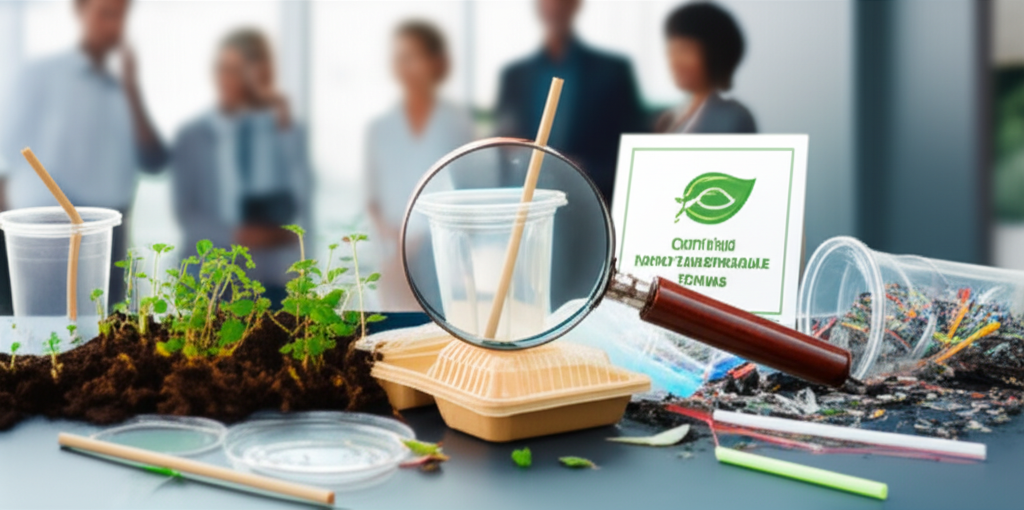
Cependant, naviguer dans ce paysage est semé d’embûches. Le marché est saturé d’allégations « compostables », conduisant souvent à une confusion et à un scepticisme généralisés. Des termes comme « compostable » ou « biodégradable » sont souvent utilisés à mauvais escient, ce qui donne lieu à des préoccupations de « greenwashing » qui peuvent éroder la confiance des consommateurs. Il est crucial de comprendre la distinction essentielle : de nombreux produits commercialisés comme compostables nécessitent des installations de compostage industriel spécifiques à haute température pour se décomposer efficacement. Si ces produits finissent dans les décharges – ce qui est souvent le cas en raison d’infrastructures limitées – leurs avantages environnementaux sont annulés, laissant les entreprises vulnérables aux accusations de pratiques trompeuses. À cette complexité s’ajoute la découverte alarmante de substances per- et polyfluoroalkyles (PFAS), ou « produits chimiques éternels », dans de nombreuses pailles en papier et certaines alternatives à base de plantes, posant des risques importants pour l’intégrité de la marque et la santé des consommateurs.
Déconstruire le « compostable » : comprendre les distinctions critiques
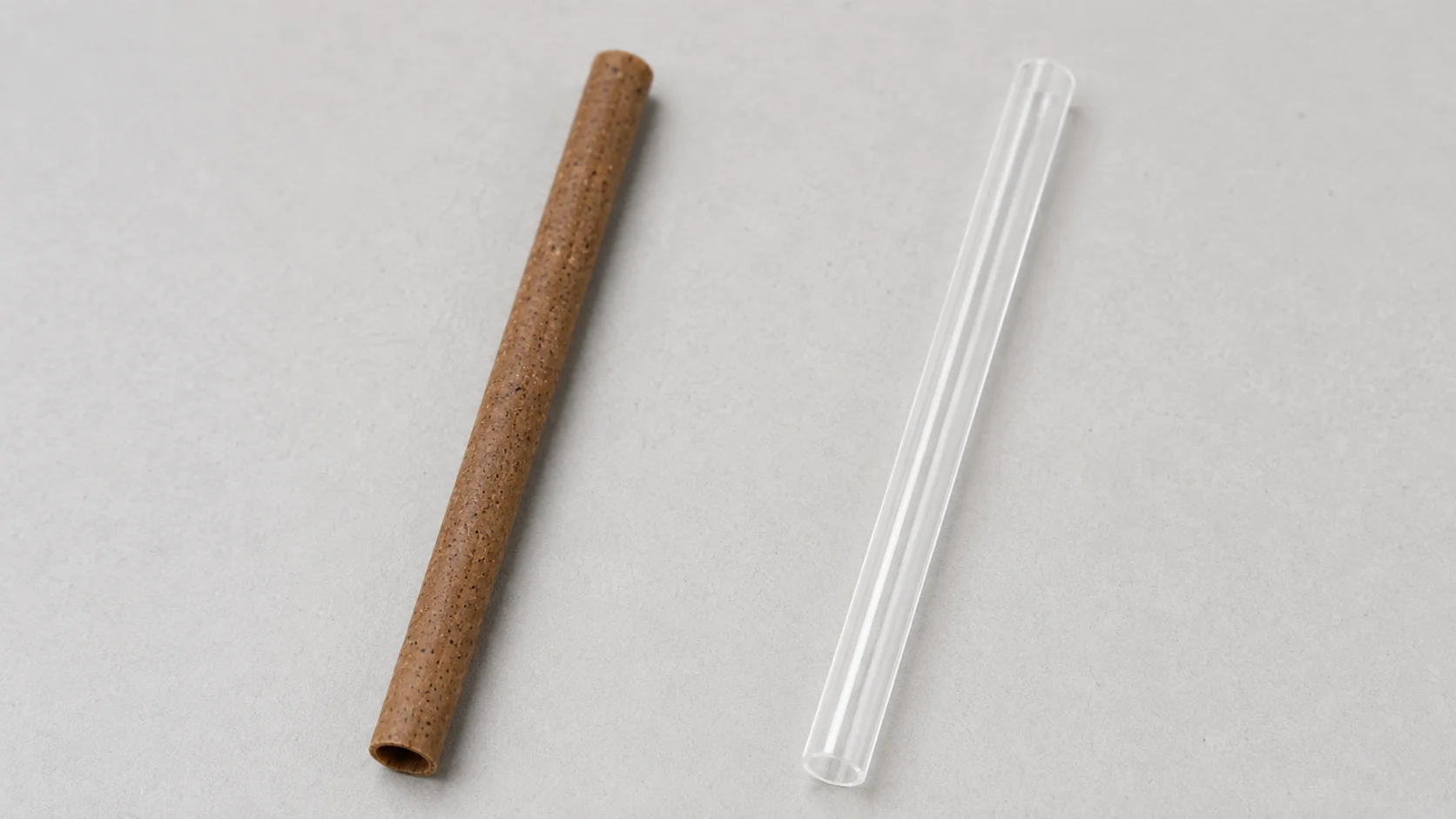
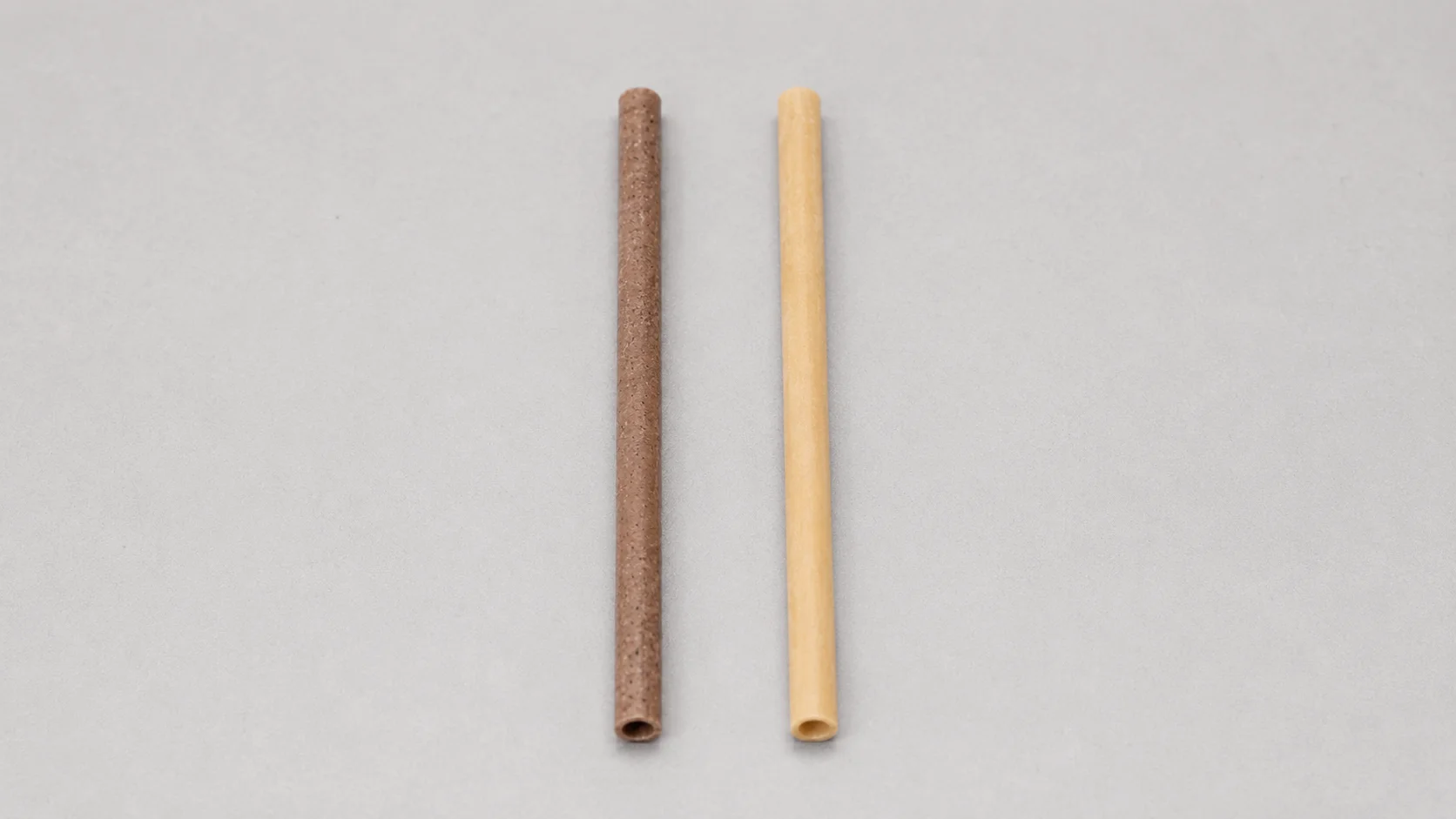
Les limites des installations de compostage industriel signifient que de nombreux produits apparemment respectueux de l’environnement contribuent toujours aux déchets mis en décharge. Cela met en évidence le besoin urgent de solutions qui s’intègrent parfaitement aux habitudes d’élimination existantes, en particulier le compostage domestique. Entrez dans la nouvelle génération de matériaux véritablement compostables à la maison comme les polyhydroxyalcanoates (PHA), souvent dérivés de l'huile de canola, et la bagasse de canne à sucre. Ces matériaux innovants sont conçus pour se décomposer naturellement dans les environnements typiques de compostage de jardin, ou même dans les conditions du sol et de la mer, dans un délai beaucoup plus court, se transformant en matière organique sans laisser de résidus nocifs. Cela représente un pas monumental vers une véritable circularité.
Le marché répond sans équivoque à ce changement. Le marché plus large de la paille écologique, qui englobe les options véritablement compostables à la maison, était évalué à un montant impressionnant de 12,3 milliards de dollars en 2025 et devrait presque doubler pour atteindre 25,1 milliards de dollars d'ici 2035. Cette croissance robuste est alimentée par une confluence de facteurs : une législation de plus en plus stricte, une vague croissante de conscience environnementale des consommateurs et l'adoption proactive par les principaux acteurs des secteurs de la restauration et de l'hôtellerie, tels que Starbucks et McDonald's. Ces géants de l’industrie créent un précédent, signalant un abandon plus large des plastiques conventionnels. Les investissements stratégiques dans les matériaux d’emballage biologiques et les techniques de fabrication avancées, y compris les processus basés sur l’IA, améliorent non seulement les performances des produits, mais façonnent également un paysage hautement compétitif et innovant. Découvrez-en davantage sur les solutions durables pour votre entreprise surmomoio.com/sustainability-solutions.

Libérer une durabilité authentique : la puissance des pailles certifiées compostables à domicile
L'adoption de pailles certifiées compostables à domicile offre bien plus qu'une simple conformité environnementale ; il offre des avantages opérationnels et de réputation tangibles. Les entreprises peuvent réduire considérablement leurs flux de déchets et simplifier les processus d'élimination pour les consommateurs, améliorant ainsi l'efficacité globale. L’adoption d’options certifiées compostables à domicile renforce directement les initiatives de responsabilité sociale des entreprises (RSE), projetant une image de véritable gestion de l’environnement qui résonne profondément auprès des consommateurs modernes. De plus, ces solutions aident de manière proactive les entreprises à se conformer aux réglementations environnementales en évolution, atténuant ainsi les sanctions futures et les positionnant comme leaders du commerce responsable.
Pour prendre une décision éclairée, réfléchissez à la manière dont les alternatives à la paille véritablement durables se comparent :
Tableau comparatif : Alternatives durables à la paille
| Caractéristique/Facteur | Plastique traditionnel | Papier (première génération/non certifié) | Compostable industriellement (PLA) | Certifié compostable à domicile (PHA/bagasse de canne à sucre) |
|---|---|---|---|---|
| Environnement de décomposition | Des centaines d'années, décharge | Variable, souvent mis en décharge | Installation industrielle requise | Compost domestique, marin, terre |
| Risque de SPFA | Non (mais la pollution plastique) | Risque élevé dans de nombreux | Faible/Aucun | Pas de PFAS (avantage clé) |
| Expérience utilisateur (durabilité) | Haut | Faible (sujet à la détrempe) | Modéré | Élevé (imite le toucher du plastique, durable) |
| Impact environnemental | Forte pollution, microplastiques | Variable (pollution si non composté) | Dépend de la disponibilité des infrastructures | Faible (se décompose en éléments naturels) |
| Certifications | N / A | Limité/trompeur | BPI (industriel uniquement) | BPI, TÜV AUTRICHE OK compost ACCUEIL |

Au-delà de la conformité, le passage à des pailles certifiées compostables à domicile peut générer un retour sur investissement important. Des économies quantifiables peuvent être réalisées grâce à une meilleure gestion des déchets et à une réduction des frais de mise en décharge à long terme. Le marché mondial des pailles compostables, en particulier, devrait atteindre 3,8 milliards de dollars d'ici 2035, avec une croissance robuste de 7,1 % par rapport aux 1,9 milliard de dollars de 2025. Cela indique une opportunité d'investissement solide et croissante. En adoptant ces solutions de manière proactive, les entreprises acquièrent un différenciateur concurrentiel crucial, attirant le segment en croissance rapide des clients soucieux de l'environnement. Découvrez notre gamme de pailles certifiées compostables maison surmomoio.com/home-compostable-straws. Pour en savoir plus sur les certifications, voirBPI MondeetTÜV AUTRICHE. Plongez plus profondément dans les tendances du marché grâce aux informations dePerspectives futures du marché.
Pérennisez votre entreprise avec de véritables solutions compostables à domicile
On ne saurait trop insister sur l’urgence pour les entreprises d’adopter des solutions à usage unique véritablement durables pour répondre à la demande croissante des consommateurs et à l’évolution des impératifs réglementaires. Les pailles certifiées compostables à domicile offrent un avantage unique et convaincant, permettant une véritable circularité et améliorant considérablement la réputation de la marque sur un marché concurrentiel. En optant pour des solutions réellement adaptées aux environnements quotidiens, vous n’évitez pas seulement le plastique ; vous investissez dans un avenir où commodité et responsabilité environnementale vont de pair. Cette démarche stratégique garantit que votre entreprise est non seulement conforme, mais également positionnée en tant que leader avant-gardiste engagé en faveur d'un avenir plus vert.
Prêt à transformer vos efforts en matière de développement durable et à bénéficier d’un avantage concurrentiel ? Découvrez comment les pailles certifiées compostables à domicile peuvent révolutionner vos opérations et séduire le consommateur soucieux de l’environnement d’aujourd’hui. Demandez une consultation avec nos experts pour évaluer vos besoins spécifiques et recevez un kit d’échantillons adapté à vos opérations. Associez-vous à nous pour construire un avenir plus durable pour votre entreprise et pour la planète. Contactez-nous pour une évaluation complète à momoio.com/consulting-services.