La rivoluzione commestibile: la cannuccia compostabile può essere mangiata?
A B2B Strategic Imperative for Hospitality & Foodservice

La spinta globale per frenare l’inquinamento da plastica ha radicalmente rimodellato il panorama delle imprese nei settori dell’ospitalità, della ristorazione e della vendita al dettaglio. Con l’intensificarsi dei mandati normativi e l’aumento vertiginoso della domanda dei consumatori per pratiche sostenibili, la scelta di articoli apparentemente semplici come le cannucce è diventata una decisione strategica fondamentale. Ignorare questo cambiamento comporta rischi operativi e commerciali significativi, dalle sanzioni per non conformità all’erosione della fedeltà al marchio.
Consideriamo la storica Direttiva sulla plastica monouso dell’Unione Europea, entrata in vigore nel luglio 2021, che vieta una serie di articoli in plastica monouso, comprese le cannucce. Questa legislazione, rispecchiata dalle crescenti restrizioni e divieti negli Stati Uniti e in altri mercati globali, segnala un cambiamento permanente. Le aziende non si limitano più ad adattarsi alle preferenze; stanno rispondendo a imperativi legali e a un segnale schiacciante del mercato per soluzioni autentiche eco-compatibili. Per i responsabili degli approvvigionamenti, i direttori delle operazioni, i responsabili della sostenibilità e i dirigenti della catena di fornitura, comprendere le sottili differenze tra le categorie di paglia “biodegradabile”, “compostabile” e le emergenti categorie di paglia “commestibile” non è solo una questione ambientale: è un imperativo ad alto rischio per l’approvvigionamento strategico, la conformità e il vantaggio competitivo.Abbracciare le cannucce sostenibili è un imperativo strategico per l'ospitalità e la ristorazione per garantire conformità e vantaggio competitivo.
Il panorama in evoluzione delle cannucce sostenibili
La pressione sulle imprese affinché adottino soluzioni ecocompatibili ha un impatto diretto sugli approvvigionamenti e sulle strategie operative. Il mercato globale della paglia ecologica sta attraversando una crescita sbalorditiva, che si prevede raggiungerà quasi i 25,1 miliardi di dollari entro il 2035 con un robusto tasso di crescita annuale composto (CAGR) del 7,3%. Ciò è guidato dalla crescente consapevolezza ambientale, dall’evoluzione delle preferenze dei consumatori e dagli audaci impegni di sostenibilità aziendale da parte dei giganti del settore.
Le tradizionali cannucce di plastica, che persistono per centinaia di anni e si decompongono in microplastiche dannose, rappresentano un problema ambientale che ha stimolato questo cambiamento decisivo. La sfida sta nel destreggiarsi tra la gamma di alternative: carta, bambù, PLA, PHA e le opzioni commestibili sempre più popolari. Ciascuno presenta una serie di caratteristiche, requisiti di smaltimento e implicazioni per la narrativa di sostenibilità e i profitti del tuo marchio. Comprendere queste sfumature è fondamentale per prendere decisioni informate che garantiscano sia la responsabilità ambientale che l’efficienza operativa. Per uno sguardo approfondito alle varie opzioni ecologiche, consulta la nostra guida completa aLe migliori soluzioni ecologiche ecologiche ecologiche.Il mercato della paglia ecologica è in rapida crescita e richiede decisioni strategiche in materia di approvvigionamenti per alternative sostenibili.

Puoi mangiare una cannuccia compostabile? La risposta definitiva alle cannucce commestibili
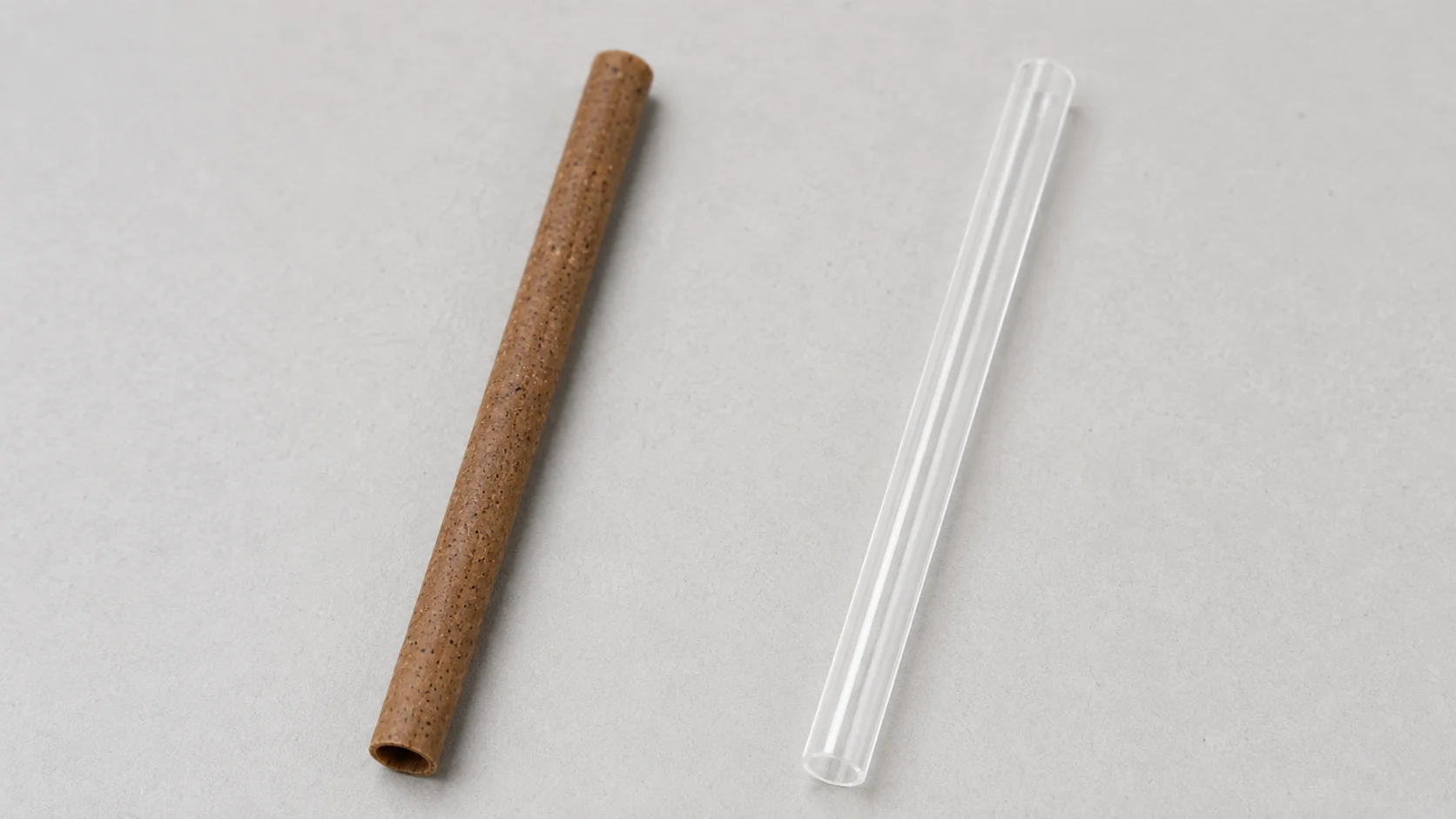
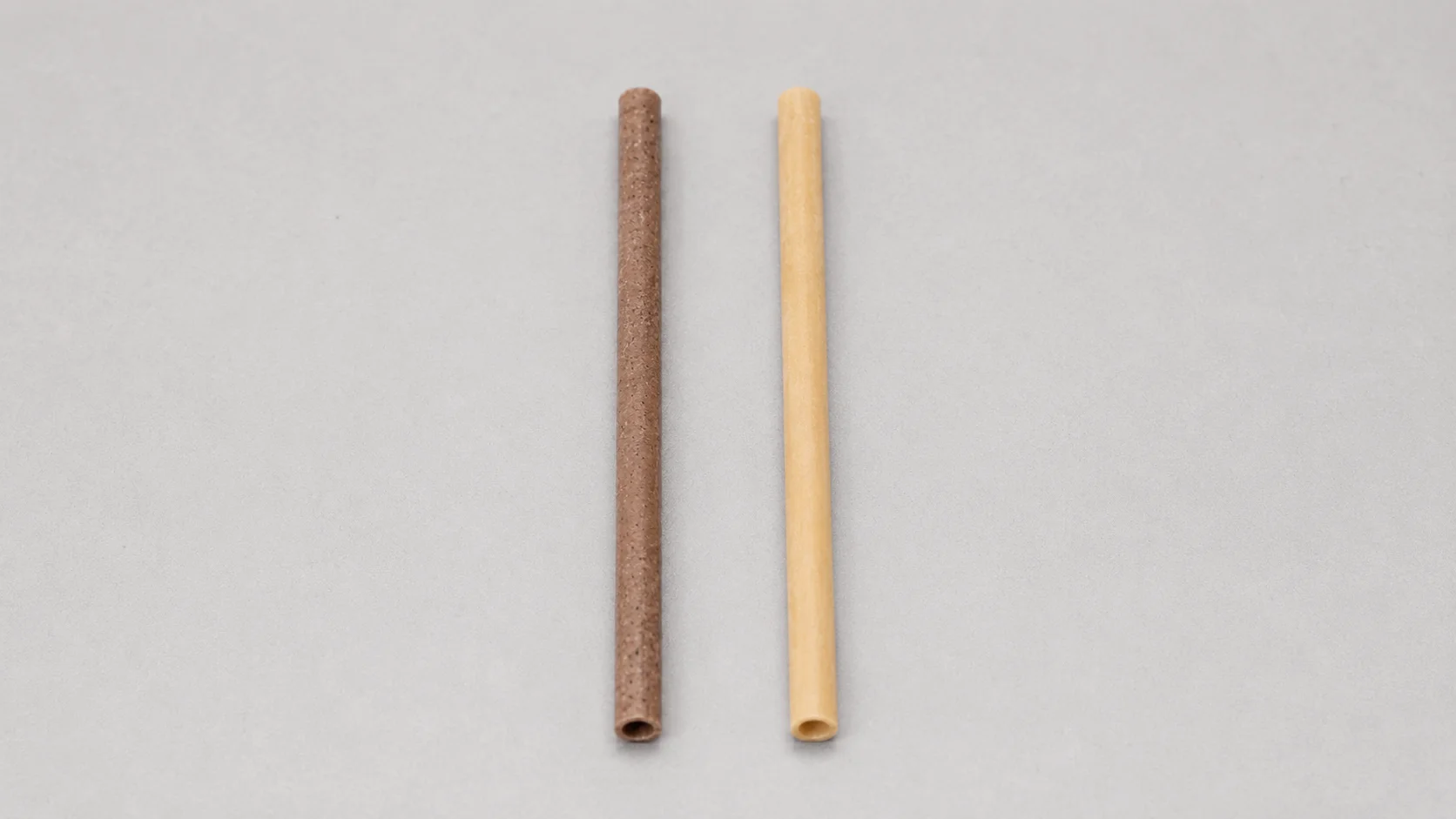
Sì, alcunicannucce compostabilisono specificamente progettati per il consumo dopo l'uso, rappresentando l'apice dell'ideale “zero rifiuti”. Queste soluzioni innovative sono realizzate con materiali di origine vegetale e di qualità alimentare, offrendo un modo rivoluzionario per eliminare gli sprechi alla fonte.
La composizione e la sicurezza delle cannucce commestibili
Le cannucce commestibili sono realizzate principalmente con ingredienti naturali e non tossici, offrendo un'alternativa più sana alla plastica che può contenere sostanze chimiche dannose come BPA o PFAS. I materiali comuni includono riso, amido di tapioca, mais, pasta, alghe, miglio e persino scarti di fibre vegetali di banane o agave. Ad esempio, prodotti come Veggie Straws sono esplicitamente sicuri per l'ingestione. La Food and Drug Administration (FDA) statunitense ha approvato alcune sostanze a contatto con gli alimenti che fungono da polimeri di base per cannucce usa e getta, rilevando le loro proprietà biodegradabili. Inoltre, alcune cannucce commestibili sono prive di allergeni e forniscono ulteriore valore nutrizionale, come esemplificato dalle innovative cannucce a base di miglio di IIT-Roorkee. Queste cannucce prive di sostanze chimiche, sviluppate nel 2023, sono ricche di fibre, proteine e micronutrienti essenziali e sono prive di PFAS.
Vantaggi operativi dell'adozione di cannucce commestibili
- Ottenere operazioni a rifiuti zero: Poiché le cannucce vengono consumate o si decompongono facilmente, riducono significativamente il volume dei rifiuti, semplificando la logistica di smaltimento e riducendo potenzialmente i costi di gestione dei rifiuti.
- Migliora l'immagine del marchio: L’adozione di soluzioni commestibili segnala un forte impegno per la gestione ambientale, in risonanza profonda con i consumatori eco-consapevoli, in particolare la generazione Y e Z, che danno sempre più priorità alla sostenibilità nelle loro decisioni di acquisto.
- Offri esperienze cliente uniche: Cannucce commestibili aromatizzate, come lime, limone, cioccolato o fragola, trasformano una bevanda di routine in un'esperienza coinvolgente e memorabile, favorendo la soddisfazione dei clienti e stimolando la ripetizione degli affari. Questo approccio innovativo può davvero differenziare il tuo marchio in un mercato competitivo.
Le cannucce commestibili offrono zero rifiuti, immagine del marchio migliorata ed esperienze cliente uniche per l'ospitalità e la ristorazione.
Comprendere le cannucce compostabili non commestibili: oltre il consumo
Sebbene il termine “compostabile” denoti la capacità di un prodotto di scomporsi in materia organica, non implica automaticamente la commestibilità. Molticannucce compostabilinon sono destinati al consumo umano nonostante le loro proprietà ecocompatibili. L'ingestione di cannucce compostabili non commestibili potrebbe comportare rischi di soffocamento o problemi digestivi, poiché non sono formulate per la digestione umana. Questi includono materiali ampiamente utilizzati come carta, acido polilattico (PLA) e poliidrossialcanoati (PHA), progettati per ambienti di compostaggio industriale o domestico.
Scienza dei materiali nelle cannucce compostabili e il loro smaltimento
L'efficacia delle cannucce compostabili nel mitigare l'impatto ambientale dipende in gran parte dal corretto smaltimento, che a sua volta è dettato dalla scienza dei materiali:
- Cannucce in PLA: Realizzate con zuccheri vegetali fermentati come l'amido di mais, le cannucce in PLA assomigliano alla plastica tradizionale nell'aspetto e nella sensazione. Tuttavia, richiedono strutture di compostaggio commerciali, che in genere necessitano di temperature elevate (ad esempio, 56-60°C per 60-90 giorni) per una corretta decomposizione. Senza queste condizioni specifiche, il PLA può persistere nelle discariche per centinaia di anni, in modo simile alla plastica convenzionale.
- Cannucce PHA: Derivate da risorse rinnovabili come l'olio di canola o gli zuccheri vegetali, le cannucce PHA sono altamente durevoli e rappresentano una soluzione sostenibile di alta qualità. Un vantaggio chiave del PHA è la sua capacità di decomporsi negli ambienti marini e nel compost domestico, offrendo un maggiore impatto ambientale e flessibilità di smaltimento. Sono inoltre certificati senza BPA e PFAS.
- Cannucce di carta: Rapidamente scomponibili nella maggior parte degli ambienti, le cannucce di carta sono un'opzione economica e ampiamente disponibile. Tuttavia, le aziende devono verificare che siano esenti da rivestimenti in plastica o da sostanze chimiche dannose per sempre (PFAS) per garantire una vera compostabilità e sicurezza, poiché alcune pratiche di produzione le includono.
Navigazione nella conformità normativa per le cannucce a base vegetale
Per i decisori B2B, orientarsi nel complesso panorama normativo è fondamentale. La conformità agli standard di settore come ASTM D6400 (USA) e EN 13432 (UE) è fondamentale per i prodotti compostabili certificati. Questi standard garantiscono che i prodotti si disintegrino e si biodegradino entro tempi specifici senza introdurre residui dannosi. Le certificazioni di terze parti, come BPI (Biodegradable Products Institute) in Nord America o TÜV OK compost in Europa, convalidano le dichiarazioni di decomposizione, fornendo garanzie essenziali ai team di approvvigionamento. La corretta separazione e smaltimento negli appositi contenitori per il compostaggio sono essenziali per prevenire la contaminazione dei flussi di riciclaggio, garantendo che i tuoi sforzi di sostenibilità abbiano un vero impatto. Per ulteriori informazioni sull'approvvigionamento di cannucce compostabili certificate, esplora il nostroGuida B2B definitiva alle cannucce compostabili.Lo smaltimento e la certificazione adeguati sono fondamentali per le cannucce compostabili non commestibili per garantire l'impatto ambientale e la conformità.

Appalti strategici: confronto tra opzioni di paglia sostenibili per il B2B
Scegliere la giusta cannuccia sostenibile implica bilanciare realtà operative, obblighi di conformità e ROI a lungo termine. Ecco una panoramica comparativa delle opzioni chiave:
| Caratteristica | Impatto operativo B2B | Nota di conformità | Potenziale ROI |
|---|---|---|---|
| Cannucce commestibili | Zero sprechi, migliora l'esperienza del cliente, novità | Per uso alimentare, spesso privo di allergeni, approvato dalla FDA, conforme al sistema HACCP | Elevata differenziazione del marchio, costi di smaltimento ridotti, appeal premium |
| Cannucce in PLA | Resistente nelle bevande fredde, ricorda la plastica tradizionale | Richiede impianti di compostaggio industriale (certificati ASTM D6400/EN 13432) | Opzione compostabile economicamente vantaggiosa, ma la logistica dello smaltimento (ad esempio, accesso al compostaggio industriale) è fondamentale |
| Cannucce PHA | Forte, durevole, degradabile in mare, resiste all'umidità | Compostabile domestico, approvato Lomi, privo di BPA/PFAS, ampio rispetto dell'ambiente | Soluzione sostenibile premium, forte affermazione ambientale, opzioni di smaltimento più ampie |
| Cannucce di carta | Conveniente, ampiamente disponibile | Spesso compostabile in casa; verificare la presenza di PFAS/rivestimenti in plastica per la reale compostabilità | Basso costo iniziale, ma potenziale di insoddisfazione del cliente (inzuppamento) e rischio per il marchio se la qualità è scarsa |
La selezione di cannucce sostenibili richiede il bilanciamento di impatto operativo, conformità e ROI a lungo termine per il successo B2B.

Il convincente business case per le cannucce commestibili
Il globalecannucce commestibiliIl mercato è stato valutato a 209,03 milioni di dollari nel 2020 e si prevede che raggiungerà i 446,96 milioni di dollari entro il 2030, dimostrando un tasso di crescita annuale composto (CAGR) del 10,14%. Questa robusta crescita segnala un cambiamento fondamentale e permanente negli appalti per l’ospitalità e la ristorazione, guidato da una crescente consapevolezza ambientale e da normative rigorose. L’adozione strategica si allinea agli impegni di sostenibilità aziendale e migliora la reputazione del marchio, attirando nuovi clienti e consolidando la leadership di mercato.
Innovazione nel mondo reale nelle cannucce commestibili
Le applicazioni nel mondo reale mostrano il potenziale delle cannucce commestibili. Un esempio notevole viene dall’India. Nel 2023, i ricercatori dell’IIT-Roorkee hanno sviluppato un nutriente prodotto a base di miglio, privo di sostanze chimiche.cannucce commestibili. Queste cannucce innovative sono ricche di fibre, proteine e micronutrienti essenziali, sono prive di allergeni e offrono una resistenza al calore superiore rispetto ad alcune alternative. Questo sviluppo esemplifica come i vincoli percepiti possano favorire una profonda innovazione di prodotto e l’interesse del mercato. Come osserva giustamente Scott Sonenshein, professore di management alla Rice Business, le aziende spesso riescono a “trovare una strada migliore a causa dei vincoli”, trasformando le sfide ambientali in opportunità per rendere i prodotti più attraenti e sostenibili.
Superare le sfide e massimizzare il ROI con le cannucce a base vegetale
Sebbene le percezioni iniziali possano evidenziare sfide come la durata di conservazione o la fragilità, progressi significativi stanno mitigando queste preoccupazioni:
- Affrontare la durata di conservazione: Molte cannucce commestibili ora vantano una durata di conservazione stabile di circa due anni se conservate in condizioni asciutte, paragonabile alle cannucce tradizionali.
- Mitigare la fragilità: La continua innovazione nella scienza dei materiali, come le cannucce composite di amido reticolato, dimostra una migliore resistenza meccanica e resistenza all'acqua, garantendo la durata durante tutto il loro utilizzo.
- Efficienza dei costi: Sebbene inizialmente i costi siano più elevati rispetto alla plastica convenzionale, si prevede che la crescita del mercato prevista e le economie di scala ridurranno significativamente i prezzi. Inoltre, i vantaggi tangibili, come la riduzione dei costi di smaltimento dei rifiuti, l’aumento del valore del marchio e la differenziazione competitiva, contribuiscono a un convincente ritorno sull’investimento.
Le cannucce commestibili offrono un forte business case, guidato dalla crescita del mercato, dall'innovazione e da un significativo potenziale di ROI.

Il futuro delle cannucce compostabili e l'innovazione sostenibile
The trajectory of sustainable straws is one of continuous innovation and strategic adaptation. Ongoing Research & Development (R&D) is keenly focused on enhancing critical properties like water resistance and thermal stability, aiming for an ideal performance range of 20°C-80°C. Innovations are exploring diverse bio-based materials, including arrowroot starch, bacterial cellulose, and lignin, to create straws that are flexible, non-soggy, and stronger than current alternatives.
L’esperto Manuel Maqueda, fondatore della campagna Plastic Kills, sottolinea una “giornata della resa dei conti” per l’inquinamento da plastica, in cui le normative stanno guidando innovazioni ampiamente supportate in alternative sostenibili. Si prevede che il più ampio mercato della paglia ecologica raggiungerà quasi i 25,1 miliardi di dollari entro il 2035 (CAGR del 7,3%), riflettendo questo slancio. I settori B2B devono adattarsi strategicamente ai mutevoli panorami normativi e alle crescenti aspettative dei consumatori. Le tendenze future includono la ricerca sui materiali basata sull’intelligenza artificiale per nuovi polimeri a base biologica ad alte prestazioni e lo sviluppo di soluzioni veramente sicure per l’oceano che si biodegradano senza danni. Le aziende che anticipano questi cambiamenti saranno nella posizione migliore per conquistare la leadership di mercato. I nostri approfondimenti suIl futuro di Sip: perché le cannucce compostabili sono un must per i ristoranti moderniapprofondire queste tendenze.Le future innovazioni nel campo delle cannucce compostabili si concentreranno sul miglioramento delle prestazioni e sulla biodegradazione sicura per l’oceano, guidate dai cambiamenti normativi.
Competitive Advantage & Business Case
Per i responsabili degli approvvigionamenti, i direttori delle operazioni e i responsabili della sostenibilità lungimiranti, l’integrazione di cannucce commestibili e compostabili avanzate è una mossa strategica che trascende la mera conformità. Offre vantaggi tangibili e quantificabili:
- Risparmio sui costi: La riduzione delle tariffe per lo smaltimento dei rifiuti derivante dall’adozione di soluzioni commestibili a rifiuti zero ha un impatto diretto sui budget operativi.
- Mitigazione del rischio: La conformità proattiva ai divieti sulla plastica in continua evoluzione e alle normative ambientali tutela la tua azienda da sanzioni e percezione negativa da parte del pubblico.
- Aumento del valore del marchio: Un impegno dimostrabile per la sostenibilità migliora la reputazione del marchio, fa appello a un segmento in rapida crescita di consumatori eco-consapevoli e favorisce una più profonda fedeltà dei clienti. Ciò si traduce in maggiori opportunità di quota di mercato e in una posizione competitiva più forte. Il tuo marchio diventa un leader, non un seguace, nell’economia sostenibile.
L’adozione di cannucce sostenibili offre risparmi sui costi, mitigazione dei rischi e un significativo aumento del valore del marchio per le aziende.
Conclusione
Le cannucce commestibili rappresentano l’apice dell’innovazione sostenibile all’interno della più ampia categoria compostabile, offrendo una soluzione unica a zero rifiuti che affronta direttamente la pressante sfida dell’inquinamento da plastica. Per i responsabili degli acquisti, i direttori delle operazioni e i responsabili della sostenibilità, l’integrazione di queste soluzioni rappresenta non solo un chiaro percorso verso la conformità normativa, ma anche un’importante opportunità per rafforzare la reputazione del marchio, ridurre l’impatto ambientale e migliorare l’esperienza del cliente. Questa è un’opportunità per andare oltre la semplice conformità e abbracciare un differenziatore strategico che definirà i leader di mercato nel prossimo decennio.
Migliora il profilo di sostenibilità del tuo marchio e affascina i consumatori eco-consapevoli. Valuta oggi stesso le soluzioni di paglia commestibile per guidare il passaggio verso un’economia veramente circolare nella tua catena di fornitura.Le cannucce commestibili offrono una soluzione unica a zero rifiuti, fornendo un differenziatore strategico per la leadership di mercato.
Esplora oggi stesso le soluzioni sostenibili per la paglia
Domande frequenti (FAQ)
D: Le cannucce commestibili sono sicure per tutti i clienti, compresi quelli con allergie?
R: Sebbene molte cannucce commestibili siano progettate per essere prive di allergeni (ad esempio, a base di miglio), è fondamentale verificare gli ingredienti specifici di qualsiasi prodotto che acquisti. Controlla sempre le certificazioni e le informazioni sui fornitori per assicurarti che soddisfino le esigenze dietetiche e gli standard di sicurezza dei tuoi clienti.
D: In che modo le cannucce commestibili influiscono sui costi di gestione dei rifiuti per le imprese del settore alberghiero?
R: Le cannucce commestibili possono ridurre significativamente i costi di smaltimento dei rifiuti eliminando completamente i rifiuti di paglia se consumati o biodegradandosi rapidamente se compostati. Ciò semplifica la logistica dei rifiuti e può portare a risparmi sulle tariffe delle discariche e sui servizi di raccolta dei rifiuti.
D: Qual è la durata di conservazione delle cannucce commestibili e come dovrebbero essere conservate in un ambiente commerciale?
R: La maggior parte delle cannucce commestibili ha una durata di conservazione stabile di circa due anni se conservata in condizioni fresche e asciutte, simili alle cannucce tradizionali. Per preservarne l'integrità, si consiglia un corretto stoccaggio in contenitori sigillati, lontano dall'umidità e dalla luce solare diretta.
D: Esistono normative specifiche per le cannucce commestibili nell'UE, negli Stati Uniti o nelle regioni dell'Asia-Pacifico?
R: Le cannucce commestibili rientrano nelle normative sulla sicurezza alimentare, come l'approvazione della FDA negli Stati Uniti e la conformità HACCP a livello globale, garantendo che siano sicure per il consumo. Si allineano inoltre a divieti più ampi sulla plastica monouso offrendo un’alternativa a zero rifiuti.
D: Come si differenziano i costi dalle cannucce commestibili rispetto alle tradizionali cannucce di plastica o di carta per gli ordini B2B all'ingrosso?
R: Anche se i costi unitari iniziali per le cannucce commestibili potrebbero essere leggermente più alti rispetto alle tradizionali cannucce di plastica o di carta, il loro valore a lungo termine comprende tariffe ridotte per lo smaltimento dei rifiuti, una migliore reputazione del marchio e una maggiore fedeltà dei clienti, con conseguente ROI convincente. Anche le economie di scala stanno riducendo i prezzi.