Le migliori soluzioni ecologiche per cannucce Boba ecologiche

Using Compostable Eco-Friendly Boba Straws in a Sustainable Cafe Setting
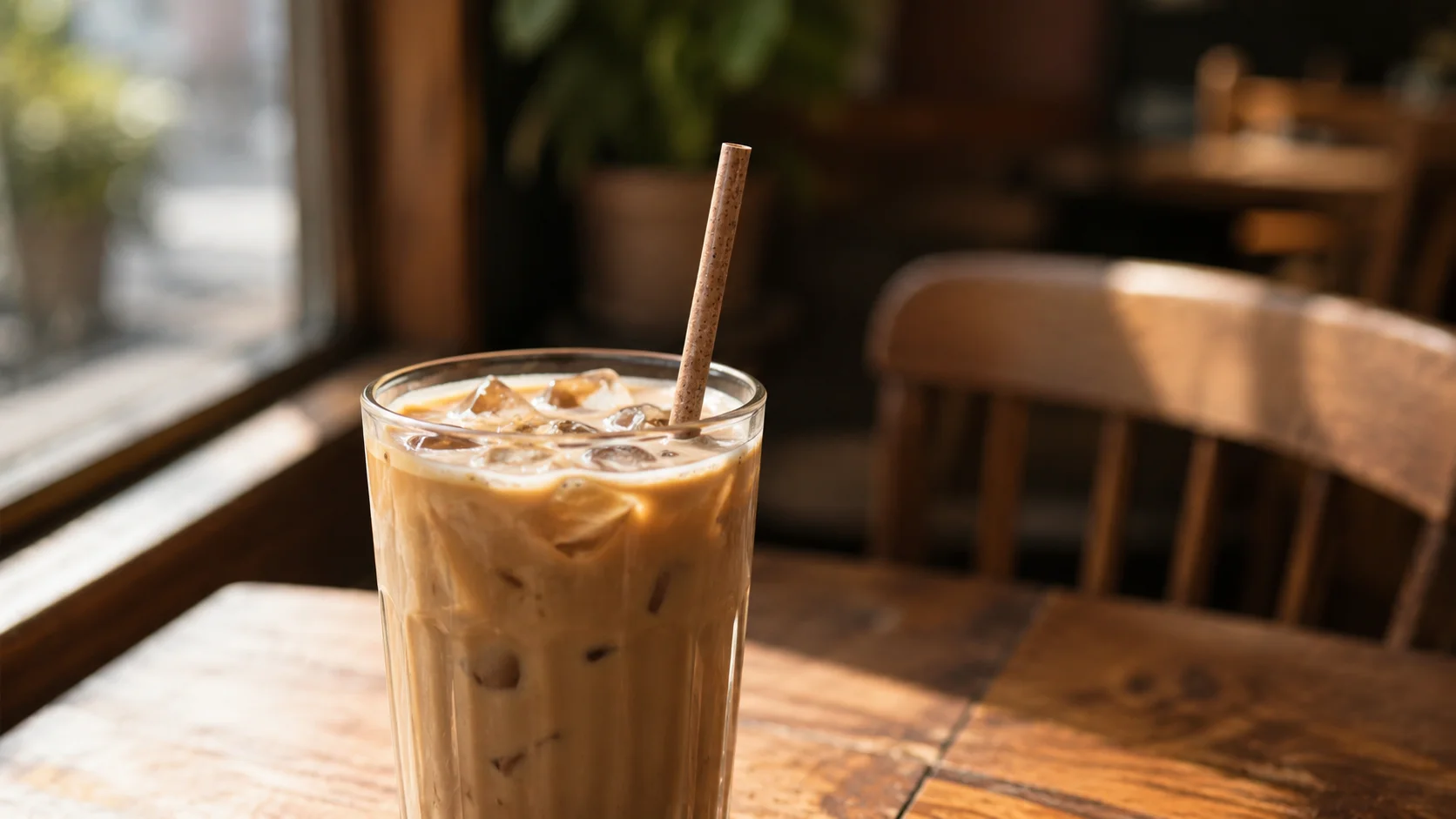
As the world embraces sustainable practices, eco-friendly packaging solutions have emerged as key players, particularly in the cafe sector. Compostable Eco-Friendly Boba Straws are one of the latest innovations to gain traction. Not only do they appeal to an eco-conscious consumer base, but they also offer a versatile and practical option for cafes seeking sustainable alternatives. From branded straws to wide diameter options for boba drinks, the move to sustainable Eco-Friendly Boba Straws is a crucial step in reducing global plastic waste.
Compliance and Certifications for Compostable Eco-Friendly Boba Straws
To ensure the credibility and environmental impact of compostable straws, compliance with industry standards is essential. Certifications like those from ASTM set guidelines for compostability and material safety. Meeting these standards not only guarantees the product’s quality but also enhances a company’s reputation as an environmentally responsible business.
A 2022 report found that over 75% of global cafe chains aim to fully adopt eco-friendly solutions by 2025. This shift is driven by both consumer demand and regulatory requirements for reducing single-use plastics. For cafes, this transition provides an opportunity to meet customer expectations while aligning with global sustainability goals. A crucial aspect of this compliance is understanding certifications such as the Biodegradable Products Institute (BPI), which verifies that products break down efficiently in commercial composting facilities within a specific timeframe.
These certifications reassure businesses that compostable Eco-Friendly Boba Straws are an environmentally beneficial choice, solidifying their role in sustainable packaging solutions.
Compostable Eco-Friendly Boba Straws Compared to Alternatives
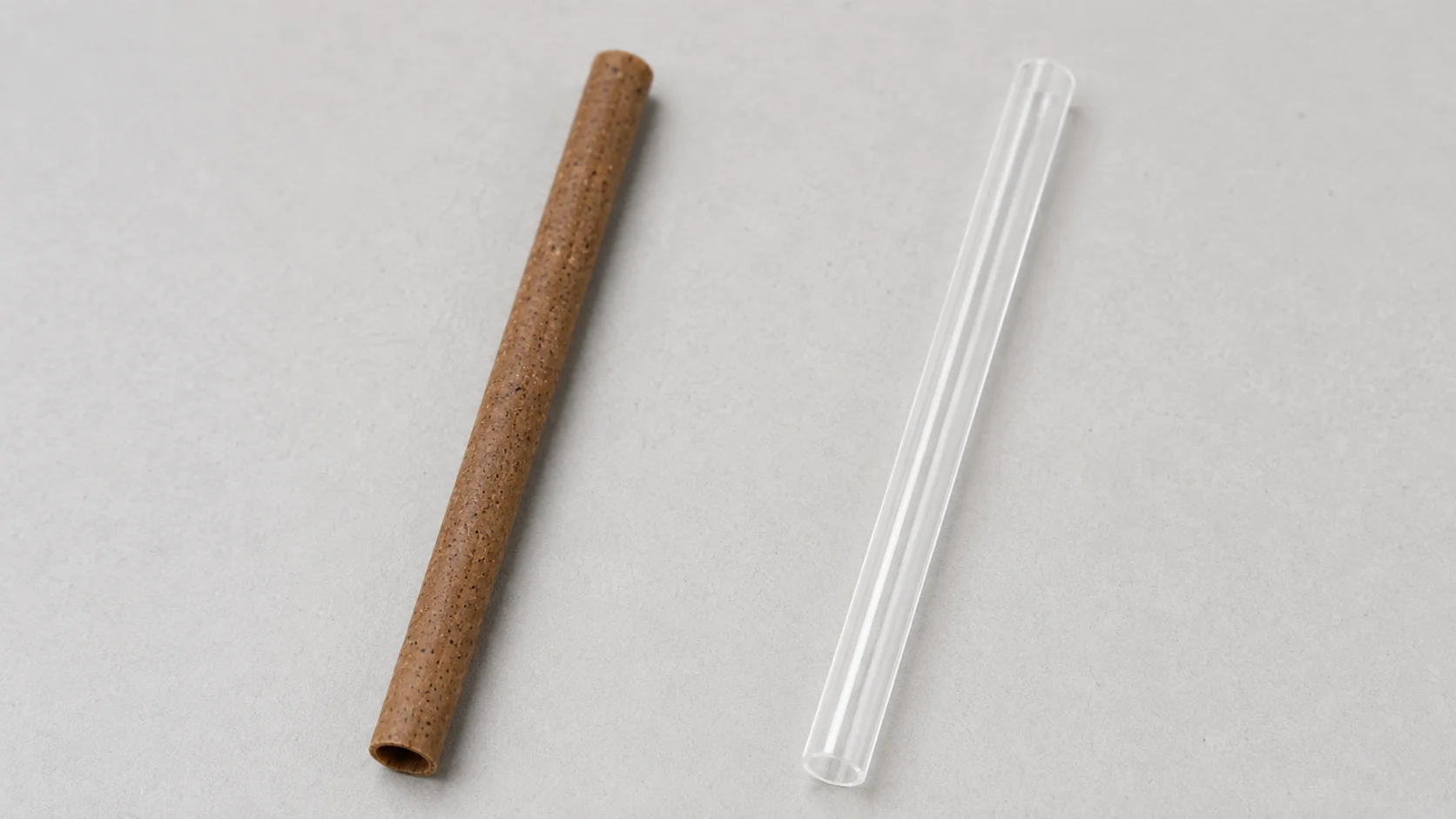
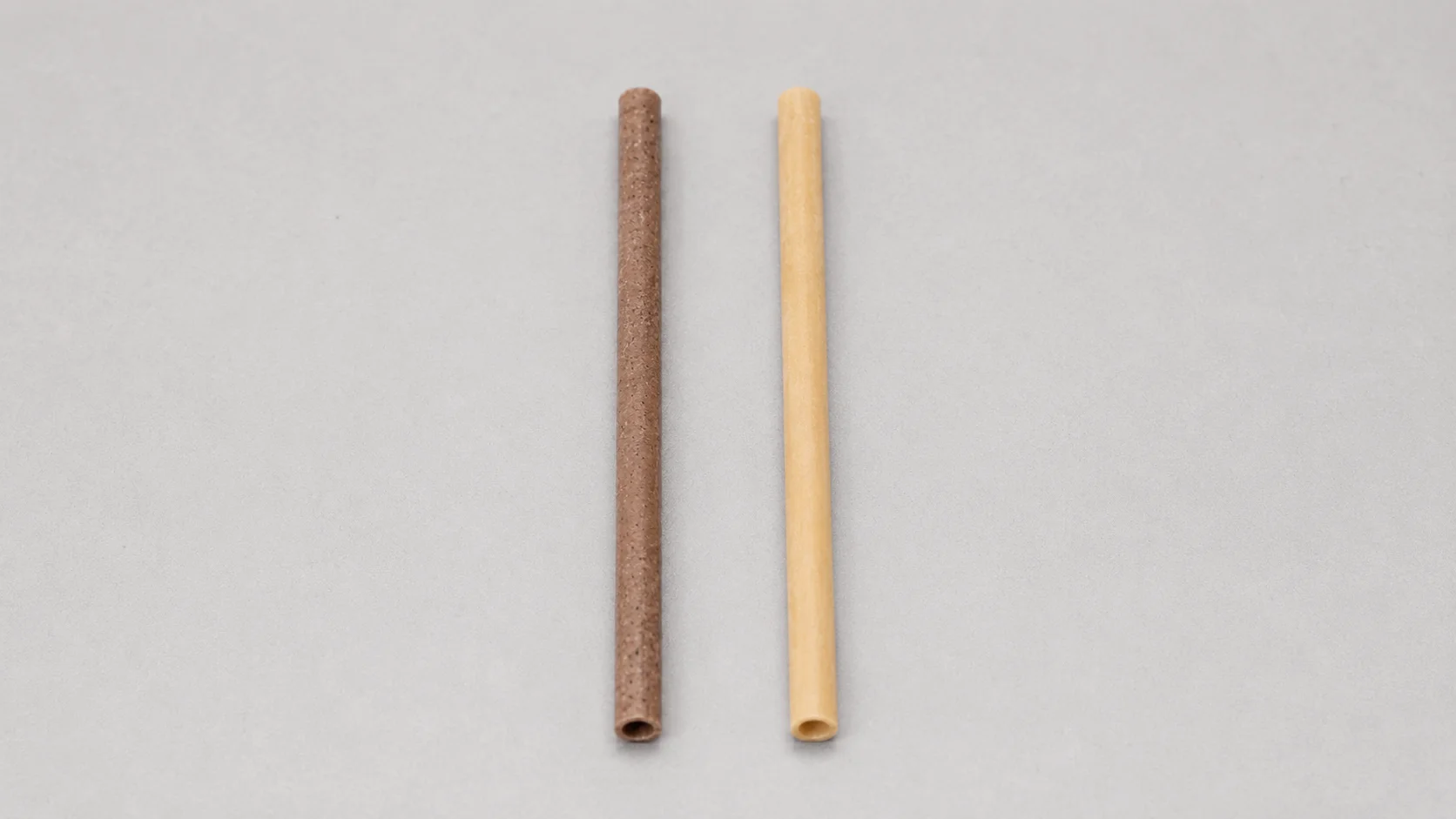
When choosing straw solutions, it’s essential to compare compostable Eco-Friendly Boba Straws to alternatives like plastic, paper, and bamboo. Here’s a quick comparison of their features:
| Caratteristica | Cannucce compostabili | Cannucce di plastica | Cannucce di carta | Cannucce Di Bambù |
|---|---|---|---|---|
| Compostabilità | SÌ | NO | Often Yes | SÌ |
| Durabilità | Alto | Alto | Moderare | Alto |
| Cost Efficiency | Moderare | Alto | Basso | Moderare |
| Impatto ambientale | Basso | Alto | Moderare | Basso |
| Personalizzazione | Alto | Basso | Moderare | Moderare |
Nel 2023, un’analisi del settore ha rivelato che, sebbene le cannucce di plastica siano le meno costose in anticipo, i costi ambientali a lungo termine hanno portato molti bar a passare ad alternative ecologiche. Le aziende che cercano un equilibrio tra efficienza in termini di costi e responsabilità ecologica possono esplorare la nostra guida completa alle cannucce Boba ecologiche compostabili per ulteriori approfondimenti.
Vantaggi aziendali delle cannucce Boba ecologiche compostabili
Adopting compostable Eco-Friendly Boba Straws brings numerous business benefits beyond their eco-friendly nature. First, they boost a cafe’s marketability, particularly among consumers who prioritize sustainability. A study in 2022 found that 68% of surveyed cafe customers preferred establishments that actively reduce plastic usage.
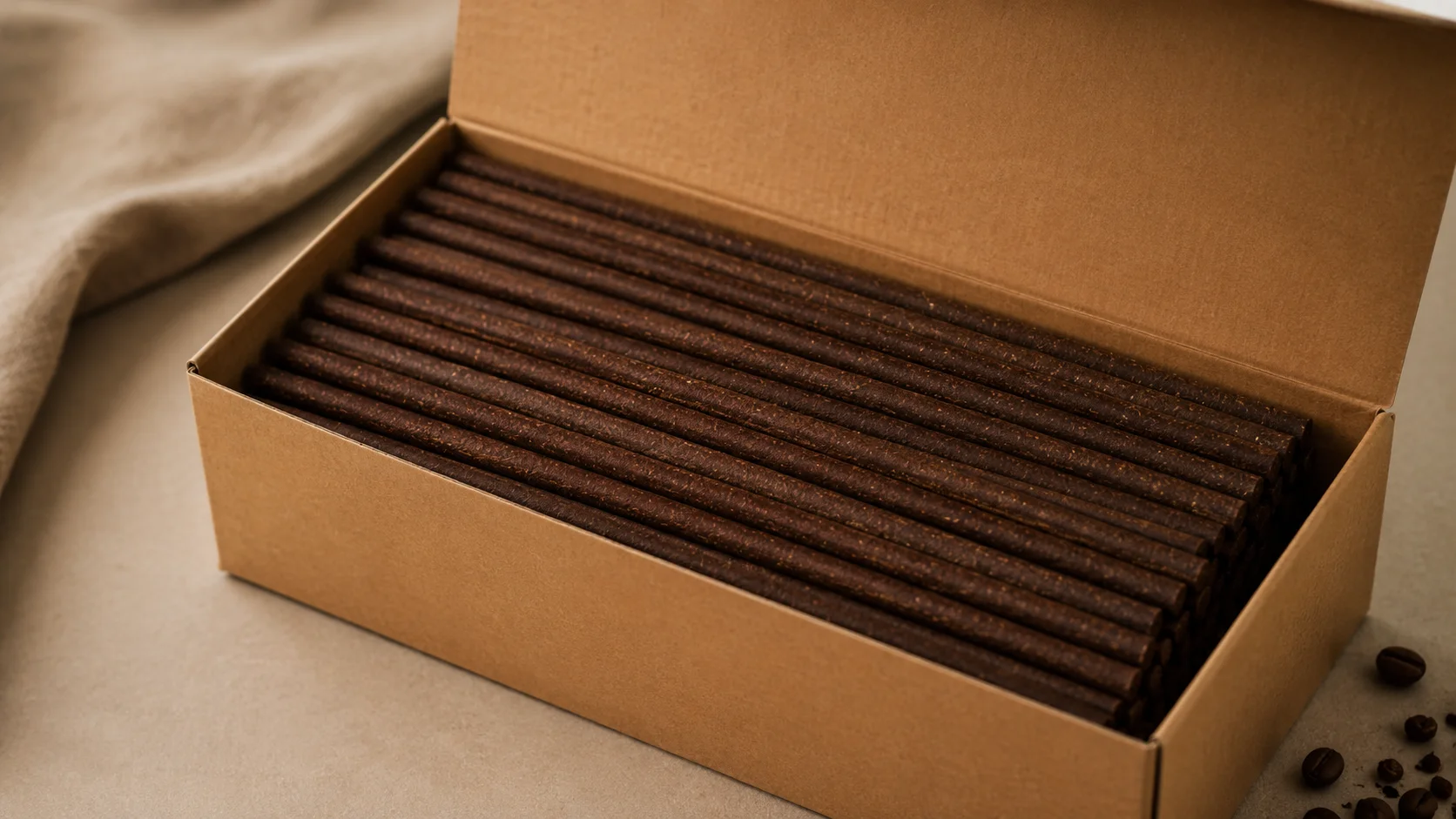
Moreover, compostable straws offer versatility, with options available in various sizes, including wide-diameter straws ideal for boba drinks. Many suppliers also offer customization options, allowing cafes to strengthen their brand identity while promoting sustainability.
From a financial perspective, while initial costs may be higher than traditional plastic straws, the long-term benefits—including brand loyalty and customer attraction—can lead to increased revenue. Furthermore, research shows that businesses adopting green practices see increased employee satisfaction, contributing to better service and operational efficiency.
Environmental Impact of Compostable Eco-Friendly Boba Straws
The environmental impact of compostable Eco-Friendly Boba Straws is substantial. These straws decompose within 180 days in a commercial composting facility, significantly reducing the waste that would otherwise contribute to landfill problems. According to ecological data from 2023, transitioning from plastic to compostable straws could prevent approximately 300 million plastic straws from entering marine environments each year.
Additionally, opting for compostable solutions helps cafes participate in a circular economy, promoting responsible resource lifecycle management. By replacing plastic with compostable materials, businesses contribute to reducing greenhouse gas emissions associated with plastic production and decomposition. This aligns perfectly with global sustainability goals to reduce single-use plastic consumption by 50% by 2030.
Real-World Example: Compostable Eco-Friendly Boba Straws in Action
Consider the case of Café Verde, a small but globally recognized chain of sustainable cafes, which made the switch to compostable Eco-Friendly Boba Straws in early 2023. Within six months, they reported a 20% increase in customer patronage from eco-focused consumers. Their transition also resulted in a 30% reduction in waste management costs, thanks to the use of certified compostable materials. This decision aligned with Café Verde’s mission to reduce their carbon footprint by 40% by 2025.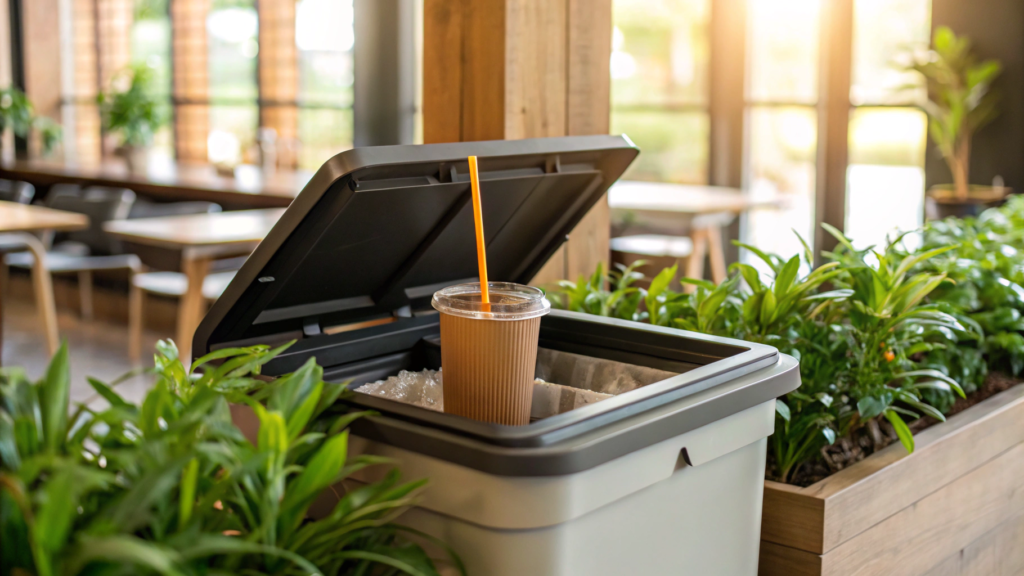
The successful integration of these straws was primarily due to effective supplier partnerships and customer engagement strategies, including educational campaigns on the environmental benefits and proper disposal methods for compostable straws. Café Verde’s story exemplifies the tangible benefits that compostable solutions can bring to businesses focused on sustainability.
Domande frequenti
Q: What makes a straw compostable?
UN: Compostable straws are made from materials that decompose into non-toxic components in a composting facility. They must meet specific standards, such as ASTM D6400.
Q: How do these straws benefit cafes economically?
UN: Sebbene inizialmente più costose della plastica, le cannucce compostabili possono attrarre clienti attenti all’ambiente, aumentando potenzialmente le entrate e riducendo i costi di gestione dei rifiuti a lungo termine.
D: Le cannucce compostabili sono abbastanza resistenti per le bevande boba?
UN: Sì, la maggior parte delle cannucce compostabili sono progettate per gestire la viscosità delle bevande boba e la temperatura delle bevande, garantendo che rimangano durevoli nel tempo.
D: Le cannucce compostabili possono essere personalizzate per il branding?
UN: Assolutamente! Molte aziende offrono la stampa del logo in varie dimensioni, rendendole perfette per bar e rivenditori che desiderano promuovere il proprio marchio rimanendo sostenibili.
D: Come si confrontano le cannucce compostabili con le alternative in bambù?
UN: Compostable straws tend to offer more customization options and are engineered for efficient decomposition in compost facilities, whereas bamboo is durable but may lack customization flexibility.
Q: What about consumer-demand trends for these straws?
UN: Demand for compostable options has surged, with studies showing that 55% of consumers prefer cafes with sustainable practices.
Q: Are there certifications required?
UN: Yes, certifications like the Biodegradable Products Institute (BPI) verify the compostability of these straws, ensuring they meet environmental standards.