堆肥化可能なストローの廃棄についてスタッフと顧客を教育する方法: B2B リーダーのための戦略ガイド
For Procurement Managers, Operations Directors, and Sustainability Officers in Hospitality & Foodservice
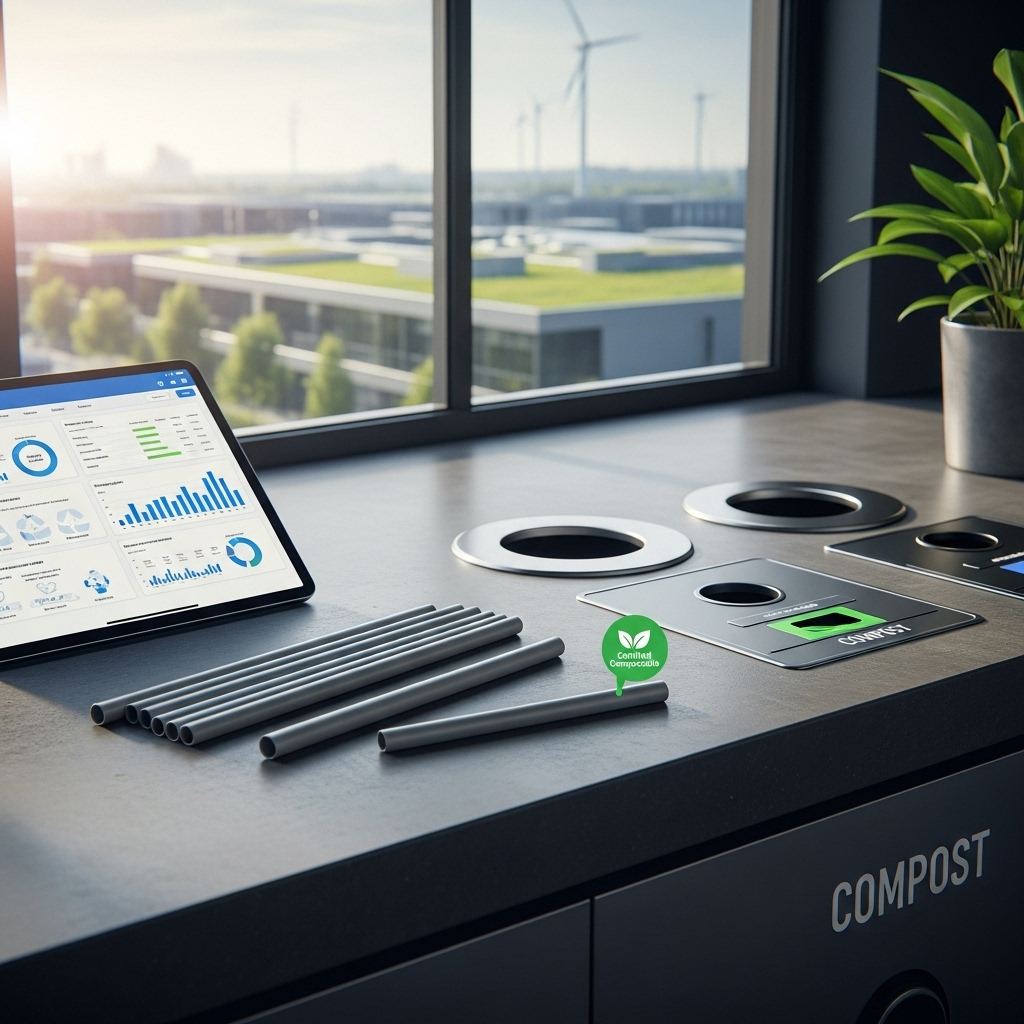
堆肥化可能なストローの適切な廃棄の必須性: コンプライアンスの枠を超えて
持続可能性への世界的な取り組みにより、B2B 業務は変化し、効果的な廃棄物管理が最重要事項となっています。堆肥化可能なストローを採用している企業にとって、環境上の利点を実現し、ブランドの完全性を維持するには、適切に廃棄することが重要です。明確なガイダンスがなければ、堆肥化可能な品目は最終的に埋め立て地に送られることが多く、そのプラスの影響が打ち消され、持続可能性への取り組みが損なわれます。このガイドは、スタッフと顧客を教育し、堆肥化可能なわらの廃棄を確実に成功させ、ビジネスの環境管理を強化するための戦略的で SEO に最適化された概要を提供します。
環境への責任がますます明確になる中で、堆肥化可能なストローを使用するという選択は最初のステップにすぎません。本当の課題とチャンスは、これらの製品が意図したとおりにライフサイクルを完了できるようにすることにあります。堆肥化可能な物品が管理を誤って埋め立て地に転用された場合、気候変動に大きな影響を与える強力な温室効果ガスであるメタンの排出を引き起こす可能性があります。さらに、これらの品目を正しく処分しないと、消費者の信頼が失墜し、企業の環境への取り組みが無効になる可能性があります。したがって、プロアクティブ教育は単なるベストプラクティスではありません。これは、運用の回復力とブランドの評判にとって戦略的に不可欠です。
堆肥化可能なストローへの移行は、B2B 事業における持続可能性への重要な取り組みを表しています。ただし、この取り組みは、厳格で十分に周知された廃棄プロトコルを伴った場合にのみ、環境上および商業上の利益を最大限にもたらします。リスクは非常に高く、運用上のミスは規制当局の監視、金銭的罰金、さらには環境意識がますます高まる市場の目から見てブランドイメージの低下につながる可能性があります。
環境への影響: 堆肥化可能なわらの正しい処分による埋め立て廃棄物と排出量の削減
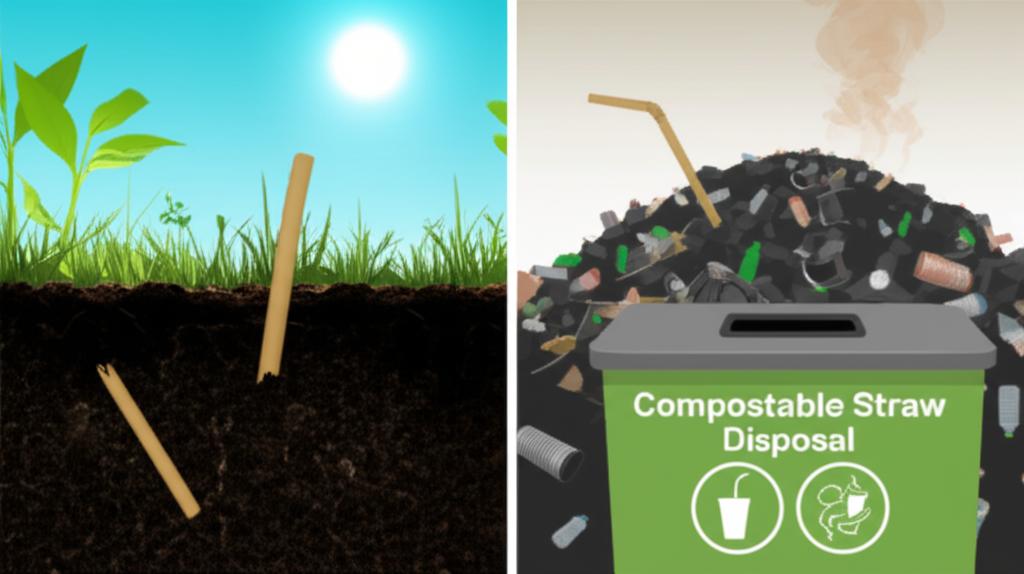
堆肥化可能なストローは、特定の工業用堆肥化条件下で 90 ~ 180 日以内に有機物、二酸化炭素、水に分解されるように設計されています。このプロセスは、有機物質が嫌気的に分解してメタンを生成することが多い従来の埋め立て地から廃棄物を迂回させます。適切な「堆肥化可能なストローの処分」がなければ、これらの革新的な素材は意図したように生分解できない環境に置かれる可能性があり、その結果、栄養素を地球に戻す循環経済を支援するのではなく、埋め立て量と温室効果ガスの排出に貢献することになります。環境上の利点は、適切な耐用年数管理、埋立処分能力への圧力の軽減、およびそれに伴う環境負荷の最小化に完全にかかっています。
持続可能な廃棄物管理に対する規制状況と消費者の期待を乗り越える
世界的な規制環境は急速に進化しており、使い捨てプラスチックに対して厳しい政策を制定する管轄区域が増えています。欧州連合の使い捨てプラスチック指令と米国の州および地方自治体によるさまざまな禁止令により、企業は代替手段の模索を余儀なくされています。 「堆肥化可能なストローの適切な廃棄」を遵守することは、環境保全だけを意味するものではありません。それは、潜在的な罰金を防ぎ、厳格な廃棄物管理法が適用される地域での市場アクセスを維持することです。規制を超えて、消費者の好みが強力な推進力となります。 NielsenIQ による最近の調査 (2023 年) では、消費者の 80% が持続可能性に取り組んでいるブランドを好み、目に見える効果的な廃棄方法が一般の認識と顧客ロイヤルティを大幅に高めることができることを強調しています。積極的な教育により、貴社のビジネスがこれらの進化する「持続可能な廃棄物管理」原則に適合し、コンプライアンスが競争力の優位性に変わります。 EU に堆肥化可能なストローを輸入する企業にとって、当社のガイドで詳しく説明されているように、進化するコンプライアンス要件を理解することが重要です。 堆肥化可能なわらの輸入コンプライアンス。
世界経済フォーラムの2023年の報告書は、不適切に管理された廃棄物が世界経済に年間数十億ドルの損失をもたらしていることを強調し、接客サービスや外食サービスにおける効果的な処理プログラムの財政的緊急性を強調した。さらに、GreenBiz による 2024 年の調査では、外食サービス事業者の 72% が、堆肥化可能な品目の廃棄に関する消費者の混乱に悩まされており、高い汚染率につながっていることがわかりました。
**堆肥化可能なストローを適切に処分することは、環境保全、規制遵守、ブランドの評判の向上にとって非常に重要です。**
チームに力を与える: 堆肥化可能なわらを効果的に処分するためのスタッフ教育
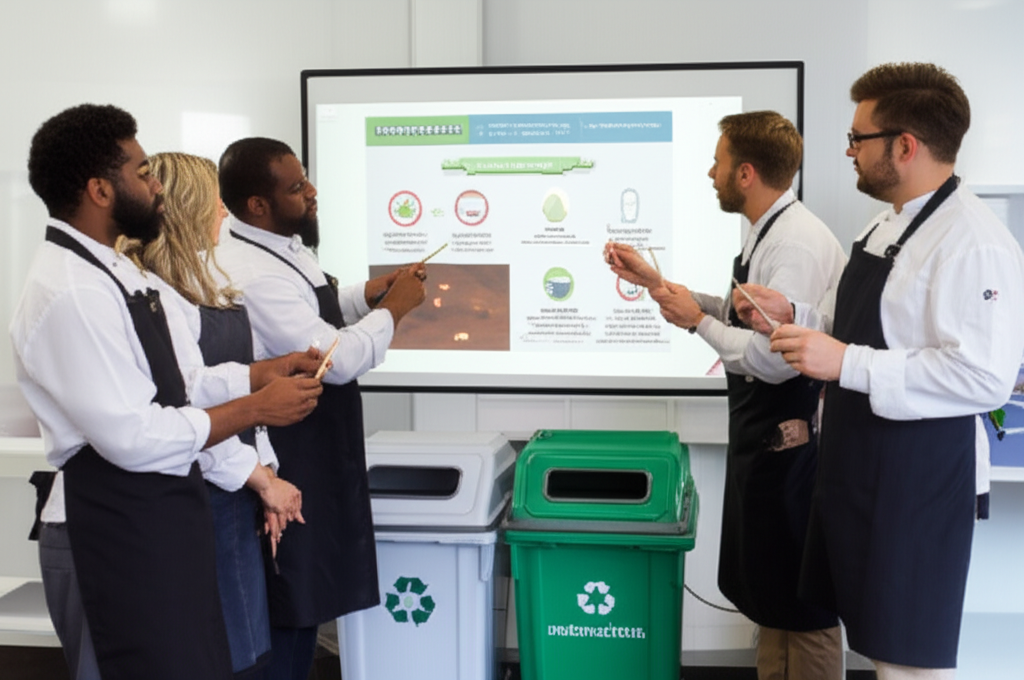
貴社のスタッフは、貴社の持続可能性への取り組みの最前線の大使です。彼らが適切な廃棄方法を理解し、遵守することが、堆肥化可能なストロー プログラムの成功にとって最も重要です。知識と明確な手順を彼らに提供することは、効果的な廃棄物転用とブランド認知の向上に直接つながります。
堆肥化可能なわらを完璧に処分するための基礎トレーニング
チーム向けに定期的に包括的なトレーニング セッションを実施することが、廃棄物転用を成功させるための基礎となります。これらのセッションでは、従来の使い捨てストローが環境に与える影響と、堆肥化可能な代替品のメリットを詳しく掘り下げる必要があります。このトレーニングの重要な要素は、「生分解性」材料と「堆肥化可能」材料を区別することです。スタッフは、「生分解性」製品は単に不特定の期間にわたって分解され、残留物が残る可能性がある一方、認定された「堆肥化可能」製品 (BPI またはテュフ オーストリア認定を受けた製品など) は、特定の産業条件下で完全に天然成分に分解されることが保証されていることを理解する必要があります。明確な論点を提供することで、スタッフは自信を持って持続可能性への取り組みや適切な廃棄について顧客と話し合うことができます。さらに、廃棄物の分別と「堆肥化可能なストローの処分」プロトコルに関する包括的なオンボーディングをすべての新入社員の標準とし、初日から一貫した遵守を確保する必要があります。
知識の運用化: 廃棄物転用のための裏方から顧客とのやり取りまで
効果的なトレーニングは、理論的な知識を超えて実際の応用にまで及びます。汚染を防ぐための適切な分別技術についてスタッフを訓練します。多くの場合、口頭だけで説明するよりも、実践的なデモンストレーションの方が効果的です。従業員が顧客とのやり取りの際に「堆肥化可能なストローの廃棄」について丁寧に指導できるようにし、すべての取引をマイクロ教育の機会に変えます。食器洗いシステムでの相互汚染を防ぎ、堆肥化のためのきれいな流れを確保するために、洗浄前にストローを含む堆肥化可能物用の指定された掻き取りエリアを実装します。最後に、従業員をより大規模な堆肥化プロジェクトに参加させます。転用された廃棄物量や埋め立てコストの削減などのプログラムの結果を伝達して、継続的な「廃棄物転用」への取り組みを促進し、持続可能性目標の達成における重要な役割を強化します。
**堆肥化可能なわらの処理と効果的な廃棄物の転用を成功させるには、十分な訓練を受けたスタッフが不可欠です。**
顧客との関わり: 堆肥化可能なストローの責任ある廃棄の導入を促進する
スタッフ教育は社内の一貫性を確保しますが、社外の成功には顧客を魅了することが不可欠です。明確でアクセスしやすいコミュニケーションは、廃棄プロセスを分かりやすくし、環境目標に対する共通の取り組みを促進し、顧客ロイヤルティを強化するのに役立ちます。
堆肥化可能なストローをシームレスに廃棄するための明確なコミュニケーションチャネル
顧客を効果的に誘導するには、あらゆる意思決定ポイントで目立つ視覚的な看板を活用します。これには、テーブル テント、ポスター、「堆肥化可能なストローの廃棄」に関する直感的な廃棄手順が記載された透明なゴミ箱ラベルが含まれます。受け入れられたアイテムの画像などのビジュアルは、理解を大幅に向上させることができます。メニューと会社の Web サイトを更新して、持続可能性への取り組みを強調し、詳細な廃棄ガイドラインを提供して、環境リーダーとしてのブランドを確立します。ソーシャルメディアキャンペーンを活用して意識を高め、適切な廃棄が海洋生態系の保護など環境保護にどのように貢献するかを強調します。ストローまたはその個別のパッケージに直接ラベルを付けると (例: 「100% 堆肥化可能 – 堆肥箱に廃棄してください」)、即座に明確なガイダンスが提供され、製品が消費される場所での廃棄メッセージが強化されます。
誤解を払拭し、廃棄物ゼロの考え方を育む
堆肥化可能なわらの処分における重大な課題は、消費者の混乱です。多くの顧客は、堆肥化可能なアイテムは一般リサイクルまたはゴミに出せると誤解しています。一般的なリサイクルや埋め立てとは異なり、堆肥化可能な品目の分解には特定の産業条件 (高熱、湿気、微生物の活動) が必要であることを顧客に理解してもらうことが重要です。真の堆肥化可能性を確保し、厳格な基準を満たさずに環境に優しい製品として販売される「グリーンウォッシング」を避けるために、BPI やテュフ オーストリアなどの正当な認証を探すことを重視します。全体的なストローの消費量を削減し、再利用可能な代替品の検討を顧客に促すためのシンプルかつ効果的な方法である、「要求がない限りストローは使用しない」ポリシーの導入を検討してください。堆肥化不可能な物質による汚染は、たとえ堆肥化容器のプラスチック蓋 1 つであっても、堆肥化プロセス全体を妨げ、完成した堆肥の品質を低下させ、「廃棄物ゼロの考え方」に向けた集団の努力を台無しにする可能性があることを顧客に教育します。に関するガイドで概説されているように、基本的な違いを理解する 堆肥化可能なストローと生分解性ストロー、スタッフと顧客の両方にとって重要です。
**堆肥化可能なストロー プログラムを成功させるには、明確な顧客コミュニケーションと教育が不可欠です。**

戦略的アプローチの比較: 堆肥化可能なわらの処分教育の最適化
堆肥化可能なわらを効果的に処分するには、多面的なアプローチが必要です。さまざまな戦略を比較することは、B2B 運営にとって最も効果的で効率的な方法を特定するのに役立ちます。
| 特徴 | B2B運用上の影響 | コンプライアンスノート | ROIポテンシャル |
|---|---|---|---|
| 総合的なスタッフ研修プログラム | 内部エラーを削減し、廃棄物分別の効率を向上させ、スタッフの士気を高め、持続可能性の目標への取り組みを強化します。大規模なホスピタリティ チェーンにとって重要です。 | 廃棄物分別法の遵守を社内で徹底します。汚染された廃棄物の流れからの微粒子のリスクを軽減します。 | 廃棄物処理コストの削減 (埋め立て廃棄物の削減)、業務効率の向上、ブランドの評判の向上により、顧客ロイヤルティと潜在的な収益の向上につながります。 |
| Strategic Customer Engagement & Communication | 顧客の正しい廃棄率を高め、堆肥の流れの汚染を減らし、社会の肯定的な認識とブランドロイヤルティを促進します。カフェやクイックサービスのレストランには欠かせません。 | 堆肥化不可能な汚染を最小限に抑えることで、地域の廃棄物条例の遵守をサポートします。 | ブランドイメージの向上、顧客維持率の向上、持続可能な製品に対するプレミアム価格の可能性、汚染廃棄物の分別に関連するコストの削減。 |
| 最適化された廃棄物管理インフラ | 堆肥化可能な廃棄物の収集と輸送を合理化し、適切な産業用堆肥化を確保し、物流の複雑さを軽減します。宿泊客数の多いホテルに関連します。 | 地域の堆肥化義務への準拠を直接サポートし、埋め立て地への依存を減らします。 | 廃棄物の運搬コストの削減、堆肥販売による潜在的な収益(該当する場合)、環境フットプリントの改善、運営の持続可能性の強化。 |
| 厳格な認定を受けた製品の調達 | すべての堆肥化可能な製品が業界基準を満たしていることを確認し、廃棄に関する教育を簡素化し (一貫したメッセージング)、グリーンウォッシングのリスクを軽減します。調達マネージャーにとって重要です。 | 堆肥化可能性基準 (ASTM D6400、EN 13432 など) への準拠を保証し、規制上の落とし穴を回避します。 | 高額な製品リコールや罰金の回避、ブランドの信頼性の向上、廃棄物管理プロセスの簡素化、長期的なサプライチェーンの回復力。 |
| Policy & Demand Reduction Initiatives | 全体的なストローの消費量を削減し、廃棄物の量を最小限に抑え、再利用可能な代替品を奨励し、より広範な持続可能性の目標と一致します。すべての食品サービスに適用されます。 | 将来の規制動向に合わせて、使い捨て品への依存を減らすための積極的な措置。 | ストローの調達コストの削減、廃棄物処理量の削減、真に持続可能なブランドとしての顧客の認識の向上、再利用可能なソリューションにおけるイノベーションの可能性。 |
**スタッフのトレーニングからインフラストラクチャに至るまでの多様な戦略により、堆肥化可能なわらの廃棄に関する教育と効果が最適化されます。**
B2B Customization & Supply Chain Optimization
ホスピタリティおよびフードサービス企業にとって、効果的な堆肥化可能なストロー プログラムは、教育を超えてサプライ チェーンの戦略的な決定にまで及びます。最小注文数量 (MOQ)、ブランディングの機会、物流を理解することが、シームレスな統合とコスト効率の鍵となります。
規制と市場に関する洞察: 概要
堆肥化可能な製品の規制状況は地域によって大きく異なります。 EU では、使い捨てプラスチック指令により、認定された堆肥化可能な代替品の需要が高まっていますが、米国の規制は多くの場合、州または都市ごとに異なります。アジア太平洋地域の市場でも同様の政策が急速に導入されており、複雑ではあるが成長する世界市場が形成されています。これらの規制に対処するための包括的な詳細については、当社の詳細ガイドを参照してください。堆肥化可能なストローの世界的な規制。
お客様の業務に合わせたソリューションのカスタマイズ
- MOQに関する考慮事項: 大規模なホテル チェーンや航空会社のケータリング業者の場合、MOQ を高くすることで、単位あたりのコストを大幅に削減し、安定した供給を確保できます。小規模なカフェや独立系レストランは、より低い MOQ や一括注文を提供する代理店から恩恵を受ける可能性があります。
- ブランド化の機会: 堆肥化可能なストローの包装紙やディスペンサーボックスにカスタムブランドを付けることで、顧客に対する持続可能性への取り組みを直接強化できます。これは、あらゆるホスピタリティ ブランドにとって強力なマーケティング ツールです。
- Logistics & Storage: 堆肥化可能なストローは、完全性を維持するために乾燥した涼しい場所に保管する必要があります。特に複数拠点にわたる食品サービス業務の場合、効率的な物流計画により、タイムリーな配送が保証され、不適切な保管による無駄が最小限に抑えられます。
**B2B 堆肥化可能なストローの成功には、サプライ チェーンの物流を最適化し、MOQ を理解することが重要です。**
Industry Misconceptions & Clarifications
意識が高まっているにもかかわらず、堆肥化可能なストローに関しては、特にペースの速いホスピタリティおよびフードサービス分野において、いくつかの誤解が根強く残っています。これらに直接対処することは、効果的な教育とプログラムの成功に不可欠です。
誤解: 「環境に優しい」ストローはどれも同じ
特に多忙な運営スタッフや顧客の間でよくある誤解は、「環境に優しい」または「生分解性」とラベルが貼られたストローは、認定された堆肥化可能なストローと同じように扱えるというものです。これは真実とは程遠いです。多くの「生分解性」プラスチックは埋め立て地で分解されるまでに数百年を要し、一部は単純に断片化してマイクロプラスチックになります。 PLA やサトウキビバガスから作られたストローなど、真の堆肥化可能なストローは、工業用堆肥化施設で特定の期間 (通常 90 ~ 180 日) 内に有毒な残留物を残さずに分解されることが認定されています。 BPI (生分解性製品協会) やテュフ オーストリアの「OK 堆肥産業」などの認証を取得できるようにスタッフを教育することは、グリーンウォッシングを回避し、適切な廃棄物の流れの完全性を確保するために最も重要です。たとえば、ホテルが誤って「生分解性」のプラスチックカップを堆肥箱に入れてしまい、バッチ全体が汚染され、堆肥化施設による拒否につながる可能性があります。
**すべての環境に優しいストローが本当に堆肥化できるわけではありません。特定の認定を探してください。**
よくある質問(FAQ)
多忙なホテルのスタッフが堆肥化可能なストローを他の廃棄物から正しく分別するにはどうすればよいでしょうか?
堆肥化可能物、リサイクル可能物、埋め立て廃棄物用に、明確な絵のラベルが付いた、視認性の高い色分けされたゴミ箱を導入します。実践的な仕分け演習に重点を置き、シフト変更時に短時間の再トレーニングを頻繁に実施します。各シフトで「持続可能性の擁護者」に権限を与え、同僚を指導します。
人通りの多いカフェで、堆肥化可能なストローの処分について顧客に伝える最善の方法は何でしょうか?
注文地点や廃棄ステーションでは、目の高さの簡潔な標識を使用します。ストローの包装自体に小さな透明なステッカーが貼られていると考えてください。スタッフは、「あなたのストローは堆肥化可能です。緑色のゴミ箱に入れてください!」など、素早く丁寧な口頭で合図することができます。
当社の航空会社では、堆肥化可能なアイテムを使用した食事を提供しています。飛行中の廃棄を効率的に管理するにはどうすればよいでしょうか?
客室乗務員に事前に分別された堆肥化可能なゴミ袋を提供します。堆肥化可能な品目とその処分を示す小さな多言語アイコンを食事トレイまたはパッケージに含めます。収集前に廃棄物の分別について簡単にアナウンスすることを検討してください。
堆肥化可能なストローは他のプラスチックと一緒にリサイクルできますか?
いいえ、堆肥化可能なストロー、特に PLA を従来のプラスチックのリサイクルと混ぜるべきではありません。適切に分解するには、特定の産業用堆肥化施設が必要です。これらを混合するとリサイクルの流れが汚染され、バッチ全体が埋め立て地に送られる可能性があります。
堆肥化可能なストローが埋め立て地に捨てられたらどうなるでしょうか?
嫌気性の埋め立て条件では、堆肥化可能なストローが意図したように分解されず、メタン排出の原因となる可能性があります。環境上の利点を最大限に発揮するには、適切な産業用堆肥化が不可欠です。
**FAQ は廃棄に関する一般的な課題に対処し、ホスピタリティとフードサービスに実用的なソリューションを提供します。**
サステナビリティ戦略を最適化する準備はできていますか?
ホスピタリティまたはフードサービス ビジネスの真に持続可能な未来に向けて次の一歩を踏み出しましょう。堆肥化可能なわらの廃棄に関する強力なスタッフと顧客の教育プログラムを導入することで、環境フットプリントを大幅に削減し、ブランドの評判を高め、目に見える運用効率を達成することができます。カスタム持続可能性コンサルティングについては今すぐお問い合わせください
予想されるビジネス上の利益には、廃棄物処理コストの 15 ~ 20% の削減と、1 年以内の持続可能性への取り組みに関連する顧客満足度スコアの 10% の向上が含まれます。
**今すぐサステナビリティ戦略を最適化し、大幅な廃棄物の削減とブランド ロイヤルティの向上を実現してください。**