The Complex Currents of Eco-Friendly Straw Imports: Navigating Shipping & Logistics Challenges
For procurement managers, operations directors, and sustainability officers in the hospitality & foodservice industries.
使い捨てプラスチック廃棄物を削減するという世界的な急務は、世界中でサプライチェーンを再構築しています。企業が持続可能な代替品に舵を切るにつれ、環境に優しいストローの需要が急増しており、Grandview Researchによると、世界市場は2030年までに40億ドルという驚異的な規模に達し、2024年から14.2%という驚くべき年間平均成長率(CAGR)で成長すると予測されています。消費者の意識の高まりと政府の厳しい義務によって推進されるこの急激な成長は、企業にとって大きなチャンスであると同時に、一連の複雑な課題の両方をもたらしています。
調達マネージャー、オペレーションディレクター、持続可能性責任者、サプライチェーン幹部にとって、環境に優しいストロー輸入への移行は単なる倫理的な選択ではありません。それは複雑な配送と物流のハードルを伴う戦略的必要性です。これらの革新的な製品の多様な材料特性から、入り組んだ世界的な規制の枠組みに至るまで、企業は一か八かの課題に直面しています。これらの複雑さを無視すると、重大な業務の非効率性、コンプライアンスのリスク、ブランドの信頼の低下、および多額の費用がかかる遅延、罰金、顧客の不満などの重大な商業的影響につながる可能性があります。このブログ投稿では、これらの重要なハードルを調査し、効率的でコンプライアンスを遵守し、競争上有利な環境に優しいストロー輸入業務を目指す企業向けの戦略的ソリューションの概要を説明します。
I. 上げ潮: 市場の成長と環境に優しいわらの輸入に対する規制圧力
環境に優しいストローの世界市場は、2023 年に 16 億ドルに達すると大幅に拡大しています。この成長は主に、プラスチック汚染に対する世界的な消費者の意識の高まりと、使い捨てプラスチックに対する政府による禁止措置の増加によって促進されています。特に、EU の使い捨てプラスチック指令などの立法措置により、これらの地域で事業を展開する企業またはこれらの地域に輸入する企業にとって、持続可能な包装サプライチェーン戦略の急速な進化が必要とされています。適応に失敗すると、市場からの排除や重大な罰金が科せられるリスクがあります。
A. 需要の急増と原料の多様化が環境に優しいわらの輸入を促進
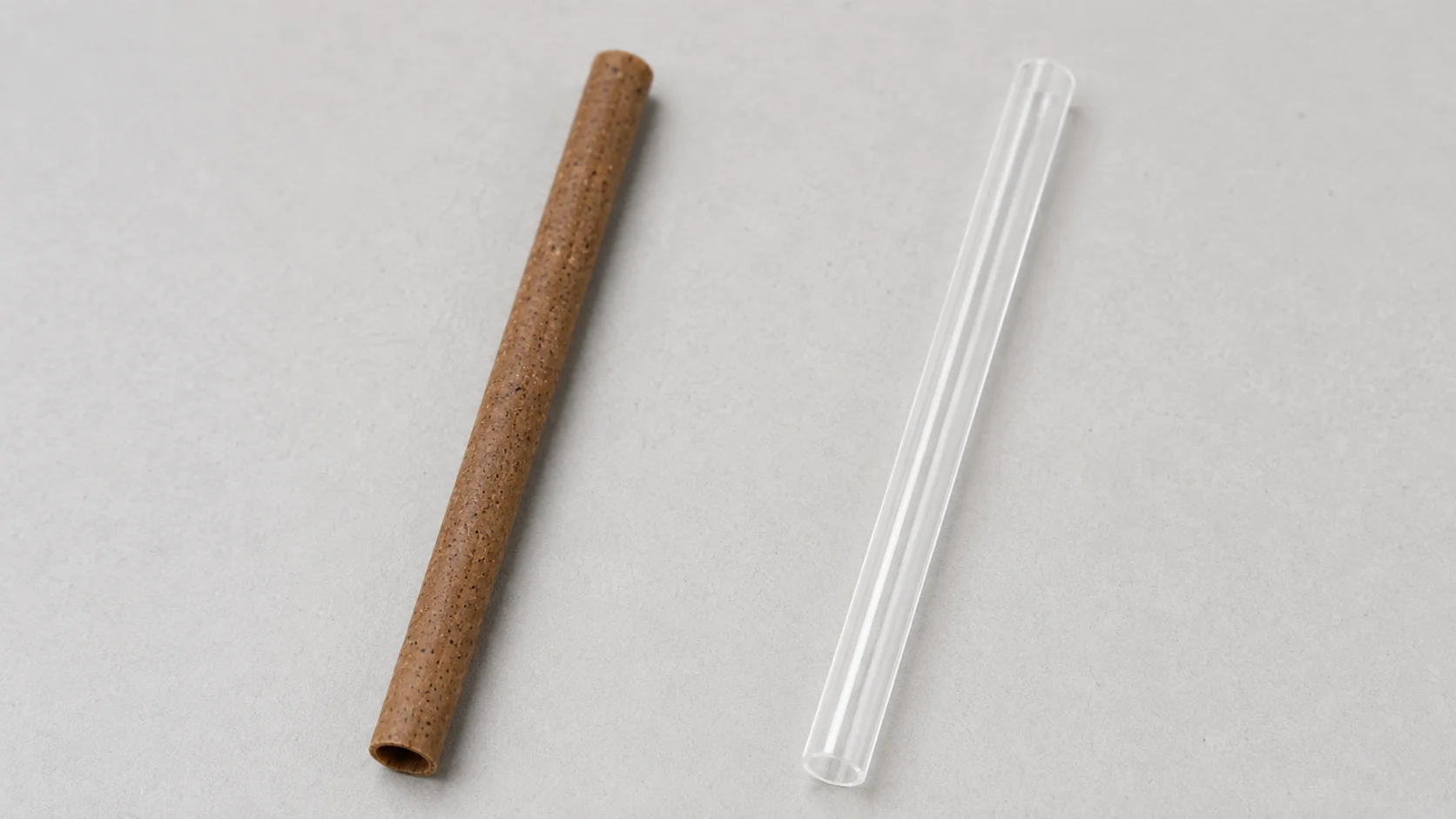
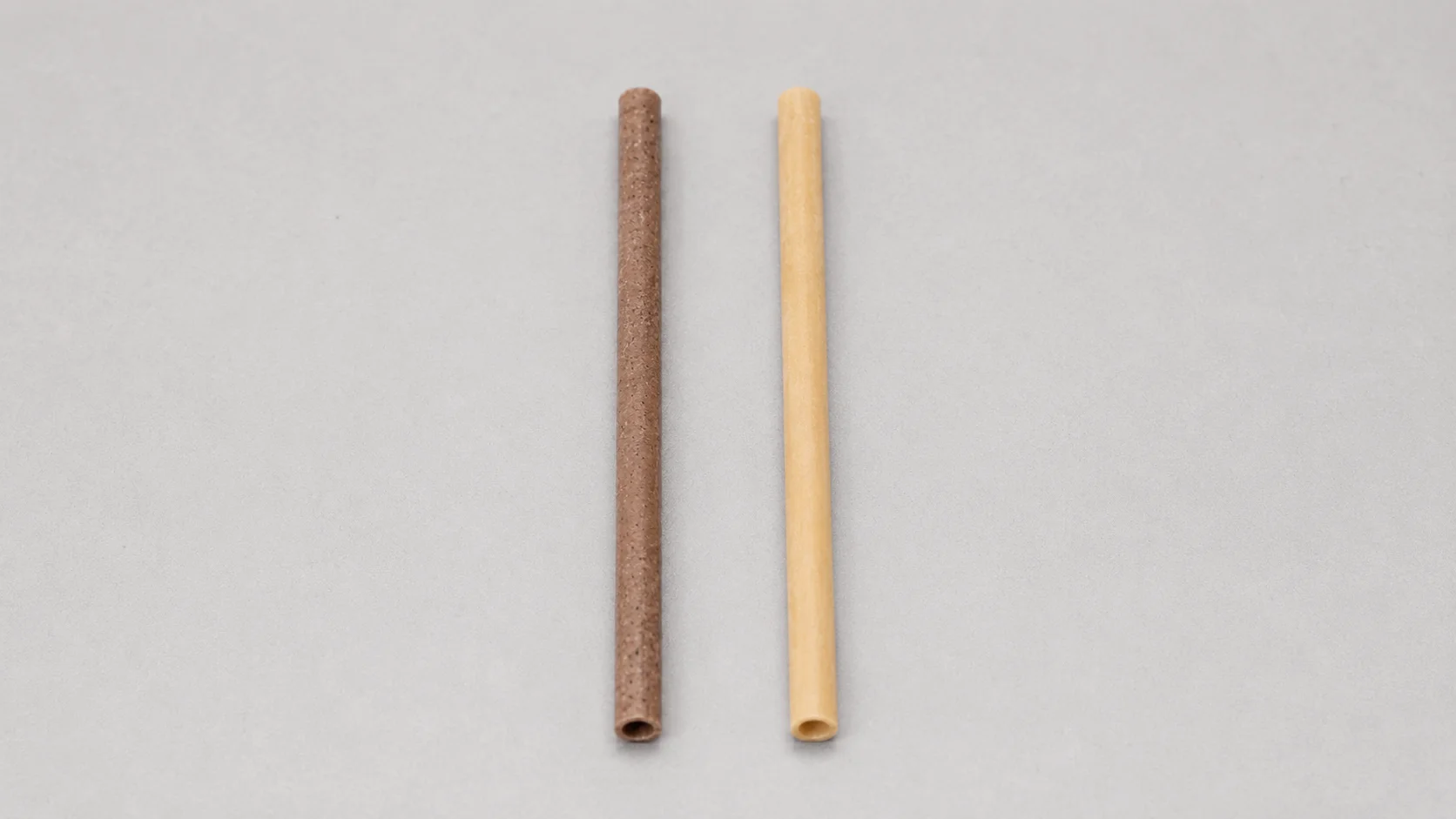
環境に優しいストロー市場は、7.3% という堅調な CAGR で 2035 年までに 251 億米ドル近くに達すると予測されており、その巨大かつ持続的な需要が浮き彫りになっています。この急成長する市場には、紙、竹、小麦、干し草、リュウゼツランベースのバイオプラスチックなど、さまざまな素材が含まれています。これらの材料はそれぞれ独自の特性を持っており、その結果、独自の取り扱い要件があります。たとえば、竹ストローの耐久性は紙やパスタのストローとは大きく異なり、保管条件や特殊な輸送ニーズに直接影響します。この固有の材料の多様性により、特定の特性が導入されます。環境に優しいストロー輸入の課題これは、製品の耐久性、最適な保管環境、製品の完全性を維持し、腐敗を防ぐために必要な特殊な輸送に関連しています。
B. 環境に優しいわらの輸入に向けて進化する規制状況を乗り切る
世界貿易分野は、持続可能な輸入に対して潜在的な税制上の優遇措置を含むインセンティブを提供する新たな「グリーン貿易政策」の影響をますます受けています。輸入業者にとって、これらの動的な変化を常に把握し、遵守することは最も重要です。さまざまな国際関税規制、さまざまな輸入関税、さまざまな管轄区域にわたる異なる環境基準を乗り越える必要があるため、その複雑さはさらに増します。この複雑な規制迷路で一歩を間違えると、多額の費用がかかる遅延、商品の差し押さえ、多額の罰金が発生する可能性があります。認定された堆肥化可能なストローを積極的に採用することは、企業が特に米国とヨーロッパで普及している使い捨てプラスチックの禁止に従うだけでなく、ブランドイメージと市場での魅力を大幅に向上させるのに役立ちます。さらに、一部の紙や植物由来のストローに含まれるパーフルオロアルキル物質およびポリフルオロアルキル物質(PFAS)、または「永久化学物質」に対する監視の目が高まっており、規制やブランドの評判に重大なリスクをもたらしています。 REACH や米国の州レベルの禁止令など、EU の厳格な化学規制への準拠を確保することは、市場へのアクセスと消費者の信頼にとって極めて重要です。消費者の意識と政府の厳しい規制により、環境に優しいストローに対する世界的な需要が急増しています。

II. Core Shipping & Logistics Challenges for Eco-Friendly Straw Imports
環境に優しいストローの輸入業者は、コストの上昇、複雑な規制のハードル、持続可能な商品に特有の既存のインフラの制限に頻繁に遭遇します。気候変動、進化する規制要件、非効率的なバリューチェーン管理などによる混乱に対するグローバルサプライチェーンの本質的な脆弱性が、これらの課題をさらに悪化させています。
A. 環境に優しいストローの輸入におけるコストと業務の複雑さの増加
物流上の主な課題の 1 つは、環境に優しいストローの材料特性に起因します。竹や小麦などの素材は、従来のプラスチックに比べてかさばり、密度が低いことが多いため、輸送コストが高くなります。これにより、輸送コンテナあたりのユニット数が減り、ユニットあたりの費用が直接増加します。したがって、原材料のコストは安くなるかもしれませんが、全体の陸揚げコストは大幅に高くなる可能性があります。持続可能な調達はその性質上、一般に多額のコストがかかるため、環境に優しい製品の競争力を確保するためにサプライチェーン全体の効率性を特定し、導入するという企業にとっては大きなプレッシャーとなっています。この傾向は孤立したものではありません。例えば、米国のファッション企業は調達コストの大幅な増加を報告しており、これは世界中で持続可能な商品を輸入している業界に影響を及ぼしている財政的圧力を明確に示している。
B. 材料の脆弱性と環境に優しいストローの輸入に関する特別な取り扱い要件
環境に優しいストローの特徴である生分解性は非常に高いため、輸送中に損傷を受けやすくなります。紙やパスタなどの素材は、湿気、温度変化、物理的衝撃に非常に弱いです。この脆弱性により、製品の周囲の環境を緩衝し、保護し、調整するように設計された、専門的で、多くの場合より高価なパッケージングソリューションが必要になります。破損や腐敗、それに伴う経済的損失や無駄を最小限に抑えるためには、堅牢な内部および外部の梱包と、サプライチェーン全体にわたる慎重な取り扱いプロトコルが不可欠です。特に紙ストローは、適切に扱わないと水っぽくなり、飲料の味を変える可能性があることが知られており、製品の完全性を維持し、重要なことに到着時の顧客満足度を維持するには、堅牢な梱包と管理された輸送条件の必要性が強調されています。
C. 環境に優しいわらの輸入に対する規制の迷路と認証のハードル
環境に優しいストローがメーカーから消費者に届くまでには、複雑な規制が敷かれています。重大な懸念は、多くの植物ベースのストローや紙ストローに含まれるパーフルオロアルキル物質およびポリフルオロアルキル物質 (PFAS)、または「永久化学物質」が広範囲に存在していることです。耐水性のために使用されるこれらの物質は分解されず、重大な健康上の懸念につながり、法規制やブランドの評判に多大なリスクをもたらします。企業は、法的影響や消費者の反発を避けるために、選択した製品が PFAS フリーであることを注意深く確認する必要があります。
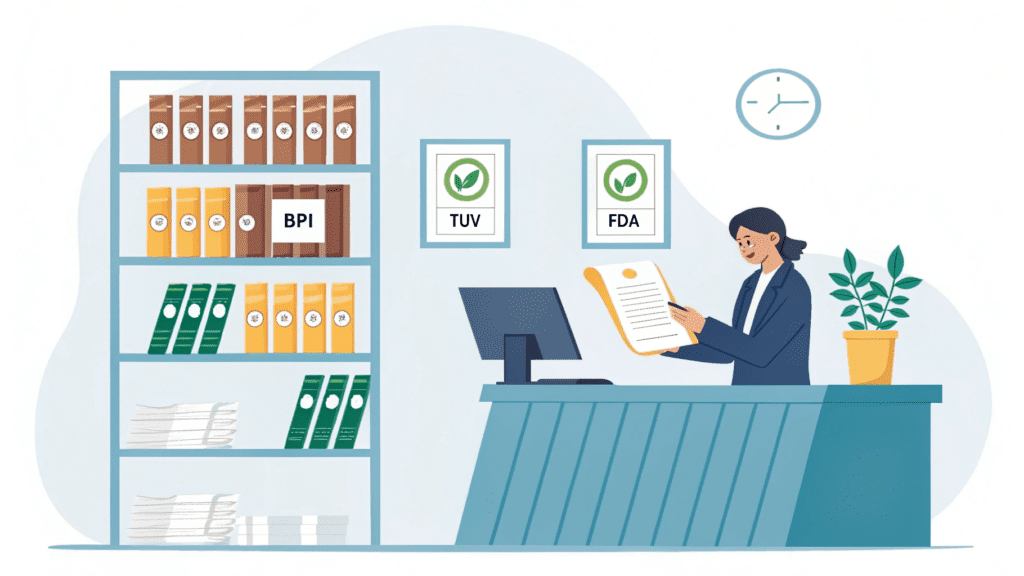
化学組成を超えて、生分解性と堆肥化可能性の主張を検証するには、確固たる科学的証拠と、BPI (生分解性製品協会) やテュフ オーストリアなどの世界的に認められた団体からの第三者認証が必要です。このような検証がなければ、企業は「グリーンウォッシング」と非難される危険があります。にとって重要な課題堆肥化可能なストロー物流適切な産業用堆肥化施設がなければ、多くの「堆肥化可能な」品目は最終的に埋め立て地に行き、その環境上の利点が実質的に無効になり、消費者の懐疑的な見方を引き起こす可能性があるという厳然たる現実です。堆肥化可能なアイテムの効果的な処分について詳しくは、当社のガイドを参照してください。堆肥化可能なわらの分解時間。
D. 環境に優しいわら輸入におけるサプライチェーンの透明性とトレーサビリティ
環境に優しいという主張の正当性を確保するには、比類のないサプライチェーンの透明性が必要です。これには、材料の原産地、製造プロセスの完全性、複数の国境を越えた倫理的な調達慣行の順守を検証する厳格なプロセスが含まれます。この検証プロセスの複雑さは、グローバルなサプライチェーンの断片化によってさらに複雑になります。
しかし、技術の進歩により解決策がもたらされています。 AI やブロックチェーンなどのテクノロジーは、サプライチェーンのトレーサビリティを強化するためにますます採用されており、ストローなどの製品の環境に優しい主張と原産地を検証するために不可欠な不変の記録を提供します。このデジタル インフラストラクチャは信頼を構築するだけでなく、問題の迅速な特定と修復を可能にします。サプライチェーンの透明性向上を求める圧力は社内だけではありません。消費者と規制当局の要求はますます高まっており、現代の物流業務はますます複雑になり、必要性が増しています。環境に優しいストローの輸入は、コスト高、材料の脆弱性、複雑な規制などの課題に直面しています。

Ⅲ.革新的なソリューション: 環境に優しいストローのための持続可能な包装サプライ チェーンの合理化
環境に優しいストローの輸入に関する課題は、かなりのものではありますが、克服できないわけではありません。梱包、材料の選択、物流における戦略的イノベーションにより、業務を大幅に合理化し、コストを削減できます。たとえば、パッケージデザインを最適化するだけでも、企業の物流コストと配送コストを最大 30% 節約できる可能性があります。サプライチェーン管理において真に持続可能な包装を実現するには、統合的かつ総合的なアプローチが必要であり、断片化された従来の手法を超えて包括的なソリューションに向けて断固として前進します。
A. Smart Packaging Optimization for Reduced Shipping & Logistics Costs
綿密に計画されたパッケージデザインは、持続可能な物流の基礎です。材料の無駄を大幅に削減するだけでなく、全体的な輸送効率も本質的に向上します。適切なサイズや梱包の軽量化などの戦略は、配送コストの削減に直接つながり、保管スペースを最大化することで倉庫の効率を最適化し、輸送ネットワーク全体の燃料消費量の削減に貢献します。このアプローチは、製品の保護とリソース効率のバランスをとります。
ミニケーススタディ: デルパッケージ サイズを 10% 削減することで、パッケージの最適化による具体的なメリットを実証したことは有名です。この一見小さな調整により、年間輸送コストが数百万ドル削減され、明確で説得力のある投資収益率がもたらされ、物流における戦略的パッケージングの力が実証されました。
B. サプライチェーンにおける環境に優しい素材と再利用可能なシステムの活用
持続可能な物流に向けた基本的なステップは、ストロー自体とそのパッケージの両方に、生分解性、リサイクル可能、堆肥化可能な素材を意図的に優先することです。これには、環境への影響を軽減しながら機能的性能を提供する、コーンスターチやサトウキビなどの再生可能資源に由来する革新的なバイオプラスチックの探索と実装が含まれます。
個別のストロー包装やバルクカートンによく使用される紙ベースの包装は、回収率 92.5%、リサイクル率 85.8% という優れた実績を誇り、リサイクルされないリスクが低く、数か月以内に強力な生分解性を示します。使い捨ての代替品を超えて、IKEA のような大規模小売業者が採用している成功モデルのような再利用可能な包装システムを導入すると、サプライチェーン全体で廃棄物を大幅に削減でき、継続的な原材料調達と廃棄物処理の必要性を最小限に抑えることで、長期的に大幅なコストメリットを得ることができます。
C. 環境に優しいストロー輸入のための倉庫効率の向上とスマート物流の導入
倉庫での効率的な梱包作業は、持続可能なサプライチェーンを最適化する上で極めて重要です。これらの業務は、自動化と AI を活用したソリューションを戦略的に導入することで大幅に強化でき、プロセスを高速化し、人的エラーを最小限に抑え、サプライ チェーン全体の効率に貢献します。このようなテクノロジーは、傷みやすい、または壊れやすい環境に優しい材料にとって重要な、より高速なスループットとより正確な在庫管理を促進します。
さらに、QR コードや RFID 追跡などのスマート パッケージング テクノロジーを採用することで、リアルタイムの在庫管理が大幅に向上し、サプライ チェーン全体での置き間違いや破損による損失を削減できます。輸送の観点から見ると、輸送中の荷物の重量または容積を最大化することは、二次包装廃棄物を削減し、車両の動きを最適化し、それによって二酸化炭素排出量を削減するためのシンプルかつ非常に効果的な戦略です。業界全体の基準がこの最適化に障害となる場合もありますが、輸送を統合し、コンテナを満杯まで充填するための継続的な取り組みが、持続可能な物流のベストプラクティスであることに変わりはありません。包装、材料、物流における戦略的イノベーションにより、環境に優しいストローの輸入を合理化できます。

IV.戦略的な材料選択: 環境に優しいストローのオプションの比較
環境に優しいストローの世界市場は急速に拡大しており、さまざまな素材が提供されており、それぞれの素材が物流上で独自の影響を及ぼしています。堆肥化可能なストロー物流そして全体的な運用への影響。適切な材料の選択は、製品の性能や廃棄経路だけでなく、サプライチェーン全体の効率にも根本的に影響を与えるため、単なる初期コストを超えた慎重な評価が必要です。特にホスピタリティ分野の企業にとって、これらの重要な違いを理解することは、最適なものを選択するために非常に重要です。私たちのガイドレストラン向けの環境に優しいストローは、この選択プロセスについてさらに詳しく説明します。
一般的な環境に優しいストローのオプションの比較
| 特徴 | B2B運用上の影響 | コンプライアンスノート | ROIポテンシャル |
|---|---|---|---|
| 紙ストロー | 広く入手可能であり、多くの場合、初期購入コストが低くなります。しかし、水浸し、崩壊、飲料の味の変化に関する頻繁な報告は、顧客の重大な不満につながり、ブランドの評判に影響を与え、早期廃棄による廃棄物が増加する可能性があります。保管中および輸送中は慎重な湿気管理が必要です。 | 一部のバリエーション、特に耐水性を目的に設計されたバリエーションには、PFAS の「永久化学物質」が含まれている可能性があり、重大な規制やブランド評判のリスクを引き起こします。厳格な化学物質規制がある地域でのコンプライアンスには、PFAS フリー認証を確実に取得することが重要です。理論上はリサイクル可能ですが、その汚れや内部コーティングのせいで実際にリサイクルするのは困難な場合が多く、埋め立て処分や特殊な産業用堆肥化への依存が高まっていますが、これらは誰でも利用できるわけではありません。 | 当面の購入コストが低いと、予算を重視した運用にアピールできる可能性があります。ただし、耐久性が低いために顧客から大きな不満が生じる可能性があり、否定的なレビュー、リピート ビジネスの減少、運用上の無駄の増加につながり、初期費用の節約が相殺される可能性があります。 「ふやけたストロー症候群」や PFAS 汚染によるブランドの評判の低下のリスクも、長期的な金融負債や市場シェアの損失につながる可能性があります。 |
| プラストロー | 従来のプラスチックの感触を模倣しており、多くの場合、短期間の使用に優れた耐久性を備えているため、消費者にとって馴染みのある移行手段となっています。ただし、高熱や湿気に弱いため、早期劣化を防ぐために特別な取り扱いと保管条件が必要です。プラスチック禁止が実施されている場合には、実行可能な代替手段となる可能性があります。 | コーンスターチやサトウキビなどの再生可能な資源から作られています。重要なことは、PLA ストローを数か月以内に効果的に分解するには、工業用堆肥化施設 (56 ~ 60 °C で稼働) が必要であるということです。適切なインフラへのアクセスがなければ、埋め立て地に長期間留まり、環境上の利点が事実上失われ、「グリーンウォッシング」の懸念につながる可能性があります。地域の堆肥化インフラを検証し、消費者に適切な廃棄方法を教育することは、真の環境影響を与えるために最も重要です。 | 紙や従来のプラスチックに比べて初期コストが高くなります。 ROI は、産業用堆肥化インフラの可用性とアクセスしやすさに大きく依存します。適切に堆肥化されれば、廃棄物処理費用が削減され、持続可能性への明らかな取り組みによりブランドイメージが大幅に向上する可能性があります。堅牢な堆肥化インフラを持つ地域の企業は、これを主要な差別化要因として活用できます。しかし、最終的に埋め立て地に送られると、初期コストが高くなって環境に何の利益ももたらされず、批判を招く可能性さえあります。 |
| PHAストロー | プラスチックのような耐久性と感触を提供し、最小限の妥協で優れたユーザー エクスペリエンスを実現します。一般に、紙や PLA よりも湿気や温度の変動に対する耐性が高く、輸送中やバーやレストランなどのさまざまな運営環境での保管と取り扱いの要件が簡素化されます。 | PHA (ポリヒドロキシアルカノエート) ストローは、植物糖またはキャノーラ油の発酵から製造されます。大きな利点は、広範囲の生分解性です。産業用堆肥化施設だけでなく、家庭用堆肥化環境、さらには海洋環境でも生分解することができるため、より広範なコンプライアンスを提供し、真に閉ループを実現します。この多用途性により、より厳格化する環境規制に対する強力な将来性が提供され、アイテムが多様な自然環境に行き着くという懸念に対処できます。 | 高度な製造プロセスのため、初期投資が高くなります。しかし、ブランドを強力に差別化し、環境意識が高まる消費者にアピールすることで、市場シェアと顧客ロイヤルティを高めることができます。優れた生分解性プロファイルにより、進化する規制に対する将来の保証が強化され、将来のコンプライアンス費用や罰金を回避できる可能性があります。環境フットプリントの削減と検証可能な寿命後の利点は、強力な持続可能性の物語に変換され、環境意識の高い投資家やパートナーを魅了します。 |
| 小麦/サトウキビストロー | 自然で真に廃棄物ゼロのオプションは、独特の素朴な美学を提供し、特定のブランドにとって魅力的です。ただし、天然由来であるため、直径、長さ、壁の厚さに自然な不一致が見られる場合があり、包装や自動分配システムに影響を与える可能性があります。耐久性はさまざまであるため、飲料での長期使用にはあまり適していません。 | 100% 生分解性で堆肥化可能。通常、未処理の植物の茎であるため、化学的懸念(PFAS など)はありません。これらは数か月以内に自然に分解され、特殊な産業用堆肥化を必要としない、真に環境に優しい最終製品のソリューションを提供します。このシンプルさにより、グリーンウォッシングのリスクが大幅に軽減されます。 | 農業副産物であるため、製造コストが低くなる可能性がありますが、サプライチェーンの一貫性が変動する可能性があり、大量調達に影響を及ぼします。それらの環境に優しい魅力は強力な持続可能性の物語を提供し、天然の未加工代替品を優先する消費者を惹きつけます。これは、特に自然で廃棄物ゼロのソリューションが高く評価されている市場において、ブランド価値とロイヤルティの向上につながる可能性があります。長期的な ROI は、供給の変動を管理し、消費者にその自然な特性を教育することにかかっています。 |
環境に優しい適切なストロー素材の選択は、物流、コンプライアンス、ROI に影響します。
V. 課題の克服: 持続可能で環境に優しいストロー物流のベストプラクティス
循環経済モデルの採用は、廃棄物を削減し、原材料から最終処分に至るサプライチェーンのすべての段階にわたって環境に優しい慣行を統合するのに役立ち、物流上の課題を克服する上で中心となります。この総合的なアプローチにより、製品は耐久性、再利用性、または責任ある寿命管理を考慮して設計されます。さらに、持続可能なサプライチェーンは、廃棄物処理費用の削減と物流と在庫管理の改善による業務効率の向上を実現し、環境コンプライアンスを超えた目に見える経済的メリットをもたらします。
A. 環境に優しいわらの輸入に対するサプライヤーの入念な審査と認証
特に東南アジアなどの主要地域から調達する場合、信頼できるサプライヤーを特定することが最も重要です。企業は、競争力のある価格設定を超えて、「環境に優しい」という主張の信憑性を徹底的に精査し、倫理的な調達慣行を検証する必要があります。これには、労働慣行、生産による環境への影響、原材料の産地に対するデューデリジェンスが含まれます。認定生分解性ストローソリューションを専門とする信頼できるサプライヤーと戦略的パートナーシップを形成することで、一貫した品質、規制遵守、安定供給が保証されます。 BPI (生分解性製品協会)、TÜV OK Compost、DIN CERTCO、USDA BioPreferred などの信頼できる認証を要求し、綿密に検証することが重要です。これらの第三者認証は、本物の堆肥化性と生分解性を確実に保証し、不注意による「グリーンウォッシング」のリスクを軽減し、ブランドの完全性を保護します。
B. Navigating Global Compliance for Shipping & Logistics Challenges for Eco-Friendly Straw Imports
国際的な環境規制は進化し続けており、コンプライアンスに対する積極的かつダイナミックなアプローチが求められています。企業は、輸入製品が目的地市場で必要な基準と進化する規制をすべて満たしていることを確認する必要があります。これには、広範なテスト、綿密な文書化、および変化する基準の継続的な監視が含まれる場合があります。これは、プラスチックの禁止や化学物質の規制がますます厳しくなっている米国と EU では特に重要です。
世界的な輸送能力を提供し、多くの国で法的遵守義務を順守した実績のあるサプライヤーと協力することは、大きな利点です。たとえば、StrawsWholesale.com のような一部の専門サプライヤーは、180 か国のコンプライアンスを確保することを明確に表明しており、国際貿易に重要な保証層を提供しています。さらに、AI 主導の洞察とデジタル プラットフォームを活用することで、企業が環境規制の遵守を追跡し、確実に遵守する方法に革命を起こすことができます。これらのテクノロジーは持続可能性レポートを最適化し、利害関係者や規制当局に検証可能なデータを提供することで、管理上の負担を軽減し、コンプライアンス リスクを最小限に抑えます。
C. 環境に優しいストローのリバースロジスティクスと寿命管理の最適化
真の持続可能性は、初期の生産と配送を超えて、代替ストローの環境への取り組み全体を網羅します。これには、生産プロセスや輸送物流に関連する炭素排出量の包括的な評価が含まれており、多くの場合ライフ サイクル アセスメント (LCA) を通じて評価されます。企業はサプライチェーンの影響を完全に理解する必要があります。
大きなハードルは、多くの地域で産業用堆肥化施設の利用が限られていることであり、真に堆肥化可能な品目にとっては重大なボトルネックとなっています。これに対抗するには、環境に優しい特定の種類のストローの適切な廃棄方法について従業員と顧客を教育することが重要です。これは、堆肥化可能な材料を埋め立て地から、意図したとおりに分解できる適切な施設に転用するのに役立ちます。大規模な事業または閉ループシステムの場合、使用済みの堆肥化可能なストローを収集および処理するための堅牢なリバースロジスティクスシステムを検討し、可能であれば導入することが最先端のベストプラクティスです。このようなシステムは、製品が適切な耐用年数を経た経路に確実に到達し、環境への約束を果たし、循環経済モデルに貢献します。環境に優しい製品ライン、特にカクテルストローなどの特殊な製品への拡大を検討している企業にとって、これらの物流要件を包括的に理解することが不可欠です。私たちの環境に優しいカクテルストロー B2B ガイドは、このニッチ市場に関するさらなる洞察を提供します。循環経済モデルの採用と入念な審査が、持続可能なストロー物流の鍵となります。
結論: 環境に優しいわら輸入の持続可能な方向性を描く
持続可能な道への道Shipping & Logistics Challenges for Eco-Friendly Straw Importsは紛れもなく複雑ですが、ブランドの完全性を維持し、規制順守を確保し、長期的なビジネスの存続可能性を確保するために、ますます重要な戦略的義務となっています。世界の環境に優しいストロー市場は、CAGR 14.2% で成長し、2030 年までに 40 億ドルに達すると予測されており、現在の課題に対処する緊急性と、市場をリードする重要な機会の両方を強調しています。
先端素材を戦略的に統合し、効率性と環境への影響を考慮してパッケージングを最適化し、透明性のあるサプライチェーンを促進する企業は、進化する環境要求と高まる消費者の期待の両方に応えるのに最適な立場にあります。物流の複雑さに積極的に取り組み、認定製品に投資し、責任ある耐用年数終了管理に取り組むことで、企業は潜在的な落とし穴を強力な競争上の優位性に変え、世界市場における持続可能性のリーダーとしての評判を確固たるものにすることができます。
サプライチェーンを強化します。今すぐ専門の物流プロバイダーや持続可能なストローメーカーと提携して、環境に優しいストローの輸入を合理化し、急速に成長する持続可能な市場で決定的な競争上の優位性を確保しましょう。持続可能なソリューションについては、お問い合わせください
よくある質問(FAQ)
Q: ホスピタリティ分野における環境に優しいストローの輸送における主な課題は何ですか?
A: ホスピタリティ企業は、竹や小麦などの材料の密度が低いことによる輸送コストの増加、特殊な包装が必要な紙やパスタストローなどの商品の脆弱性、持続可能な製品に関するさまざまな国際規制の対応などの課題に直面しています。
Q: 調達マネージャーは、進化するプラスチック禁止法や輸入ストローに対する化学物質規制への準拠をどのように確保できますか?
A: 調達管理者は、PFAS フリー認証およびサードパーティの生分解性/堆肥化性認証 (BPI、テュフ オーストリアなど) を注意深く確認する必要があります。グローバルなコンプライアンス、特に EU および米国市場向けのコンプライアンスに精通したサプライヤーと提携することが重要です。
Q: 包装の最適化は、環境に優しいストローの輸入における物流コストの削減にどのような役割を果たしますか?
A: 適切なサイズと軽量化を含むスマートなパッケージ設計により、材料の無駄と配送コストが大幅に削減されます。デルの梱包材の 10% 削減によって数百万ドルの節約が実証されているように、倉庫スペースが最適化され、燃料消費量が削減されます。
Q: PHA ストローは、初期コストが高いことを考慮すると、食品サービス業務にとって実行可能な長期的なソリューションですか?
A: はい、PHA ストローはプラスチックのような耐久性と広範な生分解性 (産業、家庭、海洋) を提供し、強力なブランド差別化と厳格化する規制に対する将来の耐久性を提供します。優れた環境特性により、環境意識の高い消費者や投資家を惹きつけ、長期的な ROI をもたらします。
Q: ホスピタリティ企業は、堆肥化可能なストローに関する「グリーンウォッシング」の懸念にどのように対処できますか?
A: 企業は、製品が堅牢な第三者認証 (BPI、TÜV OK Compost) を取得していることを確認し、適切な廃棄についてスタッフと顧客を教育する必要があります。可能な場合、使用済みストローの逆物流を導入すると、使用済みストローが適切な産業用堆肥化施設に確実に到達し、環境上の主張が検証されます。