激化する世界的なプラスチック廃棄物危機は、B2B の意思決定者にとって紛れもない課題であると同時に大きなチャンスをもたらしています。プラスチック生産は2040年までに倍増する可能性があるとの予測(出典:OECD、2018年、UNEP、2021年、Pew Charitable Trusts、2020年)において、何も行動を起こさないことによる環境と商業への影響は甚大であり、事業運営の中断、規制上の罰則の強化、深刻なブランド損傷の危険にさらされています。企業、特に接客業、食品サービス、小売業は岐路に立たされており、消費者、投資家、政府から真に持続可能な慣行を採用するよう圧力をかけられています。
この緊迫感の中で、Compostable & BPI Certified Compostable Strawsemerge not merely as an eco-friendly choice but as a strategic imperative. These innovative alternatives offer a viable pathway to reducing plastic pollution, meeting evolving consumer demands, and proactively addressing stringent regulatory pressures. By integrating certified compostable straws into their operations, businesses can significantly advance their sustainability goals, enhancing brand reputation, and securing a competitive edge in a rapidly transforming market.Embracing certified compostable straws is a strategic imperative for B2B sustainability and competitive advantage.
Understanding Compostable & BPI Certified Compostable Straws: The Foundation for Responsible Sourcing

Navigating the landscape of sustainable disposables requires a clear understanding of material science and certification standards. For B2B procurement, distinguishing between various “eco-friendly” claims is paramount to avoid greenwashing and ensure genuine environmental impact.
Defining Compostable Materials and Their Environmental Impact
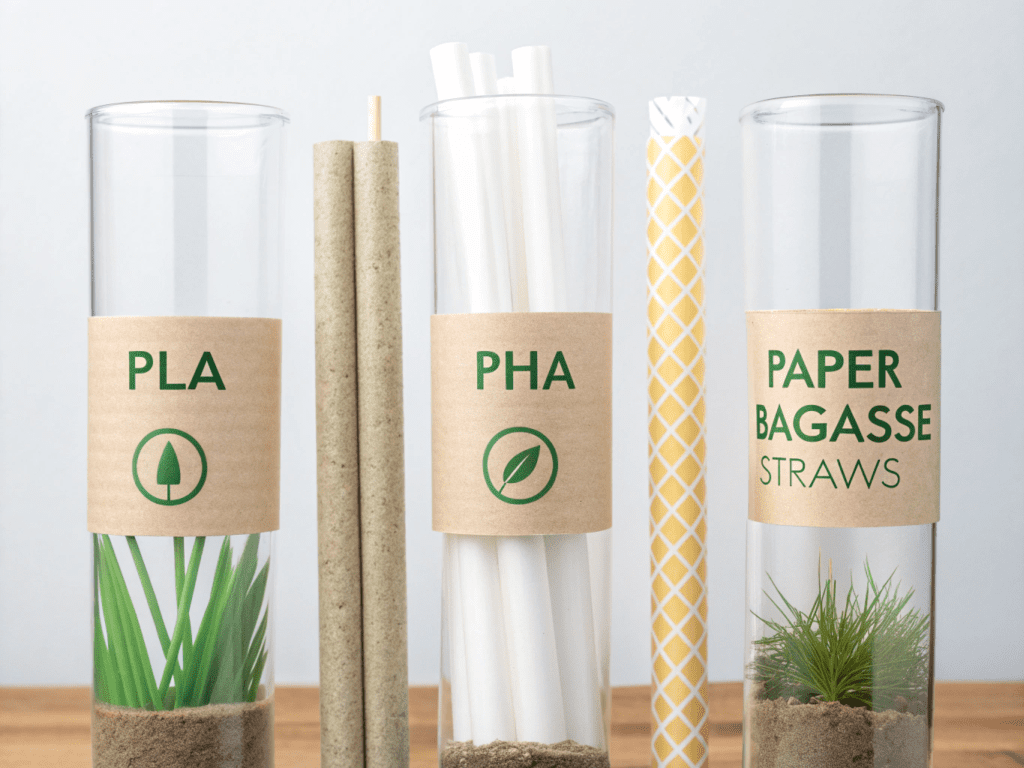
堆肥化可能なストローは従来のプラスチックとは根本的に異なります。これらは通常、トウモロコシ樹脂 (PLA)、植物油からのポリヒドロキシアルカノエート (PHA)、またはサトウキビのバガスなどの毎年再生可能な資源に由来する植物ベースのポリマーから作られています。何世紀にもわたって環境中に残留する従来のプラスチックとは異なり、これらの材料は微生物の作用によって分解されるように設計されています。
In a proper composting environment, they decompose into natural elements: carbon dioxide, water, and biomass, crucially leaving behind no harmful residues or microplastics. This process contributes directly to a circular economy, transforming waste into valuable soil amendments, and significantly reducing landfill burden and ocean pollution. Understanding the decomposition times and conditions required for these materials is vital for effective waste management strategies. For a deeper dive into how long various compostable straws take to break down, explore our guide oncompostable straw decomposition times。
BPI Certification: The Gold Standard for Compostable & BPI Certified Compostable Straws
For North American businesses, the生分解性製品研究所(BPI)は、堆肥化可能な製品とパッケージを認証する主要な権威者としての役割を果たしています。 BPI 認証は、製品が産業堆肥化可能性に関する厳格な科学基準を満たしていることを独立した第三者機関が証明します。これには、商業堆肥化施設で材料が効果的に分解されるための特定の要件を規定する ASTM D6400 または D6868 規格への準拠が含まれます。
BPI 認証マークが付いている製品は、6 か月以内に少なくとも 90% の生分解を達成し、12 週間の工業用堆肥化後の残留物が 10% 未満であることが保証されています。さらに、BPI 認証は、製品が完成した堆肥に有害な残留物、重金属、または有毒化学物質を残さないことを保証し、環境の安全性と完全性の重要な保証を提供します。 BPI 認定製品に依存している企業は、検証可能な持続可能性への取り組みを自信を持って示すことができます。 BPI の基準と認証プロセスの包括的な詳細については、公式サイトをご覧ください。BPI ウェブサイト。
重要な違い: 「堆肥化可能」製品と「生分解性」製品
持続可能な製品の分野では、「堆肥化可能」と「生分解性」という用語が混同されることが多く、混乱やグリーンウォッシングの可能性をもたらします。 B2B の意思決定者にとって、この重要な違いを理解することは、責任ある調達を行い、法的および評判上の落とし穴を避けるために非常に重要です。
「堆肥化可能」とは非常に特殊な用語で、指定された堆肥化環境 (工業用または家庭用堆肥化) で製品が天然の無毒な成分に分解できることを意味します。これは、価値のある土壌改良材を生み出す制御されたプロセスを意味します。対照的に、「生分解性」は曖昧で誤解を招きやすい用語です。すべてのものは最終的に「生分解」するということは技術的には真実ですが、このラベルには、有害な残留物が存在しないことに関する特定の時間枠、条件、または保証は提供されていません。 「生分解性」とラベル付けされた製品の多くは、自然界では見られない条件を必要とするか、マイクロプラスチックの破片が残る可能性があります。
Legislation reflects this distinction. For instance, California’s AB 1201 (2021) prohibits the use of misleading terms like “biodegradable,” “degradable,” or “decomposable” on plastic products unless they are certified compostable by a third party. This anti-greenwashing legislation ensures that B2B investments genuinely support sustainability claims, protecting businesses from deceptive marketing and ensuring effective waste diversion. To gain a deeper understanding of these crucial differences and their implications for sustainable sourcing, consult our detailed guide:BPI堆肥化可能と生分解性:持続可能性ガイド。Understanding compostable vs. biodegradable is crucial for responsible B2B sustainable sourcing.
The Regulatory Landscape: Driving Adoption of Compostable & BPI Certified Compostable Straws
The global movement to reduce single-use plastics has rapidly evolved from consumer preference to legislative mandate, profoundly impacting B2B operations. Procurement managers and supply chain executives must proactively navigate this dynamic regulatory environment to ensure compliance and avoid costly penalties.
Navigating Plastic Straw Bans and “Straws Upon Request” Policies
Across the United States and Europe, a patchwork of regulations is reshaping the market for disposable straws. Cities and states have taken decisive action to curb plastic pollution:
- San Francisco, California: As of January 1, 2020, San Francisco banned single-use plastic straws, requiring alternatives made of natural fiber or paper to be BPI or TÜV AUSTRIA certified, specifically prohibiting PLA straws if littered, treating them like conventional plastic.
- Seattle, Washington: Effective July 1, 2018, Seattle implemented a comprehensive ban on single-use plastic straws and utensils, mandating compostable or reusable alternatives.
- New York City, New York: 2021 年 11 月 1 日以降、外食産業は要請がない限り、使い捨てプラスチック製飲料ストローを提供することを許可されなくなりました。この「要求に応じてストローを提供する」政策は、多くの管轄区域で一般的であり、企業は日常的なプラスチックの使用を阻止しながら、障害のある個人向けの供給を維持する必要があります。
これらの政策は、EU の使い捨てプラスチック指令全体にわたる同様の措置と同様に、従来のプラスチックの使い捨て製品からの協調的な移行という明確な法的傾向を強調しています。認定された堆肥化可能なソリューションを積極的に採用する企業は、市場へのアクセスと運用の柔軟性において大きな利点を獲得します。
For more details on California’s efforts to combat plastic pollution and ensure accurate labeling for compostable products, refer to theCalifornia Department of Resources Recycling and Recovery (CalRecycle)site.
Anti-Greenwashing Legislation and Its Impact on Procurement
Beyond direct bans, a critical development for procurement is the rise of anti-greenwashing legislation. Laws like California’s AB 1201 are specifically designed to combat deceptive marketing claims, mandating third-party certification for products marketed as “compostable.” This legislative shift has profound implications for B2B procurement:
- Due Diligence: Businesses must now perform enhanced due diligence to verify product claims, relying on certifications like BPI to ensure their investments genuinely support sustainability objectives.
- Risk Mitigation: Non-compliance or association with greenwashing practices can lead to significant fines, costly litigation, and irreparable reputational damage. Adopting certified products mitigates these legal and reputational risks.
- Market Integrity: These laws foster greater transparency and integrity in the market for sustainable products, ensuring that certified products deliver on their environmental promise and that B2B supply chains are built on trust.
Proactive compliance with evolving regulations is crucial for B2B supply chain integrity.
Operational Benefits: A Strategic Shift to Compostable & BPI Certified Compostable Straws
Beyond compliance, the transition to compostable and BPI-certified straws offers tangible operational and strategic benefits that resonate with today’s environmentally conscious consumers and stakeholders.
Enhanced Brand Reputation and Achieving ESG Targets with Sustainable Choices
In an era of increasing environmental awareness, a company’s commitment to sustainability directly influences its brand perception and market value. By prominently featuring BPI-certified compostable straws, businesses can:
- Align with Consumer Values: Meet the growing consumer demand for eco-friendly products, enhancing customer loyalty and attracting new, environmentally conscious clientele in hospitality and foodservice.
- Boost Corporate Social Responsibility (CSR): Signal a proactive commitment to reducing plastic pollution and landfill waste, bolstering CSR initiatives and demonstrating genuine environmental stewardship.
- Contribute to ESG Reporting: 投資家や金融市場によってますます精査される環境、社会、ガバナンス (ESG) 指標に直接貢献します。これにより、資本へのアクセスが改善され、投資家との関係が強化されます。
この戦略的転換により、ブランドは単なる製品提供を超えて向上し、責任ある先進的な業界リーダーとしての地位を確立します。
認定ストローによるコンプライアンス保証と将来性のあるサプライチェーン
BPI 認定の堆肥化可能なストローを積極的に採用することは、複雑で進化する規制環境を乗り切るための強力な戦略です。このアプローチでは次のことが可能になります。
- 積極的なコンプライアンス: Ensure adherence to current and anticipated local, state, and international regulations, including plastic straw bans and single-use plastic directives, particularly relevant for multi-location hospitality chains.
- Risk Mitigation: Mitigate the financial and legal risks associated with fines, legal challenges, and operational disruptions stemming from non-compliance.
- Business Continuity: Future-proof supply chains against tightening environmental laws, ensuring uninterrupted operations and market access in regions with strict plastic regulations.
- Leadership Positioning: Distinguish the company as a leader in sustainable procurement, fostering a resilient and adaptable supply chain that is prepared for future environmental mandates.
Adopting certified compostable straws enhances brand reputation and future-proofs supply chains.
Comparative Analysis: Selecting Optimal Compostable & BPI Certified Compostable Straws
Choosing the right compostable straw requires understanding the properties of various materials and their implications for B2B operations. The market offers several high-performing options, each with distinct advantages.
Feature Comparison: Compostable Straw Materials
| 特徴 | B2B運用上の影響 | コンプライアンスノート | ROIポテンシャル |
|---|---|---|---|
| PLA (Corn Resin) | Mimics traditional plastic in feel and clarity; ideal for cold beverages; durable and crack-resistant. | Requires industrial composting facilities; typically BPI Certified to ASTM D6400 standard. If littered, it acts like conventional plastic in the environment. | High brand appeal due to clear, plastic-like aesthetic; ensures regulatory compliance in areas with plastic bans; cost-effective alternative to other compostables, contributing to positive environmental image. |
| PHA (Plant Oils) | Exceptional durability, suitable for both hot and cold beverages (up to 212°F); some formulations offer marine biodegradability, reducing end-of-life concerns. | BPI and TÜV Austria certified for industrial compostability (ASTM D6400). Select PHA products also meet home compostability (ISO 14855) and marine biodegradability standards, offering broader disposal solutions. | Strong environmental statement with wider disposal options; enhances brand value through commitment to advanced sustainability; reduces disposal complexity and associated risks. |
| Paper (FSC) | Cost-effective and widely recognized by consumers; made from plant-based cellulose fibers; potential for sogginess or disintegration with prolonged liquid exposure. | FSC Certified for responsible forestry; some uncoated paper straws can be BPI certified. Compliance depends on specific regional regulations for “paper” straw definitions. | Low upfront cost makes it an accessible entry point for sustainability initiatives; immediate consumer recognition and acceptance as a plastic alternative; contributes to broad waste reduction goals. |
| サトウキビバガス | Sturdy, natural feel and appearance; often PLA-free, appealing to consumers seeking petroleum-free options; performs well in both hot and cold beverages. | Typically BPI or TÜV Austria certified for industrial and sometimes home compostability. Meets rigorous standards for breakdown into natural elements. | Commands a premium perception due to natural origin and robust performance; broad compostability options simplify waste management; aligns with desire for plant-based, sustainable materials. |
Mini Case Study: phade® Straws – A Model for Biodegradable Products
The innovation in compostable straw technology is exemplified by products like phade® straws. These straws, made from PHAs (polyhydroxyalkanoates), represent a significant leap forward in addressing plastic pollution while maintaining high performance.
phade® straws are distinguished by their dual certification: they are BPI and TÜV Austria certified for industrial compostability (meeting ASTM D6400 standards) and also TÜV Austria certified for home compostability (exceeding ISO 14855 and ISO 20200 standards). This versatility in decomposition environments underscores their superior environmental profile. By breaking down in industrial facilities, home compost piles, and even marine environments, phade® straws significantly reduce the complexity of disposal for businesses and consumers alike. Their development highlights how cutting-edge material science is meeting stringent environmental standards, providing robust, high-performing alternatives that genuinely contribute to a cleaner planet.適切な堆肥化可能なわら素材を選択することで、B2B の運用上の効果と ROI が最適化されます。
Addressing Key Challenges: Strategic Implementation of Compostable & BPI Certified Compostable Straws
堆肥化可能なストローの利点は明らかですが、B2B 事業への統合を成功させるには、特にインフラストラクチャ、コスト、教育に関する実際的な課題に対処する必要があります。
産業用堆肥化インフラの必要性
BPI 認定のほとんどの堆肥化可能なストローの環境上の利点を最大限に実現するための重要なハードルは、堅牢な産業用堆肥化インフラへの依存です。これらの施設は、材料を効果的かつ効率的に分解するために必要な、高温、制御された湿度レベル、活発な微生物群集などの特定の条件を提供します。
Despite the growing demand for compostable products, widespread access to commercial composting facilities remains a significant challenge across many regions. If compostable straws are not properly diverted to these facilities and instead end up in landfills, their decomposition can be hindered by anaerobic conditions, negating their intended environmental benefit. The Biodegradable Products Institute (BPI) actively advocates for the expansion of composting infrastructure and improved organic waste collection programs. For businesses, this means understanding local waste management capabilities and actively engaging with waste service providers. For detailed strategies on managing BPI compostable materials within your waste streams, refer to our comprehensive guide:What do I do with BPI Compostable? A B2B Playbook for Sustainable Waste Management。
Cost-Benefit Analysis and ROI of Sustainable Straw Solutions
The initial investment inCompostable & BPI Certified Compostable Strawsmay sometimes be higher than that for conventional plastic alternatives. However, a comprehensive cost-benefit analysis reveals a compelling return on investment (ROI) that extends far beyond the unit price.
The long-term ROI includes:
- Enhanced Brand Value and Consumer Loyalty: A demonstrated commitment to sustainability resonates with consumers, fostering loyalty and attracting new business, which translates into increased revenue for hospitality and foodservice.
- Avoidance of Regulatory Fines and Litigation: Proactive compliance with evolving plastic bans and anti-greenwashing laws mitigates the substantial financial risks associated with non-compliance.
- Market Growth Opportunity: The global eco-friendly straws market is projected to reach nearly $25.1 billion by 2035, growing at a compound annual growth rate (CAGR) of 7.3%. Positioning your business as a leader in this burgeoning market opens significant market share opportunities. This growth forecast, as reported by market research, underscores the increasing economic viability and strategic importance of eco-friendly alternatives.
- Source: The global eco-friendly straws market projection is widely cited by various market research firms, for example, as detailed in reports available through Allied Market Research。
Considering these factors, the higher upfront cost of certified compostable straws is often outweighed by the substantial long-term financial and reputational benefits.
Educating Stakeholders for Effective Adoption of Plant-Based Straws
The success of a transition to plant-based straws hinges on comprehensive education and clear communication across all stakeholder groups.
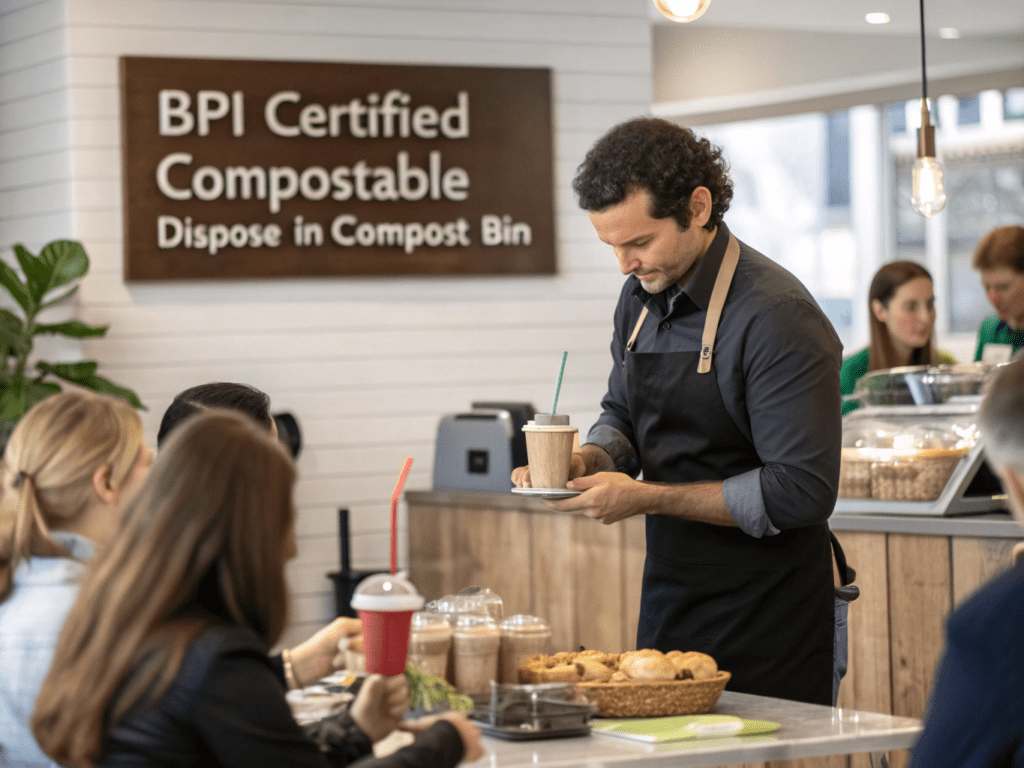
- スタッフのトレーニング: Operational staff, particularly those in customer-facing roles in hotels, cafes, and restaurants, must be thoroughly trained on the proper handling, storage, and disposal of compostable items. This includes understanding the BPI certification mark and distinguishing compostable materials from recyclables or general waste.
- Customer Information: Clearly inform customers about the compostable nature of the straws and guide them on correct waste streams. This can be achieved through signage, menu inserts, or direct communication. Clear labeling, often featuring the prominent BPI certification mark, is essential for consumer recognition and proper disposal.
- Waste Diversion: Effective education ensures that materials are correctly diverted to composting facilities, maximizing their environmental benefit and preventing contamination of recycling streams or landfills.
Without this crucial educational component, even the most certified and sustainable products can fail to achieve their intended environmental impact.Overcoming infrastructure, cost, and education challenges ensures successful compostable straw adoption.
Future Outlook: Innovations and Market Trajectories for Compostable & BPI Certified Compostable Straws
The trajectory for compostable and BPI-certified straws is one of continuous innovation and expanding market penetration, driven by both technological advancements and escalating regulatory pressure.
Emerging Materials and Certifications in Sustainable Straw Technology
The research and development landscape for sustainable straw technology is vibrant, with significant progress expected in the next 5-10 years:
- Advanced PHAs: Continued development of PHAs will lead to enhanced marine biodegradability, allowing for more robust performance in diverse end-of-life scenarios, including unintentional littering in aquatic environments.
- Cellulose and Acetate-Based Materials: Innovations in cellulose and acetate-based materials will offer new avenues for durable, plant-derived straws that biodegrade efficiently. These materials, derived from wood pulp and acetic acid, are poised to become more prevalent.
- Dual Certifications: A growing trend towards products aiming for dual industrial and home compostability will simplify disposal for both businesses and individual consumers.
- Stricter Certifications: The market will likely see an evolution towards even more rigorous certification standards, driving greater integrity, performance, and transparency in the compostable products sector. This ensures that environmental claims are backed by robust scientific validation.
These innovations promise a future where sustainable straw solutions are not only widely available but also increasingly effective and versatile in their environmental impact.
BPI’s Role in Policy Advocacy and Industry Standards
The Biodegradable Products Institute (BPI) will continue to play a pivotal role in shaping the future of compostable products through its policy advocacy and commitment to industry standards:
- Regulatory Engagement: BPI will remain actively engaged with regulatory bodies at local, state, and federal levels, working to expand composting programs and ensure favorable legislative frameworks for compostable materials.
- Organic Waste Mandates: BPI actively supports mandates for organic waste collection and processing, advocating for policies that ensure fees collected from compostable manufacturers directly fund the necessary composting infrastructure.
- Combating Greenwashing: Through its robust certification program and active involvement in labeling laws, BPI will continue its efforts to prevent greenwashing, ensuring that claims of compostability are genuine and verifiable.
- Broader Adoption: By setting clear standards and advocating for supporting infrastructure, BPI paves the way for the broader adoption of Compostable & BPI Certified Compostable Straws across various industries, making sustainable practices more accessible and impactful.
Future innovations and BPI advocacy will drive broader adoption of sustainable straw solutions.
Conclusion: Leading the Charge with Compostable & BPI Certified Compostable Straws
The adoption ofCompostable & BPI Certified Compostable Strawsis not merely a fleeting trend but a strategic imperative for modern B2B operations. In a global economy increasingly focused on environmental responsibility and regulatory compliance, embracing BPI-certified alternatives allows businesses to navigate complex regulatory landscapes with confidence, significantly enhance their brand’s sustainable reputation, and future-proof their supply chains against evolving mandates. This forward-looking commitment drives genuine environmental stewardship, reduces operational risks, and delivers tangible economic benefits through enhanced market position and consumer trust.
Act Now:Optimize your procurement strategyby integrating BPI-certified compostable straws to achieve immediate compliance, strengthen your brand’s commitment to a sustainable future, and lead your industry towards a more responsible and profitable operational model.Contact Us to Learn More
よくある質問
Q: Why should hospitality businesses switch to BPI certified compostable straws?
A: Switching to BPI certified compostable straws helps hospitality businesses comply with plastic bans, enhances their eco-friendly brand image, attracts sustainability-conscious guests, and contributes to ESG goals, reducing operational risks and improving market appeal.
Q: How do BPI certified straws impact waste management for foodservice operations?
A: BPI certified straws are designed to break down in industrial composting facilities, reducing landfill waste and potential contamination of recycling streams. This simplifies waste sorting for foodservice staff and aligns with circular economy principles, provided local composting infrastructure is available.
Q: Are compostable straws durable enough for busy cafe environments?
A: Yes, modern compostable straws, especially those made from PHA or sugarcane bagasse, offer excellent durability for both hot and cold beverages, making them suitable for the demanding pace of busy cafe environments without compromising customer experience.
Q: What is the difference between ‘compostable’ and ‘biodegradable’?
A: ‘Compostable’ means a product breaks down into natural, non-toxic components in a specific composting environment, yielding soil amendment. ‘Biodegradable’ is a broader, often vague term that doesn’t guarantee a timeframe, conditions, or absence of harmful residues, and can be misleading.
Q: How can businesses educate their staff and customers about proper disposal of compostable straws?
A: Businesses should implement clear signage, staff training on waste sorting, and customer-facing information (e.g., menu inserts) to guide proper disposal. Highlighting the BPI certification mark helps recognition and ensures materials are diverted to the correct composting streams.