茶色のストローを解読する: 持続可能なシッピング ソリューションへの B2B ガイド
環境意識の高まりとますます厳格化する規制の枠組みによって定義された時代において、伝統的な使い捨てプラスチックストローは持続不可能な行為の象徴となっています。調達マネージャー、オペレーションディレクター、サステナビリティ責任者、サプライチェーン幹部にとって、従来のプラスチックからの移行は単なるトレンドではありません。それは商業上の義務です。毎日何百万ものプラスチックストローが使用され、何世紀にもわたって続く海洋廃棄物や埋め立て廃棄物に大きく貢献しているため、適応できない企業の経営リスクと評判リスクは計り知れません。消費者は現在、企業の環境責任をこれまで以上に精査しており、持続可能な調達がブランドロイヤルティと市場の差別化にとって重要な要素となっています。このパラダイムシフトを無視すると、EU の 2025 年包装および包装廃棄物管理規則 (PPWR) によって義務付けられた罰則や、米国全土のさまざまな州レベルの禁止などの規制上の罰則だけでなく、ブランドの信頼と競争力の目に見えた低下にもつながる可能性があります。環境に優しい代替手段に移行する時期が迫っているだけではありません。それはここにあり、ストローのような細部に至るまで、サプライチェーンのあらゆる側面に対して積極的で情報に基づいたアプローチを要求します。
ビールをろ過するために使用された古代シュメールの葦から、20 世紀の至る所に普及したプラスチックのチューブに至るストローの旅は、物質哲学における深い転換を浮き彫りにします。初期のストローは金、貴石、中空のアシなどの天然素材から作られていましたが、1800 年代にはライ麦ストローが普及しました。手頃な価格で知られていましたが、どろどろになり青っぽい味がする傾向に悩まされていました。この機能上の欠点により、アメリカの発明家マービン C. ストーンは 1888 年に最初の現代的な紙ストローの特許を取得し、代替品の大量生産に向けた重要な一歩を踏み出しました。しかし、20 世紀半ばになると、低コスト、耐久性、柔軟性が賞賛されるプラスチック ストローが主流となり、再生可能資源から石油ベースの使い捨て製品への明確な移行が始まりました。第二次世界大戦後の製造効率によって推進されたこの広範な採用は、最終的に現代の環境危機の舞台を設定しました。
2018年頃に勃発した悪名高い「わら戦争」は、プラスチック汚染のウイルス画像によって増幅され、代替品への世界的な需要を刺激しました。しかし、「環境に優しい」ソリューションの最初の波には課題がなかったわけではありません。初期の紙ストローは、善意ではありましたが、ユーザーエクスペリエンスに欠ける場合が多く、すぐにべたべたになり、飲み物の味が変わり、不快な質感を持っていました。もう 1 つの一般的な代替品であるポリ乳酸 (PLA) ストローは、コーンスターチ、キャノーラ大豆種子、サトウキビなどの再生可能資源に由来するバイオプラスチックから作られていますが、独自の複雑さがありました。 PLA は堆肥化可能として販売されていますが、通常、効果的に分解するには特定の産業用堆肥化施設が必要であり、そのようなインフラがすぐに利用できない場合には廃棄の課題が生じます。さらに、一部の紙ストローからPFAS(パーフルオロアルキル物質およびポリフルオロアルキル物質)、または「永遠の化学物質」が検出されたことで、重大な論争が巻き起こりました。耐水性のために使用されるこれらの化学物質は環境中に残留し、潜在的な健康リスクをもたらし、持続可能性の前提そのものを損ないます。プラスチック製ストロー禁止運動は、材料科学の枠を超えて、安全で自立した飲料を飲むためにストローに依存することが多い障害者のニーズに完全には対応していないとして正当な批判にも直面しており、環境目標とアクセシビリティとの間の複雑なバランスが浮き彫りになっている。企業にとって、この進化する状況を乗り切ることは、環境に責任があるだけでなく、信頼性の高いパフォーマンスを発揮し、コスト効率を維持し、すべての利用者に受け入れられるユーザー エクスペリエンスを提供するソリューションを見つけることを意味します。
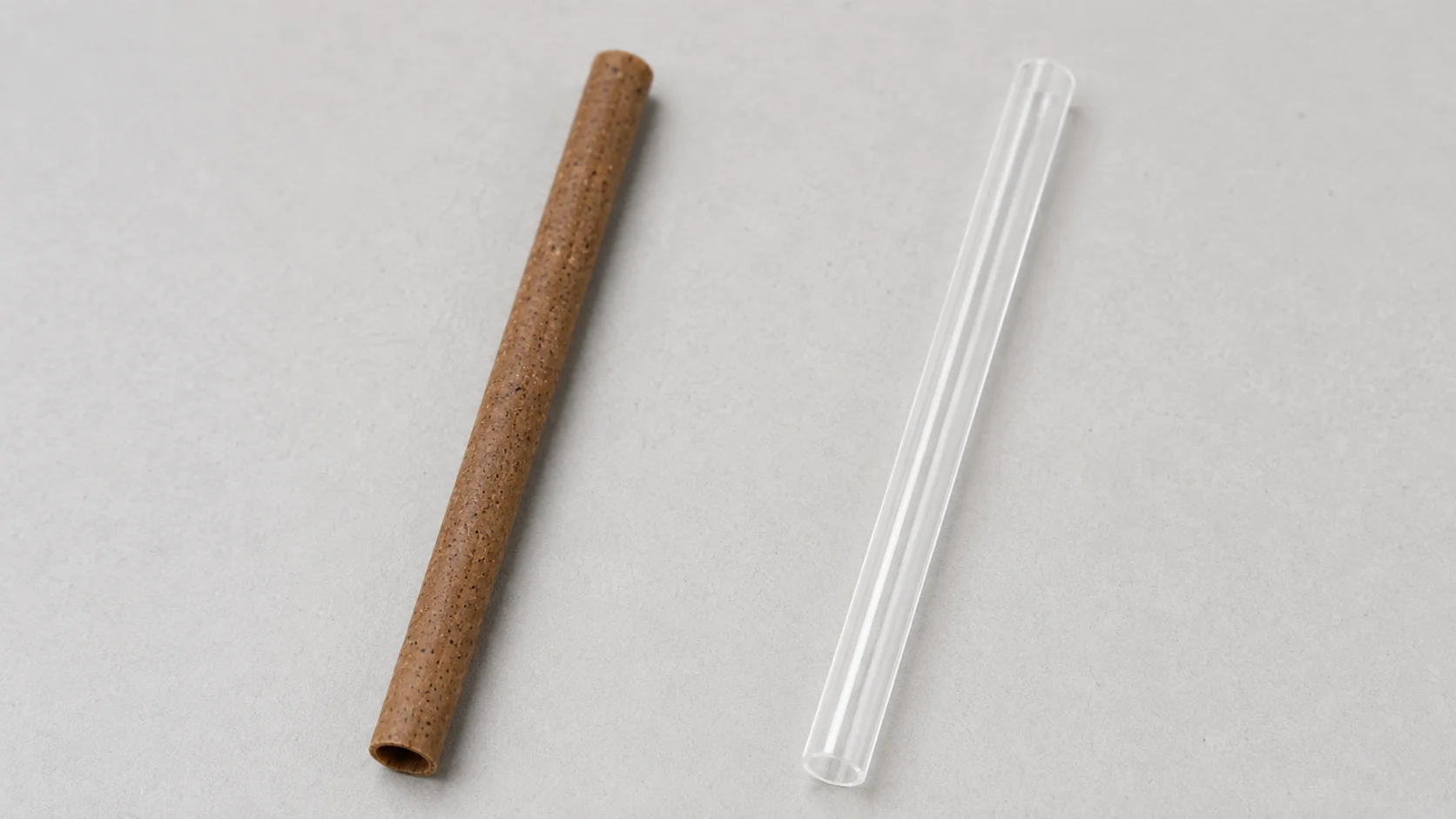
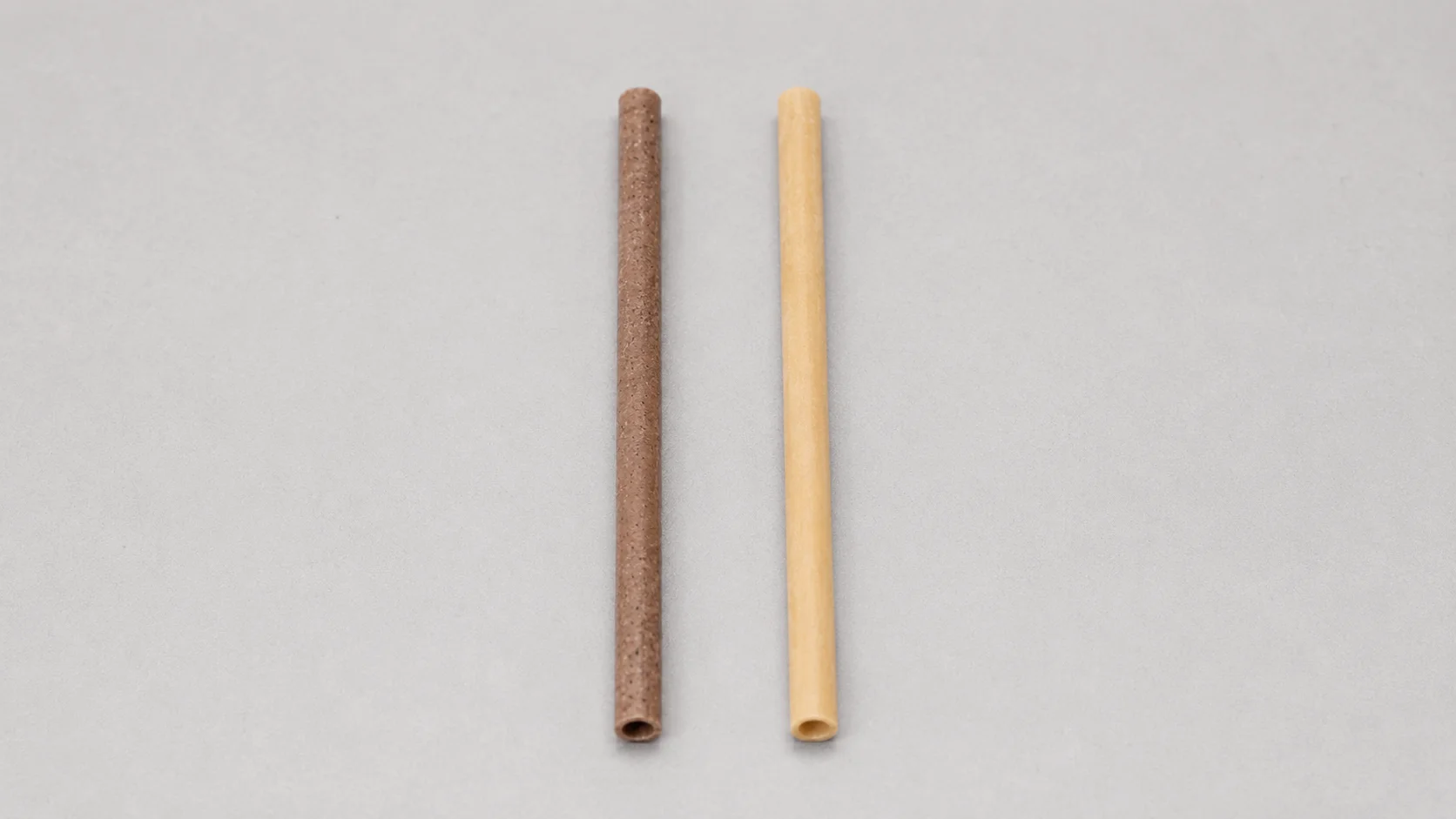
「茶色のストロー」という用語は、この新世代の持続可能な代替品の略語として登場し、多くの場合、その素朴な色合いは、漂白されていない自然な組成に由来しています。これらは一般的な「環境に優しい」オプションではありません。これらは、厳しい性能基準と環境基準を満たすように設計された、材料科学の多様な革新を表しています。
今日の主要な茶色のストロー ソリューションを強化する特定の組成を詳しく見てみましょう。
- Sugarcane Fibers (Bagasse) & PLA Blends: これらのストローは農業廃棄物 (バガス、サトウキビの繊維状残留物) と PLA を組み合わせて、丈夫で商業的に堆肥化可能な製品を作り出します。温かい飲み物でも冷たい飲み物でも、柔らかくなったりどろどろになることなく完全性を維持することで知られており、丈夫でスムーズなユーザーエクスペリエンスを提供します。
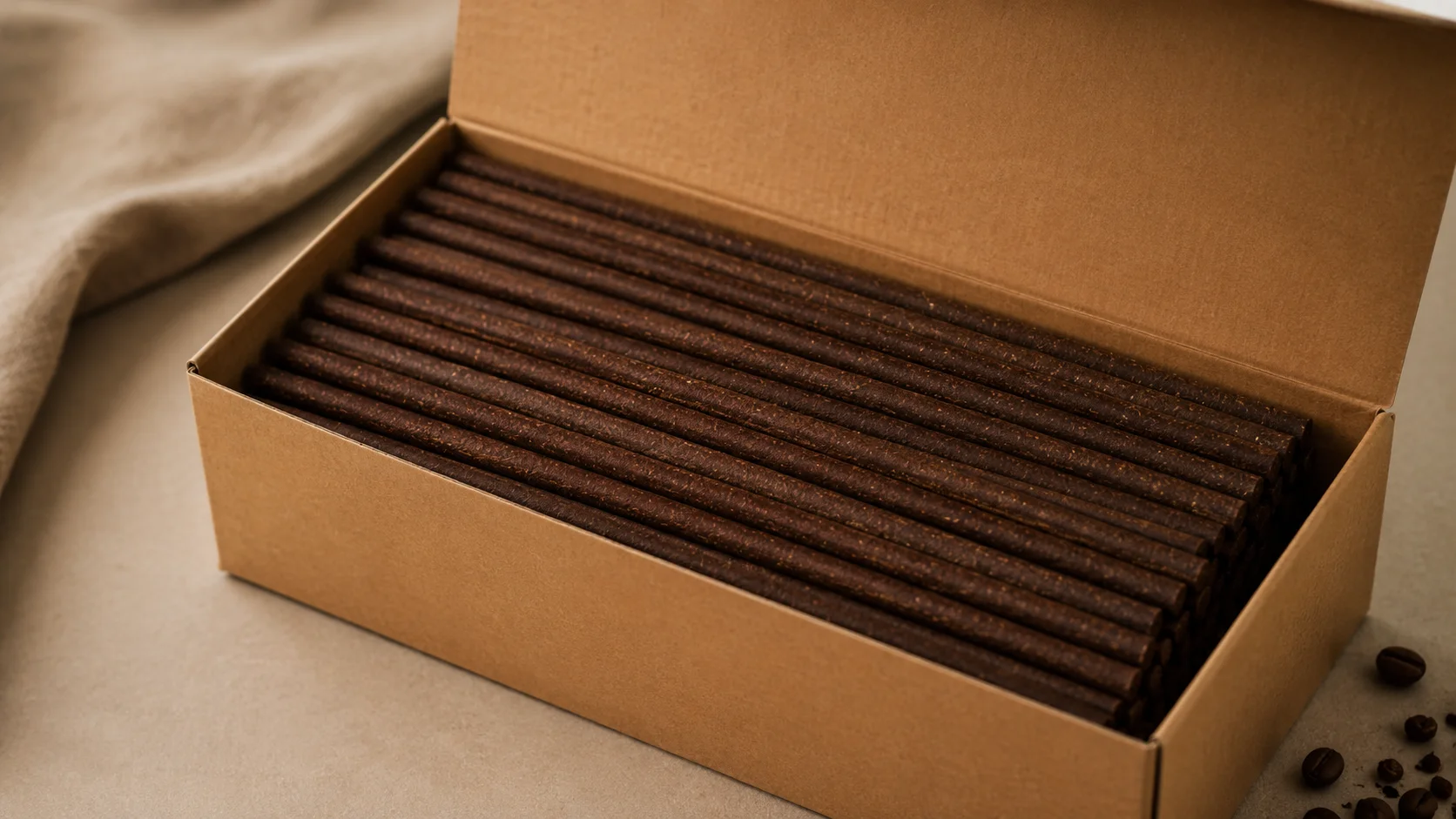
- Reprocessed Coffee Grounds & PLA: 真に革新的なアップサイクル アプローチであるこれらのストローは、コーヒー廃棄物と PLA を組み合わせています。これらはサトウキビブレンドと同様の耐久性と堆肥化可能性を備え、環境に配慮したブランドや専門店に独特の食感と魅力をもたらします。
- 茶色のクラフト紙: 古典的で自然な選択であるこれらのストローは、通常、FDA 承認の食品グレードのクラフト紙で作られています。多くの場合、染料や毒素は含まれておらず、100% 生分解性で堆肥化可能です。初期のバージョンの中には寿命が短いものもありましたが、現代のクラフト紙ストローはコーティング(天然蜜蝋など)を改良して耐湿性を高めています。
- リュウゼツラン繊維: テキーラやメスカルの生産から出る廃棄繊維を活用したリュウゼツランのストローは、丈夫で持続可能なソリューションを提供します。一部のリュウゼツラン ストローは埋め立て地で分解可能であると認定されており、1 ~ 3 年以内に分解され、説得力のある耐用年数が終了します。
- Wheat Straw & Rye Grass: これらは、最も単純で最も自然なわらの形、つまり実際の植物の茎を表しています。収穫の副産物である小麦わらは、自然に茶色で薄く、完全に生分解性です。ライ麦ストローは歴史的に人気がありましたが、長時間浸すと湿ってしまう可能性がありました。
- Wood Pulp & Vinegar: もう 1 つのバイオベースのイノベーションであるこれらのストローは、淡水と土壌の両方で完全に生分解されるように設計されています。多くの場合、グルテンフリーで、PFAS や重金属を含まず、より広範な環境への影響をターゲットにしています。
- ポリヒドロキシアルカノエート (PHA): 最先端の植物ベースの熱可塑性プラスチックである PHA (発酵キャノーラ油またはコーンスターチから得られることが多い) は、次世代の生分解性材料を代表します。 PHA ストローは、従来のプラスチック ストローと非常によく似た外観と感触になるように設計されており、環境に優しく、多くの場合グルテンフリーでありながら、優れた耐久性と使い慣れたユーザー エクスペリエンスを提供します。
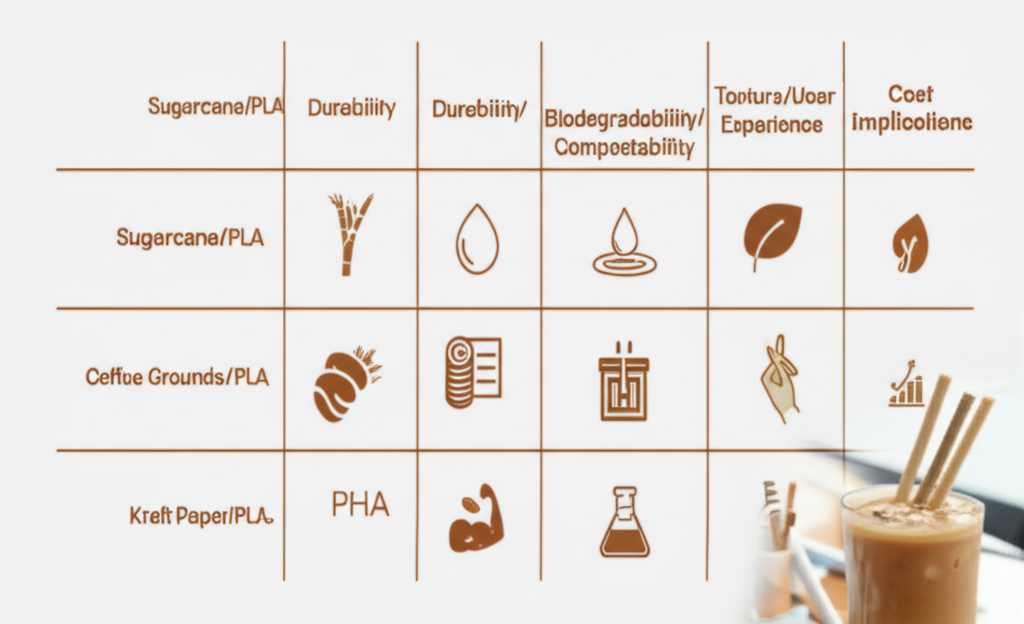
調達の決定を簡素化するために、一般的な茶色のストロー素材のパフォーマンスと持続可能性のマトリックスを検討してください。
| 材質の種類 | キー構成 | 液体(高温/低温)中での耐久性 | 生分解性・堆肥化性 | 質感/ユーザーエクスペリエンス | コストへの影響 (相対的) | 理想的な用途 |
|---|---|---|---|---|---|---|
| サトウキビ/PLA | バガス、人民解放軍 | 高い | 商業用堆肥化可能 | 滑らかで丈夫 | 中~高 | レストラン、カフェ、クイックサービス |
| コーヒー粕/PLA | コーヒーかす、人民解放軍 | 高い | 商業用堆肥化可能 | ユニーク、頑丈 | 中~高 | スペシャルティコーヒーショップ、環境に配慮したブランド |
| クラフト紙 | FDA 承認済みの用紙 | 中程度(柔らかくなる可能性があります) | 生分解性、堆肥化可能 | 紙のような | 低~中 | フードサービス全般、イベント |
| PHA | 植物由来の熱可塑性プラスチック | 高い | 堆肥化可能/生分解性 | プラスチックのような | 高い | 大量生産、プレミアム ブランド、永続的なニーズ |
環境に優しいストローの市場は、使い捨てプラスチックからの世界的な方向転換を反映して、大幅に拡大する態勢が整っています。予測によると、世界の環境に優しいストロー市場は、2025 年の 123 億米ドルから 2035 年までに 251 億米ドル近くまで成長すると予想されており、7.3% という堅調な年間平均成長率 (CAGR) を示しています。紙ストローは現在、その普及と規制の圧力により、生分解性分野で最大の市場シェアを占めていますが、ここで取り上げたような植物ベースの代替品が急速に普及しつつあります。 Aardvark Straws、Bygreen、EQUO、Phade、Earth Smart などの主要なイノベーターは、この進化の最前線に立っており、過去の限界を克服し、耐久性を高め、生産コストを削減し、真に家庭で堆肥化可能なオプションや高度な防水コーティングの開発を含む、寿命後のソリューションを改善するための研究開発に多額の投資を行っています。規制環境、特に PPWR に対する EU の積極的な姿勢と米国全土で増加する州レベルの禁止措置が強力な触媒として機能し、この移行を加速し、持続可能な調達を責任あるビジネスの交渉の余地のない側面にしています。
単にコンプライアンスを達成するだけでなく、茶色のストローを戦略的に採用することは、ビジネスに大きなメリットをもたらします。
まず、大幅に強化されますブランドイメージと消費者の信頼。事業を環境価値に合わせて調整することは、ますます環境意識を高める消費者層の共感を呼び、ブランドロイヤルティの強化と社会の肯定的な認識につながります。第二に、強力な機能を提供します。競争上の差別化。混雑した市場において、サプライチェーンを通じて持続可能性への具体的な取り組みを示すことで他社との差別化を図ることができ、新しい顧客を惹きつけ、先進的なリーダーとしての地位を確固たるものにすることができます。仮説的な例を考えてみましょう。ヨーロッパの大手レストラン グループ「グリーン バイツ」は、500 店舗すべてをサトウキビ繊維の茶色のストローに切り替えました。 6 か月以内に、持続可能性への取り組みに関する顧客からの肯定的なフィードバックが 15% 増加し、ターゲット層のリピート率が 5% 増加したと報告しており、ブランドと収益に直接的な影響を与えていることがわかります。第三に、さまざまな素材のニュアンスを理解することは、業務効率化。茶色のストローのそれぞれの種類の有効期限、保管要件、最適な廃棄方法を知ることで、既存の業務フローと廃棄物管理システムにシームレスに統合できます。最後に、植物由来の茶色のストローを選択することで、あなたのビジネスは、循環経済、有限の化石燃料への依存を減らし、無駄を最小限に抑え、再生可能資源をサポートすることで、企業の社会的責任プロファイルを強化します。

持続可能なストローの選択肢を数多く選択するには、組織固有のニーズに合わせた系統的なアプローチが必要です。
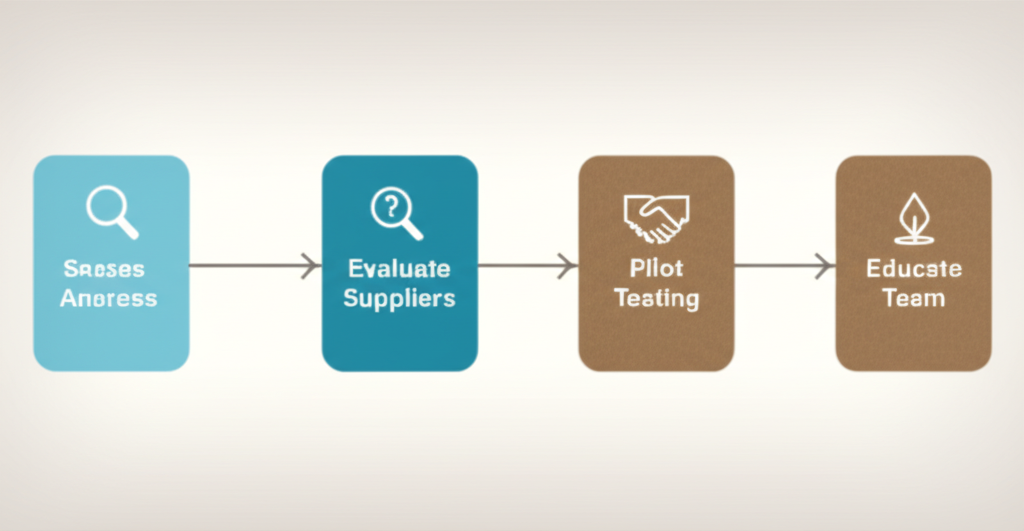
当面の次のステップは、情報に基づいた意思決定と戦略的実施に重点を置く必要があります。
- 特定のニーズを評価します。 運用要件を評価することから始めます。必要なストローの量、提供される飲み物の種類 (熱い/冷たい、濃い/薄い)、希望する保存期間、そして最も重要なことに、既存の廃棄物管理と廃棄能力を考慮してください。産業用堆肥化施設を利用できますか? それとも家庭で堆肥化できるオプション、または埋め立て地で分解できるオプションが必要ですか?
- サプライヤーの製品を評価する: 価格以外にも目を向けましょう。材料調達の透明性を提供し、関連する認証(BPI Compostable、FDA 承認、PFAS フリーなど)を保有し、倫理的な生産慣行への明確な取り組みを示すサプライヤーを優先します。原材料から耐用年数終了に至るまで、製品のライフサイクル全体について問い合わせてください。
- パイロットテスト: 本格的な展開の前に、事業内で選択したストロー代替品の小規模試験を実施します。これにより、実際のパフォーマンスを測定し、さまざまな種類の飲料にわたるユーザー エクスペリエンスを評価し、予期しない運用上の課題を特定することができます。スタッフと顧客の両方からフィードバックを収集します。
- チームと顧客を教育する: 透明性が重要です。新しいストローの利点、適切な廃棄方法、顧客からの問い合わせへの対応方法についてスタッフをトレーニングします。店内の看板、メニューメモ、デジタル チャネルを通じて、持続可能性への取り組みを顧客に明確に伝え、選択による環境へのプラスの影響を強調します。
- 専門家に相談してください: 複雑なサプライ チェーンや特定の規制上の課題については、持続可能な包装コンサルタントや業界団体との連携を検討してください。彼らの専門知識は、カスタマイズされたアドバイスを提供し、ニッチなソリューションを特定するのに役立ち、調達戦略が堅牢で将来性のあるものであることを保証します。

ストローの選択は些細なことのように思えるかもしれませんが、現代の消費者や規制当局の共感を呼ぶ持続可能性への重要な取り組みを反映しています。情報に基づいて戦略的に先進的な茶色のストロー ソリューションに移行することで、企業は規制リスクを軽減し、環境フットプリントを大幅に削減し、ブランド価値を高めることができます。この積極的な姿勢は、成長する環境に配慮した市場でより大きなシェアを獲得する魅力的な機会を提供し、長期的なコスト削減、顧客ロイヤルティの向上、競争力の強化につながります。時代遅れの素材によって、持続可能な未来への取り組みが損なわれないようにしてください。今すぐ行動して評判を確保し、新たな成長の機会を手に入れましょう。
応答性のプレビュー
このページがさまざまな画面サイズにどのように適応するかをご覧ください。
よくある質問
茶色のストローは何でできていますか?
茶色のストローは通常、プラスチックの代替品として選ばれた、環境に優しく生分解性のさまざまな素材で作られています。一般的な組成には、PLA とブレンドしたサトウキビ繊維 (バガス)、PLA を使用した再処理コーヒー粕、FDA 承認のクラフト紙、リュウゼツラン繊維、小麦わら、木材パルプ、酢、および PHA などの高度な植物ベースの熱可塑性プラスチックが含まれます。これらの材料は、多くの場合、ストローに自然な茶色を与えます。
茶色のストローは本当に環境に優しいのでしょうか?
はい、茶色のストローは一般に、従来のプラスチック製のストローよりも環境に優しいように設計されています。これらは再生可能な資源から作られており、生分解または堆肥化してプラスチック廃棄物を削減することを目的としています。ただし、実際の環境への影響は、材料 (工業用堆肥化が必要なものもあれば、自然環境で生分解するものもあります) と適切な廃棄方法によって異なります。イノベーションにより、その性能と生分解性が継続的に向上しています。
B2B 調達におけるさまざまな茶色のストロー素材の主な違いは何ですか?
主な違いは、その組成、熱い/冷たい液体での耐久性、特定の生分解性/堆肥化可能性の要件、質感、相対的なコスト、理想的な用途にあります。たとえば、サトウキビ/PLA および PHA はプラスチックと同様の高い耐久性を備えていますが、クラフト紙は柔らかくなる可能性があります。小麦ストローのような材料は完全に生分解性ですが、PLA ベースのストローは商業的な堆肥化施設を必要とすることがよくあります。企業は、特定の運用ニーズと廃棄物管理能力に照らしてこれらの要素を評価する必要があります。
規制は持続可能なストローの選択にどのような影響を及ぼしますか?
EU の 2025 年包装および包装廃棄物管理規則 (PPWR) や米国の使い捨てプラスチックに対する州レベルのさまざまな禁止など、ますます厳格化する規制が、企業が持続可能なストロー代替品に切り替える主な推進要因となっています。違反した場合は、重大な罰則や風評被害につながる可能性があります。これらの規制により、茶色のストローのような環境に優しい選択肢への市場の移行が加速し、持続可能な調達が商業上の必須事項となっています。
企業にとって茶色のストローに切り替えるメリットは何ですか?
茶色のストローへの切り替えは、ブランドイメージと消費者の信頼の向上、混雑した市場での競争上の差別化、情報に基づいた材料の選択による業務効率の向上、循環経済への目に見える貢献など、複数の戦略的利点をもたらします。この移行は、環境意識の高い消費者にアピールしながら、規制や評判のリスクを軽減するのに役立ち、市場シェアの拡大と長期的なコスト削減につながる可能性があります。