世界的なプラスチック製ストローの禁止を乗り切る: ホテルとカフェのための戦略ガイド
シニアB2Bの持続可能性コンテンツストラテジストによる
はじめに: ホスピタリティ サプライ チェーンの変動する砂
世界的なプラスチック製ストローの禁止により、ホテルやカフェの B2B 環境は急速に再形成され、調達戦略と運営基準が変化しています。これは単なる環境トレンドではありません。これは、環境への懸念の高まりと持続可能性に対する消費者の圧倒的な需要によって引き起こされた根本的な規制の変更です。調達マネージャー、オペレーションディレクター、サステナビリティ責任者にとって、コンプライアンスの微妙な違いや持続可能な代替案の実現可能性を理解することはもはや必須ではなく、市場アクセスとブランドの完全性にとって不可欠です。
この移行を無視すると、運営上および商業上の重大なリスクが伴います。環境への意識がますます高まる市場において、適応できなかった企業は潜在的な罰金、風評被害、顧客ロイヤルティの低下に直面する可能性があります。このガイドは、ホスピタリティ リーダーがこれらの変化に戦略的に対処し、コンプライアンスを確保し、課題を競争力の優位性に変えるのに役立つ、データに裏付けられた重要な洞察を提供します。
ホスピタリティ企業がリスクを回避し、新たな市場機会をつかむには、プラスチック製ストローの禁止に積極的に適応することが不可欠です。
世界的なプラスチックストロー禁止の状況: 規制の潮流と市場の変化
A. 規制順守の強化: 世界的なプラスチック製ストローの禁止期限と指令を理解する
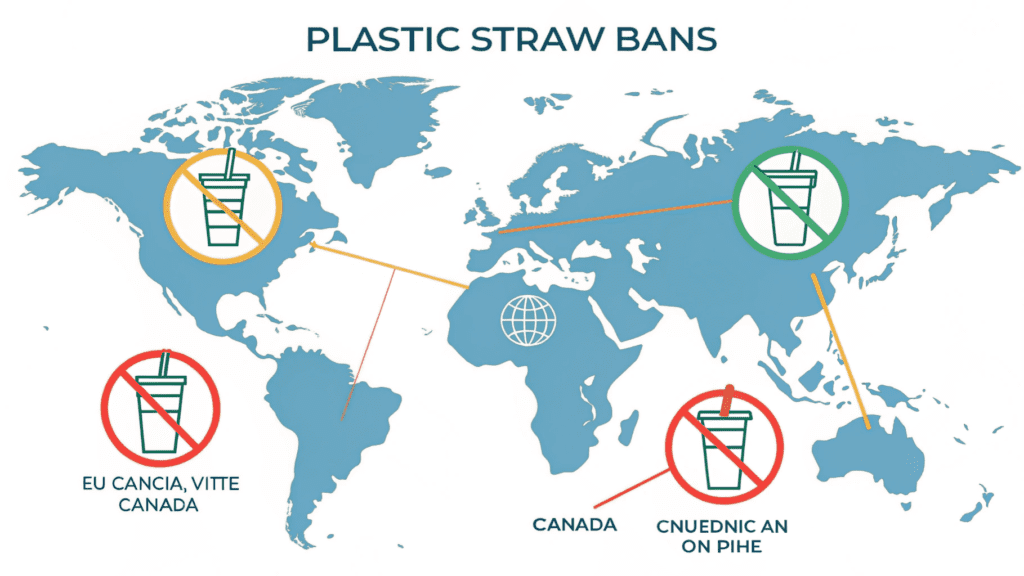
使い捨てプラスチック、特にストローに対する世界的な法規制の動きが急速に高まっている。 2021 年 7 月に発効する欧州連合の使い捨てプラスチック指令 (SUPD) は、プラスチック製のストローやその他の使い捨て品目を広く禁止し、特に海洋ごみの 80% 以上を構成する品目を対象としています。この指令は、EU 内で活動する企業に厳しいコンプライアンスの負担を課します。
英国はEU離脱後、2020年10月に独自にプラスチック製のストロー、マドラー、綿棒の禁止を実施し、スコットランドも同様の措置を先に導入した。大西洋を挟んだカナダでは、2030年までにプラスチック廃棄物ゼロを目指し、ストローを含む使い捨てプラスチックの段階的禁止を2021年末までに開始した。米国では連邦政府による禁止はないものの、多くの州や都市が独自の規制を設けている。たとえば、カリフォルニア州ではフルサービスのレストランに対し、リクエストがあった場合にのみプラスチック製のストローを提供するよう義務付けており、シアトルやマイアミビーチなどの都市では全面的に禁止している。バイデン政権は、食品サービス事業からのストローを含む使い捨てプラスチックの連邦政府による購入を2027年までに段階的に廃止し、2035年までにすべての連邦政府の事業から段階的に廃止することを約束している。
アジアもまた、積極的な軌道に乗っています。インドではストローを含む19品目の使い捨てプラスチック製品の全国的な禁止が2022年7月1日に発効した。中国は2025年までに包括的な5カ年計画を実施し、主要都市で非分解性プラスチック袋の使用を禁止し、ホテルや宅配サービスでのプラスチック製品を禁止した。フランスの循環経済法はさらに野心的で、2022年1月からの果物や野菜のプラスチック包装も含め、2040年までにすべての使い捨てプラスチックを禁止することを目指している。この広範な運動は、国連による法的拘束力のある世界的プラスチック条約の交渉で最高潮に達しており、包括的な規制が地域的な禁止を超えて拡大する未来を示唆している。
世界的な規制は急速に拡大しており、ホテルやカフェは多様かつ進化するプラスチック製ストローの禁止に適応することが求められています。
B. 原動力: 環境への影響と消費者の嗜好の変化
これらの禁止の推進力は、否定できない環境破壊と消費者の価値観の大きな変化に起因しています。米国だけでも毎日約5億本のプラスチックストローが消費されており、これは1日あたり127台以上のスクールバスを満杯にするのに十分な量で、分解に数百年かかる重大なプラスチック汚染の一因となっている。これらの軽量物品は、世界中の海岸のゴミ清掃で最も多く発見される物品のトップ 10 に含まれており、絡まりや摂取によって海洋生物に重大な脅威を与えています。プラスチックはすべての海鳥の 60% 以上、ウミガメの種の 100% で見つかっています。
プラスチック製ストローは、年間 800 万トンのプラスチックが海に流れ込む量の比較的小さな部分 (約 0.025%) にすぎませんが、ストローの禁止は、国民の意識を高めるための非常に目立つ、簡単に導入できる措置として機能します。この「ゲートウェイ問題」は、持続可能性に対する広範な国民の需要に大きく貢献しました。 2024 年の Statista 調査によると、32 か国の回答者の驚くべき 85% が不必要な使い捨てプラスチックの禁止を支持しています。これは、持続可能性に対する消費者の強い需要と、これらの価値観と一致する企業に対する明確な選好を反映しています。米国の 9 歳の少年によって始められた草の根運動「Be Straw Free」は、法改正を推進する上での国民の意識の力を浮き彫りにし、世界的な運動に大きく貢献しました。
環境意識を原動力とする消費者の持続可能性への要求が、世界的なプラスチック製ストロー禁止の大きな原動力となっています。
運用への影響: 世界的なプラスチック製ストローの禁止への適応
A. Procurement Challenges & Cost Implications for Hotels and Cafés
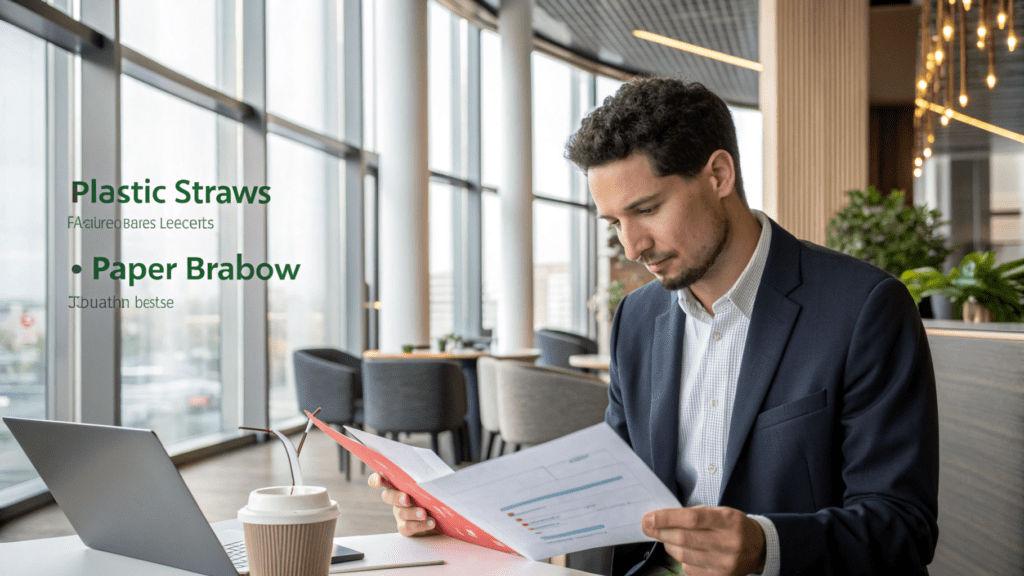
ホテルやカフェにとって、プラスチック製ストローからの移行は、調達上の具体的な課題とコストへの影響をもたらします。準拠した代替品に切り替えると、コストが増加する可能性があります。たとえば、紙のストローは、1本あたり約2.5セントと比較的安価ではあるものの、プラスチック製のストローよりも400%高価になる可能性があります。このユニットあたりの増加は一見わずかに見えますが、大量の操作を行うと大幅に増加する可能性があります。
調達マネージャーは、「グリーンウォッシング」を回避し、真の持続可能性を確保するために、「堆肥化可能」や「生分解性」などの複雑な用語を理解する必要があります。例えば欧州連合は、「家庭で堆肥化可能」の認定に関係なく、プラスチックを含む「バイオベース」または「バイオポリマー」ストローさえ禁止しており、細心の審査の必要性を強調している。規制を遵守しない場合は、多額の罰金が課せられたり、ブランドの評判に取り返しのつかない損害を与えたりする可能性があり、正確で準拠した調達の緊急性が強調されています。世界の紙ストロー市場は2030年までに61億7,000万米ドルに達すると予測されており、CAGRは15.6%で成長しており、高度なサプライチェーン管理を必要とする高い需要と進化を示しています。素材の詳細な比較については、次の洞察をお読みください。Momoio.com でのサトウキビストローとプラスチックと紙の比較。
ホテルやカフェは、準拠した代替ストローを調達する際に、調達コストの増加とグリーンウォッシングのリスクに直面しています。
B. Waste Management & Enhanced Environmental Footprint
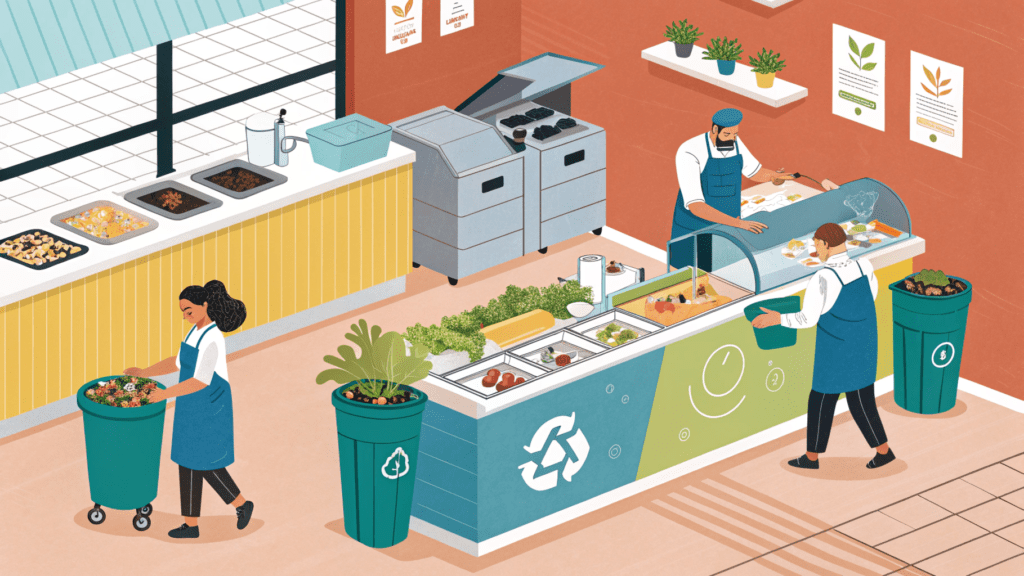
調達を超えて、世界的なプラスチック製ストローの禁止に適応することは、廃棄物管理戦略に大きな影響を与え、組織の環境フットプリントを強化する機会を提供します。ほとんどのリサイクル機械は、そのサイズと組成のせいで小さなプラスチック製ストローを適切に分別することができないため、リサイクル箱に入れられた場合でも、プラスチック製ストローの 0.025% が埋め立て地または焼却炉に送られることになります。これは、これらの品目の従来のリサイクルの非効率性を浮き彫りにしています。
Adopting certified compostable or truly reusable solutions can streamline waste management by diverting waste from oceans and potentially reducing landfill fees. Hotels like Six Senses Resorts & Hotels already maintain a stringent “no single-use plastic” policy across all locations, substituting plastic packaging with recyclable, reusable, or biodegradable materials and installing glass bottles and water refill facilities in guest rooms. Similarly, the International Tourism Partnership (ITP) supports initiatives like IHG’s commitment to plastic straw removal, which was expected to eliminate 50 million single-use plastic straws annually by the end of 2019. Marriott International is also rolling out wall-mounted shower-product dispensers to replace small single-use shampoo bottles, demonstrating a holistic approach to plastic reduction.
持続可能なストロー代替品による効果的な廃棄物管理により、環境フットプリントと業務効率が向上します。
代替案のナビゲート: 調達の戦略ガイド
A. プラスチックストローの持続可能な代替品の探索
環境に優しいストローの市場は急速に革新しており、ホテルやカフェ向けに多様なソリューションを提供しています。
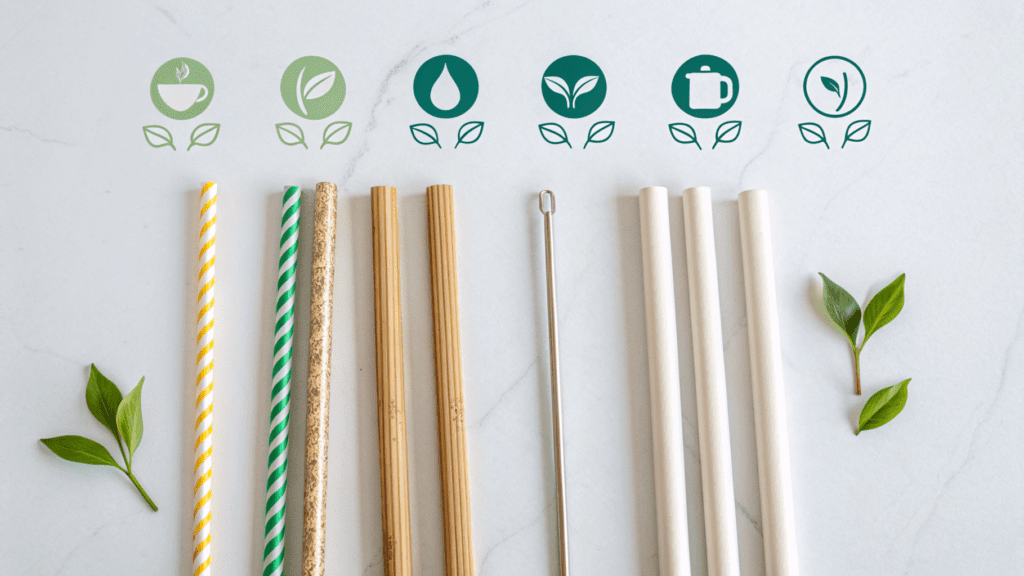
- 竹ストロー: 竹ストロー市場は、2025 年の 1 億 5,070 万米ドルから 2035 年までに 3 億 2,010 万米ドルまで、7.8% の CAGR で成長すると予測されています。これらは生分解性、再利用可能、堆肥化可能であることからますます好まれており、湿りやすい紙ストローよりも好まれることが多いです。食品サービス部門は、2025 年までに竹ストロー市場の 58.6% を占めると予想されています。
- 紙ストロー: 初期のバージョンは水浸しになりがちでしたが、防水コーティングと天然接着剤の進歩により、耐湿性と耐久性が大幅に向上し、より信頼性の高い使い捨ての代替品になりました。
- 再利用可能なストロー: オプションには、耐久性のある金属 (ステンレス鋼)、エレガントなガラス、または柔軟なシリコンが含まれます。これらには衛生のために堅牢な洗浄プロトコルが必要であり、先行投資が必要ですが、長期的な調達コストは削減されます。ただし、ステンレス製のストローは熱伝導率の関係で、温かい飲み物にはお勧めできません。ビジネス向けの再利用可能なストローについて詳しくは、こちらをご覧ください。 Momoio.com。
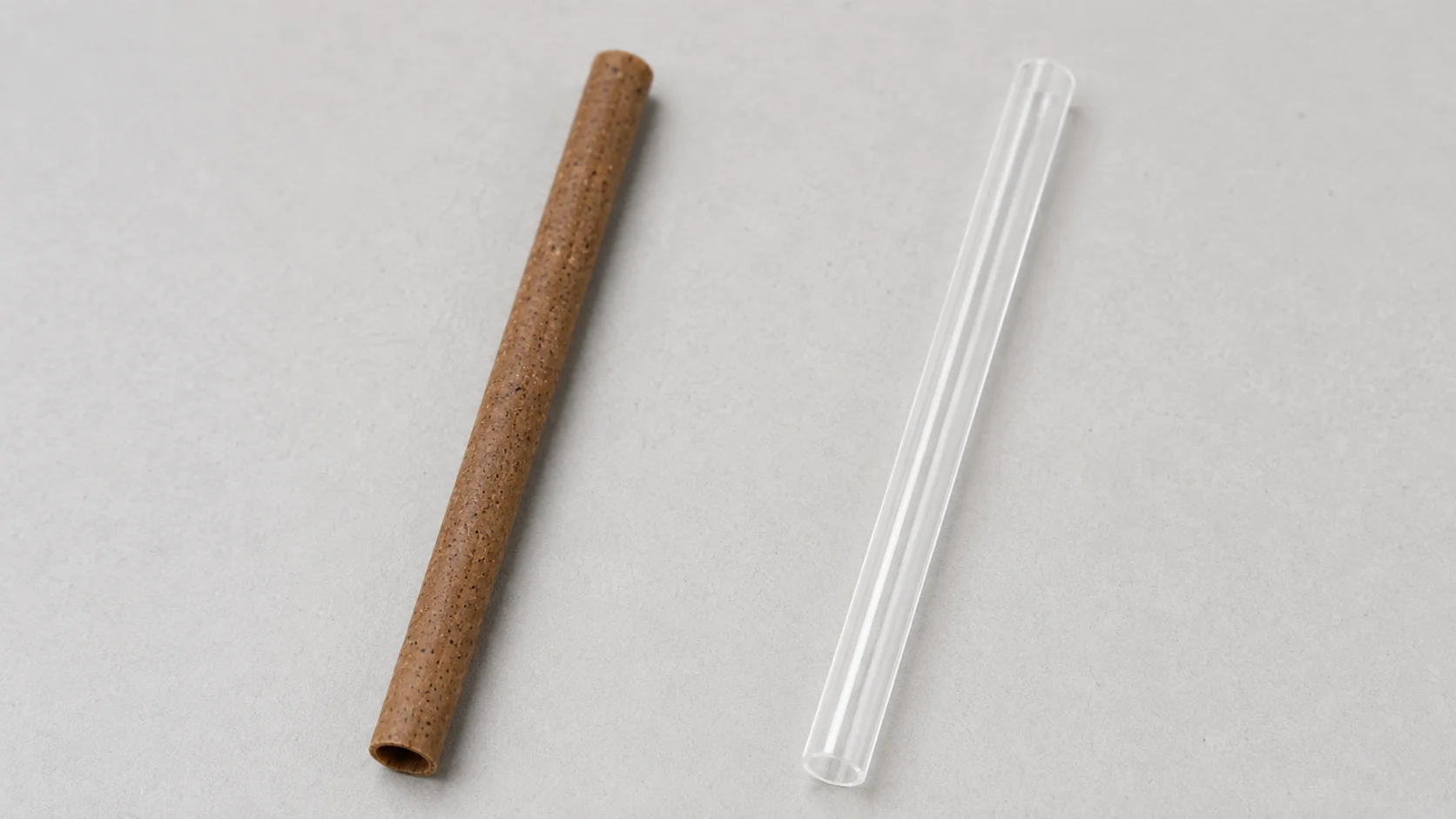
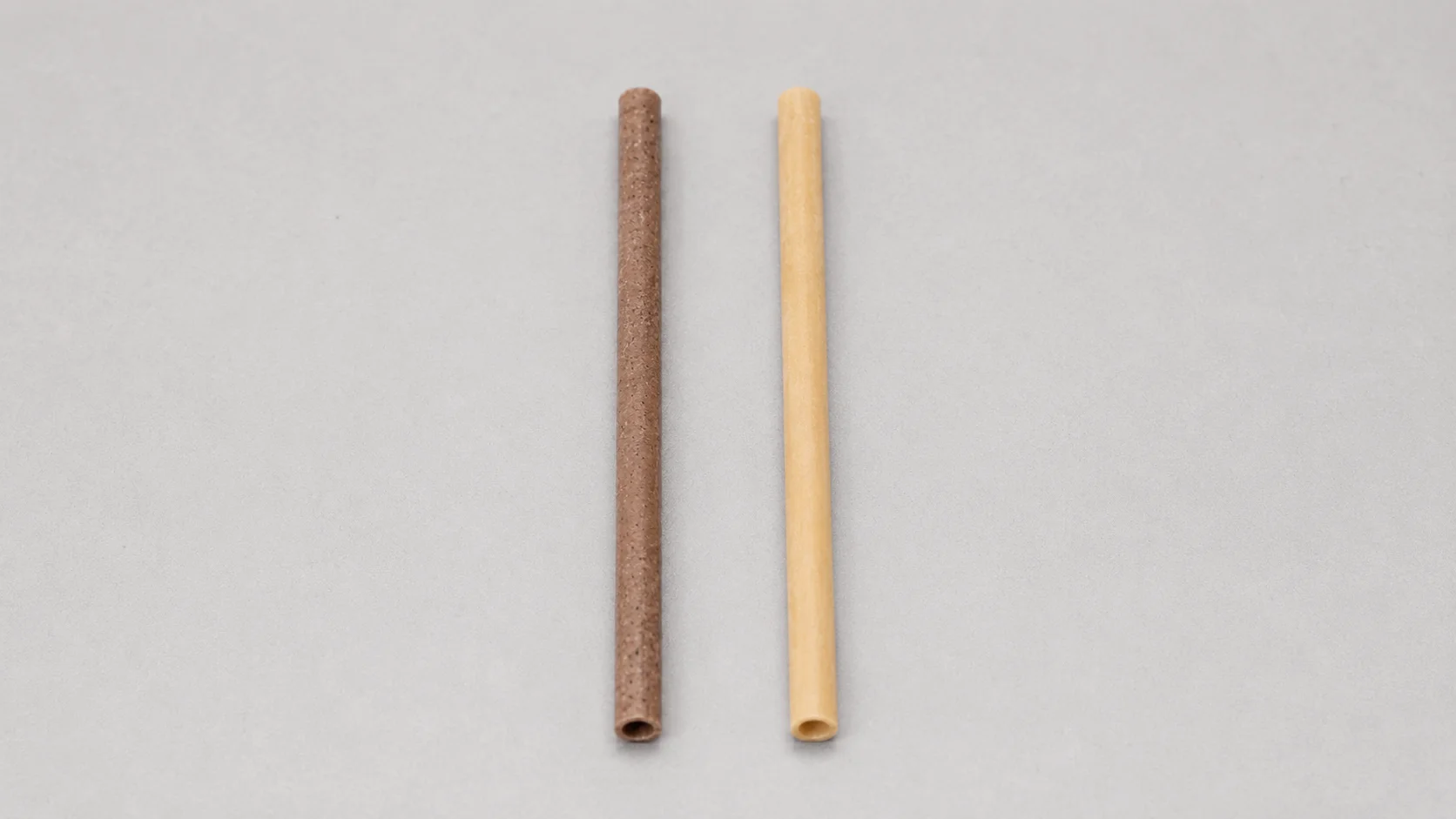
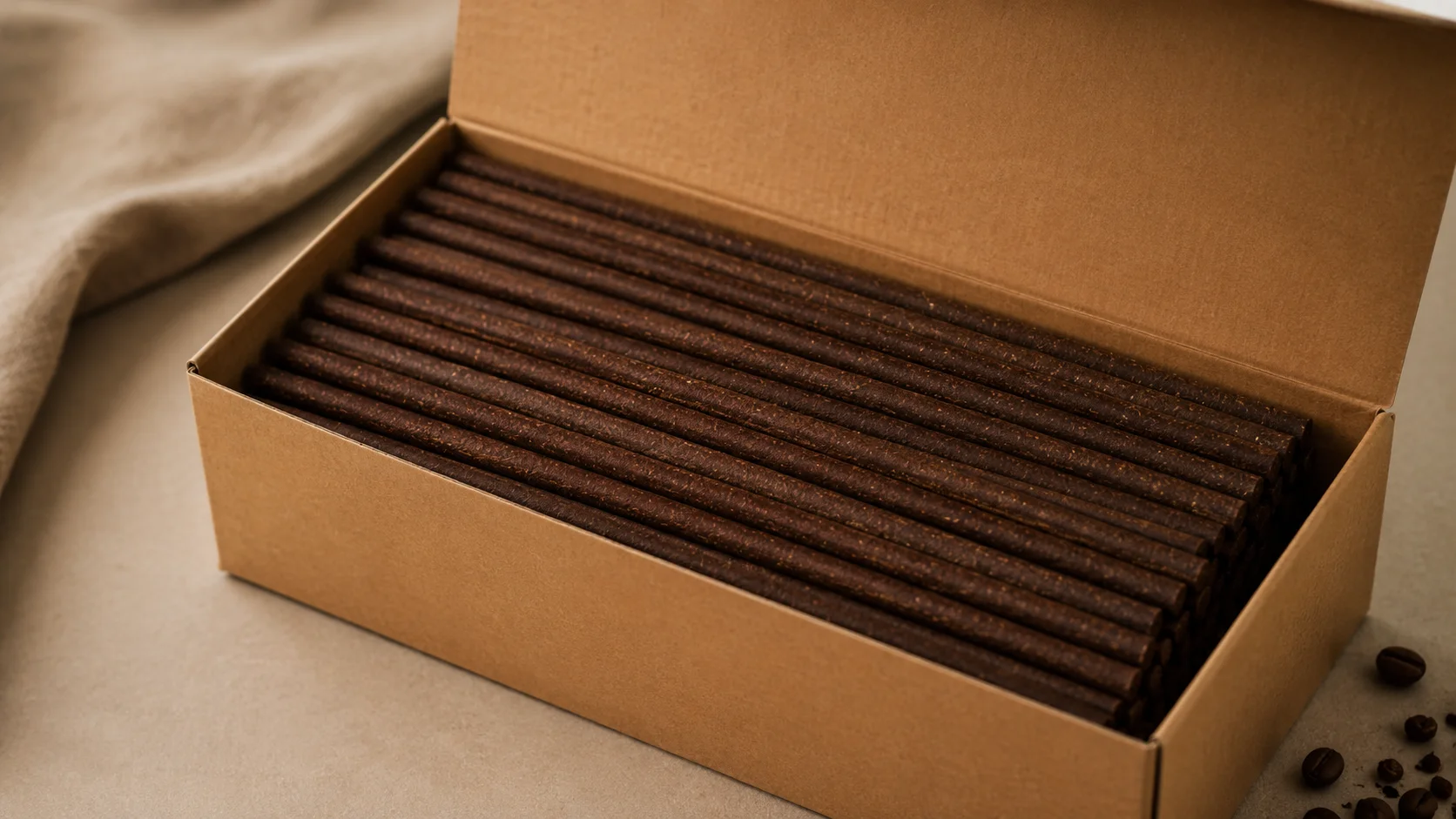
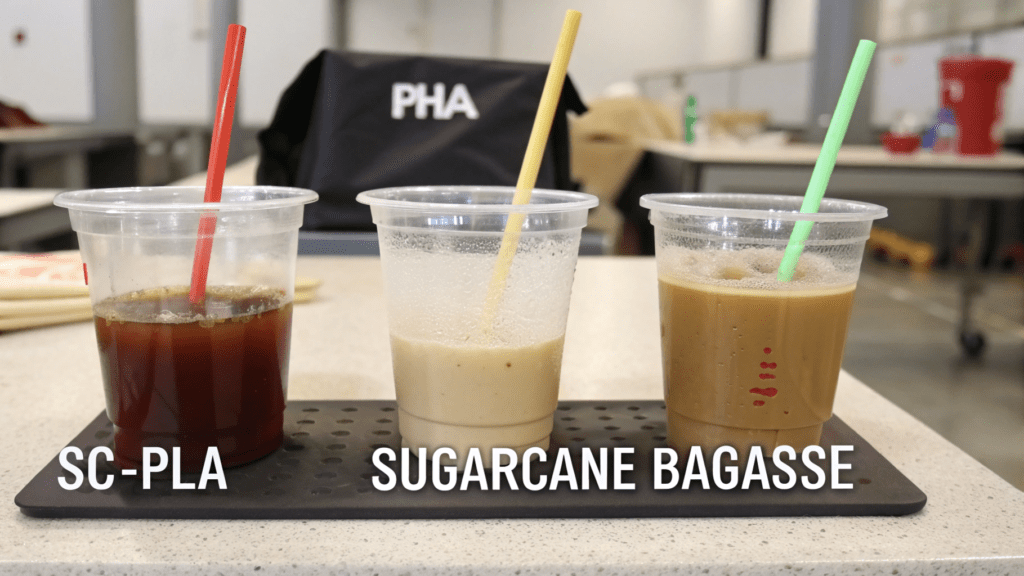
- 新たな植物由来のストロー: イノベーションは、サトウキビ、コーヒーかす、干し草、海藻、さらには乾燥パスタ麺などの材料から真に生分解性のソリューションを提供します。これらのオプションは多くの場合、プラスチックと同等のパフォーマンスを提供します。ただし、警戒が重要です。ポリ乳酸 (PLA) ストローは植物由来ではありますが、通常、効果的に分解するには工業用堆肥化施設が必要であり、そのようなインフラが利用できない場合は廃棄が困難になります。持続可能な代替案についてさらに詳しく知りたい場合は、次のガイドをご覧ください。 プラスチックに代わる環境に優しい 5 つの代替品と、Momoio.com で竹がリストのトップにある理由。
持続可能なストローの多様な代替品は、ホテルやカフェにコンプライアンスと顧客体験の向上のためのオプションを提供します。
B. 戦略的比較: 代替ストローとその ROI の可能性
| 特徴 | B2B運用上の影響 | コンプライアンスノート | ROIポテンシャル |
|---|---|---|---|
| 紙ストロー | 調達コストが高い (プラスチックと比較して 400%)。初期バージョンではぬめり感があり、顧客エクスペリエンスに影響を与える可能性があります。改良版が利用可能になりました。 | 一般的に禁止事項に準拠しています。生分解性と調達の認証を確保します。 | ブランドイメージの強化、増大する消費者の需要への対応(65%のサポート禁止)、環境への優しさの認知による潜在的な顧客ロイヤルティの向上。 |
| 竹ストロー | 耐久性があり、再利用可能 (適切に洗浄された場合)、成長するサプライチェーン (2025 年までに食品サービス市場の 58.6%)。使い捨てまたは再利用可能。 | 特にバイオベースで真に生分解性の代替品が好まれる場合に、優れたコンプライアンスを実現します。 | プレミアム環境代替品、環境意識の高い消費者への強力なアピール、差別化とプレミアム価格設定の可能性、再利用可能であれば長期的なコスト削減。 |
| 金属/ガラス/シリコンストロー | 多額の初期投資。再利用には堅牢な食器洗いインフラとスタッフのトレーニングが必要です。熱い飲み物(金属製)には適していません。 | 再利用可能なアイテムとして完全に準拠しています。一部の利用者向けにアクセシビリティに対応する必要がある場合があります(適切な代替手段を提供するなど)。 | 再利用により長期的な調達コストを削減し、強力な持続可能性への取り組みを強化し、環境に配慮したブランドにプレミアム価格を設定し、大幅にプラスのブランド価値をもたらします。 |
| 植物由来(サトウキビ/コーヒー粕/干し草)ストロー | プラスチックに匹敵する性能。サトウキビとコーヒーを挽いたストローは、家庭用堆肥でも本当に堆肥化可能です。干し草ストローは費用対効果が高いです。 | コンプライアンスはさまざまです。 EUはプラスチックを含む「バイオベース」ストローを禁止。明確な産業用堆肥化基準 (ASTM D6400 など) または真に家庭で堆肥化できるオプションを探してください。 | 規制要件を満たし、環境に配慮した市場にアピールし、適切な廃棄により環境フットプリントを大幅に削減し、製品革新と市場リーダーシップの可能性をもたらします。 |
代替ストローの戦略的評価により、さまざまな運用上の影響、コンプライアンス レベル、ROI の可能性が明らかになります。
ケーススタディ: 世界的なプラスチック製ストローの禁止に取り組む業界リーダー
A. ホテルの巨大化: マリオット・インターナショナルの持続可能性への取り組み
世界最大のホテル会社のひとつであるマリオット・インターナショナルは、プラスチック製ストロー禁止への迅速かつ大規模な適応を実証した。マリオットは、2019 年 7 月までに、世界中の 6,500 の施設から年間 10 億本以上のプラスチック製ストローを排除することを目標としていました。この記念碑的な変化は、サプライチェーンの再評価とホスピタリティ業界における環境責任への取り組みの前例となります。
Beyond straws, Marriott is rolling out wall-mounted shower-product dispensers to replace small single-use shampoo bottles, targeting plastic reduction in guest amenities. Their efforts extend to reducing plastic use in dining and guest rooms by 2025, actively replacing single-use plastics with sustainable alternatives. For instance, Anantara and AVANI Hotels & Resorts eliminated 2.5 million straws in 2017 across their properties, showcasing the significant volume reduction possible with proactive measures. This strategic pivot by a global leader underscores the necessity and feasibility of large-scale sustainable transitions.
マリオット・インターナショナルは、大規模ホテルの持続可能性を実証し、数十億本のプラスチック製ストローを廃止し、プラスチック削減の取り組みを拡大しています。
B. カフェチェーンのイノベーション: スターバックスとマクドナルドが変化をリード
大手のカフェやファーストフード チェーンも、その巨大な規模にもかかわらず、環境に優しいソリューションへの転換に成功しています。スターバックスは2019年4月までに世界中の2万8000店舗で使い捨てプラスチックストローを段階的に廃止し、革新的なストローのない蓋と代替素材のストローを選択した。この動きは、規制の圧力と持続可能な包装に対する消費者の嗜好の高まりの両方に直接対応したことを反映しています。
同様に、マクドナルドは英国やアイルランドなどの海外拠点でプラスチック製ストローを禁止し、米国では代替品を積極的にテストしている。彼らの野心的な目標は、2025 年までにゲスト用の包装材を 100% 再生可能、リサイクル、または認定された供給源に移行することです。大量の食品サービス業務によるこれらの変革は、環境に優しいソリューションの大規模な導入が達成可能であることを示しており、市場の期待がますます高まっています。この傾向は、リターナブルボトルやファウンテンの販売を含め、2030年までに世界中で25%の再利用可能なパッケージを目標とするコカ・コーラのような企業によってさらに加速されており、消費者の需要と環境への責任を原動力とする広範な企業の取り組みを示しています。
スターバックスとマクドナルドは、食品サービス業界において持続可能な包装への大規模な移行に成功していることを実証しています。
ストローを超えて: 使い捨てプラスチック削減の幅広い視点
A. 規制範囲の拡大: プラスチックのライフサイクル全体への対応
規制の対象はプラスチック製のストローをはるかに超えて拡大しており、プラスチックのライフサイクル全体に取り組む方向への包括的な移行を示しています。 EU 使い捨てプラスチック指令では、プラスチック製のカトラリー、皿、発泡ポリスチレン容器も禁止されており、より幅広い規制網と、企業が使い捨てプラスチックのフットプリント全体を再評価する明確なシグナルを示しています。
中国は2025年までに発効する包括的な5カ年計画を実施し、主要都市で非分解性のビニール袋を禁止し、ホテルや宅配サービスでのプラスチック製品を禁止した。フランスの循環経済法はさらに積極的で、2022年1月からの果物や野菜のプラスチック包装を含め、2040年までにすべての使い捨てプラスチックを禁止することを目指している。最も重要な進展は、国連による法的拘束力のある世界的プラスチック条約の交渉が進行中であり、プラスチックの生産、消費、廃棄に関する包括的な規制が広く採用される未来を示唆している。この国際文書が完成すると、世界的な基準と義務が設定され、世界中の企業によるプラスチックの管理方法が根本的に変わります。
プラスチックのライフサイクル全体に対処するために規制が世界的に拡大しており、すべての使い捨てプラスチック製品に影響を与えています。
B. ホスピタリティの将来展望: 循環経済と戦略的機会
ホスピタリティの未来は循環経済と密接に関係しています。 OECDが提案した「グローバルルールシナリオ」では、包括的な政策介入により、2040年までに不適切に管理されたプラスチックが90%削減され、バージンプラスチックの生産が30%削減されると予測している。この野心的なシナリオは、体系的な変化の可能性と、それが先進的な企業にもたらす機会を浮き彫りにしています。
ホテルやカフェの場合、再利用の優先順位付け、堅牢なリサイクル インフラストラクチャ、耐久性を考慮した設計を通じてプラスチックの循環経済を採用することは、進化する消費者の期待に応え、大きな競争上の優位性を構築します。 WWFによると、プラスチック汚染は観光産業に年間2億6,800万ユーロの経済的損害を与えていると推定されており、これは主にビーチや海の清掃の必要性と観光客が汚染された地域を避けることが原因である。プラスチック廃棄物を積極的に削減することで、企業はこれらのリスクを軽減し、ブランド価値を高め、深い顧客ロイヤルティを育むことができます。当面の規制要件を超えてブランドを差別化する企業は、ますます環境意識が高まる消費者層の中で市場シェアを獲得する有利な立場にあります。
循環経済の導入は、ホテルやカフェに競争上の優位性とブランド価値を高める戦略的な機会を提供します。
結論: 永続的な成功のための積極的な持続可能性
使い捨てプラスチックストローからの世界的な移行は単なる一時的な傾向ではなく、差し迫った環境問題と厳しく拡大する規制によって引き起こされる根本的な変革です。ホテルやカフェは、地域的および国際的な禁止の微妙な違いを理解し、実行可能で真に持続可能な代替案に投資し、長期的な回復力のためにサプライチェーンを再考しながら、これらの変化に戦略的に対処する必要があります。この進化を受け入れることで、企業はコンプライアンスを確保し、ブランドの評判を高め、永続的な成功を確保しながら、より健全な地球に有意義に貢献することができます。
今すぐ行動: 現在のプラスチックの使用状況を評価し、持続可能な代替品への段階的な移行計画を策定します。ビジネスの将来を確保し、環境に配慮した市場でリーダーシップを発揮します。
よくある質問(FAQ)
プラスチック製ストローの禁止を無視したホテルやカフェにとっての主なリスクは何ですか?▼
プラスチック製ストローの禁止を無視すると、多額の罰金、深刻な風評被害、顧客ロイヤルティの喪失につながる可能性があり、ホテルやカフェの収益と市場での地位に直接影響を及ぼします。
世界的なプラスチック製ストローの禁止は、ホスピタリティ企業の調達コストにどのような影響を及ぼしますか? ▼
紙や植物由来のストローなどの準拠した代替品に切り替えると調達コストが増加する可能性があり、紙ストローはプラスチックよりも 400% 高価になる可能性があるため、慎重な予算計画が必要です。
ホテルやカフェの大量運営に最も効果的な持続可能なストローの代替品は何ですか?▼
効果的な代替品には、改良された紙ストロー、再利用可能な竹や金属のストロー、サトウキビなどの植物由来のオプションが含まれており、大量使用に耐える耐久性とコンプライアンスを提供します。
ホテルやカフェは、選択したわらの代替品が真に環境に優しく、「グリーンウォッシング」ではないことをどのように確認できるでしょうか?▼
企業は認証(堆肥化可能性に関する ASTM D6400 など)を注意深く精査し、材料の分解要件を理解し、非分解性成分がまだ含まれている「バイオベース」プラスチックを避ける必要があります。
接客業向けの再利用可能なストローへの投資の長期的な ROI はどれくらいですか?▼
洗浄インフラへの初期投資は必要ですが、再利用可能なストローは長期的な調達コストを大幅に削減し、ブランドイメージを向上させ、環境意識の高い消費者にアピールし、実質的なプラスのブランド価値をもたらします。
洗浄インフラへの初期投資は必要ですが、再利用可能なストローは長期的な調達コストを大幅に削減し、ブランドイメージを向上させ、環境意識の高い消費者にアピールし、実質的なプラスのブランド価値をもたらします。