サトウキビの繊維を噛んだり飲み込んだりできますか?
サトウキビの繊維を噛んだり飲み込んだりできますか?この一見単純な質問には複雑な答えがあり、古代のお菓子から現代の驚異の持続可能性まで、サトウキビ繊維の驚くべき二面性が明らかになります。
甘さを超えて – サトウキビ繊維の驚くべき役割を明らかにする
サトウキビの繊維を噛んだり飲み込んだりできますか?この一見単純な質問には複雑な答えがあり、古代のお菓子から現代の驚異の持続可能性まで、サトウキビ繊維の驚くべき二面性が明らかになります。何世代にもわたって、世界中の人々はサトウキビの甘くてさわやかなジュースを味わってきました。このサトウキビは、簡単に直接噛むことで自然の喜びを味わうことができます。しかし、バガスとして知られる、残された繊維状の残留物は、生の形で摂取すると、私たちの消化器系に独特の課題を引き起こします。
逆説的ですが、まさにこの繊維は環境に優しい革命の最前線にあり、産業を変革し、持続可能な慣行を再定義しています。企業は、より環境に優しいソリューションを採用するよう消費者や規制当局からますますプレッシャーを受けており、サトウキビバガスの深い産業的可能性を発見しつつあります。それは再利用され、再設計され、真の持続可能性を推進する価値のある環境に配慮した資源として再考されています。
In the following sections, we’ll discover why raw sugarcane fiber is best spit out after its sugary essence is enjoyed, and how, in its meticulously processed form, it becomes an indispensable, eco-conscious solution for businesses seeking true environmental leadership and high-performance, compliant packaging. This dual narrative of indigestible raw material versus industrial opportunity highlights the innovative path toward a more sustainable future.
The Indigestible Truth vs. The Industrial Opportunity
Understanding sugarcane fiber requires looking at its two distinct forms: the raw, unprocessed plant material and the industrially transformed derivative. For businesses aiming for sustainability, this distinction is critical for both consumer communication and product development.
ありのままの現実: 噛むことと飲み込むことはなぜ違うのか
新鮮なサトウキビを楽しむ習慣は、世界の多くの地域で活気に満ちた文化的伝統となっています。生の植物と直接触れ合うことは単純な喜びですが、生物学上の重要な注意点も伴います。
ジュースを噛む:明確な境界を持つ文化的な楽しみ
人がサトウキビを噛むとき、主にチューインガムに似たプロセスを行っています。目的は、硬い繊維状の茎の中に閉じ込められた甘くてジューシーな果汁を抽出することです。これには最初の準備が必要です。サトウキビを徹底的に洗い、両端から約 1 インチ切り落として乾燥した部分や美味しくない部分を取り除き、外側の樹皮を剥がします。皮をむいて扱いやすい大きさ(通常は約6インチ)に切り分けたら、内側の繊維状の果肉を噛みます。歯が植物の細胞構造を破壊すると、甘い果汁が放出され、楽しめます。この伝統的な咀嚼は、その楽しい味に加えて、繊維の研磨作用により自然な歯の洗浄などの利点も提供します。
難消化性バリア: なぜ人間は生の繊維を処理できないのか
その甘みにもかかわらず、果汁を抽出した後に残る繊維状物質(バガスとして知られる)は、人間にとって基本的に消化されません。その理由は私たちの生態にあります。サトウキビ繊維は主に、セルロース、ヘミセルロース、リグニンといった丈夫な植物細胞壁成分で構成されています。反芻動物とは異なり、人間にはこれらの複雑な多糖類を吸収可能な糖に分解するために必要な特定の酵素(セルラーゼなど)がありません。たとえ細胞壁が激しい咀嚼によって完全に破壊されたとしても、これらの繊維の固有の化学構造は人間の消化酵素に対して耐性を維持します。それは木材パルプを消化しようとするのと似ています。噛むことはできますが、体にはそれを栄養素に変換する酵素機構が備わっていません。
消化器系の問題の可能性: 生のバガスを飲み込むリスク
サトウキビの繊維は硬く、わらのようで、木のような粘稠度があるため、生のサトウキビ繊維を大量に飲み込むことは一般的に推奨されません。消化器官の健康状態が良好な人であれば、偶発的に少量であれば無害に消化器系を通過する可能性がありますが、大量に摂取するとさまざまな消化器系の不調を引き起こす可能性があります。これらは、喉や胃腸管の不快感や刺激から、重度の極端なケースでは腸閉塞に至るまで多岐にわたります。未消化の繊維の物理的性質は、傷つきやすく、体にとって処理して除去するのが難しい場合があり、これは、甘い果汁を抽出した後、繊維質のバガスを吐き出して責任を持って廃棄する必要があるという伝統的な知恵と専門家の推奨を裏付けるものです。
産業の啓示: サトウキビ繊維の再考
生のバガスは人間の消化に問題をもたらしますが、その固有の特性により、工業プロセスを通じて加工されると、並外れた資源になります。農業副産物から高価値の工業原料への転換により、持続可能なビジネス成長への計り知れない可能性が解き放たれます。
バガスの変化: 廃棄物から素晴らしい素材へ
The “indigestible” bagasse is no longer a waste product. Instead, it undergoes sophisticated industrial processing, including pulping, pressing, and molding, to create a versatile material. This transformation gives sugarcane fiber a new life, turning it into a cornerstone of the eco-friendly packaging and disposable products sector. Its fibrous structure, which makes it challenging for human digestion, provides excellent strength and form stability in manufactured goods.
Beyond Diet: Health Benefits ofProcessedサトウキビ繊維
It’s important to distinguish the raw, indigestible bagasse fromprocessedsugarcane fiber used in dietary supplements. When refined and incorporated into specific food products or supplements (e.g., powders or capsules), sugarcane fiber can offer considerable health benefits. Rich in both soluble and insoluble fiber, it is known for aiding digestion, promoting gut health by acting as a prebiotic (feeding beneficial gut bacteria), supporting bowel regularity, and preventing constipation. Furthermore, processed sugarcane fiber can assist in weight management by promoting feelings of fullness and has been linked to potentially lowering LDL cholesterol levels. This dietary context, however, is far removed from the raw, unprocessed material.
The Eco-Packaging Powerhouse: Bagasse for Sustainable Solutions
The most impactful industrial application of sugarcane bagasse for businesses lies in its emergence as a premier material for eco-friendly, biodegradable, and compostable food packaging. This is where MOMOIO.com’s expertise shines. Sugarcane bagasse products boast an impressive array of properties that make them superior to conventional alternatives:
- Safe for Food Contact: Unlike many plastics, bagasse-based packaging is inherently safe, non-toxic, and does not leach harmful chemicals into food or beverages, a critical concern for both consumers and regulatory bodies.
- Heat-Resistant and Microwave-Safe: Its natural structure allows it to withstand high temperatures, making it suitable for hot foods and microwave reheating, offering convenience without compromising safety or structural integrity.
- Durable and Functional: Processed bagasse offers robust performance, handling various food types and temperatures without quickly degrading or becoming soggy, a common issue with some paper alternatives.
- Truly Sustainable: Sourced from a rapidly renewable resource (a byproduct of sugar production), its use reduces reliance on virgin timber and fossil fuels, embodying true circular economy principles.
This industrial transformation makes sugarcane fiber an invaluable asset for businesses committed to sustainability, compliance, and consumer well-being.
Harnessing Sugarcane Fiber for Sustainable Business Growth
今日の世界市場では、真の持続可能性への移行はもはやニッチな好みではありません。それは戦略上の義務です。消費者の環境意識はかつてないほど高まっており、世界中の規制機関はプラスチック汚染を抑制し、循環経済の原則を促進するために厳しい法律を制定しています。 B2B 企業にとって、サトウキビ繊維ベースのパッケージングを採用することは、単に需要を満たすだけではありません。それは、環境への責任、将来を見据えた事業を主導し、回復力のある倫理的なブランドイメージを構築することです。
Meeting the Demand for Genuine Sustainability
環境に優しい製品の市場は、自分たちの価値観に合致するブランドを積極的に求める意識の高い消費者ベースによって急成長しています。サトウキビ繊維から得られるソリューションなど、真に持続可能なソリューションを統合する企業は、大きな競争力を獲得します。この取り組みは、ブランドの評判の向上、顧客ロイヤルティの向上、環境管理を優先する新しい市場セグメントへのアクセスにつながります。これは単なるコンプライアンスを超えて、持続可能な経済のフロントランナーになる機会です。
自信を持って規制環境を乗り切る
複雑かつ急速に進化する包装に関する規制環境には細心の注意が必要です。対応を誤ると、罰金、風評被害、市場からの排除につながる可能性があります。サトウキビのバガス製品は、適切に認証されていれば、特に主要な世界的および地域的枠組みに照らして、明確で準拠した前進の道を提供します。
EU 使い捨てプラスチック指令 (SUPD): ゲームチェンジャー
2021 年 7 月 3 日に発効した欧州連合の使い捨てプラスチック指令 (SUPD) は、プラスチック汚染を抑制するための画期的な取り組みを表しています。ストロー、カトラリー、皿、飲み物用マドラーなど、特定の使い捨てプラスチック製品の広範な禁止を課している。重要なのは、SUPD が「プラスチック」を広く定義し、バイオプラスチック、さらには使い捨ての場合は生分解性/堆肥化可能なプラスチックを含むことです。これは、たとえ植物由来のものであっても、依然としてプラスチック成分を含む多くの「環境に優しい」代替品が禁止の対象となることを意味する。
EU 内で活動する企業、または EU に輸出する企業にとって、この指令は真に持続可能な非プラスチック代替品への緊急の移行を推進します。サトウキビバガス製品は完全に植物繊維をベースにしており、プラスチックのコーティングや添加物を含まないため、準拠した将来性のあるソリューションを提供します。これらは、環境への影響を削減するという指令の中核目的に沿って、自然かつ効果的に分解するように設計されています。
堆肥化可能性基準 – 耐用年数終了のゴールドスタンダード
Demonstrating true compostability is paramount for eco-friendly packaging. Without robust, internationally recognized standards, claims of “biodegradable” can easily devolve into greenwashing. These standards provide a scientific benchmark for how materials must perform in industrial composting facilities.
- European Standards (EN 13432): In Europe, EN 13432 is the stringent benchmark for industrial compostability. To achieve this standard, packaging materials must meet rigorous criteria:
- 生分解性: At least 90% of the material must biodegrade into carbon dioxide, water, and biomass within six months.
- 崩壊: Within 12 weeks, at least 90% of the material must physically fragment into pieces smaller than 2mm.
- 化学組成: Strict limits are placed on heavy metals and other regulated substances to ensure the resulting compost is non-toxic.
- 生態毒性: The compost produced must not negatively impact plant growth.
Products that meet EN 13432 can proudly display the “Seedling” logo, a key identifier for certified compostable packaging across Europe.
- North American Standards (ASTM D6400 & D6868): Across the Atlantic, the American Society for Testing and Materials (ASTM) sets equivalent standards for compostability.
- ASTM D6400: “Standard Specification for Labeling of Plastics Designed to be Aerobically Composted in Municipal or Industrial Facilities” applies to plastic films and solid plastic products.
- ASTM D6868: “Standard Specification for Labeling of End Items that Incorporate Plastics and Polymers as Coatings or Additives with Paper and Other Substrates Designed to be Aerobically Composted in Municipal or Industrial Facilities” addresses composite products like plastic-coated paper.
Both standards require materials to achieve significant biodegradation (60-90% conversion to CO2 within 180 days, depending on polymer type), disintegration (less than 10% residue on a 2mm sieve within 84-120 days), and no ecotoxicity to the finished compost.
These standards are critical for establishing credibility and ensuring that products genuinely contribute to organic waste diversion.
比較表: 工業用堆肥化基準
| 特徴 | EN 13432 (ヨーロッパ) | ASTM D6400 / D6868 (North America) |
|---|---|---|
| 範囲 | 包装資材 | Plastics & products (D6400); Coated products (D6868) |
| Composting Type | Industrial Composting (55-60°C) | Municipal/Industrial Aerobic Composting (Thermophilic) |
| 生分解 | ≥ 90% in 6 months (CO2 evolution) | 60% in 180 days (single polymers); 90% in 180 days (co-polymers) |
| 崩壊 | ≥ 90% to < 2mm in 12 weeks | < 10% residue on 2mm sieve in 84-120 days |
| 重金属 | Restricted limits | Restricted limits |
| 生態毒性 | No negative impact on plant growth | No negative impact on plant growth |
| Identification | Seedling Logo (via certifiers like TÜV AUSTRIA) | BPI Certification Mark |
Crucial Certifications for Credibility
Beyond the technical standards, independent third-party certifications are essential for market acceptance and consumer trust.
- BPI 認証 (生分解性製品協会): In North America, BPI certification is the gold standard for compostable products. This non-profit organization independently verifies that products meet ASTM D6400 and D6868 standards, ensuring they safely break down in commercial composting facilities. BPI maintains a searchable database of certified products, providing transparency and verifiable proof for businesses, composters, and consumers. Furthermore, BPI has implemented strict requirements regarding PFAS, ensuring that certified products contain no intentionally added fluorinated chemicals and have total organic fluorine below 100 ppm. This commitment to PFAS-free materials enhances the credibility and safety of BPI-certified products. For more information, visit BPI’s official website. [External link 1: bpiworld.org]
- TÜV AUSTRIA’s OK Compost: Globally recognized, TÜV AUSTRIA offers the “OK compost” certification.
- OK 堆肥 産業用 certifies products meeting EN 13432 for industrial composting environments, often granting the “Seedling” logo.
- OK堆肥 HOME addresses the distinct conditions of home composting, ensuring biodegradability at lower, less consistent temperatures. These certifications provide undeniable proof of environmental claims, distinguishing truly compostable items from ambiguous “biodegradable” products.
Comparison Table: Key Compostability Certifications
| 特徴 | BPI Certification (North America) | TÜV AUSTRIA OK Compost (Global, Europe-centric) |
|---|---|---|
| Administering Body | Biodegradable Products Institute (Non-profit) | TÜV AUSTRIA (International certification body) |
| Primary Standards | ASTM D6400 & D6868 | EN 13432 (for Industrial); Internal standard (for Home) |
| Certification Logos | BPI Certification Mark | OK compost INDUSTRIAL / OK compost HOME (also Seedling for EN 13432) |
| Scope of Composting | Commercial/Industrial | Industrial (OK compost INDUSTRIAL) & Home (OK compost HOME) |
| PFAS Requirements | No intentionally added PFAS; <100 ppm total organic fluorine | Evaluates chemical composition; no specific explicit PFAS threshold in summary info but aligned with clean compost outcomes |
| Verification | Publicly accessible online database of certified products | Certification numbers and logos, often cross-referenced with standards |
The PFAS Imperative: Eliminating “Forever Chemicals”
A critical concern in the eco-friendly packaging space is the pervasive issue of Per- and Polyfluoroalkyl Substances (PFAS), often dubbed “forever chemicals.” These compounds are frequently added to “eco-friendly” alternatives like paper and bamboo straws to provide water and grease resistance. However, research has revealed that many seemingly green products contain PFAS, which can leach into food and beverages, posing significant health and environmental risks due to their persistence and toxicity.
This hidden problem led to critical legislation like California’s AB 1200, which, effective January 1, 2023, prohibits PFAS in paper, paperboard, or plant-based food packaging. Other states and the EU are also moving to restrict these chemicals. For businesses, guaranteeing PFAS-free products is no longer optional; it’s a compliance necessity and a moral obligation. MOMOIO.com’s unwavering commitment to PFAS-free products, meeting not only regulatory demands but also stringent certifications like BPI’s <100 ppm total organic fluorine limit, offers a truly safe and compliant solution. The shift away from PFAS is a cornerstone of genuine sustainability and consumer safety. For detailed guidance on avoiding deceptive environmental claims, the Federal Trade Commission (FTC) provides the Green Guides, which offer crucial insights for businesses.[External link 2: ftc.gov/green-guides]
Extended Producer Responsibility (EPR): Shifting the Burden
Extended Producer Responsibility (EPR) laws are a growing global trend, fundamentally reshaping how packaging waste is managed. EPR shifts the financial and, in some cases, operational responsibility for a product’s entire lifecycle – from design to end-of-life – from municipalities and taxpayers to the producers who introduce packaging to the market.
カリフォルニア、オレゴン、ミネソタを含む全米の州は EPR 法を制定しています。これらの法律は通常、生産者に生産者責任団体 (PRO) に参加して料金を支払うことを義務付けていますが、料金は多くの場合「環境調整」されており、簡単にリサイクル可能、堆肥化可能、またはリサイクルされた内容物が含まれている包装の場合は料金が安くなります。これは企業にとって、MOMOIO.com のサトウキビバガス製品のような、真にリサイクル可能または堆肥化可能なパッケージを採用する明確な経済的インセンティブを生み出します。 EPR 原則に沿った材料を選択することで、企業は財務上の義務を大幅に軽減し、コンプライアンスを確保し、より循環型経済に貢献して、自社の製品が埋立地の負担になるのを防ぐことができます。これらのフレームワークを理解することは、持続可能なビジネス戦略にとって不可欠です。包装 EPR のトレンドに関する包括的なリソースは、Sustainable Packaging Coalition で見つけることができます。[External link 3: sustainablepackaging.org]
FTC Green Guides: Avoiding Greenwashing Pitfalls
In the increasingly crowded market of “eco-friendly” products, avoiding greenwashing is critical for maintaining consumer trust and regulatory compliance. The Federal Trade Commission (FTC) Green Guides provide essential guidance for marketers to ensure their environmental claims are truthful, substantiated, and not misleading. These guides cover a wide range of claims, including “compostable,” “biodegradable,” and general environmental benefit claims. They emphasize the need for competent and reliable scientific evidence to back up all assertions. By adhering to the FTC Green Guides, businesses using sugarcane fiber products can confidently make substantiated environmental claims, reinforce their credibility, and protect their brand from accusations of deception. MOMOIO.com helps partners navigate these guidelines, ensuring their sustainability messaging is both accurate and impactful.
Momoio’s Solution: Sustainable Sugarcane Fiber Products
At MOMOIO.com, we harness the powerful resource of sugarcane fiber to create truly sustainable, compliant, and high-performance packaging solutions. Our commitment goes beyond merely offering alternatives; we provide products meticulously designed to meet the most rigorous global standards and address the complex regulatory challenges businesses face today.
Discover how MOMOIO.com leverages sugarcane fiber to offer superior, eco-conscious options:
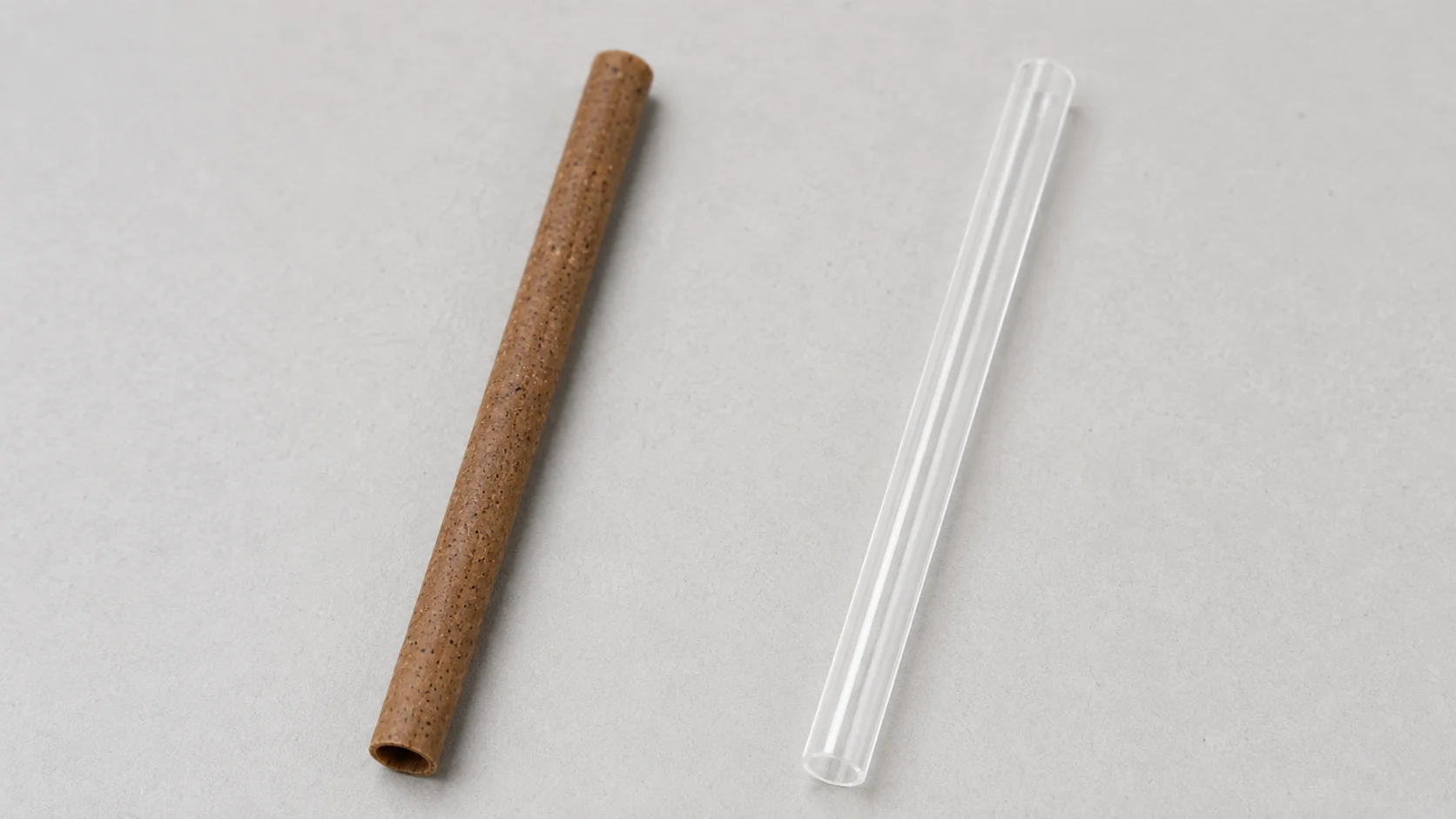
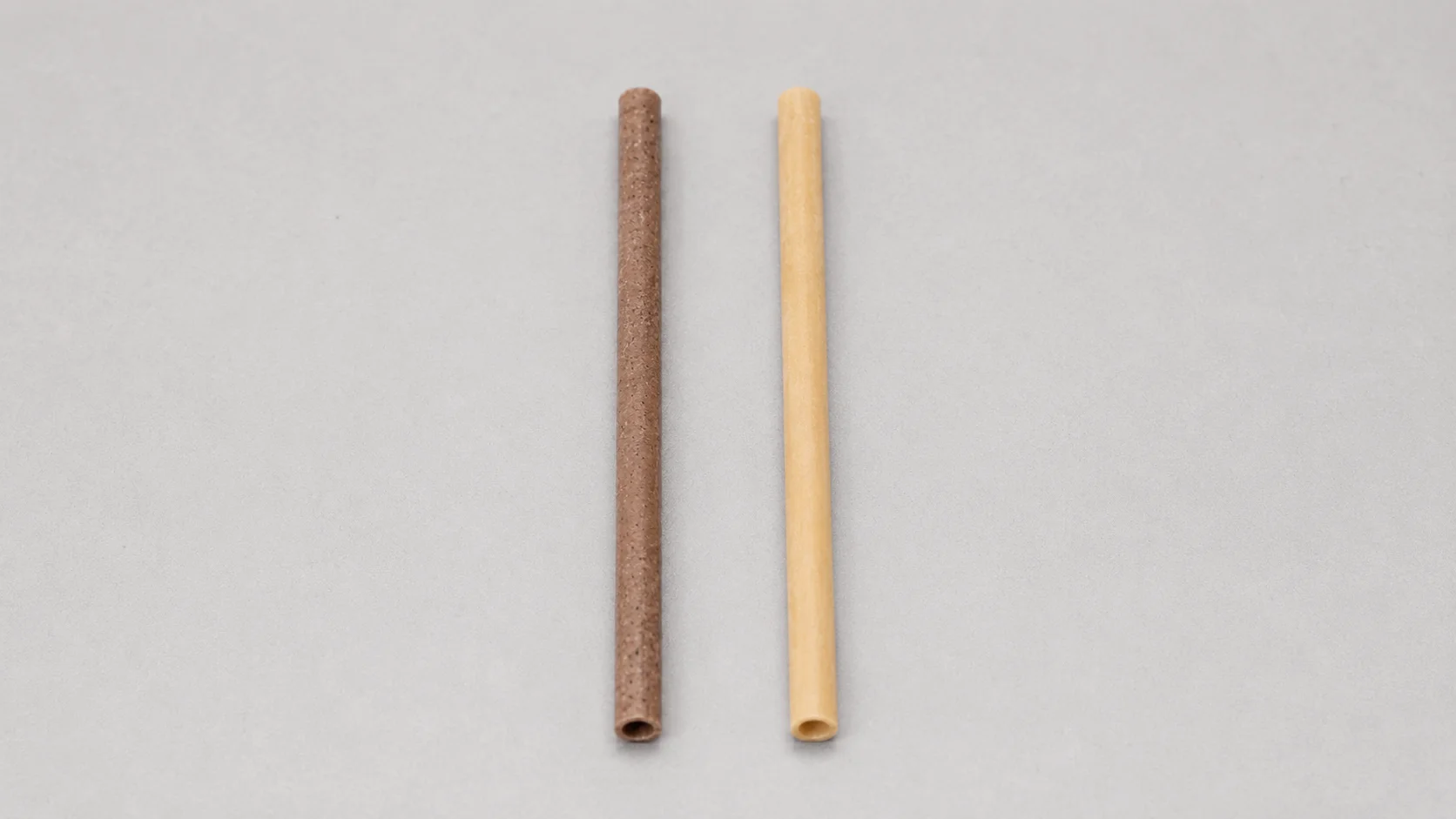
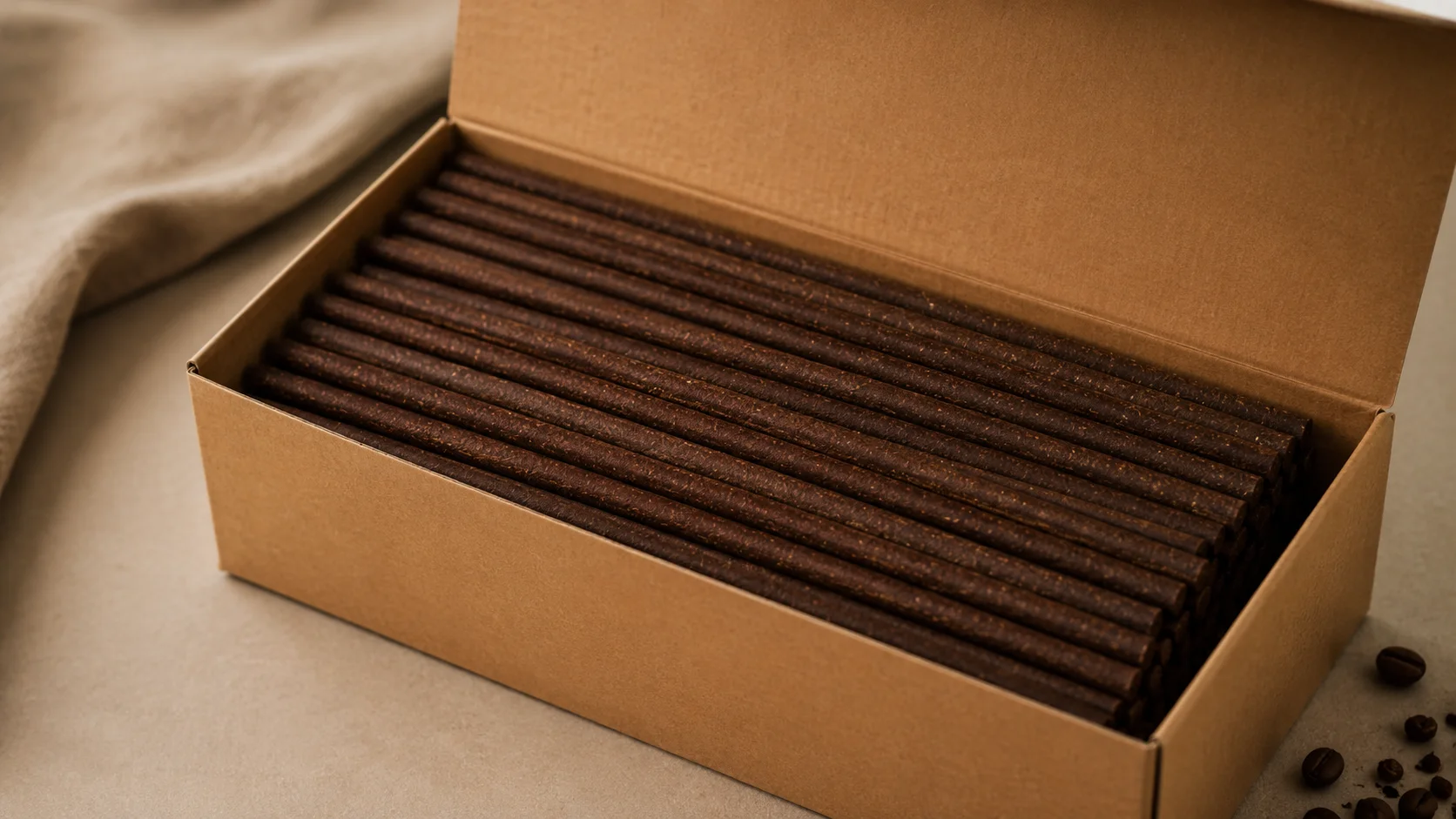
- Momoio’s Sustainable Eco-Friendly Sugarcane Straws: Our sugarcane straws are a prime example of innovation meeting compliance. Certified compostable and rigorously tested to be PFAS-free, these straws offer a robust, functional, and environmentally responsible alternative to conventional plastics and even many problematic paper and bamboo options. They don’t get soggy, withstand various temperatures, and provide a premium user experience while ensuring your business stays ahead of regulatory curves. Explore our range of sugarcane straws and redefine your beverage service. https://momoio.com/sustainable-eco-friendly-sugarcane-straws/
- Momoio’s Biodegradable Food Packaging: Beyond straws, our commitment extends to a comprehensive suite of biodegradable food packaging options. From versatile containers to sturdy plates, each product is engineered from sustainable sugarcane bagasse, designed for optimal performance in various food service environments. These solutions are not only safe for food contact, heat-resistant, and microwave-safe, but they also meet stringent compostability standards, helping your business comply with evolving regulations like the EU SUPD and EPR mandates. Discover the full potential of truly sustainable food packaging. https://momoio.com/biodegradable-food-packaging/
- Momoio Bagasse Bowl: A standout in our collection, the Momoio Bagasse Bowl exemplifies the strength, versatility, and eco-credentials of sugarcane fiber. Perfect for soups, salads, and a variety of hot or cold dishes, these bowls offer exceptional durability and leak resistance. Like all our bagasse products, they are certified compostable, free from harmful chemicals, and designed to seamlessly integrate into circular economy initiatives. Elevate your takeout and dine-in experience with packaging that performs for your business and the planet. https://momoio.com/bagasse-bowl/
By partnering with MOMOIO.com, businesses can confidently navigate the complexities of environmental regulations, avoid the pitfalls of greenwashing, and make verifiable, positive environmental claims. Our certified, PFAS-free sugarcane fiber solutions empower your brand to genuinely embrace sustainability, meet growing consumer expectations, and lead the way towards a healthier planet.
よくある質問
PFAS、認証、コンプライアンスに重点を置く
はい、サトウキビのストローを含む一部の植物ベースのストローには、複数の PFAS 化合物が含まれていることが判明しています。 PFAS は、環境汚染や健康リスクに関連する難分解性で生体蓄積性の「永久化学物質」です。それらの存在は、生分解性と堆肥化可能性の主張を損ない、コンプライアンスとブランド評判のリスクを生み出します。
2 つの主な経路: (1) 耐水性と耐グリース性を向上させるためにメーカーが意図的に添加。 (2) PFAS を含む再生繊維、汚染土壌からの原料、または処理水などの意図しない汚染。この複雑さは、厳格なサプライチェーン管理と独立したテストの必要性を浮き彫りにしています。
欧州連合: 包装および包装廃棄物規制 (PPWR、2025/40) では、2026 年 8 月 12 日から、食品と接触する包装における PFAS が、厳しい制限付きで禁止されています (個々の PFAS については 25 ppb、堆肥化認定のための合計フッ素は 100 ppm)。
アメリカ合衆国: カリフォルニアなどの州 (AB 1200、2023 年 1 月発効) は、総有機フッ素が 100 ppm を超える、または意図的に添加された PFAS を含む植物繊維食品包装を禁止しています。ニューヨーク州、メイン州、コロラド州などでは追加の制限が導入されています。 FDA と EPA による連邦政府の行動も進んでいます。
検証可能なサードパーティの認定を探してください。 BPI認定 製品 (ASTM D6400/D6868、総有機フッ素 ≤100 ppm) および TÜV OK コンポスト (産業用/家庭用、EN 13432 に準拠) 本物の堆肥化可能性と PFAS フリーの準拠を保証します。必ず各生産バッチの分析証明書を要求してください。
生分解性: 自然の要素に分解される可能性がありますが、タイミングと条件は未定義です。埋め立て地では、これが効果的に行われないことがよくあります。
堆肥化可能: 特定の堆肥化条件(工業用または家庭用)下で、設定された時間枠内で使用可能な堆肥に分解されるように設計されています。のような認定 BPI、TÜV OK 堆肥、EN 13432、ASTM D6400/D6868 これらの主張を検証し、グリーンウォッシングを防ぐためには重要です。