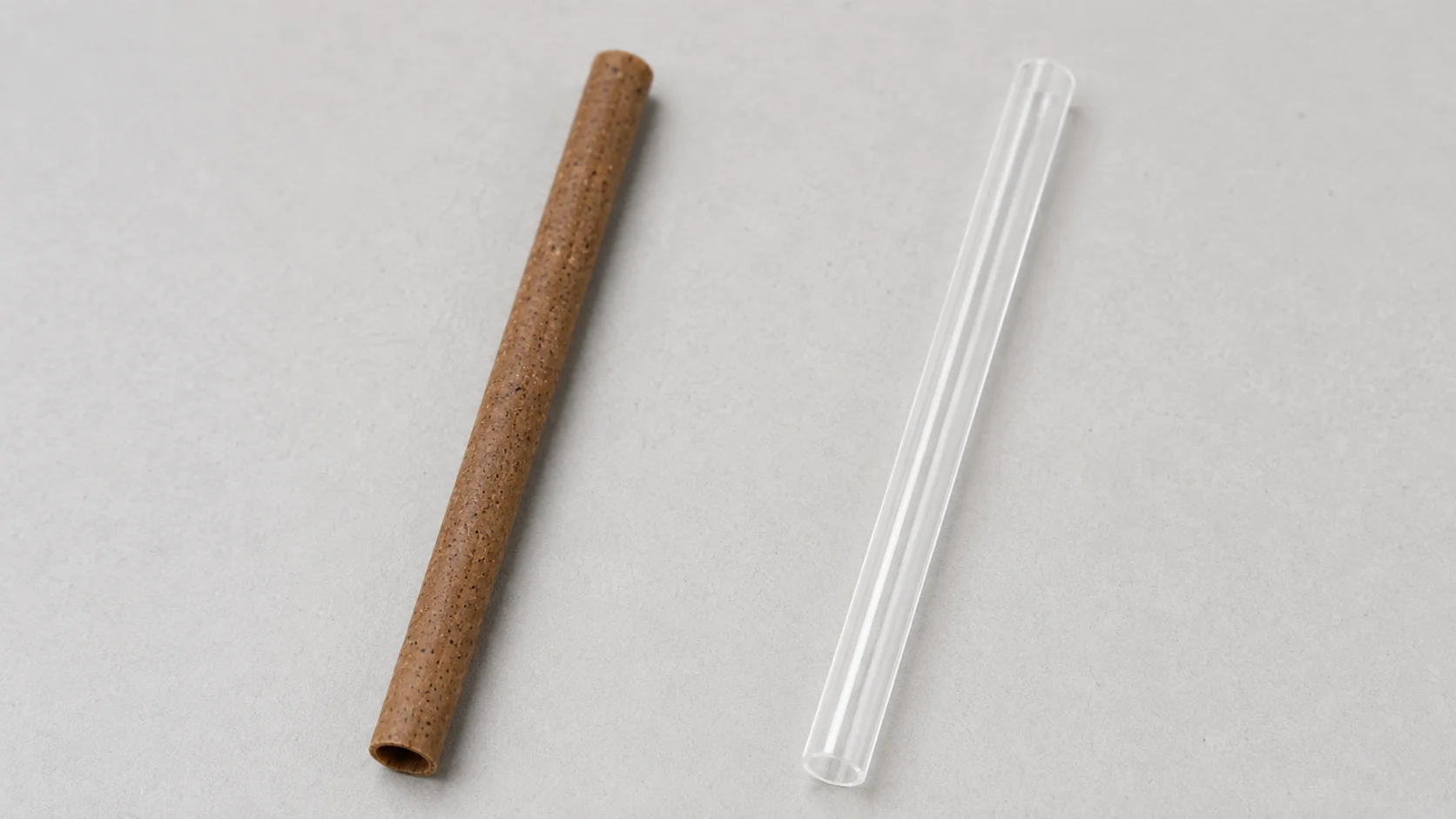
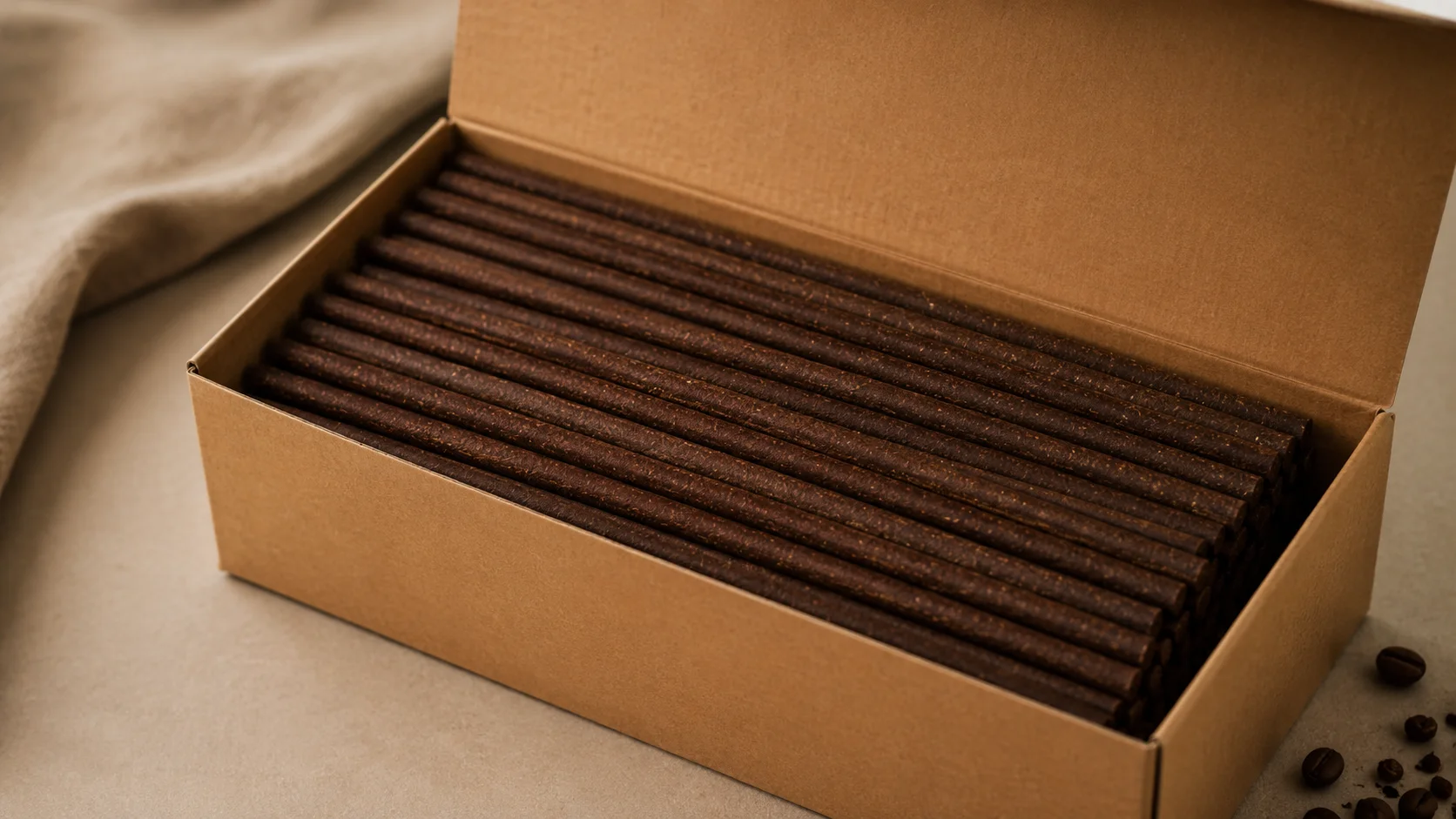
サトウキビのストローはグルテンフリーですか?
安全で環境に優しい B2B の選択
あなたはB2Bバイヤーであり、食品サービス運営のための持続可能なソリューションというますます複雑化する状況をナビゲートしていますか?環境責任に対する消費者の期待がかつてないほど高まっている時代では、規制の厳しい監視も相まって、ストローのような一見小さなアイテムであっても、その選択がブランドの評判、運営コスト、コンプライアンスの地位に大きな影響を与える可能性があります。真に包括的で環境に優しい代替品を探すとき、よくある、しかし重要な疑問がよく起こります。それは、サトウキビのストローは本当にグルテンフリーなのでしょうか?
直接の答えは、明白に「はい」です。サトウキビのストローは本質的にグルテンを含まないため、環境目標を達成しながら、多様な食事のニーズに応えるための優れた信頼できる選択肢となります。この基本的な特性は、包括性と真の持続可能性に取り組む企業に即座に価値をもたらします。グリーンウォッシングが蔓延する環境では、一部の「環境に優しい」製品に「永久化学物質」(PFAS)が含まれることが懸念されており、持続可能な製品の本質と真のコンプライアンスを理解することは、単なる良い習慣ではなく、消費者の信頼を維持し、規制順守を確実にするために最も重要です。
Unpacking the Gluten-Free & Eco-Friendly Credentials of Sugarcane Straws
表面を超えて、サトウキビストローが食事の要件と真の環境責任という複雑な要求の両方に対応する優れた選択肢となっている理由を詳しく掘り下げてみましょう。
A. グルテンフリー保証: サトウキビが安全な理由
サトウキビストローのグルテンフリー状態は、植物そのものに直接由来します。サトウキビはイネ科のイネ科の植物であり、小麦、大麦、ライ麦などのグルテン含有穀物とは根本的に異なります。その天然のタンパク質組成にはグルテンがまったく含まれていないため、セリアック病または非セリアック病グルテン過敏症の人にとって安全な基礎材料となります。
サトウキビのストローは、以下から独創的に作られています。バガス、砂糖の生産中にサトウキビの茎からジュースが抽出された後に残る繊維状の残留物。この材料には植物の糖分が含まれておらず、当然グルテンも含まれていません。バガスをストローに変える精製および製造プロセス全体により、グルテン含有物質が混入しないことがさらに保証され、さらなる保証が提供されます。 Momoio を含む多くの信頼できる製造業者は、自社のサトウキビ ストローがグルテン フリーであることを明示しており、純粋な組成を確認するために独立したプラスチック フリー認証を受けていることがよくあります。

この本質的なグルテンフリー品質により、貴社は自信を持って包括的なソリューションを提供でき、グルテンに関連する相互汚染や食事制限を気にせずにすべての顧客を歓迎できます。サトウキビのストローは、特定の食事のニーズに応えるだけでなく、顧客満足度の向上に不可欠な優れた性能特性を備えています。非常に耐久性があり、長期間使用しても水浸しに強く、無味のままであるため、飲料に不要な風味を与えません。さらに、堅牢な構造により、通常 -20 °C から 50 °C までの広い温度範囲で非常に優れた性能を発揮し、冷たい飲み物と温かい飲み物の両方に適しています。真に多用途、安全、高性能のストロー ソリューションを求める企業にとって、サトウキビは魅力的な提案を提供します。
B. Navigating the Complex Eco-Friendly Landscape: More Than Just “Green”
In today’s market, simply claiming a product is “eco-friendly” is no longer enough. B2B buyers must navigate a maze of regulations, certifications, and emerging environmental concerns. Sugarcane straws excel not just in their gluten-free properties, but also in meeting the stringent requirements of a truly sustainable and compliant solution.
1. True Biodegradability & Compostability
真に環境に優しいストローの特徴は、その耐用年数にあります。サトウキビのストローは、真の生分解性と認定された堆肥化可能性の代表的な例です。多くの従来のプラスチックや分解が難しい一部のバイオプラスチックとは異なり、サトウキビのストローは自然に戻るように設計されています。これらは工業的に堆肥化可能であり、商業堆肥化施設で 3 ~ 6 か月以内に栄養豊富な堆肥、水、二酸化炭素に分解できます。これにより、化学構造や環境中での残留性により、特定の規制の下では依然としてプラスチックに分類されているバイオプラスチックを含む、問題のある使い捨てプラスチックに代わる真正かつ実行可能な代替品となります。
2. 規制の調整: 世界基準への適合
使い捨てプラスチックからの移行は単なるトレンドではありません。それは世界的な規制上の義務です。選択したストロー ソリューションが、進化するコンプライアンス フレームワークにどのように適合するかを理解することが重要です。
- EU 使い捨てプラスチック指令 (SUPD): 2021 年 7 月 3 日に施行された EU SUPD は、すべての加盟国で使い捨てプラスチックストローを明示的に禁止します。重要なのは、この禁止は、PLA(ポリ乳酸)などのバイオプラスチックから作られたストローや、プラスチック成分が含まれている場合は「生物由来」または「家庭で堆肥化可能」と表示されたストローにも適用されることです。この指令は、その起源や生分解性の主張に関係なく、これらの材料をプラスチックとみなし、プラスチック廃棄物の削減を強調しています。この指令は、真にプラスチックを含まない代替品に焦点を当てており、再利用可能なオプションを奨励しています。サトウキビのような材料がプラスチックを含まず、産業的に堆肥化可能であると認定されれば、非プラスチック代替品を提供することで海洋プラスチック汚染を削減するというSUPDの中核目標と一致します。プラスチック廃棄物への取り組みに対する欧州連合の取り組みについては、次のような公式情報源を通じてさらに詳しく調べることができます。 European Commission’s Environment page on single-use plastics。
- Compostability Standards (EN 13432, ASTM D6400/D6868): For any product claiming to be compostable, adherence to robust, internationally recognized standards is non-negotiable. These standards ensure that products truly break down without leaving harmful residues, differentiating genuine compostable materials from those with misleading claims.
- EN 13432 (欧州規格): This standard outlines the rigorous requirements for packaging to be deemed recoverable through industrial composting and biodegradation within Europe. Key criteria include:
- 生分解性: At least 90% of the organic carbon must convert to CO₂ within a maximum of 6 months.
- 崩壊: Within 12 weeks, at least 90% of the material must pass through a 2×2 mm sieve, ensuring physical breakdown.
- 化学組成: Strict limits on heavy metals and other harmful substances to prevent compost contamination.
- 生態毒性: The resulting compost must not adversely affect plant growth or quality.
- ASTM D6400 / D6868 (米国規格): These standards are the North American equivalents, developed by ASTM International, defining requirements for labeling plastics and products as “compostable in municipal and industrial composting facilities.”
- ASTM D6400: Applies to solid plastic films and products, requiring 90% biodegradation within 180 days and 90% disintegration (passing a 2mm sieve) within 12 weeks. Also includes ecotoxicity tests.
- ASTM D6868: Specifically for products where biodegradable plastic films or coatings are attached to compostable substrates (e.g., plastic-coated paper). It ensures the entire composite product is compostable.
To illustrate the alignment and slight differences, consider this comparison:Table 1: Comparison of Key Industrial Compostability StandardsFeatureEN 13432 (Europe)ASTM D6400 (North America)集中Industrial CompostingIndustrial/Municipal Composting生分解≥ 90% CO₂ conversion in ≤ 6 months≥ 90% biodegradation in ≤ 180 days (6 months)崩壊≥ 90% material through 2mm sieve in ≤ 12 weeks≥ 90% material through 2mm sieve in ≤ 12 weeks (84 days)生態毒性No adverse effects on plant growth/compost quality, includes earthworm toxicity testNo adverse effects on plant growth, heavy metals < 50% EPA threshold重金属Strict limits specifiedRegulated metals < 50% EPA thresholdChemical AnalysisYes, to assess material compositionYes, for elemental analysis認定TÜV Austria (OK compost INDUSTRIAL), DIN CERTCOBPI (Biodegradable Products Institute)
- EN 13432 (欧州規格): This standard outlines the rigorous requirements for packaging to be deemed recoverable through industrial composting and biodegradation within Europe. Key criteria include:
- Third-Party Certifications (BPI/TÜV OK compost): Achieving these standards is not self-declared; it requires rigorous third-party verification.
- BPI (Biodegradable Products Institute) Certification: 北米を代表する非営利団体である BPI は、ASTM D6400 または D6868 規格を満たす製品とパッケージを認定します。 BPI 認証マークは、消費者と商業堆肥化業者に、その品目が工業用堆肥化施設内で完全に分解され、汚染の防止に役立つことを保証します。 BPI はまた、認定製品には意図的に添加された PFAS が含まれておらず、総有機フッ素の測定値が 100 ppm 未満であることも要求しています。
- TÜV オーストリアの OK 堆肥認証: An international certification body, TÜV Austria offers “OK compost INDUSTRIAL” (for EN 13432 compliance in industrial settings) and “OK compost HOME” (for lower-temperature home composting). These labels provide a trusted symbol of compostability, verifying that a product genuinely biodegrades without harming the environment. Many sugarcane straws carry these vital certifications, providing transparent, verifiable proof of their compostable nature.

3. The PFAS Problem: A Hidden Danger in “Eco-Friendly” Straws
The integrity of “eco-friendly” claims has been severely challenged by the pervasive issue of PFAS (per- and polyfluorofluoroalkyl substances) contamination. These “forever chemicals” are a critical concern for B2B buyers.
- Widespread Contamination: Recent studies have uncovered a high prevalence of PFAS in many paper and bamboo straws, often intentionally added for water and grease resistance, or through unintentional contamination during manufacturing. A 2023 European study, for example, found PFAS in 90% of paper straws and 80% of bamboo straws tested. This is alarming because these chemicals can leach into beverages, directly exposing consumers.
- 健康と環境のリスク: PFAS persist indefinitely in the environment and human body, linked to a host of serious health issues, including lower vaccine response, developmental problems, thyroid disease, and various cancers. Their presence fundamentally undermines the “eco-friendly” claims of products containing them, as they do not degrade and pose long-term environmental and health risks.
- Stricter Regulations: Regulatory bodies are responding swiftly. In the US, states like California (with AB 1200, effective January 2023) are banning intentionally added PFAS in food contact materials, including paper straws. Federal policy is also tightening, with the National Defense Authorization Act for fiscal year 2020 banning PFAS in food packaging for military meals, and a recent Executive Order (14208, Feb 2025) highlighting the health dangers of PFAS in paper straws. The European Union is similarly moving to address PFAS in packaging.
- Sugarcane as a Safer Alternative: This regulatory and health spotlight on PFAS underscores the critical advantage of genuinely PFAS-free options like sugarcane straws. By choosing naturally derived materials free from these insidious chemicals, businesses can avoid significant health and compliance risks. As noted, BPI certification explicitly requires products to be free of intentionally added PFAS, providing an extra layer of confidence.
Table 2: PFAS Risk Assessment for Common Straw Materials
| Straw Material | Typical PFAS Presence | Environmental Impact (PFAS) | Health Impact (PFAS) | Regulatory Risk (PFAS) |
|---|---|---|---|---|
| 紙ストロー | High (often intentionally added for water resistance) | Persistent, non-degrading | Potential leaching, long-term exposure risks | High (increasing bans/restrictions) |
| 竹ストロー | Moderate to High (due to natural or added coatings/contamination) | Persistent, non-degrading | Potential leaching, long-term exposure risks | 中程度から高程度 |
| プラスチックストロー | Generally Low (but plastic itself has other environmental issues) | Microplastic pollution | Generally not PFAS concern (but other plasticizer risks) | Banned by SUPD, some state bans for single-use plastic |
| サトウキビストロー | None (inherently PFAS-free) | Compostable, naturally degrading | Safe, no PFAS leaching concerns | Very Low (compliant) |
| ステンレス鋼 | なし | Recyclable, durable | Safe | 非常に低い |
| ガラスストロー | なし | Reusable, durable, recyclable | Safe | 非常に低い |
| シリコンストロー | None (often BPA/PFAS-free) | 再利用可能 | Safe | 非常に低い |
4. Avoiding Greenwashing: The FTC Green Guides
With rising consumer and regulatory scrutiny, claims of environmental friendliness must be verifiable and transparent. The Federal Trade Commission’s (FTC) Green Guides provide essential guidance for marketers to avoid making deceptive environmental claims, ensuring honest communication.
- Purpose and Scope: The Green Guides, issued by the Federal Trade Commission (FTC), aim to prevent misleading environmental marketing. They apply to all forms of marketing claims, from product labels to advertisements, and cover both B2C and B2B communications. While not legally binding regulations, claims inconsistent with them can lead to FTC enforcement actions under Section 5 of the FTC Act.
- Key Principles: The guides emphasize that environmental claims must be specific, substantiated by competent and reliable scientific evidence, and presented in clear, simple language. Broad, unqualified claims like “eco-friendly” or “sustainable” are strongly discouraged because they can be interpreted in various, often deceptive, ways by consumers. Marketers must qualify such claims with clear and prominent language that specifies the particular, verifiable environmental benefit. For instance, a straw should not be labeled simply “biodegradable” without specifying the conditions (e.g., “industrially compostable where facilities exist”). This is why third-party certifications are so vital – they provide the verifiable evidence required by the FTC.
The Strategic Advantage of Momoio’s Sugarcane Straws
In a marketplace demanding both sustainability and compliance, aligning with a partner who understands these complexities is paramount. Momoio offers not just products, but a strategic advantage for your business.
A. Fulfill Diverse Customer Demands & Elevate Your Brand Reputation
Choosing Momoio’s sugarcane straws allows you to seamlessly cater to the growing segment of health-conscious consumers and those with gluten sensitivities. Offering a certified gluten-free straw immediately signals inclusivity and attention to detail, strengthening your brand’s appeal. Furthermore, by providing genuinely sustainable, plastic-free, and compostable solutions, you differentiate your business in a competitive market. This commitment to true eco-responsibility enhances your brand image, fosters trust, and resonates deeply with environmentally aware customers, driving loyalty and positive perception. We understand the need for diverse sustainable offerings; for example, explore our innovativeコーヒーグラウンドストローfor another unique, eco-conscious option.
B. Ensure Compliance & Mitigate Business Risks
Navigating the ever-evolving maze of environmental regulations can be daunting. By choosing inherently compliant materials like Momoio’s sugarcane straws, your business proactively stays ahead of evolving mandates such as the EU SUPD and the increasing state-level PFAS bans in the US. Our commitment to rigorously tested and certified products means you can protect your customers and your brand reputation by selecting certified PFAS-free straws, especially as regulatory scrutiny intensifies.
Leveraging robust third-party certifications (e.g., BPI, TÜV Austria OK compost) for your eco-friendly products builds undeniable credibility with both customers and regulators, verifying compostability and environmental integrity. This proactive approach also future-proofs your operations. Global Extended Producer Responsibility (EPR) trends are increasingly shifting waste management burdens to producers and incentivizing truly recyclable and compostable packaging. By investing in solutions that align with these trends, your business can realize long-term cost savings, streamline waste management, and enhance operational efficiency, turning compliance into a competitive advantage.
C. Momoio’s Commitment to Certified, High-Performance Sustainable Solutions
At Momoio, our dedication to innovation, quality, and environmental responsibility is woven into every product we offer. Our持続可能で環境に優しいサトウキビストローare a testament to this commitment. They are proven gluten-free, plastic-free, PFAS-free, and industrially compostable, delivering exceptional durability and user experience without compromise. We ensure our products meet stringent safety and compostability standards, offering you peace of mind and verifiable claims.

But our commitment extends beyond straws. We offer a comprehensive suite of sustainable packaging solutions designed to meet the diverse needs of modern businesses. Explore our widerrange of eco-friendly productsto discover how we can help you integrate compliant and genuinely sustainable choices across your entire operation. From bagasse bowls to compostable cutlery, Momoio is your partner in building a greener, more responsible future for your business and your customers.
よくある質問
Sugarcane straws • Compostability • Compliance
Yes, sugarcane straws are unequivocally gluten-free. They are made from bagasse, the fibrous residue remaining after juice extraction from the sugarcane plant. Sugarcane is a member of the grass family, fundamentally distinct from gluten-containing grains, and its natural protein composition is entirely free from gluten.
The manufacturing process further ensures no gluten-containing substances are introduced, making them a safe choice for individuals with celiac disease or gluten sensitivity.
Sugarcane straws are genuinely eco-friendly because they are made from a renewable byproduct (bagasse) and are industrially compostable. They are designed to break down into nutrient-rich compost, water, and carbon dioxide within 3–6 months in commercial composting facilities.
This aligns with certified compostability standards like EN 13432 (Europe) and ASTM D6400/D6868 (North America), making them a viable alternative to problematic single-use plastics.
Yes, sugarcane straws align with the EU Single-Use Plastics Directive (SUPD), which banned single-use plastic straws across member states from July 3, 2021.
Unlike many bioplastics (e.g., PLA) that are still categorized as plastic under the SUPD due to their chemical structure, certified plastic-free and industrially compostable sugarcane straws offer a genuine non-plastic alternative, supporting the directive’s core objective of reducing marine plastic pollution.
Yes, sugarcane straws are described here as inherently PFAS-free. This is a critical advantage, as recent studies have uncovered a high prevalence of PFAS in many paper and bamboo straws, often intentionally added for water resistance.
By choosing naturally derived, PFAS-free options like sugarcane straws, businesses can avoid significant health and compliance risks. Certifications like BPI explicitly require products to be free of intentionally added PFAS, with total organic fluorine under 100 parts per million.
For reliable compostability, B2B buyers should look for rigorous third-party certifications:
North America: BPI (Biodegradable Products Institute) certifies products against ASTM D6400 or D6868 standards, assuring breakdown in industrial composting facilities.
ヨーロッパ: TÜV Austria’s OK 堆肥 産業用 indicates compliance with EN 13432. These certifications provide verifiable proof that products genuinely biodegrade without harming the environment.