堆肥化可能なストロー材料は何でできていますか? B2Bリーダー向けの戦略ガイド
シニアB2Bの持続可能性コンテンツストラテジストによる
The global imperative to reduce plastic waste has escalated from an environmental concern to a critical business challenge, reshaping supply chains and procurement strategies worldwide. As plastic pollution continues to rise, projected to reach 1.2 billion tonnes by 2050 without intervention (UN Environment Programme, 2018), legislative pressures and consumer preferences are rapidly shifting towards sustainable alternatives. For B2B leaders in procurement, operations, and sustainability within the hospitality & foodservice industries, understanding the nuances of these alternatives – particularly compostable straws – is no longer optional but a strategic necessity.
堆肥化可能なストローの市場は、2021年からプラスチック製ストローの禁止を義務付けたEU使い捨てプラスチック指令(2019/904)などの厳しい環境規制によって後押しされ、大幅な成長を遂げている。この指令は、シアトルやサンフランシスコなど米国の多くの州や都市での同様の禁止と並んで、企業に移行を義務付ける明確な義務を生み出している。適応を怠ると、違反による罰則が科せられるだけでなく、ホテル、カフェ、航空会社に対する重大な風評被害や市場アクセスの低下を招くリスクがあります。
この包括的なガイドでは、堆肥化可能なストローを構成する多様な素材を詳しく掘り下げ、その特性、運用上の影響、B2B 導入の戦略的考慮事項を解明し、組織が自信を持って明確な競争力を持ってこの進化する状況を乗り切ることができるようにします。ホスピタリティやフードサービスにおいて、コンプライアンスと競争上の優位性を確保するには、堆肥化可能なわら素材を理解することが重要です。
堆肥化可能性を理解する: 調達マネージャーにとって重要な違い
「生分解性」と「堆肥化可能」という用語は、しばしば同じ意味で使用されますが、環境への影響や規制遵守に重大な影響を与える根本的に異なる特性を示しています。ホスピタリティ業界の調達マネージャーにとって、これらの違いを理解することは最も重要です。
生分解性と堆肥化可能の区別: 規格が重要
真実堆肥化可能な材料は、特定の堆肥化条件(高熱、微生物の活動など)下で、二酸化炭素、水、バイオマスなどの天然成分に分解されることが科学的に検証されています。重要なことは、このプロセスは定められた期間内 (通常は 180 日以内) に行われ、有毒な残留物が残らないようにする必要があります。この厳格な基準により、素材が真に自然に戻り、健全な土壌に貢献していることが保証されます。
対照的に、「生分解性」はより広い用語であり、多くの場合規制されていません。材料は最終的には分解するかもしれませんが、分解には数十年、場合によっては数世紀かかる可能性があり、マイクロプラスチックや有害な副産物が残らないという保証はありません。特定の認証がなければ、「生分解性」という主張は誤解を招く可能性があり、ホテルやレストランの持続可能性への取り組みを損なう可能性があります。
Navigating Certification Bodies and Regulatory Compliance: ASTM D6400 & EN 13432
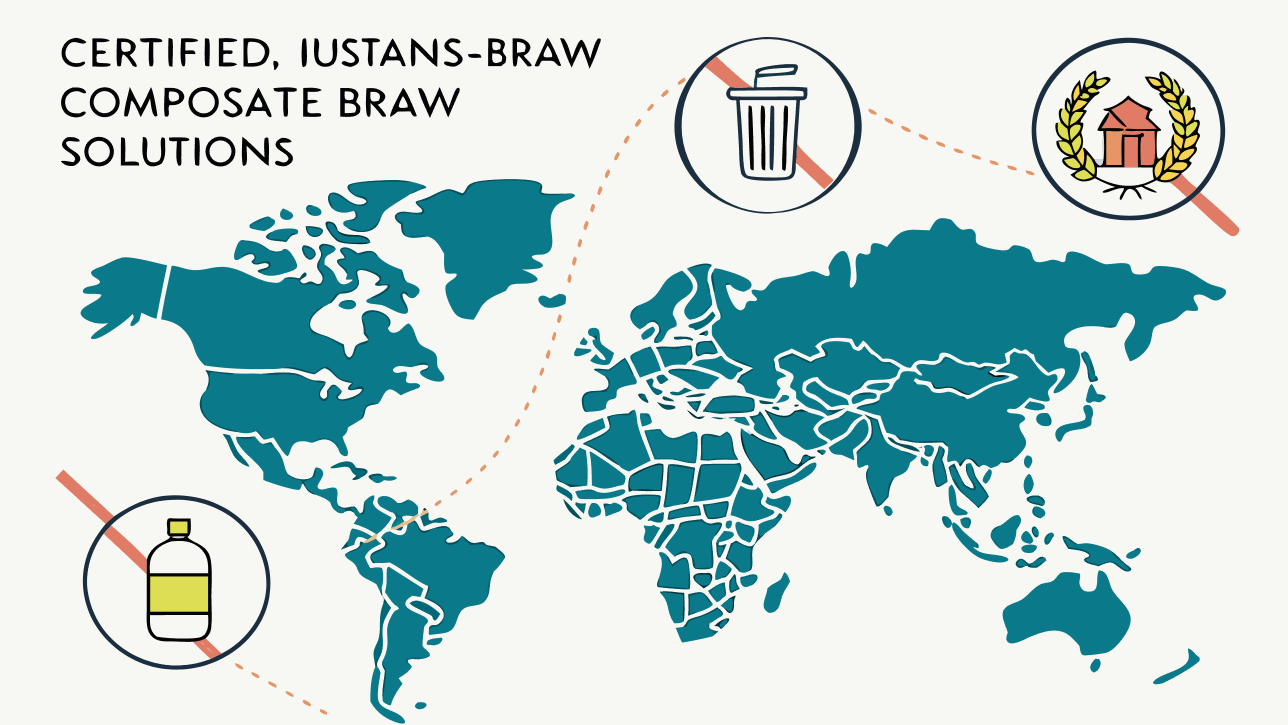
真の堆肥化可能性を確保するには、企業は信頼できる第三者機関によって認定された製品に依存する必要があります。北米では、生分解性製品研究所(BPI)は、次の条件を満たす製品を検証する主要な認証機関です。ASTM D6400またはASTM D6868商業用堆肥化の基準。これらの基準により、製品が自治体および商業の堆肥化施設で完全かつ安全に分解され、有害な残留物が残らないことが保証されます。
ヨーロッパでは、テュフ オーストリア (OK 堆肥産業用/家庭用)そしてディンサートコは主要な認証機関であり、欧州規格への準拠を保証しますEN 13432。この基準では、化学組成、重金属、生態毒性に対する厳格な制限とともに、12 週間以内に少なくとも 90% の分解、6 か月以内に 90% の生分解が義務付けられています。以下の点に注意することが重要です。EU 使い捨てプラスチック指令 (2019/904)2021年から施行されたこの法律では、「生物由来」または「家庭で堆肥化可能」と表示されている場合でも、使い捨てプラスチックストローを明示的に禁止しています。これは、認定された堆肥化可能なストローが、欧州のホスピタリティ施設向けに従来のプラスチックに代わる唯一の準拠した代替品であることを意味します。同様に、米国でも連邦政府による禁止はありませんが、カリフォルニアやニューヨークなどの州、シアトルやサンフランシスコなどの都市はプラスチック製のストローを禁止し、さまざまな措置を通じて認定された堆肥化可能な製品への切り替えを奨励しており、食品サービス事業の調達に直接影響を与えています。認定された堆肥化可能なストローは厳格な基準を満たしており、真の環境上のメリットとホスピタリティのための規制遵守を保証します。

コアの堆肥化可能なわら素材: サプライチェーンのための植物ベースのイノベーションの詳細
The innovation in compostable straw materials has expanded significantly, offering a diverse array of plant-based solutions. Each material presents unique properties suitable for different operational needs and sustainability goals within the hospitality and foodservice supply chains.
ポリ乳酸 (PLA) 堆肥化可能なストロー材料: 広く採用されているバイオプラスチック
ポリ乳酸 (PLA) は、堆肥化可能なストローとして最も広く採用されているバイオプラスチックの 1 つです。コーンスターチ、サトウキビ、キャッサバなどの再生可能資源から得られる PLA は、プラスチックのような感触と機能性を備えており、カフェやレストランで従来の石油ベースのプラスチックからの馴染み深い移行となっています。 PLA ストローは硬く、冷たい飲み物に最適で、水浸しになることなく構造的完全性を維持します。これらは、広く入手可能であり、生分解性があり、低温用途での耐久性が高いため、市場を支配しています。
However, a key consideration for PLA is its composting requirement: it necessitates commercial composting facilities, operating at specific high temperatures (56-60°C), for effective breakdown. While biodegradable, PLA will take several years to decompose at room temperature or in natural environments if not properly processed, which is a challenge for diverse hospitality waste streams.
ポリヒドロキシアルカノエート (PHA) 堆肥化可能なストロー材料: 革新的なバイオポリマー
ポリヒドロキシアルカノエート (PHA) は、より新しく、より革新的な種類のバイオプラスチックを代表します。 PHAは植物の糖や油をバクテリアが発酵させて生成し、優れた分解能力を誇ります。 PLA とは異なり、PHA ストローは産業用堆肥化施設だけでなく、家庭用堆肥化環境や海洋環境でも分解するように設計されており、ホテルやクルーズ会社に比類のない柔軟性を提供します。
PHAストローは柔軟性と耐久性に優れ、耐熱性にも優れているため、温かい飲み物にも冷たい飲み物にも適しています。現在、PHA は PLA よりも製造コストが高くなりますが、包括的な持続可能性と将来性のあるコンプライアンスに重点を置くブランドにとっては画期的なオプションと考えられており、ホスピタリティ業界に真に多用途の廃棄ソリューションを提供します。
紙と木材パルプ: 汎用性を高めるために強化された堆肥化可能なわら材料
Paper and wood pulp straws are made from plant-based fibers, often sourced from responsibly managed forests (FSC-certified).コーティングされていない紙ストローは本来は堆肥化可能ですが、多くは現在、高度な植物ベースのコーティング(薄い PLA 層など)を備えており、耐久性と耐水性が大幅に向上し、忙しいレストラン環境でよくある水浸しの懸念に対処しています。
Innovative solutions like Sulapac Flow 1.7, a wood-based biopolymer with 72% USDA biobased content, exemplify this progress. Straws made from Sulapac Flow 1.7 can last up to 24 hours without becoming soggy, offering a high-performance alternative to traditional paper. This material is industrially compostable according to BPI (ASTM D6400) and Seedling (EN 13432) standards.
ミニケーススタディ:導入に成功した注目すべき例は次のとおりです。トランセンドパッケージングは急速に主要な世界的ブランドの主要サプライヤーとなっています。 In response to widespread plastic bans, Transcend Packaging, a verified source, produces home-compostable, paper, and fiber-based alternatives for clients such as McDonald’s, showcasing the viability of large-scale transitions to sustainable materials in foodservice.
農業副産物: 廃棄物から得られる持続可能な堆肥化可能なわら材料
Leveraging agricultural waste streams provides an inherently sustainable approach to compostable straw production, ideal for hospitality businesses seeking to minimize their environmental footprint.
- サトウキビ(バガス): Made from the fibrous waste remaining after sugarcane processing, bagasse straws are known for their exceptional sturdiness and water resistance, making them durable for cold drinks. Many bagasse straws are certified home compostable, breaking down completely in 30-90 days, and do not impart any taste to the beverage, a key benefit for guest experience.
- 小麦わら: A natural byproduct of wheat harvesting, these simple, unassuming straws break down quickly and safely in the environment, offering a direct, low-impact solution for eco-conscious establishments.
- リュウゼツラン: Produced from FSC-certified waste fibers of the agave plant, agave straws offer a sturdy, natural composition and are both biodegradable and compostable.
- 稲わら: 米粉とタピオカ澱粉を配合した革新的なストローは生分解性だけでなく食用にもなります。 Companies like NLYTech Biotech manufacture rice straws that decompose within 90 days if not consumed, offering a unique zero-waste solution for high-end dining or events.
ニッチかつ革新的な堆肥化可能なストロー材料: 視野を広げる
Beyond the mainstream options, continuous research and development are pushing the boundaries of compostable materials, offering future possibilities for hospitality supply chains.
- ココナッツの葉: Dry coconut leaflets (lamina) yield 100% biodegradable straws. 1 枚のココナッツの葉から約 200 本のストローが生産でき、サンバード ストローのような企業が推進する地域循環型経済の可能性が実証されており、特にリゾート地に関連しています。
- 草: スゲ草から作られたこれらの使い捨てストローは、100% プラスチックを含まず、土壌中で安全に生分解され、自然で簡単な代替品となります。
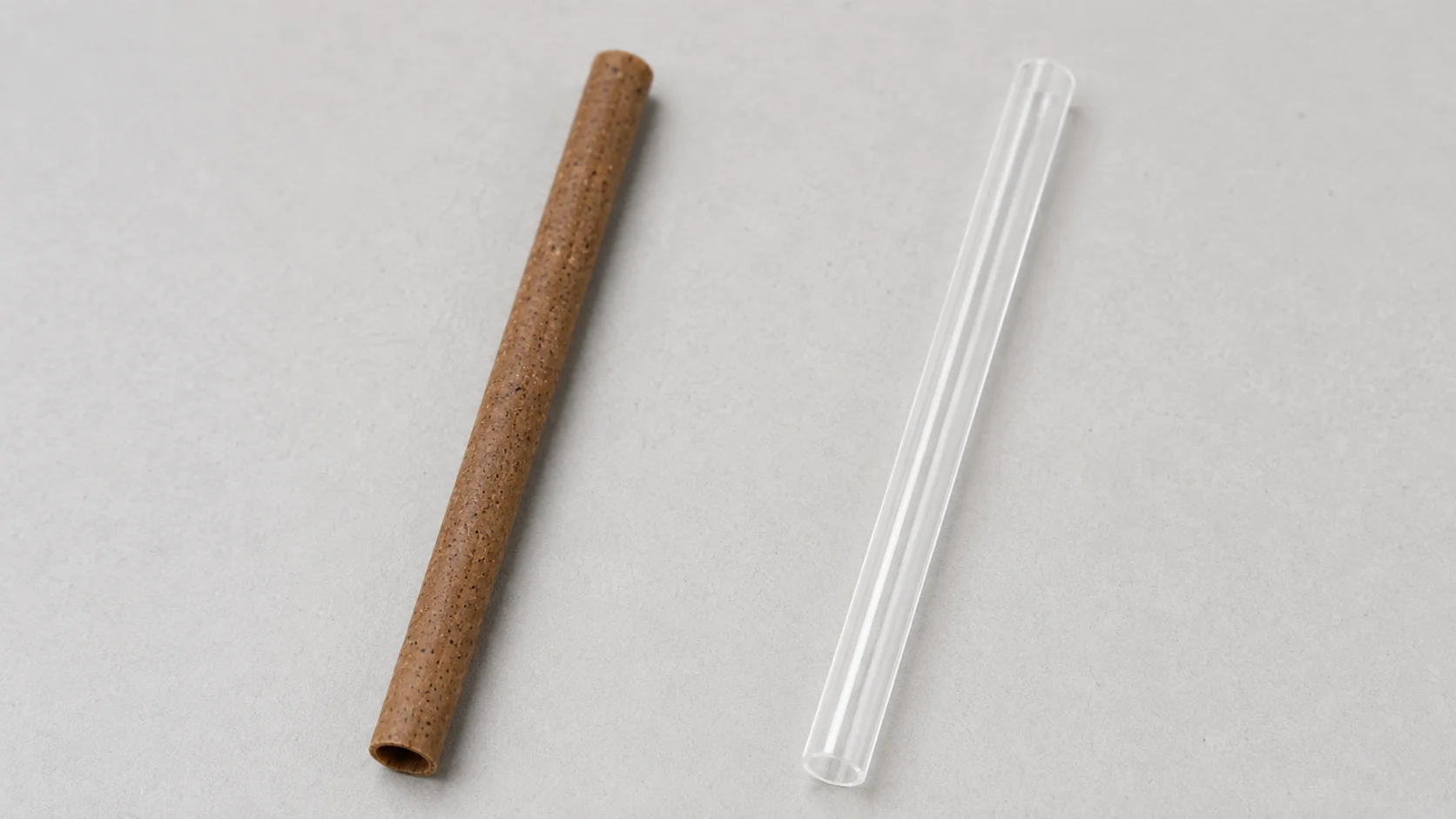
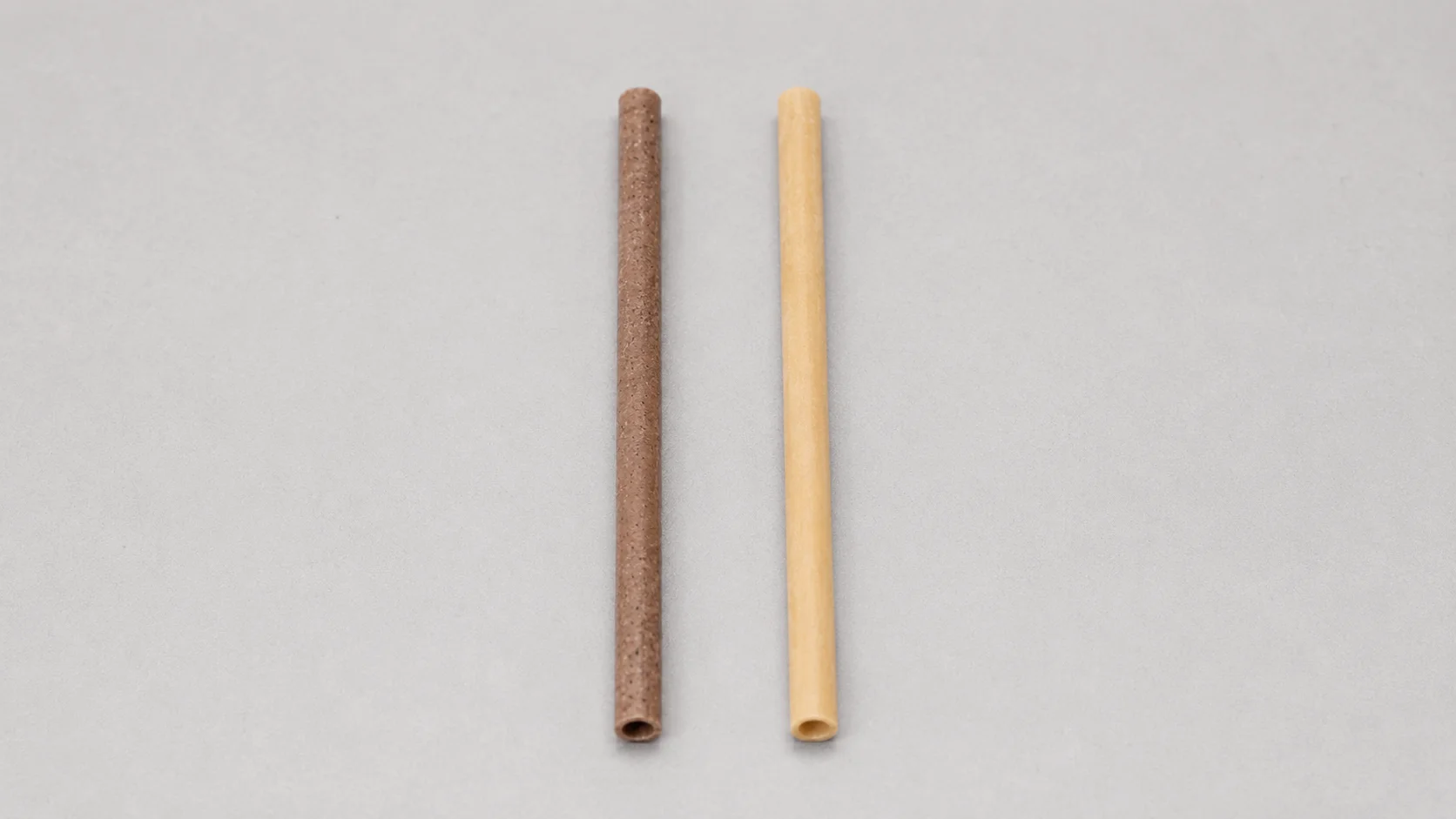
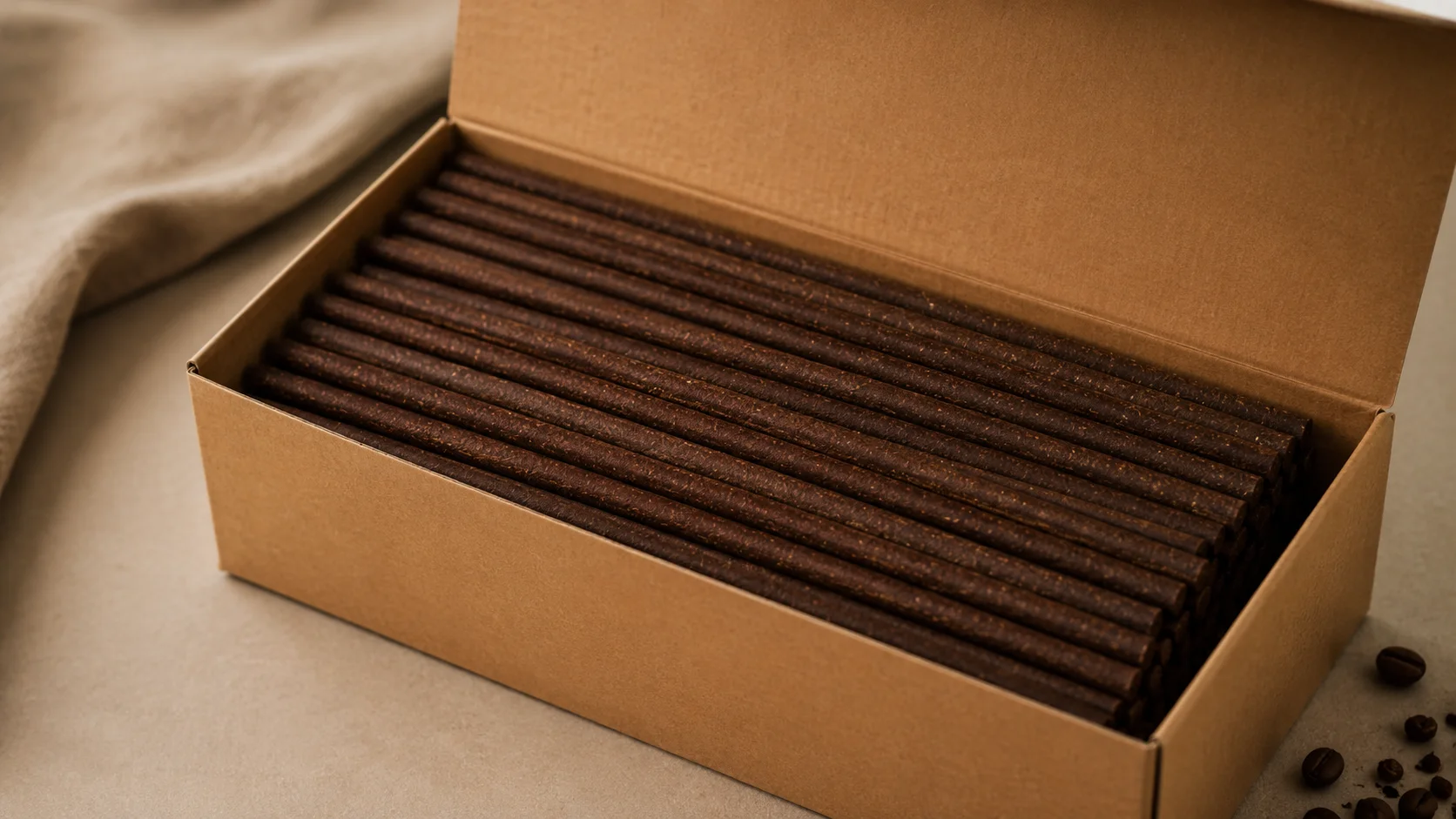
- 挽いたコーヒー: リサイクルされたコーヒーの沈殿物から作られたこれらのストローは、無臭、無味で、温かい飲み物と冷たい飲み物の両方で驚くほど水浸しになりにくく、廃棄物をカフェにとって価値のある製品に変えます。
- 海藻:ロリウェアのような先駆的な企業は、食用で超堆肥化可能な「ロリストロー」を開発しました。これは、60日以内に分解する特許取得済みの海藻ベースの素材で作られており、革新的なホスピタリティブランドにとって究極の廃棄物ゼロのソリューションを表しています。
- 学術研究では、強化されたデンプンベースの化合物(フィルム特性を改善するためにリグニンとクエン酸を組み込む)、セルロースベースのイノベーション(水圧安定性のために籾殻とサトウキビバガスを使用)、従来の PLA の耐熱限界を克服するステレオコンプレックス PLA(SC-PLA)など、先進的な材料の探索が続けられています。 Further research includes chitin, zein, and novel starch blends to enhance mechanical strength, water stability, and heat resistance.
多様な植物由来の素材は、持続可能なホスピタリティ サプライ チェーンにさまざまな性能と廃棄オプションを提供します。
Strategic Considerations: Operational Impact & ROI of Compostable Straw Materials
For procurement managers and operations directors in hospitality, understanding the return on investment (ROI) and operational implications of different compostable straw materials is crucial for a smooth transition and long-term success.
| 特徴 | B2B運用上の影響 | コンプライアンスノート | ROIポテンシャル |
|---|---|---|---|
| 人民解放軍 | 商業堆肥化施設への信頼できるアクセスが必要です。材料の適切な耐用年数管理を保証します。 | 産業用堆肥化に関して ASTM D6400 および EN 13432 に基づいて認定されています。プラスチック製ストローが禁止されている EU および米国の都市レベルのコンプライアンスにとって重要です。 | 廃棄物転用による埋め立て手数料の削減。持続可能な企業としてのブランドイメージの向上。 meeting immediate regulatory mandates to avoid fines and market access restrictions. |
| PHA | Offers the widest disposal flexibility, compatible with industrial, home, and even marine environments, simplifying end-user disposal instructions and expanding reach for diverse hospitality settings. | Biodegradable in diverse environments, supported by emerging certifications (e.g., BPI for certain PHA products). Positions brands as forward-thinking and fully compliant with evolving environmental standards. | Commands a premium brand positioning due to superior environmental attributes; future-proof compliance against stricter regulations; broader consumer appeal by addressing varied disposal options, potentially increasing market share among eco-conscious consumers. |
| 紙(コート紙) | May require specific plant-based coatings for extended use duration, though some users report sogginess over prolonged periods.混合素材のためリサイクルできない場合が多い。 | Certifications like BPI/EN 13432 for compostability. While plastic-free, ensure coatings are also compostable and avoid PFAS. | 多くの企業にとって、費用対効果の高い持続可能性への入り口。特にクイックサービス環境において、プラスチックフリーのオプションを求める消費者の差し迫った需要に対応します。一般の人々の認識と当面のコンプライアンスのニーズを迅速に解決できる可能性があります。 |
| サトウキビバガス | 冷たい飲み物も温かい飲み物も耐久性に優れ、しっかりとしたパフォーマンスを発揮します。家庭でも商業的にも堆肥化が容易で、企業と消費者の廃棄物の流れを簡素化します。 | 生分解性が高く、多くの場合家庭で堆肥化可能であると認定されています。農業廃棄物を利用し、循環経済原則をサポートし、バージン原料への依存を減らします。 | 廃棄物由来の性質のため、消費者は強い肯定的な認識を持っています。埋め立て廃棄物の大幅な削減に貢献します。持続可能な調達への取り組みを示し、環境意識の高い顧客層の増加にアピールしています。 |
| 食用(米・海藻) | 真の廃棄物ゼロのソリューションを提供します。ただし、食品の安全性、アレルゲン管理、飲料の味が変化する可能性については慎重な考慮が必要です。保管と賞味期限は食品サービスにとって重要な運営上の要素です。 | 食品グレードの認証が必要です (FDA、EFSA など)。完全に消費するということは廃棄の必要がないことを意味し、最終的な持続可能性の目標に沿ったものになります。 | 究極の持続可能性の達成と独自のマーケティング差別化要因。ニッチな市場と革新的なブランドを魅了します。消耗品として販売すれば新たな収益源が生まれる可能性があり、独特の競争上の優位性が生まれます。 |
堆肥化可能なストローの選択は、運営、コンプライアンス、ROI に影響を与えるため、おもてなしには戦略的な素材の選択が必要です。
課題への対処: PFAS と堆肥化可能なわら材料における規制の監視
堆肥化可能な素材への移行はホスピタリティにとって前向きな一歩ではありますが、複雑さが伴うわけではありません。一部の製品、特に紙や竹のストローにおける「堆肥化可能」という主張が直面している重大な課題は、パーフルオロフルオロアルキル物質およびポリフルオロフルオロアルキル物質(PFAS)が広範囲に存在していることです。
PFAS 問題: 「生分解性」の主張を損なう
最近の学術研究により、憂慮すべき真実が明らかになりました。PFAS は、分解が非常に遅く、数千年かかる可能性があるため、しばしば「永遠の化学物質」と呼ばれ、一見環境に優しいと思われる多くのストローから検出されています。 2021 年 4 月に *Chemosphere* に掲載された研究では、38 の生分解性紙ストロー ブランドを分析し、そのうち 36 銘柄で PFBA、PFOA、PFHxA などの一般的な亜種を含む PFAS が検出可能であることがわかりました。この発見は、2023年8月に*食品添加物と汚染*に掲載されたベルギーの研究によって裏付けられ、試験されたストローの大部分、主に紙と竹で作られたストローにPFASが検出されました。
PFAS の存在は、これらの製品の「生分解性」および「堆肥化可能」という主張を根本的に損ないます。製品に環境中に永久に残留する化学物質が含まれている場合、その製品は接客業の廃棄物の流れに対する持続可能な耐用年数を経たソリューションとは真に考えることができません。
PFAS汚染による健康と環境への影響
PFAS は耐水性、耐熱性、耐汚染性を提供するために使用されますが、その環境残留性により健康と環境に対する重大な懸念が生じます。 PFAS への曝露は、ワクチン反応の低下、甲状腺疾患、コレステロール値の上昇、肝障害、腎臓がん、精巣がんなど、さまざまな深刻な健康問題と関連しています。
汚染は、植物材料が栽培された土壌、製造中に使用された水、さらには撥水コーティングとしての意図的な適用など、さまざまな原因から発生する可能性があります。ホスピタリティ業界の調達チームにとって、これはデューデリジェンスの重要な変更を必要とします。単に「堆肥化可能」の認定を求めるだけではもはや十分ではありません。調達管理者は、真の環境と公衆衛生の完全性を確保するために、すべての「堆肥化可能な」製品における PFAS の堅牢な第三者試験を要求する必要があります。優先順位をつけるBPI 認定の堆肥化可能なストローPFAS フリーであることが明示的に検証されているものは、真のコンプライアンスと消費者の信頼への道を提供します。堆肥化可能なストロー中のPFAS汚染は持続可能性の主張を損なうものであり、ホスピタリティの調達には厳格なテストが必要です。
将来の展望: 堆肥化可能なわら材料の革新と戦略的調達
ホスピタリティおよびフードサービス向けの真に持続可能なパッケージングへの取り組みはダイナミックであり、継続的なイノベーションと循環性の重視の高まりが特徴です。
パフォーマンス向上のための継続的な研究開発
継続的な学術および産業の努力は、植物由来の材料の機械的強度、水安定性、および耐熱性の改善に焦点を当てています。材料科学の新たなフロンティアは、キチン(甲殻類の殻由来)、ゼイン(トウモロコシ由来のタンパク質)、革新的なデンプンベースのブレンドなどの物質の探索であり、多くの場合、性能を向上させ、ねっとり感や特定の堆肥化要件などの現在の制限を克服するために、リグニンやクエン酸などの天然添加物が組み込まれています。ステレオコンプレックスPLA(SC-PLA)の開発は、耐熱性と剛性の向上を目指し、PLAの利用範囲を拡大します。より良い素材を絶え間なく追求することは、大量のおもてなしの現場で厳格な環境基準を遵守しながら、多様な業務ニーズに応えるために非常に重要です。
責任ある調達を通じて循環経済を推進
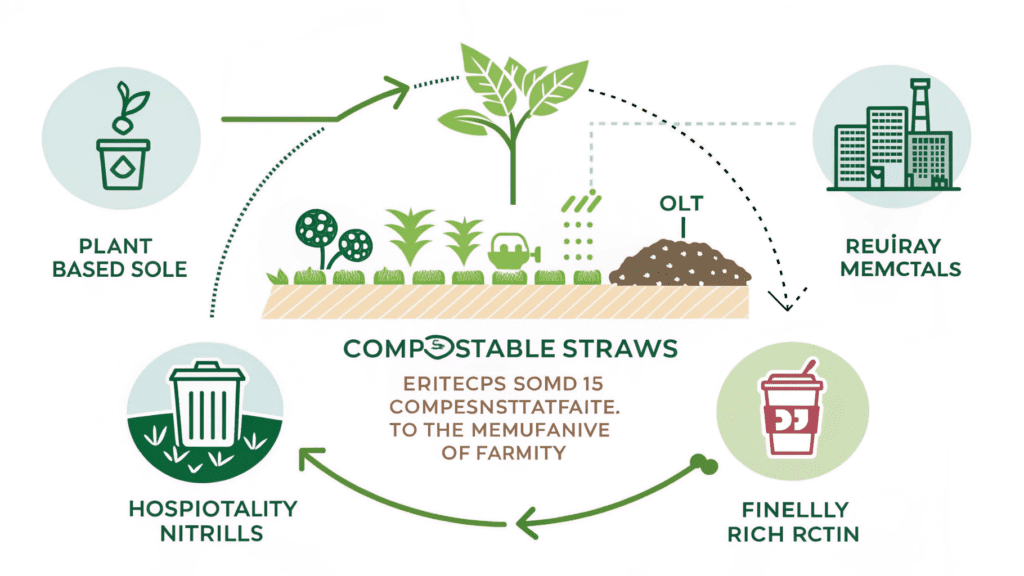
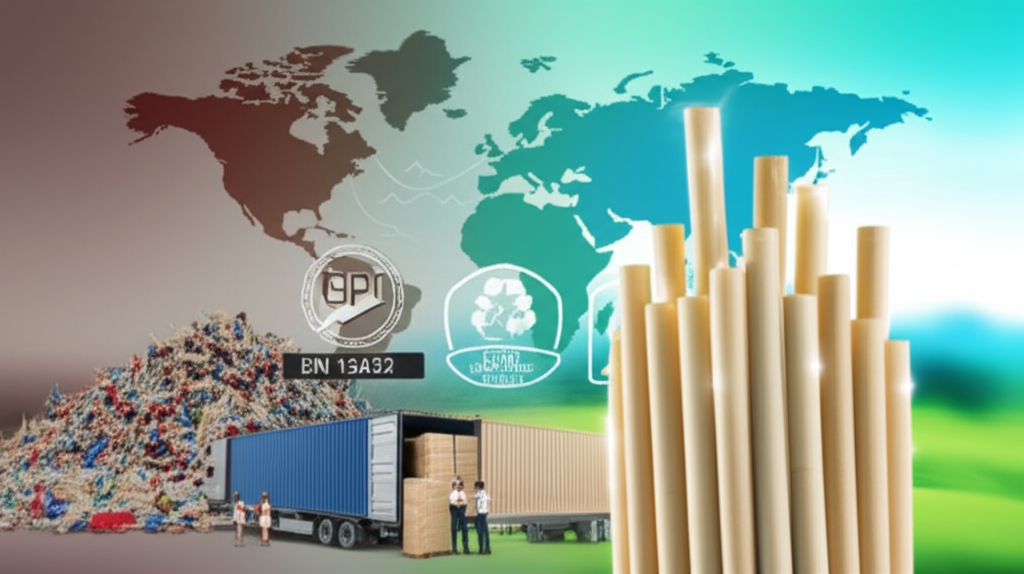
堆肥化可能なストローは、埋め立て地や海洋から廃棄物を転用し、栄養豊富な土壌として地球に戻すことができるため、循環経済の推進に大きく貢献します。これらの材料を再生可能資源、特に農業副産物から調達することで、持続可能な農業をさらにサポートし、化石燃料への依存を軽減します。このアプローチは廃棄物を貴重な資源に変え、ホスピタリティ サプライ チェーンでの材料使用のループを閉じます。
調達マネージャーやサプライチェーン幹部にとって、これは認定された透明性のあるサプライチェーンを優先することを意味します。材料が持続可能な方法で調達され、最終製品が厳しい堆肥化性と安全基準(PFAS フリーなど)を満たしていることを確認することが最も重要です。これらの原則に従うサプライヤーとの戦略的パートナーシップは、堆肥化可能なソリューションの真の環境上の利点を確保するために不可欠です。その方法を発見するBPI 堆肥化可能なストロー魅力的なものを提供するホスピタリティのコンプライアンスとROI解決。堆肥化可能なストローのイノベーションと責任ある調達により、循環性が促進され、ホスピタリティの持続可能性が高まります。
結論: 持続可能な未来のために、認定された堆肥化可能なわら材料を採用する
堆肥化可能なストローへの移行は、もはや単なる環境保護の願望ではなく、消費者の需要の高まり、規制情勢の進化、企業の社会的責任の否定できない必要性によって推進されている接客業および外食産業にとって、ビジネス上の重要な責務となっています。堆肥化可能な多様なわら素材、その特定の運用への影響、および厳格な認証要件を戦略的に理解することで、企業は情報に基づいた意思決定を行い、自社のブランドを守り、コンプライアンスを確保し、新たな市場機会を開拓することができます。認証済み、高性能、そして重要な PFAS フリーのオプションを優先することで、真の持続可能性が確保され、ブランドの評判が高まり、組織が環境責任のリーダーとしての地位を確立することができます。
今すぐ行動: 現在のわら調達戦略を評価し、市場アクセスが制限されたり消費者の信頼が損なわれる前に、規制の要求を満たし、持続可能性の目標を達成するために、認定された高性能の堆肥化可能なわら材料を使用することに取り組んでください。真の持続可能性、コンプライアンス、そしてブランドの評判を高めるために、認定された PFAS フリーの堆肥化可能なストローを採用してください。
よくある質問
接客業向けの「生分解性」ストローと「堆肥化可能」ストローの主な違いは何ですか?
堆肥化可能なストローは、管理された条件下で特定の時間枠 (例: 180 日) 内に天然成分に分解され、有毒な残留物を残さないことが証明されています。生分解性はより広範な用語であり、多くの場合規制されておらず、サービス業の廃棄物管理にとって重要な完全、タイムリー、または安全な分解の保証はありません。
EU と米国の規制は、食品サービスのサプライチェーンにおける堆肥化可能なストローの選択にどのような影響を及ぼしますか?
EU 使い捨てプラスチック指令 (2019/904) ではプラスチック製ストローが禁止されており、準拠した代替品は認定された堆肥化可能なストローのみとなっています。米国では、連邦政府による禁止措置は存在しませんが、多くの州や都市でも同様の禁止措置を設けており、罰則を回避し、食品サービスの市場アクセスを確保するために、認定された堆肥化可能な製品を奨励しています。
ホテルやカフェでサトウキビ (バガス) ストローに切り替える主な利点は何ですか?
サトウキビ (バガス) ストローは非常に丈夫で耐水性があり、多くの場合家庭で堆肥化可能で、30 ~ 90 日で分解されます。農業廃棄物由来の耐久性があり味に影響のないソリューションを提供し、ホテルやカフェの持続可能性のイメージを高め、埋め立て地への負担を削減します。
調達管理者にとって堆肥化可能なストローの PFAS をテストすることが重要なのはなぜですか?
PFAS (「永遠の化学物質」) は堆肥化可能であるという主張を損ない、無期限に残留し、健康上のリスクを引き起こします。調達管理者は、特に BPI 認定オプションの場合、真の環境保全性と消費者の信頼を確保するために、サードパーティの PFAS テストを要求する必要があります。
ホスピタリティ企業は、堆肥化可能なわらの調達を循環経済の原則に沿って確実に行うにはどうすればよいでしょうか?
再生可能資源、特に農業副産物から原料を調達する、認定された透明性のあるサプライチェーンを優先します。これにより、廃棄物が迂回され、化石燃料への依存が減り、製品が栄養豊富な土として確実に地球に戻り、材料使用のループが閉じられます。