食用革命: 堆肥化可能なストローは食べられるか?
A B2B Strategic Imperative for Hospitality & Foodservice

The global push to curb plastic pollution has fundamentally reshaped the landscape for businesses across the hospitality, foodservice, and retail sectors. With regulatory mandates intensifying and consumer demand for sustainable practices skyrocketing, the choice of seemingly simple items like drinking straws has become a critical strategic decision. Ignoring this shift carries significant operational and commercial risks, from non-compliance fines to eroding brand loyalty.
ストローを含むさまざまな使い捨てプラスチック製品を禁止する、2021 年 7 月に発効した欧州連合の画期的な使い捨てプラスチック指令を考えてみましょう。この法律は、米国およびその他の世界市場における規制や禁止の拡大を反映しており、恒久的な変化を示唆しています。企業はもはや単に好みに適応するだけではありません。彼らは法的義務と、真の環境に優しいソリューションを求める圧倒的な市場シグナルに対応しています。調達マネージャー、オペレーションディレクター、サステナビリティ責任者、サプライチェーン幹部にとって、「生分解性」、「堆肥化可能」、そして新たに登場した「食用」ストローのカテゴリー間の微妙な違いを理解することは、単に環境に優しいだけでなく、戦略的な調達、コンプライアンス、競争上の優位性にとって一か八かの必須事項です。Embracing sustainable straws is a strategic imperative for hospitality and foodservice to ensure compliance and competitive advantage.
The Evolving Landscape of Sustainable Straws
The pressure on businesses to adopt eco-friendly solutions directly impacts procurement and operational strategies. The global eco-friendly straw market is undergoing staggering growth, projected to reach nearly USD 25.1 billion by 2035 with a robust Compound Annual Growth Rate (CAGR) of 7.3%. This is driven by increasing environmental awareness, evolving consumer preferences, and bold corporate sustainability commitments from industry giants.
従来のプラスチック製ストローは、何百年も存続し、分解されて有害なマイクロプラスチックになるため、この決定的な変化を促進する環境上の責任となっています。課題は、紙、竹、PLA、PHA、そしてますます人気が高まっている食用の選択肢など、さまざまな代替品をどう扱うかにあります。それぞれに独自の特性、廃棄要件、ブランドの持続可能性の物語と収益への影響が伴います。これらの微妙な違いを理解することは、環境への責任と運用効率の両方を確保する情報に基づいた意思決定を行うために最も重要です。さまざまな環境に優しいオプションの詳細については、当社の包括的なガイドを参照してください。トップエコに優しい堆肥化可能なストローソリューション。The eco-friendly straw market is rapidly growing, demanding strategic procurement decisions for sustainable alternatives.

Can You Eat a Compostable Straw? The Definitive Answer on Edible Straws
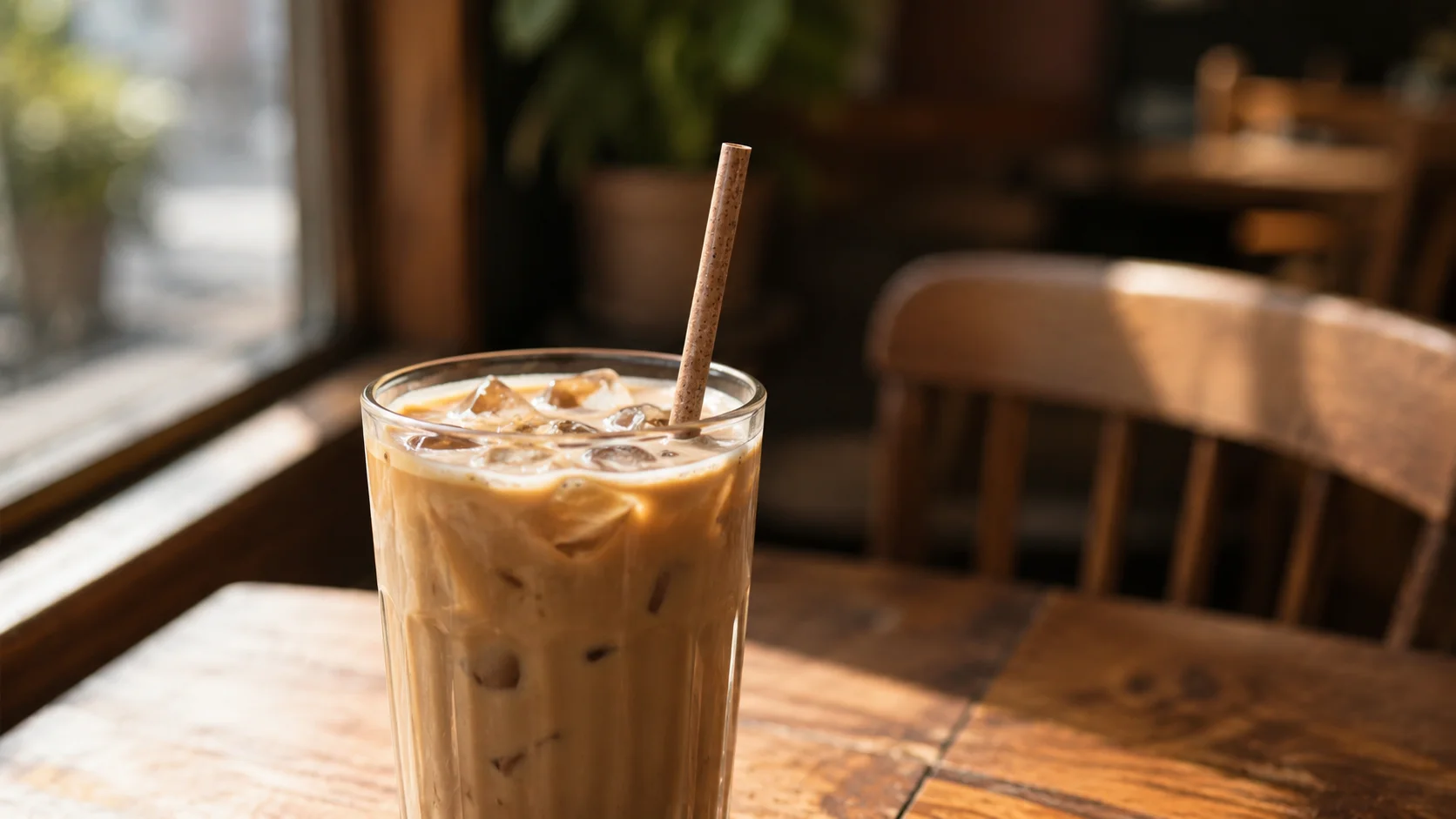
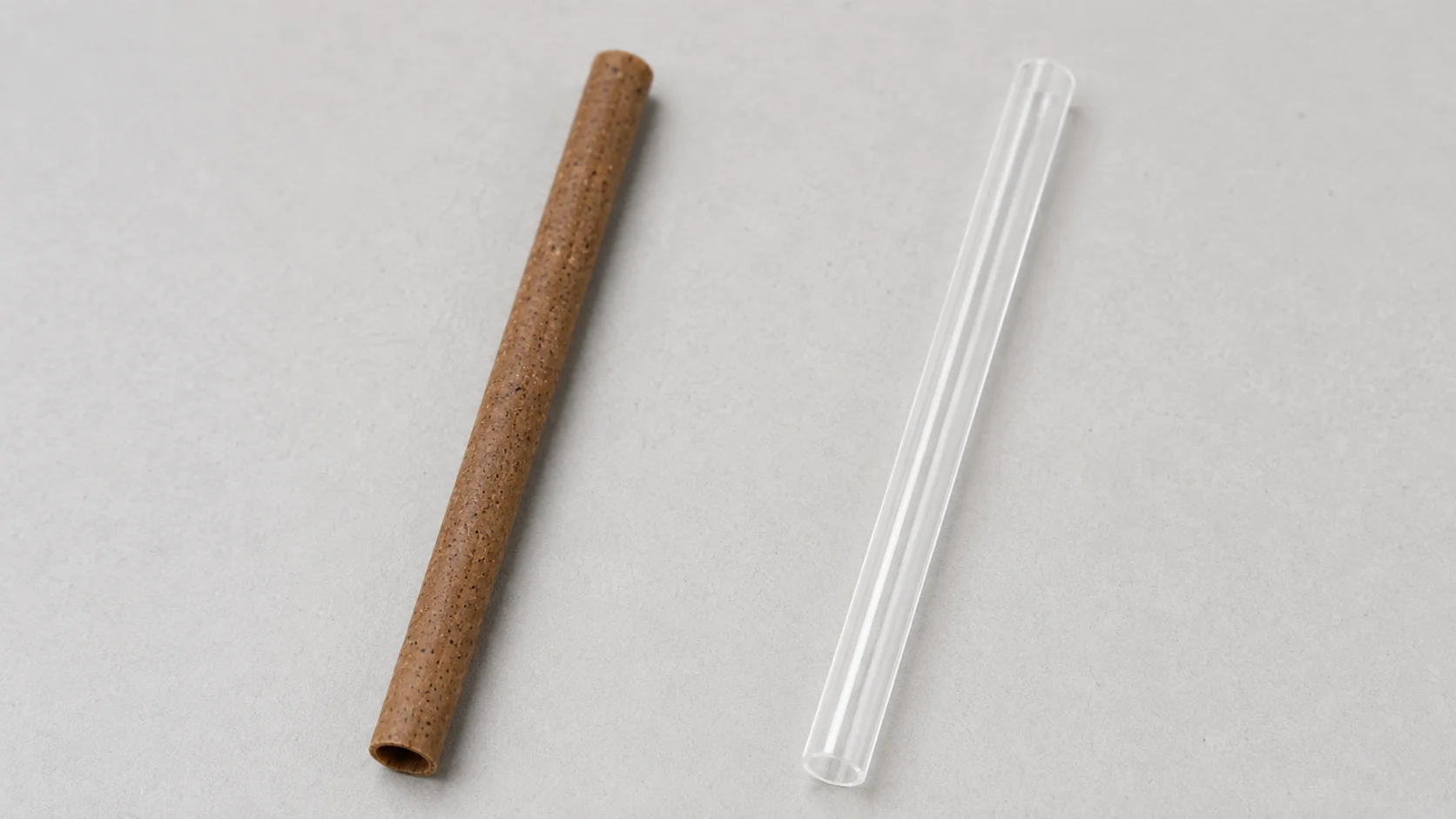
Yes, somecompostable straws使用後に消費されるように特別に設計されており、「廃棄物ゼロ」の理想の頂点を表しています。これらの革新的なソリューションは食品グレードの植物ベースの材料から作られており、廃棄物を発生源から排除する革新的な方法を提供します。
食用ストローの成分と安全性
食用ストローは主に天然の無毒な成分から作られており、BPA や PFAS などの有害な化学物質を含む可能性のあるプラスチックに代わるより健康的な代替品となります。一般的な材料には、米、タピオカ澱粉、トウモロコシ、パスタ、海藻、キビ、さらにはバナナやリュウゼツランの植物繊維廃棄物などがあります。たとえば、ベジストローのような製品は、摂取しても安全であることが明らかです。米国食品医薬品局 (FDA) は、生分解性の特性に注目して、使い捨てストローのベースポリマーとして機能する特定の食品接触物質を承認しました。さらに、IIT-Roorkee の画期的なキビベースのストローに代表されるように、一部の食用ストローはアレルゲンを含まず、追加の栄養価を提供します。 2023 年に開発されたこれらの化学物質を含まないストローには、繊維、タンパク質、必須微量栄養素が豊富に含まれており、PFAS は含まれていません。
食用ストロー採用の運用上の利点
- 廃棄物ゼロのオペレーションを達成する: ストローは消費されるか、すぐに分解されるため、廃棄物量が大幅に削減され、廃棄物流が合理化され、廃棄物管理コストが削減される可能性があります。
- ブランドイメージの向上: 食用ソリューションの採用は、環境管理への強い取り組みを示しており、環境意識の高い消費者、特に購買決定において持続可能性をますます重視するY世代とZ世代の共感を呼びます。
- ユニークな顧客エクスペリエンスを提供する: ライム、レモン、チョコレート、イチゴなどのフレーバー付きの食用ストローは、日常的な飲み物を魅力的で思い出に残る体験に変え、顧客の喜びを促進し、リピート ビジネスを促進します。この革新的なアプローチにより、競争市場でブランドを真に差別化できます。
食用ストローは、ホスピタリティやフードサービスにおいて廃棄物ゼロ、ブランドイメージの向上、ユニークな顧客体験を提供します。
非食用で堆肥化可能なストローを理解する: 消費を超えて
「堆肥化可能」という用語は、製品が有機物に分解される能力を示していますが、それが自動的に食用であることを意味するものではありません。多くのcompostable strawsare not intended for human consumption despite their eco-friendly properties. Ingesting non-edible compostable straws could pose choking hazards or digestive issues, as they are not formulated for human digestion. These include widely used materials such as paper, Polylactic Acid (PLA), and Polyhydroxyalkanoates (PHA), which are designed for industrial or home composting environments.
Material Science in Compostable Straws and Their Disposal
The effectiveness of compostable straws in mitigating environmental impact largely depends on proper disposal, which in turn is dictated by their material science:
- PLAストロー: Made from fermented plant sugars like corn starch, PLA straws resemble traditional plastic in look and feel. However, they require commercial composting facilities, typically needing high temperatures (e.g., 56-60°C for 60-90 days) for proper breakdown. Without these specific conditions, PLA can persist in landfills for hundreds of years, similar to conventional plastics.
- PHAストロー: Derived from renewable resources like canola oil or plant sugars, PHA straws are highly durable and are a premium sustainable solution. A key advantage of PHA is its ability to decompose in marine environments and home composts, offering broader environmental appeal and disposal flexibility. They are also certified BPA and PFAS-free.
- 紙ストロー: 紙ストローはほとんどの環境で急速に分解するため、コスト効率が高く、広く入手可能な選択肢です。ただし、企業は、真の堆肥化可能性と安全性を確保するために、プラスチック コーティングや有害な「永久化学物質」(PFAS)が含まれていないことを確認する必要があります。これは、一部の製造慣行にこれらが含まれているためです。
植物由来のストローの規制順守をナビゲートする
B2B の意思決定者にとって、複雑な規制環境に対処することは非常に重要です。 ASTM D6400 (米国) や EN 13432 (EU) などの業界標準への準拠は、認定された堆肥化可能な製品にとって非常に重要です。これらの基準により、製品が有害な残留物を導入することなく特定の時間枠内で分解および生分解されることが保証されます。北米の BPI (生分解性製品協会) やヨーロッパの TÜV OK 堆肥などの第三者認証は、分解の主張を検証し、調達チームに重要な保証を提供します。リサイクルの流れの汚染を防ぎ、持続可能性への取り組みが確実に効果的なものになるようにするには、指定された堆肥化容器への適切な分別と廃棄が不可欠です。認定された堆肥化可能なストローの調達に関する詳細については、当社のウェブサイトをご覧ください。堆肥化可能なストローに関する究極の B2B ガイド。Proper disposal and certification are crucial for non-edible compostable straws to ensure environmental impact and compliance.

Strategic Procurement: Comparing Sustainable Straw Options for B2B
Choosing the right sustainable straw involves balancing operational realities, compliance mandates, and long-term ROI. Here’s a comparative overview of key options:
| 特徴 | B2B運用上の影響 | コンプライアンスノート | ROIポテンシャル |
|---|---|---|---|
| 食用ストロー | Zero waste, enhances customer experience, novelty | Food-grade, often allergen-free, FDA approved, HACCP compliant | High brand differentiation, reduced waste disposal costs, premium appeal |
| プラストロー | Durable in cold drinks, resembles traditional plastic | Requires industrial composting facilities (ASTM D6400/EN 13432 certified) | Cost-effective compostable option, but disposal logistics (e.g., access to industrial composting) are key |
| PHAストロー | Strong, durable, marine degradable, resists sogginess | Home compostable, Lomi-approved, BPA/PFAS-free, broad environmental breakdown | Premium sustainable solution, strong environmental claim, wider disposal options |
| 紙ストロー | Cost-effective, widely available | Often home compostable; check for PFAS/plastic coatings for true compostability | Low initial cost, but potential for customer dissatisfaction (sogginess) and brand risk if quality is poor |
Selecting sustainable straws requires balancing operational impact, compliance, and long-term ROI for B2B success.

The Compelling Business Case for Edible Straws
The global食用ストローmarket was valued at USD 209.03 million in 2020 and is projected to reach USD 446.96 million by 2030, demonstrating a Compound Annual Growth Rate (CAGR) of 10.14%. This robust growth signals a permanent, foundational shift in procurement for hospitality and foodservice, driven by increasing environmental awareness and stringent regulations. Strategic adoption aligns with corporate sustainability commitments and enhances brand reputation, attracting new customers and cementing market leadership.
Real-World Innovation in Edible Straws
Real-world applications showcase the potential of edible straws. A notable example comes from India. In 2023, researchers at IIT-Roorkee developed chemical-free, nutritious millet-based食用ストロー. These innovative straws are rich in fiber, protein, and essential micronutrients, are allergen-free, and offer superior heat resilience compared to some alternatives. This development exemplifies how perceived constraints can drive profound product innovation and market interest. As Scott Sonenshein, a professor of management at Rice Business, aptly notes, businesses can often “find a better way because of the constraint,” turning environmental challenges into opportunities to make products more appealing and sustainable.
Overcoming Challenges and Maximizing ROI with Plant-Based Straws
While initial perceptions might highlight challenges like shelf life or brittleness, significant advancements are mitigating these concerns:
- Addressing Shelf Life: Many edible straws now boast a stable shelf life of approximately two years when stored in dry conditions, comparable to traditional straws.
- Mitigating Brittleness: Ongoing material science innovation, such as composite crosslinked starch straws, demonstrates improved mechanical strength and water resistance, ensuring durability throughout their use.
- Cost Efficiency: While initially higher in cost compared to conventional plastic, the projected market growth and economies of scale are expected to significantly reduce prices. Furthermore, the tangible benefits—such as reduced waste disposal costs, enhanced brand value, and competitive differentiation—contribute to a compelling return on investment.
食用ストローは、市場の成長、イノベーション、大きな ROI の可能性によって強力なビジネスケースを提供します。

堆肥化可能なストローと持続可能なイノベーションの未来
The trajectory of sustainable straws is one of continuous innovation and strategic adaptation. Ongoing Research & Development (R&D) is keenly focused on enhancing critical properties like water resistance and thermal stability, aiming for an ideal performance range of 20°C-80°C. Innovations are exploring diverse bio-based materials, including arrowroot starch, bacterial cellulose, and lignin, to create straws that are flexible, non-soggy, and stronger than current alternatives.
Plastic Kills キャンペーンの創設者である専門家のマヌエル・マクエダ氏は、規制によって持続可能な代替品のイノベーションが広く支持されており、プラスチック汚染の「清算の日」が来ていると指摘しています。この勢いを反映して、より広範な環境に優しいストロー市場は、2035 年までに 251 億米ドル近く(CAGR 7.3%)に達すると予測されています。 B2B セクターは、規制環境の変化と消費者の期待の高まりに戦略的に適応する必要があります。今後のトレンドには、新しい高性能バイオベースポリマーのための AI を活用した材料研究や、無害に生分解する真に海洋に安全なソリューションの開発が含まれます。こうした変化を予測している企業は、市場のリーダーとして最適な立場に立つことができます。に対する私たちの洞察SIP の未来: 堆肥化可能なストローが現代のレストランに必須である理由これらの傾向をさらに深く掘り下げます。Future innovations in compostable straws will focus on enhanced performance and ocean-safe biodegradation, driven by regulatory shifts.
Competitive Advantage & Business Case
For forward-thinking procurement managers, operations directors, and sustainability officers, integrating edible and advanced compostable straws is a strategic move that transcends mere compliance. It offers tangible, quantifiable benefits:
- コスト削減: Reduced waste disposal fees from adopting zero-waste edible solutions directly impact operational budgets.
- リスクの軽減: Proactive compliance with evolving plastic bans and environmental regulations safeguards your business against penalties and negative public perception.
- ブランド価値の向上: A demonstrable commitment to sustainability enhances brand reputation, appeals to a rapidly growing segment of eco-conscious consumers, and fosters deeper customer loyalty. This translates into increased market share opportunity and a stronger competitive position. Your brand becomes a leader, not a follower, in the sustainable economy.
Adopting sustainable straws offers cost savings, risk mitigation, and significant brand value uplift for businesses.
結論
Edible straws represent a pinnacle of sustainable innovation within the broader compostable category, offering a unique, zero-waste solution that directly addresses the pressing challenge of plastic pollution. For procurement managers, operations directors, and sustainability officers, integrating these solutions presents not only a clear pathway to regulatory compliance but also a significant opportunity to bolster brand reputation, reduce environmental impact, and enhance the customer experience. This is a chance to move beyond mere compliance and embrace a strategic differentiator that will define market leaders in the coming decade.
Elevate your brand’s sustainability profile and captivate eco-conscious consumers. Evaluate edible straw solutions today to lead the shift towards a truly circular economy in your supply chain.Edible straws offer a unique, zero-waste solution, providing a strategic differentiator for market leadership.
Explore Sustainable Straw Solutions Today
よくある質問 (FAQ)
Q: Are edible straws safe for all customers, including those with allergies?
A: While many edible straws are designed to be allergen-free (e.g., millet-based), it’s crucial to verify the specific ingredients of any product you procure. Always check certifications and supplier information to ensure they meet your customers’ dietary needs and safety standards.
Q: How do edible straws impact waste management costs for hospitality businesses?
A: Edible straws can significantly reduce waste disposal costs by eliminating straw waste entirely if consumed, or by biodegrading rapidly if composted. This streamlines waste logistics and can lead to savings on landfill fees and waste collection services.
Q: What is the shelf life of edible straws, and how should they be stored in a commercial setting?
A: Most edible straws have a stable shelf life of approximately two years when stored in dry, cool conditions, similar to traditional straws. Proper storage in sealed containers away from moisture and direct sunlight is recommended to maintain their integrity.
Q: Are there any specific regulations for edible straws in the EU, US, or Asia-Pacific regions?
A: Edible straws fall under food safety regulations, such as FDA approval in the US and HACCP compliance globally, ensuring they are safe for consumption. They also align with broader single-use plastic bans by offering a zero-waste alternative.
Q: How do edible straws compare in cost to traditional plastic or paper straws for bulk B2B orders?
A: While initial unit costs for edible straws might be slightly higher than conventional plastic or basic paper straws, their long-term value includes reduced waste disposal fees, enhanced brand reputation, and increased customer loyalty, leading to a compelling ROI. Economies of scale are also reducing prices.