APAC のストロー禁止を乗り切る: 輸入業者が市場で優位に立つための戦略ガイド
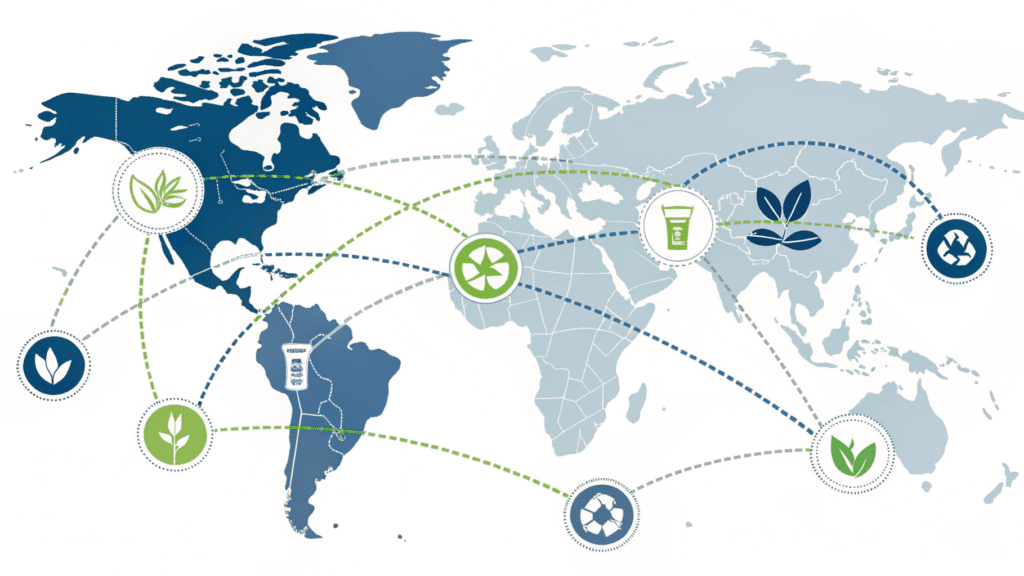
アジア太平洋 (APAC) 地域は、環境政策と市場の進化において重要な岐路に立っています。差し迫った世界的なプラスチック危機を受けて、急速な規制対応がアジア太平洋地域全体に広がっており、ストローを主な焦点として使い捨てプラスチック(SUP)製品を直接ターゲットにしています。この法律制定の動きは、輸入に依存している企業にとって市場力学を大きく再構築しており、重大な課題と比類のない機会の両方をもたらしています。
2021 年の世界のプラスチック廃棄物の半分以上、つまり 2 億トンという驚異的な量がアジア太平洋地域で発生していることから、変化が急務であることは否定できません。この環境負荷は、毎日約 120,000 人が都市中心部に移住する急速な都市化によって悪化し、経営上および商業上に深刻な影響を及ぼしています。アジア太平洋地域だけでのプラスチック汚染は、観光業、漁業、海運業に年間13億米ドルの経済的損害を与えると推定されています。輸入業者にとって、これらの変化を深く積極的に理解することは、単にコンプライアンスを遵守することだけではありません。これは、市場シェアを維持し、収益性を確保し、急速に変化する状況の中で回復力のあるサプライチェーンを構築するために非常に重要です。
アジア太平洋における規制情勢の変化: アジア太平洋地域のストロー禁止の推進
アジア太平洋地域の政府および政府間組織は、ストローを含む使い捨てプラスチック製品を禁止または制限する強力な政策やキャンペーンを積極的に実施しています。この広範な法律の推進が、代替材料に対する需要の高まりの背後にある主な推進力であり、輸入業者は調達と製品ポートフォリオの根本的な再評価を余儀なくされています。重要なのは、サプライチェーンの混乱を事前に回避し、高額な罰金を回避し、業務の継続性を維持するには、特定の国レベルの規制と、段階的に実施されることが多い規制の発効日について細心の注意を払って情報を入手し続けることが最も重要です。
APAC における規制の勢いは、極めて重要な世界的出来事によって大きく影響を受けています。 2018年に施行された中国の「国家刀」政策は、プラスチックを含む24種類の固形廃棄物の輸入を禁止した。この思い切った措置は世界中に反響を呼び、プラスチック廃棄物の流れをインドネシア、マレーシア、ベトナム、インド、台湾、タイなど他の東南アジア諸国に迂回させた。この変化は、当初はインフラの不備によりこれらの受入国に環境問題を引き起こしましたが、最終的には自国独自のより厳格な輸入規制と国内のSUP禁止の制定に拍車をかけました。例えば、タイは2025年までにプラスチックスクラップの輸入を段階的に禁止し、最終的には全面禁止を計画しており、輸入業者が現地または準拠した地域サプライチェーンを確保することが不可欠であるとさらに強調している。

地域の勢い: 使い捨てプラスチック (SUP) を超えて
アジア太平洋地域における規制の推進はプラスチック製のストローをはるかに超えており、環境管理に対する広範な取り組みを示しています。主要国は野心的な目標を設定し、包括的な行動計画を実施しています。
- インドネシア は、2025 年までに海洋プラスチックごみを 70% 削減することを目標とする野心的な国家行動計画を持っています。この取り組みは、2021 年までに消費量を 42% 減少させるジャカルタのレジ袋禁止など、地元の取り組みによって支えられています。
- 中国 は、2021年末までに全国のケータリング業界で使い捨てプラスチックストローの使用を禁止し、より広範なプラスチック禁止は2025年まで段階的に展開され続ける。
- インド 米国は2022年にストローを含む使い捨てプラスチックの全国的な禁止を実施した。この動きは大きな変化をもたらし、特に、規格に準拠した代替品のコスト上昇により、利益率の低い小パックのソフトドリンクの収益性に影響を与えている。
- マレーシア は2018年にプラスチックストローの禁止を課し、2018年から2030年までの使い捨てプラスチックゼロの達成に向けた包括的なロードマップを概説した。
- の フィリピン 下院はストローやかき混ぜ棒を含むさまざまな使い捨てプラスチック製品の禁止を可決したが、この指定に対する政府の直接の行動はまだ完全には実現していない。
- シンガポール phased out plastic straws from over 270 food and beverage (F&B) outlets by July 2019, with many businesses proactively removing them or providing them only upon request.
- 韓国 同社はプラスチック製ストローの禁止で課題に直面しており、政府は「通知期間」を無期限延長し、代替品に投資していた国内の紙製ストローメーカーに影響を与えている。
- ベトナムの 持続可能な消費と生産に関する国家行動計画は、サプライチェーン全体に環境に優しい包装を統合し、流通業者、小売業者、サプライヤー間の協力を促進することにより、SUP を制限することに重点を置いています。
これらの地域的な取り組みは、明らかに不可逆的な傾向を強調しています。APAC市場ではプラスチック製のストローが急速に時代遅れの商品になりつつあり、輸入業者にとって積極的な適応が戦略的義務となっています。
拡大生産者責任 (EPR) スキーム: 規制上の義務
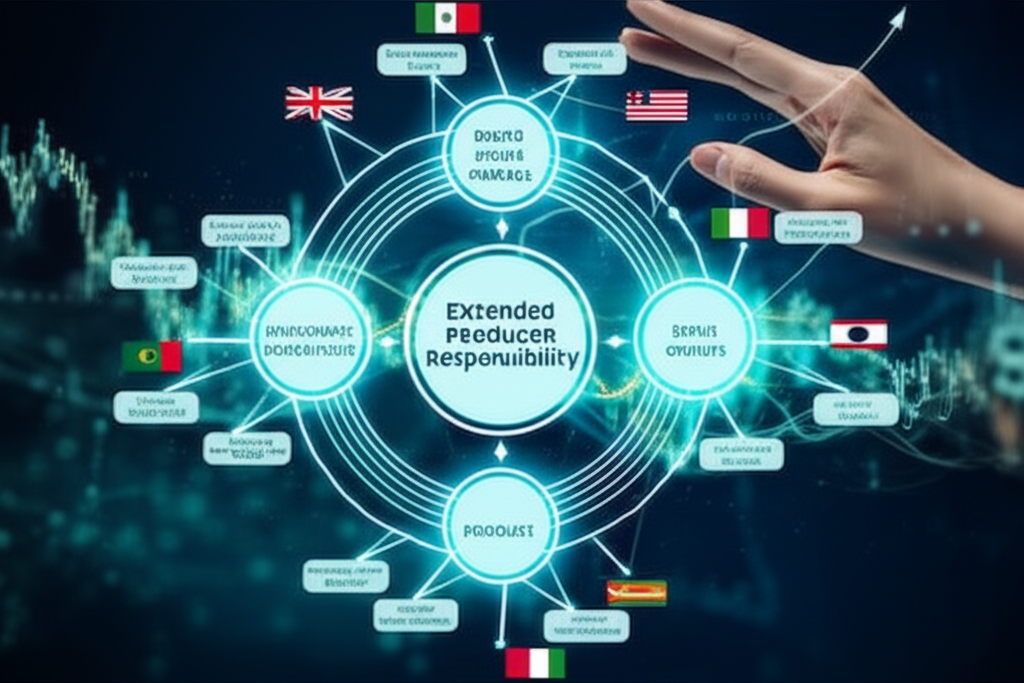
完全な禁止を超えて、拡大生産者責任 (EPR) 制度はアジア太平洋地域全体で大きな勢いを増しており、包装廃棄物に対する企業の責任を根本的に再構築しています。 EPR スキームは、ブランド所有者、小売業者、流通業者、輸入業者を含む企業に、製品およびパッケージの耐用年数終了管理に対する財務的責任を法的に課します。これらの制度はヨーロッパやアメリカでは一般的ですが、アジア太平洋地域では比較的新しいものであり、企業は年間の包装材消費量を報告し、多くの場合、事前に定められた削減目標を通じて、廃棄物が責任を持って管理されるようにする必要があります。違反すると多額の罰金や法的影響が生じる可能性があり、輸入業者にとってはさらに複雑さが増します。
APAC における注目すべき EPR の発展には次のものがあります。
- マレーシア は、EPR ポリシーを自主的なものから強制的なものへと積極的に移行しており、2026 年までに完全な実施が計画されています。これは、バリューチェーン全体で責任を共有する方向への具体的な移行を示しています。
- の フィリピン' 2022 年 EPR 法は、プラスチック包装廃棄物の回収割合を増やし、2023 年 12 月 31 日までに 20% から始まり、2028 年末までに 80% まで回収することを企業に義務付けています。
- シンガポール は、2025年4月から、0.10シンガポールドルの保証金を伴う、包装済み飲料容器(プラスチックおよび金属製)の保証金返還制度を導入する予定である。この制度では、大手スーパーマーケットに返却ポイントの設置が義務付けられ、回収とリサイクルについては飲料会社に直接責任が課されることになる。
These evolving EPR frameworks require importers to not only manage the influx of goods but also consider the entire lifecycle of the packaging, pushing them towards more sustainable sourcing and product design.Proactive understanding of APAC regulations is crucial for importers to avoid disruptions and maintain market share.
Market Dynamics: Why Sustainable Alternatives are Crucial for Importers to Stay Ahead
厳しい規制とプラスチック汚染に対する消費者の意識の高まりにより、アジア太平洋地域では環境に優しい製品に対する前例のない需要が生まれています。この変化は単なるニッチな傾向ではありません。それは主流の現象です。消費者の 80% が環境に優しい製品を積極的に好み、持続可能な調達を CSR イニシアチブから重要な市場の差別化要因に変えています。食品サービス、機関、および家庭部門は持続可能な代替品を急速に採用しており、積極的な輸入業者がこの変化を利用して実質的な競争上の優位性を獲得する重要な機会を提供しています。
環境に優しい包装に対する需要の急増: 1,243 億 6,000 万ドルのチャンス
この変化の経済規模は驚異的です。 APACの環境に優しい包装市場は、この分野で世界で最も急速に成長する市場としてのこの地域の地位に牽引されて、2030年までに1,243億6,000万米ドルに達すると予測されており、2030年までのCAGRは11.21%と予想されます。この成長は明確な消費者心理に支えられており、APACの回答者の86%が持続可能な生産と包装が重要であると考えています。
この需要の急増を促進する主な要因は次のとおりです。
- Rapid Urbanization: 毎日約 120,000 人が新たに都市に居住し、密集した都市中心部ではプラスチックの消費と廃棄物の発生が増加しており、同時に便利でありながら持続可能な包装の需要が高まっています。
- 電子商取引の成長: 急成長を遂げている電子商取引分野は、2030 年に向けて 12.89% の CAGR で加速しており、パッケージングに大きく依存しています。このため、輸送に伴う廃棄物と二酸化炭素排出量を最小限に抑えるための、軽量かつ効率的で、ますます持続可能なソリューションを求める大きなプレッシャーが生じています。
- 企業の持続可能性への取り組み: 大手企業は持続可能性を自社の中核戦略に組み込んでいます。たとえば、ペプシコ社は、2025 年までに 98% をリサイクル可能、堆肥化可能、または再利用可能な包装にすることを目指しており、輸入業者を含むサプライチェーンパートナーに明確な軌道を示しています。
This confluence of factors underscores that the move towards eco-friendly packaging is a robust, long-term market trend, not a fleeting fad.
The Imperative for Sustainable Straw Alternatives
プラスチックストローが広範な禁止に直面しているため、輸入業者は持続可能な代替品の多様なポートフォリオに方向転換する必要がある。各素材には、独自の利点と考慮事項があります。
- 紙ストロー: 紙ストロー市場は、その生分解性と費用対効果により、大幅な成長が見込まれています。イノベーションには、一般的な消費者の好みに対応する、曲げ可能なオプションが含まれます。
- 植物由来のストロー (PLA、PHA): コーンスターチやサトウキビなどの再生可能資源から作られたこれらのストローは、従来のプラスチックの感触を模倣しています。世界のバイオベースプラスチックの生産量は2010年以来2倍以上に増加しており、2023年に製造された218万トンのうち半分近くが包装に使用されている。しかし、多くの PLA オプションでは適切に分解するための産業用堆肥化施設が必要ですが、APAC の大部分ではまだその施設が限られています。
- 再利用可能なオプション (金属、ガラス、シリコン): これらは企業に長期的なコストの大幅な削減をもたらし、耐久性にも優れています。金属製のストロー(ステンレス鋼など)は掃除が簡単ですが、シリコン製のストローは柔軟性があり、子供に優しいです。
- 新たなイノベーション: The market is witnessing exciting advancements in “hyper-compostable” and marine-degradable options, including edible straws (100% plant-based, offering a unique consumer experience), hay straws (made from wheat plant stems, inexpensive and biodegradable), and grass or seaweed straws for niche applications.
Importers must carefully evaluate the environmental impact, economic viability, social acceptability, and specific regional regulatory requirements for biodegradability or compostability when selecting these alternatives.
Cost and Quality Realities for Importers
While the transition to sustainable straws is essential, it comes with distinct cost and quality realities that importers must meticulously manage. Sustainable straws are typically3-4 times more expensive to produce従来のプラスチック製のものよりも優れています。この大幅なコスト増加は、2022年のSUP禁止後のインドで観察されたように、小さなパック(例:100~330mlのソフトドリンク)などの低利益率の大量生産商品に不釣り合いな影響を及ぼし、大衆市場での魅力に影響を与える可能性があります。
コストだけでなく、パフォーマンスも重要な要素です。たとえば、初期世代の紙ストローは耐久性の問題に悩まされることが多く、液体中で 30 分未満で圧縮強度の 70 ~ 90% が失われ、重量の約 30% が吸収されてしまいます。このようなパフォーマンスの制限により、顧客エクスペリエンスが低下し、消費率が増加する可能性があります。しかし、防水コーティング、材料の混合、耐久性のある設計の進歩により、環境に優しいオプションの機能性と認識される価値が継続的に向上し、以前の品質上の懸念が軽減されています。輸入業者は、広く普及し顧客満足を確保するために、製品の品質と性能の維持とコスト競争力のバランスを厳密にとらなければなりません。Sustainable alternatives are crucial for importers to meet surging demand and gain competitive advantage.
Strategic Imperatives for Importers to Navigate APAC Straw Bans
To thrive amidst the evolving APAC straw bans, successful importers must move beyond mere compliance and proactively adapt to regulatory shifts and evolving consumer preferences. Building resilient, diversified supply chains and embracing circular economy principles are no longer optional but critical for long-term success and competitive advantage.
Building Supply Chain Resilience and Diversification
The vulnerabilities exposed by global disruptions, such as the COVID-19 pandemic, have underscored the imperative for robust supply chain resilience. For importers in APAC, this translates into strategic adjustments:
- Localizing Sourcing: Prioritizing sourcing within the same country or region strengthens partnerships, reduces lead times, and mitigates risks associated with international trade complexities, including unpredictable import bans. For instance, Thailand’s phased ban on plastic scrap imports by 2025 further emphasizes the need for domestic or regional compliant sustainable production.
- Diversify Supply Sources: To minimize dependence on single points of failure or regions with rapidly changing regulations, importers should strategically diversify their supply sources to include multiple regions known for robust, compliant sustainable production.
- Collaborate Across the Value Chain: Partnering with manufacturers, raw material suppliers, and even waste management companies across the value chain is essential. Such collaboration can accelerate the scaling of sustainable innovation, address plastic pollution challenges more effectively, and ensure a steady supply of compliant alternatives.
Due Diligence and Certification for Compliant Imports
As the market shifts to new materials, rigorous due diligence becomes paramount. Importers must verify supplier certifications for the safety and quality of eco-friendly materials, ensuring they meet stringent regional and national standards. For example,Japan’s positive list for food-contact recycled resins will enter force in June 2025, requiring importers to ensure their products comply with these new material safety guidelines. Adhering to national guidelines for food-contact plastics, including stringent safety measures, testing protocols, and traceability requirements, is crucial to avoid market access issues and protect brand reputation. Transparency in sourcing and material composition is increasingly expected by both regulators and consumers.
Embracing the Circular Economy APAC Model
Moving beyond single-use consumption towards a circular economy model is a fundamental shift that positions businesses for long-term success. The United Nations has prioritized the circular economy for plastics since 2018, underscoring its global importance. For importers, this involves:
- Product Redesign: Focusing on designing products with recyclability and reusability from the outset. This means selecting materials that can be easily reintegrated into the production loop, minimizing waste and resource depletion.
- Eliminating Unnecessary Items and Over-packaging: A critical step is to reduce the overall volume of plastic waste by streamlining packaging designs and eliminating superfluous components. This not only aligns with environmental goals but can also yield cost savings in materials and logistics.
- Promoting Reuse Systems: Where feasible, importers should explore and promote business models that facilitate reuse. This might involve supplying durable, reusable items or collaborating with partners on take-back and refill programs, contributing to a truly closed-loop system.
これらの戦略的責務には多大な先行投資と長期的なビジョンが必要ですが、進化するAPAC市場での持続可能な事業運営には不可欠です。輸入業者がアジア太平洋地域で長期的に成功するには、回復力のあるサプライチェーンを構築し、循環性を受け入れることが重要です。
ケーススタディ: APAC のストロー禁止に直面した積極的な適応
プラスチック製ストローの禁止に対する世界的な食品サービス大手の積極的な対応は、アジア太平洋地域で同様の変化に直面している輸入業者にとって、強力な実例となる。これらの企業は、消費者や規制当局からの計り知れないプレッシャーに直面しており、早期適応の具体的な成果と、自社の広大なサプライチェーンへの波及効果を実証しています。

Starbucks and McDonald’s Global Commitments (2018-2025):
In a landmark move,Starbucks announced the elimination of single-use plastic straws from all of its 28,000 stores globally by 2020. This initiative involved offering innovative strawless lids or transitioning to alternative materials, directly influencing their global network of suppliers to adapt. This decision, driven by both environmental responsibility and consumer preference, showcased how a major player could drive significant market shifts.
Similarly,マクドナルドhas been actively testing various plastic straw alternatives and has set an ambitious goal for 100% of its guest packaging to be sourced from renewable, recycled, or certified materials by 2025. This commitment sends a clear signal throughout their extensive supply chain, urging manufacturers and importers to innovate and provide sustainable options.
In Japan,Skylark, a major restaurant chain operator, took a significant step by banning disposable plastic straws from all its outlets by 2020, starting with its “Gusto” restaurants in 2018. This action by a prominent regional player underscores the localized momentum of the shift away from single-use plastics.
大手食品サービス企業によるこうした行動は、輸入業者にとって重要な教訓を浮き彫りにしている。市場の需要は急速に変化しており、サプライヤーの積極的な適応は有利であるだけでなく、大規模なパートナーシップと市場との関連性を維持するために不可欠であるということだ。これらの取り組みにより、準拠した高品質で持続可能なストロー代替品に対する即時大量の需要が生まれ、輸入業者が移行を主導するよう奨励されています。主要な外食サービスブランドは、市場との関連性のためにはストロー禁止への積極的な適応が不可欠であることを実証しています。
比較表: 輸入業者向けの戦略的ストロー代替品
輸入業者にとって、適切な代替ストローを選択することは、パフォーマンス、コスト、コンプライアンスのバランスを考慮した重要な決定です。次の表は、戦略的オプションの比較概要を示しています。
| 特徴 | B2B運用上の影響 | コンプライアンスノート | ROIポテンシャル |
|---|---|---|---|
| 紙ストロー | Wide availability, lower initial cost; durability issues (70-90% strength loss in 30 min, 30% liquid absorption). | Biodegradable; check for PFAS (Per- and Polyfluoroalkyl Substances) content and local compostability regulations. | Medium; high volume sales, but lower perceived value, high consumption rate due to performance. |
| 金属ストロー | Higher upfront cost; requires cleaning and storage infrastructure for reuse; inventory management. | Reusable, highly durable; generally compliant across regions for long-term use. | High; significant long-term cost savings for businesses that can implement reuse programs; premium market appeal. |
| PLA/PHA Straws | Similar feel to traditional plastic; requires specialized industrial composting facilities for proper degradation. | Biodegradable, but industrial composting infrastructure is limited in APAC, creating disposal challenges. | Medium; appeals to eco-conscious consumers, but true circularity is infrastructure-dependent. |
| 竹ストロー | Natural aesthetic, reusable/biodegradable; quality can vary significantly between suppliers; potential for splintering. | Biodegradable, natural product; ensure sustainable sourcing practices and proper hygiene for reuse. | Medium; niche market appeal, potential for unique brand positioning tied to natural materials. |
| 食用ストロー | Unique consumer experience; eliminates post-consumer waste entirely; currently higher cost. | 100% plant-based, hyper-compostable, marine-degradable; generally aligns with most strict bans. | High; strong brand differentiation and innovation leader; eliminates post-consumer waste management. |
Importers should consider a multi-material strategy to cater to diverse client needs and regional regulatory variations.Choosing the right straw alternative balances performance, cost, and compliance for importers.
Overcoming Challenges and Maximizing Opportunities for Importers
While the rapid implementation of straw bans and broader plastic regulations presents clear challenges for importers, it simultaneously unlocks significant new market opportunities for adaptive players. Early movers in the sustainable straw market can establish strong, long-term relationships with key customers and gain a formidable competitive advantage. Successfully navigating the financial implications and addressing critical infrastructure gaps requires strategic planning, collaborative partnerships, and a commitment to long-term vision over short-term gains.

Addressing Infrastructure Gaps and Data Limitations
One of the most significant systemic challenges in APAC is thelack of robust waste management infrastructurefor collection, sorting, and recycling, particularly in emerging markets like India and Indonesia. This deficiency means that even if a product is technically recyclable, it may end up in landfills or polluting waterways due to inadequate systems. Many single-use plastics, including straws, are too small to be efficiently collected by existing systems, or they simply end up in the ocean from landfills.
さらに、limited data on the economic and social impact of plastic banshinders evidence-based policymaking. Policymakers struggle to quantify the full effects or design optimal interventions when comprehensive data on consumer behavior, industry adaptation costs, or the environmental benefits (such as reduced microplastic ingestion by marine life) is scarce. The prevalence of informal waste picking, especially for low-value flexible plastics like sachets, further complicates tracking and contributes to poor official recycling rates. Addressing these infrastructure and data gaps requires significant investment and concerted effort from governments, industry, and civil society.
Financial Implications and Investment
The transition to sustainable alternatives carries notable financial implications. As highlighted earlier, sustainable straws are typically 3-4 times more expensive than traditional plastic ones. This cost increase is not easily absorbed, especially for mass-market products with thin margins. In India, for example, the ban on plastic straws significantly impacted the soft drink industry, particularly sales of small packs (100ml-330ml), which contributed 35.1% of the overall soft drink volume in 2021. The higher cost of compliant straws could affect the affordability and mass-market appeal of these products.
However, this challenge simultaneously creates a compelling case for investment.Government support, including subsidies and incentives, can play a pivotal rolein promoting technological innovation and fostering the development of new, more affordable plastic straw substitutes and manufacturing capacities domestically. For importers, this may mean strategic investments in R&D partnerships, supply chain localization, or even direct manufacturing capabilities to reduce reliance on more expensive imported sustainable alternatives. Embracing sustainable practices can also lead to long-term cost savings through reduced waste disposal fees, improved resource efficiency, and enhanced brand value that commands premium pricing or secures preferential partnerships.Importers can overcome challenges by addressing infrastructure gaps and strategically investing in sustainable alternatives.
Conclusion: Proactive Positioning in the Evolving APAC Market
The landscape of APAC straw bans is undergoing a rapid and irreversible transformation, driven by increasingly stringent environmental regulations and an undeniable surge in consumer demand for sustainable alternatives. This dynamic environment presents a clear mandate for importers: proactive adaptation is no longer a choice but an imperative for long-term viability and success.
Importers who strategically adapt their supply chains, prioritize the diversification of their product offerings with eco-friendly alternatives, and fully embrace circular economy principles will not only ensure seamless compliance with evolving regulations but also secure a significant, defensible competitive advantage. This strategic shift is crucial for mitigating risks, unlocking new market opportunities, enhancing brand reputation, and ensuring sustained profitability in the burgeoning and increasingly eco-conscious APAC market.Proactive adaptation and diversification are crucial for importers to thrive in APAC’s evolving eco-conscious market.
Ready to Lead the Shift?
Assess your current supply chain and collaborate with sustainable manufacturers to lead the shift in APAC’s eco-conscious market. Explore our comprehensive guides for deeper insights:
Reusable Straw Solutions for Bars & NightclubsNavigating EU Single-Use Plastics DirectiveGuide to Sustainable Boba Straw Alternatives
よくある質問 (FAQ)
How do APAC straw bans impact my existing import contracts?
What are the most cost-effective sustainable straw alternatives for high-volume foodservice operations?
How can importers ensure their sustainable straw alternatives meet regional biodegradability standards?
Rigorous due diligence is essential. Verify supplier certifications (e.g., for industrial composting or marine degradability) and consult local regulatory bodies for specific country-level requirements and testing protocols.
What is Extended Producer Responsibility (EPR) and how does it affect importers in APAC?
Are there government incentives or subsidies for importers transitioning to sustainable packaging in APAC?