流れは変わった。調達マネージャー、オペレーションディレクター、サステナビリティ責任者、サプライチェーン幹部にとって、問題はもはやビジネスが使い捨てプラスチックから移行すべきかどうかではなく、どのように迅速かつ戦略的に移行するかということです。環境管理と厳格な規制変更という紛れもない世界的要請により、安価で便利なプラスチック製ストローの時代は終わりに近づいています。から欧州連合の使い捨てプラスチック指令2021年に発効し、シアトルやカリフォルニアを含む米国全土で画期的な州レベルの禁止令に至るまで、企業は早急な対応が求められる、進化するコンプライアンスの状況に直面している。この変化を無視すると、多額の罰金を科せられるだけでなく、ますます環境意識が高まっている消費者層の間でブランドの評判に取り返しのつかない損害を与える危険があります。プラスチックに絡まった海洋生物の画像は世論を刺激し、顧客や関係者がさらなる期待を寄せていることは明らかだ。行動を起こさないことによる経営上および商業上の影響は甚大であり、単なるコンプライアンスを超えて、顧客ロイヤルティ、市場認識、さらには投資家の信頼にまで影響を及ぼします。
しかし、真に持続可能な代替手段を目指す旅には、見落とされがちな複雑さが伴います。 「環境に優しい」という言葉自体が、誤解を招く主張や履行されない約束の地雷原となっています。企業は日常的にパフォーマンスの問題、つまりストローの崩壊が速すぎる、望ましくない味を与える、または「永久化学物質」(PFAS) のような新たな環境問題を引き起こすという問題に取り組んでいます。この状況を乗り切るには、単なる善意以上のものが必要です。業務効率や重要な顧客エクスペリエンスを損なうことなく、選択した代替案が持続可能性に真に貢献することを保証するための、戦略的でデータ主導型のアプローチが必要です。新しい物質のニュアンスを理解し、主張を検証し、既存の廃棄物インフラとの互換性を確保することは、「グリーンウォッシング」の落とし穴を回避し、真に効果的な切り替えを行うために最も重要です。これは、ある製品を別の製品に置き換えるだけではありません。それは、急速に変化する世界での運用フットプリントを再定義することです。持続可能な材料交換のより広範囲を探求するには、当社の包括的な洞察を検討してください。プラスチック代替品シリーズ。
さまざまな地域、特に米国とヨーロッパで事業を展開している企業にとって、「最も安全な」代替ストローの定義は、基本的な生分解性をはるかに超えています。これには、環境保全性、運営の実行可能性、顧客満足度、および堅牢なブランド保護の総合的な評価が含まれます。ヨーロッパでは、使い捨てプラスチック指令の厳しい要件により、代替品は真の環境破壊を起こさずに単にプラスチックを模倣するだけの材料を超え、真の環境上の利点を実証する必要があることを意味しています。同様に、米国でも、連邦政府の行動は遅いものの、カリフォルニア州やワシントン D.C. で先駆けて行われたような、州および市レベルでの禁止措置がパッチワーク状に存在するため、企業は違反を回避するために機敏な調達戦略を維持する必要があります。これらの規制はプラスチックの禁止だけを目的とするものではありません。代替選手の「安全」を確保することが重要です。
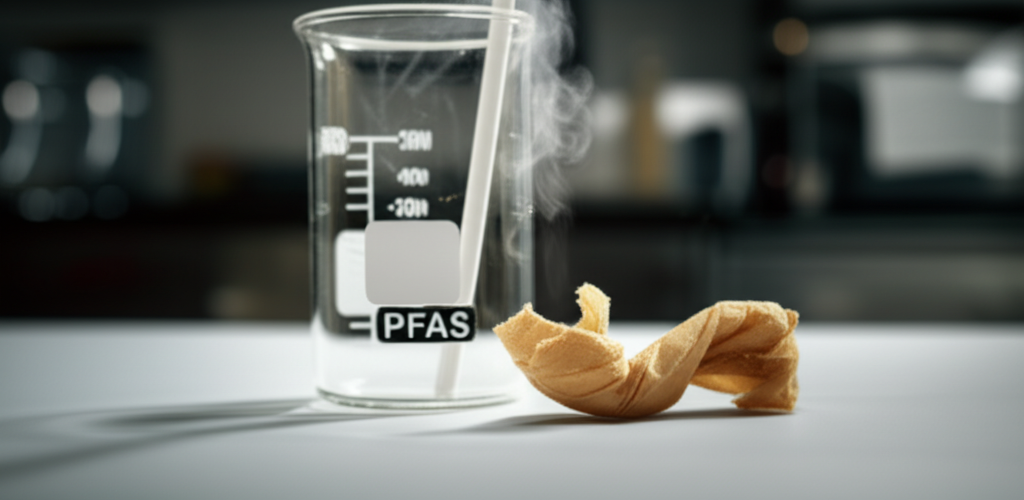
環境保全の核心は、完全に分解し、生産時の炭素排出への寄与が最小限であり、重要なことに、パーフルオロアルキル物質やポリフルオロアルキル物質 (PFAS) などの有害物質を含まない代替品を要求することです。一見環境に優しい紙や植物由来のストローから「永遠の化学物質」(PFAS)が発見され、この懸念については、以下のような情報源が詳述している。アメリカ化学会、耐水性のために使用されるこの製品は、新たな警報を生み出し、善意のスイッチを潜在的な健康および規制上の責任に変えました。一方、運営責任者は、さまざまな飲料温度に耐えて故障することなく耐久性があり、スタッフや顧客にとって衛生的で、物流上の大幅な見直しをせずに保管しやすい代替品を調達するという課題に直面しています。例えば、悪名高い「ふやけた紙ストロー」に関する苦情は業界を悩ませており、消費者の不満が広がり、場合によっては、代替品の性能の低さに不満を抱いた企業が残念ながらプラスチックに回帰する事態につながっている。
顧客エクスペリエンスは、サステナビリティ推進において後回しになることが多く、最も重要です。代替案は信頼性があるだけでなく、包括的である必要があります。障害者コミュニティは、プラスチック製のストローが撤去されると柔軟で安全で耐久性のある選択肢がなくなることについて懸念を表明し、企業が責任を持って対処しなければならないアクセシビリティの重要性を強調しています。この層を見落とすと、広報活動における重大な後退や法的問題につながる可能性があります。さらに、調達管理者は、「グリーンウォッシング」が蔓延する市場を切り抜けなければなりません。この市場では、PLA のようなバイオプラスチックは完全に堆肥化可能として販売されていますが、特定の産業施設が必要であることが多く、利用できないことが多く、埋め立て地で最終的には従来のプラスチックと同等に分解することになります。が予測する世界の環境に優しいストロー市場将来の市場洞察2025 年の 123 億米ドルから 2035 年までに 251 億米ドル近くまで成長すると見込まれており、これは明らかなチャンスであると同時に、賢明な意思決定が必要となる複雑な状況を示しています。間違った選択をすると、投資が無駄になったり、風評被害が生じたり、達成しようとしていた持続可能性の目標そのものを達成できなくなったりする可能性があります。
数多くのプラスチックストローの代替品をナビゲートする
数多くのプラスチック製ストローの代替品を検討するには、その商業的意味を明確に理解する必要があります。企業にとって「最も安全な」選択は、単に環境美徳に関するものではありません。それは、パフォーマンス、費用対効果、法規制順守、ブランド強化を戦略的に調整することです。ここでは、主要なオプションとそのビジネスへの影響を包括的に見ていきます。
Table: Commercial Straw Alternatives – Features & Business Implications
| 特徴 | B2Bインパクト | コンプライアンスのリスク | ROIポテンシャル |
|---|---|---|---|
| 金属(ステンレス) | 長所:耐久性が高く、店内での飲食では顧客に高い評価を得ており、何年も再利用可能です。短所:高い初期費用、複雑な洗浄ロジスティクス (ブラシ、食器洗い機)、温度伝導率 (温かい/冷たい飲み物)、認識されている安全上の懸念 (硬さ、口の怪我のリスク)。 | 最小限ですが、衛生違反を避けるために強力な洗浄プロトコルが必要です。 | 再購入が減少するため、再利用可能なモデルの長期 ROI が高くなります。プレミアム価格の可能性。プラスチックの環境への影響を相殺するには、37 回の使用が必要です。 |
| ガラス | 長所:エレガントでクリアなプレゼンテーション、高級感。短所:壊れやすい(破損のリスク)、初期費用が高い、破損した場合の安全性への懸念、慎重な清掃が必要。 | 最小限ですが、破損は安全上の問題です。 | 中~高、高級施設向け。頻繁に破損すると交換費用が高くなります。 |
| シリコーン | 長所:柔軟性があり、柔らかく、耐久性があり、子供に優しく、無毒です。短所:非生分解性で、洗浄に問題があり(臭いや風味が残る)、広くリサイクル可能ではありません。 | 使用量は少ないですが、生分解性ではないため廃棄には注意が必要です。 | 適度。再利用には耐久性がありますが、ライフサイクルは埋め立てで終了します。 |
| 竹 | 長所:自然の美しさ、急速に再生可能、生分解性、堆肥化可能。短所:割れたりひび割れたりする可能性があり、完全に洗浄しないとカビが発生しやすく、飲み物に微妙な味を与える可能性があります。 | 最小限ですが、再利用時の衛生状態が重要です。 | 持続可能なブランディングには中~高。使い捨ての初期費用が安くなります。 |
| 紙 | 長所:広く入手可能で、一般に手頃な価格で、生分解性です(コーティングされていない場合)。短所:ねっとりしやすく、崩壊しやすく、品質にばらつきがあり、紙のような味がする場合があり、耐水性のために PFAS が含まれているものもあります。 | 適度。 PFAS が存在するか品質が低い場合、非生分解性のリスク。消費者の不満はブランド認識の問題につながる可能性があります。 | 変数。初期コストは安いが、性能が悪いため交換率が高い。顧客からの苦情がコスト削減を相殺します。 |
| PLA (バイオプラスチック) | 長所:従来のプラスチック、植物ベース (コーンスターチなど) と同様の外観/感触。短所:特定の工業用堆肥化施設が必要(広く普及していない)、海洋生分解性に関する議論、グリーンウォッシングのリスク、食用作物との競合に関する懸念。 | 高い。適切なインフラが整備されていない状態で「堆肥化可能」と誤って表示されることは大きなリスクです。 | 中程度ですが、廃棄物の流れの管理またはサードパーティの産業用堆肥化装置への依存に多大な投資が必要です。 |
| 食用(パスタ、米、海藻) | 長所:廃棄物ゼロ、斬新な魅力、生分解性、堆肥化可能。短所:賞味期限が限られており、液体の中ですぐに柔らかくなります(例:パスタストローは15〜20分で柔らかくなります)、特定の保管要件(湿度管理)、コストが高くなります。 | 低い。まさに廃棄物ゼロで生分解性です。 | 低から中程度。新規性は高いが、実用化には耐久性の制限がある。ユニットあたりのコストが高くなります。 |
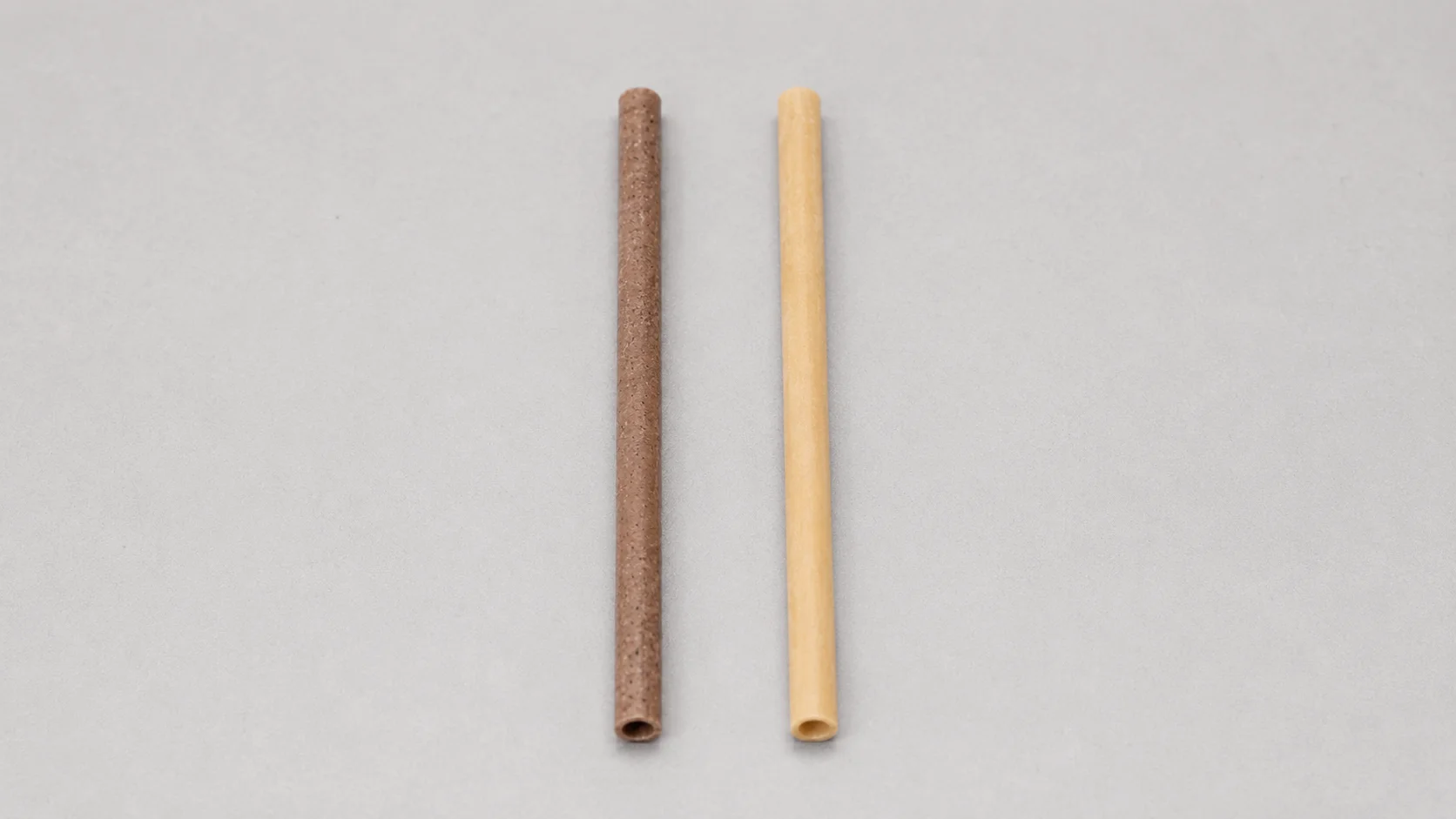
| 草(コムギ、アシ) | 長所:完全に天然、有機、生分解性が高く、堆肥化可能、二酸化炭素排出量が低く、一般的に無味で、驚くほど強力です。短所:大規模で限られたカスタマイズの場合、脆弱で供給が不安定になる可能性があります。 | 非常に低い。完全に自然で環境に優しい。 | 中程度から高程度。持続可能なブランディングに優れており、規模を拡大した場合の費用対効果も優れています。 |
| リュウゼツラン繊維/サトウキビ繊維 | 長所:プラスチックによく似ており、堆肥化可能で、温かい/冷たい飲み物に丈夫です。短所:新しいオプションでは、サプライチェーンの一貫性が課題となる可能性があり、従来のプラスチックよりもコストが高くなります。 | 低から中程度。堆肥化可能性については検証が必要です。 | 中程度から高程度。優れたパフォーマンス、強力な持続可能性のストーリー。 |
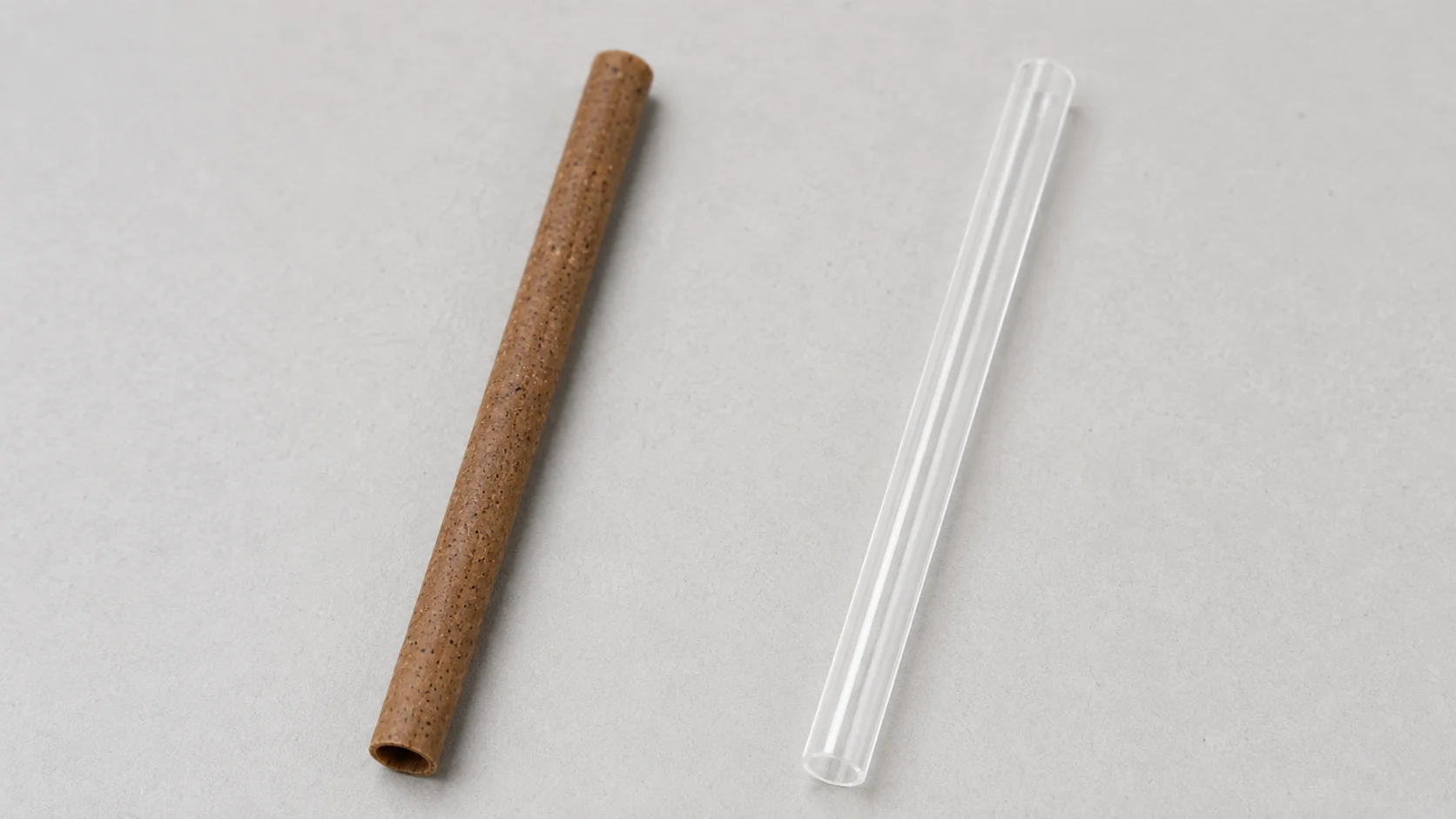
| 木材(森林わらなど) | 長所:天然、堆肥化可能、高温/低温に耐性があり、耐久性があります。短所:新しいイノベーションは素朴であると認識されており、コストが高くなる可能性があり、真の持続可能性を実現するには調達に FSC 認証が必要です。 | 低い。 FSC 認証を取得している場合は、強力な環境保全性を備えています。 | 適度。環境に配慮した企業向けのプレミアムな製品、強力なブランド連携。 |
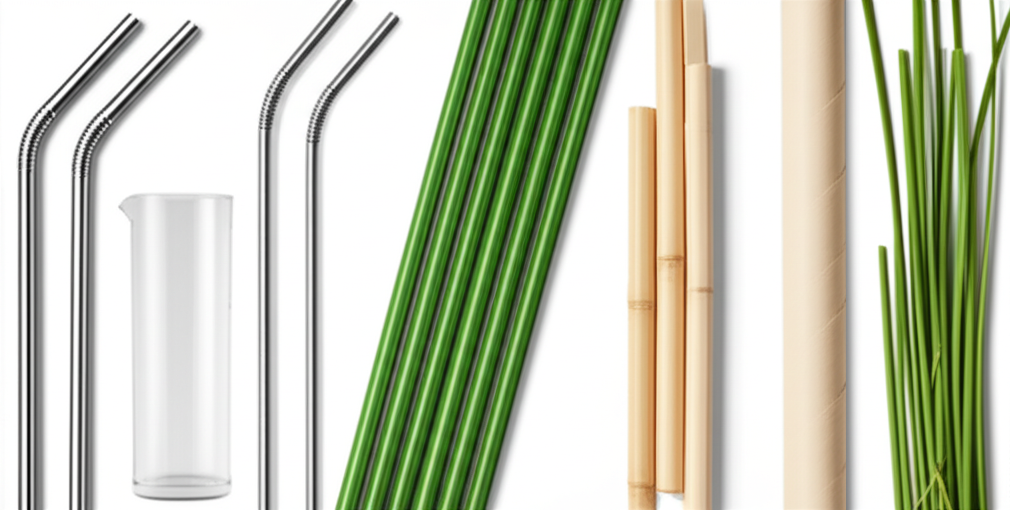
これらのオプションを評価する場合、重要な決定基準が選択の指針となる必要があります。費用対効果は単価にとどまらず、廃棄物管理、物流、潜在的な評判の損得なども含まれます。顧客体験とフィードバックは非常に貴重です。顧客が嫌がるソリューションは、環境上の利点に関係なく、最終的には失敗します。耐久性と味の中立性が最優先される、真に持続可能なボバ ストローの代替品を求める顧客の旅を考えてみましょう。洞察は、当社のようなガイドにあります。持続可能なボバストローの代替品重要になる可能性があります。さらに、地域の廃棄物管理インフラストラクチャによって、「堆肥化可能な」オプションの真の環境への影響が決まります。例えば、産業用堆肥化施設がなければ、人民解放軍は多くの場合埋め立て地に行き、その目的を果たせなくなる。本物の堆肥化に焦点を当てている人のために、次のようなオプションを詳しく調べてください。わらの大脱出: 堆肥化可能な代替品は不可欠です。
実際の例では、課題と機会の両方が浮き彫りになっています。 10 年以上前に EcoGlass ストローを始めた Craig Graffius 氏は、注文が 1 年で 3 倍になり、耐久性があり、再利用可能なオプションへの市場の明らかな移行を示しました。同様に、アメリカ最大の紙ストロー生産者であるツチブタは生産量を大幅に増やし、耐久性の向上と恐ろしい紙のような味の除去に継続的に取り組んでおり、伝統的な代替品ですら急速に進化していることを示しています。このダイナミズムが、世界の環境に優しいストロー市場が急増し、2025 年の 123 億米ドルから 2035 年までに 251 億米ドル近くに達すると予測されている理由です。これは単なる傾向ではありません。それは大規模で急成長する市場機会です。
持続可能なストローの未来: 5~10 年の展望
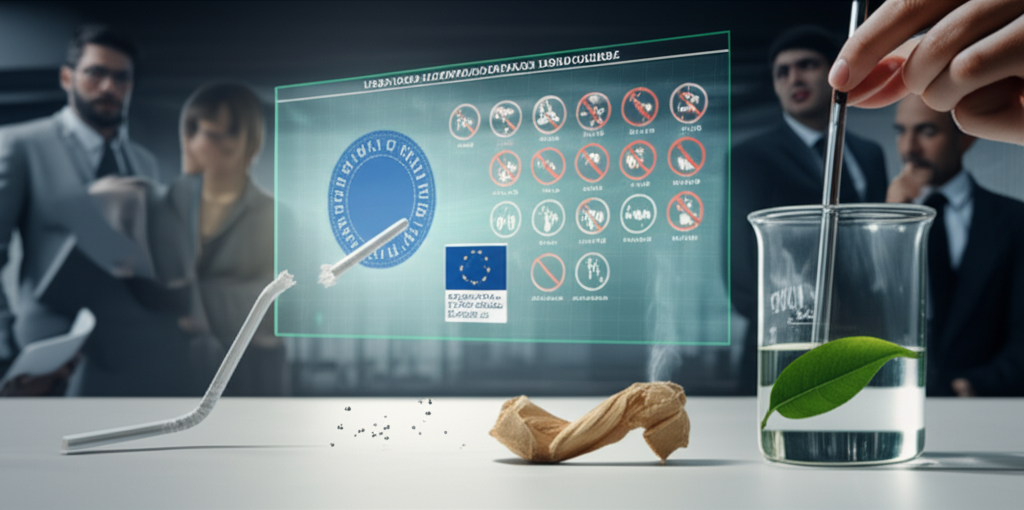
5 ~ 10 年先を見据えると、この業界は真の持続可能性とパフォーマンスの絶え間ない追求によって形作られるでしょう。規制圧力、特に EU の使い捨てプラスチック指令や同様の法規制は世界中で厳しさを増し、単なる代替品ではなく、「真に持続可能な」代替品が義務付けられます。技術の進歩はすでにこの分野に革命を起こしています。メーカーは、紙ストローのべたつきを防ぐ高度な防水コーティングに多額の投資を行っており、ジャガイモデンプンやリグニンなどの持続可能な供給源から新しいバイオプラスチックを開発しており、構造的に健全で、PFASのような有害な副産物を含まず真に生分解性の両方を備えた材料を目指しています。一部の初期の植物ベースの選択肢を捕らえる「永遠の化学」の罠を避けるために、焦点はますます天然ポリマーに移ってきています。

素材そのものを超えて、革新的な戦略が注目を集めています。スターバックスやマクドナルドなどの大手企業が採用している「リクエストに応じてストロー」ポリシーにより、不必要なストローの使用が大幅に削減されます。 「大人のシッピーカップ」とも呼ばれる「ストローレス蓋」の台頭は、別のストローの必要性を最小限に抑える実用的な代替品を提供します。ただし、企業はグリーンウォッシングに対して引き続き警戒する必要があります。木材製品の FSC や検証可能な産業堆肥化基準などの透明性のある認証は、真の持続可能性の交渉の余地のない証明となるでしょう。重要なことは、障害を持つ個人のアクセシビリティが不可欠であるため、持続可能な選択が不用意に障壁を生み出すことがないよう、包括的なイノベーションを推進し続けることです。未来には、単なる代替案ではなく、環境、運営、社会的責任に平等に取り組む、思慮深く統合されたソリューションが求められています。
戦略的な選択をする
どのストロー代替品が「最も安全」であるかの決定は、画一的な解決策ではありません。これは、ビジネス固有の運営ニーズ、顧客層、ブランド価値を反映した戦略的な選択です。グリーンウォッシングのよくある落とし穴を回避し、真の持続可能性を確保するには、徹底的な内部評価を実施することから始めます。特定の運用状況内でさまざまな代替案を含むパイロット プログラムは、実際のパフォーマンスを評価し、スタッフと顧客の両方から率直なフィードバックを収集するのに非常に貴重です。重要なのは、調達において完全な透明性を提供し、製品の検証可能な認証を保持し、環境に関する主張と安全基準の順守を保証するサプライヤーと提携することです。
ストローの選択をより広範な持続可能性フレームワークに統合することで、ビジネスは単なるコンプライアンスを超えて真のリーダーシップに移行します。これには、貴社の選択が環境に与える影響についてスタッフを教育し、貴社の持続可能な実践を顧客に効果的に伝えることができるようにすることが含まれます。体系的な廃棄物削減を受け入れ、責任ある調達への取り組みを示すことで、規制リスクを軽減するだけでなく、現代の消費者や投資家の心に深く響く企業の社会的責任についての力強い物語を育むことができます。
市場の複雑さによって、真に影響力のある責任ある意思決定を妨げないようにしてください。 「最も安全な」代替案とは、厳しい環境基準を満たすだけでなく、事業運営にシームレスに統合し、顧客を喜ばせ、持続可能な未来へのブランドの取り組みを強化するものです。情報に基づいた選択を今すぐ行うことで、企業は無駄の削減によるコスト削減を大幅に定量化し、実質的な規制や評判のリスクを軽減し、ブランド価値の重要な向上を達成して、倫理的リーダーシップによってますます定義される市場でより強力な競争力を確保することができます。
サステナビリティへの取り組みを強化し、進化する需要に対してサプライチェーンの将来性を確保する準備はできていますか?momoio.com の認定された環境に優しいストロー ソリューションを今すぐご覧ください
または専任のサステナビリティ専門家にお問い合わせください貴社のビジネス固有のニーズに合わせたカスタマイズされたコンサルティングをご利用いただけます。
よくある質問
「最も安全な」代替案は、ビジネスの特定のニーズ、環境への影響のバランス、
業務効率と顧客エクスペリエンス。オプションには、再利用可能な金属、ガラス、シリコン、
竹ストロー、使い捨て紙、PLA、食用草、リュウゼツラン繊維、サトウキビ繊維、
そして木のストロー。耐久性、衛生性、生分解性など、それぞれに長所と短所があります。
草や認定された木のストローは、その自然な組成と豊かな性質でよく注目されます。
生分解性があり、再利用可能なオプションは正しく管理されれば長期的な持続可能性をもたらします。
世界的な規制圧力が増大しているため、この移行は極めて重要です(例: EU の使い捨て規制)
プラスチック指令、米国の州による禁止)、持続可能な実践を求める消費者の需要の高まり、
プラスチック汚染が環境や海洋生物に与える重大な悪影響。失敗
移行には、罰金、ブランドの評判へのダメージ、顧客ロイヤルティの喪失といったリスクが伴います。
環境に配慮した市場。これは企業の社会的責任への取り組みも反映しています。
グリーンウォッシングを避けるために、企業はデューデリジェンスを実施する必要があります。これには、サプライヤーの主張の検証が含まれます
透明性のある認証を取得 (例: 木材の FSC、検証済みの産業堆肥化基準)、
PLA などの材料の真の分解要件を理解し、潜在的な可能性を認識する
環境に優しいと思われるオプションにPFASなどの化学物質が隠されている。本当に満足できる代替案を優先する
持続可能性に貢献し、地域の廃棄物管理インフラと連携します。
ヨーロッパでは、企業は多くの使い捨てプラスチックを禁止する使い捨てプラスチック指令に従う必要があります。
ストローを含むプラスチック製品。米国では、州および市レベルの禁止措置が複雑にパッチワークされており、
企業は現地の法律を常に最新の状態に保つ必要があります。課題は、これらのさまざまな規制を乗り越えることにあります
特に純正品に関して、代替品が性能と安全基準を満たしていることを確認しながら
生分解性があり、有害な化学物質が含まれていないこと。
アクセシビリティを確保するということは、障害のある人が柔軟なサービスに依存できることを認識することを意味します。
丈夫で安全なプラスチック製ストロー。移行する場合、企業は適切な代替手段を提供する必要があります
柔軟なシリコンまたは高品質の紙ストローを提供することで、これらのニーズに応えることができます。
リクエストしたり、革新的なストローレス蓋のデザインを検討したりできます。目標は持続可能性への取り組みのバランスをとることです
包括性を持って、顧客が不利益を被らないようにします。