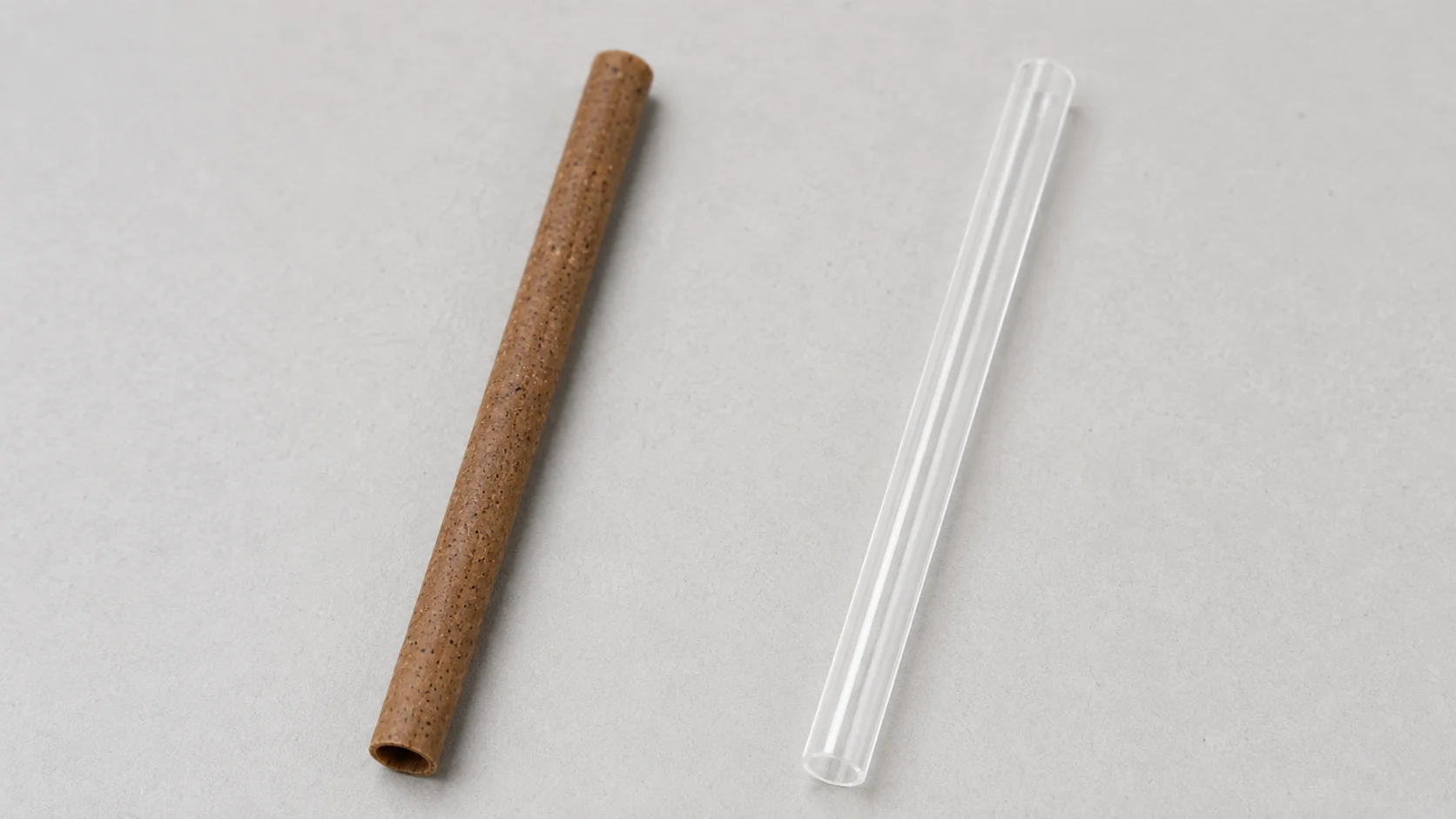
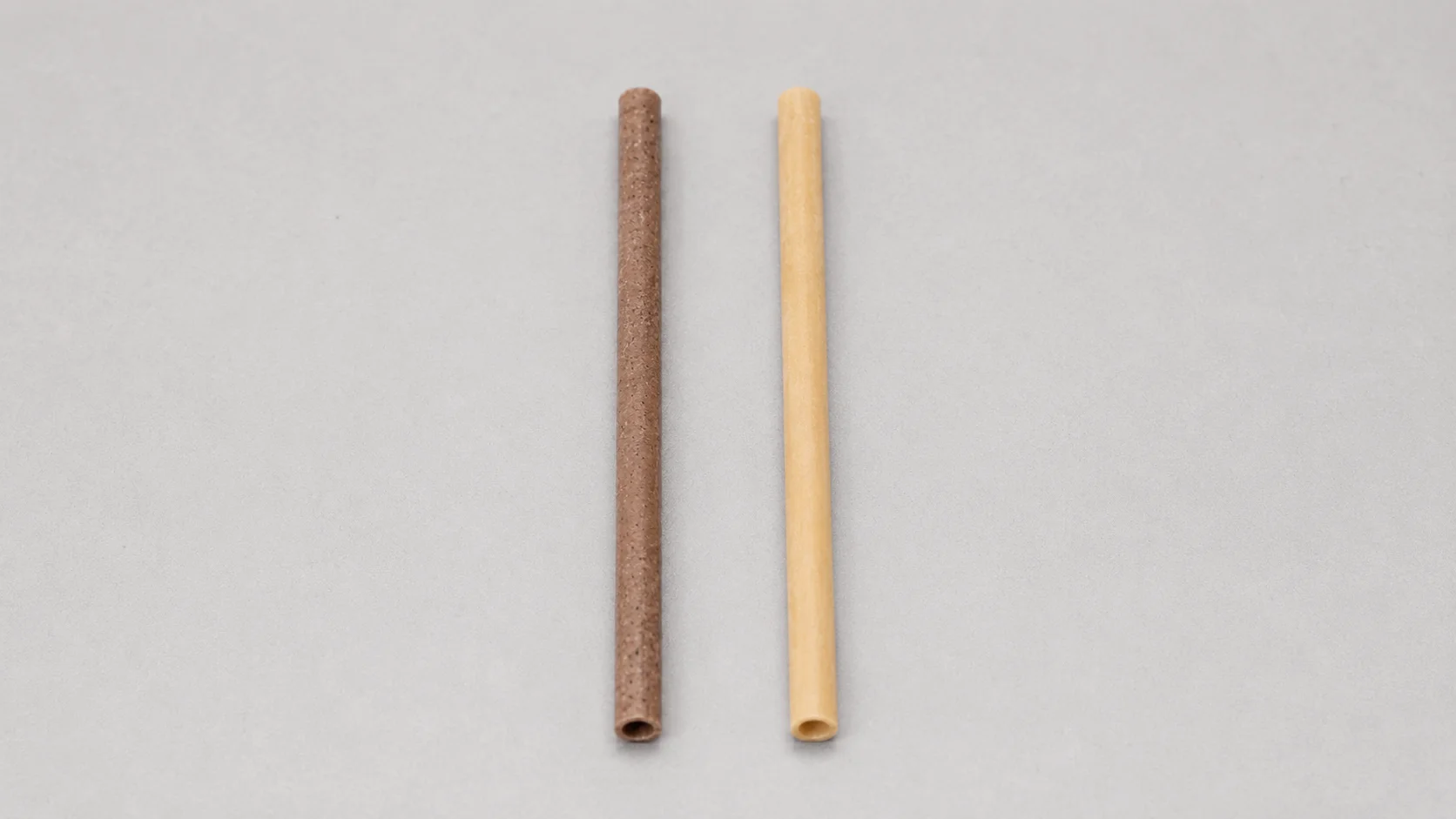
ホットドリンク用の環境に優しい耐熱ストローで業務を最適化
A B2B Guide for Hospitality & Foodservice Procurement
I. ホットドリンクサービスにおける持続可能な解決策の急務
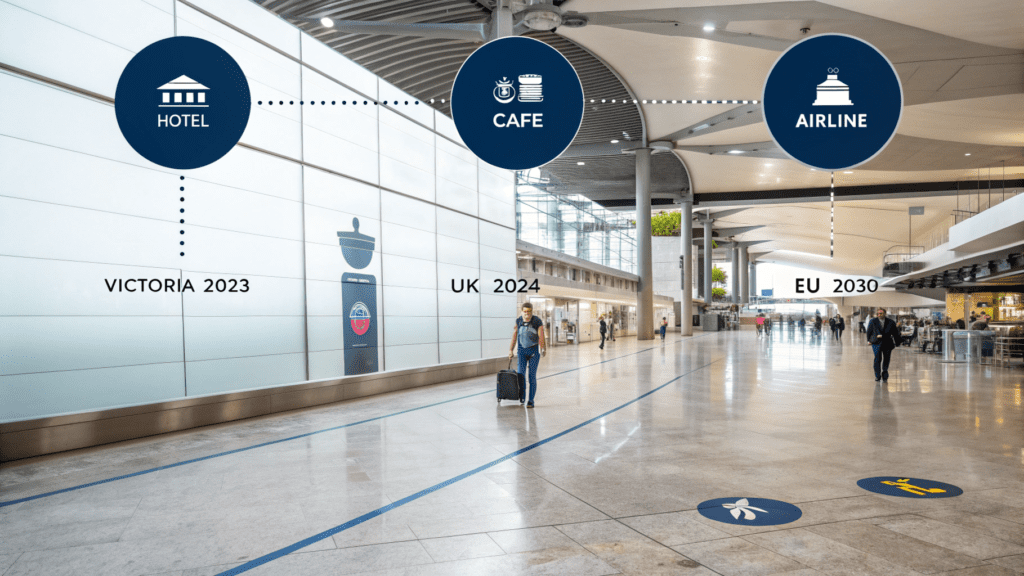
B2B 調達の状況は、環境規制の激化と持続可能性への世界的な取り組みによって激変しています。飲料分野で活動する企業にとって、この変革は、特に使い捨てプラスチックに関して重要な岐路を迎えています。オーストラリアのビクトリア州では2023年2月1日から使い捨てプラスチックストローを禁止し、英国ではこれに続き2024年10月7日から使い捨てプラスチックストローを禁止するなど、世界中の規制当局が厳格な禁止措置を講じている。これらの義務化により、企業は準拠した高性能の代替品を探すことが緊急の義務となっている。
温かい飲み物を扱う場合、重大な運用上の課題が生じます。従来の紙ストローは頻繁にぐらつき、急速に湿って崩壊してしまい、顧客エクスペリエンスを大きく損なうことになります。このどこにでも存在する「ふやけたわら」のジレンマは明らかな市場ギャップを生み出しており、劣化せずに高温に耐えることができる革新的なソリューションが求められています。さらに、企業は、持続可能な実践や進化する ESG (環境、社会、ガバナンス) 調達ポリシーに対する消費者の需要の高まりに合わせて自社の事業を調整するという大きなプレッシャーに直面しています。適応に失敗すると、規制違反やそれに伴う罰金のリスクだけでなく、環境管理の重要性がますます高まっている市場で重大な風評被害が生じる可能性があります。この変化による経済的影響は多大です。世界の持続可能な包装市場はストロー代替品に直接影響を与える分野で、2024年の3,168億米ドルから2034年までに6,624億米ドルに急増すると予測されており、7.6%という堅調な年平均成長率(CAGR)を示しています。この軌跡は、先進的な環境に優しいソリューションへの投資の商業的実行可能性と戦略的重要性を強調しています。**規制を遵守し、ホスピタリティにおける顧客満足度を向上させるために、耐熱性の環境に優しいストローを採用してください。**
II.環境に優しい耐熱ストローに対する規制状況と市場の需要を乗り越える
進化するプラスチック禁止とその運用上の影響: EU の PPWR 義務を超えて
使い捨てプラスチックに対する世界的な法規制が強化されており、あらゆる業界の企業の調達とサプライチェーンの決定が根本的に再構築されています。国や地域の禁止のほかに、EU 包装および包装廃棄物規制 (PPWR) などの包括的な規制により、EU 市場に流通するすべての包装は 2030 年までに再利用可能またはリサイクル可能でなければならないことが義務付けられています。これらの指令は単なる提案ではありません。これらは、ブランドに持続可能な代替品を自社の中核事業に組み込むことを強制する法的拘束力のある要件です。
これらの禁止の範囲は広く、従来のプラスチック、生分解性プラスチック、堆肥化可能プラスチック、リサイクルされたプラスチックなど、あらゆる種類の使い捨てプラスチックに加え、プラスチックのコーティングや裏地が付いているものなど、部分的にプラスチックで作られた製品も含まれます。たとえば、ビクトリア州政府による 2023 年の使い捨てプラスチック製ストローの禁止は全世界に適用され、障害のある人や医療ニーズのある人にのみ特別な免除が適用されます。同様に、英国の2024年の禁止令には、プラスチック製のストローが取り付けられた飲料製品が含まれているが、医薬品などの商品の包装として使用されている製品は除外されている。これらの複雑で進化する規制を回避できない企業は、多額の罰金を科されるだけでなく、企業の環境責任に対する意識が高まっている一般の人々の間で深刻な風評被害にも直面することになります。飲料分野におけるより環境に優しい選択肢への移行を完全に理解するには、当社の包括的なガイドを参照してください。レストラン向けの環境に優しいストロー。
The Growing Sustainable Packaging Market & Why Hot Beverage Straws are Key
消費者の意識の高まり、企業の野心的な持続可能性目標、循環経済原則の世界的な導入が重なり、持続可能な包装の勢いが高まっていることは否定できません。この市場は急速な成長を遂げており、紙および板紙素材が優勢となり、2025 年には推定 42% の市場シェアを保持すると予測されています。この急成長は、政府のキャンペーンと、従来のプラスチックへの依存を削減しようとする日用消費財 (日用消費財) ブランドの広範な移行によって後押しされています。
たとえば、北米は 2024 年に世界の持続可能なパッケージング収益の約 33% を占め、市場の強力な準備と環境に優しいソリューションへの需要を示しています。持続可能な材料の生産コストの上昇や潜在的な原材料の制限などの課題が依然として存在する一方で、大企業は長期的な戦略的取り組みの一環としてこれらの費用を吸収することが増えています。この市場セグメント内でホット飲料用ストローに焦点を当てることは、標準的な紙製ストローや第一世代のバイオプラスチック製ストローでは対処が困難であった永続的な問題点を表しているため、非常に重要です。このニッチ分野におけるイノベーションは、コンプライアンスだけではなく、競争環境における顧客体験の向上とブランド価値の強化にもつながります。**世界的なプラスチック禁止と市場の成長に対応し、おもてなし向けの高性能ホット飲料ストローの代替品が求められています。**
Ⅲ.環境に優しい耐熱ストローの画期的な素材
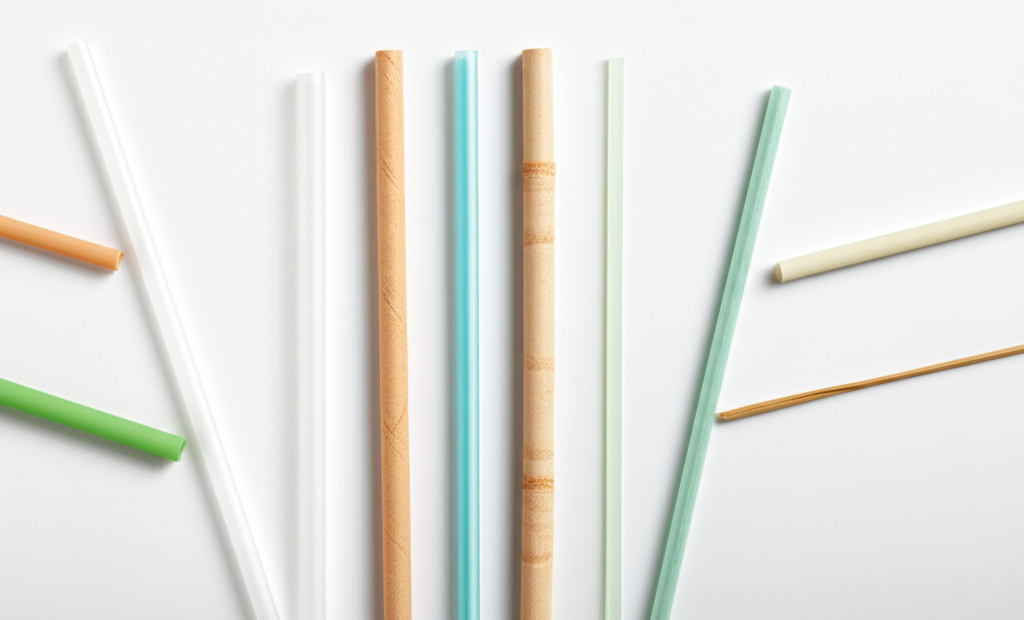
温かい飲み物の「ふやけたストロー」というジレンマを克服する探求により、材料科学の大幅な進歩が促進され、耐熱性があり環境に優しい新世代のストローが誕生しました。これらのイノベーションは、消費者の期待と規制上の義務の両方に応えることを目指す企業にとって非常に重要です。
先進的なバイオプラスチック: 高温での「ふやけたストロー」のジレンマを解決
従来のポリ乳酸 (PLA) ストローは生分解性ではありますが、歴史的に熱たわみ温度 (HDT) が低く、通常は 40°C (104°F) を超えると変形してしまいました。この制限により、標準的な PLA は温かい飲み物には適さなくなりました。しかし、バイオプラスチック工学における最近の進歩により、これに革命が起こりつつあります。
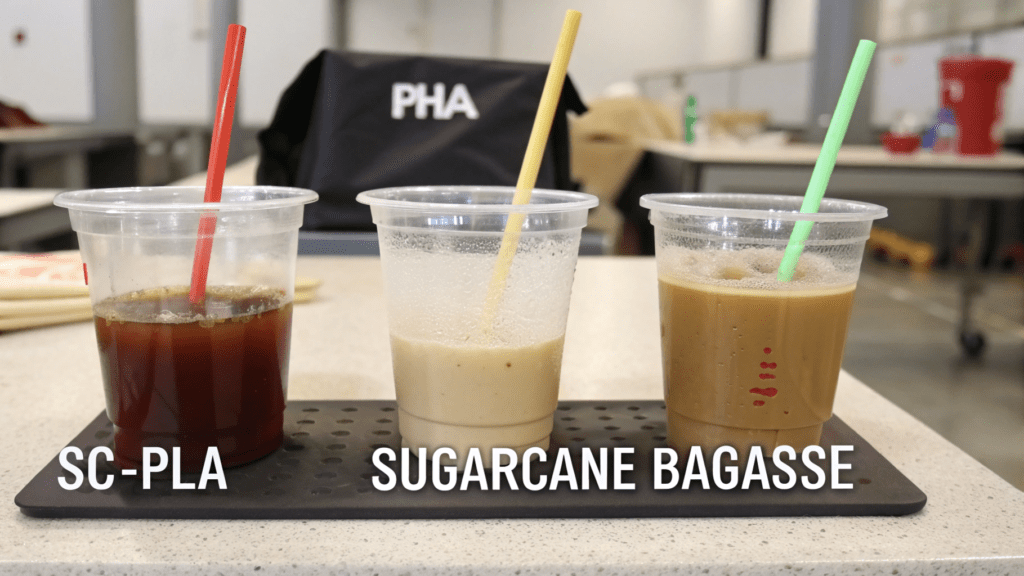
- ステレオコンプレックスポリ乳酸 (SC-PLA) ストロー 大きな飛躍を意味します。研究によると、SC-PLA ストローは 100°C の水に 10 分間浸漬した後でも、引張強度の低下が最小限に抑えられ、非常に安定した状態を保っています。これらのストローは完全に生分解性で、BPI (ASTM D6400) や TÜV オーストリア (EN 13432) などの厳しい堆肥化可能基準を満たしており、プレミアムな感触と熱い液体でも堅牢な性能を提供します。
- エヴァネス は、80℃までの耐熱性を備えた革新的な植物ベースのストローを提供しています。これらは 100% 商業的に堆肥化可能であり、有害な PFAS 化学物質やマイクロプラスチックを含まないように設計されており、安全で持続可能なソリューションを提供します。
- 何のストローはトウモロコシ、米、その他の穀物から天然に抽出され、優れた生体適合性と沸騰水中での安定性を示し、真に自然で高機能な代替品を提供します。
- さらに、 高度な PLA オプション 現在、70℃を超える温度に耐えられるものが開発されており、一部の配合物は100℃を超えることさえあります。これらの進歩には、多くの場合、特殊な結晶化 (CPLA、最大 82°C まで処理可能) や他のポリマーとブレンドして熱特性を強化し、バイオプラスチックの歴史的な熱制限に直接対処することが含まれます。
- ポリヒドロキシアルカノエート (PHA) ストロー これも有望な植物ベースのバイオプラスチックであり、従来のプラスチックに匹敵する耐久性を備えています。 PHA は、さまざまな飲料温度での耐湿性で注目に値し、独特の海洋分解性を備えているだけでなく、家庭用および産業用堆肥化が可能であり、企業にとって将来を見据えた投資となります。
天然繊維: 耐久性を備えた温かい飲み物用の持続可能なストロー
先進的なバイオプラスチックを超えて、天然繊維ベースのストローは、持続可能性と驚くべき耐久性の両方を提供するホットドリンク用途でその実力を証明しています。
- サトウキビ(バガス)ストローサトウキビの絞り汁を抽出した後に残る繊維状の残留物から作られており、耐久性に優れています。最大 220°F (100°C) の温度に耐えることができ、長時間水浸しに強いため、ホットドリンクに丈夫で信頼できる選択肢となります。多くの場合、堆肥化可能であると認定されており、商業堆肥化施設で広く受け入れられています。
- 稲わら米粉とタピオカ澱粉から作られ、革新的で食用で生分解性のオプションを提供します。柔らかくなるまでは 60°C (140°F) までの温度に 2 ~ 3 時間耐えることができ、ユニークで持続可能な飲酒体験を提供します。
- 小麦ストロー天然の小麦の茎に由来するもので、本来の耐熱性があり、多くの紙の代替品よりも耐久性が高いことが証明されています。これらは 100% 堆肥化可能であり、農業副産物を利用することで廃棄物ゼロのソリューションとなります。
- などの革新的な素材 リグニンとクエン酸をベースにした「熱硬化性フィルム」、 食用デンプンとポリビニルアルコールから作られたこの製品は、優れた耐水性と優れた引張強度を示し、従来の紙や一部のプラスチックストローをも上回る機能性を備えています。
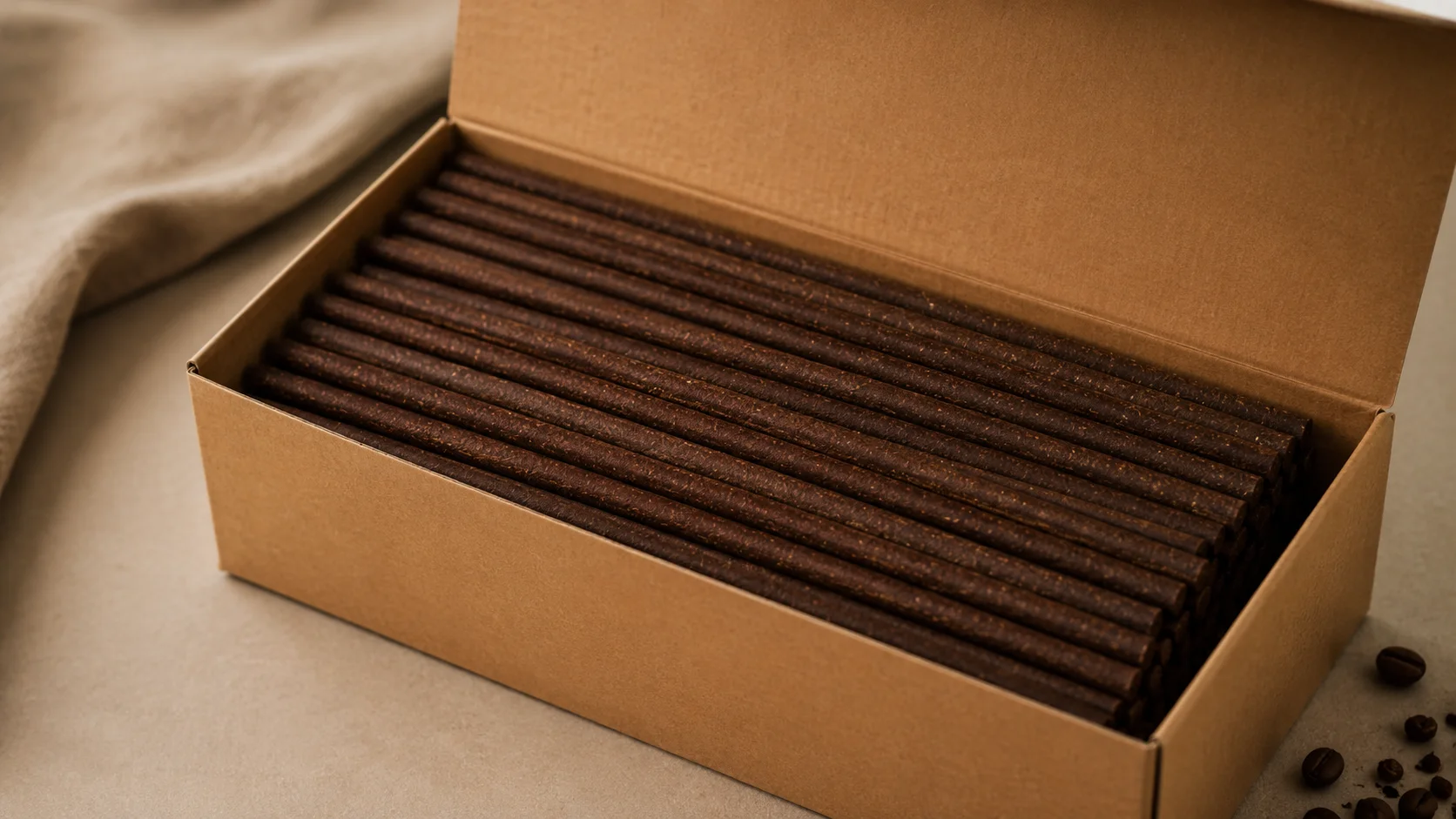
- その他の注目すべき自然な代替品には次のものがあります。 リュウゼツランのストローアップサイクルされたリュウゼツラン繊維から作られており、耐久性があり、プラスチックを含まず、温かい飲み物や冷たい飲み物の中でも構造を維持できるように設計されており、12か月以内に生分解されます。 コーヒーストロー、リサイクルされたコーヒー粕から製造されており、無臭、無味、毒素がありません。さらに、 葦のストロー 自然な耐水性と丈夫さを提供し、さまざまな環境で自然に分解されます。
**新しいバイオプラスチックと天然繊維は、耐久性、耐熱性、堆肥化可能な温かい飲み物用のストロー ソリューションを提供します。**
IV.環境に優しい耐熱ストローの比較:B2B調達ガイド
適切な耐熱性、環境に優しいストローを選択するには、運用への影響、コンプライアンス、投資収益率を戦略的に評価する必要があります。次の比較は、調達マネージャー、運営責任者、サステナビリティ担当者にとって重要な考慮事項を示しています。
| 特徴 | B2B運用上の影響 | コンプライアンスノート | ROIポテンシャル |
|---|---|---|---|
| SC-PLA | Superior integrity in hot liquids (>100°C), offering a premium drinking experience. Maintains shape and structure longer, reducing customer complaints. | 完全に生分解性で、BPI (ASTM D6400) や TÜV オーストリア (EN 13432) などの厳格な基準に従って堆肥化可能であると認定されています。 EU の PPWR および世界的なプラスチック禁止に準拠しています。 | 持続可能性のリーダーとしてのブランドイメージを強化し、プレミアム価格をサポートします。商業堆肥化における廃棄物処理コストを削減します。優れたパフォーマンスにより、顧客満足度の向上とリピートビジネスに貢献します。 |
| サトウキビ(バガス) | 温かい飲み物 (100°C まで) に対して非常に丈夫で、自然で素朴な美しさを提供します。長時間のべたつきに強く、さまざまな温かい飲み物に適しています。 | 堆肥化可能であることが認定されており、商業堆肥化施設で広く受け入れられています。ほとんどの使い捨てプラスチック禁止に準拠しており、信頼性の高い大衆市場準拠のオプションを提供します。 | 大量調達の費用対効果が高く、持続可能性と予算のバランスが取れています。大規模な事業における持続可能性の中核要件を満たします。自然由来による強力な消費者アピールにより、ブランド認知度が向上し、環境に配慮した購入が促進されます。 |
| アドバンストペーパー | 標準的な紙ストローに比べて耐久性が大幅に向上し、「ストローがべたべたする」という苦情が減少しました。広く入手可能であり、消費者に馴染みのあるもの。極度の熱に長時間さらされると軟化する可能性があります。 | 一般に生分解性。ただし、コーティングによっては、工業用堆肥化が必要な場合もあります。コンプライアンスは、「使い捨てプラスチック」に関する地域の特定の規制によって異なります (禁止には *すべての* 種類の使い捨てプラスチック (紙も含む) が含まれます)。 | 他の先進的な代替手段と比較して初期投資が少なく、広範な導入が容易になります。直接的な「わらっぽい」フィードバックに対処します。当面の環境圧力に対処しながら、より高度なバイオプラスチックへの足がかりとなる可能性があります。 |
| PHA | さまざまな温度範囲にわたって、従来のプラスチックに匹敵する耐久性と感触を提供します。完全性を損なうことなく、さまざまな種類のホットドリンクに一貫したパフォーマンスを提供します。 | 家庭や工業的に堆肥化できることに加えて、海洋分解可能であることで注目に値します。将来の規制動向に合わせて、循環経済に向けた重要な一歩を表します。 | 幅広い分解性を考慮すると、将来性のある投資を意味します。強力な環境認証を提供し、環境意識の高い消費者というニッチながら成長を続けるセグメントにアピールします。長期的な環境責任を軽減します。 |
| 小麦・稲わら | 小麦ストローはもともと耐熱性があり、紙よりも耐久性があります。稲わらは 60°C まで 2 ~ 3 時間耐えることができ、食用であるため、ユニークな顧客体験を提供します。どちらも軽いです。 | どちらも 100% 堆肥化可能であり、真に生分解性です。小麦わらは農業副産物を使用しますが、稲わらは食用であるため、無駄がありません。天然素材の禁止事項を厳守しています。 | 環境負荷が非常に低く、ブランドの信頼性が高まります。特定の使用例ではコスト効率の高い選択肢となる可能性があります。食用ストローの目新しさ、または小麦本来の魅力は、ユニークなマーケティングの機会と顧客の喜びを生み出すことができます。 |
**運用上の影響、コンプライアンス、ROI に基づいて環境に優しい耐熱性ストローを評価し、最適な調達を実現します。**
V. 認証と基準: コンプライアンスと信頼の確保
意思決定者にとって、環境に優しいストローの選択肢を選ぶには、コンプライアンスと製品の完全性の両方を保証する認証と基準を明確に理解する必要があります。これらの資格情報を検証することは、ブランドの評判と運用の継続性を守るために最も重要です。
高温生分解性ストローの堆肥化可能性基準をナビゲートする
「環境に優しい」という用語は広義であるため、生分解性と堆肥化可能性の主張を検証するには堅牢な認証が不可欠です。これらの基準は、有害な残留物を残さずに製品が真に分解されることを保証し、本物の持続可能なソリューションをグリーンウォッシングと区別します。
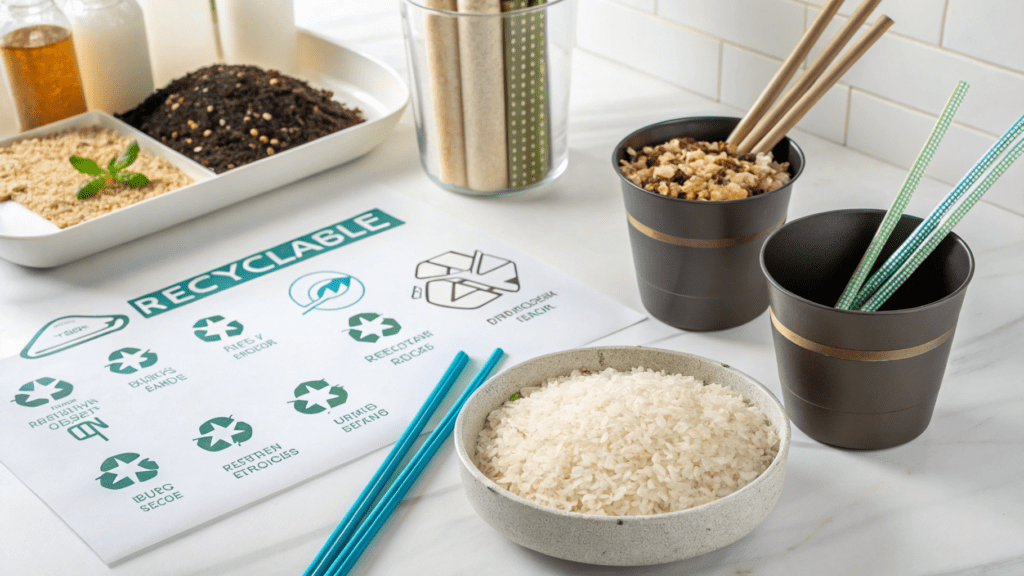
- 生分解性製品研究所 (BPI): 北米では、BPI が主要な認証機関です。 BPI によって認定された製品は、厳格な ASTM D6400 または ASTM D6868 規格を満たしており、商業用堆肥化環境で完全かつ安全に分解されることが保証されています。この認証は、産業用堆肥化施設を介して廃棄物を処理する企業にとって重要です。
- テュフ オーストリア: ヨーロッパの著名な認証機関であるテュフ オーストリアは、「OK Compost INDUSTRIAL」および「OK Compost HOME」の認証を提供しています。これらは、ヨーロッパのバイオプラスチック要件および産業用堆肥化に関する EN 13432 規格への準拠、または特定の材料の家庭用堆肥化条件への適合性を検証します。
- オーストラリアバイオプラスチック協会 (ABA): オーストラリアとニュージーランドで事業を展開する企業にとって、ABA の「Certified Compostable」商標は重要です。 AS4736 (産業用堆肥化用) に認証された製品は、180 日以内に 90% の生分解、12 週間以内に 90% の分解を必要とし、管理された廃棄物の流れにおいて高いパフォーマンスを保証します。
- の 堆肥製造アライアンス (CMA) また、商業堆肥化施設と協力して、ラボとフィールドの組み合わせたテストを通じて製品が ASTM ラボ基準を満たしていることを検証することによって重要な役割を果たし、実際の性能をさらに保証します。企業は、BPI Web サイトで、認定された堆肥化可能な製品および材料の包括的なリストを参照できます。 bpiworld.org。
食品安全規制と責任ある調達
環境劣化を超えて、食品と接触する材料の安全性には交渉の余地がありません。
- FDAの承認: アメリカで販売されている商品に関しては、 食品医薬品局 (FDA) 承認は非常に重要です。これにより、環境に優しい耐熱ストローに使用される材料は無毒で、有害な化学物質が飲料に浸出せず、食品に直接触れても安全であることが保証されます。
- 化学物質の安全性: 企業は、選択した代替ストローに BPA (ビスフェノール A) や PFAS (パーフルオロアルキル物質およびポリフルオロアルキル物質) などの有害な化学物質が含まれていないことを確認する必要があります。これらの「永遠の化学物質」は長期的な健康と環境リスクをもたらし、規制当局の監視がますます厳しくなっています。
- 倫理的な調達: 責任ある調達慣行は、環境への影響を超えて、生産の社会的側面を網羅します。サプライチェーン全体にわたる倫理的な労働慣行、公正な賃金、透明性を確認する認証やサプライヤーの取り組みを探してください。これにより、ブランドの評判が高まり、サプライチェーンのリスクが軽減されます。
**BPI や FDA の承認などの認証は、環境に優しいストローを準拠し、安全で信頼できるものにするために不可欠です。**
VI. Operationalizing Sustainability: Case Study & Strategic Advantages
耐熱性で環境に優しいストローへの移行は、単にコンプライアンスの負担となるだけではなく、ブランド価値を高め、業務を合理化し、永続的な顧客ロイヤルティを構築する戦略的な機会でもあります。
ミニケーススタディ: 「エコブリュー」チェーンのホット飲料ストローの移行
コーヒーサービス業界の主要企業である「Eco-Brew」チェーンは、消費者の不満と地域の規制の進化に起因する重大な課題に直面していました。ホットドリンク用の伝統的な紙ストローは常に苦情の原因であり、湿気を帯びてすぐに劣化し、彼らが提供することを目指していたプレミアムなコーヒー体験を台無しにしてしまいました。同時に、ビクトリア州の 2023 年の義務化と同様、地域的な使い捨てプラスチック禁止令により、準拠する代替品を見つけることが求められました。
これに応えて、Eco-Brew はさまざまな耐熱性の環境に優しいストローの大規模な試験を開始しました。厳格なテストの結果、彼らは堆肥化可能であることが認定され、構造的完全性を失うことなく最大 100°C (212°F) の温度に耐えることが証明された先進的なサトウキビ バガス ストローに切り替えることを選択しました。この戦略的方向転換は目覚ましい成果をもたらしました。完全な移行から 6 か月以内に、ホットドリンク体験に関する顧客満足度スコアが 15% 増加しました。さらに、廃棄物監査のコンプライアンスが大幅に向上し、環境フットプリントと規制上の立場に目に見えるプラスの影響を与えていることが実証されました。これらのストローの統合に成功したことで、Eco-Brew は厳しい環境基準を満たしながら、急速に成長している環境意識の高い消費者層の間でのブランド認知度を高めることができました。
コンプライアンスを超えた ROI: ブランドイメージと顧客ロイヤルティ
優れた耐熱性と環境に優しいストローを採用することによる投資収益率は、単に罰金を回避するだけではありません。この戦略的な動きは、以下を通じて企業の収益を大幅に向上させることができます。
- ブランド認知の向上: 今日の市場では、消費者はますます持続可能性を優先するようになっています。認定された耐熱性の環境に優しいストローを採用することは、環境管理への真の取り組みを示し、ブランドの認知度を向上させ、環境意識の高い顧客の共感を呼びます。このポジティブなイメージは、売上と市場シェアの増加に直接つながります。
- Operational Efficiency & Cost Savings: 先端材料の初期調達コストは高くなる可能性がありますが、「わらがふやけている」という苦情が減ることで返金やリメイクが減り、業務効率が向上します。さらに、認定された堆肥化可能なオプションを採用することで、企業は、特に埋立税の高騰や廃棄物の分別義務の強化が行われている地域において、リサイクル不可能なプラスチックに関連する廃棄物処理コストを削減できます。
- 顧客ロイヤルティの強化: 崩れるストローのフラストレーションから解放された優れた顧客体験は、リピート ビジネスと肯定的な口コミを促進します。これにより、顧客ロイヤルティが向上し、ネガティブな可能性のあるやり取りが、ブランドの品質と配慮を強化する瞬間に変わります。
- 企業の持続可能性目標との整合: これらのソリューションへの投資は、企業のより広範な企業持続可能性目標と環境、社会、ガバナンス (ESG) 目標に直接貢献します。この連携は、倫理的な考え方を持った投資家、従業員、ビジネスパートナーを惹きつけるためにますます重要になっています。調達管理者は、これらの重要なコンポーネントの大量供給、一貫した品質、競争力のある価格、信頼性の高いサプライ チェーンの必要性を強く認識しています。消費者の認識がより高品質で耐久性があり、環境に優しいオプションに対する需要を高め続けるにつれて、次のような製品の市場が増加しています。 B2B向けの環境に優しいカクテルストロー も成長しています。
**耐熱性の環境に優しいストローを採用することで、サービス業のブランド イメージ、業務効率、顧客ロイヤルティが向上します。**
VII.環境に優しいストローイノベーションの将来展望
環境に優しいストロー、特に温かい飲み物用に設計されたストローのイノベーションパイプラインは強固であり、急速に進歩しています。真に持続可能で高性能な代替品を求める取り組みは、今後 5 ~ 10 年間にわたって材料科学と製造プロセスを形成し続けるでしょう。
Ongoing Research and Development (R&D) is intensely focused on further improving the thermal stability and cost-effectiveness of biopolymers. Scientists are exploring novel blends and polymerization techniques to push the boundaries of heat resistance for biodegradable materials. For instance, academic research continues to investigate methods to improve the hydrophobicity and mechanical strength of natural materials, aiming to overcome the limitations of early-generation solutions.
新しい材料は常に登場しており、機能の強化と幅広い応用性が期待されています。例としては、リグニンとクエン酸を組み合わせた食用デンプンから精製されたものが挙げられ、優れた耐水性と強度が期待されています。将来的には、単に堆肥化できるだけでなく、新しい製品にリサイクルしたり、永続的に再利用できるように設計され、資源の枯渇を最小限に抑えられるソリューションの作成に重点を置き、循環経済の原則がさらに統合されることになるでしょう。
重要なことは、材料科学、製造、食品サービス分野にわたるコラボレーションイノベーションを加速させます。この学際的なアプローチは、研究室での画期的な進歩を拡張可能で商業的に実行可能な製品に変えるために不可欠です。熱い液体中で長期間にわたって安定性と味の中立性を維持する材料の需要が依然として主要な目標である。今後 10 年は、耐熱性、環境に優しいストローの選択肢が多様化し、特定の運用ニーズに対応し、性能と地球環境の両方を優先するますます目の肥えた市場に対応することになるでしょう。材料科学の進歩とその環境への影響をさらに深く掘り下げるには、次のような信頼できる学術プラットフォームに掲載されている論文など、関連する科学論文を検討することを検討してください。リサーチゲート。**将来のイノベーションにより、さらに耐久性があり、コスト効率が高く、円形で耐熱性が高く、環境に優しいストロー ソリューションが約束されます。**
結論: 優れた耐熱性と環境に優しいストローでブランドを高める
耐熱性で環境に優しいストローへの移行は、単なる規制上の必要性を超えていることは明らかです。それは、先進的な企業にとって大きな戦略的機会を意味します。認定された高性能で持続可能なストロー ソリューションに積極的に投資することで、組織は環境フットプリントを大幅に削減し、ますます厳しくなる規制環境へのシームレスなコンプライアンスを確保し、そして重要なことに、長年の「水浸しなストロー」のフラストレーションを軽減する比類のない顧客エクスペリエンスを提供することができます。この積極的なアプローチにより、潜在的なコンプライアンスの課題が明確な競争上の優位性に変わり、貴社のブランドが持続可能性と顧客満足度の業界リーダーとしての地位を確立します。
将来を見据えた調達戦略を実現するために今すぐ行動してください。市場でのリーダーシップを確保し、ブランドの評判を高めます。飲料サービスの未来が間違いなく重要であることを認識し、環境に優しい次世代の耐熱性ストローを探索し、ホット飲料サービスを変革するために、今すぐコンプライアンス対応のサンプル パックをリクエストしてください。環境に優しいストロー。
よくある質問
従来の紙ストローがおもてなしの温かい飲み物に適さないのはなぜですか?
従来の紙ストローは熱い液体の中ですぐにべたべたになり崩壊してしまい、顧客体験が損なわれ、カフェ、ホテル、レストランでの不満につながります。
耐熱性の環境に優しいストローに切り替える主な利点は何ですか?
利点としては、顧客満足度の向上、プラスチック禁止の順守、ブランドイメージの向上、廃棄物処理コストの削減、企業の持続可能性目標との整合性などが挙げられます。
環境に優しい耐熱性ストローは本当に堆肥化可能または生分解可能ですか?
SC-PLA やサトウキビ (バガス) ストローなどの多くの高度なオプションは堆肥化可能であると認定されており (BPI、TÜV オーストリアなど)、商業堆肥化施設で安全に分解されることが保証されています。
SC-PLA や PHA などの新しいバイオプラスチックは、温かい飲み物でどのように機能しますか?
SC-PLA ストローは沸騰したお湯の中でも安定性を保ちますが、PHA ストローはさまざまな温度にわたって従来のプラスチックに匹敵する耐久性を備え、水浸しに効果的に抵抗します。
調達マネージャーはストローを調達する際にどのような認定を確認する必要がありますか?
堆肥化可能性については BPI (ASTM D6400)、TÜV オーストリア (EN 13432)、ABA (AS4736) などの認証を探し、食品の安全性と PFAS などの有害な化学物質の不存在について FDA の承認を確実に取得してください。