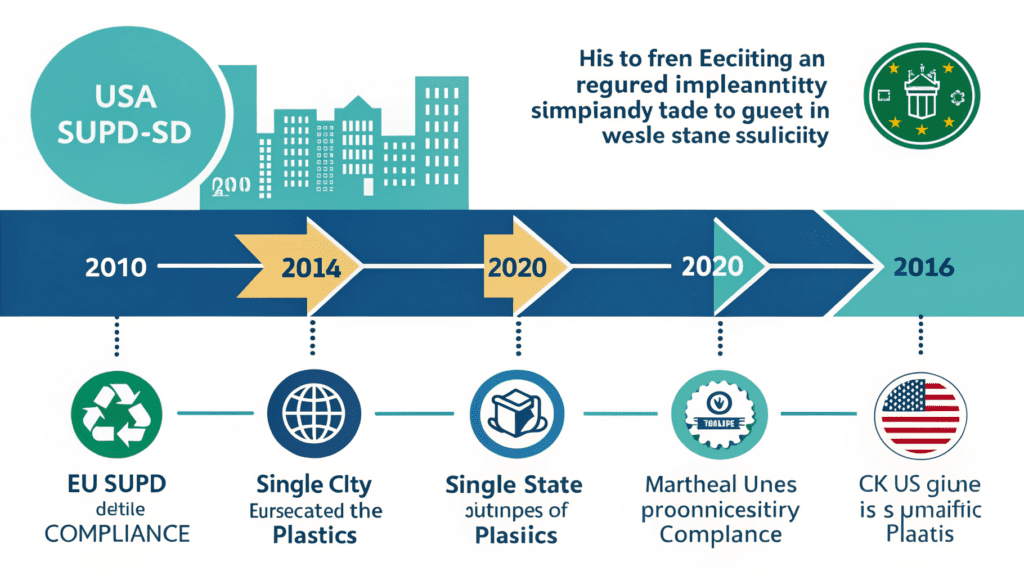
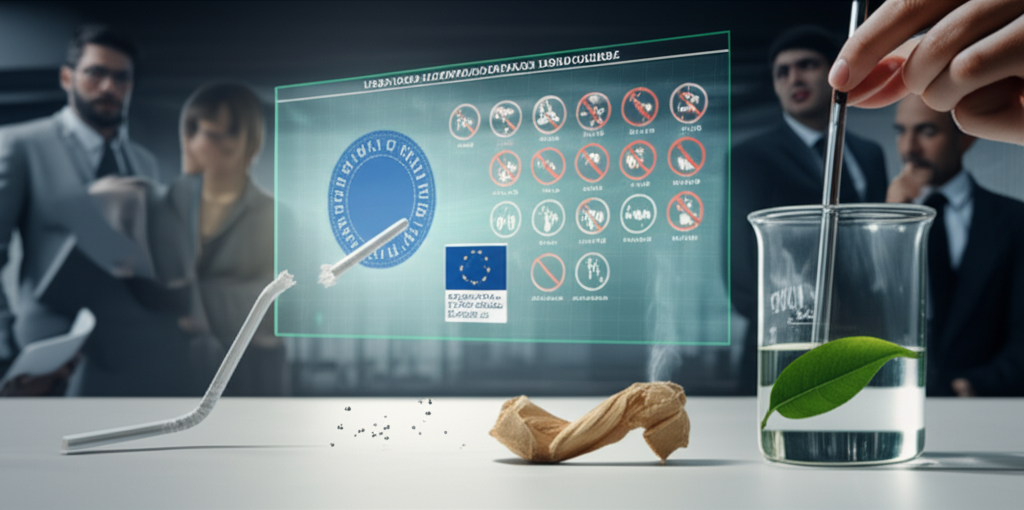
流れは変わった。調達マネージャー、オペレーションディレクター、サステナビリティ責任者、サプライチェーン幹部にとって、問題はもはやビジネスが使い捨てプラスチックから移行すべきかどうかではなく、どのように迅速かつ戦略的に移行するかということです。環境管理と厳格な規制変更という紛れもない世界的要請により、安価で便利なプラスチック製ストローの時代は終わりに近づいています。から欧州連合の使い捨てプラスチック指令2021年に発効し、シアトルやカリフォルニアを含む米国全土で画期的な州レベルの禁止令に至るまで、企業は早急な対応が求められる、進化するコンプライアンスの状況に直面している。この変化を無視すると、多額の罰金を科せられるだけでなく、ますます環境意識が高まっている消費者層の間でブランドの評判に取り返しのつかない損害を与える危険があります。プラスチックに絡まった海洋生物の画像は世論を刺激し、顧客や関係者がさらなる期待を寄せていることは明らかだ。行動を起こさないことによる経営上および商業上の影響は甚大であり、単なるコンプライアンスを超えて、顧客ロイヤルティ、市場認識、さらには投資家の信頼にまで影響を及ぼします。
Yet, the journey toward truly sustainable alternatives is fraught with complexities often overlooked. The term ‘eco-friendly’ itself has become a minefield of misleading claims and unfulfilled promises. Businesses routinely grapple with performance issues – straws that disintegrate too quickly, impart undesirable tastes, or pose new environmental concerns like ‘forever chemicals’ (PFAS). Navigating this landscape requires more than just good intentions; it demands a strategic, data-driven approach to ensure that your chosen alternatives genuinely contribute to sustainability without compromising operational efficiency or the crucial customer experience. Understanding the nuances of new materials, verifying claims, and ensuring compatibility with your existing waste infrastructure are paramount to avoiding ‘greenwashing’ pitfalls and making a truly impactful switch. This is not just about replacing one product with another; it’s about redefining your operational footprint in a rapidly changing world. To explore the broader spectrum of sustainable material swaps, consider our comprehensive insights in ourプラスチック代替品シリーズ。
さまざまな地域、特に米国とヨーロッパで事業を展開している企業にとって、「最も安全な」代替ストローの定義は、基本的な生分解性をはるかに超えています。これには、環境保全性、運営の実行可能性、顧客満足度、および堅牢なブランド保護の総合的な評価が含まれます。ヨーロッパでは、使い捨てプラスチック指令の厳しい要件により、代替品は真の環境破壊を起こさずに単にプラスチックを模倣するだけの材料を超え、真の環境上の利点を実証する必要があることを意味しています。同様に、米国でも、連邦政府の行動は遅いものの、カリフォルニア州やワシントン D.C. で先駆けて行われたような、州および市レベルでの禁止措置がパッチワーク状に存在するため、企業は違反を回避するために機敏な調達戦略を維持する必要があります。これらの規制はプラスチックの禁止だけを目的とするものではありません。代替選手の「安全」を確保することが重要です。
Environmental integrity, at its core, demands alternatives that genuinely decompose, contribute minimally to carbon emissions during production, and, critically, are free from harmful substances such as per- and polyfluoroalkyl substances (PFAS). The discovery of ‘forever chemicals’ (PFAS) in some seemingly eco-friendly paper and plant-based straws, a concern detailed by sources like theAmerican Chemical Society、耐水性のために使用されるこの製品は、新たな警報を生み出し、善意のスイッチを潜在的な健康および規制上の責任に変えました。一方、運営責任者は、さまざまな飲料温度に耐えて故障することなく耐久性があり、スタッフや顧客にとって衛生的で、物流上の大幅な見直しをせずに保管しやすい代替品を調達するという課題に直面しています。例えば、悪名高い「ふやけた紙ストロー」に関する苦情は業界を悩ませており、消費者の不満が広がり、場合によっては、代替品の性能の低さに不満を抱いた企業が残念ながらプラスチックに回帰する事態につながっている。
Customer experience, often an afterthought in sustainability drives, is paramount. Alternatives must not only be reliable but also inclusive. The disability community has rightly raised concerns about the lack of flexible, safe, and durable options when plastic straws are removed, highlighting an accessibility imperative that businesses must address responsibly. Overlooking this demographic can lead to significant public relations setbacks and legal challenges. Furthermore, procurement managers must navigate a market rife with ‘greenwashing’ – where bioplastics like PLA are marketed as fully compostable but require specific industrial facilities often unavailable, leading to them ending up in landfills where they decompose no better than traditional plastic. The global eco-friendly straws market, projected by将来の市場洞察to grow from USD 12.3 billion in 2025 to nearly USD 25.1 billion by 2035, signals a clear opportunity, but also a complex landscape requiring astute decision-making. Making the wrong choice can lead to wasted investment, reputational damage, and a failure to meet the very sustainability goals you set out to achieve.
Navigating the Array of Plastic Straw Alternatives
Navigating the array of plastic straw alternatives demands a clear-eyed understanding of their commercial implications. The ‘safest’ choice for your enterprise isn’t merely about environmental virtue; it’s about a strategic alignment of performance, cost-effectiveness, regulatory compliance, and brand enhancement. Here’s a comprehensive look at the leading options and their business impacts:
Table: Commercial Straw Alternatives – Features & Business Implications
| 特徴 | B2Bインパクト | コンプライアンスのリスク | ROIポテンシャル |
|---|---|---|---|
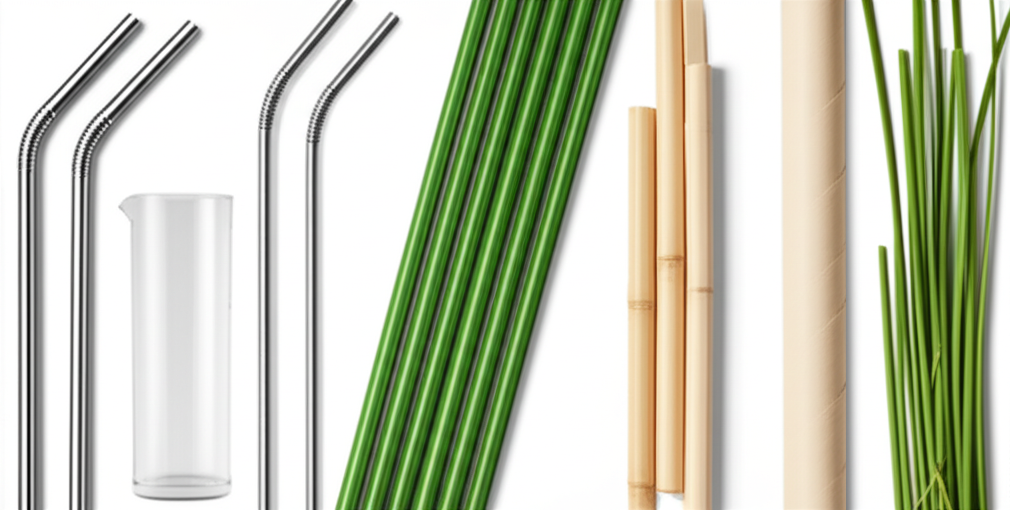
| Metal (Stainless Steel) | 長所:High durability, premium customer perception for dine-in, reusable for years.短所:High upfront cost, complex cleaning logistics (brushes, dishwashers), temperature conductivity (hot/cold drinks), perceived safety concern (rigidity, mouth injury risk). | Minimal, but requires robust cleaning protocols to avoid hygiene breaches. | High long-term ROI for reusable models due to reduced repurchase. Potential for premium pricing. Requires 37 uses to offset environmental impact of plastic. |
| ガラス | 長所:Elegant, clear presentation, high-end feel.短所:Fragility (breakage risk), higher initial cost, safety concerns if broken, careful cleaning required. | Minimal, but breakage is a safety concern. | Moderate to High, for premium establishments. High replacement cost if breakage is frequent. |
| シリコーン | 長所:Flexible, soft, durable, child-friendly, non-toxic.短所:Non-biodegradable, cleaning challenges (retains odors/flavors), not widely recyclable. | Low for usage, but disposal requires care as it’s not biodegradable. | Moderate. Durable for reuse, but lifecycle ends in landfill. |
| 竹 | 長所:Natural aesthetic, rapidly renewable, biodegradable, compostable.短所:Can split/crack, susceptible to mold if not cleaned thoroughly, potential to impart subtle taste to drinks. | Minimal, but hygiene during reuse is key. | Moderate to High for sustainable branding; lower initial cost for disposables. |
| 紙 | 長所:Widely available, generally affordable, biodegradable (if uncoated).短所:Prone to sogginess and disintegration, variable quality, can impart papery taste, some contain PFAS for water resistance. | Moderate. Risk of non-biodegradability if PFAS present or poor quality; consumer dissatisfaction can lead to brand perception issues. | Variable. Low initial cost but high replacement rate due to poor performance. Customer complaints offset savings. |
| PLA (バイオプラスチック) | 長所:Similar look/feel to traditional plastic, plant-based (e.g., corn starch).短所:Requires specific industrial composting facilities (not widely available), marine biodegradability debated, greenwashing risk, concerns about competition with food crops. | High. Mislabeling as “compostable” without proper infrastructure is a major risk. | Moderate, but requires significant investment in waste stream management or reliance on third-party industrial composters. |
| Edible (Pasta, Rice, Seaweed) | 長所:Zero-waste, novelty appeal, biodegradable, compostable.短所:Limited shelf life, softens quickly in liquids (e.g., pasta straws soften in 15-20 min), specific storage requirements (humidity control), higher cost. | Low. Truly zero-waste and biodegradable. | Low to Moderate. High novelty, but practical application limited by durability. Higher cost per unit. |
| Grass (Wheat, Reed) | 長所:Fully natural, organic, highly biodegradable, compostable, low carbon footprint, generally tasteless, surprisingly strong.短所:Can be brittle, inconsistent supply for large scale, limited customization. | Very Low. Fully natural and eco-friendly. | Moderate to High. Excellent for sustainable branding, good cost-effectiveness if scaled. |
| Agave Fiber/Sugarcane Fiber | 長所:Closely resembles plastic, compostable, robust for hot/cold drinks.短所:Emerging options, supply chain consistency can be a challenge, higher cost than traditional plastic. | Low to Moderate. Compostability needs verification. | Moderate to High. Good performance, strong sustainability story. |
| Wood (e.g., Forest Straw) | 長所:Natural, compostable, resistant to hot/cold, durable.短所:Newer innovation, perceived as rustic, cost can be higher, sourcing requires FSC certification for true sustainability. | Low. If FSC certified, strong environmental integrity. | Moderate. Premium offering, strong brand alignment for eco-conscious businesses. |

When evaluating these options, critical decision criteria must guide your choice. Cost-effectiveness extends beyond unit price to include waste management, logistics, and potential reputational gains or losses. Customer experience and feedback are invaluable; a solution that customers dislike will ultimately fail, regardless of its environmental merits. Consider the journey of a customer seeking a truly sustainable boba straw alternative, where durability and taste neutrality are paramount – insights found in guides like ourSustainable Boba Straw Alternativescan be crucial. Moreover, your local waste management infrastructure dictates the true environmental impact of ‘compostable’ options; without industrial composting facilities, PLA, for example, often ends up in landfills, defeating its purpose. For those focusing on genuine compostability, a deep dive into options like those inThe Great Straw Escape: Compostable Alternativesis essential.
Real-world examples highlight both the challenges and opportunities. Craig Graffius, who started EcoGlass Straws over a decade ago, saw orders triple in a single year, demonstrating a clear market shift towards durable, reusable options. Similarly, America’s largest paper straw producer, Aardvark, has significantly increased production, continuously working to improve durability and eliminate the dreaded papery taste, indicating that even traditional alternatives are evolving rapidly. This dynamism is why the global eco-friendly straws market is projected to skyrocket, reaching nearly USD 25.1 billion by 2035, up from USD 12.3 billion in 2025. This isn’t just a trend; it’s a massive, burgeoning market opportunity.
The Future of Sustainable Straws: 5-10 Year Outlook
Looking ahead 5-10 years, the industry will be shaped by a relentless pursuit of true sustainability and performance. Regulatory pressures, especially the EU’s Single-Use Plastics Directive and similar legislations globally, will continue to tighten, mandating not just alternatives, but *genuinely sustainable* alternatives. Technological advancements are already revolutionizing the field: manufacturers are investing heavily in advanced waterproof coatings for paper straws to prevent sogginess and developing new bioplastics from sustainable sources like potato starch and lignin, aiming for materials that are both structurally sound and truly biodegradable without harmful byproducts like PFAS. The focus is increasingly shifting towards natural polymers to avoid the ‘forever chemical’ trap that has snared some early plant-based options.

Beyond the material itself, innovative strategies are gaining traction. ‘Straw upon request’ policies, adopted by major players like Starbucks and McDonald’s, significantly reduce unnecessary straw usage. The rise of ‘strawless lids,’ often dubbed ‘adult sippy cups,’ offers a practical alternative that minimizes the need for a separate straw altogether. However, businesses must remain vigilant against greenwashing. Transparent certifications – like FSC for wood products or verifiable industrial compostability standards – will become non-negotiable proofs of genuine sustainability. Crucially, the imperative of accessibility for individuals with disabilities will continue to drive inclusive innovation, ensuring that sustainable choices do not inadvertently create barriers. The future demands not just an alternative, but a thoughtfully integrated solution that addresses environmental, operational, and social responsibilities in equal measure.
Making Your Strategic Choice
The decision of which straw alternative is ‘safest’ is not a one-size-fits-all solution; it’s a strategic choice that reflects your business’s unique operational needs, customer demographics, and brand values. To avoid the common pitfalls of greenwashing and ensure genuine sustainability, start by conducting a thorough internal assessment. Pilot programs with different alternatives within your specific operational context are invaluable for gauging real-world performance and gathering candid feedback from both staff and customers. Crucially, partner with suppliers who offer complete transparency in sourcing and hold verifiable certifications for their products, assuring you of their environmental claims and adherence to safety standards.
Integrating your straw choices into a broader sustainability framework moves your business beyond mere compliance to genuine leadership. This involves educating your staff on the environmental impact of your choices and empowering them to communicate your sustainable practices effectively to customers. By embracing systemic waste reduction and demonstrating a commitment to responsible sourcing, you not only mitigate regulatory risks but also cultivate a powerful narrative of corporate social responsibility that resonates deeply with modern consumers and investors.
Don’t let the complexity of the market deter you from making a truly impactful and responsible decision. The ‘safest’ alternative is the one that not only meets rigorous environmental standards but also seamlessly integrates into your operations, delights your customers, and reinforces your brand’s commitment to a sustainable future. By making an informed choice today, your business can significantly quantify cost savings through reduced waste, mitigate substantial regulatory and reputational risks, and achieve a crucial uplift in brand value, securing a stronger competitive edge in a market increasingly defined by ethical leadership.
Ready to elevate your sustainability initiatives and future-proof your supply chain against evolving demands?Explore momoio.com’s certified eco-friendly straw solutions today
またはcontact our dedicated sustainability expertsfor a customized consultation tailored to your business’s unique needs.
よくある質問
The ‘safest’ alternatives depend on your business’s specific needs, balancing environmental impact, operational efficiency, and customer experience. Options include reusable metal, glass, silicone, and bamboo straws, as well as disposable paper, PLA, edible, grass, agave fiber, sugarcane fiber, and wood straws. Each has pros and cons regarding durability, hygiene, and biodegradability. Grass and certified wood straws are often highlighted for their natural composition and full biodegradability, while reusable options offer long-term sustainability if managed correctly.
The transition is crucial due to increasing global regulatory pressures (e.g., EU Single-Use Plastics Directive, US state bans), growing consumer demand for sustainable practices, and the significant negative impact of plastic pollution on the environment and marine life. Failing to transition risks fines, damage to brand reputation, and loss of customer loyalty among an eco-conscious market. It also reflects a commitment to corporate social responsibility.
To avoid greenwashing, businesses must conduct due diligence. This includes verifying supplier claims with transparent certifications (e.g., FSC for wood, verified industrial compostability standards), understanding the true decomposition requirements of materials like PLA, and being aware of potential hidden chemicals like PFAS in supposedly eco-friendly options. Prioritize alternatives that genuinely contribute to sustainability and align with your local waste management infrastructure.
In Europe, businesses must comply with the Single-Use Plastics Directive, which bans many single-use plastic items, including straws. In the US, a complex patchwork of state and city-level bans requires businesses to stay updated on local legislation. The challenge lies in navigating these varied regulations while ensuring alternatives meet performance and safety standards, particularly concerning genuine biodegradability and the absence of harmful chemicals.
Ensuring accessibility means recognizing that individuals with disabilities may rely on flexible, durable, and safe plastic straws. When transitioning, businesses should provide suitable alternatives that cater to these needs, potentially by offering flexible silicone or high-quality paper straws upon request, or exploring innovative strawless lid designs. The goal is to balance sustainability efforts with inclusivity, ensuring no customer is disadvantaged.