サトウキビのストローは飲み物の味に影響しますか?

The Neutral & PFAS-Free Choice for Sustainable Sips
Businesses constantly seek sustainable alternatives that don’t compromise customer experience. Are you tired of “eco-friendly” straws that impart a papery aftertaste or crumble mid-sip? For cafes, restaurants, and hotels, a poor straw experience can undermine even the most expertly crafted drink, directly impacting customer satisfaction and brand perception. But what if a plant-based straw could truly let your beverages shine, preserving their pure flavor without unwanted notes or textures?
HoReCa 分野の多くの人にとって差し迫った疑問は、「サトウキビのストローは飲料の味に影響を与えるのか?」ということです。答えは断固としたノーです。それは顧客を喜ばせ、ブランドを真の持続可能性と一致させることができる啓示です。
一般的な代替案の問題点
何年もの間、持続可能性を追求する企業は紙ストローに消極的でした。これらの代替案は善意ではあったものの、すぐに広範な顧客の不満とブランド評判のリスクの原因となりました。紙ストローは、しばしば望ましくない木のような、または紙のような味をもたらし、飲料の本来の風味を損ないます。これにさらに構造的完全性が急速に低下し、チューブがねっとりつぶれてユーザーをイライラさせ、全体的な飲酒体験を低下させます。これは単に不便なだけではありません。それはあなたのブランドの品質認識に対する直接的な攻撃です。
他の善意に基づく代替案にも課題があります。たとえば、パスタストローは温かい液体の中で柔らかくなり、噛みごたえが生じ、粘稠度が変化し、場合によってはでんぷん質の味を与えることがあります。初期のバイオプラスチックストローは、味の中立性や耐久性の問題にも直面していました。このようなソリューションは、プラスチック汚染と引き換えに顧客体験を損なう危険があります。

サトウキビストロー: 中立性を重視した設計
無味の科学
ここで、サトウキビストローが優れた解決策として登場します。これらは、サトウキビの茎を圧搾して果汁を抽出した後に残る繊維状の残留物であるバガスから作られています。重要なのは、高度な製造プロセスにより、この繊維状の副産物からすべての糖分が細心の注意を払って除去され、その結果、飲料消費に最適な、自然に中性で無味無臭の素材が得られるということです。この科学的な改良により、ストローが純粋に導管として機能し、あらゆる飲み物の混じりけのない味を意図どおりに届けることができます。
圧倒的なコンセンサス
Industry experts and early adopters overwhelmingly confirm this taste neutrality. From chilled iced teas and refreshing sodas to robust hot coffees and delicate herbal infusions, sugarcane straws maintain integrity and, more importantly, do not contribute any extraneous flavors. This consistent performance ensures that your customers can savor the pure, intended taste profile of their beverages from the first sip to the last, without any unpleasant surprises.
The “Subtly Sweet” Exception (and how it’s a benefit)
While the vast majority of experiences highlight taste neutrality, a rare few users have reported a “subtly sweet taste” when using sugarcane straws. Far from being a negative flavor alteration, this is often perceived as an occasional, pleasant enhancement, particularly in certain beverages, adding a gentle, natural sweetness that complements the drink. This nuance, when it occurs, is typically mild and never intrusive, unlike the chemical or papery notes associated with less refined alternatives.

Beyond Taste: Superior Performance & Purity
Durability You Can Trust
サトウキビストローの利点は味だけではありません。数分以内にふやけてしまうことが多い薄っぺらな紙のストローとは異なり、サトウキビのストローは驚くべき構造的完全性を誇ります。硬さと使いやすさを何時間も維持し、氷点下のアイスコーヒーから熱々のホットチョコレートまで、幅広い温度で一貫したパフォーマンスを発揮します。これにより、品質やサービスに対する顧客の認識に悪影響を及ぼす可能性がある、よくある「ふやけたストローのフラストレーション」が防止され、ブランドの評判が保護されます。
化学薬品不使用の保証
In an era of increasing scrutiny over food contact materials, the purity of your chosen straw solution is paramount. Sugarcane straws are typically free from harmful chemicals such as BPA, petroleum-derived plastics, bleach, and heavy metals. Many high-quality versions are also 100% PLA-free, addressing concerns surrounding bioplastics that still require industrial composting and are sometimes banned under strict single-use plastic directives. Most critically, genuine sugarcane straws arePFASフリー。これは画期的な差別化要因です。最近の研究では、憂慮すべき発見が明らかになりました。環境に優しいと宣伝されることが多い紙ストローや竹ストローの多くには、「永久化学物質」(パーフルオロアルキル物質およびポリフルオロアルキル物質、つまり PFAS)が含まれています。これらの合成化合物は撥水性を付与するために使用されますが、環境や人体への残留性が高く、深刻な健康問題につながります。 PFAS フリーのサトウキビ ストローを選択することで、企業は自信を持って、より安全でより自然な飲酒体験を提供し、顧客の健康と環境保全の両方を守ることができます。この純度へのこだわりは単なる好みではありません。それは急速に規制上の義務になりつつあります。

真の持続可能性へのますます重要な要素
規制状況を乗り切る
プラスチック汚染と闘うための世界的な取り組みにより、使い捨て製品の規制環境は大きく変わりました。 2021 年 7 月 3 日に発効した欧州連合の使い捨てプラスチック指令 (EU SUPD) は、その画期的な例です。この指令は、すべての EU 加盟国において従来のプラスチック製ストローを明示的に禁止しています。重要なことに、この禁止は、PLA、バイオベースのプラスチック、さらには一部の「生分解性」または「堆肥化可能」プラスチックを含む多くのバイオプラスチックにまで拡大されています。なぜなら、それらは指令の厳格な定義の下では依然として「プラスチック」として分類されているからです。このような規制は孤立したものではありません。同様の禁止や制限が世界中で急増しており、真に準拠した非プラスチックの代替品の緊急の必要性が高まっています。特にホスピタリティ、レストラン、ケータリング (HoReCa) 部門は、こうした進化する法的枠組みを満たすソリューションに軸足を移し、業務の継続性を確保し、高額な罰金を回避するという大きなプレッシャーに直面しています。欧州委員会は EU SUPD に関する包括的な情報を提供しています。
拡大生産者責任 (EPR)
Complementing these bans are the accelerating trends in Extended Producer Responsibility (EPR). EPR frameworks are compelling manufacturers and brands to take full financial and operational responsibility for the entire lifecycle of their products and packaging, from design to end-of-life. This means that the burden of waste management, recycling, and safe disposal is increasingly shifting away from municipalities and onto the producers themselves, incentivizing genuinely sustainable materials. Choosing certified compostable sugarcane straws aligns perfectly with EPR objectives, demonstrating a commitment to circularity and reducing environmental impact, potentially leading to reduced fees in eco-modulated EPR schemes. The global eco-friendly straws market is projected to reach approximately USD 25.1 billion by 2035, underscoring the commercial imperative behind these shifts.

Elevate Your Brand with Uncompromised Quality
Customer Experience First
In today’s competitive market, customer experience is the ultimate differentiator. Offering your patrons a premium, taste-neutral, and exceptionally durable straw experience signals a deep commitment to quality and satisfaction. Sugarcane straws eliminate the common complaints associated with soggy, flavor-leaching paper alternatives, ensuring every sip is as enjoyable as the beverage itself. This elevates the perceived value of your offerings, fostering customer loyalty and positive word-of-mouth.
Align with Eco-Conscious Values
消費者は目先の満足を超えて、真の環境責任を示す企業をますます優先するようになっています。真に環境に優しいサトウキビストローを採用することで、この増大する需要に積極的に対応し、企業の社会的責任 (CSR) プロファイルを強化することができます。この連携は、環境意識の高い顧客の共感を呼び、ブランドイメージを強化し、持続可能な実践にますます忠実な層を惹きつけます。
Cut Through “Greenwashing” with Confidence & Compliance
The FTC Green Guides & Honest Claims
「環境に優しい」という主張の蔓延は、企業が根拠のない、または誤解を招く環境に関する声明を発表する「グリーンウォッシング」の蔓延につながりました。この状況を乗り切るには、警戒と明確な規制枠組みの順守が必要です。米国では、連邦取引委員会 (FTC) のグリーン ガイドが、欺瞞的な環境マーケティングの主張を防止するための重要なガイドラインを提供しています。通常の廃棄に関する適切な科学的証拠がなければ、製品が「生分解性」または「堆肥化可能」であるという根拠のない主張は、重大な罰金につながる可能性があります。 「環境に優しい」などの広範で条件のない主張は、多くの場合、欺瞞的です。これらのガイドを理解し、遵守することは、消費者の信頼と強制を回避するために重要です。You can find the official FTC Green Guides documentation here。
Certification Matters
To counter greenwashing and ensure compliance, reputable third-party certifications are indispensable. These certifications provide verifiable proof of a straw’s eco-credentials, offering transparency and accountability.
- EN 13432 (ヨーロッパ): This European standard defines requirements for industrially compostable packaging: 90% breakdown into CO2 within six months; 90% disintegration into pieces smaller than 2mm within 12 weeks, without leaving harmful residues.
- ASTM D6400 / D6868 (North America): これらの ASTM 規格は、工業用堆肥化可能性に関する北米の同等規格です。 ASTM D6400 は、都市または産業施設で好気的に堆肥化できるように設計されたプラスチックの要件を指定しており、6 か月以内に 90% の生分解、12 週間以内に 90% の分解が必要です。 ASTM D6868 は堆肥化可能な製品に焦点を当てており、それらが自然要素に分解され、90 日以内に視覚的に区別できなくなることを保証します。
- BPI & TÜV OK Compost: These are leading certification bodies. The Biodegradable Products Institute (BPI) certifies products to ASTM D6400/D6868 for industrial composting, strictly requiring products to be free of intentionally added PFAS and have total organic fluorine below 100 parts per million. TÜV Austria offers “OK compost INDUSTRIAL” (equivalent to EN 13432/ASTM D6400) and the more stringent “OK compost HOME” certifications, assuring breakdown in less controlled home composting environments. They also offer “OK biodegradable MARINE” for marine environments.
The following table provides a clear comparison of key compostability certifications:
| Certification Standard | Geographic Focus | Composting Environment | Key Requirements (General) | PFAS 要件 | Recognizable Label (Example) |
|---|---|---|---|---|---|
| EN 13432 | ヨーロッパ | Industrial | 90% biodegradation in 6 months; 90% disintegration in 12 weeks; no ecotoxicity | No specific PFAS ban | Seedling Logo |
| ASTM D6400 | North America | Industrial | 90% biodegradation in 6 months; 90% disintegration in 12 weeks; no ecotoxicity | No specific PFAS ban | BPI Compostable Logo |
| ASTM D6868 | North America | Industrial | Visually indistinguishable in 90 days; no toxic residue | No specific PFAS ban | BPI Compostable Logo |
| BPI認定 | North America | Industrial | Meets ASTM D6400/D6868; 90% biodegradation in 90-180 days; 90% disintegration in 84 days | <100 ppm total organic fluorine | BPI Compostable Logo |
| TÜV OK compost INDUSTRIAL | Global | Industrial | Meets EN 13432; full compost formation in 180 days | PFAS often restricted | OK compost INDUSTRIAL Logo |
| TÜV OK 堆肥 HOME | Global | 家 | 90% biodegradation in 1 year; 90% disintegration in 26 weeks; non-toxic | PFAS often restricted | OK compost HOME Logo |
For businesses, relying on products with these certifications is critical.Learn more about BPI certification and search for certified products on their official website.
The PFAS Advantage: A Critical Differentiator
The presence of PFAS in “eco-friendly” alternatives is a significant concern that businesses must address. Recent studies, including one published inFood Additives & Contaminants、ヨーロッパで検査された驚くべきことに、紙ストローの90%と竹ストローの80%にPFASが含まれていることが判明しました。これらの「永久化学物質」は撥水効果を得るために添加されていますが、残留性が高く、深刻な健康問題につながります。これでは「環境に優しい」という概念自体が損なわれてしまいます。完全に PFAS フリーのサトウキビストローを提供することで、重要な差別化要因が生まれます。これにより、顧客の安全が確保され、ますます厳しくなる世界的な規制に準拠できます。米国のいくつかの州(カリフォルニア、メイン、ミネソタ、コロラドなど)はすでに食品包装やその他の製品におけるPFASの禁止を実施しているか、段階的に禁止しており、EUは「普遍的PFAS制限」を提案している。 PFAS フリーのサトウキビストローを選択することは、単なる倫理的な選択ではありません。これは、進化する規制圧力や消費者の期待に対してビジネスの将来性を確保するための戦略的な動きです。
Momoio’s Solution: Sustainable, Taste-Neutral Sugarcane Straws
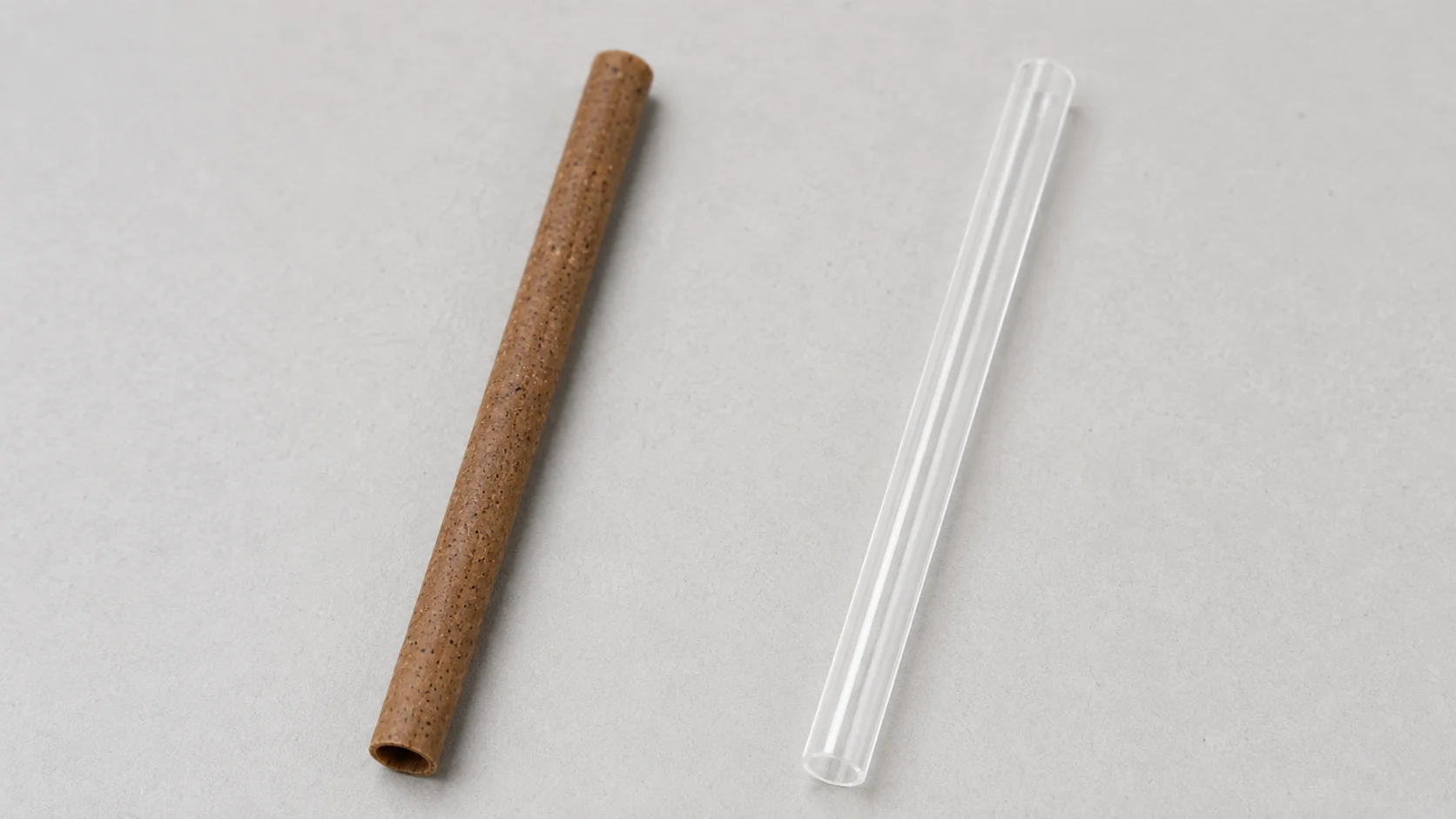
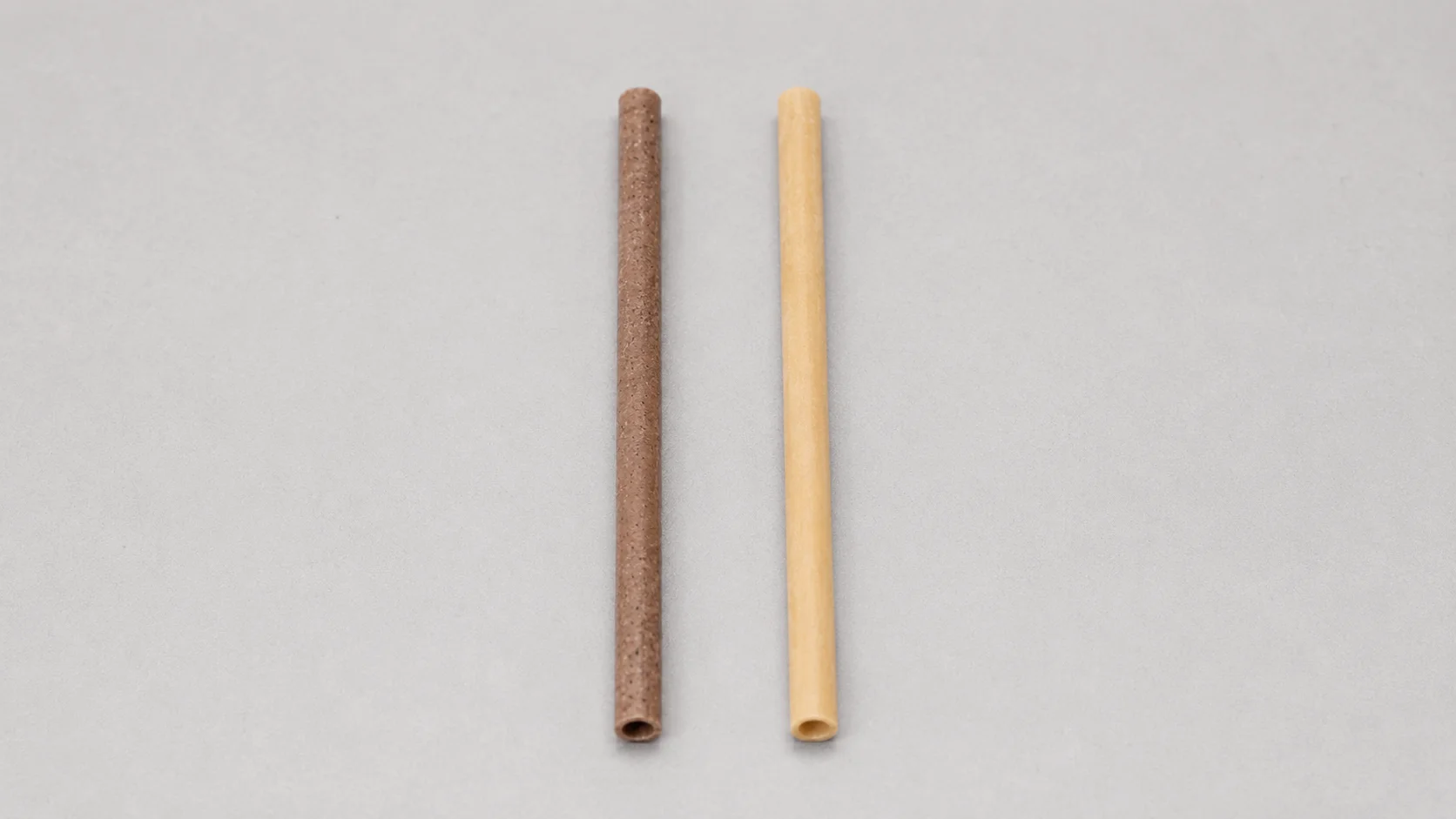
At MOMOIO, we understand the complexities of balancing sustainability, performance, and compliance for your business. OurSustainable Eco-Friendly Sugarcane Strawsoffer the perfect blend of performance, purity, and proven sustainability. Made from natural bagasse, they are meticulously designed to be taste-neutral, exceptionally durable, and rigorously free from harmful chemicals, including BPA, petroleum, bleach, heavy metals, and most importantly, PFAS. They are an ideal choice for businesses seeking to elevate their customer experience while championing true environmental stewardship.
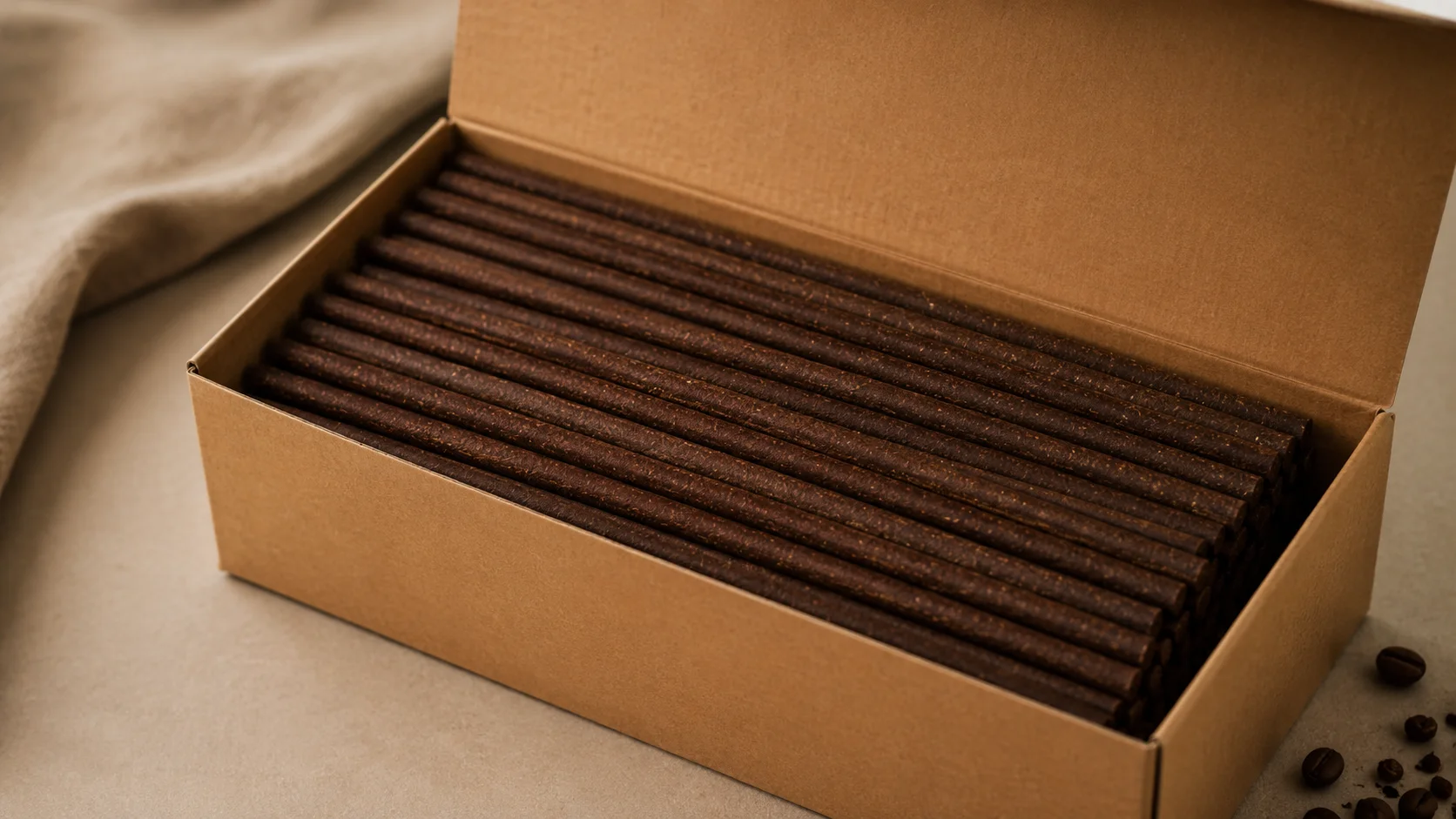
We believe in a holistic approach to sustainability. Beyond our premium sugarcane straws, MOMOIO offers a comprehensive range of certified eco-friendly solutions to support your entire operation. Discover our innovativeコーヒー粉ストローfor another unique, sustainable option, or explore our diverse selection of packaging. Complete your sustainable offerings with our certified生分解性食品包装solutions, designed to minimize environmental impact from farm to fork.
MOMOIO is committed to providing tailored solutions for your unique business needs:
- For Cafes: Elevate your coffee experience and meet eco-conscious demand with our durable, taste-neutral straws and complementary sustainable packaging.
- For Hotels: Enhance your hospitality offerings with premium, compliant, and environmentally responsible beverage accessories.
- For Retail: Boost your brand image and attract discerning customers with sustainable products that align with modern consumer values.
Make the Switch Today
Don’t let inferior straws detract from your customers’ experience or your brand’s vital commitment to sustainability. The time for genuine change is now. Choose a solution that guarantees taste integrity, superior performance, and verifiable environmental responsibility, allowing your business to thrive in a rapidly evolving market.
Explore Momoio’s Sustainable CollectionGet a Custom Quote
よくある質問
Taste • Durability • PFAS • Compliance • Certifications
いいえ、サトウキビのストローは味が中立になるように設計されています。製造中にバガス(繊維状の残留物)から糖分が除去されるため、飲料は本来の風味を保ちます。紙っぽい後味が残る多くの紙ストローとは異なり、サトウキビストローはクリーンな飲み心地を維持します。まれに、ユーザーは通常心地よいとされる非常に微妙な甘さを感じることがあります。
サトウキビのストローは耐久性が大幅に向上しています。紙のストローは湿って硬さを失うことがよくありますが、サトウキビのストローは温かい飲み物でも冷たい飲み物でも何時間も構造と硬さを維持するため、「濡れたストロー」のイライラを解消し、一貫して快適なユーザーエクスペリエンスを提供します。
High-quality sugarcane straws are typically free from BPA, petroleum-derived plastics, bleach, heavy metals—and critically, PFAS (per- and polyfluoroalkyl substances). Always verify with reputable third-party certifications and request batch COA/TOF (total organic fluorine) results to ensure PFAS-free compliance.
Yes. Genuine sugarcane straws align with global regulations such as the EU Single-Use Plastics Directive (SUPD) when supplied as plastic-free, fiber-based products. Their certified compostability also supports Extended Producer Responsibility (EPR) goals and broader circular economy targets.
Look for third-party marks such as:
EN 13432 (EU industrial compostability), ASTM D6400 / D6868 (North America), BPI certification, and TÜV OK compost (INDUSTRIAL / HOME). These confirm biodegradation, disintegration, eco-toxicity limits, and—where applicable—PFAS-free criteria.