I. The Plastic Straw Hangover: Why We Needed a Change
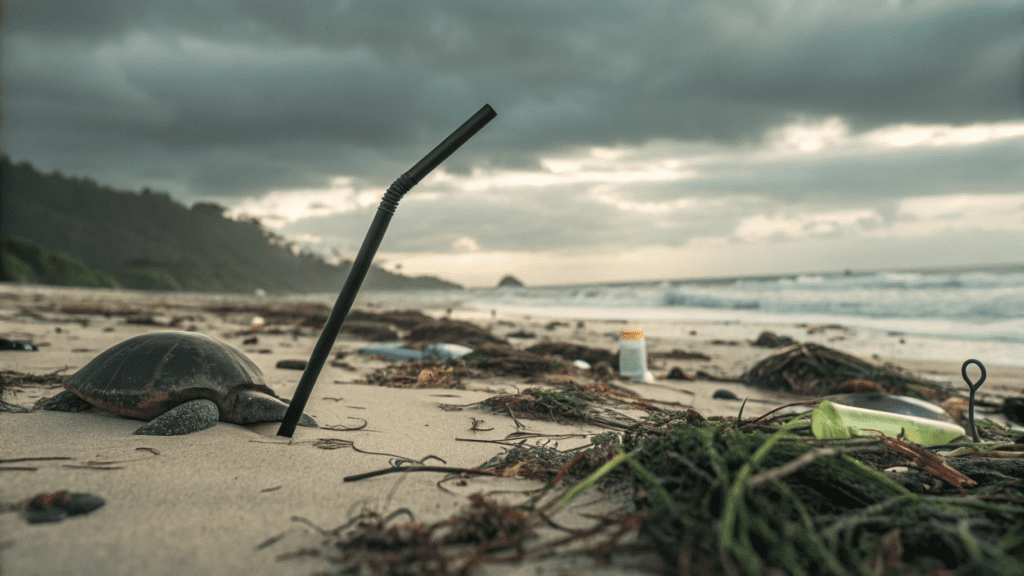
Ah, the ubiquitous plastic straw. Remember those days? Ubiquitous, convenient, a veritable symbol of carefree consumption. They were everywhere – fast food joints, fancy cocktail bars, even lurking in the depths of your kitchen drawer. Cheap and seemingly harmless, these slender tubes facilitated our sipping pleasure. Yet, their legacy is far from pleasurable, lingering for centuries in landfills and our oceans.
Enter the eco-heroes: compostable straws! What sorcery are these magical tubes, you ask?
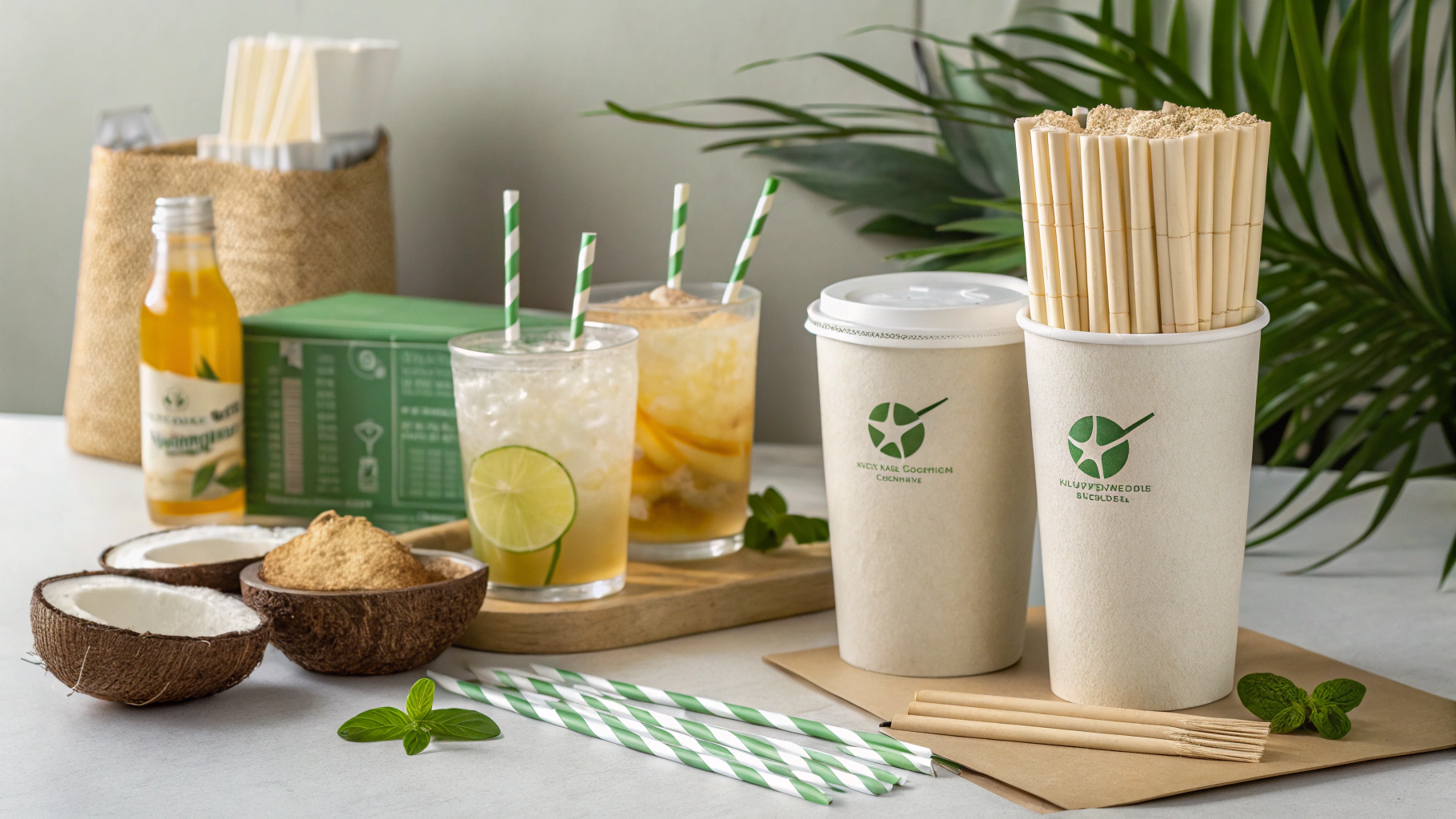
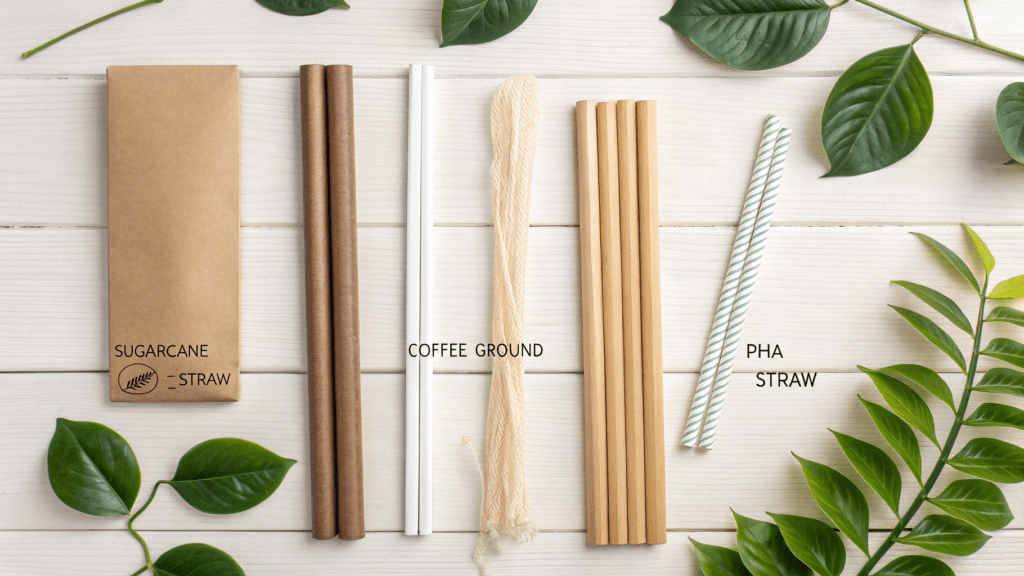
They’renotKunststof, allereerst! In plaats daarvan komen ze uit het plantenrijk – maïs, suikerriet, tarwe, bamboe, zelfs het bescheiden koffiedik leent zich voor dit doel. Maar de echte magie schuilt in hun Grote Belofte: om terug te ontbinden in natuurlijke elementen – water, CO2 en het goede oude vuil – binnen de gecontroleerde omgevingen van composteringsinstallaties, zonder een spoor van microplastic-kwaadaardigheid achter te laten. We hebben het over ontbinding in weken of maanden, niet in eeuwen.
And remember this rule of thumb: “Compostable” reigns supreme over “biodegradable.” The former adheres to stringent standards, ensuring a true vanishing act under specific conditions. The latter? Well, let’s just say its promises are often as flimsy as a…soggy straw.
II. A Twisted History: How Did We Get Here?
The history of the straw is longer, and stranger, than you might imagine.
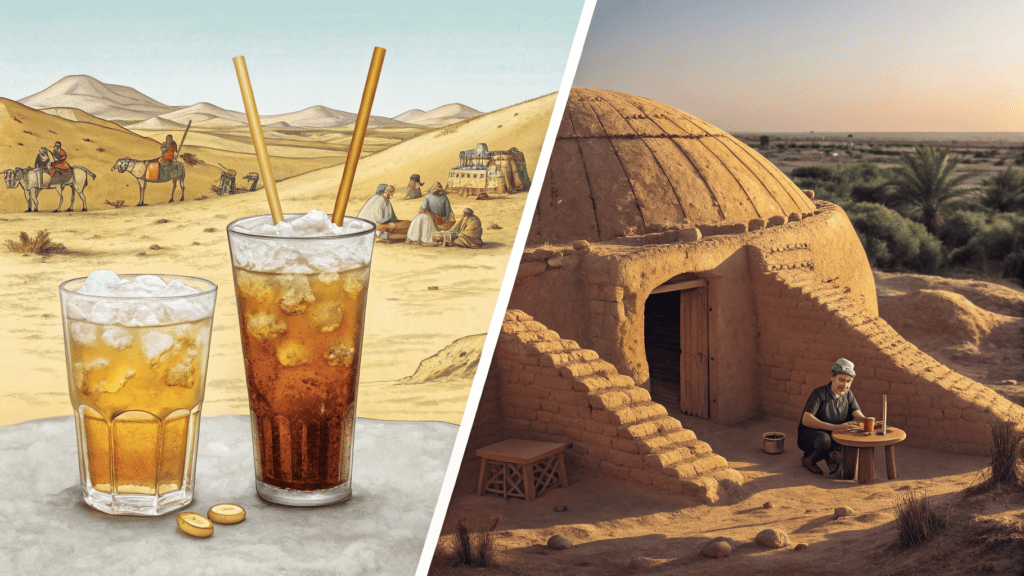
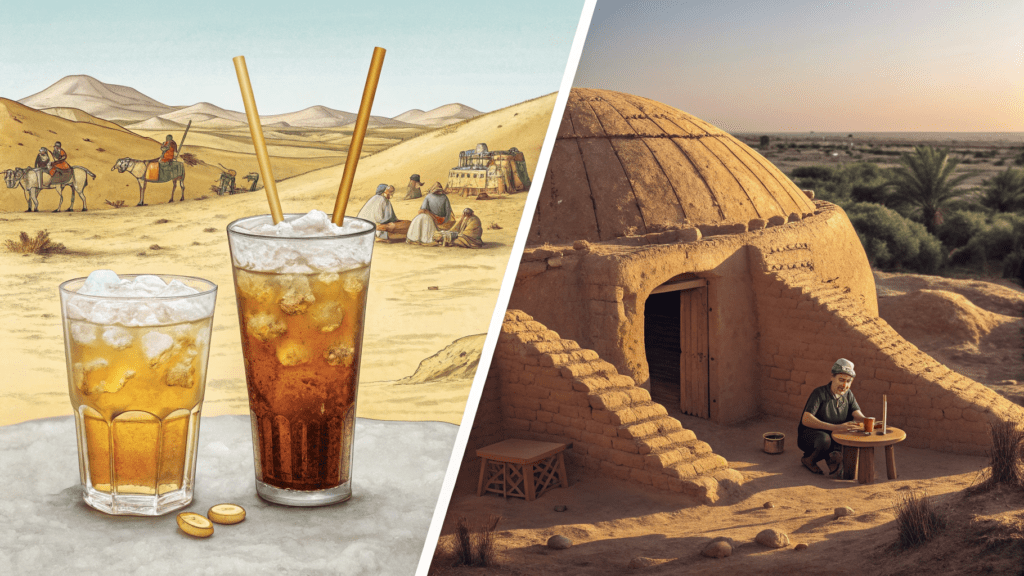
Believe it or not, our ancestors were sipping through tubes some 5,000 years ago. The Sumerians, those clever Mesopotamians, used golden straws to partake in their communal beer drinking. Imagine the parties! Reeds, bamboo, and even ornate metal “bombillas” – used for sipping fancy teas – followed.
Snel vooruit naar de jaren 1800, en we komen het ‘Soggy Rye-tijdperk’ tegen. Gemeenschappelijke rietjes werden vervolgens gemaakt van roggegras. Goedkoop? Ja. Smakelijk? Niet zo veel. Gevoelig voor snelle desintegratie? Absoluut. Een omgekeerde revolutie misschien?
Voer papier in om te redden (ronde één!). In 1888 patenteerde Marvin Stone het eerste moderne papieren rietje, dat op sluwe wijze in de was werd gezet om de gevreesde klefheid te weerstaan. Toen kwam in 1937 het buigzame rietje, een bewijs van menselijk vernuft (of misschien luiheid?).
Maar helaas, de overname van plastic was nabij. Na de Tweede Wereldoorlog brak het tijdperk van goedkoop plastic aan. Duurzaam, smaakneutraal en vatbaar voor massaproductie: plastic heeft alles voor zich uit geveegd. Papieren rietjes zijn zo goed als verdwenen. Het was het plastictijdperk, en rietjes waren de koningen (of koninginnen).
Then came the turtle. The infamous 2015 viral video of a sea turtle, its nostril violated by a plastic straw, served as a brutal wake-up call. Suddenly, convenience left a bitter taste.
Thus began the “Straw Wars.” Public outrage and environmental campaigns ignited a global movement. Paper straws (round two!) staged a comeback, but the specter of sogginess lingered. The search for something better was on.
III. The State of the Sip: What’s the Buzz About Today?
What does the modern consumer think of this straw saga?
Well, peoplelovethe idea of being eco-conscious. Consumers increasingly demonstrate a willingness to pay a premium and champion businesses that forsake plastic. For brands, embracing sustainability is not merely virtuous; it’s savvy.
But let’s address the elephant in the room: the “soggy straw” complaint. Nobody, and I meannobody, relishes the experience of a straw collapsing mid-drink. This is the primary grievance, particularly leveled against certain paper iterations. Whispers of peculiar tastes also circulate.
And then there’s the “compostable” conundrum. It sounds promising, yet where do these straws actually end up? Access to industrial composting facilities remains uneven, leading to…
How do restaurants respond to this changing landscape?
Consumer demand, burgeoning anti-plastic legislation (Seattle, DC, et al.), and a genuine yearning for sustainability are driving the switch.
However, the transition is not without its trials:
There’s the cost shock. Compostable straws often command a higher price than their plastic predecessors.
There’s performance anxiety. Will customers grumble? Will multiple straws be required per beverage?
And, of course, the composting conundrum (revisited!). If the local waste disposal system lacks composting capabilities, is the switch truly beneficial?
The solutions? Establishments are venturing beyond paper, experimenting with sugarcane, PHA (the “plastic-like but compostable” marvel), agave, and even pasta! The “straw upon request” policy is also gaining traction.
IV. Stirring the Pot: The Controversies Around Compostable Straws
The path to sustainable sipping is fraught with complexities and potential pitfalls.
Is itreallycompostable, or just a clever marketing ploy? Many PLA straws necessitate specialized industrial facilities that remain scarce. If relegated to a conventional landfill, their impact is minimal.
En dan is er nog het ‘voor altijd chemische’ fiasco van PFAS. Bereid je voor: sommige papieren en plantaardige rietjes blijken PFAS te bevatten, persistente en potentieel schadelijke chemicaliën. De ironie is voelbaar, nietwaar?
De grootste uitdaging ligt in het tekort aan infrastructuur. Zonder wijdverspreide toegang tot goede composteringsfaciliteiten kunnen zelfs de nobelste bedoelingen averechts werken. Deze rietjes kunnen zelfs de reguliere recycling- of composteringsstromen vervuilen als ze niet op de juiste manier worden gesorteerd.
We zitten gevangen in een voortdurende strijd tussen prestatie en principes. Prioriteren we duurzaamheid boven duurzaamheid, of andersom?
Finally, there is the question of “Food vs. Straws?”. The utilization of crops like corn or sugarcane for disposable items raises ethical considerations.
V. Nippen aan morgen: wat is de toekomst voor rietjes?
Innovatie is het sleutelwoord van de toekomst.
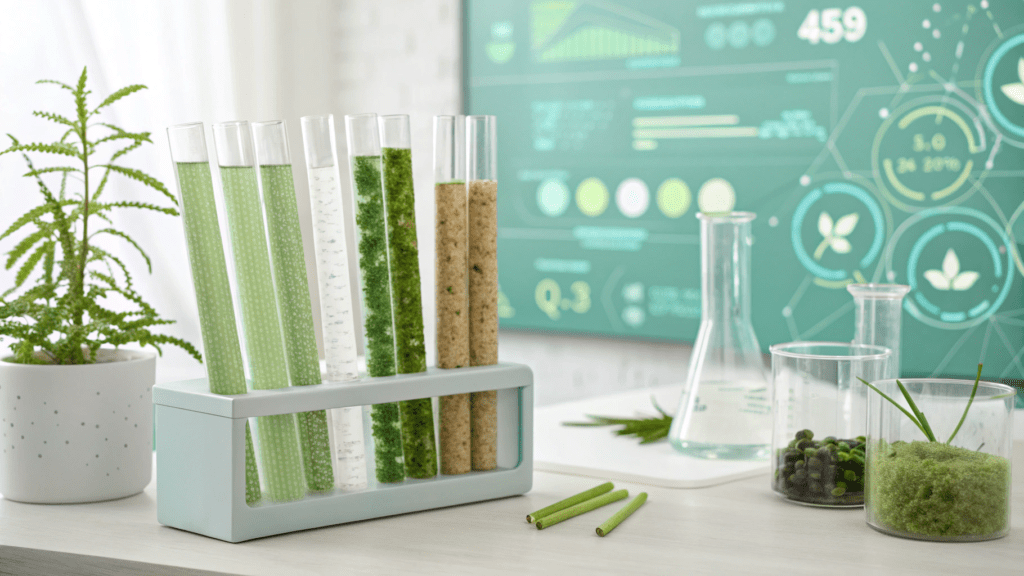
Overweeg rietjes op kalksteenbasis (Biodolomer). Opmerkelijke stabiliteit, stijfheid, hittebestendigheid en geen verlies van microplastic!
Of bacteriële cellulose en zeewierrietjes. Steviger dan papier, vereist geen compostering (in bepaalde gevallen) en mogelijk zelfs eetbaar! (Hoewel je voorlopig misschien geen tussendoortjes meer moet eten.)
PHA is klaar voor zijn moment. Dit materiaal schittert echt en ontbindt in huiscompost, industriële faciliteiten, de bodem en zelfs in mariene omgevingen! Het bootst het gevoel en de functie van plastic na zonder schuldgevoel.
En laten we het papier van de volgende generatie niet vergeten. Dikkere, verbeterde coatings (van planten afkomstig!), natuurlijke lijmen – papieren rietjes ondergaan een serieuze upgrade.
The focus is shifting towards materials that decompose readily and universally, without the need for specialized industrial plants.
As demand surges, expect prices to decline, making eco-straws more accessible to all.
Ultimately, the aspiration is to transcend single-use items altogether – perhaps through redesigned “sip” lids or a greater emphasis on reusable alternatives.
VI. The Final Sip: Making Every Drop Count
De zoektocht naar het perfecte milieuvriendelijke rietje is een voortdurend verhaal, een tapijtwerk dat is verweven uit innovatie, consumentengedrag, uitdagingen in de sector en infrastructurele vereisten. Maar één waarheid blijft duidelijk: de heerschappij van het wegwerpbare plastic rietje loopt gelukkig ten einde. Door op de hoogte te blijven, gewetensvolle keuzes te maken en bedrijven en beleid te ondersteunen die echte duurzaamheid nastreven, kunnen we ervoor zorgen dat elke slok die we nemen onze planeet voedt in plaats van schaadt.