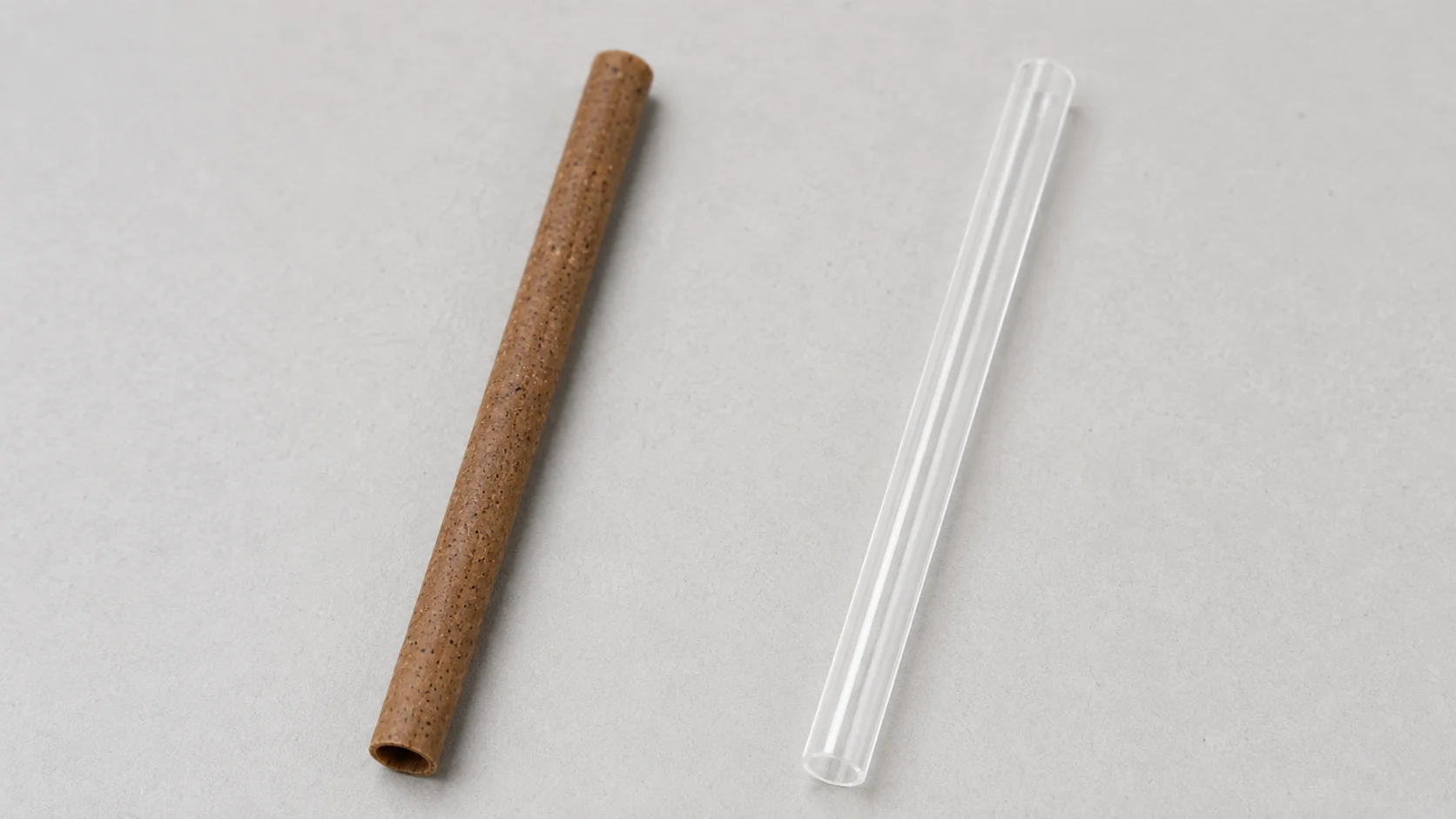
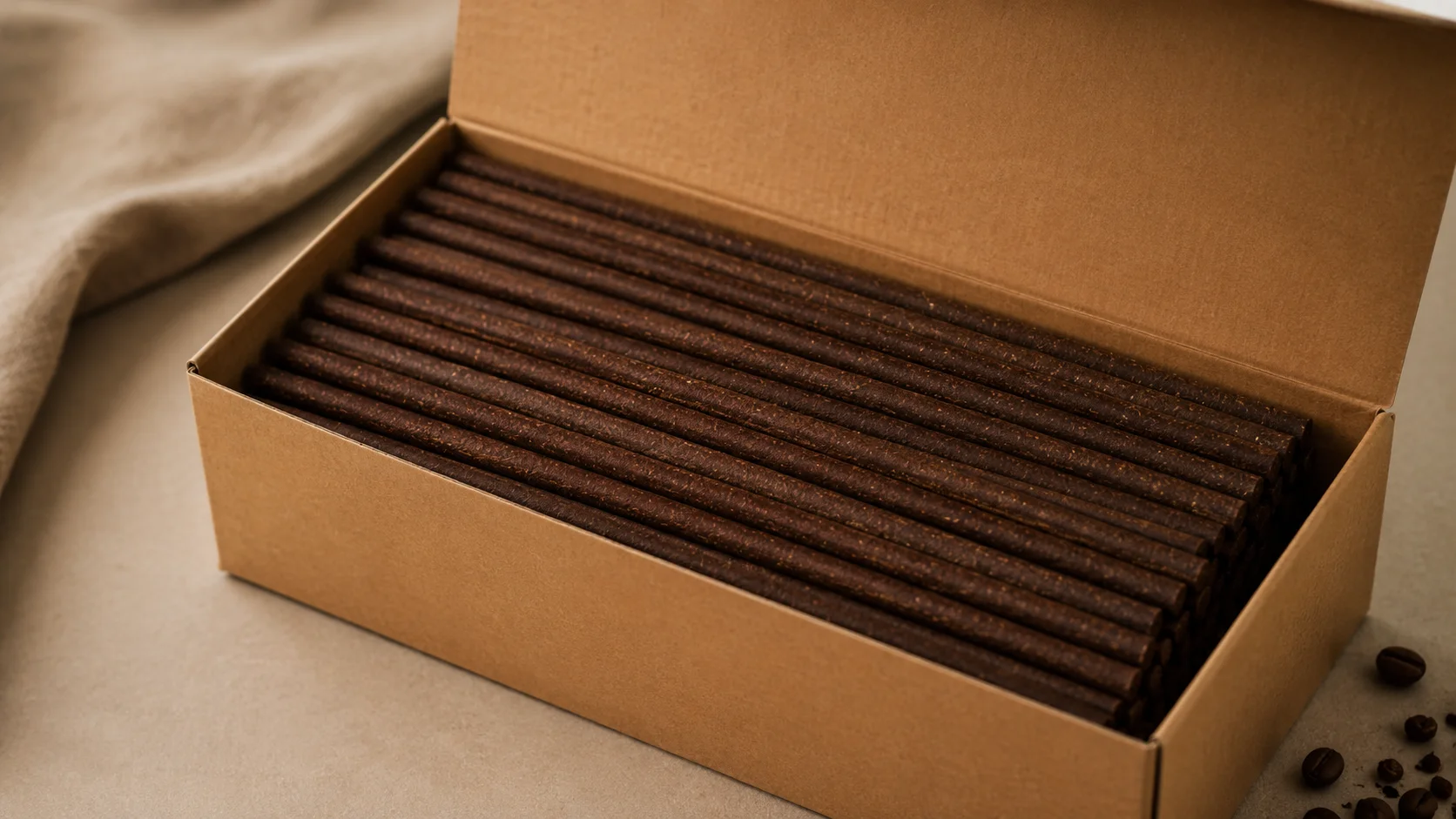
Belangrijkste markten die de vraag naar composteerbare rietjes stimuleren: een strategisch overzicht voor B2B-leiders
Navigating the shift to sustainable solutions in hospitality & foodservice supply chains.
De wereldeconomie ondergaat een fundamentele verschuiving, weg van plastic voor eenmalig gebruik, gedreven door een onmiskenbare noodzaak: ecologische duurzaamheid. Voor B2B-beslissers op het gebied van inkoop, bedrijfsvoering, duurzaamheid en supply chain management is dit niet alleen een zorg voor het milieu; het is een operationele en commerciële uitdaging waar veel op het spel staat. De transitie naar milieuvriendelijke alternatieven is niet langer optioneel, maar een cruciale strategische manoeuvre om de markttoegang te behouden, naleving te garanderen en tegemoet te komen aan de escalerende eisen van consumenten en belanghebbenden.
Composteerbare rietjes zijn naar voren gekomen als een cruciale oplossing in deze paradigmaverschuiving. De acceptatie ervan versnelt snel, gevoed door een krachtige convergentie van strenge regelgevende mandaten, een steeds milieubewustere consumentenbasis en proactieve duurzaamheidsinitiatieven van bedrijven. Bedrijven die zich niet aanpassen riskeren aanzienlijke boetes, reputatieschade en erosie van het klantvertrouwen, wat uiteindelijk hun bedrijfsresultaten en levensvatbaarheid op de lange termijn zal beïnvloeden. Deze analyse duikt in de primaire markten die de vraag naar composteerbare rietjes stimuleren en biedt een strategische routekaart voor B2B-leiders die door dit evoluerende landschap navigeren.
Bronnen: UNEP (2023) over de mondiale plasticvervuiling, Europese Commissie (2021) over de handhaving van de SUPD, NielsenIQ (2023) over de duurzaamheidsvoorkeuren van consumenten.Het omarmen van composteerbare rietjes is een strategische noodzaak voor B2B-leiders in de horeca en foodservice.
The Foodservice & Hospitality Sector: A Primary Driver for Compostable Straws
De foodservice- en horecabranche lopen voorop in de revolutie van composteerbaar stro, gedreven door hun directe interactie met consumenten en de enorme hoeveelheid wegwerpartikelen die ze dagelijks uitdelen.
Quick-Service Restaurants (QSR's) en koffieketens leiden de adoptie met een marktaandeel van 52,8%

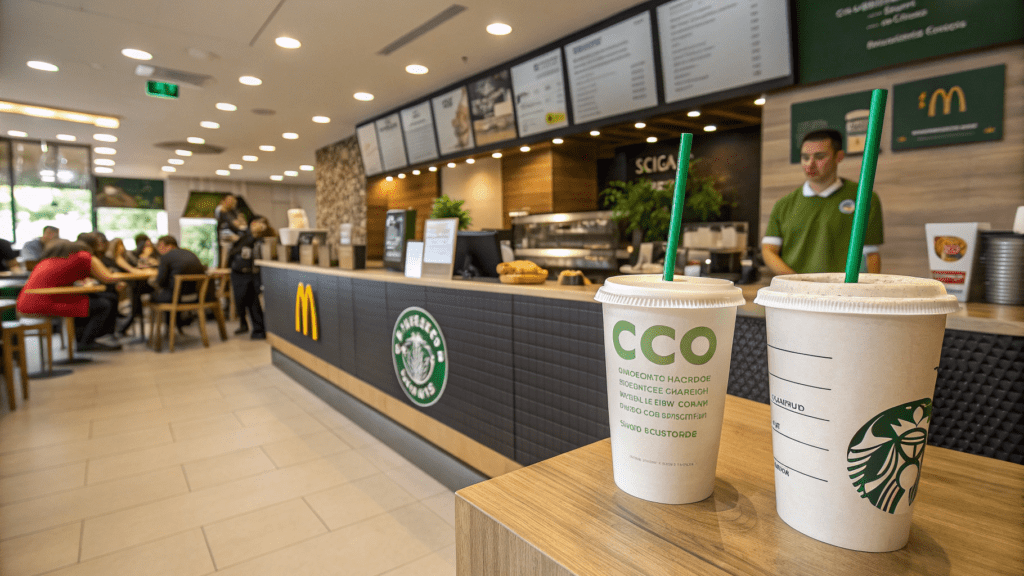
De segmenten quick-service restaurants (QSR) en koffieketens zijn de onbetwiste leiders op het gebied van de adoptie van composteerbaar stro. Deze foodservicesector zal naar verwachting een dominante positie innemen52,8%van de markt voor composteerbare rietjes in 2025. Grote wereldspelers als McDonald’s en Starbucks lopen voorop in deze transitie, gedreven door ambitieuze duurzaamheidsdoelstellingen van bedrijven en de evoluerende eetnormen die prioriteit geven aan groene verpakkingen.
Hun wijdverbreide transitie schept een precedent voor de hele sector. Nu consumenten steeds meer de voorkeur geven aan milieuvriendelijke keuzes, erkennen QSR's en koffieketens dat het omarmen van composteerbare oplossingen niet alleen gaat over naleving, maar ook over het verbeteren van het merkimago en het aantrekken van een groeiend segment van milieubewuste klanten.
Full-service restaurants, hotels en catering omarmen duurzame rietjes
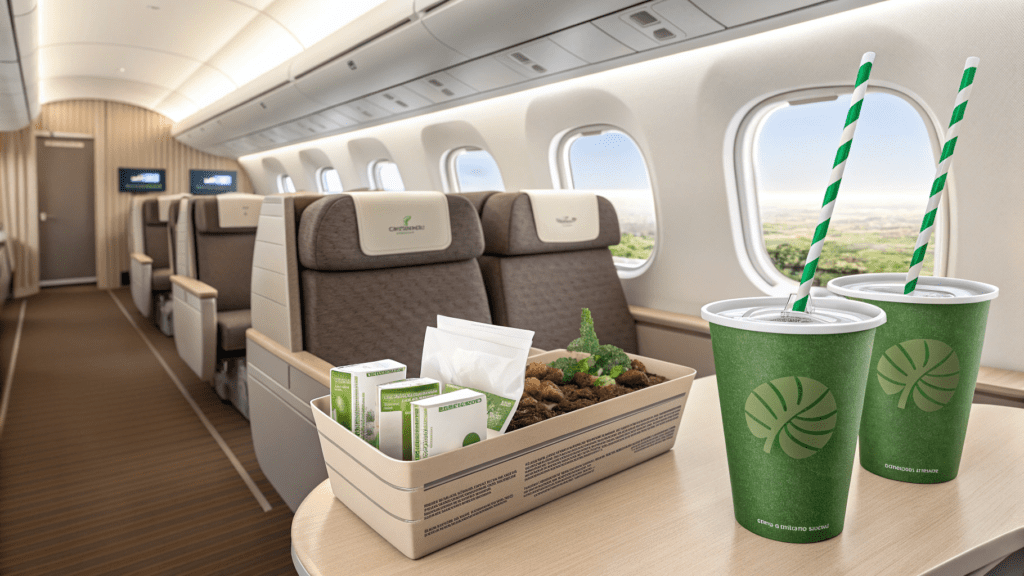
Naast fast-casual, integreren full-service restaurants, hotels en cateringdiensten snel composteerbare rietjes in hun activiteiten. Deze verschuiving sluit naadloos aan bij hun bredere zero-waste- en milieu-, sociale- en bestuursdoelstellingen (ESG). De toenemende consumptie van kant-en-klare producten binnen deze omgevingen vereist een schaalbare, milieuvriendelijke rietje-optie. Voorhotels en luchtvaartmaatschappijenIn het bijzonder biedt het gebruik van individueel verpakte composteerbare rietjes een strategisch voordeel, waarbij de naleving van hygiëne wordt gecombineerd met aanzienlijke ROI-mogelijkheden door een verbeterde merkperceptie en lagere afvalbeheerkosten. Ontdek meer over hoe deze sectoren profiteren door onze inzichten te verkennenhoe hotels en luchtvaartmaatschappijen een strategisch voordeel behalen met individueel verpakte composteerbare rietjes.De horeca- en foodservicesector zijn de belangrijkste drijfveren voor de vraag naar composteerbaar stro.
Mondiale regelgevingskaders versnellen de adoptie van composteerbare rietjes
Overheidswetgeving en regelgevende mandaten zijn onmiskenbaar de krachtigste katalysatoren voor de wijdverbreide adoptie van composteerbare rietjes, waardoor bedrijven worden gedwongen zich aan te passen, anders worden ze geconfronteerd met aanzienlijke repercussies.
Impact van de richtlijn voor eenmalig gebruik van kunststoffen (EU SUPD) van de Europese Unie
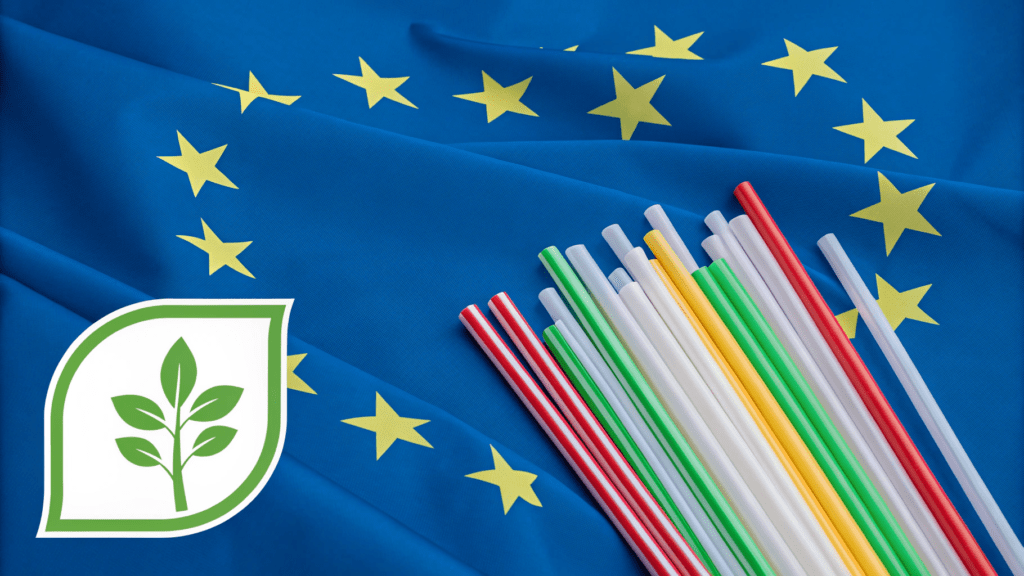
De Europese Unie’s Single-Use Plastics Regulation (EU SUPD), die sinds 2021 streng wordt gehandhaafd, is een cruciale wetgevende trigger geweest. Deze richtlijn verbiedt effectief een groot aantal plastic artikelen voor eenmalig gebruik, waaronder rietjes, in de lidstaten. Landen als Groot-Brittannië, Duitsland, Frankrijk en Italië hebben als gevolg daarvan een sterke stijging van de vraag naar gecertificeerde composteerbare alternatieven ervaren.
Het alomvattende karakter van de EU SUPD betekent dat horecagelegenheden die binnen Europa actief zijn, rietjes moeten aanschaffen die gecertificeerd composteerbaar zijn om naleving te garanderen. Het niet naleven van deze regelgeving kan leiden tot aanzienlijke boetes en operationele verstoringen, wat de cruciale behoefte aan robuuste inkoopstrategieën benadrukt die prioriteit geven aan gecertificeerde oplossingen. Meer details over de EU SUPD zijn te vinden op deWebsite van de Europese Commissie.
Noord-Amerikaanse staats- en stadsverboden stuwen de vraag, met een Amerikaanse CAGR van 7,5%
Terwijl de VS geen federaal plasticverbod kent, leidt Noord-Amerika het mondiale marktaandeel voor composteerbare rietjes, grotendeels aangedreven door een lappendeken van agressieve regelgeving op staats- en stadsniveau. Met name de Amerikaanse markt zal naar verwachting groeien met een samengesteld jaarlijks groeipercentage (CAGR) van7,5%. Staten als Californië en New York hebben verregaande beperkingen ingevoerd op plastic voor eenmalig gebruik, wat een wijdverspreide adoptie tot gevolg heeft.
Een opmerkelijk voorbeeld is de wet van San Francisco uit 2020, die voorschrijft dat al het voedselmateriaal voor eenmalig gebruik, inclusief rietjes, gecertificeerd moet zijn als BPI (Biodegradable Products Institute) of als composteerbaar door TÜV AUSTRIA. Deze nadruk op certificering door derden onderstreept de noodzaak voor B2B-kopers om de authenticiteit en echte composteerbaarheid van hun gekozen oplossingen te verifiëren. Canada heeft ook federale verboden ingevoerd op plastic voor eenmalig gebruik, inclusief rietjes, waardoor het leiderschap van Noord-Amerika op deze markt verder wordt versterkt.
De proactieve houding van Azië en de Stille Oceaan ten aanzien van plasticafval zorgt voor de snelste groei
De regio Azië-Pacific ontpopt zich als de snelst groeiende markt voor composteerbare rietjes, gedreven door snelle verstedelijking, stijgende besteedbare inkomens en steeds proactievere overheidsinitiatieven om plastic afval tegen te gaan. Landen als Zuid-Korea hebben ambitieuze doelen gesteld, zoals het bereiken van koolstofneutraliteit in 2050, wat de adoptie van milieuvriendelijke alternatieven direct stimuleert. Japan en India doen ook actief onderzoek naar en implementeren van strategieën om de plasticconsumptie aanzienlijk terug te dringen. Dit regionale momentum creëert enorme kansen voor fabrikanten en leveranciers van composteerbare producten.Mondiale regelgeving is een krachtige katalysator voor de adoptie van composteerbaar stro op alle markten.
Consumer Demand & Corporate ESG Drive the Shift to Compostable Straws
Naast de regelgeving zijn de enorme verschuiving in de voorkeuren van consumenten en de groeiende nadruk op Maatschappelijk Verantwoord Ondernemen (MVO) en ESG-maatstaven krachtige krachten die inkoopbeslissingen vormgeven.
80% van de consumenten geeft de voorkeur aan milieuvriendelijke producten, wat de inkoop beïnvloedt
Een onthutsend80%van de consumenten wereldwijd geeft nu de voorkeur aan milieuvriendelijke producten, wat aankoopbeslissingen op elk niveau rechtstreeks beïnvloedt. Dit groeiende mondiale bewustzijn over milieuproblemen en de verwoestende impact van plasticvervuiling op oceanen en ecosystemen dwingt bedrijven tot actie. Consumenten zijn steeds meer bereid een premie te betalen voor duurzame keuzes, waardoor er een enorme druk ontstaat op bedrijven om groene verpakkingen en praktijken te integreren. Voor besluitvormers is het omarmen van milieuvriendelijke productaanbiedingen niet alleen een trend; het is een strategische noodzaak voor concurrentievoordeel en merkloyaliteit op de lange termijn.
Grote bedrijven investeren in duurzame rietjes als onderdeel van groene initiatieven
Toonaangevende bedrijven, die de dubbele voordelen van milieubeheer en een verbeterde merkreputatie erkennen, investeren actief in duurzame stro-oplossingen. The Coca-Cola Company is bijvoorbeeld in verschillende markten overgestapt op FSC-geaccrediteerde biologisch afbreekbare en gerecyclede papieren rietjes, waardoor plastic alternatieven geleidelijk zijn uitgefaseerd. Het adopteren van gecertificeerde composteerbare oplossingen getuigt van een oprechte toewijding aan MVO en voldoet aan de veranderende verwachtingen van zowel belanghebbenden, investeerders als klanten. Deze proactieve aanpak helpt bedrijven zich te onderscheiden in een drukke markt en een veerkrachtig merkimago op te bouwen.
Mini Case Study: Starbucks Korea & Paris Baguette Lead South Korean Market Shift

Zuid-Korea is een voorbeeld van de krachtige combinatie van overheidsmandaten en leiderschap van bedrijven die de markttransformatie stimuleren. In lijn met de ‘Zero Waste’-campagne van het land en het ambitieuze doel van koolstofneutraliteit voor 2050 hebben grote ketens beslissende actie ondernomen. Starbucks Korea is een pionier geweest en heeft actief composteerbare rietjes geïntroduceerd in zijn uitgebreide netwerk van cafés. In navolging hiervan breidde Paris Baguette, een andere prominente bakkerij- en caféketen, het gebruik van composteerbare rietjes aanzienlijk uit. Deze spraakmakende adopties hebben niet alleen het plasticafval verminderd, maar hebben ook gezorgd voor een substantiële marktexpansie voor producenten van composteerbaar stro in de regio, wat het rimpeleffect illustreert van grootschalige zakelijke toezeggingen.De vraag van de consument en de ESG-doelstellingen van bedrijven zijn krachtige krachten voor een duurzame adoptie van stro.
Emerging Markets & Expanding Applications for Eco-Friendly Straws
Het bereik van composteerbare rietjes reikt veel verder dan de traditionele foodservice en dringt door in nieuwe sectoren en toepassingen naarmate de duurzaamheidsbeweging aan momentum wint.
Retail- en e-commercekanalen verbreden de toegankelijkheid
De groei van de retail- en e-commercekanalen heeft de toegankelijkheid van diverse milieuvriendelijke stro-opties aanzienlijk vergroot. Supermarkten, hypermarkten en online winkels hebben steeds meer verschillende composteerbare rietjes in voorraad, die rechtstreeks gericht zijn op individuele consumenten die een afvalvrije levensstijl aannemen voor huishoudelijk gebruik. Deze proliferatie creëert nieuwe distributiekanalen en marktsegmenten, die verder gaan dan de afhankelijkheid van traditionele commerciële foodservice-inkoop.
Evenementen en festivals gebruiken milieuvriendelijke rietjes voor grote bijeenkomsten
Grootschalige publieke evenementen, muziekfestivals, sportlocaties en concerten bevorderen in toenemende mate duurzaamheid door middel van groene praktijken. Dit omvat de wijdverbreide toepassing van composteerbare rietjes om de milieu-impact van artikelen voor eenmalig gebruik te minimaliseren. Op dezelfde manier integreren bedrijfsevenementen composteerbare oplossingen om aan te sluiten bij hun duurzaamheidsbeloftes, waarmee ze betrokkenheid tonen bij een breed publiek en verantwoorde bedrijfspraktijken versterken.
Zorg- en onderwijsinstellingen sluiten zich aan bij de Groene Beweging
Zelfs sectoren die traditioneel trager groene initiatieven adopteren, maken vooruitgang. Medische instellingen en ziekenhuizen beginnen biologisch afbreekbare rietjes te gebruiken om aan te sluiten bij hun bredere duurzaamheidsbeleid en doelstellingen voor afvalvermindering. Op dezelfde manier moedigen scholen en universiteiten het gebruik van milieuvriendelijke opties aan, niet alleen om praktische redenen, maar ook als een essentieel onderdeel van milieueducatie en het bevorderen van verantwoorde consumptie onder studenten en personeel. Instellingen uit de publieke sector geven steeds meer prioriteit aan ESG-naleving in hun inkoopprocessen, waardoor de markt voor composteerbare oplossingen verder wordt uitgebreid.Composteerbare rietjes breiden zich uit naar nieuwe markten zoals de detailhandel, evenementen, gezondheidszorg en onderwijs.
Innovation & Market Projections for Compostable Straws
De markt voor composteerbare rietjes wordt gekenmerkt door snelle innovatie op het gebied van materiaalwetenschap en productie, wat indrukwekkende groeiprognoses ondersteunt.
Vooruitgang in materialen: papier, PLA en meer voor duurzame composteerbare rietjes
Het landschap van composteerbare stromaterialen evolueert voortdurend om de prestaties, duurzaamheid en gebruikerservaring te verbeteren. Momenteel wordt verwacht dat papieren rietjes de markt zullen domineren44,3%marktaandeel in 2025, grotendeels dankzij hun gevestigde milieuvriendelijke eigenschappen en wijdverbreide beschikbaarheid. De innovaties gaan echter verder dan gewoon papier en omvatten nieuwe meerlaagse coatings die de duurzaamheid aanzienlijk verbeteren en het veel voorkomende probleem van doorweektheid voorkomen.
Polymelkzuur (PLA), afgeleid van hernieuwbare plantaardige bioplastics (zoals maïszetmeel), biedt een composteerbaar alternatief dat dichter bij traditioneel plastic lijkt en bekend staat om zijn stijfheid. Andere opkomende materialen zijn suikerriet, bamboe, tarwe, rijst, zeewier en zelfs pasta. Deze ontwikkelingen zijn van cruciaal belang om ervoor te zorgen dat composteerbare rietjes voldoen aan de praktische eisen van verschillende dranktoepassingen zonder de consumentenervaring in gevaar te brengen. Het begrijpen van het onderscheid tussen deze materialen is van cruciaal belang voor de inkoop, en voor onsB2B-gids over composteerbare versus biologisch afbreekbare rietjesgeeft verdere details.
Projecties voor de mondiale marktgroei: van $1,9 miljard naar $3,8 miljard in 2035
Het robuuste groeitraject van de markt voor composteerbare rietjes betekent een grote, onomkeerbare verschuiving in de drankenverpakkingsindustrie. De wereldwijde markt voor composteerbare rietjes zal naar verwachting aanzienlijk groeien, van USD1,9 miljard in 2025 tot 3,8 miljard dollar in 2035, met een samengesteld jaarlijks groeipercentage (CAGR) van 7,1%. Als we kijken naar de bredere markt voor milieuvriendelijke rietjes, die alle duurzame alternatieven omvat, wordt de waarde geschat op ongeveer 12,3 miljard dollar in 2025, waarbij projecties wijzen op een groei tot bijna 25,1 miljard dollar in 2035 bij een CAGR van 7,3%. Deze substantiële marktuitbreiding onderstreept de toenemende vraag naar en investeringen in duurzame oplossingen.
Navigeren door de uitdagingen van de verwijderingsinfrastructuur voor optimale compostering
Ondanks de vooruitgang op het gebied van materialen blijft de verwijderingsinfrastructuur een aanzienlijke uitdaging voor de markt voor composteerbaar stro. Voor veel composteerbare materialen, met name PLA, vereist effectieve biologische afbraak specifieke industriële composteringsfaciliteiten. Het gebrek aan wijdverbreide toegang tot dergelijke infrastructuur in alle regio’s kan de volledige circulariteit van deze producten belemmeren, waardoor ze mogelijk op stortplaatsen belanden als ze niet op de juiste manier worden gesorteerd. Strategische samenwerkingen tussen B2B-leveranciers en afvalbeheerbedrijven zijn essentieel om robuuste inzamel- en verwerkingssystemen te ontwikkelen. Bedrijven moeten de juiste verwijderingsmethoden voor gecertificeerde composteerbare producten begrijpen om ervoor te zorgen dat hun milieuvoordelen volledig worden gerealiseerd. OnsB2B-draaiboek voor duurzaam afvalbeheerbiedt praktische begeleiding.Innovatie op het gebied van materialen en sterke marktprognoses bepalen de composteerbare stro-industrie.
Vergelijkingstabel: Composteerbare strotechnologieën voor B2B-adoptie
Om de juiste inkoopbeslissing te kunnen nemen, is inzicht nodig in de operationele, compliance- en financiële implicaties van verschillende composteerbare stro-opties.
| Functie | B2B operationele impact | Nalevingsopmerking | ROI-potentieel |
|---|---|---|---|
| Papieren rietjes | Op grote schaal verkrijgbaar, kosteneffectief voor gebruik in grote volumes; diverse maten. | Over het algemeen in overeenstemming met de meeste plasticverboden voor eenmalig gebruik; controleer op duurzaamheid (vochtigheid) afhankelijk van de toepassing. | Hoge klanttevredenheid door milieuvriendelijke keuze; positief merkimago; vermindert boetes voor plastic afval; brede marktacceptatie. |
| PLA-rietjes | Biedt superieure stijfheid en mondgevoel in vergelijking met papier, vergelijkbaar met traditioneel plastic. | Vereist industriële composteringsfaciliteiten; gecertificeerd volgens ASTM D6400- of EN 13432-normen. | Verbeterde gebruikerservaring die leidt tot terugkerende klanten; sterke afstemming op duurzaamheidsdoelstellingen; doet een beroep op kritische, milieubewuste consumenten; ondersteunt initiatieven op het gebied van de circulaire economie. |
| Rietjes van suikerriet/bamboe | Duurzame, unieke natuurlijke textuur; vaak hogere eenheidskosten dan papier of PLA; ambachtelijke aantrekkingskracht. | Uitstekende natuurlijke biologische afbreekbaarheid; zorgt voor naleving van een strikt milieubeleid en groene certificeringen. | Perceptie en differentiatie van premiummerken; aantrekkingskracht op de nichemarkt voor hoogwaardige of speciale locaties; milieuvoordelen op lange termijn en een kleinere ecologische voetafdruk. |
Het kiezen van het juiste composteerbare rietje vereist inzicht in de operationele, compliance- en financiële implicaties.
Competitive Advantage & Business Case
Voor B2B-leiders gaat de beslissing om composteerbare rietjes te gebruiken verder dan alleen naleving; het is een krachtige kans om concurrentievoordeel te behalen en een robuuste business case op te bouwen.
Kwantificeerbare voordelen omvatten aanzienlijke risicobeperking. Door proactief over te stappen op gecertificeerde composteerbare oplossingen kunnen bedrijven aanzienlijke boetes vermijden die gepaard gaan met de zich ontwikkelende plasticverboden en hun activiteiten beschermen tegen toekomstige wijzigingen in de regelgeving. Deze vooruitziende blik garandeert een ononderbroken markttoegang in regio's met een strikt milieubeleid, zoals de EU.
Bovendien is de stijging van de merkwaarde aanzienlijk. Omdat 80% van de consumenten de voorkeur geeft aan milieuvriendelijke producten, verbetert het omarmen van composteerbare rietjes direct de merkreputatie en cultiveert het de loyaliteit van de consument. Deze positieve publieke perceptie kan zich vertalen in een grotere omzet en marktaandeel. In de foodservicesector, die meer dan 50% van de markt in handen heeft, kan het aanbieden van duurzame opties bijvoorbeeld een belangrijke onderscheidende factor zijn, waardoor milieubewuste klanten worden aangetrokken en mogelijk premiumprijzen mogelijk worden gemaakt. Naast directe verkoop spreekt een sterk duurzaamheidsengagement ook ESG-gerichte investeerders en getalenteerde werknemers aan, waardoor de algemene marktpositie en de veerkracht van een bedrijf op de lange termijn worden versterkt. De transitie ondersteunt ook de bredere circulaire economie door de afhankelijkheid van eindige hulpbronnen te verminderen en het omleiden van afval te bevorderen.Het adopteren van composteerbare rietjes biedt aanzienlijke concurrentievoordelen en een sterke business case.
Veelgestelde vragen (FAQ's)
Wat zijn composteerbare rietjes en waarom zijn ze belangrijk voor horeca en foodservice?
Composteerbare rietjes zijn milieuvriendelijke alternatieven voor traditionele plastic rietjes, ontworpen om af te breken in natuurlijke elementen. Ze zijn van cruciaal belang voor de horeca en foodservice om te voldoen aan de wettelijke verplichtingen, de vraag van de consument naar duurzaamheid, en om de merkreputatie te verbeteren en tegelijkertijd plastic afval te verminderen.
Welke invloed heeft mondiale regelgeving op de adoptie van composteerbare rietjes in B2B-sectoren?
Regelgeving zoals de EU-richtlijn voor eenmalig gebruik van kunststoffen en verschillende staats- en stadsverboden in Noord-Amerika dwingen bedrijven om over te stappen op gecertificeerde composteerbare rietjes. Het niet naleven ervan kan leiden tot aanzienlijke boetes en operationele verstoringen, waardoor naleving een belangrijke drijfveer wordt voor B2B-inkoop.
Wat zijn de belangrijkste voordelen voor hotels en luchtvaartmaatschappijen die individueel verpakte composteerbare rietjes adopteren?
Hotels en luchtvaartmaatschappijen behalen een strategisch voordeel door de naleving van hygiëne te combineren met aanzienlijke ROI-mogelijkheden. Dit omvat een verbeterde merkperceptie, lagere kosten voor afvalbeheer en het voldoen aan de verwachtingen van milieubewuste reizigers, wat leidt tot een grotere klantloyaliteit.
Wat zijn de verschillende soorten materialen die worden gebruikt voor composteerbare rietjes?
Veel voorkomende materialen zijn onder meer papier, polymelkzuur (PLA), afgeleid van plantaardig zetmeel, en natuurlijke materialen zoals suikerriet, bamboe, tarwe, rijst en zelfs pasta. Elk biedt verschillende kenmerken op het gebied van duurzaamheid, gevoel en composteringsvereisten.
Welke uitdagingen bestaan er bij het weggooien van composteerbare rietjes?
Een belangrijke uitdaging is de behoefte aan specifieke industriële composteringsfaciliteiten voor veel composteerbare materialen, met name PLA. Het gebrek aan wijdverspreide toegang tot dergelijke infrastructuur kan ertoe leiden dat deze producten op stortplaatsen belanden als ze niet op de juiste manier worden gesorteerd, waardoor hun volledige milieuvoordeel wordt belemmerd.
Hoe kan het gebruik van composteerbare rietjes bedrijven een concurrentievoordeel opleveren?
Naast de naleving van de regelgeving, beperkt het gebruik van composteerbare rietjes de risico’s van de zich ontwikkelende plasticverboden, zorgt het voor markttoegang en verhoogt het de merkwaarde aanzienlijk. Het trekt milieubewuste consumenten aan, spreekt ESG-gerichte investeerders aan en onderscheidt bedrijven op een drukke markt, waardoor de veerkracht op de lange termijn wordt bevorderd.Veelgestelde vragen behandelen veelvoorkomende pijnpunten en bieden bruikbare oplossingen voor B2B-leiders.
Conclusie: Het duurzame voordeel benutten met composteerbare rietjes
De vraag naar composteerbare rietjes is niet langer een nichetrend, maar een cruciale noodzaak, aangedreven door de krachtige krachten van regelgevende mandaten, consumentenvoorkeuren en duurzaamheidsdoelstellingen van bedrijven. Belangrijke markten, vooral de foodservice- en horecasector, lopen voorop in deze transformatie, ondersteund door snelle innovatie op het gebied van materialen en bemoedigende marktprognoses. B2B-leiders die proactief gecertificeerde composteerbare oplossingen adopteren, zullen niet alleen de naleving van de evoluerende normen garanderen, maar ook een aanzienlijk marktaandeel veroveren, de merkloyaliteit vergroten en een blijvend concurrentievoordeel opbouwen in de zich ontwikkelende duurzame economie.Handel nu: Evalueer uw huidige strogebruik en stap over op gecertificeerde composteerbare stro-oplossingen om uw milieubeheer te verbeteren en een concurrentievoordeel in de zich ontwikkelende duurzame economie veilig te stellen. Wacht niet tot regelgeving uw strategie dicteert; leid de verandering.Het proactief gebruik van composteerbare rietjes zorgt voor concurrentievoordeel en zorgt voor naleving.