Inleiding: Voorbij de sociale media-buzz naar strategische imperatieven
Voor velen is het ‘groene boba-rietje’ slechts het onderwerp van een virale sociale media-theorie, waarbij de kleur ervan vaak wordt gekoppeld aan vluchtige klantpercepties. Voor scherpzinnige B2B-leiders – waaronder inkoopmanagers, operationeel directeuren, duurzaamheidsfunctionarissen en leidinggevenden in de toeleveringsketen – overstijgt de ware betekenis echter de internetverhalen. ‘Groen’ betekent in deze context een cruciale strategische noodzaak: een organisatorische toewijding aan duurzaamheid en een proactief antwoord op de veranderende markteisen en strenge regelgeving.
Het negeren van deze verschuiving brengt aanzienlijke operationele en commerciële risico's met zich mee. Bedrijven die vasthouden aan verouderde praktijken worden niet alleen geconfronteerd met sancties op het gebied van naleving, maar ook met aanzienlijke reputatieschade en een potentieel verlies van marktaandeel. Deze uitgebreide gids legt de strategische implicaties van ‘groene’ boba-rietjes uit en biedt op gegevens gebaseerde inzichten om uw cruciale zakelijke beslissingen te onderbouwen.
Het groene boba-stro symboliseert een strategische noodzaak voor duurzame bedrijfspraktijken.
I. De hype voorbij: de echte betekenis van het groene boba-rietje voor B2B-leiders
Het verdrijven van de digitale stedelijke legende: geen officiële “Green Boba Straw” -code
Het internet, en vooral platforms als TikTok, hebben speculatieve ‘rietjescodes’ gepopulariseerd waarbij de kleur van een rietje een geheime boodschap van een barista aan een klant zou overbrengen. Eén hardnekkige theorie suggereert dat een groen rietje bij Dutch Bros Coffee betekent dat de klant als ‘onaantrekkelijk’ of ‘lelijk’ wordt beschouwd. Andere vermeende betekenissen zijn onder meer ‘gemiddeld’ of ‘lelijk’.
Het is van cruciaal belang dat bedrijfsleiders begrijpen dat Dutch Bros Coffee dat wel heeftniet officieel bevestigd of ontkendthis speculative “straw code.” Furthermore, numerous current and former Dutch Bros employees have publicly debunked the theory, consistently stating that straw selections are typically random, especially given the high volume of orders and fast-paced environment. This “straw code” is largely an urban legend, part of digital folklore rather than a factual system influencing customer interactions or operational protocols.
The True Green Revolution: Sustainability in Boba Straws
In the B2B landscape, the term “green boba straw” holds a far more impactful and tangible meaning: it symbolizes a profound commitment to environmental responsibility and a strategic shift away from single-use plastics. This “green” revolution represents the industry’s embrace of sustainable boba straw alternatives, aligning with global efforts to drastically reduce plastic pollution and meet the surging demands of environmentally conscious consumers. It’s about leveraging innovation to future-proof your supply chain and enhance brand value.
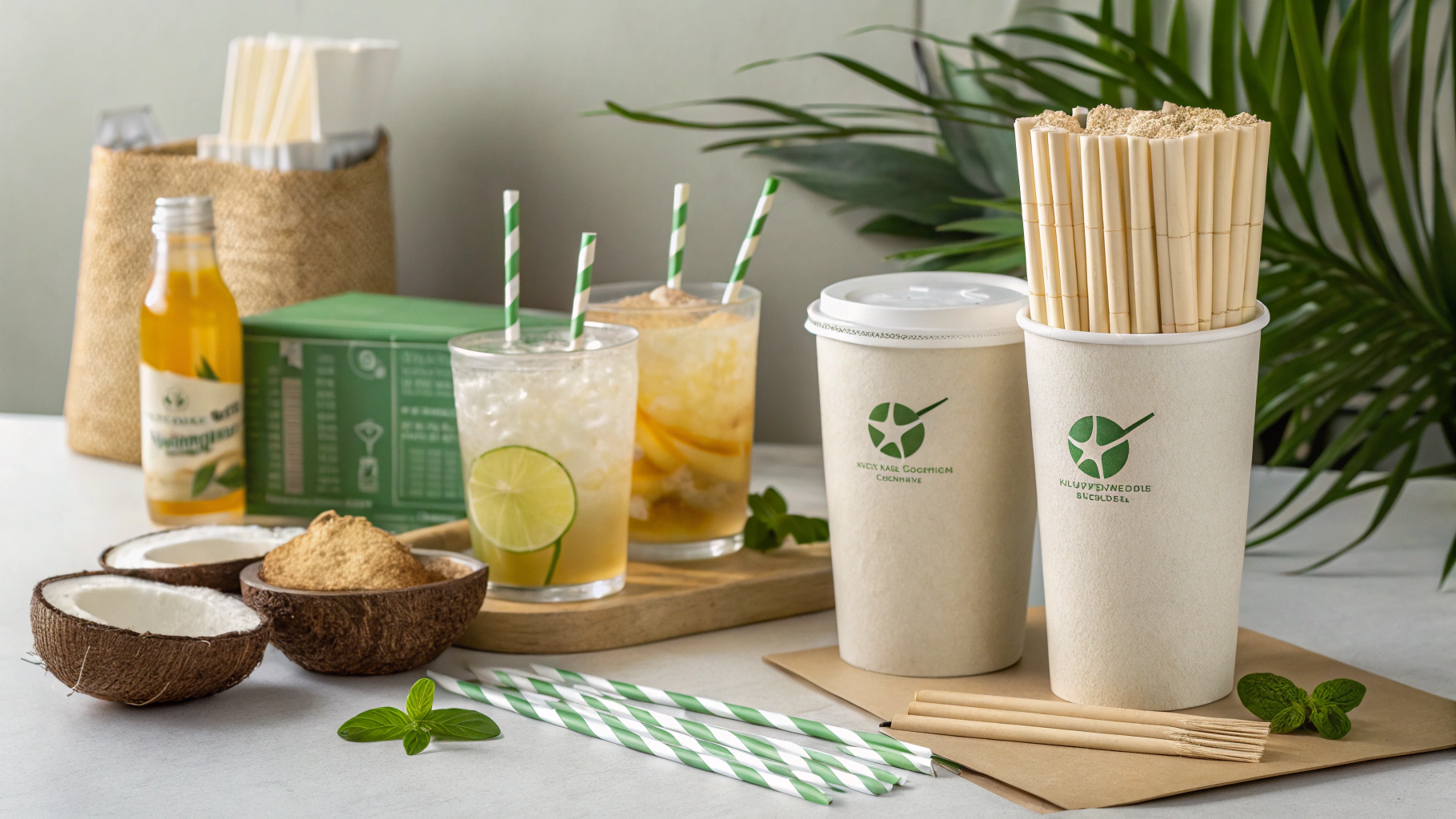
The green boba straw truly signifies a strategic commitment to environmental responsibility.

II. Regulatory Imperatives Driving Green Boba Straw Adoption
The global regulatory landscape is rapidly shifting, imposing strict mandates on single-use plastics that directly impact the food and beverage industry, including the burgeoning boba tea sector. Compliance is no longer optional; it’s a gatekeeper for market access and operational continuity.
Global Plastic Bans Reshaping the Market: EU & APAC Leadership
The European Union has been at the forefront of this regulatory wave, enacting a comprehensive ban on single-use plastic straws, effective July 3, 2021. This directive extends even to bioplastics that do not meet specific industrial composting standards.The EU’s Single-Use Plastics Directivericht zich op de 10 meest voorkomende kunststoffen voor eenmalig gebruik op Europese stranden, die 70% van het zwerfvuil op zee uitmaken, en streeft naar 90% inzameling van plastic flessen voor recycling in 2029.
Landen uit Azië en de Stille Oceaan (APAC), waaronder Taiwan – de geboorteplaats van bubble tea – lopen ook voorop. Taiwan heeft in juli 2019 een verbod ingesteld op op aardolie gebaseerde plastic rietjes voor dinerdiensten in overheidsgebouwen, scholen, warenhuizen, winkelcentra en fastfoodketens, met een duidelijk doel voor een volledige uitfasering van plastic rietjes in 2030. China volgde dit voorbeeld en implementeerde per 1 januari 2021 een landelijk verbod op het aanbieden van plastic rietjes voor eenmalig gebruik in restaurants. Dergelijke ingrijpende regelgeving verandert inkoopstrategieën fundamenteel en maakt onmiddellijke invoering van milieuvriendelijke boba's noodzakelijk. rietjes.
Navigeren door gevarieerde Amerikaanse regelgeving voor duurzame Boba-rietjes
In tegenstelling tot de EU en veel APAC-landen ontbreekt het in de Verenigde Staten aan een uniform federaal verbod op plastic rietjes voor eenmalig gebruik. Een lappendeken van nationale en lokale regelgeving creëert echter een complexe compliance-omgeving voor bedrijven. Staten als Californië en Washington hebben aanzienlijke beperkingen ingevoerd, waarbij rietjes vaak alleen op verzoek vereist zijn.
While a February 2025 executive order aims to reverse federal disfavor of plastic straws and cease federal procurement of paper straws, the reality on the ground is that numerous local city and county bans remain active. This decentralized regulatory environment means that even with federal shifts, businesses must diligently ensure compliance with local ordinances to avoid fines and operational disruptions, making the adoption of eco-friendly boba straws a localized, yet critical, compliance mandate.
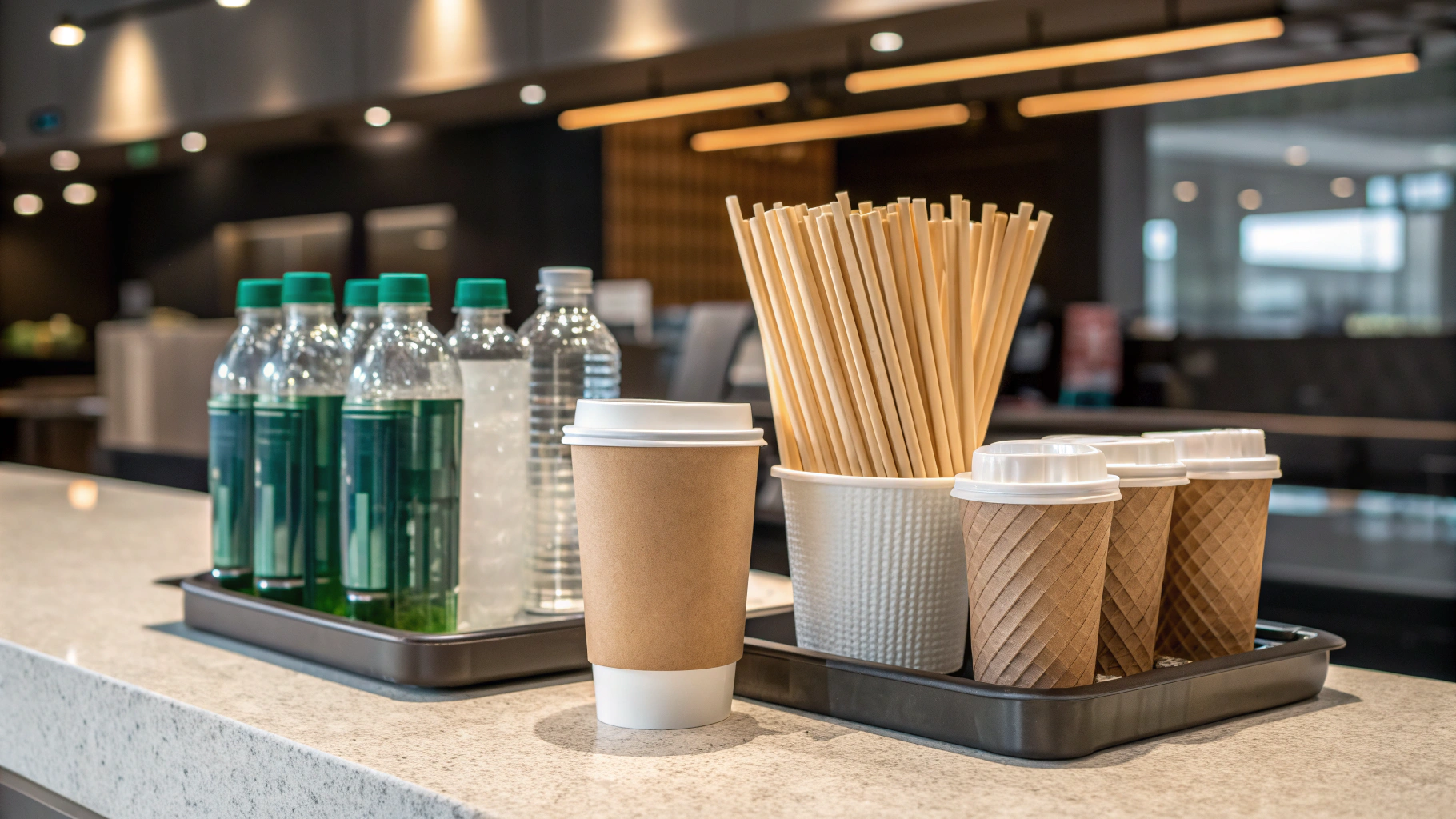
Global regulations are rapidly mandating the adoption of sustainable boba straw alternatives.
III. The Economic & Environmental Impact of Green Boba Straw Alternatives
De verschuiving naar duurzame boba-rietjes wordt gedreven door zowel de urgentie van het milieu als een groeiend inzicht in de economische voordelen op de lange termijn, ondanks aanvankelijke kostenuitdagingen.
Levenscyclusanalyse: de koolstofvoetafdruk van plastic verkleinen
De milieubelasting van traditioneel wegwerpplastic is enorm. Deze materialen blijven honderden tot duizenden jaren in ecosystemen aanwezig en veroorzaken wijdverbreide schade. De productie en verwijdering van conventionele kunststoffen dragen ook in belangrijke mate bij aan de uitstoot van broeikasgassen, waardoor de klimaatverandering wordt verergerd.
Levenscyclusanalyses (LCA's) benadrukken de aanzienlijke milieuvoordelen van de transitie naar duurzame alternatieven. Het vervangen van plastic voor eenmalig gebruik door bioplastic of herbruikbare materialen kan de CO2-voetafdruk met respectievelijk maar liefst 73% tot 90% verminderen. Deze kwantificeerbare impact op de uitstoot van broeikasgassen biedt een overtuigend argument voor duurzaamheidsfunctionarissen die de doelstellingen voor koolstofreductie willen halen.
Operationele uitdagingen en kostenimplicaties
Ondanks de ecologische noodzaak brengt de overgang naar groene boba-rietjes onmiddellijke operationele en kostenproblemen met zich mee. Papieren rietjes, een gebruikelijk alternatief, kunnen 2 tot 3 keer duurder zijn dan traditionele plastic rietjes (7 tot 19 cent versus 1 tot 3 cent voor plastic). Voor bedrijven die jaarlijks miljoenen rietjes distribueren betekent dit een substantiële stijging van de operationele kosten.
Beyond cost, performance issues can impact customer experience. Paper straws often become soggy quickly, affecting the drinking experience and potentially altering the taste of the beverage. PLA (Polylactic Acid) straws, while compostable, have lower heat resistance and require industrial composting facilities, which are not yet widely available, often leading them to end up in landfills anyway. These factors necessitate careful material selection to balance cost, performance, and true environmental impact.
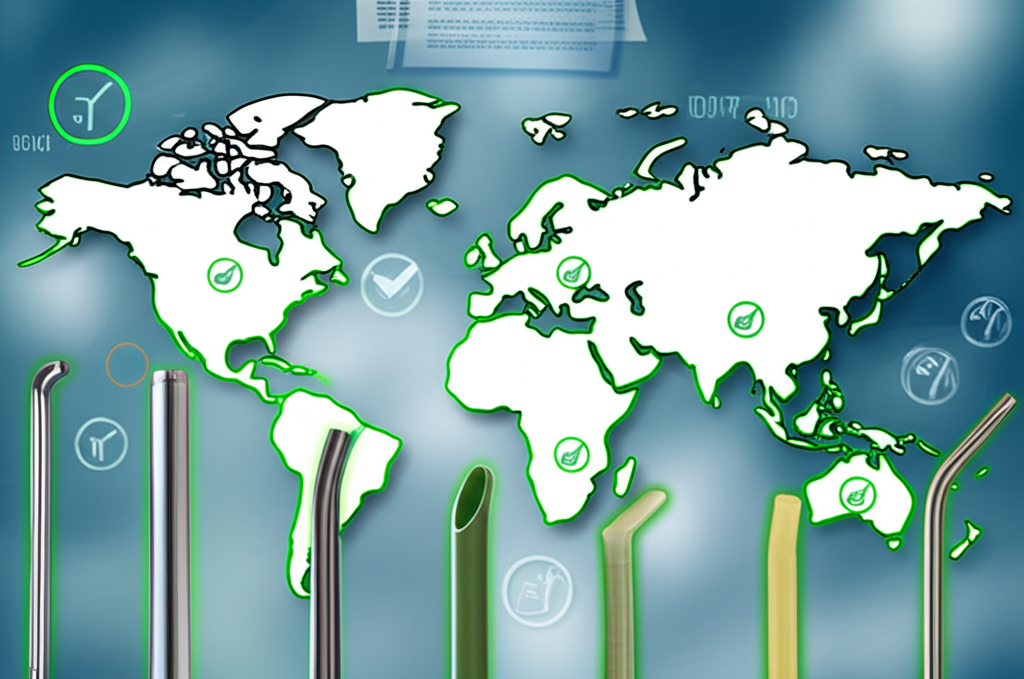
Sustainable boba straws offer significant environmental benefits despite initial cost challenges.
IV. Innovations in Sustainable Boba Straw Materials
Het streven naar duurzaamheid heeft tot opmerkelijke innovaties op het gebied van stromaterialen geleid, waardoor een divers portfolio aan oplossingen voor B2B-beslissers is ontstaan.
Next-Gen Compostable Solutions: PHA & Sugarcane Fibers
De voorhoede van composteerbare innovatie omvat materialen zoals polyhydroxyalkanoaten (PHA) en suikerrietvezels. Rietjes van suikerrietvezels, gemaakt van het bijproduct van de suikerproductie (bagasse), zijn BPI- en DIN CERTCO-gecertificeerd en kunnen in een compostinstallatie in 90-180 dagen worden afgebroken. Ze zijn vrij van kunststoffen, schadelijke kleurstoffen en BPA en bieden een duurzaam, smaakloos alternatief.
PHA-rietjes, afkomstig van hernieuwbare plantaardige bronnen zoals plantaardige olie of maïszetmeelfermentatie, zijn volledig biologisch afbreekbaar in de bodem, in het mariene milieu en in composteringsfaciliteiten. Ze bieden een plasticachtig gevoel zonder schade aan het milieu. Een andere innovatieve oplossing komt van de Taiwanese thee-industrie: theevezelrietjes, gemaakt van een bijproduct, bieden een indrukwekkende duurzaamheid en composteerbaarheid en belichamen een benadering van de circulaire economie door landbouwafval opnieuw te gebruiken.
Edible & Reusable Options: Diversifying the Green Boba Straw Portfolio
Voor bedrijven die streven naar zero-waste bieden eetbare rietjes gemaakt van rijst of tapioca een nieuwe oplossing, die binnen 100 dagen uiteenvalt. Deze kunnen zelfs in verschillende smaken verkrijgbaar zijn, wat de klantervaring verbetert.
Herbruikbare opties blijven aan populariteit winnen vanwege hun milieuvoordelen op de lange termijn en hun aantrekkelijke uitstraling. De mondiale markt voor herbruikbare rietjes zal naar verwachting in 2033 een omvang van ongeveer 4,5 miljard dollar bereiken, met een CAGR van 7,3%. Dit omvat duurzame keuzes zoals metaal, siliconen en bamboe, die milieuvriendelijke boba-rietjes bieden voor herhaald gebruik. Vooral herbruikbare glazen boba-rietjes laten tussen 2024 en 2030 een sterke CAGR van 14,1% zien, wat hun groeiende populariteit onder milieubewuste consumenten weerspiegelt. Voor bedrijven die duurzame boba-rietjes in bulk willen aanbieden, is het onderzoeken van groothandelsopties voor deze materialen van cruciaal belang. Meer details vindt u opgroothandel duurzame boba rietjes.
Innovations offer diverse sustainable boba straw materials, including compostable, edible, and reusable options.
V. Comparison of Boba Straw Alternatives: Strategic Selection for B2B
Choosing the right boba straw alternative requires a strategic assessment of operational impact, compliance, and ROI.
| Functie | B2B operationele impact | Nalevingsopmerking | ROI-potentieel |
|---|---|---|---|
| Traditioneel kunststof | Low unit cost, wide availability, familiar piercing. | Niet-conformin EU, Taiwan, many US cities. | Negative long-term ROI due to potential fines, reputation damage. |
| Papier | Higher unit cost (2-3x plastic), customer complaints (soggy). | Compliant, but durability issues persist. | Modest ROI from compliance; potential customer churn. |
| PLA (Compostable Plastic) | Moderate unit cost (7-20 cents), lower heat resistance. | Compliant, but requiresindustrial composting, limited infrastructure. | Moderate ROI if composting infrastructure available; risk of landfill. |
| Sugarcane/PHA | Higher unit cost, improved durability, no aftertaste. | Certified compostable(BPI, DIN CERTCO), widely compliant. | Strong ROI from enhanced brand image, reduced waste, long-term compliance. |
| Reusable (Metal/Glass/Silicone) | High unit cost upfront, cleaning logistics for in-store. | Compliant; promotescircular economy. | Strong long-term ROI from waste reduction, premium brand image, customer loyalty. |
Strategic selection of boba straw alternatives balances operational impact, compliance, and ROI.

VI. Enhancing Brand Reputation with Green Boba Straws: Consumer Perception & Marketing
Beyond compliance and cost, the adoption of green boba straws offers a powerful lever for enhancing brand reputation and capturing market share. Consumer demand for sustainable products is no longer a niche trend; it’s a mainstream expectation.
Consumer Demand for Eco-Friendly Straws: A Market Imperative
Modern consumers are increasingly prioritizing ecological sustainability. Research indicates that approximately80% of consumers prefer eco-friendly products, directly driving businesses to adapt. A significant90% of consumers are willing to pay up to 10% more for biodegradable packaging. This strong consumer preference means that offering sustainable boba straws isn’t just a regulatory necessity; it’s a market imperative that signals your brand’s commitment to environmental values and attracts a loyal, environmentally conscious customer base.
The Power of Green: Shaping Perceptions and Purchase Intent
Color plays a critical role in consumer psychology. Studies show that62-90% of initial product assessment is based on color alone, influencing brand recognition by up to 80%. Green is universally and powerfully associated withhealth (82%)Enenvironmental responsibility (88%). When consumers encounter green packaging or branding, it positively influences their perception of the product and, crucially, their purchase intentions. By choosing “green” boba straws, you are leveraging this inherent positive association to elevate your brand image, resonate with customer values, and differentiate yourself in a competitive market.
Adopting green boba straws significantly enhances brand reputation and consumer purchase intent.
VII. Case Study: Boba Guys Navigates the Green Boba Straw Transition
The transition to sustainable straws, while strategically beneficial, comes with tangible economic implications for large-scale operations. Boba Guys, a prominent boba tea chain, provides a real-world example of these challenges.
Faced with the imperative to move away from plastic, Boba Guys, which previously distributed an estimated2 million plastic straws annuallyat a cost of 1-3 cents each, encountered significant cost increases. Their switch to paper straw alternatives, while compliant, meant paying7-19 cents apiece, substantially raising their operational expenses. This case highlights the delicate balance that procurement managers and operations directors must strike between sustainability goals, regulatory compliance, and the critical need for economic viability in day-to-day operations. The experience underscores the importance of thorough cost-benefit analysis and strategic sourcing for sustainable alternatives.
Boba Guys’ transition highlights the economic challenges and strategic balance in sustainability.
VIII. The Future Outlook for Green Boba Straws
The trajectory for boba straws over the next 5-10 years is one of accelerating innovation and widespread adoption of sustainable alternatives, driven by both consumer demand and evolving regulatory landscapes.
Market Projections: A Growth Trajectory Towards Sustainable Alternatives
The global eco-friendly straws market is projected to reach a significant25,1 miljard dollar in 2035, expanding at a compelling 7.3% Compound Annual Growth Rate (CAGR) from an estimated USD 12.3 billion in 2025. This growth signals a decisive shift away from traditional plastics. Within this segment, reusable straws are also on a strong upward trend, estimated to reachUSD 4.5 billion by 2033(7.3% CAGR), with paper and bamboo straws anticipated to lead the overall eco-friendly market. These projections underscore a clear market signal for businesses to invest in sustainable solutions. You can delve deeper intonavigating this green wave for sustainable drinking straws.
Advanced Manufacturing and Strategic Supply Chains
Innovations in manufacturing are pivotal to this shift. The industry is witnessing the development of advanced production techniques, including water-resistant coatings for paper straws to prevent sogginess and precision engineering for uniform thickness and strength across various alternative materials. Automation and robotics are increasingly integrated to enhance production efficiency and ensure stringent quality control.
The future will also see greater customization options for eco-friendly boba straws, allowing brands to further differentiate through unique designs, logos, and materials that align with their brand identity and sustainability commitments. Supply chain executives must prioritize partnerships with manufacturers capable of delivering high-quality, certified sustainable options at scale, ensuring resilient and ethically sourced supply chains.
The future of boba straws is marked by accelerating innovation and widespread sustainable adoption.
Conclusion: Embrace the Strategic “Green” Advantage
The “green boba straw” is far more than an internet theory; it’s a critical symbol of your organization’s commitment to sustainability, regulatory compliance, and market innovation. For procurement managers, operations directors, sustainability officers, and supply chain executives, strategically adopting advanced boba straw alternatives is not merely about avoiding fines. It’s about enhancing brand reputation, meeting growing consumer demand, mitigating long-term operational risks, and future-proofing your supply chain. By embracing this “green” advantage, you position your business as a leader in the evolving eco-conscious market, unlocking new opportunities for growth and loyalty.
Act Now:Assessyour current straw usage and its environmental footprint.Explorecertified sustainable alternatives like PHA, sugarcane, and reusable options. Then,Implementa strategic transition plan to secure your market position and lead in the eco-conscious future.Neem contact met ons op voor duurzame oplossingen
Veelgestelde vragen (FAQ)
Q: What does the ‘green boba straw’ truly signify for businesses?
A: For B2B leaders, the ‘green boba straw’ symbolizes a strategic commitment to environmental sustainability and a shift away from single-use plastics, driven by evolving regulations and consumer demand.
Q: Are there official ‘straw codes’ at boba tea shops like Dutch Bros?
A: No, the ‘straw code’ theories, particularly those linking green straws to customer appearance, are largely urban legends and have been debunked by employees and the company.
Q: How do global regulations impact the adoption of sustainable boba straws?
A: The EU and many APAC nations have implemented comprehensive bans on single-use plastic straws, necessitating a shift to eco-friendly alternatives for market access and compliance.
Q: What are the key benefits of switching to sugarcane fiber straws for boba businesses?
A: Sugarcane fiber straws are BPI/DIN CERTCO certified compostable, durable, tasteless, and free from plastics, enhancing brand image and meeting sustainability goals.
Q: How can businesses manage the increased costs associated with sustainable boba straws?
A: Businesses can mitigate costs through strategic sourcing, bulk purchasing, and leveraging enhanced brand reputation and customer loyalty to offset initial investment.
Q: What are the operational challenges of using paper boba straws in a high-volume setting?
A: Paper straws can become soggy quickly, affecting customer experience and potentially altering beverage taste, requiring careful material selection.
Q: How does adopting green boba straws improve brand reputation and consumer perception?
A: Choosing green straws leverages the universal association of green with health and environmental responsibility, positively influencing consumer perception and purchase intent.