De mondiale drankenmarkt wordt steeds strenger onder de loep genomen met betrekking tot de afhankelijkheid van plastic voor eenmalig gebruik. Naarmate de voorkeuren van de consument evolueren, heeft de snelle uitbreiding van de populariteit van bubble tea een grotere vraag met zich meegebracht naar de kenmerkende, brede plastic rietjes, essentieel voor het consumeren van tapiocaparels. Er blijft echter een kritische misvatting binnen de industrie bestaan: de overtuiging dat deze plastic boba-rietjes effectief recyclebaar zijn. De grimmige realiteit is dat de meeste plastic boba-rietjes, ondanks dat ze technisch gezien zijn gemaakt van recyclebare polymeren, niet efficiënt worden verwerkt door de huidige recyclinginfrastructuur.
Dit systeemfalen brengt aanzienlijke operationele en reputatieproblemen met zich mee voor bedrijven die actief zijn in de dranken- en foodservicesector. Afgezien van de impact op het milieu kan een gebrek aan proactieve betrokkenheid bij duurzame inkooppraktijken leiden tot het niet naleven van escalerende regelgeving, hogere kosten voor afvalbeheer en een afnemend merkimago bij een steeds milieubewustere consumentenbasis. Als u dit probleem negeert, riskeert u de toegang tot de markt, ondermijnt u het vertrouwen van klanten en ondermijnt u de levensvatbaarheid van uw bedrijf op de lange termijn.Proactieve duurzame inkoop is van cruciaal belang voor drankenbedrijven om risico's te vermijden en het merkimago te verbeteren.
De niet-recyclebare realiteit van plastic Boba-rietjes: een uitdaging voor de toeleveringsketen
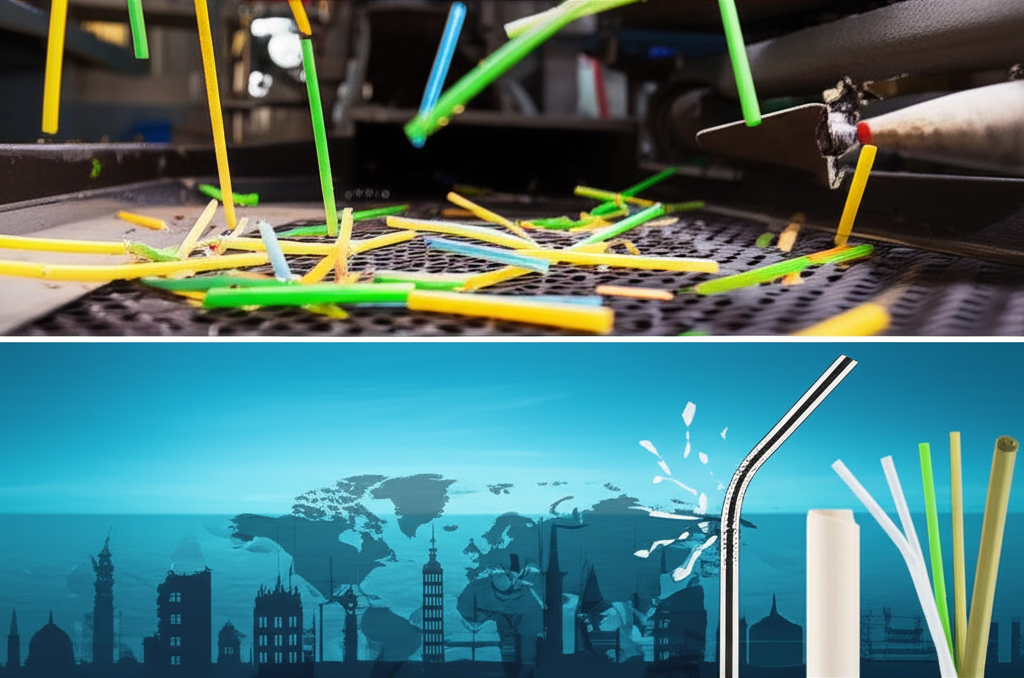
Plastic boba-rietjes, meestal gemaakt van polyethyleen (PE) of polypropyleen (PP), zijn inderdaad gemaakt van polymeren die technisch recyclebaar zijn. Toch is hun reis door de recyclingstroom beladen met systemische mislukkingen. Het fundamentele probleem ligt in hun fysieke kenmerken: hun kleine formaat en lichtgewicht karakter, zelfs met een diameter van 12 mm of meer voor tapiocaparels, zorgen ervoor dat ze door het ingewikkelde netwerk van geautomatiseerde afvalsorteersystemen glippen. In plaats van te worden gesorteerd voor recycling, worden ze vaak omgeleid naar stortplaatsen of, erger nog, besmetten ze anderszins waardevolle recyclingstromen.
Compounding this mechanical failure, residual sugar and beverage content clinging to the interior of used straws further complicate the recycling process. This sticky contamination reduces the quality of recycled material, making it less desirable for reprocessing and often leading to its rejection. The economic viability of collecting and processing such lightweight, often contaminated items is also extremely low, weighing less than a gram per straw. This low economic value disincentivizes recyclers from investing in the specialized equipment or manual labor required to handle them effectively.
Why Standard Recycling Systems Fail Plastic Boba Straws
The core reason standard recycling systems fail plastic boba straws is largely mechanical. Much of the machinery in modern recycling facilities is designed to efficiently sort larger, heavier items. Small, thin, or irregularly shaped plastics, including straws, often fall through screens, bypass optical sorters, or become entangled in machinery, causing clogs and costly downtime. When this happens, they are typically shunted to the general waste stream, ultimately ending up in landfills or incinerators.
Lokale gemeentelijke richtlijnen voor recycling vertonen ook aanzienlijke verschillen, waardoor een verwarrend landschap ontstaat voor zowel bedrijven als consumenten. Hoewel de recyclingprogramma's van Los Angeles bijvoorbeeld plastic rietjes accepteren, doen die van Denver dat niet, wat de gefragmenteerde aard van de recyclinginfrastructuur in verschillende regio's benadrukt. Deze inconsistentie betekent dat een gestandaardiseerde aanpak van de verwijdering van plastic rietjes praktisch onmogelijk is voor nationale of internationale drankketens zonder aanzienlijke lokale aanpassingen. Bovendien betekent de over het algemeen lage marktvraag naar post-consumer recyclebare materialen van dit specifieke type (vaak polypropyleen van lage kwaliteit) dat zelfs als een rietje de sortering doorkomt, het nog steeds te maken kan krijgen met verbranding of storten vanwege een gebrek aan nut op de eindmarkt.Kleine, vervuilde plastic boba-rietjes omzeilen vaak recyclingsystemen vanwege mechanische en economische inefficiënties.
Escalating Environmental Impact & Regulatory Pressure on Single-Use Plastics

De gevolgen voor het milieu van het aanhoudende gebruik van plastic rietjes zijn diepgaand en verstrekkend. Op aardolie gebaseerde plastic rietjes zijn niet biologisch afbreekbaar; in plaats daarvan duurt het honderden jaren voordat ze afgebroken worden en geleidelijk uiteenvallen in steeds kleinere stukken. Deze fragmentatie leidt tot het wijdverbreide probleem van microplasticvervuiling, waarbij naar schatting jaarlijks 8 miljoen ton plastic in de oceanen terechtkomt. Deze microplastics infiltreren waterbronnen, de bodem en de mondiale voedselketen, beïnvloeden ecosystemen en het leven in zee en vormen potentiële, nog steeds opkomende bedreigingen voor de menselijke gezondheid. Bovendien kunnen schadelijke chemicaliën zoals bisfenol A (BPA) uit afbrekende kunststoffen in het milieu terechtkomen, waardoor een extra laag giftige stoffen ontstaat.
Mondiale verschuivingen naar verboden en reducties op plastic rietje
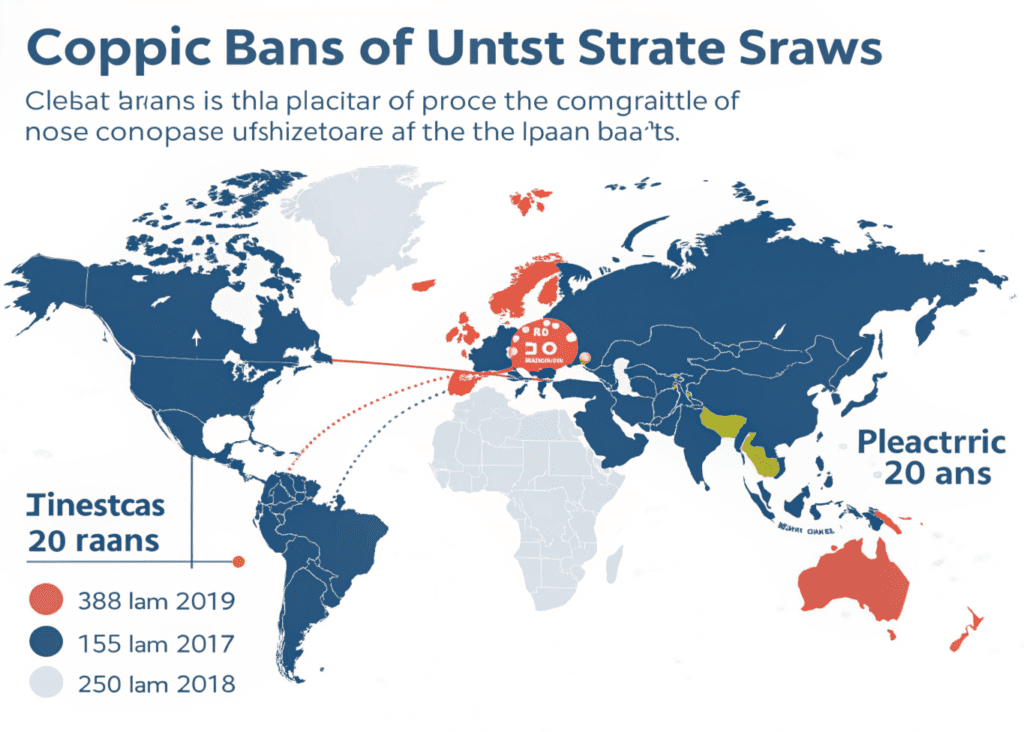
Governments worldwide have begun to acknowledge the severe environmental harm caused by single-use plastic straws, translating this awareness into concrete regulatory action. Seattle led the way in the U.S., implementing a ban on plastic straws in January 2018, swiftly followed by other major cities like San Francisco and Portland. This domestic trend is mirrored by robust international legislation. The European Union, for instance, implemented a comprehensive ban on single-use plastics in 2021, signaling a strong and irreversible regulatory trend that impacts global supply chains.
Buiten de EU voeren landen in Azië ook belangrijk beleid uit. Thailand heeft een routekaart voor het beheer van plastic afval voor de periode 2020-2030 aangenomen, met als doel het plastic afval jaarlijks met 0,78 miljoen ton te verminderen en 3,9 miljard baht aan afvalbeheerkosten te besparen. Deze ambitieuze routekaart omvat onder meer een verbod op plastic rietjes, bekers en tassen. Op dezelfde manier heeft de deelstaatregering van Selangor in Maleisië op 1 juli 2019 een verbod op plastic rietjes in alle eetgelegenheden ingesteld. Deze mondiale verschuivingen laten een duidelijk, onomkeerbaar traject zien in de richting van het elimineren van plastic voor eenmalig gebruik, waardoor een enorme druk op bedrijven wordt gelegd om zich aan te passen, anders worden ze geconfronteerd met aanzienlijke nalevingsrisico’s en beperkingen op de markttoegang.Global regulations are rapidly shifting towards banning single-use plastics, compelling businesses to adopt sustainable alternatives.
Operational Hurdles: Shifting from Plastic Boba Straws to Sustainable Alternatives
Transitioning away from conventional plastic straws presents a unique set of operational hurdles for businesses, particularly within the dynamic bubble tea sector. Food facilities frequently report increased costs when switching from traditional, inexpensive plastic straws to alternative materials. Furthermore, many existing business models, especially those heavily reliant on “to-go” beverages, are deeply integrated with single-use packaging components, making a seamless shift challenging.
Een bijzonder acute uitdaging voor bubble tea-activiteiten is het vinden van alternatieve rietjes die stevig genoeg zijn om op betrouwbare wijze de verzegelde plastic bekers te doorboren en tegemoet te komen aan de unieke textuur en grootte van tapiocaparels. In tegenstelling tot standaard drankrietjes vereisen boba-rietjes een grotere diameter (meestal 12 mm of meer) en voldoende stijfheid, waar veel milieuvriendelijke alternatieven moeite mee hebben. Het garanderen van voortdurende klanttevredenheid tijdens deze transitie is van het grootste belang, aangezien uit historische onderzoeken blijkt dat ongeveer 85% van de gebruikers aanvankelijk de voorkeur gaf aan traditionele plastic rietjes. Hoewel 76% openstaat voor herbruikbare alternatieven, kan de initiële acceptatiecurve een uitdaging voor de klantervaring vormen.
Navigeren tussen ‘composteerbare’ en ‘biologisch afbreekbare’ etikettering voor milieuvriendelijke Boba-stro-alternatieven
Het landschap van milieuvriendelijke stro-alternatieven is complex en wordt vaak gekenmerkt door dubbelzinnige etikettering. Het is van cruciaal belang dat inkoop- en operationele teams het onderscheid tussen ‘composteerbaar’ en ‘biologisch afbreekbaar’ begrijpen om misstappen te voorkomen. “Composteerbare” rietjes, meestal gemaakt van plantaardige materialen zoals polymelkzuur (PLA) uit maïsplastic of polyhydroxyalkanoaat (PHA) uit koolzaad-/sojazaden, zijn ontworpen om te ontbinden in voedingsrijk organisch materiaal. Deze ontleding vereist echter doorgaans specifieke industriële composteringsomstandigheden, gekenmerkt door hoge hitte en microbiële activiteit, die niet universeel beschikbaar zijn.
Cruciaal is dat deze alternatieve kunststoffen vaak worden beschouwd als vervuilende stoffen in traditionele plasticrecyclingstromen. Het mengen van composteerbare rietjes met conventionele kunststoffen kan recyclingmachines verstoren, wat leidt tot operationele inefficiënties en uiteindelijk de kwaliteit van gerecyclede materialen verlaagt. Verkeerde etikettering of misverstanden kunnen ertoe leiden dat deze ‘milieuvriendelijke’ opties nog steeds op stortplaatsen belanden. Hoewel sommige geavanceerde PHA-rietjes een veelbelovende oplossing bieden omdat ze in zee afbreekbaar zijn en zelfs in oceaanomgevingen afbreken, vereisen de meeste composteerbare materialen specifieke verwijderingsroutes die nog niet wijdverspreid zijn. Voor een diepere duik in duurzame opties voor uw bedrijf, verkengroothandel in boba-theerietjes.Understanding “compostable” versus “biodegradable” is vital for selecting effective, compliant boba straw alternatives.
Case Study: Vancouver’s Adaptation to Plastic Straw Regulations
The City of Vancouver, British Columbia, provides a salient example of successful phased compliance with single-use plastic regulations. Their plastic straw by-law, effective April 22, 2020, significantly impacted beverage businesses across the city. Recognizing the unique operational challenges faced by bubble tea vendors due to the need for specialized straws, the city wisely granted a one-year exemption, from April 2020 to April 2021. This regulatory foresight allowed bubble tea establishments sufficient time to research, source, and integrate robust alternative straw solutions into their supply chains and customer experience models.
As of April 22, 2021, all bubble tea vendors in Vancouver were required to comply with the ban, demonstrating that with adequate planning and regulatory support, businesses can successfully transition to sustainable practices without compromising their core offerings. This case study underscores the importance of a proactive approach to regulatory changes and stakeholder engagement. It also highlights that some by-laws, like Vancouver’s, do mandate the provision of flexible plastic straws upon request for accessibility needs, ensuring inclusivity during the transition.Vancouver’s phased ban on plastic straws demonstrates successful industry adaptation with proactive planning and regulatory support.
Comparison Table: Sustainable Boba Straw Alternatives for B2B
Choosing the right sustainable boba straw alternative requires a careful evaluation of operational impact, compliance, and ROI. Below is a comparison of common options:
| Functie | B2B operationele impact | Nalevingsopmerking | ROI-potentieel |
|---|---|---|---|
| Papieren rietjes | Prone to sogginess, affecting drink experience; requires robust, PFAS-free options. | Generally compliant with single-use plastic bans; often compostable. | Lower initial cost than other alternatives; enhances brand sustainability. |
| PLA-rietjes | Requires specific industrial composting facilities for proper decomposition. | Not accepted in traditional plastic recycling; may contaminate streams. | Higher cost than plastic; boosts green image if correctly composted. |
| Roestvrij staal | Durable, reusable; requires in-house or third-party cleaning infrastructure for dine-in; cannot puncture seals easily. | Highly compliant with reuse-focused regulations; significantly reduces single-use waste. | High upfront cost; significant long-term savings for dine-in; strong customer appeal. |
| PHA-rietjes | Biodegradable, including marine-degradable options; some break down in home compost. | High compliance potential with evolving regulations; avoids landfill. | Higher cost than PLA; strong environmental brand differentiation; premium offering. |
| Bamboe rietjes | Sturdy but may be too narrow for boba pearls; can retain residue and require thorough cleaning. | Compliant with single-use bans; natural, renewable resource. | Moderate cost; appeals to eco-conscious consumers; requires quality control. |
For businesses seeking a reliable partner in this transition, exploring dedicated suppliers of alternative boba straws can be beneficial. Find more options forsustainable boba drinking straws B2B.Evaluate sustainable boba straw alternatives based on operational impact, compliance, and ROI for informed procurement.
Strategic Imperatives for Sustainable Boba Straw Procurement and Operations
For supply chain executives and procurement managers, navigating the shift away from plastic boba straws transcends mere compliance; it represents a strategic imperative to secure future market position and brand equity. The foundational principle for this transition is to rigorously adopt the “Reduce, Reuse, Recycle” hierarchy, prioritizing waste reduction at the source and designing systems for circularity. This means questioning the necessity of single-use items where reusable alternatives are viable, especially for dine-in experiences.
A critical step is to conduct comprehensive Life Cycle Assessments (LCAs) for alternative materials. While counter-intuitive, some LCAs have indicated that traditional polypropylene (PP) straws can sometimes show a lower global warming potential than even stainless steel straws when considering their entire life cycle, including manufacturing and end-of-life. This highlights the complexity and the need for data-driven decisions rather than relying on perceived “green” options. Procurement teams must engage proactively and strategically with suppliers to develop and secure innovative, compliant boba straw alternatives that meet both environmental standards and operational demands, such as puncture strength and resistance to sogginess. Businesses like PMI Packaging Sdn Bhd in Malaysia, for example, have been manufacturing corn starch and PLA straws since 2016 and are researching materials like oil palm waste and tapioca for future solutions.
Investing in robust consumer education is also vital. While 85% of consumers historically preferred plastic straws, 76% are now open to reusable alternatives, indicating a significant shift in readiness. Educating customers on the proper disposal of new materials and the long-term benefits of reusable options can foster adoption and strengthen brand loyalty. Moreover, businesses must remain cognizant of accessibility needs, as some regulations, like Vancouver’s by-law, still mandate the provision of flexible plastic straws upon request for individuals with disabilities. This balanced approach ensures both environmental responsibility and social equity. To further understand wholesale procurement options, visitboba straws wholesale.Strategic procurement of sustainable boba straws requires LCAs, supplier engagement, and consumer education for market leadership.
Future Trends & Innovation
The trajectory for sustainable beverage packaging over the next 5-10 years points towards radical innovation and increasingly stringent regulatory frameworks. Expect continued global expansion of single-use plastic bans, extending beyond straws to other packaging components. The EU’s 2021 ban and Thailand’s 2020-2030 roadmap, which aims for widespread reduction and bans on plastic items until 2026, are harbingers of this global movement. Procurement strategies must anticipate these legislative shifts, not merely react to them.
Innovation in material science will bring forth new generations of truly sustainable alternatives. Expect to see increased adoption of advanced bioplastics like marine-degradable PHA, which offers a genuine end-of-life solution even in challenging environments. Research into novel, renewable plant-based resources, such as tapioca and agricultural waste products like oil palm empty fruit pulp, will likely yield commercially viable solutions. Furthermore, the concept of “integrated packaging,” where straws are part of the main beverage container (e.g., juice boxes), is also facing bans in regions like New South Wales, Australia, as of January 2025, pushing for even more fundamental shifts in design. The emphasis will move beyond just “compostable” to materials that are genuinely biodegradable across diverse natural environments or those that can be efficiently closed-loop recycled into high-value products. Future procurement will prioritize materials with transparent LCAs that demonstrate minimal environmental impact across their entire lifecycle, favoring products with high recycled content where plastics remain unavoidable.Future trends indicate stricter plastic bans and innovative bioplastics, demanding proactive procurement strategies.
Competitive Advantage & Business Case
The transition to sustainable boba straws is not merely a cost of doing business; it is a profound opportunity for competitive differentiation and long-term value creation. Quantifiable benefits include significant risk mitigation against escalating compliance penalties and brand reputation damage. By proactively adopting sustainable solutions, businesses can avoid the substantial fines associated with plastic bans and circumvent potential market access restrictions in increasingly eco-conscious regions. For example, countries implementing plastic waste reduction roadmaps, like Thailand, project billions in annual savings from reduced waste management, a benefit that can be partially realized by businesses minimizing their waste footprint.
Moreover, this shift offers a powerful brand value uplift. Consumers, especially the younger demographic, are increasingly making purchasing decisions based on a company’s environmental stewardship. A business that champions genuinely sustainable practices, such as offering truly eco-friendly boba straws, can significantly enhance its brand perception, foster stronger customer loyalty, and even capture a larger market share among environmentally aware consumers. This proactive stance transforms a potential compliance burden into a distinct competitive advantage, positioning the brand as a leader in sustainability and innovation within the crowded beverage market.Embracing sustainable boba straws offers competitive advantage through risk mitigation, brand uplift, and increased market share.
Conclusion: Pioneering a Plastic-Free Future for Boba
The widespread belief that plastic boba straws are recyclable is largely a misconception, with significant environmental and operational consequences for businesses. The transition away from these problematic single-use plastics is no longer merely an option; it is a strategic imperative driven by evolving consumer expectations and stringent global regulations. Proactive adoption of genuinely sustainable alternatives, coupled with a deep understanding of the nuanced differences between “compostable” and “biodegradable” materials, is crucial for long-term viability.
Transformyour supply chain now to meet sustainability mandates, mitigate regulatory risks, and profoundly enhance your brand’s environmental stewardship. Secure your market leadership in the sustainable beverage economy by embracing truly eco-friendly boba straw solutions today.Embrace sustainable boba straw solutions now to enhance brand stewardship and secure market leadership.
Veel Gestelde Vragen
Are plastic boba straws truly recyclable in standard municipal systems?
No, despite being made from recyclable polymers like PE or PP, their small size and lightweight nature cause them to fall through sorting machinery, often ending up in landfills or contaminating other recycling streams.
What are the main environmental impacts of plastic boba straws?
Plastic boba straws contribute to microplastic pollution, taking hundreds of years to break down and infiltrating ecosystems, marine life, and potentially the food chain, with harmful chemicals leaching into the environment.
What operational challenges do bubble tea businesses face when switching to sustainable straws?
Challenges include increased costs, finding alternatives sturdy enough to puncture sealed cups and accommodate tapioca pearls, and ensuring customer satisfaction during the transition.
What is the difference between ‘compostable’ and ‘biodegradable’ straws?
‘Compostable’ straws require specific industrial composting conditions to decompose, while ‘biodegradable’ straws break down naturally in various environments, though the speed and conditions vary greatly.
How can businesses ensure compliance with evolving plastic straw regulations?
Proactive research, strategic sourcing of compliant alternatives, conducting Life Cycle Assessments, and engaging with suppliers are crucial for adapting to regulatory shifts and securing market position.