Bars today face a dual challenge: escalating operational costs and the growing pressure of environmental regulations. The reliance on single-use disposable straws, once a standard, has become a financial drain and a compliance risk. With governments worldwide implementing stricter bans on single-use plastics, including straws—such as the UK Government’s ban on single-use plastics in England in 2020 and the EU’s Single-Use Plastics Directive (SUPD) effective July 2021—businesses are being forced to rethink their procurement strategies.
Voor inkoopmanagers, operationeel directeuren en duurzaamheidsfunctionarissen gaat deze verschuiving niet alleen over compliance; het is een strategische kans. Het gebruik van herbruikbare rietjes biedt een overtuigende oplossing om de lopende operationele kosten te verlagen, het merkimago aanzienlijk te verbeteren en uw vestiging toekomstbestendig te maken tegen de veranderende regelgeving. Deze strategische spil kan een substantieel concurrentievoordeel opleveren, waardoor regeldruk wordt omgezet in een route naar winstgevendheid op de lange termijn.
De verborgen kosten van wegwerprietjes voor repen
De werkelijke kosten van wegwerprietjes reiken veel verder dan de initiële aankoopprijs. Voor bars stapelen deze verborgen kosten zich snel op, wat een impact heeft op het bedrijfsresultaat en de operationele efficiëntie.
Escalating Procurement & Waste Expenses
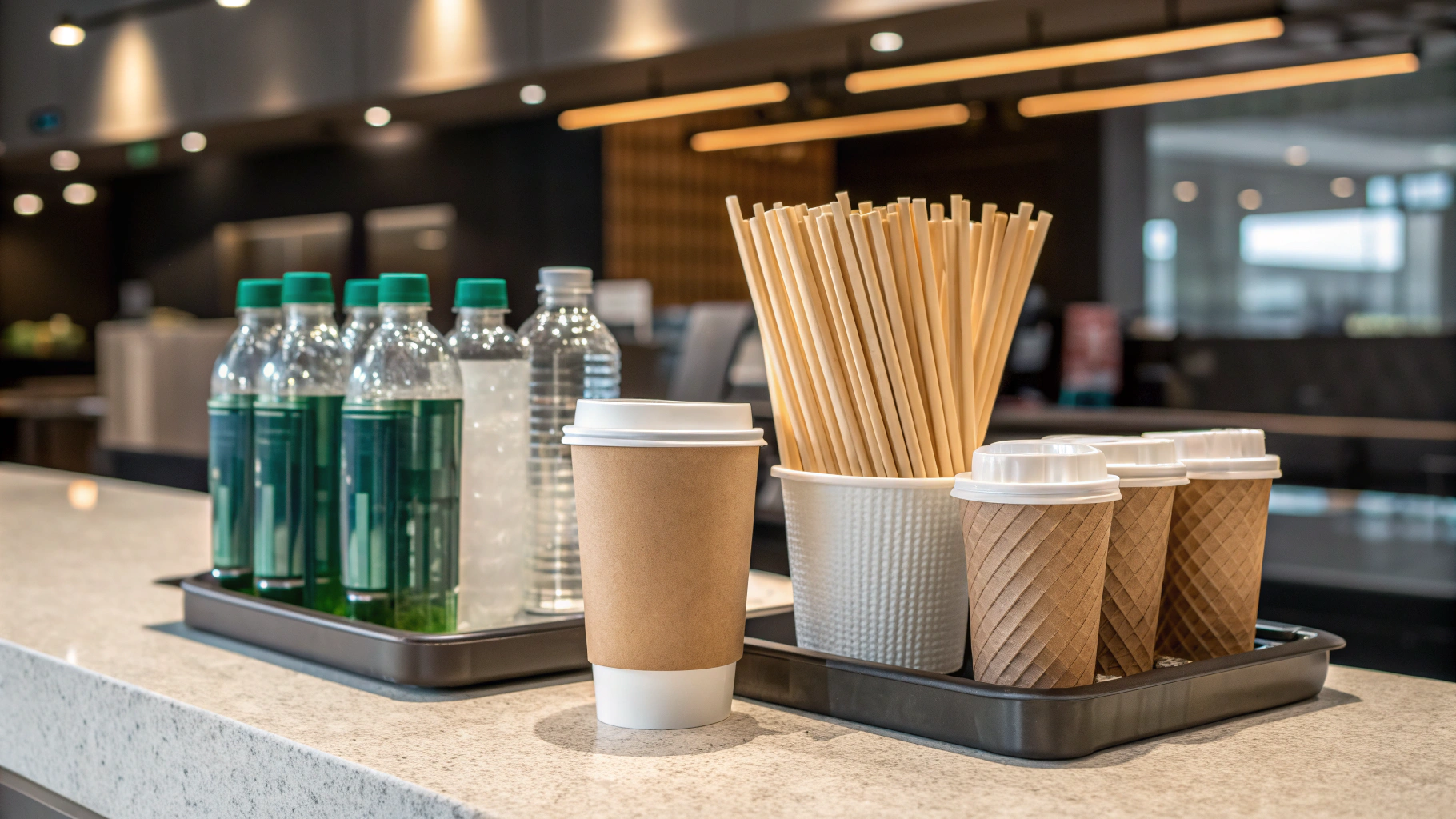
Constant reordering of single-use plastic, paper, or even compostable straws incurs significant ongoing purchasing costs. While seemingly inexpensive per unit, the sheer volume consumed by a typical bar translates into substantial annual outlays. Disposable options can be remarkably more expensive in the long run, with some analyses indicating they could cost up to $5,000 more per year compared to durable reusable alternatives. Beyond the purchase, bars also incur direct waste disposal fees, which inevitably increase with higher volumes of plastic and other disposable waste generated. This continuous cycle of buying, using, and discarding creates an inefficient and costly operational loop.
Regulatory Risks and Fines
De mondiale beweging tegen wegwerpplastic vertraagt niet. Overheden implementeren en handhaven in hoog tempo strengere regelgeving, waardoor er aanzienlijke druk ontstaat op de horecasector. De Britse regering heeft bijvoorbeeld in 2020 de verkoop van plastic voor eenmalig gebruik, inclusief rietjes, in Engeland verboden. Op dezelfde manier heeft de Single-Use Plastics Directive (SUPD) van de Europese Unie in grote lijnen veel plastic artikelen voor eenmalig gebruik, inclusief rietjes, verboden met ingang van juli 2021, waardoor bedrijven in de lidstaten werden gedwongen om naar duurzame alternatieven te zoeken.
Het niet naleven van deze strenge regelgeving heeft ernstige gevolgen. Bars riskeren operationele verstoringen, aanzienlijke reputatieschade als gevolg van negatieve publiciteit en hoge boetes die de winstgevendheid ernstig kunnen aantasten. Een proactieve verschuiving naar herbruikbare oplossingen zorgt niet alleen voor compliance, maar positioneert een bedrijf ook als een verantwoordelijke, vooruitstrevende entiteit.
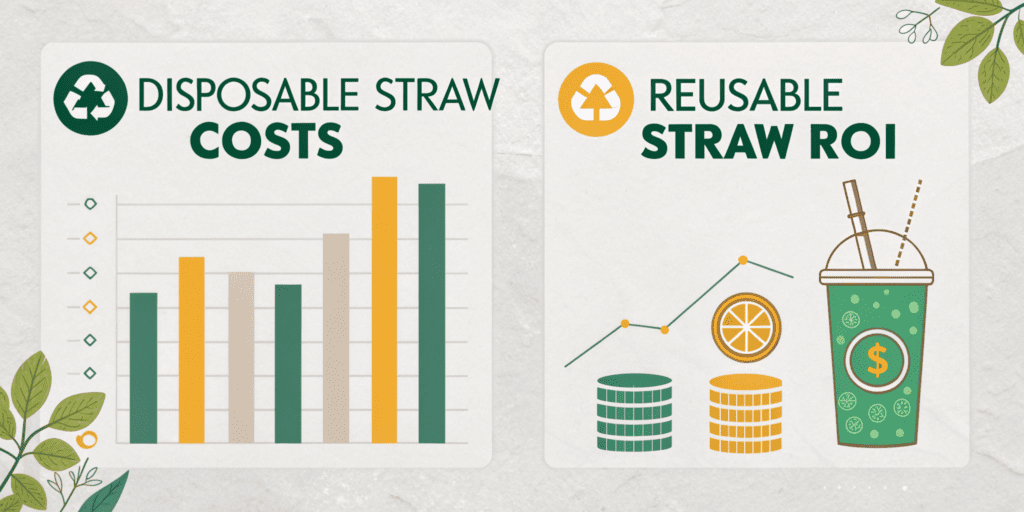
Wegwerprietjes doen de winst afnemen door voortdurende inkoop en hogere afvalverwerkingskosten.
Herbruikbare rietjes: een strategische investering voor langetermijnbesparingen
Hoewel een initiële investering vereist is, laten herbruikbare rietjes consequent een snel rendement op de investering zien en bieden ze aanzienlijke financiële voordelen op de lange termijn.
Snel rendement op investering (ROI)
De initiële kosten voor het kopen van duurzame herbruikbare rietjes worden snel gecompenseerd door het elimineren van voortdurende terugkoop. Sommige bedrijven hebben een indrukwekkende gemiddelde ROI gerapporteerd in slechts 2-3 weken nadat ze waren overgestapt van plastic of zelfs papieren wegwerpartikelen. Zo is aangetoond dat HALM glazen rietjes, een hoogwaardige herbruikbare optie, bedrijven jaarlijks tot wel € 5.500 kunnen besparen in vergelijking met wegwerpalternatieven, wat een duidelijke financiële prikkel voor adoptie aantoont. Deze snelle terugverdientijd van de kosten maakt herbruikbare rietjes tot een onmiddellijk haalbare financiële strategie.
Verminderde operationele overhead
Naast de snelle ROI verminderen herbruikbare rietjes de lopende operationele overhead aanzienlijk. De noodzaak van voortdurende inkoop, voorraadbeheer en het aanvullen van wegwerprietjes wordt vrijwel geëlimineerd. Inkoopteams kunnen overstappen van frequente, kleine bestellingen naar grotere, minder frequente bulkaankopen van herbruikbare opties, waardoor mogelijk verdere kostenbesparingen per eenheid gedurende hun langere levensduur kunnen worden gerealiseerd. Bovendien vertaalt de directe vermindering van het volume plastic afval zich in lagere afvalbeheer- en verwijderingskosten, wat direct bijdraagt aan een gezondere balans.
Herbruikbare rietjes bieden een snelle ROI en verminderen de operationele overhead voor repen aanzienlijk.

Beyond Savings: Enhancing Brand & Customer Loyalty with Reusable Straws
De financiële voordelen van herbruikbare rietjes zijn overtuigend, maar de voordelen reiken veel verder dan de balans. Het aannemen van een duurzame strostrategie heeft grote gevolgen voor de merkperceptie en de klantbetrokkenheid.
Het aantrekken van de milieubewuste consumentenbasis
De consumenten van vandaag, vooral millennials en generatie Z, geven steeds meer prioriteit aan duurzaamheid en ethische bedrijfspraktijken. Door herbruikbare rietjes te omarmen, laten de repen zichtbaar zien dat ze zich inzetten voor milieuverantwoordelijkheid. Deze toewijding heeft een diepe weerklank bij milieubewuste klanten, verbetert het merkimago en bevordert een gevoel van gedeelde waarden. Een dergelijke differentiatie trekt nieuwe klanten aan die actief op zoek gaan naar duurzame bedrijven, wat leidt tot meer patronage en positieve mond-tot-mondreclame. Deze indirecte omzetstijging levert een belangrijke bijdrage aan de financiële gezondheid en het marktaandeel op de lange termijn.
Compliance en toekomstbestendigheid
Proactive adoption of reusable straws ensures immediate compliance with existing plastic straw bans and positions your business favorably against future regulatory changes. Avoiding potential fines, legal battles, and operational disruptions stemming from non-compliance secures business continuity and protects your hard-earned reputation. Embracing reusable solutions signals a forward-thinking approach, insulating your business from evolving regulatory pressures and solidifying its standing as a leader in sustainable hospitality.
Sustainable straw adoption boosts bar brand image and secures future compliance.
Comparative Analysis: Reusable Straw Materials for B2B Operations
Choosing the right reusable straw material is critical for operational efficiency, hygiene, and long-term cost-effectiveness. Each material presents a unique profile of features, impacts, and potential returns.
| Functie | B2B operationele impact | Nalevingsopmerking | ROI-potentieel |
|---|---|---|---|
| Roestvrij staal | Highly durable, dishwasher safe, no taste transfer. Requires thorough cleaning checks, can conduct heat. | Complies with plastic bans, promotes circular economy. | High, due to exceptional longevity and multiple reuses. |
| Borosilicaatglas | Elegant, taste-neutral, clear for visible cleanliness. Breakage risk, requires careful handling. | Complies with plastic bans, non-toxic, BPA-free. | Very High; some report ROI in 2-3 weeks; reusable over 1000 times. |
| Bamboe | Natural aesthetic, biodegradable, lightweight. Prone to sogginess, can retain moisture, requires careful drying. | Volledig biologisch afbreekbaar, sluit aan bij zero-waste-initiatieven. | Gematigd; goed voor specifieke branding, maar kortere levensduur dan glas/staal. |
| Siliconen | Flexibel, veilig voor kinderen, diverse kleuren. Kan stof/pluisjes aantrekken, moeilijker grondig schoon te maken, niet biologisch afbreekbaar. | Voldoet aan de plasticverboden, maar is niet biologisch afbreekbaar. | Gematigd; goed voor specifieke klantbehoeften of buitenevenementen. |
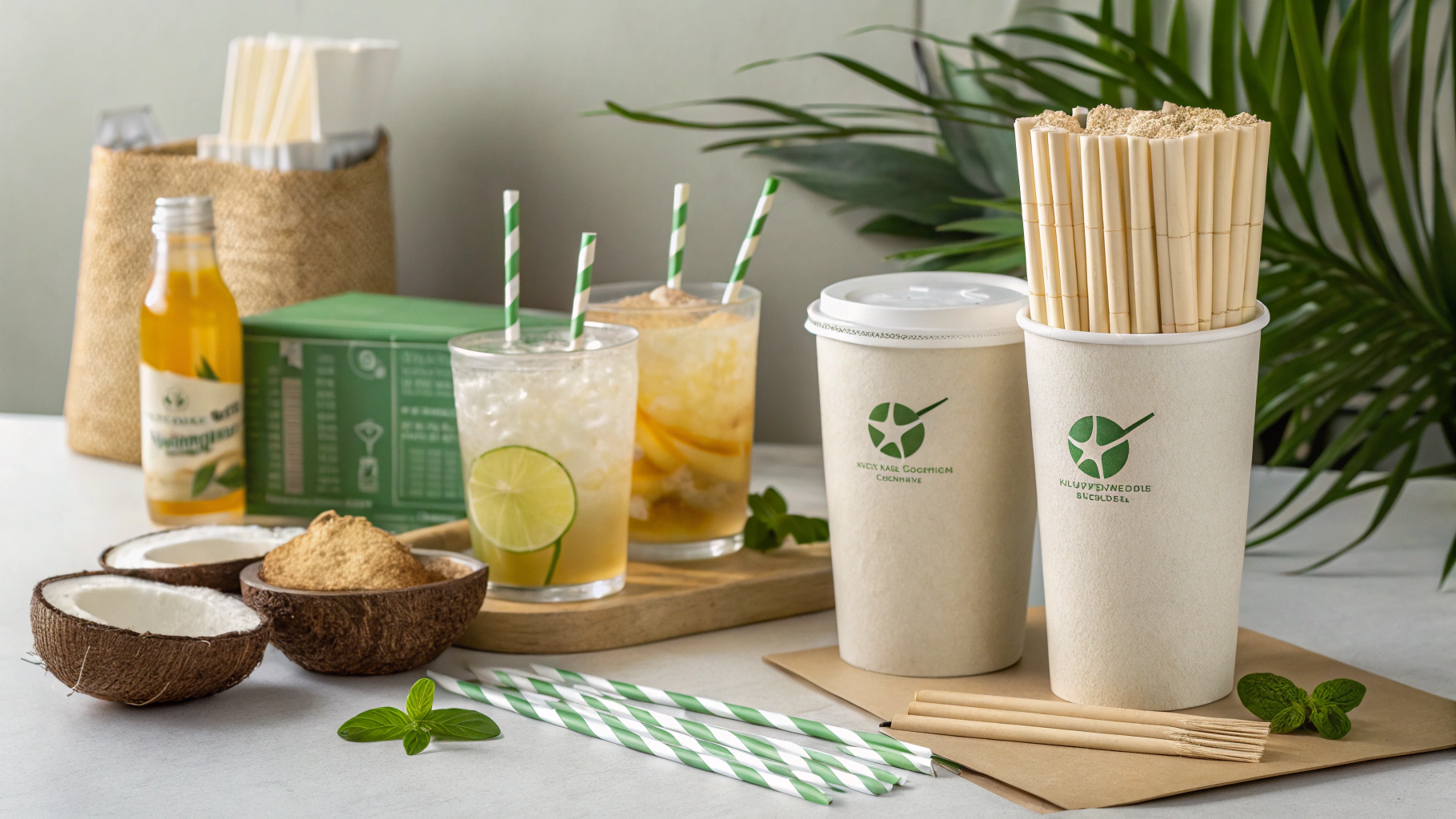
Naast deze populaire opties ziet de markt ook innovaties in composteerbare stro-alternatieven gemaakt van landbouwafval, zoals stro-alternatieven gemaakt van suikerriet. Hoewel ze niet herbruikbaar zijn in de zin van multi-wash, bieden deze materialen een andere manier om plastic afval te verminderen en het milieuvriendelijke imago van een bedrijf te verbeteren, vooral voor gespecialiseerde evenementen of meeneemdiensten. Opties verkennen zoalspremium composteerbare cocktailrietjes voor bars en evenementenkan een herbruikbare strostrategie aanvullen en veelzijdigheid in milieuvriendelijke oplossingen bieden. Op dezelfde manier, materialen zoalssuikerriet rietjesvormen een belangrijke stap in de richting van biologische afbreekbaarheid, waardoor de markt voor verantwoorde inkoop verder wordt gediversifieerd.
Door het juiste herbruikbare stromateriaal te kiezen, optimaliseert u de werking van de bar en de ROI.

Navigeren door de transitie: beste praktijken voor het implementeren van herbruikbare rietjes
Het succesvol integreren van herbruikbare rietjes in de werking van een bar vereist een zorgvuldige planning van de materiaalkeuze, hygiëneprotocollen en consumentenbetrokkenheid.
Materiaalkeuze en duurzaamheid
The choice of material directly impacts longevity and guest experience. Opting for highly durable materials like borosilicate glass, which can be reused over 1000 times, or high-grade stainless steel ensures maximum lifespan and durability, minimizing replacement costs. Considerations such as aesthetic appeal, taste neutrality, and heat resistance should align with your bar’s beverage menu and brand identity. For instance, clear glass allows customers to visually confirm cleanliness, an important factor for perceived hygiene. It is also crucial to account for the total environmental impact of a reusable straw, recognizing that over 85% of a metal straw’s impact over its lifecycle often comes from the washing process itself, emphasizing the need for energy-efficient cleaning methods.
Streamlined Cleaning & Hygiene Protocols
Robust cleaning and sanitization are paramount for health, safety, and customer confidence. Implement a meticulous process that includes an initial antibacterial dish-soap bath, thorough rinsing, and high-temperature dishwashing to ensure 100% sanitization between uses. Invest in efficient dishwashing equipment that can handle straw volumes without disrupting operational flow, or allocate sufficient staff time for manual cleaning if high-volume dishwashers are not feasible. Clear protocols and staff training are essential to maintain consistent hygiene standards, which directly impacts customer perception and trust.
Consumer Engagement and Education
Proactive communication about your bar’s commitment to sustainability is key. Inform customers about the benefits of eco-friendly straws and your rigorous hygiene practices to address any potential concerns about cleanliness. A subtle yet effective strategy is to provide straws only upon request, which can significantly reduce overall straw usage and further diminish associated costs, regardless of the straw type. This approach not only supports your sustainability goals but also subtly educates consumers on conscious consumption.
Mini Case Study: Quick Wins in Reusable Straw Adoption
The hospitality sector has seen numerous success stories in the transition to reusable straws. Across various establishments, from high-volume city bars to casual dining restaurants, the shift from traditional plastic and even paper straws to durable reusable options like borosilicate glass straws has yielded impressive results. Many businesses reported an average return on their initial investment in as little as 2 to 3 weeks. This rapid recouping of costs underscores the immediate financial viability for businesses prioritizing sustainable practices, proving that environmental responsibility can directly translate into immediate economic benefits.
Successful reusable straw implementation requires careful planning and clear communication.

The Growing Market for Sustainable Straws: Industry Projections
The shift towards sustainable straw solutions is not a fleeting trend but a fundamental market transformation, driven by environmental urgency and evolving consumer preferences.
Market Expansion & Demand
The global reusable straw market is experiencing robust growth, projected to reach approximately USD 4.5 billion by 2033, up from USD 2.2 billion in 2023. This represents a significant 7.3% compound annual growth rate (CAGR) from 2024 to 2033, reflecting increasing environmental awareness and a strong consumer preference for eco-friendly alternatives. The Asia Pacific region currently holds a substantial 30% market share, leading the global transition and indicating a clear direction for market demand. This expansion signifies a mature and growing market ripe for investment and strategic adoption.
Innovation in Eco-Friendly Straw Alternatives
The market is characterized by continuous innovation, pushing the boundaries of sustainable materials. Beyond traditional reusable options, advancements include straws made from agricultural waste products like wheat, reed, and agave. These innovations further reduce environmental impact, offering diverse choices for bars looking to differentiate their sustainability efforts. This trend aligns with a broader industry shift towards a “circular economy” in the hospitality sector, where waste is minimized, and resources are kept in use for as long as possible. The development of such materials provides greater flexibility for businesses to meet specific operational needs while adhering to their sustainability goals.
The sustainable straw market is rapidly expanding with continuous eco-friendly innovations.

Competitive Advantage & Business Case
Embracing reusable straws is more than an environmental gesture; it’s a strategic move that delivers quantifiable competitive advantages and a robust business case for any bar.
From a financial perspective, the cumulative savings are substantial. By eliminating the constant replenishment of disposable straws and reducing waste disposal fees, bars can realize significant annual cost reductions—potentially thousands of dollars. Risk mitigation is another key component; proactive compliance with burgeoning plastic bans avoids hefty fines, legal entanglements, and the operational disruptions that can cripple unprepared businesses.
Beyond cost savings and risk avoidance, the brand value uplift is immeasurable. Aligning with consumer demand for sustainability, particularly among influential millennial and Gen Z demographics, enhances reputation and fosters deep customer loyalty. This strong positive brand image translates into increased patronage, improved customer retention, and positive word-of-mouth marketing, which are invaluable for long-term growth. This differentiation in a crowded market allows bars to capture a larger share of the eco-conscious consumer segment, leading to increased revenue and stronger profit margins. In essence, the investment in reusable straws transforms a regulatory challenge into a powerful engine for financial health and market leadership.
Reusable straws offer bars significant financial, reputational, and competitive advantages.
Veelgestelde vragen (FAQ)
Q: How do reusable straws specifically reduce costs for a high-volume bar?
A: For high-volume bars, the primary cost reduction comes from eliminating continuous procurement of disposable straws. While the initial investment in reusable straws might seem higher, their extended lifespan (e.g., glass straws reusable over 1000 times) quickly offsets this. Additionally, reduced waste volume directly lowers waste disposal fees, and avoiding potential fines from plastic bans further protects your bottom line. The efficiency of bulk cleaning also makes the per-use cost negligible.Q: What are the best practices for cleaning reusable straws in a busy bar environment?
A: Implement a two-step cleaning process: first, a pre-rinse or soak in an antibacterial dish-soap solution to loosen residues, followed by high-temperature commercial dishwashing. Investing in specialized straw cleaning racks or baskets for your dishwasher can streamline the process. Regular staff training on proper handling and cleaning protocols is crucial to maintain hygiene standards and ensure customer confidence.Q: How can bars manage customer perception regarding hygiene with reusable straws?
A: Transparency is key. Use clear materials like borosilicate glass so customers can visually confirm cleanliness. Display subtle signage explaining your commitment to sustainability and rigorous cleaning processes. Staff can also briefly mention your eco-friendly initiative when serving drinks. Offering straws upon request rather than automatically providing them can also subtly educate customers and reduce overall straw usage.Q: Are there any specific regulations bars should be aware of regarding reusable straws?
A: While specific regulations vary by region (EU, UK, US states/cities, Asia-Pacific), the general trend is towards banning single-use plastics. Reusable straws are typically compliant. The focus shifts to ensuring proper hygiene and sanitation, which falls under general food safety and health regulations. Always consult local health department guidelines for specific cleaning and storage requirements. For a comprehensive overview of global regulations, refer to ourGlobal Plastic Straw Bans Guide.Q: What is the typical ROI for bars switching to reusable straws?
A: Many bars report a rapid return on investment, often within 2-3 weeks, especially when transitioning from plastic or even paper disposables. This is due to the immediate cessation of recurring purchase costs. Over a year, savings can range from thousands of dollars to over €5,500 annually, depending on the bar’s volume and the type of reusable straw adopted.
Conclusie
The adoption of reusable straws is undeniably a strategic imperative for modern bars. By significantly reducing ongoing procurement costs, minimizing waste management expenses, and mitigating the risk of escalating regulatory fines, bars can achieve substantial long-term cost savings. Simultaneously, this commitment to sustainability powerfully enhances brand image, attracts a loyal eco-conscious customer base, and future-proofs operations against an increasingly stringent regulatory landscape. The economic and reputational benefits far outweigh the initial investment, positioning forward-thinking establishments for sustained success and market leadership.Act now to future-proof your bar’s operations and boost your bottom line by embracing sustainable straw solutions. Secure your competitive edge and demonstrate your commitment to a more sustainable future today.