
Door momoio | Gepubliceerd: 29 augustus 2025
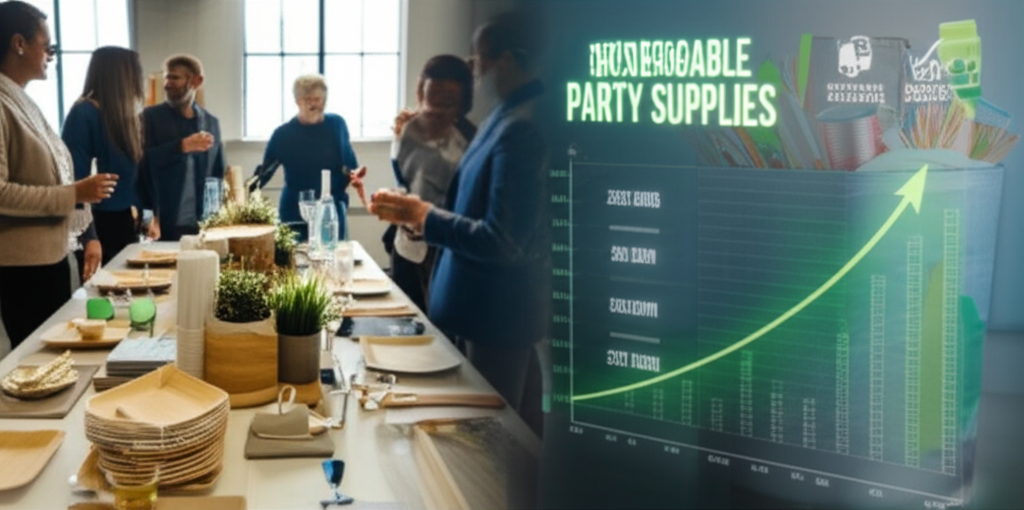
Bedrijfsevenementen gaan niet langer alleen over netwerken of het vieren van mijlpalen; het zijn krachtige uitspraken over de waarden van een organisatie. In een tijdperk waarin duurzaamheid voorop staat, overstijgt de keuze van feestartikelen de loutere esthetiek en wordt het een strategische noodzaak voor bedrijven. Het negeren van de ecologische voetafdruk van uw evenementen is niet langer een optie, maar een operationeel en reputatierisico dat de inzet van uw merk voor een groenere toekomst kan ondermijnen. De markt voor duurzame evenementenoplossingen groeit niet alleen; het herdefinieert de industriële normen, waarbij alleen al de mondiale markt voor biologisch afbreekbare feestartikelen naar verwachting zal stijgen van 14,3 miljard dollar in 2024 naar een indrukwekkende 38,7 miljard dollar in 2033, wat een robuuste CAGR van 11,7% aantoont. Weerspiegelt uw organisatie werkelijk haar inzet voor een groenere toekomst via haar evenementenkeuzes, of loopt u onbedoeld achter op een snel evoluerend landschap?
The implications of overlooking sustainable event procurement are far-reaching. Beyond the visible waste, there are unseen costs that directly impact your bottom line and public perception. Traditional single-use plastics and non-recyclable materials continue to swell landfills, contributing to a global environmental crisis. This growing landfill burden is not just an ecological issue; it’s a public relations one. Consumers, particularly in Europe where 63% express a preference for eco-conscious products, are increasingly scrutinizing corporate environmental responsibility. A misstep in event sustainability can quickly lead to accusations of “greenwashing,” damaging brand trust and eroding hard-won reputation, especially if sustainability claims are not genuine or verifiable.
Het regelgevingslandschap verandert ook dramatisch, waardoor traditionele aanbestedingspraktijken riskant worden. Overheden over de hele wereld voeren verboden en heffingen in op kunststoffen voor eenmalig gebruik, waardoor nalevingsproblemen ontstaan en de operationele kosten stijgen voor bedrijven die zich niet aanpassen. Inkoopmanagers worden geconfronteerd met de complexe taak om door deze evoluerende mandaten, die per regio verschillen, te navigeren. In de VS voeren staten steeds vaker een verbod op plastic tassen en beperkingen op schuimcontainers in, terwijl de Europese Unie het voortouw neemt met richtlijnen die gericht zijn op verschillende plastic producten voor eenmalig gebruik, waardoor bedrijven worden gedwongen op zoek te gaan naar duurzame alternatieven. Deze wetgevende druk heeft rechtstreeks invloed op de ESG-criteria (Environment, Social en Governance), die beleggers nu beschouwen als kritische indicatoren voor de gezondheid van bedrijven en de levensvatbaarheid op de lange termijn. Organisaties die er niet in slagen aan deze evoluerende normen te voldoen, lopen het risico investeerders van zich te vervreemden, de toegang tot kapitaal te belemmeren en te zien dat hun bedrijfsrapportage een slechte afspiegeling is van hun inzet voor duurzaamheid. Bovendien vormt de hulpbronnenintensieve productie van bepaalde conventionele partijbenodigdheden, die vaak een aanzienlijk gebruik van water, energie en chemicaliën met zich meebrengen, een ethisch dilemma en een logistieke belasting die moderne operationele directeuren niet langer kunnen negeren. De verwijderingskosten die gepaard gaan met gemengd afval van traditionele evenementen verergeren de operationele uitdagingen nog verder, waardoor een verschuiving naar duurzame praktijken niet alleen ethisch, maar ook economisch verstandig is.
Addressing these challenges requires a strategic pivot towards genuinely eco-friendly materials and practices. This isn’t just about finding alternatives; it’s about enhancing brand value, optimizing procurement, and building operational resilience. Understanding the tangible business value of sustainable materials is the first step.
Consider a comparison of traditional versus sustainable party materials for B2B procurement:
| Functie | Traditional (High Environmental Footprint, Regulatory Risk) | Sustainable (Biodegradable, Compostable, Aligns with Green Policies) | B2B-impact | Compliance Risk (EU/US) | ROI-potentieel |
|---|---|---|---|---|---|
| Plates & Cutlery | Disposable Plastics (PP, PS) | Bagasse (sugarcane), Bamboo, Cornstarch (PLA), Recycled Paper, Palm Leaf | Enhanced brand image, reduced waste, positive stakeholder perception | High (plastic bans) | Reduced disposal costs, improved public relations, market differentiation |
| Balloons | Mylar/Foil Balloons (non-biodegradable, microplastic concern) | Natural Latex Balloons (with responsible disposal guidance), Paper Lanterns, Fabric Banners, Bubbles, Pinwheels | Eco-conscious branding, reduced environmental harm, innovative aesthetics | Moderate (litter laws) | Brand reputation lift, potential for reusable decor savings |
| Invitations | Virgin Paper Invitations (resource intensive) | Recycled/Seed Paper, Digital Invitations (e.g., e-vites) | Reduced paper waste, modern appeal, cost savings on printing/postage | Laag | Significant cost savings, efficiency, modern brand perception |
| Decorations | Single-use plastic streamers, conventional confetti | Reusable fabric bunting, potted plants, dried flowers, biodegradable confetti | Supports circular economy, minimizes waste, unique event aesthetics | Gematigd | Long-term cost savings through reusability, unique event aesthetic |
The market insights underscore this shift. The global biodegradable party supplies market’s projected growth to USD 38.7 billion by 2033 highlights a clear investment opportunity for businesses. Key growth drivers include rising environmental awareness, stringent plastic waste regulations, and brand-driven sustainability initiatives. This reflects a broad consensus that sustainability is no longer a niche, but a core component of future-proof business strategy.

However, navigating this green wave requires vigilance, particularly concerning “greenwashing.” The term refers to misleading marketing that makes products appear more environmentally friendly than they truly are. This deceptive practice poses a significant risk to procurement teams trying to make genuine sustainable choices. Many products labeled “biodegradable” or “compostable” do not fully break down in natural environments or even in standard home composting systems. For example, some certified compostable cups, while appearing eco-friendly, contain PFAS (per- and polyfluoroalkyl substances)—chemicals with known environmental and health concerns—and often only degrade in commercial compost facilities, which are not widely available. Moreover, “biodegradable plastic” can take months or centuries to break down without a specified timeline, often still contributing to microplastic pollution. This lack of clear federal standards and regulations for bioplastic, biodegradable, or compostable products in many regions, including parts of the US, allows manufacturers to make vague claims, leading to significant consumer and B2B buyer confusion. Organizations like Beyond Plastics are actively campaigning for clearer regulations to combat this issue, highlighting the urgent need for greater transparency in the supply chain.Learn more about plastic pollution and policy efforts at Beyond Plastics
To avoid the pitfalls of greenwashing, it’s crucial to understand how to identify truly sustainable products:
| Functie | Vague/Greenwashed (High Risk of Misinformation) | Truly Sustainable (Verifiable, Low Environmental Impact) |
|---|---|---|
| Product Claim | “Biodegradable Plastic” (without specified conditions or timeline) | Certified Industrial Compostable (e.g., BPI certified, EN 13432 for EU) |
| Ontleding | May require specific, often unavailable industrial conditions; can take centuries to break down; contributes to microplastics. | Clear guidelines for decomposition in commercial facilities; breaks down into natural elements. |
| Balloons | “Biodegradable” Latex Balloons (can still take years to break down, threats to wildlife) | Reusable Decorations (fabric banners, potted plants), Bubbles, Pinwheels, Dried Flowers |
| Certificeringen | None, or vague in-house claims | Recognized third-party certifications (e.g., BPI, TÜV AUSTRIA, Cradle to Cradle) |
| Transparency | Limited information on material sourcing or end-of-life process | Full transparency on material origins, manufacturing, and verified disposal options |
The drive for transparency and certification is intensifying. Leading brands are prioritizing eco-friendly innovation and clear, verifiable claims to outperform competitors. This not only builds consumer trust but also strengthens B2B relationships by demonstrating genuine commitment to shared sustainability goals. Companies that invest in authentic, certified sustainable products are positioning themselves as responsible leaders in their industry.

Beyond single-use biodegradable items, embracing reusability and circular economy principles offers even greater long-term benefits. Strategic implementation of reusable options, such as cloth linens, durable dishware, and permanent decor, translates into significant cost savings over time and drastically reduced waste. For instance, companies like Brambles, operating through the CHEP brand, exemplify a circular economy model by promoting the “share and reuse” of assets like pallets and containers. This approach minimizes demand for virgin natural resources, reduces waste, and optimizes logistics, providing a powerful blueprint for how event supplies can move towards a more sustainable, closed-loop system. This mindset shift—from disposal to continuous use—is a cornerstone of modern sustainable procurement.Learn more about embracing Circular Economy principles in your operations.

Future-proofing your events means more than just compliance; it means leveraging innovation for differentiation and competitive advantage. The future of eco-friendly party supplies is dynamic, marked by continued advancements in material science. We can expect to see rapidly decomposable plant-based plastics and natural fibers that not only break down quickly but also maintain the strength, durability, and aesthetic appeal of conventional products. Technological integration will play a crucial role, with AI-driven tools emerging to assist with sustainable event planning, offering eco-friendly alternatives and theme generation with unprecedented efficiency. Augmented Reality (AR) and Virtual Reality (VR) are also set to transform how organizations visualize event setups, potentially reducing the need for physical samples and minimizing waste in the planning phase. Imagine previewing your entire event decor in a virtual space, ensuring every element meets your sustainability and aesthetic criteria before a single physical item is produced.
Furthermore, personalization and customization, enhanced by AI and design software, will allow for easier creation of unique, eco-friendly decorations. Technologies like 3D printing, utilizing sustainable materials, could enable on-demand, highly customized items that align perfectly with brand identity while minimizing overproduction and waste. This focus on tailored, sustainable experiences strengthens brand narrative and resonates deeply with environmentally conscious clients, partners, and employees. By visibly aligning with sustainable values, organizations not only enhance their image but also achieve UN Sustainable Development Goals and bolster their ESG performance, attracting top talent and new business opportunities. These forward-thinking strategies promise not only a reduced environmental footprint but also significant cost efficiencies through optimized procurement, reduced waste management expenses, and potential access to green financing or tax incentives. The growth trajectory for eco-conscious products is clear, positioning early adopters for a competitive edge.Explore current consumer preferences and ethical consumption trends at Ethical Consumer.
The time to act is now. To implement a robust sustainable event strategy, begin with a thorough audit of your current event supply procurement processes. Identify areas where single-use plastics and non-recyclable materials are prevalent. Prioritize sourcing from suppliers offering certified compostable, recycled, or reusable products, always verifying claims with third-party certifications. Invest in educating your event planning teams and stakeholders on sustainable choices and proper waste management, establishing clear guidelines for disposal, such as dedicated composting bins for certified items. Explore digital alternatives for invitations, RSVPs, and event marketing materials to drastically reduce paper consumption. Most importantly, seek out suppliers with verifiable sustainability credentials and transparent production processes to ensure authenticity.
Take the definitive step towards a greener, more responsible future for your corporate events. By quantifying cost savings through reduced waste, mitigating regulatory risks, and elevating your brand’s value through visible sustainability, you can capture significant market share opportunities.Consult our guide to sustainable supplier vetting for robust procurement strategies.Engage with sustainability consultants to tailor a bespoke eco-event strategy that aligns with your specific business goals. Access our comprehensive guide to sustainable event supplier vetting to empower your procurement teams. Initiate a pilot program for your next internal or client-facing event, measure the impact, and demonstrate leadership in corporate sustainability. The journey to truly sustainable events is a strategic investment that pays dividends in reputation, efficiency, and market differentiation.
Veel Gestelde Vragen
Why are eco-friendly party supplies a B2B imperative for corporate events?
Eco-friendly party supplies are crucial for B2B due to escalating client, employee, and regulatory demand for greener practices. They help avoid ‘greenwashing’ accusations, reduce operational costs associated with waste, and enhance brand reputation by aligning with sustainability values and ESG criteria. The market is projected to grow significantly, making it a strategic advantage.
How can businesses identify genuinely sustainable party supplies and avoid greenwashing?
Businesses must be vigilant against ‘greenwashing,’ which involves deceptive marketing. Look for products with clear, verifiable third-party certifications (e.g., BPI, EN 13432 for industrial compostability), transparent supply chains, and specified decomposition timelines under realistic conditions. Be cautious of vague terms like ‘biodegradable plastic’ without further context, as they may not break down effectively or contribute to microplastic pollution.
What are the key types of eco-friendly materials and products for corporate events?
Key eco-friendly materials include bagasse (sugarcane byproduct), bamboo, cornstarch (PLA), palm leaves, and recycled paper for tableware. Alternatives to balloons include natural latex (with responsible disposal), paper lanterns, fabric banners, bubbles, and pinwheels. Digital or recycled/seed paper invitations are also sustainable choices. Reusable options like cloth linens and durable dishware further reduce waste.
How do sustainable party supplies impact a company’s ESG performance and brand value?
Adopting sustainable party supplies significantly bolsters a company’s ESG performance by demonstrating environmental responsibility (E). It enhances brand value by attracting environmentally conscious clients and talent, signaling a commitment to ethical practices. This proactive approach mitigates reputational risks, aligns with UN Sustainable Development Goals, and positions the brand as a responsible industry leader.
What future trends should procurement managers anticipate in eco-friendly event supplies?
Procurement managers should anticipate advancements in rapidly decomposable plant-based plastics and natural fibers. AI-driven tools will assist in sustainable event planning and theme generation, while AR/VR technologies will allow for virtual decoration visualization, reducing physical waste in planning. Increased personalization through AI and 3D printing with sustainable materials will also be prominent.