Navigeren door de duurzame stro-revolutie: waarom materiaal belangrijk is voor uw bedrijf
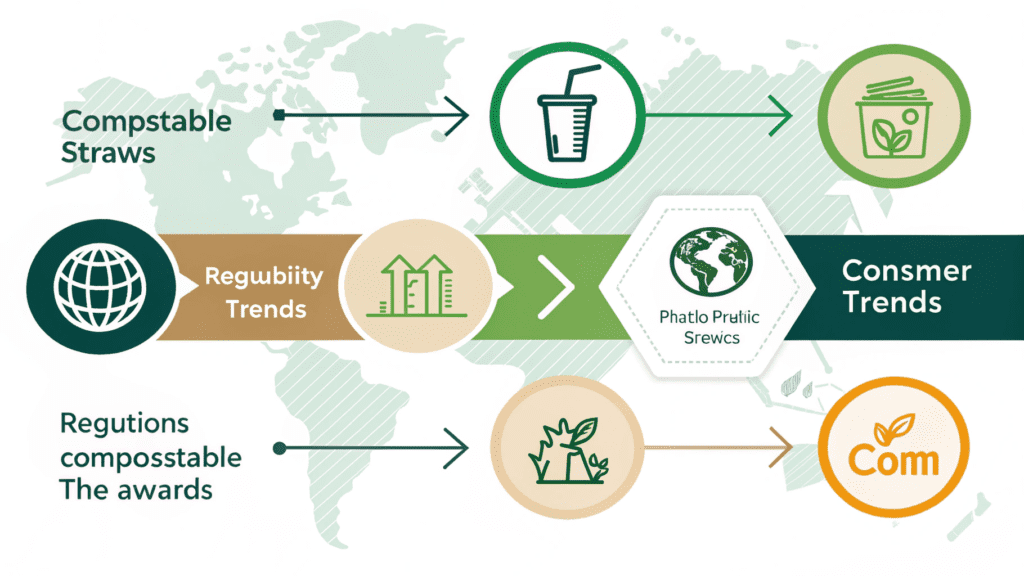
Het mondiale landschap voor bedrijven ondergaat een monumentale verschuiving, aangedreven door een onmiskenbare stap weg van plastic voor eenmalig gebruik. Deze transformatie is niet alleen maar een trend; het is een convergentie van de escalerende consumentenvraag naar milieuvriendelijke producten, strenge regelgevende mandaten zoals die in de EU en verschillende Amerikaanse staten, en ambitieuze duurzaamheidsdoelstellingen van bedrijven. Voor inkoop- en operationele teams vormt dit een cruciale uitdaging: het identificeren van echt effectieve en conforme composteerbare alternatieven te midden van een complexe en vaak verwarrende markt. De term ‘greenwashing’ is een serieus probleem geworden, omdat veel producten met ‘biologisch afbreekbare’ labels mogelijk niet echt ontbinden zoals beloofd, wat tot grote verwarring leidt bij B2B-kopers die echte duurzaamheid proberen te onderscheiden van marketingpluis. Het begrijpen van het genuanceerde verschil tussen termen als ‘biologisch afbreekbaar’ en ‘composteerbaar’ is van het grootste belang. Het is niet langer voldoende om simpelweg plastic te vervangen; bedrijven moeten weloverwogen materiële keuzes maken om de operationele integriteit en naleving van de regelgeving te waarborgen en hun onschatbare merkreputatie veilig te stellen in een steeds milieubewustere wereld.
Understanding the Compostable Straw Landscape for Strategic Sourcing
De moderne heropleving van composteerbare rietjes is een direct antwoord op een wereldwijde milieucrisis. Hoewel drinkbuizen dateren uit het oude Sumerië, werd in de 19e eeuw algemeen gebruik gemaakt van rietjes van roggegras, hoewel ze gevoelig waren voor drassigheid en een onaangename smaak gaven. De uitvinding van het papieren rietje in 1888 door Marvin C. Stone bood een vroege oplossing, een voorloper van de huidige uiteenlopende reeks milieuvriendelijke opties. Halverwege de 20e eeuw domineerde plastic vanwege de lage kosten en duurzaamheid ervan, maar beelden van het leven in zee verstrikt in plastic afval, in combinatie met de alomtegenwoordige kwestie van microplastics, katalyseerden een hernieuwde mondiale drang naar duurzame alternatieven. Steden als Seattle, dat in 2018 plastic rietjes voor eenmalig gebruik verbood, en de ingrijpende EU-richtlijn daartegen, benadrukken de regeldruk die deze markt drijft.
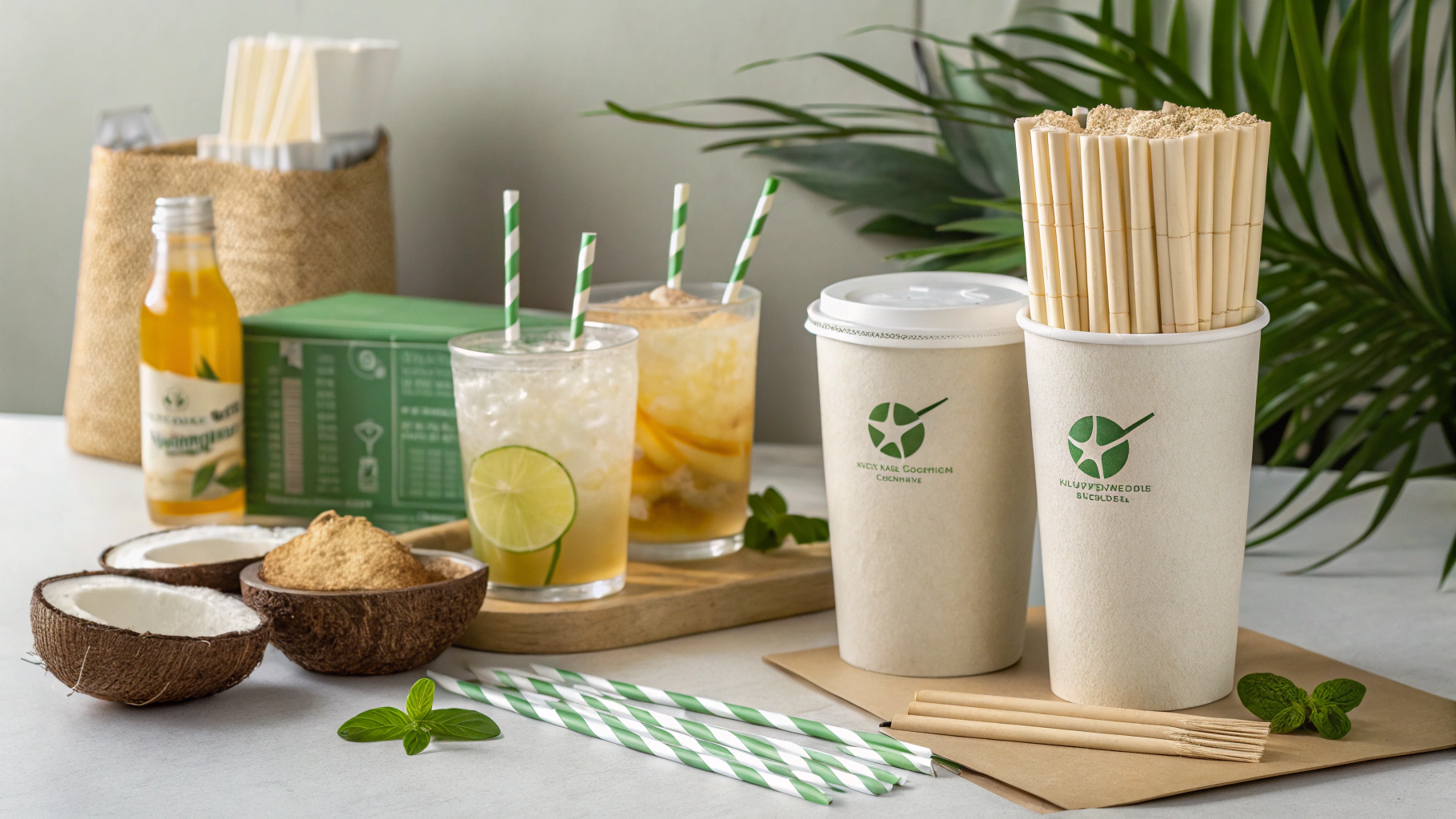
Today’s market offers core categories of compostable straw materials, broadly divided into plant-based polymers and natural fibers. Plant-based polymers include Polylactic Acid (PLA) and Polyhydroxyalkanoate (PHA), while natural fibers encompass materials like Paper, Sugarcane (Bagasse), Bamboo, Rice, and Wheat. The global eco-friendly straws market is not just growing; it’s projected to reach nearly USD 25.1 billion by 2035, indicating a robust and rapidly expanding sector. This growth is fueled by increasing environmental consciousness, more stringent plastic regulations, and a heightened focus on Corporate Social Responsibility (CSR) initiatives across industries. Major market players are continuously innovating, showcasing the maturity and global adoption of these sustainable solutions. For instance, companies like Huhtamaki Oyj and Vegware are significant contributors to the compostable packaging ecosystem, while innovative materials are being developed by companies featured onmomoio.com, such as their advanced compostable packaging solutions.

Choosing the Right Compostable Straw: A Buyer’s Essential Guide to Materials
Making the optimal choice for your business demands a deep dive into the properties of each material. Procurement teams need to understand not just what compostable straws are made of, but how they perform, their disposal requirements, and their overall suitability for specific operational needs.
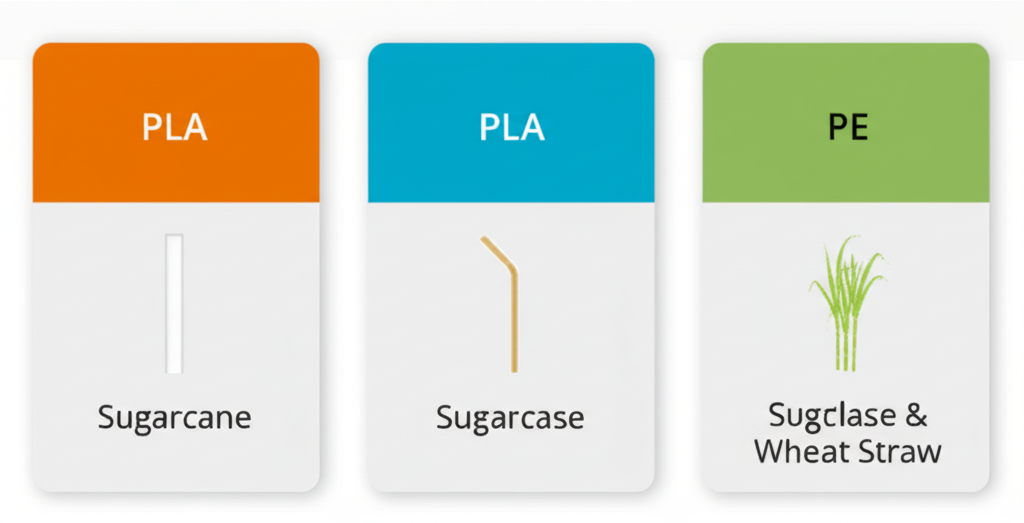
- Polymelkzuur (PLA): Derived from renewable resources like cornstarch or sugarcane, PLA straws offer a feel akin to traditional plastic. However, their critical caveat is the requirement for industrial composting facilities, typically needing temperatures of 56-60°C to fully break down. Without these specific conditions, PLA can persist in landfills for hundreds of years, resembling conventional plastic waste.
- Polyhydroxyalkanoate (PHA): Produced through the fermentation of vegetable oils or sugars, PHA stands out for its robust durability and significant advantage of being both home compostable and marine degradable. This means PHA straws can break down efficiently in a wider range of natural environments, offering a more versatile disposal profile.
- Papier: Made from wood pulp, bamboo, or bagasse, modern paper straws have seen advancements in water-resistant coatings. While earlier versions often suffered from sogginess and could impart a taste, newer innovations aim to overcome these performance challenges. It’s crucial to source PFAS-free paper straws to avoid “forever chemicals.”
- Sugarcane (Bagasse) & Wheat Straw: These materials are derived from agricultural waste, specifically the fibrous byproduct of sugarcane juice extraction and wheat harvesting. They are known for their natural sturdiness and impressive home compostability, making them highly desirable for truly circular economy initiatives.
To aid in strategic sourcing, consider the following comparative analysis:
| Functie | PLA | PHA | Papier | Suikerriet (Bagasse) |
|---|---|---|---|---|
| Primary Source | Maïzena, suikerriet | Plantaardige oliën, suikers | Wood Pulp, Bamboo, Bagasse | Sugarcane Waste Fibers |
| Feel/Appearance | Plastic-achtig | Plastic-achtig | Paper/Fiber | Natural Fiber, Sturdy |
| Hot Liquid Suit. | Softens at high temps | High temperature resistant | Varies (can soften) | High temperature resistant |
| Cold Liquid Suit. | Goed | Excellent | Varies (can soften) | Excellent |
| Disposal Req. | Industrial Composting (Crucial) | Home & Industrial, Marine Degradable | Home & Industrial (often wax-coated) | Home & Industrial |
| Duurzaamheid | Good (can be brittle) | Excellent, resists sogginess | Varies (can get soggy) | Excellent, resists sogginess |
| Taste Neutrality | Generally neutral | Generally neutral | Can impart paper taste | Neutrale |
| PFAS-risico | Low (not typically coated) | Zeer laag | Higher (in some coated varieties) | Laag |
| Typische kosten | Moderate to High | High (but improving) | Gematigd | Gematigd |
A significant concern for B2B buyers, particularly in Europe and the US, has been the “forever chemicals” (PFAS) controversy found in some paper straws. It’s vital to partner with suppliers who guarantee PFAS-free options. While PLA remains a popular choice, the critical need for proper composting infrastructure often limits its real-world environmental benefit. PHA, however, offers a more versatile degradation profile, addressing this challenge by decomposing in more accessible environments. Looking ahead, exciting future developments are underway, including seaweed-based straws, bacterial cellulose, and advanced starch-lignin straws. These innovations, like those highlighted in cutting-edge research, are paving the way for even more sustainable and higher-performing options that can meet the rigorous demands of commercial use. For an in-depth look at certifications, explore guides like this one onBPI Certification from momoio.com.
Future-Proofing Your Operations with Sustainable Straw Procurement
Beyond mere compliance, choosing the right compostable straws offers tangible operational benefits. By selecting materials that avoid common issues like sogginess or taste alteration, businesses can significantly enhance the customer experience, thereby protecting and even elevating their brand image. This strategic shift is crucial for meeting escalating regulatory demands, particularly in markets with stringent plastic bans like many across the European Union and progressive US states, helping businesses avoid potential penalties or public relations crises. Furthermore, adopting truly compostable solutions strengthens your brand’s sustainability narrative, attracting the growing segment of eco-conscious consumers and partners who prioritize environmental responsibility. Find out more about how sustainable packaging aligns with your business goals atmomoio.com/blog/sustainable-packaging-guide.
Investing in advanced compostable straws is a powerful competitive differentiator. It positions your business as a leader in environmental stewardship, demonstrating a genuine commitment to a greener future. This move isn’t just about good optics; it’s about actively reducing landfill waste and supporting a circular economy, which aligns perfectly with broader corporate social responsibility goals and investor expectations. In the long term, this responsible sourcing can lead to direct cost savings through reduced waste disposal fees and an improved public perception that translates into increased customer loyalty and market share. Recent reports from research firms like Future Market Insights confirm the robust growth of the eco-friendly straw market, underscoring the strategic advantage available to early adopters. This commitment to sustainability is increasingly influencing consumer choices, as demonstrated by reports from organizations like the National Retail Federation detailing the rise of conscious consumerism.

Secure Your Sustainable Straw Supply: Make an Informed Choice Today
The journey toward fully sustainable operations is complex, and selecting the optimal compostable straw material for your specific business needs is a critical step. Move beyond generic “biodegradable” claims and focus on certified compostable materials with proven performance that align with both your brand values and the practical realities of disposal. Don’t let uncertainty derail your sustainability efforts.