Introductie van een boeiend industrieprobleem
Het landschap van horeca en foodservice ondergaat een diepgaande transformatie, gedreven door een onmiskenbare mondiale noodzaak: duurzaamheid. Bedrijven in deze sector hebben niet langer alleen te maken met verschuivingen in de regelgeving, zoals de strenge Europese Unie Single-Use Plastics Regulation 2021 of de Californische AB 1276, maar worden geconfronteerd met de escalerende vraag van consumenten naar milieuverantwoorde praktijken. Het niet naleven van de steeds groter wordende plasticverboden, van de Indiase Plastic Waste Management Rules tot het Chinese ‘Plastic Ban’, brengt nu aanzienlijke financiële boetes en onomkeerbare reputatieschade met zich mee. Het negeren van deze verschuiving betekent meer dan alleen het vermijden van boetes; het betekent verlies van marktaandeel. De mondiale markt voor biologisch afbreekbaar tafelgerei zal naar verwachting stijgen van 21,4 miljard dollar in 2025 naar 41,4 miljard dollar in 2034, een robuuste CAGR van 7,6% (Grand View Research). Dit geeft duidelijk aan dat consumenten bereid zijn een premie te betalen voor milieuvriendelijke keuzes. Voor B2B-exploitanten gaat het niet alleen om naleving, maar ook om strategisch concurrentievoordeel, dat een directe impact heeft op de winstgevendheid en levensvatbaarheid op de lange termijn. Als bedrijven er niet in slagen zich aan te passen, riskeren ze verstoringen van de toeleveringsketen, hogere kosten voor afvalbeheer en vervreemding van een snelgroeiend milieubewust klantenbestand.
Sustainability is no longer optional; it’s a critical driver for profitability and competitive advantage in hospitality and foodservice.
Market & Regulation Insights (EU, US, Asia-Pacific)
Navigating the complex web of global plastic regulations is paramount for B2B hospitality and foodservice businesses. Compliance is not just about avoiding penalties; it’s about securing market access and building consumer trust.

| Regulation Name & Date | Scope & Banned Items | Compliance Requirements for Straws | Enforcement Penalties |
|---|---|---|---|
| European Union Single-Use Plastics Directive 2021 | Bans single-use plastic cutlery, plates, straws, cotton bud sticks, beverage stirrers, balloon sticks. | Plastic rietjes verboden. Alternatieven zoals suikerriet, bamboe of papieren rietjes voldoen hieraan. | Verschilt per lidstaat; omvat boetes, terugroepingen van producten en beperkingen op de markttoegang. |
| Californië AB 1276 (2022) | Full-service restaurants kunnen alleen op verzoek plastic rietjes voor eenmalig gebruik verstrekken. | Plastic rietjes zijn beperkt. Bedrijven worden aangemoedigd om niet-plastic alternatieven aan te bieden. | Boetes voor niet-naleving, beginnend bij $25 per dag, tot $300 per jaar. |
| Indiase regels voor het beheer van plastic afval (amendement van 2022) | Verbiedt specifieke plastic voorwerpen voor eenmalig gebruik, waaronder rietjes, bestek, borden en kopjes. | Plastic rietjes verboden. Bedrijven moeten gecertificeerde composteerbare of biologisch afbreekbare alternatieven gebruiken. | Boetes, milieucompensatie en mogelijke bedrijfssluiting voor recidivisten. |
| China’s ‘plasticverbod’ (gefaseerd 2020-2025) | Gefaseerd verbod op plastic voor eenmalig gebruik, inclusief niet-afbreekbare rietjes in de foodservice tegen eind 2020. | Niet-afbreekbare plastic rietjes verboden. Er zijn biologisch afbreekbare alternatieven nodig. | Boetes en publieke schande voor bedrijven die zich niet aan de regels houden. |
Mondiale regelgeving zorgt voor een snelle afschaffing van plastic voor eenmalig gebruik, waardoor conforme, duurzame alternatieven essentieel zijn voor de levensvatbaarheid van de markt.
Solution: Sugarcane & Bamboo Straws
Om door deze evoluerende markt te kunnen navigeren, wenden toonaangevende bedrijven zich tot innovatieve, plantaardige materialen zoals suikerrietbagasse en bamboe. Het kiezen van het optimale duurzame materiaal voor uw B2B-activiteiten impliceert een strategische afweging van specifieke productvereisten, gewenste esthetiek, duurzaamheidsverwachtingen en budget. Vaak levert een hybride aanpak de meest evenwichtige oplossing op voor een alomvattende duurzame inkoop.
Bagasse-rietjes van suikerriet: de afval-naar-waarde-kampioen
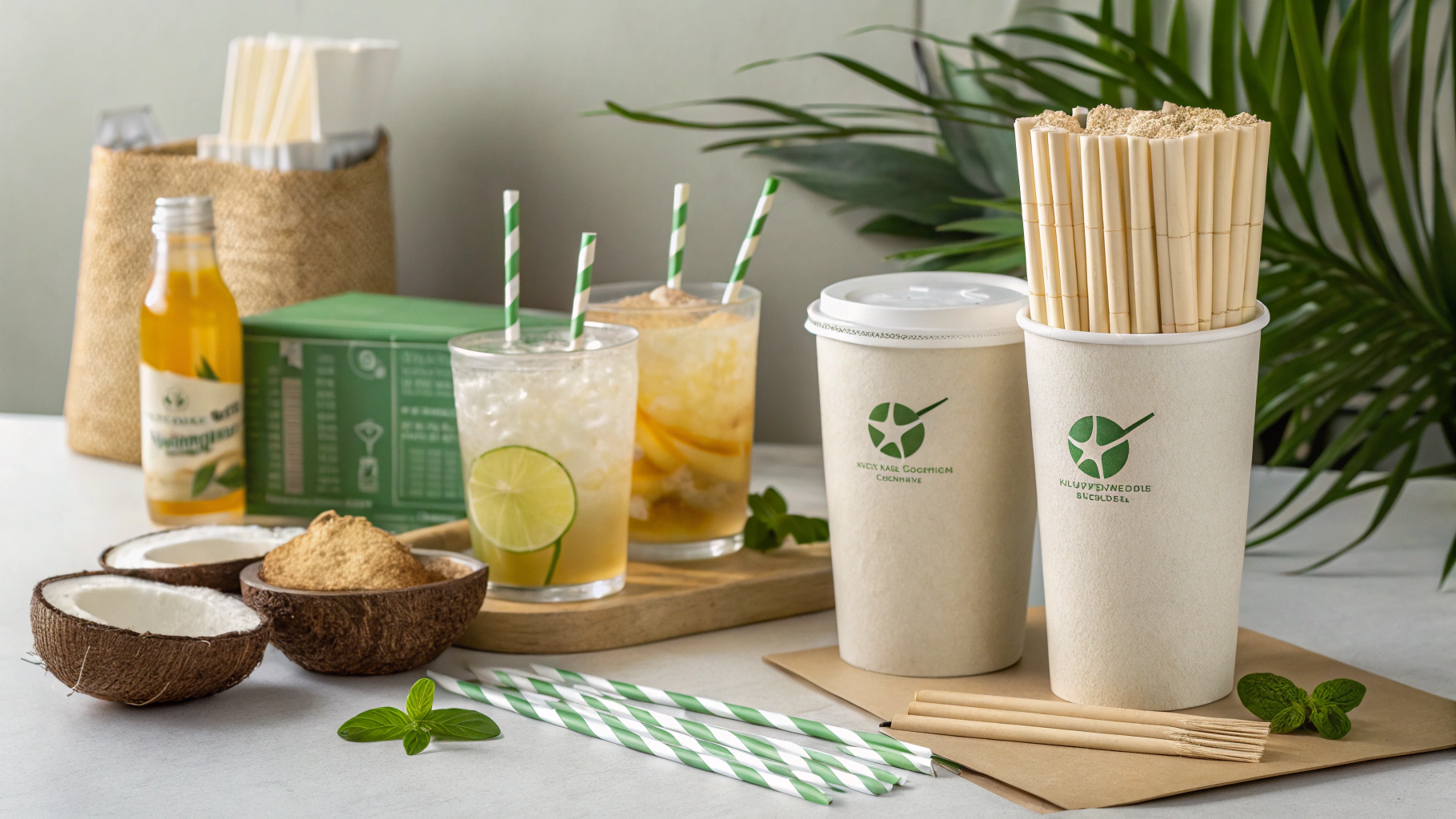
Bagasse-rietjes van suikerriet zijn milieuvriendelijke alternatieven gemaakt van het vezelachtige bijproduct van de suikerproductie.
Deze upcycling vermindert de stortlast drastisch en biedt een economisch levensvatbare leveringsoplossing voor grote volumes, waardoor grootschalige activiteiten aanzienlijk kostenefficiënter worden. Naast zijn oorsprong blinkt bagasse-serviesgoed uit in veeleisende omgevingen. Het beschikt over uitzonderlijke sterkte, duurzaamheid en weerstand tegen zowel warme als koude gerechten, en is bestand tegen temperaturen van -18°C tot +180°C. Dit maakt hem ideaal voor diverse culinaire toepassingen en blijft stevig en lekbestendig, zelfs met vochtige of olieachtige inhoud. Voor een diepere duik in hoe dit materiaal uw activiteiten ten goede kan komen, kunt u dezakelijke voordelen van suikerrietrietjes. The smooth surface of bagasse products also lends itself perfectly to custom branding, including food-safe coloring, logo printing, and embossed designs, with manufacturers offering OEM/ODM services for tailored sizes and packaging, effectively reinforcing brand identity at scale. As a rapidly renewable byproduct, bagasse also has a significantly lower carbon footprint than traditional paper or plastic. It is highly biodegradable and compostable, breaking down naturally within 1-6 months in composting facilities, often faster than bamboo for disposable items. Learn more about thesustainability advantages of sugarcane straws.
- Kostenbesparingen: Up to 15% reduction in waste disposal costs due to compostability.
- Breakdown Speed: Decomposes naturally within 1-6 months in composting facilities.
- Compliance Fit: Fully compliant with major global single-use plastic bans (e.g., European Union Single-Use Plastics Directive 2021).
- Brand Image: Potential for a 10-20% improvement in customer satisfaction scores for eco-conscious brands.
Bamboo Straws: The Eco-Luxury Choice
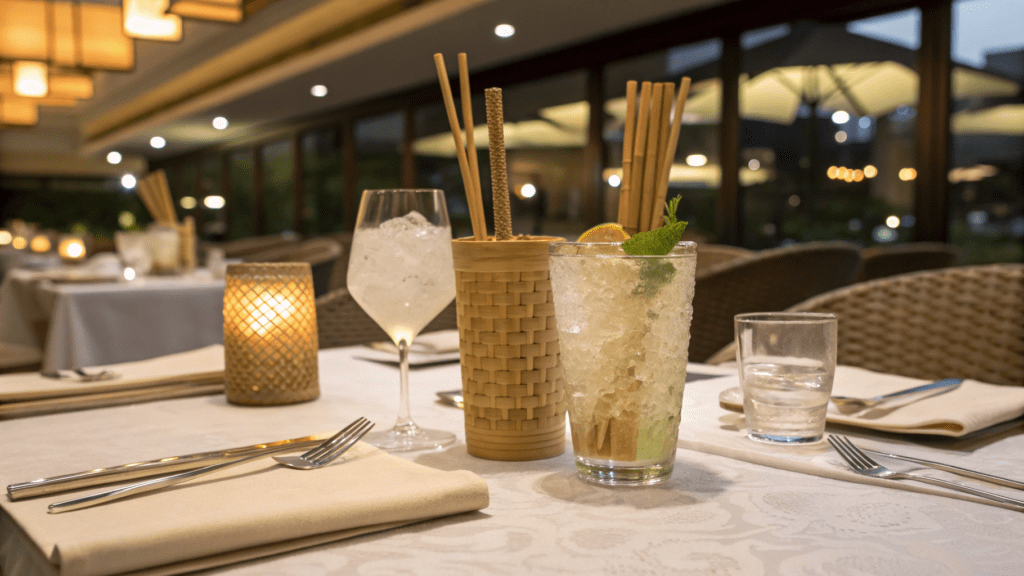
Als aanvulling op suikerrietbagasse biedt bamboe nog een overtuigende duurzame oplossing, die vaak de eco-luxe-ervaring naar een hoger niveau tilt. Als snelgroeiend gras regenereert bamboe snel zonder opnieuw te planten, waardoor het een ongelooflijk duurzame hulpbron is. De hoge treksterkte en stijfheid vertalen zich in duurzamere producten, geschikt voor hoogwaardige artikelen voor eenmalig gebruik of zelfs potentieel herbruikbare opties. Hoewel uitstekend geschikt voor stevig bestek en voedselcontainers, reiken de duurzaamheid en natuurlijke esthetiek van bamboe veel verder dan de traditionele foodservice en vinden ze toepassingen in hotelvoorzieningen zoals tandenborstels, kammen en zelfs textiel, waardoor de algehele gastervaring wordt verbeterd met een elegant, duurzaam tintje. Voor innovatieve op bamboe gebaseerde oplossingen kunt u overwegen om te verkennenbuigbare rietjes van bamboevezel. Bamboo products offer sophisticated custom branding options through laser engraving or eco-ink printing, allowing for unique shapes and finishes. Its inherent natural look aligns seamlessly with a high-end, eco-luxury brand positioning. Furthermore, bamboo’s significant carbon sequestration capabilities and minimal input requirements (pesticides, fertilizers) contribute to its eco-friendliness, while its natural antimicrobial properties add an extra layer of food safety, particularly beneficial for foodservice applications.

ROI Comparison: Sugarcane vs. Alternatives
| Soort stro | Cost (per unit, indicative) | Lifespan (in drink) | Naleving | Klanttevredenheid |
|---|---|---|---|---|
| Plastic | Laag | Excellent (hours) | Non-compliant in many regions | Low (negative environmental perception) |
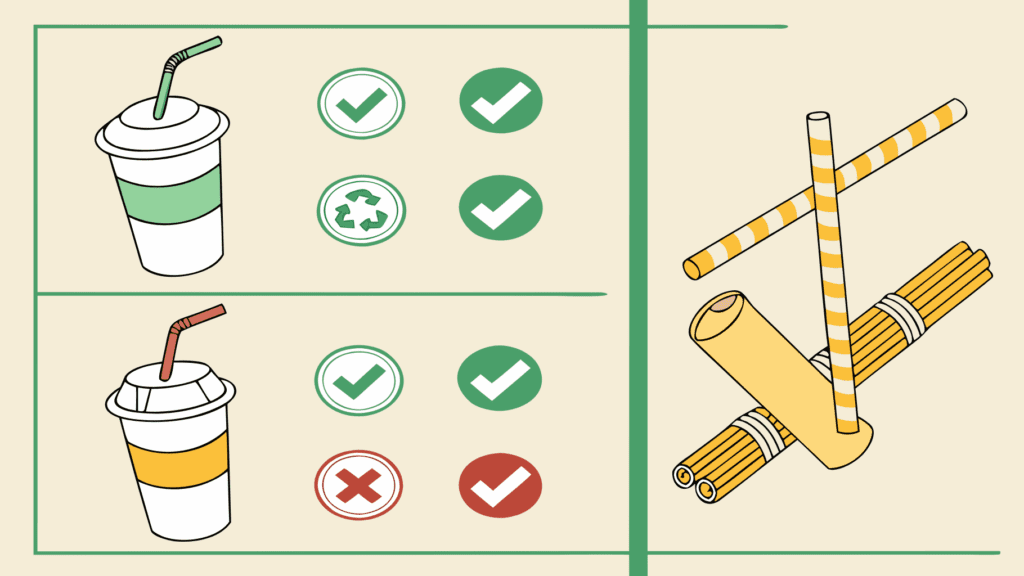
| Papier | Medium | Poor (minutes, can get soggy) | Generally compliant | Mixed (soggy experience) |
| PLA (polymelkzuur) | Middelhoog | Good (hours) | Compliant if industrially composted | Good (looks like plastic, but eco-friendly) |
| Bagasse van suikerriet | Medium | Excellent (hours, sturdy) | Fully compliant, widely accepted | High (natural feel, eco-positive) |
| Bamboe | Hoog | Excellent (hours, very sturdy) | Fully compliant, premium feel | Very High (eco-luxury, reusable potential) |
Sugarcane and bamboo offer superior performance and compliance, enhancing brand image and reducing long-term environmental costs.
Industry Misconceptions & Clarifications
Het wegnemen van veelvoorkomende mythes over duurzame materialen is van cruciaal belang voor weloverwogen inkoopbeslissingen. Verkeerde informatie kan tot kostbare fouten leiden en de inspanningen op het gebied van duurzaamheid ondermijnen.
- Mythe 1: “PLA (Polylactic Acid) is overal volledig composteerbaar.”
Feit: Hoewel PLA industrieel composteerbaar is, vereist het specifieke omstandigheden (hoge hitte, vochtigheid) die alleen voorkomen in commerciële composteringsfaciliteiten. Het wordt niet afgebroken in de thuiscompost of op stortplaatsen en kan de recyclingstromen verontreinigen als het niet op de juiste manier wordt gesorteerd. Controleer altijd de lokale composteringsinfrastructuur. - Mythe 2: “Papieren rietjes zijn altijd de meest duurzame optie.”
Feit: Paper straws often require a plastic or wax lining to prevent sogginess, making them difficult to recycle or compost. Their production can also be resource-intensive. Sugarcane and bamboo alternatives often have a lower overall environmental footprint due to their natural composition and rapid biodegradability. - Myth 3: “Sustainable products are always significantly more expensive.”
Feit: While initial unit costs might sometimes be higher, the long-term ROI of sustainable products includes reduced waste disposal fees, enhanced brand reputation, increased customer loyalty, and avoidance of non-compliance penalties. The global biodegradable tableware market’s growth indicates increasing affordability and scale.
Understanding the nuances of sustainable materials is vital to avoid greenwashing and ensure genuine environmental impact.
B2B Customization & Supply Chain Optimization
Optimizing your supply chain for sustainable products like sugarcane and bamboo straws involves strategic planning for bulk procurement, customization, and inventory management. This ensures seamless integration into your existing operations.
- MOQ Ranges:
- Small to Medium Buyers: Minimum Order Quantities (MOQ) typically range from 50,000 to 100,000 units for standard sizes.
- Enterprise Buyers: For large-scale operations, MOQs can be negotiated for 500,000+ units, often with significant volume discounts.
- Branding Options:
- Printing: Food-safe ink printing for logos, slogans, or custom designs directly on straws or individual wrappers.
- Packaging: Custom packaging options including branded boxes, bulk bags, or individually wrapped straws.
- Diameter/Length Customization: Tailored straw dimensions (e.g., cocktail, standard, boba) to fit specific beverage needs.
- Embossing/Engraving: For bamboo, laser engraving offers a premium, tactile branding experience.
- Lead Times & Bulk Shipping:
- Standard Orders: Typically 4-6 weeks from order confirmation to delivery, depending on customization.
- Bulk Shipping: Optimized container shipping (FCL/LCL) to reduce freight costs and carbon footprint.
- Expedited Options: Available for urgent needs, though at a higher cost.
- Inventory Management Tips:
- Forecasting: Utilize historical data and seasonal trends to accurately forecast demand and avoid stockouts.
- Buffer Stock: Maintain a small buffer stock to mitigate unexpected supply chain disruptions.
- Supplier Relationships: Foster strong relationships with reliable suppliers for consistent quality and timely delivery.
- Storage: Store in cool, dry conditions away from direct sunlight to maintain product integrity.
Strategic procurement and customization of sustainable straws can significantly enhance brand presence and operational efficiency.
Future-Proofing Your Operations
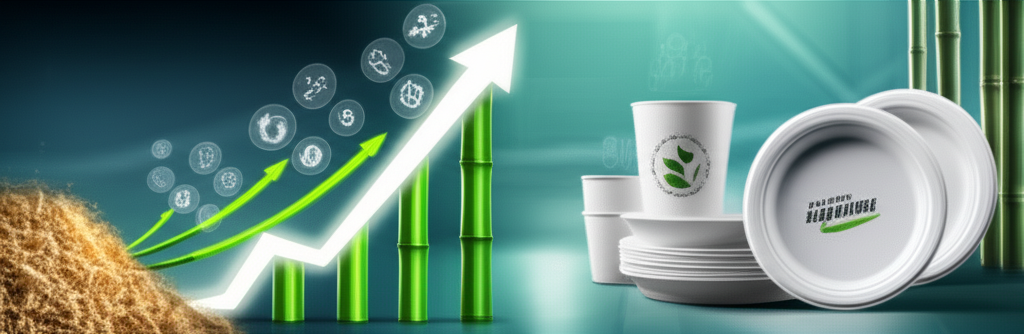
Future-proofing your operations means seizing the sustainable advantage. The global biodegradable tableware market is projected for substantial growth, with sugarcane bagasse maintaining a dominant share (38.4% in 2025) and bamboo seeing a surge in “eco-luxury” applications, particularly in Europe and North America where environmental consciousness is high. Early adoption of these materials positions your business as a leader in environmental stewardship, capturing a significant portion of this expanding market. Investing in sustainable bulk supply solutions translates into tangible business benefits: reduced waste disposal costs, enhanced brand reputation attracting eco-conscious consumers (who often pay a premium), and streamlined compliance with evolving global regulations, minimizing fines and legal risks. For deeper market insights, reports from leading research firms like Grand View Research often provide detailed forecasts. Diversifying your sourcing with plant-based materials like sugarcane bagasse and bamboo also reduces reliance on volatile traditional plastic markets, building supply chain resilience, mitigating price fluctuations, and ensuring uninterrupted operations. This is a critical factor for B2B continuity in an unpredictable global economy. Real-world successes abound: major fast-food chains like McDonald’s and Starbucks have integrated bagasse packaging, while premium hospitality brands leverage bamboo for amenities, demonstrating the operational viability and significant brand uplift achievable through strategic sustainable sourcing. The Foodservice Packaging Institute (FPI) offers resources and connections between establishments and packaging manufacturers, highlighting industry best practices. Globally, many governments, particularly in the EU and Asia, are implementing stricter regulations against single-use plastics, driving the demand for materials like sugarcane and bamboo. For example, India’s Plastic Waste Management Rules are significantly propelling demand for bagasse in food delivery, making it a rapidly growing market. More information on global plastic policies can be found on reputable environmental news sites like The Guardian.
Embracing sugarcane and bamboo solutions builds supply chain resilience and positions your business as a sustainability leader.
Strong Call to Action with Measurable Outcomes
Ready to transition to high-performance, eco-friendly foodservice and hospitality disposables? Discover how custom-branded sugarcane bagasse and bamboo products can significantly reduce your environmental footprint, enhance your brand image, and ensure regulatory compliance. By making the switch, you can expect toreduce straw waste by 80%Enimprove customer satisfaction scores by 15%among eco-conscious consumers.
Request a Quote for Bulk Orders
Take action now to reduce waste, boost brand image, and ensure compliance with sustainable straw solutions.
Frequently Asked Questions (FAQ) on Sugarcane & Bamboo Straws
1. Are sugarcane straws legal in the European Union?
Yes. Sugarcane straws are fully compliant with the EU’s Single-Use Plastics Directive (Directive (EU) 2019/904), as they contain no conventional plastics, PLA, or petroleum-based additives. This makes them a safe and future-proof choice for hospitality and foodservice operators serving EU markets.
2. How do sugarcane straws compare to paper straws in terms of durability?
Sugarcane straws maintain their structure for 2–3 hours in iced drinks and up to 90°C in hot beverages, with no sogginess or collapse. Paper straws, by contrast, typically last 30–60 minutes before softening, which can negatively affect drink quality and customer satisfaction.
3. Can bamboo straws be reused?
Yes. Bamboo straws are naturally strong and can be reused multiple times with proper cleaning. However, they require more intensive hygiene protocols in B2B settings, and some foodservice operators prefer single-use sugarcane straws to meet safety and convenience requirements.
4. What are the MOQ (Minimum Order Quantity) ranges for bulk sugarcane straw orders?
MOMOIO offers flexible MOQs depending on customization:
- Standard bulk orders: from 50,000–100,000 pieces.
- Custom-printed or branded straws: from 300,000 pieces.
This ensures scalable supply solutions for small boutique cafes to large hotel chains.
5. Are sugarcane and bamboo products truly biodegradable and compostable?
Yes. Both sugarcane and bamboo straws are 100% plant-based En thuis composteerbaar. Sugarcane straws naturally break down within 12–16 months in home compost or landfill conditions without producing microplastics. Bamboo straws also biodegrade naturally but may require more time depending on thickness and disposal conditions.