Os canudos de papel são realmente sustentáveis - ou apenas a lavagem verde? Um imperativo B2B para o fornecimento informado
À medida que os gestores de compras, os diretores de operações e os responsáveis pela sustentabilidade navegam no complexo cenário da responsabilidade corporativa, a mudança das palhinhas de plástico para as de papel tornou-se um símbolo visível do compromisso ambiental. No entanto, sob a superfície da percepção pública existe uma realidade matizada que desafia a crença amplamente difundida na sustentabilidade inerente das palhinhas de papel. Este artigo disseca a verdadeira pegada ambiental dos canudos de papel, expondo o potencial “greenwashing” e orientando os tomadores de decisão B2B em direção a soluções genuinamente sustentáveis. Ignorar estas informações acarreta não só o risco de ineficiências operacionais e custos crescentes, mas também de danos significativos à reputação e potenciais sanções regulamentares num mercado cada vez mais escrutinado.
O impulso global para soluções sustentáveis e proibições de plástico
A adoção generalizada de palhinhas de papel foi em grande parte uma resposta à crescente pressão pública e regulamentar alimentada por preocupações com a poluição marinha por plástico. Imagens vívidas, como uma tartaruga marinha enredada numa palhinha de plástico, galvanizaram a acção global, tornando as palhinhas de plástico num símbolo tangível de danos ambientais. Este clamor público traduziu-se rapidamente numa acção legislativa generalizada. O Reino Unido proibiu as palhinhas de plástico descartáveis em 2020, seguido por 27 países da União Europeia até Junho de 2021, e medidas semelhantes foram promulgadas em várias cidades e estados dos EUA.
Para além dos mandatos governamentais, grandes empresas, incluindo companhias aéreas, hotéis e parques temáticos, sinalizaram proativamente o seu compromisso ao substituir as palhinhas de plástico, criando uma mudança significativa no mercado. Este movimento coletivo teve como objetivo reduzir o desperdício de plástico, melhorar as credenciais ambientais e satisfazer as crescentes expectativas dos consumidores em relação a marcas ecologicamente conscientes. No entanto, a rápida mudança para palhinhas de papel, embora bem intencionada, revelou um conjunto complexo de custos ocultos e consequências não intencionais que exigem um escrutínio rigoroso por parte dos decisores B2B.
A mudança global para palhinhas de papel, impulsionada pela pressão pública e regulamentar, revela custos ocultos e consequências não intencionais para os decisores B2B.
Desconstruindo a “sustentabilidade”: além das percepções iniciais dos canudos de papel
The journey from plastic to paper straws was championed as a straightforward environmental win. Yet, a deeper dive into the life cycle of paper straws reveals a more intricate and often problematic reality, challenging their perceived eco-friendliness.
Beyond Biodegradability: The Hidden Environmental Costs of Paper Straws
While paper straws are often lauded for their biodegradability, their production process tells a different story. The pulp and paper industry, which supplies the raw materials for these straws, is an energy-intensive sector, accounting for approximately 6% of global industrial energy use and 2% of direct industrial CO2 emissions. This substantial energy demand often relies on fossil fuels, contributing significantly to greenhouse gas emissions.
Life Cycle Assessment (LCA) insights further underscore these concerns. A 2022 study published inScience of the Total Environmentcompared the environmental impact of various straw materials and indicated that paper straws (PA) had a Global Warming Potential (GWP) of 2.58E+06 kg CO2 eq. This figure is significantly higher than that of polypropylene (PP) plastic straws, which measured 5.66E+05 kg CO2 eq in the same study. The research highlighted that replacing PP straws with paper alternatives to curb marine plastic pollution could incur environmental costs in other categories, such as climate change impact.
Moreover, paper production is notoriously water-intensive, consuming vast quantities of fresh water. If not sourced from responsibly managed forests certified by bodies like the Forest Stewardship Council (FSC), the demand for paper can also contribute to deforestation, leading to habitat loss and reduced carbon sequestration capacity. These factors demonstrate that the environmental footprint of paper straws extends far beyond their end-of-life decomposition.
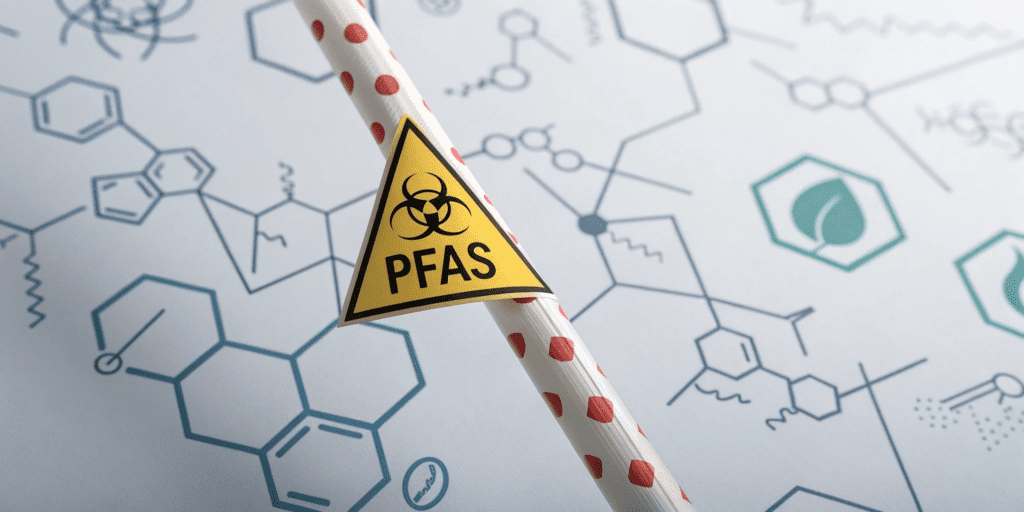
The Troubling Reality of PFAS Chemicals in Paper Straws
Talvez uma das revelações mais alarmantes em relação aos canudos de papel seja a presença generalizada de substâncias per e polifluoroalquil (PFAS). Esses “produtos químicos eternos” são frequentemente usados como revestimentos repelentes à água para melhorar a durabilidade dos canudos de papel, uma falha crítica de projeto em seu material inerente. Um estudo de agosto de 2023 publicado emAditivos Alimentares e Contaminantesconduzido por pesquisadores belgas encontrou PFAS em 90% das marcas de canudos de papel testadas na Europa, tornando-os o material com maior probabilidade de conter essas substâncias problemáticas em todos os tipos de canudos examinados.
The implications of PFAS are profound. These chemicals are highly persistent, breaking down incredibly slowly over thousands of years and accumulating in the environment and biological systems. They have been linked to a range of serious health issues, including thyroid disease, liver damage, kidney cancer, testicular cancer, increased cholesterol, and even lower vaccine response. The presence of PFAS directly contradicts the “eco-friendly” and “biodegradable” marketing claims of many paper straws, exposing companies to significant compliance risks, particularly with emerging regulations targeting these hazardous compounds.
Durability, Functionality, and Consumer Dissatisfaction
Além dos custos ambientais ocultos, os canudos de papel também apresentam desafios substanciais operacionais e de experiência do cliente. Suas propriedades materiais inerentes significam que eles lutam com a durabilidade, especialmente quando expostos a líquidos por longos períodos. Pesquisa publicada emBioRecursosem 2019 demonstraram que os canudos de papel podem perder mais de 75% de sua firmeza e 70-90% de sua resistência à compressão após apenas 20-30 minutos em líquidos. Essa rápida degradação freqüentemente leva à frustração entre os consumidores, pois os canudos ficam encharcados, desmoronam ou se dissolvem antes de a bebida terminar.
This poor functionality has practical consequences for businesses. Customers may resort to using multiple straws per drink, inadvertently negating some of the intended environmental benefits and increasing waste volume. This can also lead to negative brand perception, with consumers associating the poor performance of the straw with the overall quality of the establishment’s offerings, thereby impacting brand loyalty and perceived value.
Paper straws’ production, PFAS content, and poor durability challenge their perceived eco-friendliness and impact customer satisfaction.
The “Greenwashing” Dilemma: Unpacking Misleading Claims
The rapid adoption of paper straws has inadvertently created fertile ground for “greenwashing,” where companies make unsubstantiated or misleading claims about their environmental practices or products.
Unmasking Greenwashing Concerns in the Paper Straw Market
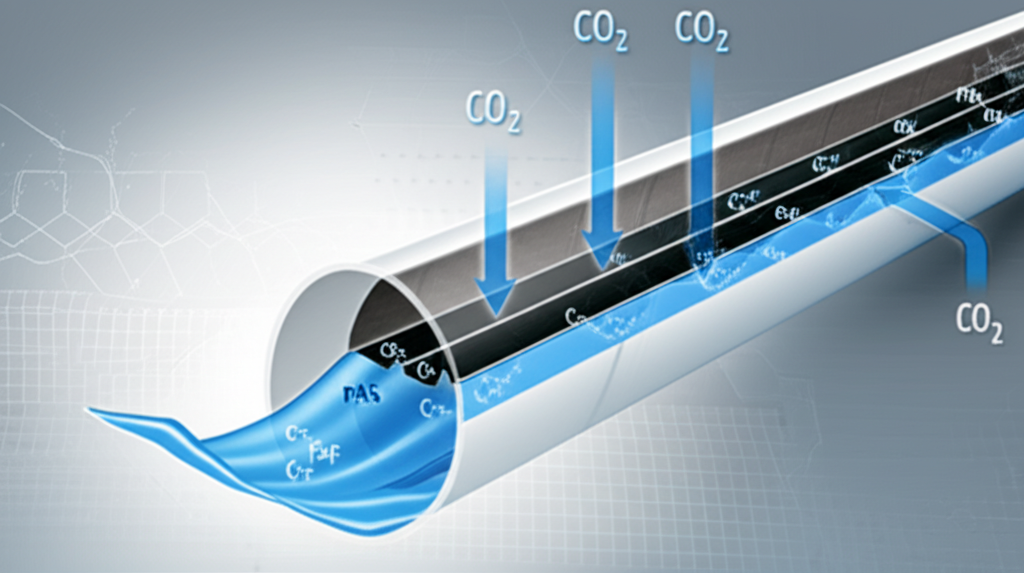
Um exemplo flagrante de lavagem verde ocorreu quando o McDonald’s do Reino Unido introduziu canudos de papel “100% recicláveis” em 2018 para substituir os de plástico. Apesar da reivindicação ambiental, estas palhinhas de papel acabaram por não poder ser recicladas devido à falta de infra-estruturas adequadas para processar a sua espessura e revestimentos, levando-as a acabar em aterros ou incineração, ou mesmo nos oceanos. Isto destaca uma desconexão crítica entre as afirmações de marketing e as realidades reais do fim da vida. A Orientação sobre Alegações Ambientais da UE desencoraja explicitamente alegações gerais vagas como “amigo do ambiente” precisamente porque podem enganar os consumidores e facilitar o branqueamento verde.
Many recycling facilities are not equipped to process food-contaminated paper products or paper straws with certain coatings, even if the base material is paper. This infrastructure gap significantly hinders the circularity of paper straws, pushing them into waste streams despite being labeled as recyclable or compostable. This challenge underscores the need for businesses to look beyond superficial claims and scrutinize the entire supply chain and disposal infrastructure.
Superficial Solutions vs. Systemic Impact
O foco na proibição dos canudos de plástico, embora simbólico, aborda uma questão ambiental relativamente menor quando vista num contexto mais amplo. Os canudos de plástico constituem minúsculos 0,025% da grande quantidade de plástico que entra anualmente no oceano. Esta atenção desproporcional pode desviar a atenção e os recursos de fontes muito maiores de poluição plástica, como redes de pesca abandonadas ou descargas industriais.
Expert criticism, particularly from firms like Boston Consulting Group (BCG), has labeled the focus on paper straws as largely a “red herring.” BCG notes that this shift made very little overall impact on broader plastic waste and biodiversity issues. Worse, by tainting the reputation of genuinely sustainable products due to their poor performance or hidden environmental costs, it inadvertently pushed consumers back towards plastic, eroding trust in eco-friendly alternatives. For businesses, investing heavily in a “solution” that is ultimately superficial or even counterproductive carries significant strategic risk.
Greenwashing in the paper straw market highlights a critical disconnect between marketing claims and actual environmental impact.
Strategic Procurement: Evaluating Sustainability for B2B Operations
For procurement managers, operations directors, and sustainability officers, the nuanced reality of paper straws demands a sophisticated approach to sourcing. Simply switching from plastic to paper based on surface-level assumptions can lead to unforeseen challenges and undermine genuine sustainability goals.
The transition to paper straws, particularly those that are not truly sustainable, has led to escalated procurement costs. Paper straws are typically two to three times more expensive than their plastic counterparts, directly impacting operational budgets and potentially eroding profit margins if not offset by other efficiencies or price adjustments.
Além disso, a aquisição de palhinhas de papel genuinamente sustentáveis introduz uma complexidade significativa na cadeia de abastecimento. Requer verificação rigorosa para certificações verificáveis, como FSC para manejo florestal responsável e certificações de terceiros independentes (por exemplo, BPI, DIN CERTCO) para padrões de compostabilidade industrial como ASTM D6400/D6868 (América do Norte) e EN13432 (Europa). Crucialmente, as empresas devem exigir garantia livre de PFAS para mitigar riscos de saúde, ambientais e de conformidade. Este aumento da devida diligência exige relacionamentos mais profundos com os fornecedores e processos de auditoria robustos.
Perhaps most critically, companies that make unsubstantiated green claims, whether intentionally or inadvertently, face significant reputational risk. In an era of heightened consumer awareness and regulatory scrutiny, accusations of greenwashing can severely damage brand trust and loyalty, leading to consumer backlash, negative media coverage, and even potential legal penalties. For instance, the Korea Fair Trade Commission has proposed amendments to its “Review Guidelines Regarding Greenwashing” to prevent indiscriminate marketing. Proactive risk mitigation requires transparency and verifiable data.
| Recurso | Impacto operacional B2B | Nota de Conformidade | ROI potencial |
|---|---|---|---|
| Plástico (PP) | Low upfront cost, high durability, readily available. | Increasingly banned globally (e.g., UK 2020, EU 2021 Single-Use Plastics Directive). | Negative ROI due to potential fines, PR crises, and lost revenue. |
| Paper (Coated/PFAS) | Moderate cost, poor durability, customer complaints. | Risk of non-compliance with emerging PFAS regulations, greenwashing laws (e.g., EU Environmental Claims Guidance). | Low ROI due to increased waste, consumer dissatisfaction, potential fines. |
| Paper (PFAS-Free, Certified Com.) | Higher cost, improved but still limited durability. | Adheres to ASTM D6400/EN13432 for industrial composting; FSC-certified sourcing. | Moderate ROI from positive brand image, but higher operational cost. |
| PLA Bioplastic (Industrial Com.) | Higher cost, better durability than paper, specific disposal needs. | Requires industrial composting facilities (e.g., ASTM D6400 certified). | Moderate ROI if robust industrial composting infrastructure available and aligned with local facilities. |
| Reusable (Stainless Steel/Bamboo) | High upfront investment, requires cleaning/logistics infrastructure. | Promotes circular economy principles, reduces single-use reliance. | High long-term ROI from waste reduction, strong brand loyalty, reduced procurement. |
Strategic procurement demands rigorous vetting of straw alternatives to mitigate costs, compliance risks, and reputational damage.
Innovating for True Sustainability: Next-Gen Solutions
Moving beyond the pitfalls of conventional paper straws requires embracing truly innovative and verifiable sustainable solutions that address both environmental impact and operational performance.
Certified Industrially Compostable Solutions
For businesses committed to single-use options, the focus must shift to materials and products that meet stringent industrial compostability standards. Products certified to standards like ASTM D6400/D6868 (North America) and EN13432 (Europe) ensure that materials break down completely within 180 days in commercial composting facilities, leaving no harmful residues. These certifications provide a verifiable benchmark that goes beyond mere “biodegradable” claims.
Innovative materials such as PHA (polyhydroxyalkanoate) straws represent a promising alternative. PHA is a biopolymer derived from natural sources, like canola oil, offering enhanced durability and a feel similar to traditional plastic, while boasting remarkable biodegradability credentials. For businesses seeking genuine eco-friendly options, exploring themelhores canudos biodegradáveis que não são de papelis a strategic imperative.
Case Study: Phade® Straw Adoption:Phade® straws, made from PHA, exemplify this next generation of sustainable solutions. They have achieved rigorous certifications, including TUV Austria’s ‘OK compost HOME’ and ‘OK biodegradable MARINE’ certifications, signifying their ability to break down in both industrial and home composting environments, as well as marine ecosystems. Leading foodservice distributors have integrated PHA straws into their offerings, recognizing their superior durability and verified end-of-life pathways. This adoption allows companies to avoid the functionality issues and greenwashing accusations associated with earlier paper straw iterations, demonstrating a genuine commitment to environmental stewardship without compromising customer experience. Delve deeper into the environmental comparison ofsugarcane straws versus plastic and paperto make informed choices.
The Power of Reusable Straws and Waste Reduction
While single-use solutions continue to evolve, the most impactful path to sustainability lies in embracing circular economy principles and reducing overall consumption. Reusable straws, crafted from materials like stainless steel, glass, or bamboo, offer durable, multi-use alternatives that entirely eliminate the continuous production and disposal cycle of single-use items. Implementing reusable straw programs, however, requires careful consideration of cleaning infrastructure, logistics, and consumer behavior shifts.
Ultimately, the most sustainable straw is often no straw at all, emphasizing a fundamental shift away from single-use culture towards mindful consumption. For contexts where straws are truly necessary, businesses must explore alternatives like durablesugarcane straws vs. plasticto avoid functional disappointments. It is also critical to acknowledge that for many individuals with disabilities, plastic straws remain essential assistive devices for social inclusion, and thoughtful provision of suitable options is paramount.
Embrace certified compostable materials and reusable options for genuine sustainability, moving beyond superficial single-use solutions.
Future Trends & Innovation in Sustainable Straws
The landscape of sustainable straw solutions is continuously evolving, driven by material science advancements and stricter regulatory frameworks. Over the next 5-10 years, we can expect several key trends to shape procurement strategies:
- Advanced Bio-based Polymers:Beyond PHA, research and development in bio-based polymers will yield new materials that offer enhanced durability, wider biodegradability, and more sustainable production processes. These materials will increasingly mimic the performance characteristics of traditional plastics while maintaining verifiable environmental end-of-life pathways.
- Decentralized Composting Infrastructure:The expansion of industrial and even home composting facilities will become more widespread, enabling a truly circular economy for certified compostable materials. Regulatory bodies and industry associations, such as the EU industry association 360° Foodservice with its “Charter of Trust for Paper Drinking Straws” and accompanying “Trust Mark,” are actively working to establish clear standards and ensure compliance, helping businesses make informed choices and distinguishing genuinely sustainable products.
- Stricter PFAS Regulations:Global regulatory bodies are moving aggressively to restrict or ban PFAS in all consumer products, including food contact materials. This will necessitate a complete transition to PFAS-free coatings and materials across the supply chain, impacting paper and other plant-based product manufacturers.
- Focus on ‘No Straw’ or Reusable Defaults:Businesses will increasingly adopt “straw-on-request” policies or offer reusable options as the default, further reducing single-use consumption. Innovations in cleaning and sanitization for reusable programs will also become more sophisticated.
- Transparent LCA Reporting:As greenwashing scrutiny intensifies, companies will face mounting pressure to provide transparent, verifiable Life Cycle Assessment (LCA) data for their products. This will enable B2B buyers to compare environmental impacts holistically, moving beyond single-metric claims.
Future trends indicate a shift towards advanced bio-based polymers, expanded composting, stricter PFAS regulations, and transparent LCA reporting.
Competitive Advantage & Business Case for True Sustainability
In an increasingly environmentally conscious marketplace, genuine sustainability is not just a cost center or a compliance burden—it’s a potent driver of competitive advantage and long-term value.
By meticulously scrutinizing product claims and prioritizing truly sustainable alternatives, businesses can achieve quantifiable benefits:
- Cost Savings through Waste Reduction:While premium sustainable straws may have a higher unit cost, their superior durability reduces the need for multiple straws per serving, leading to less waste and potentially lower overall consumption. Furthermore, avoiding single-use plastic bans mitigates risks of fines and operational disruption.
- Risk Mitigation from Greenwashing and Compliance:Proactive adoption of certified, PFAS-free solutions drastically reduces the reputational risk associated with greenwashing scandals. This also ensures compliance with evolving regulations, preventing costly penalties and legal challenges. Maintaining a strong, verifiable sustainability profile safeguards your brand against public backlash and shareholder scrutiny.
- Maior valor da marca e fidelidade do cliente:Demonstrating authentic commitment to environmental responsibility resonates deeply with modern consumers and B2B partners. This translates into increased brand affinity, customer loyalty, and a differentiated market position. Companies perceived as truly sustainable often command a premium, attracting new market segments and fostering stronger relationships.
- Oportunidade de participação de mercado:As environmental consciousness grows, businesses that lead with verifiable sustainability can capture market share from competitors who rely on superficial or misleading “green” claims. This positions your organization as an industry leader, attracting environmentally conscious clients and talent, and potentially unlocking new revenue streams through sustainable procurement partnerships.
Ultimately, the business case for genuine sustainable sourcing extends beyond immediate costs. It encompasses long-term risk mitigation, brand resilience, and the opportunity to secure a leading position in a market that increasingly values environmental integrity.
Genuine sustainability drives competitive advantage through cost savings, risk mitigation, enhanced brand value, and market share growth.
Conclusion: Navigating the Complexities of Sustainable Sourcing
The journey toward genuine sustainability in B2B operations requires moving beyond superficial fixes and symbolic gestures. While paper straws emerged as a seemingly simple solution to plastic pollution, rigorous life cycle assessments, chemical analyses revealing the pervasive presence of PFAS, and operational challenges expose a far more complex reality. Companies must meticulously scrutinize product claims, demand verifiable certifications, and prioritize systemic waste reduction strategies to ensure their environmental initiatives are truly impactful, not just performative.
Lead your organization towards verifiable environmental responsibility. Evaluate your current straw procurement using comprehensive LCA data, prioritize PFAS-free and industrially compostable certified options, and explore robust reusable solutions to ensure your sustainability initiatives are impactful, not just performative.
Perguntas frequentes (FAQ)
Are paper straws truly sustainable for hospitality businesses?
While marketed as eco-friendly, many paper straws have hidden environmental costs due to energy-intensive production, water consumption, and the widespread presence of PFAS “forever chemicals.” Their poor durability also leads to increased waste and customer dissatisfaction in hospitality settings.
What are PFAS chemicals, and why are they a concern in paper straws for foodservice?
PFAS (per- and polyfluoroalkyl substances) are water-repellent “forever chemicals” used in paper straw coatings. They are highly persistent and linked to serious health issues, posing significant compliance and health risks for foodservice operations.
How can procurement managers avoid greenwashing when sourcing straws?
Procurement managers should demand verifiable certifications (e.g., FSC, ASTM D6400/EN13432 for compostability), ensure PFAS-free assurance, and scrutinize the entire supply chain and disposal infrastructure to avoid misleading “green” claims.
What are genuinely sustainable alternatives to conventional paper straws for hotels and cafes?
Consider certified industrially compostable solutions like PHA (polyhydroxyalkanoate) straws, which offer better durability and verified biodegradability. Reusable straws (stainless steel, bamboo) are also highly impactful for reducing waste.
How do paper straws impact customer experience in restaurants and bars?
Paper straws often become soggy and collapse quickly, leading to customer frustration and potentially negative brand perception. This can result in customers using multiple straws, inadvertently increasing waste.
Ready to Elevate Your Sustainability Strategy?
Take the next step towards verifiable environmental responsibility and secure your competitive advantage in the hospitality and foodservice industries.Contact Us for Sustainable Sourcing Solutions