Bebericando em direção à sustentabilidade: um guia estratégico B2B para canudos biodegradáveis para líderes de serviços de alimentação
As leaders in hotels, bars, cafes, restaurants, catering wholesale, and importing, you’re on the front lines of a critical shift. The days of ubiquitous single-use plastic straws are rapidly coming to an end. This guide is designed to equip you with the strategic insights needed to navigate this change, ensuring compliance, enhancing your brand, and contributing to a healthier planet.
I. Introduction: The Unavoidable Shift Towards Sustainable Sipping
A. The Plastic Predicament in Foodservice: A Call for Change
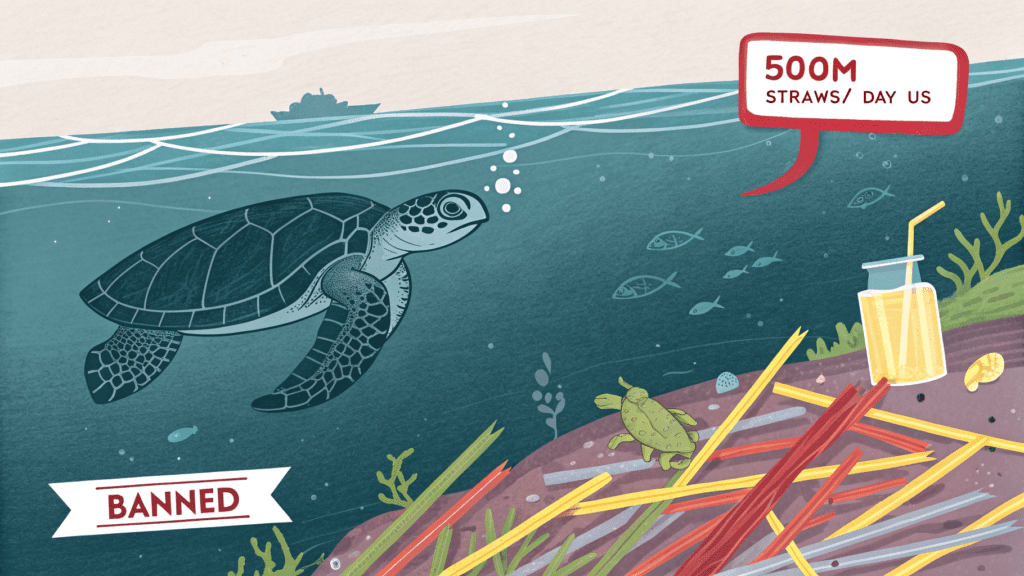
Globalmente, centenas de milhões de canudos plásticos descartáveis são descartados diariamente, taking centuries to decompose and significantly contributing to environmental pollution, particularly in oceans and landfills. This escalating environmental crisis, coupled with evolving consumer values and stricter regulations, is no longer a peripheral issue for foodservice businesses, but a imperativo operacional e de marca crítico. For example, the US alone accounts for an estimated 500 million plastic straws used daily. Businesses that fail to adapt risk alienating customers and facing legal repercussions.
B. Embracing the Eco-Revolution: What Are Biodegradable Straws?
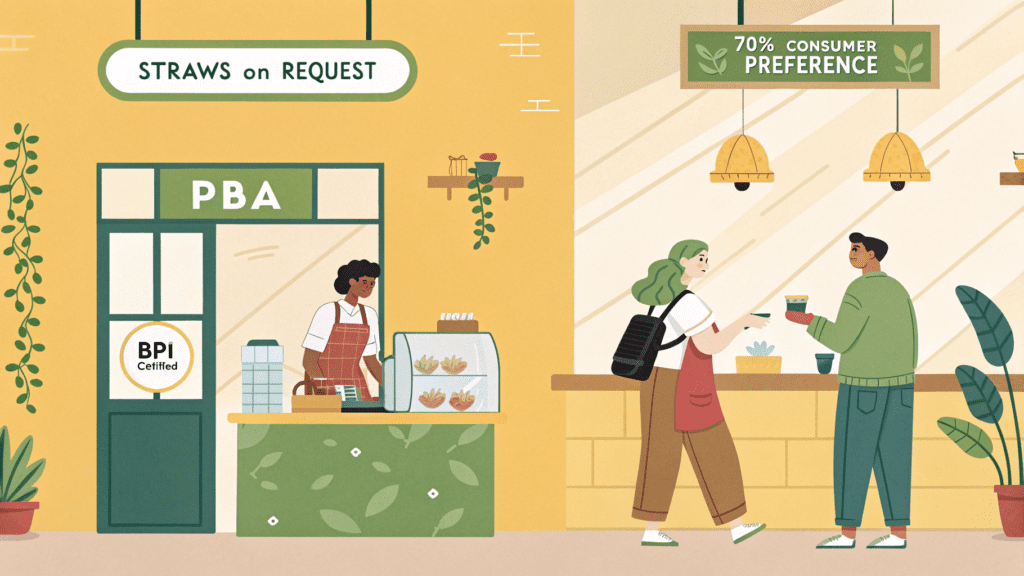
Biodegradable straws are innovative, plant-based alternatives designed to break down naturally, significantly reducing ecological footprints. These aren’t just a compliance measure; they are a strategic asset for enhancing brand image and attracting the growing segment of eco-conscious consumers, with studies showing over 70% of consumers preferring sustainable brands.
Learn more about sustainable solutions for your business at momoio.com
II. The Evolution of the Sip: From Ancient Reeds to Modern Renewables
A. A Historical Overview: The Journey of the Drinking Straw
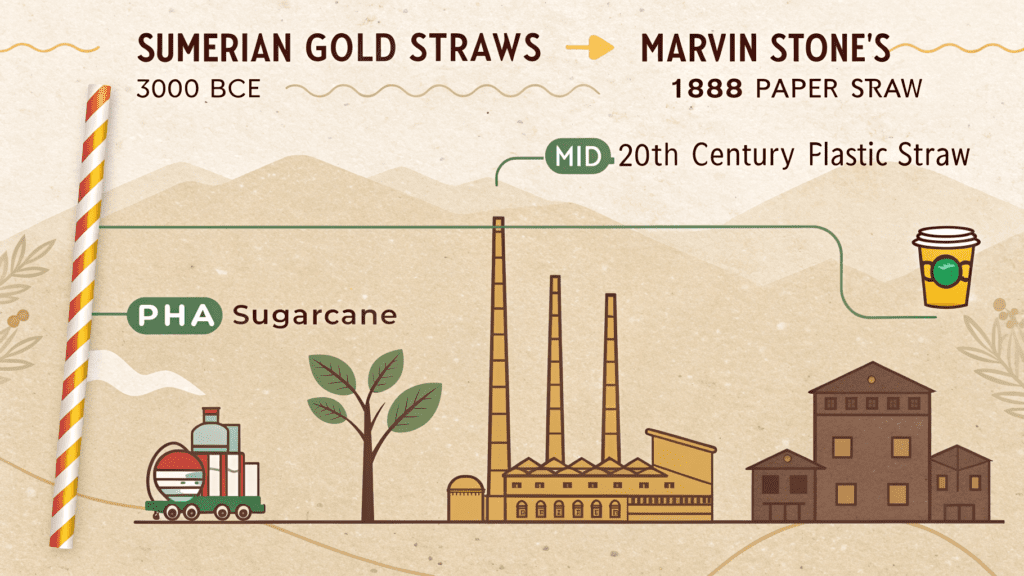
The drinking straw has a rich history, from Sumerian and Egyptian antiquity using gold and wood straws, to Marvin Stone’s pioneering paper straw invention in 1888. The mid-20th century saw the rise of plastic straws, driven by the growth of fast food and the demand for low-cost, durable disposables, leading to the near extinction of paper alternatives by the 1970s.
B. The Tipping Point: Environmental Awakening & Regulatory Action
O aumento da sensibilização do público e da indústria para a poluição plástica começou no final da década de 2000, especialmente destacado pelo vídeo viral de 2015 sobre tartarugas marinhas. Esta consciência desencadeou uma onda de ações regulatórias:
- Diretiva da UE sobre plásticos de uso único (SUPD), julho de 2021: Um marco proibição de vários plásticos descartáveis, incluindo canudos de plástico (até mesmo PLA), com exceções hospitalares limitadas. Esta directiva também impõe Esquemas de Responsabilidade Estendida do Produtor (EPR), responsabilizando os produtores pela gestão de resíduos e pelos custos de limpeza.
- Proibições em nível estadual dos EUA: UM colcha de retalhos de regulamentos exists, including outright bans (e.g., Seattle in July 2018, New York, New Jersey, Vermont, Washington) or “straw upon request” policies (e.g., California in January 2019, New York City). Some US cities have even banned “compostable plastic” (PLA) if not truly non-plastic.
- Industry Response: Major corporations like Starbucks (2018 pledge, introducing Green Planet™ plant-based straws in Japan in 2024), McDonald's (global paper straw transition), Hyatt, American Airlines, and Disney have made significant commitments, demonstrating successful shifts that lead to increased customer satisfaction and positive media coverage.
This period marked a definitive turning point for foodservice, making compliance and sustainable sourcing a top priority.
III. Navigating the Green Landscape: Choices, Trends, and Truths
A. Understanding Your Options: A Deep Dive into Biodegradable Materials
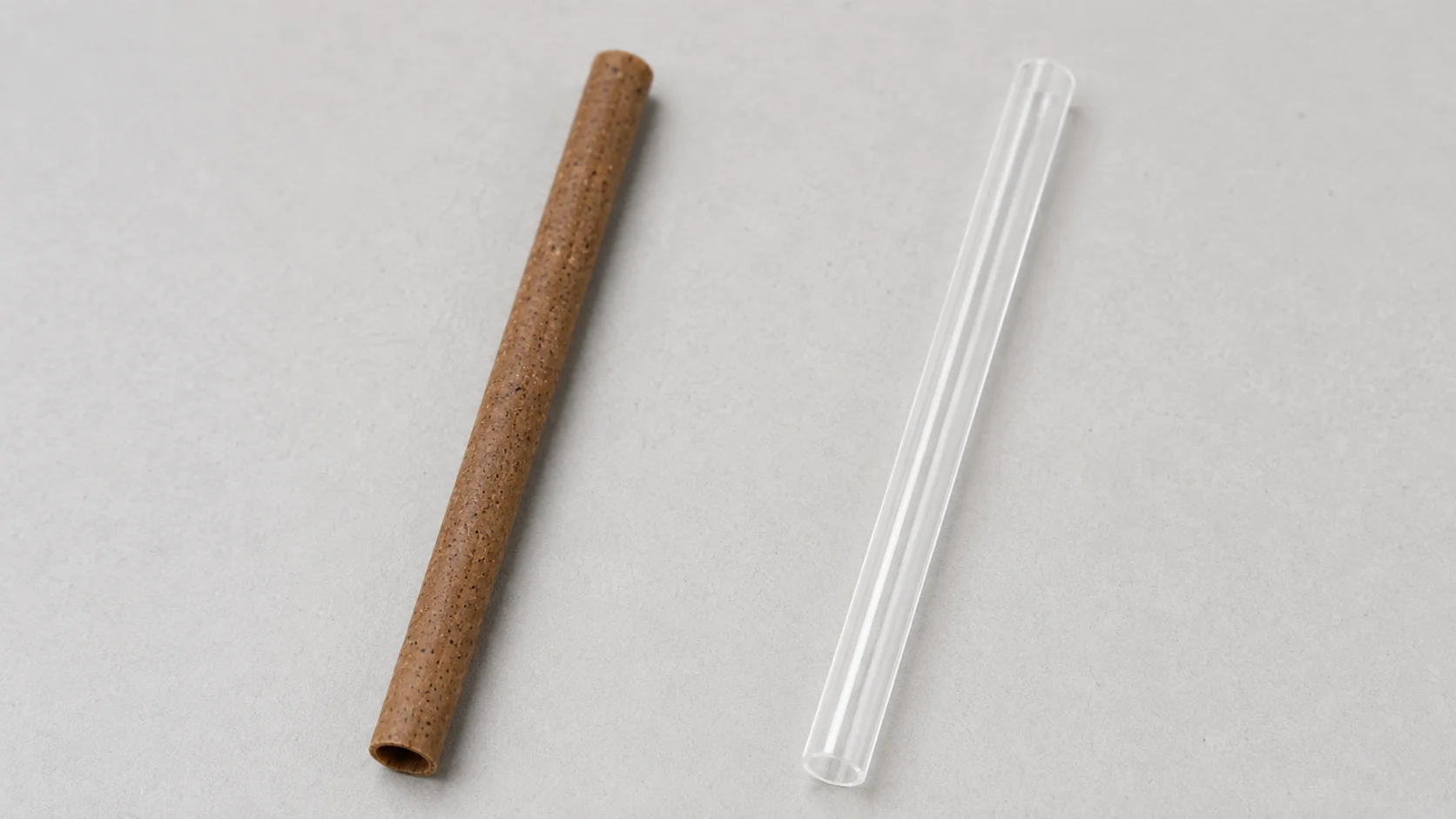
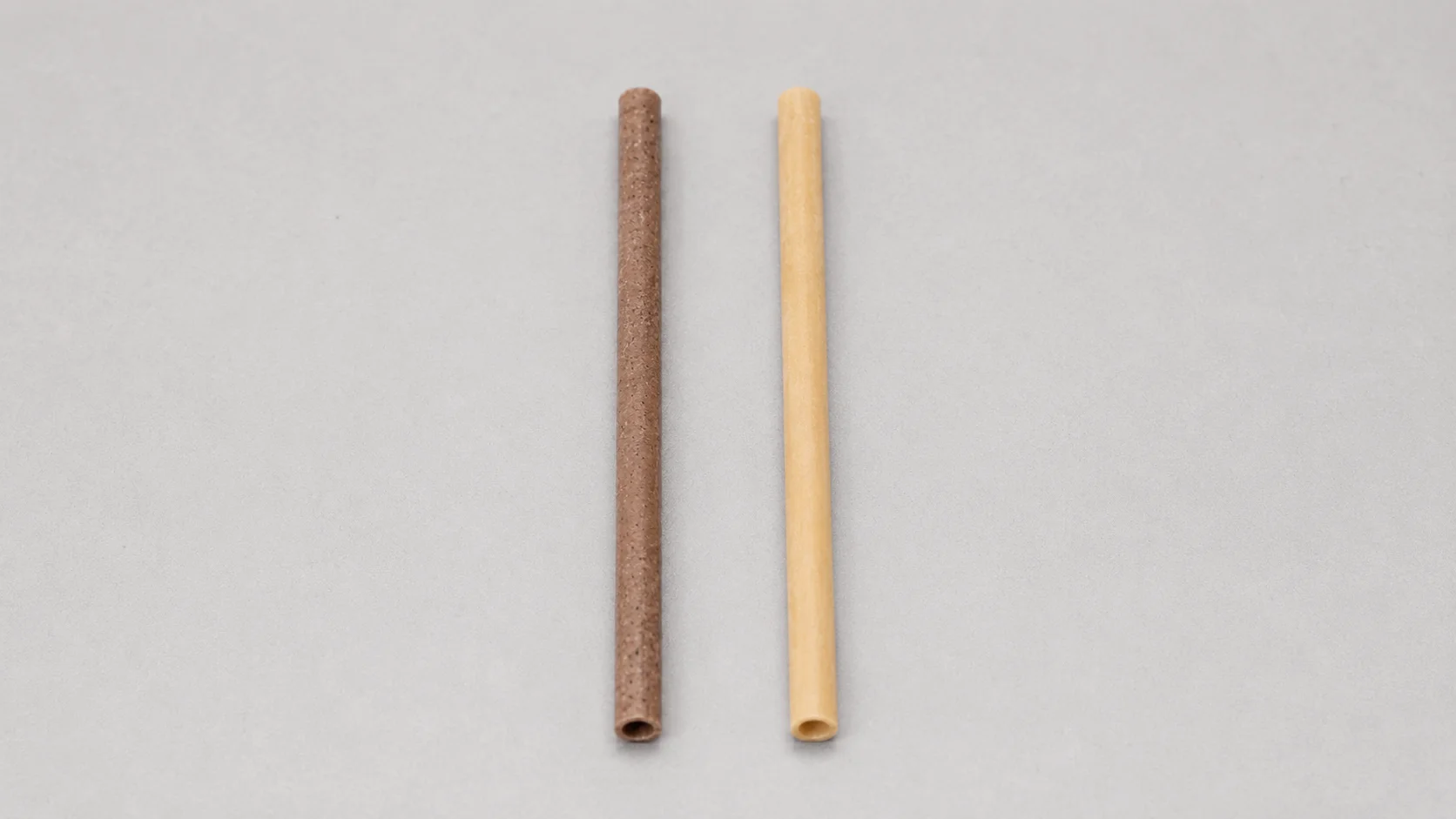
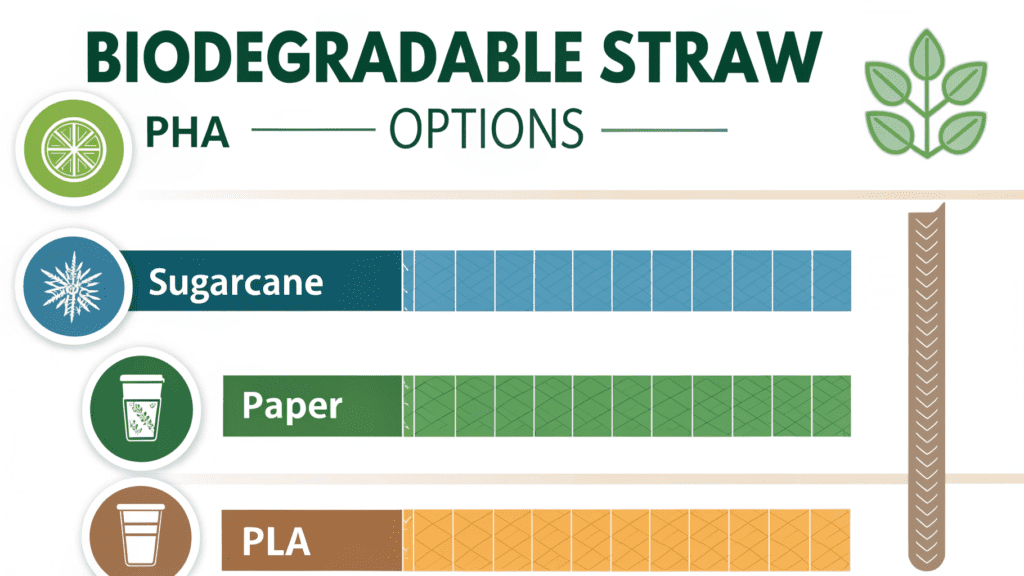
Choosing the right biodegradable straw involves understanding their unique properties and suitability for different foodservice applications. We will focus on the new generation of PLA-free options:
- Polihidroxialcanoatos (PHA):
- Prós: PHA straws mimic the feel and durability of traditional plastic, are marine & home/industrial compostable, durable, suitable for hot beverages (up to 100°C/212°F), FDA-approved, and do not produce microplastics. They have a significantly reduced carbon footprint (up to 70% less emissions than plastic).
- Contras: PHA straws can be more expensive than other biodegradable options due to their complex fermentation production process, though costs are improving. Critically, the A UE classifica o PHA como um “polímero não natural” devido ao processo de fermentação industrial, proibindo assim as palhinhas de PHA de utilização única como “plásticas” apesar da sua biodegradabilidade, o que tem um impacto significativo na sua utilização na Europa. Os canudos PHA também são projetados para uso único, perpetuando o consumo contínuo de recursos.
- Cana-de-açúcar (bagaço):
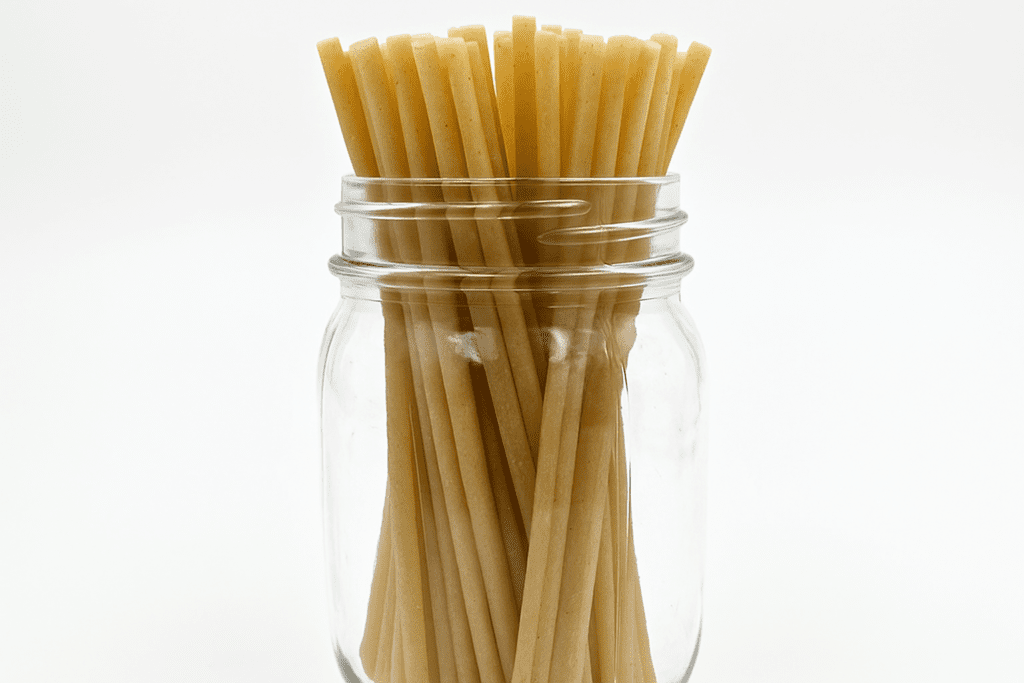
- Prós: Feito de bagaço, subproduto fibroso da extração do caldo da cana, reaproveitando resíduos agrícolas numa economia circular. Eles são frequentemente 100% livre de PLA e livre de PFAS, durável, resistente à água, adequado para bebidas quentes (até 90°C/220°F), compostável em casa (normalmente 3-6 meses) e sem sabor. As palhas de cana-de-açúcar são geralmente permitido pelo SUPD da UE como uma fibra natural, não quimicamente modificada.
- Contras: Embora durem por horas, alguns podem amolecer ligeiramente em muito líquidos quentes, embora permaneçam funcionais. Algumas versões anteriores (V1) continham PLA, que agora é proibido na UE. Os benefícios ideais de degradação requerem acesso a instalações de compostagem. Eles têm vida útil de 10 a 18 meses e requerem armazenamento adequado.
- Artigo (para contexto):
- Prós: Amplamente disponível, econômico (em comparação com alguns bioplásticos), biodegradável e reciclável.
- Contras: Propenso a encharcamento, perdendo mais de 75% de firmeza após 20 minutos e desmoronando em 30-60 minutos, o que pode frustrar os clientes. Eles podem transmitir um sabor de “papel”, e alguns estudos descobriram que são prejudiciais Conteúdo de PFAS (substâncias per e polifluoroalquil).
- Ácido Polilático (PLA) (para contexto):
- Prós: Aparência semelhante ao plástico, resistente para bebidas frias.
- Contras: Requer principalmente instalações de compostagem industrial; it takes years to break down at room temperature in landfills or oceans, behaving like conventional plastic. Softens and warps in hot liquids (above ~60-70°C). Crucially, the EU SUPD bans PLA straws as plastic.
B. Current Market Adoption & B2B Buyer Preferences
The global biodegradable straw market is experiencing a significant boom, projected to grow from USD 41.52 billion in 2024 to USD 178.87 billion by 2031 (a CAGR of 23.20%). North America and Asia Pacific are leading market shares and growth.
Businesses prioritize sustainability for CSR goals, regulatory compliance, and brand enhancement. Functionality (durability, hot/cold suitability) and cost-effectiveness are key decision factors. Success stories de grandes redes como Starbucks, McDonald’s, Hyatt, American Airlines, Disney, Sweetgreen, Dunkin’, Tous les JOURS e First Watch destacam transições bem-sucedidas que levam ao aumento da satisfação do cliente.
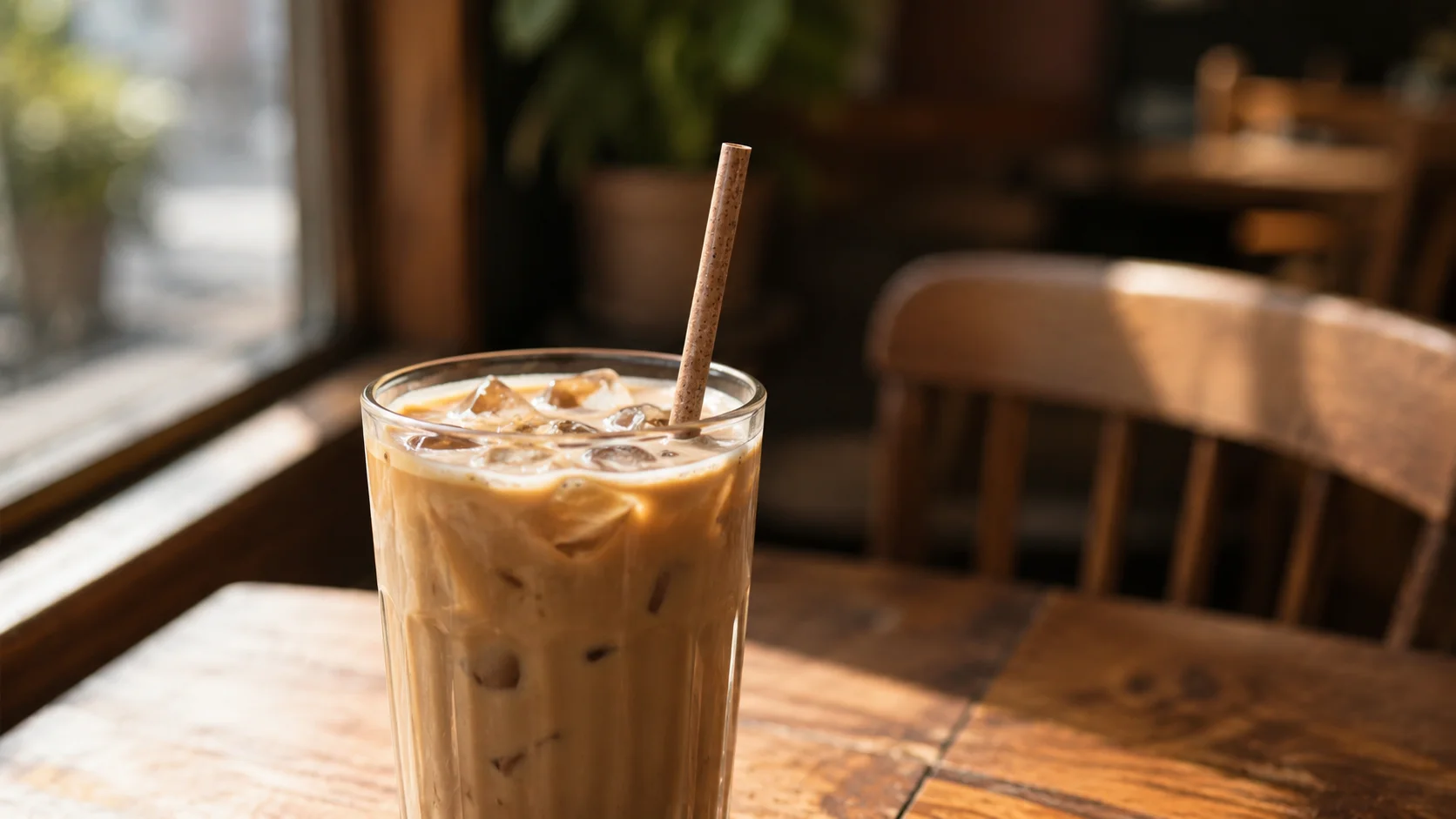
Pronto para liderar a mudança? 🌱 Contate-nos hoje para solicitar um orçamento ou obter amostras gratuitas de canudos premium de cana-de-açúcar e PHA para sua cafeteria ou empresa de serviços de alimentação. É hora de se juntar às fileiras dos cafés e restaurantes sustentáveis que estão virando a maré do plástico descartável – um canudo de cada vez. Seus clientes vão agradecer e o planeta também!
C. Addressing the Elephant in the Room: Challenges & Misconceptions
- Barreira de Custo: Biodegradable straws are generally more expensive than traditional plastic (e.g., paper straws 5-12 cents vs. plastic <2 cents). However, this must be weighed against the “custo real” da poluição plástica (75 mil milhões de dólares anuais para a sociedade) e os benefícios a longo prazo da melhoria da reputação da marca e da fidelidade do cliente. Os canudos de cana-de-açúcar são competitivos com os canudos de papel quando adquiridos a granel.
- The “Biodegradable” Myth & Greenwashing: Muitos plásticos “biodegradáveis” (como o PLA) requerem condições específicas de compostagem industrial e podem comportar-se como plástico convencional em aterros ou oceanos, contribuindo para a poluição. Actionable Advice: Emphasize the importance of clear “compostable” certifications (e.g., OK Compost Home/Industrial) over vague “biodegradable” claims.
- Preocupações com o PFAS: Studies (2019-2024) have detected harmful “forever chemicals” (PFAS) in many paper and plant-based straws. Actionable Advice: Seek “PFAS-Free” certifications when sourcing. Sugarcane straws are typically PFAS-free.
- Composting Infrastructure Challenge: While sugarcane and PHA straws are compostable, widespread access to commercial composting facilities is not universal in the US, highlighting the importance of home compostable options.
IV. Strategic Sourcing & Future-Proofing Your Business
A. Key Supplier Considerations for B2B Buyers
To make a confident and compliant choice, B2B buyers must prioritize:
- Non-Negotiable Certifications:
- Compostabilidade: Look for BPI Certified Compostable, DIN CERTCO, TÜV Austria (OK Compost Industrial/Home, Marine Biodegradable).
- Conteúdo de base biológica: USDA BioPreferred Program verifies renewable resource content.
- Segurança Alimentar: FDA Food Contact Safety Guidelines, LFGB, Good Manufacturing Practices (GMP).
- Sourcing & Safety: FSC-certified sources (for paper straws), and crucially, PFAS-Free verification.
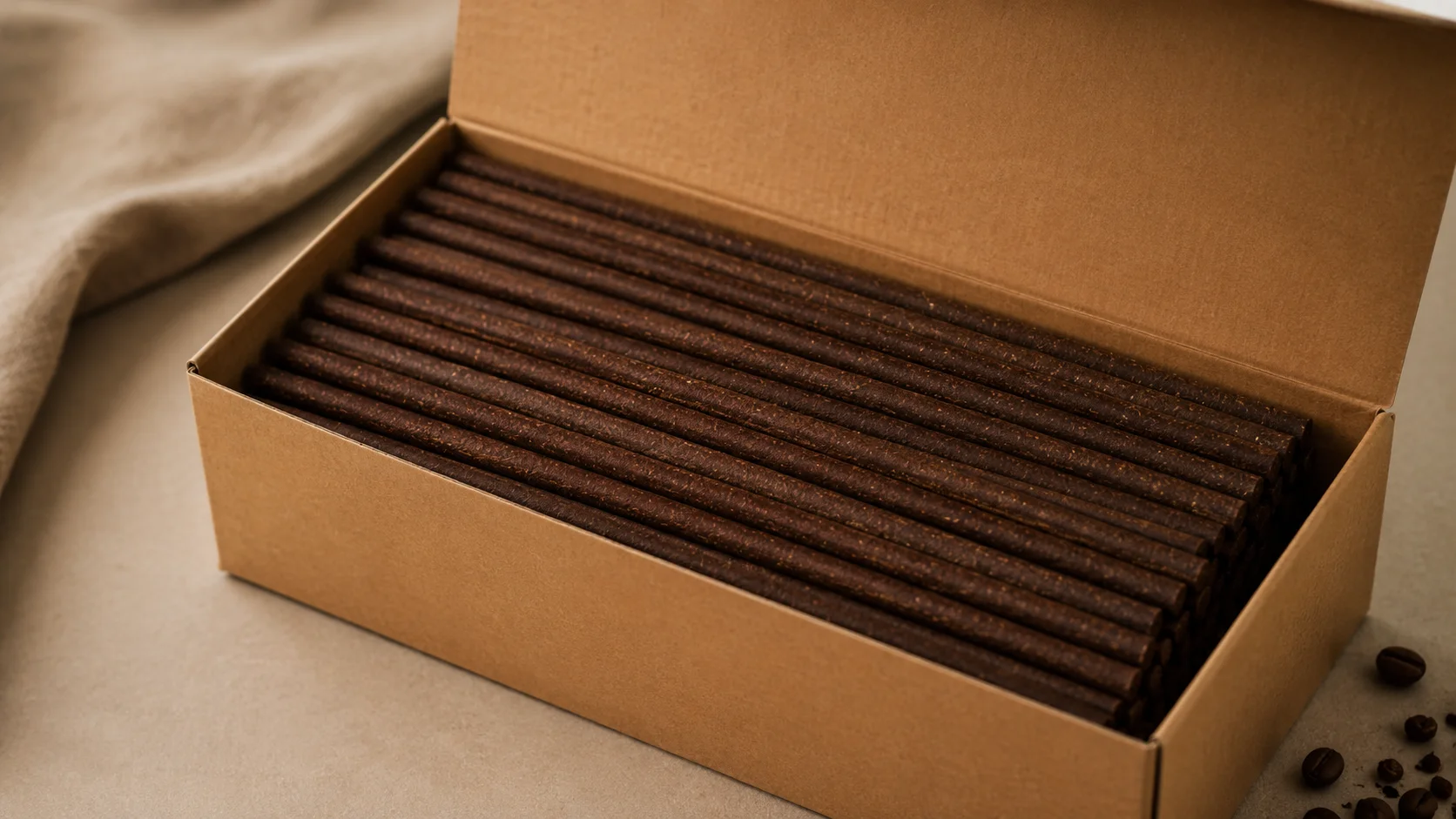
- Logistics & Scalability: Inquire about typical production lead times (e.g., 15-35 days), Minimum Order Quantity (MOQ), and discuss flexibility for initial trials. Leverage the cost-effectiveness of bulk and wholesale purchasing for significant savings.
- Customization for Brand Alignment (OEM Opportunities): Consider custom logo printing (colorful inks), laser engraving (bamboo), and bespoke designs to reinforce your brand identity. Ensure availability of different diameters, lengths, and shapes (straight, flexible, spoon), and packaging options (bulk, individual paper wraps).
B. The Business Case for Adoption: Beyond Compliance
Switching to compostable, PLA-free straws offers tangible business advantages:
- Compliance with Current (and Future) Regulations: Align with growing laws banning single-use plastics, future-proofing your operations against the next wave of plastic restrictions.
- Apelo aos Consumidores Eco-Conscientes: Over 70% of consumers prefer sustainable brands, enhancing your brand and building customer loyalty.
- Melhor experiência do cliente: Durable, taste-neutral straws eliminate common complaints associated with soggy paper, leading to higher customer satisfaction.
- Contribua para uma Economia Circular: Utilizing agricultural byproducts and truly compostable materials reduces waste and carbon footprint.
- Ease of Disposal & Waste Management: Compostable straws can often go into food waste or compost bins, simplifying waste sorting and potentially saving on disposal costs.
- Marketing & Storytelling Opportunities: Highlight your “compostable straws initiative” on menus, signage, and social media, positioning your cafe as a leader in sustainable practices and generating positive PR.
C. Actionable Steps: Implementing Your Sustainable Straw Strategy
- Avalie suas necessidades: Conduct an internal audit of current straw usage, considering beverage types (hot/cold, thin/thick) and volume.
- Programa Piloto: Initiate a trial phase with a selection of biodegradable materials, gathering feedback from both staff and customers on performance and preference.
- Treinamento de pessoal: Educate your team on the new materials, proper handling, and the correct disposal methods (e.g., differentiating industrial vs. home compostable) to maximize environmental benefits.
- Comunicação com o cliente: Proactively communicate your sustainability commitment through menus, signage, and social media to reinforce brand values and educate consumers. Consider offering straws “upon request” to further reduce waste.
- Além da palha: Position this switch as a stepping stone within a larger, holistic sustainability strategy, exploring other waste reduction strategies, reusable systems, and responsible sourcing.
V. Future Outlook: Beyond 2025 – Continuous Innovation & Global Impact
The global eco-friendly straws market is set for continued robust growth, with projections to reach $19.36 billion by 2029 e $25.1 billion by 2035 (7.3% CAGR).
• Inovações emergentes: Anticipate breakthroughs in materials, coatings for enhanced durability, and true biodegradability in diverse environments (marine, home compost). This includes advanced PHA production (genetic engineering, new substrates like food waste) and novel plant-based materials like seaweed, rice, coffee grounds, coconut, and cellulose acetate.
• Cost Optimization: Economies of scale and technological advancements are expected to drive down the cost of biodegradable straws, making them even more accessible.
• Holistic Sustainability: The shift to biodegradable straws is part of a broader industry movement towards comprehensive sustainable practices, integrating with other eco-friendly disposables and waste management solutions. Hotels, for example, are moving towards carbon neutrality, integrating AI for resource management, sustainable design, and circular economy initiatives. This reflects a shift from sustainability as a “marketing add-on” to a “cost-avoidance strategy” for procurement, driving efficiency and resilience.
The time to act is now. Aligning with sustainable practices is not just about compliance but seizing a competitive advantage in a rapidly evolving market. By adopting these next-generation PLA-free straws, you demonstrate your commitment to a sustainable future, delight your customers, and future-proof your business operations.
Pronto para liderar a mudança? 🌱 Contate-nos hoje para solicitar um orçamento ou obter amostras gratuitas de canudos premium de cana-de-açúcar e PHA para sua cafeteria ou empresa de serviços de alimentação. É hora de se juntar às fileiras dos cafés e restaurantes sustentáveis que estão virando a maré do plástico descartável – um canudo de cada vez. Seus clientes vão agradecer e o planeta também!