No intrincado mundo das cadeias de abastecimento e compras globais, poucos itens parecem tão inócuos quanto o humilde canudo de plástico. No entanto, esta conveniência omnipresente tornou-se um símbolo de um desafio ambiental colossal, acarretando uma dívida não declarada que as empresas já não se podem dar ao luxo de ignorar. Para gestores de compras, diretores de operações, responsáveis pela sustentabilidade e executivos da cadeia de abastecimento, compreender o verdadeiro ciclo de vida das palhinhas de plástico não é apenas uma preocupação ambiental; é um imperativo operacional crítico que afeta a conformidade, a reputação da marca e a viabilidade financeira a longo prazo. A verdade alarmante é que os canudos de plástico tradicionais não se decompõem verdadeiramente; em vez disso, persistem, decompondo-se em fragmentos insidiosos que se infiltram nos sistemas mais vitais do nosso planeta.
O cerne do problema reside na própria natureza do plástico. Feitos principalmente de polipropileno (plástico nº 5), um subproduto durável do petróleo, os canudos de plástico são projetados para longevidade, não para biodegradabilidade. Isso significa que eles podem levar até 200 anos para começarem a se decompor e, mesmo assim, não retornam aos componentes naturais. O que ocorre é um processo de fotodegradação e fragmentação, produzindo pedaços cada vez menores, conhecidos como microplásticos. Estas partículas microscópicas, com menos de 5 mm de tamanho, são contaminantes generalizados, infiltrando-se no solo, na água e no ar, representando uma ameaça significativa aos ecossistemas e, cada vez mais, à saúde humana. Eles entram na cadeia alimentar, acumulam-se na vida selvagem e são agora detectáveis em cerca de 80% do sangue humano.
Essa jornada invisível geralmente começa com o descarte. Apesar de serem tecnicamente recicláveis, os canudos de plástico raramente são reciclados em programas convencionais de calçada devido ao seu pequeno tamanho, o que faz com que caiam nas máquinas de reciclagem e contaminem outros fluxos recicláveis. Consequentemente, pelo menos 97% dos canudos plásticos descartados adequadamente acabam em aterros ou são incinerados, ou pior, escapam para ambientes naturais. Estima-se que 8,3 mil milhões de palhinhas de plástico poluem as praias de todo o mundo, contribuindo para que 8 milhões de toneladas de plástico fluam anualmente para os oceanos. A sua natureza leve faz com que sejam facilmente transportados pelo vento e pela água, causando lixo generalizado e representando graves ameaças à vida marinha, incluindo tartarugas marinhas, aves marinhas e mamíferos, que os confundem com comida, levando à ingestão, enredamento e, muitas vezes, à morte. O impacto comercial é flagrante: as empresas que não reconhecem este problema persistente enfrentam não só potenciais sanções regulamentares, mas também golpes significativos na sua imagem pública e na confiança dos consumidores.
The shifting tides of public awareness and regulatory mandates are creating an urgent imperative for businesses to re-evaluate their reliance on single-use plastics. Beyond the visible pollution, plastic straws carry a silent health risk. They can leach chemical compounds such as BPA (Bisphenol A) and PFAS (per- and polyfluoroalkyl substances) into beverages, particularly hot drinks. These “forever chemicals” and endocrine disruptors have been linked to potential hormonal disruption, increased cancer risk, and impaired immune function. The ingestion of microplastics from fragmented straws also raises ongoing concerns about human health implications.
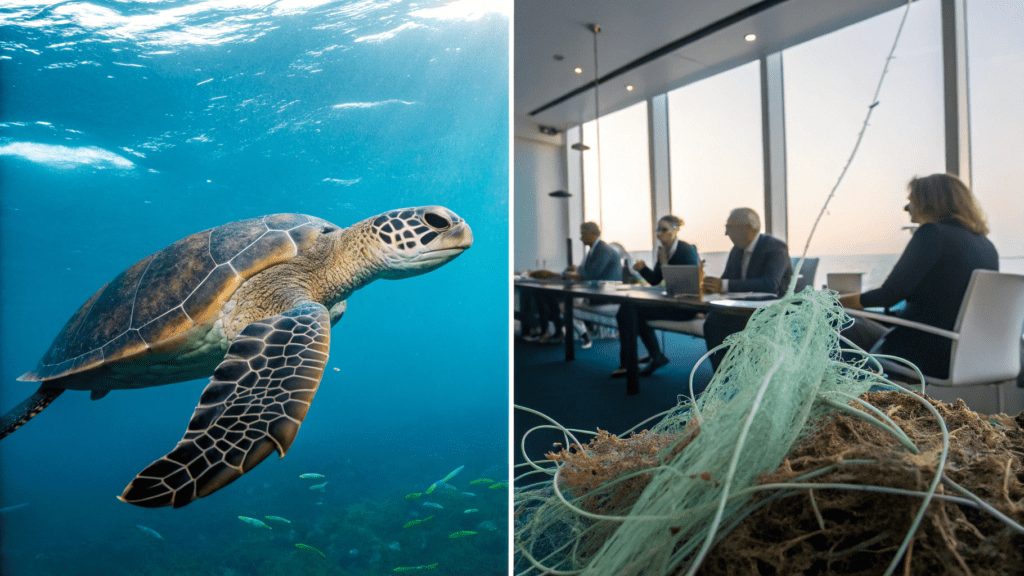
Globally, a formidable wave of regulatory pressure is forcing businesses to adapt. The European Union’s Single-Use Plastics Directive, for example, mandates a ban on certain single-use plastic products, including straws, by July 2021, and strongly promotes sustainable alternatives. In the United States, cities like Seattle and states like California have implemented their own bans or “straw upon request” policies. This regulatory landscape is not a distant threat but an immediate operational challenge for supply chain executives and procurement teams, requiring proactive sourcing of compliant alternatives. The catalyst for this widespread legislative action and public scrutiny was profoundly influenced by viral moments, most notably the harrowing 2015 video of a plastic straw being removed from a sea turtle’s nostril, which galvanized the anti-plastic straw movement worldwide. This event significantly shaped evolving consumer expectations; a February 2025 Oceana poll in the U.S. showed 81% of voters support policies to reduce plastic production, including single-use plastic and foodware. Brands that ignore this shift risk alienating a growing segment of environmentally conscious consumers, impacting purchasing decisions and market share.
However, the conversation around plastic straw bans is not without its complexities, particularly concerning accessibility. For many individuals with disabilities, chronic illnesses, or mobility issues, bendable plastic straws are not a mere convenience but an essential tool for safe, independent drinking. Current alternatives often fall short, with paper straws becoming soggy and posing choking hazards, and rigid metal or glass straws presenting injury risks for those with tremors or involuntary movements. Silicone straws may lack the necessary flexibility. This critical nuance means that while businesses strive for sustainability, they must also ensure inclusivity, adopting solutions that cater to universal design principles. For operations directors, this necessitates a balanced approach, considering options like offering plastic straws upon request for those who need them, while transitioning to sustainable alternatives for general use. The UK’s Equality Act (2010) underscores the legal implications, protecting people with disabilities from discrimination due to inaccessible goods and services.

Adotar alternativas sustentáveis não se trata mais apenas de conformidade ou mitigação de riscos; é um caminho estratégico para o crescimento dos negócios e maior valor da marca. O mercado global de palha ecológica está em expansão, com previsão de quase duplicar, passando de cerca de 12,3 mil milhões de dólares em 2025 para 25,1 mil milhões de dólares em 2035, exibindo uma robusta Taxa Composta de Crescimento Anual (CAGR) de 7,3%. Esta expansão sinaliza oportunidades de investimento significativas e uma clara mudança de mercado.
Navegando pelas alternativas: um guia comparativo para tomadores de decisão B2B
As equipes de compras enfrentam uma escolha crítica, equilibrando custo, desempenho e impacto ambiental. Aqui está uma visão geral comparativa das principais alternativas sustentáveis de palha:
Canudos Reutilizáveis: Investimentos de Longo Prazo
- Metal (aço inoxidável): Conhecido pela durabilidade, higiene (quando devidamente limpo) e uma estética elegante. Ideal para restaurantes sofisticados, hotéis ou escritórios corporativos que podem gerenciar lavagem e higienização. Embora o seu tempo de decomposição seja indefinido, a sua reutilização torna-os altamente sustentáveis.
- Vidro: Oferece uma estética elegante e transparente que permite uma limpeza visível. Durável para uso repetido, embora suscetível a quebras. Melhor para ambientes controlados, como cafés, ou para venda no varejo aos consumidores.
- Silicone: Flexíveis, suaves e adequados para crianças, o que os torna uma boa opção para estabelecimentos familiares ou ambientes de saúde onde a segurança é fundamental. Requerem uma limpeza completa e não são biodegradáveis (50-500 anos para se decomporem).
- Bambu: Provides a natural, rustic aesthetic, appealing to eco-conscious brands. They are reusable and decompose in several months to a year. However, they require careful cleaning and can sometimes harbor bacteria if not dried properly. For more on their decomposition, read about as palhas de bambu se decompõem para a sustentabilidade B2B.
Single-Use Biodegradable & Compostable Options: Convenient Sustainability
- Canudos de papel: The most common single-use alternative, decomposing in 2-6 weeks. While highly biodegradable, early versions suffered from sogginess. Recent advancements include improved waterproof coatings, though some studies suggest they may contain “forever chemicals” (PFAS), a concern manufacturers are actively addressing with PFAS-free solutions. Best for fast food, quick-service restaurants, and high-volume takeaway operations.
- Bioplastics (PLA, PHA, CDA):
- PLA (ácido polilático): Made from organic materials like corn starch, PLA straws are considered biodegradable but require industrial composting facilities to decompose properly. They do not degrade well in landfills or oceans. Suitable for businesses with access to industrial composting infrastructure.
- PHA (polihidroxialcanoatos): Derived from microorganisms, PHA straws are a promising biodegradable plastic that can decompose within a few months under the right composting conditions, including marine environments. Offers better durability and flexibility than PLA. Ideal for wider use cases given their environmental profile.
- CDA (Cellulose Diacetate): Shows promising degradation (up to 50% in 16 weeks) in coastal ocean systems, with projected environmental lifetimes of 20 months, offering a marine-degradable option.
- Novel Plant-Based Straws (Sugarcane, Rice, Grass, Wheat, Coffee Grounds, Pasta, Seaweed): These innovations offer diverse properties and decomposition rates, ranging from 1-3 months for rice and grass straws, to 3-6 months for sugarcane. Pasta straws are flavorless and edible, as are some seaweed-based straws from companies like LOLIWARE, which are designed to disappear after use. Stroodles also offers edible pasta straws. These options present unique branding opportunities and minimal waste, appealing to innovative and environmentally committed businesses.
| Tipo palha | Decomposition/Lifespan | Key Pros (B2B) | Key Cons (B2B) | Best For (Business Type/Use Case) |
|---|---|---|---|---|
| Plástico | 200+ years (fragments) | Low initial cost, durable, flexible | Severe pollution, microplastics, regulatory risk | Legacy usage (phasing out) |
| Papel | 2-6 semanas | Biodegradable, widely available | Can get soggy, potential PFAS, higher cost than plastic | Fast food, cafes, takeaway, high-volume operations |
| PLA | Composto Industrial | Compostable, plant-based | Requires industrial facilities, not marine-degradable | Establishments with industrial composting access |
| Pha | Compostable (incl. marine) | Biodegradable in marine, durable, flexible | Higher cost than plastic, newer technology | Eco-focused brands, coastal businesses |
| Metal | Reusable (indefinite) | Highly durable, premium feel, zero waste | Requires cleaning, initial cost, not flexible | Fine dining, hotels, corporate dining, retail |
| Vidro | Reusable (indefinite) | Aesthetic, transparent, easy to inspect | Fragile, requires careful cleaning, not flexible | Cafes, bars, retail (for home use) |
| Silicone | 50-500 years | Flexible, soft, safe for kids | Not biodegradable, requires cleaning | Healthcare, family restaurants, retail |
| Bambu | Reusable (months-1 year) | Natural aesthetic, reusable, biodegradable | Requires cleaning/care, potential for off-taste | Eco-resorts, natural food cafes, retail |
| Cana -de -açúcar | 3-6 months | Fully biodegradable/compostable, sturdy | Higher cost than paper | Restaurants, catering, events |
| Arroz | 1-3 meses | Edible, biodegradable, gluten-free | Can get soggy, limited lifespan in liquid | Asian cuisine, niche eateries, eco-events |
| Pasta | Biodegradable (edible) | Edible, zero waste, natural ingredients | Softens quickly, may impact taste of light drinks | Casual dining, pizzerias, novelty uses |
| Alga | Biodegradable (edible) | Marine-degradable, edible, rapidly renewable | Emerging technology, higher cost | Negócios inovadores, sofisticados e com consciência marítima |
Ilustração 3: Guia Comparativo de Alternativas Sustentáveis de Palha para Tomadores de Decisão B2B.
The industry is responding to these demands with remarkable speed. Asia Pacific currently leads the eco-friendly straw market, holding 48.5% of the revenue in 2023, driven by expanding retail sectors and stringent plastic waste legislation. Europe is also a key market due to comprehensive policies like the EU Single-Use Plastics Directive, while North America is poised for substantial expansion, supported by increasing environmental consciousness. This global shift means procurement strategies must move beyond traditional cost-cutting to prioritize lifecycle analysis and environmental impact. For example, a metal straw needs to be used 150 times to break even with the emissions generated by producing a single plastic straw, highlighting the need for true circular economy thinking.

Looking ahead, the future of plastic straw alternatives is characterized by continuous innovation. Researchers are developing straws from a wider array of agricultural byproducts and renewable resources, including flax straw, potato peels, and apple pomace, with the latter even offering edible, flavored options. Bio-engineered solutions are emerging, such as bacterial cellulose straws demonstrating superior strength and edible, microplastic-free properties. Seaweed-based packaging and straws, rapidly renewable and naturally biodegradable even in marine environments, represent a significant leap forward. The market is also focusing on enhanced performance, addressing sogginess, improving durability, and even exploring “smart straws” with integrated sensors. These advancements not only solve existing challenges but also create new opportunities for brands to differentiate themselves through cutting-edge sustainable offerings. This commitment to innovation, as seen in the development of materials discussed on sites likeas palhas de bambu se decompõem para a sustentabilidade B2B, é vital para a resiliência da cadeia de abastecimento a longo prazo.
The competitive landscape is diversifying, with key players like Huhtamaki, Aardvark Straws, and Biopac investing heavily in research and development to improve functionality and sustainability. Major fast-food chains and coffee giants like Starbucks have already committed to phasing out plastic straws, demonstrating a leading corporate responsibility trend that directly impacts the global supply chain. This shift is not merely about compliance but about capturing market share, with consumers increasingly willing to pay a premium for environmentally responsible options. A 2019 poll revealed two-thirds of Americans would pay more for sustainable everyday items, reinforcing the link between sustainability and brand loyalty. Understanding these market dynamics and partnering with innovative suppliers is crucial for businesses aiming to reduce their environmental footprint and secure a competitive edge.
The transition, however, isn’t without its operational and economic considerations. Eco-friendly alternatives often have higher production costs than traditional plastic, and robust composting infrastructure is not uniformly available. Despite these hurdles, the long-term benefits – reduced regulatory risks, enhanced brand reputation, and alignment with evolving consumer values – far outweigh the initial challenges. Furthermore, focusing solely on straws is a symbolic step; a truly sustainable approach extends to broader single-use plastic reduction. The insights into howas palhas de bambu se decompõem para a sustentabilidade B2Bcan further guide a holistic approach.
The time for decisive action is now. Proactively transition your operations towards sustainable straw alternatives to mitigate mounting environmental and regulatory risks, quantify your commitment through tangible changes, and capture significant market share opportunities. By embracing innovation in your procurement strategy, you can position your business as a leader in corporate responsibility, enhancing brand value, fostering deeper customer loyalty, and securing a sustainable future that drives both profit and purpose.
Canudos de Plástico – Perguntas Frequentes
No, traditional plastic straws do not fully decompose. Instead, they break down into smaller fragments known as microplastics, which can persist in the environment for hundreds of years, contaminating ecosystems and entering the food chain.
Plastic straws contribute to ocean pollution (estimated 8.3 billion on beaches), harm marine wildlife through ingestion and entanglement, and form microplastics that contaminate water, soil, and potentially human bodies. They also consume fossil fuels in production and are rarely recycled.
Plastic straws can leach chemical compounds like BPA and PFAS into beverages, particularly hot ones. These chemicals are linked to potential hormonal disruption, increased cancer risk, and impaired immune function. The ingestion of microplastics also raises ongoing health concerns.
Effective alternatives include reusable options (metal, glass, silicone, bamboo) and single-use biodegradable/compostable options (paper, bioplastics like PLA, PHA, CDA, and novel plant-based materials like sugarcane, rice, grass, pasta, or seaweed straws). The best choice depends on operational needs, access to composting facilities, and specific use cases.
Stricter legislation, such as the EU’s Single-Use Plastics Directive and various U.S. state bans, compels businesses to transition from plastic to sustainable alternatives to ensure compliance. Failure to adapt can lead to penalties and damage to brand reputation, making proactive procurement of compliant options essential.