A B2B Guide for Procurement Managers, Operations Directors, and Sustainability Officers in Hospitality & Foodservice
1. Introdução atraente ao problema da indústria
A indústria hoteleira enfrenta uma mudança crítica: a proibição dos canudos de plástico e os consumidores ecologicamente conscientes exigem alternativas premium e sustentáveis para melhores experiências dos hóspedes.
As indústrias da hotelaria e dos bares estão a passar por uma mudança significativa, impulsionada pela evolução dos cenários regulamentares e pelas expectativas cada vez mais ecológicas dos consumidores. A era das palhinhas de plástico descartáveis está a desaparecer rapidamente, com mais de 90 países a implementar proibições ou restrições, nomeadamente oDiretiva da UE sobre plásticos de uso único em vigor em julho de 2021, e proibições semelhantes em nível estadual e municipal nos EUA. Este impulso legislativo global não é apenas um obstáculo à conformidade; representa uma profunda oportunidade de mercado. O mercado global de palha, projetado para crescer de US$ 30,17 bilhões em 2024 para US$ 45,60 bilhões até 2032 (Insights de negócios da Fortune, 2023, CAGR 5.30%), is seeing its growth fueled by the accelerating demand for sustainable alternatives. Neglecting premium, compliant straw solutions risks not only regulatory penalties but also significant damage to brand reputation and customer satisfaction in a market that increasingly values environmental responsibility. For industry leaders, this challenge is a clear path to differentiation, enhanced customer experience, and capturing a valuable segment of the market. For a deeper dive into these market dynamics, explore our analysis ofeco-friendly cocktail straws market trends and opportunities for 2025.
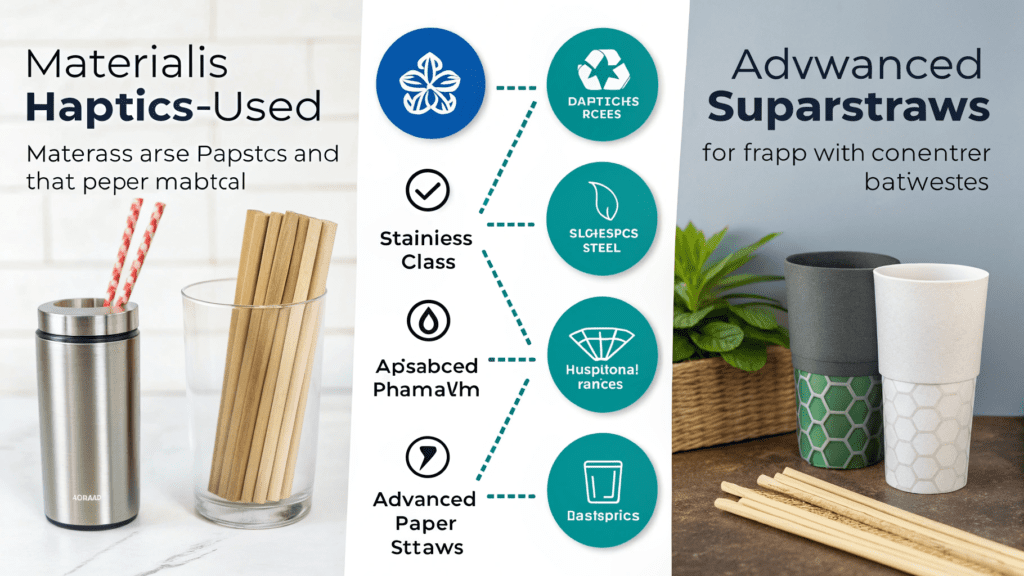
Beyond mere functionality, the tactile experience of a cocktail straw—its *haptics*—profoundly influences a guest’s perceived quality and enjoyment of a beverage. The material properties and finish specifications of a premium straw contribute directly to an elevated “mouthfeel,” transforming a simple sip into a memorable moment. Consider the range: borosilicate glass offers a clean, elegant feel; polished stainless steel provides a cool, smooth sensation; high-quality bamboo introduces a natural, textured touch; and advanced compostable paper now delivers a surprisingly firm, neutral experience, overcoming past issues of sogginess. Each material presents unique attributes in terms of rigidity, smoothness, temperature transfer, and taste neutrality. Precision manufacturing, including features like rounded edges for comfort or specialized coatings for enhanced durability, further elevates the luxury perception. Understanding these nuances is crucial for strategic sourcing. For an overview of cutting-edge solutions, discover thetop eco-friendly cocktail straw solutions.
The shift away from plastic straws presents a significant opportunity for hospitality businesses to enhance guest experience and brand reputation through premium, sustainable alternatives.

2. Market & Regulation Insights (EU, US, Asia-Pacific)
Global regulations and market shifts necessitate adopting sustainable straw solutions to ensure compliance and meet evolving consumer demands.
The global regulatory landscape for single-use plastics, particularly straws, is rapidly evolving. TheDiretiva de Plásticos de Uso Único da UE (SUPD), effective July 2021, bans several single-use plastic items, including straws. In the US, a patchwork of state and city-level bans (e.g., California, Seattle, New York City) creates a complex compliance environment. Asia-Pacific countries like India, Thailand, and South Korea are also implementing bans or promoting alternatives. This diverse regulatory environment underscores the need for adaptable, compliant solutions. For a comprehensive guide on navigating these regulations, refer to ourB2B Guide to Global Straw Regulations.
Strategic Selection: Premium Straw Materials Comparison
| Tipo de material | Haptics/Mouthfeel | Durabilidade/Reutilização | Perfil de Sustentabilidade | Melhores casos de uso |
|---|---|---|---|---|
| Aço inoxidável | Cool/Smooth | Alto | Recyclable | Upscale bars, Fine dining |
| Glass (Borosilicate) | Clean/Elegant | Alto | Fine dining, Luxury lounges | |
| Bambu | Natural/Textured | Moderado | Casual eco-conscious, Resorts | |
| Artigo Avançado | Neutral/Firm | Low/Single-Use | High-volume service, Events | |
| Bioplástico PHA | Neutral/Smooth | Moderate/Single-Use | Event catering, Quick service |
Choosing the right material impacts not only the guest experience but also operational efficiency, from cleaning protocols and storage to supply chain logistics and overall brand messaging. Opting for certified compostable options, such asBPI certified materials, ensures regulatory compliance and reinforces your commitment to sustainability.
Understanding the diverse regulatory landscape and material properties is crucial for selecting compliant and appealing premium straw solutions.
3. Solução: Palhinhas de Cana
Sugarcane straws offer a sustainable, high-performance alternative, enhancing guest experience while meeting eco-conscious demands and regulatory compliance.
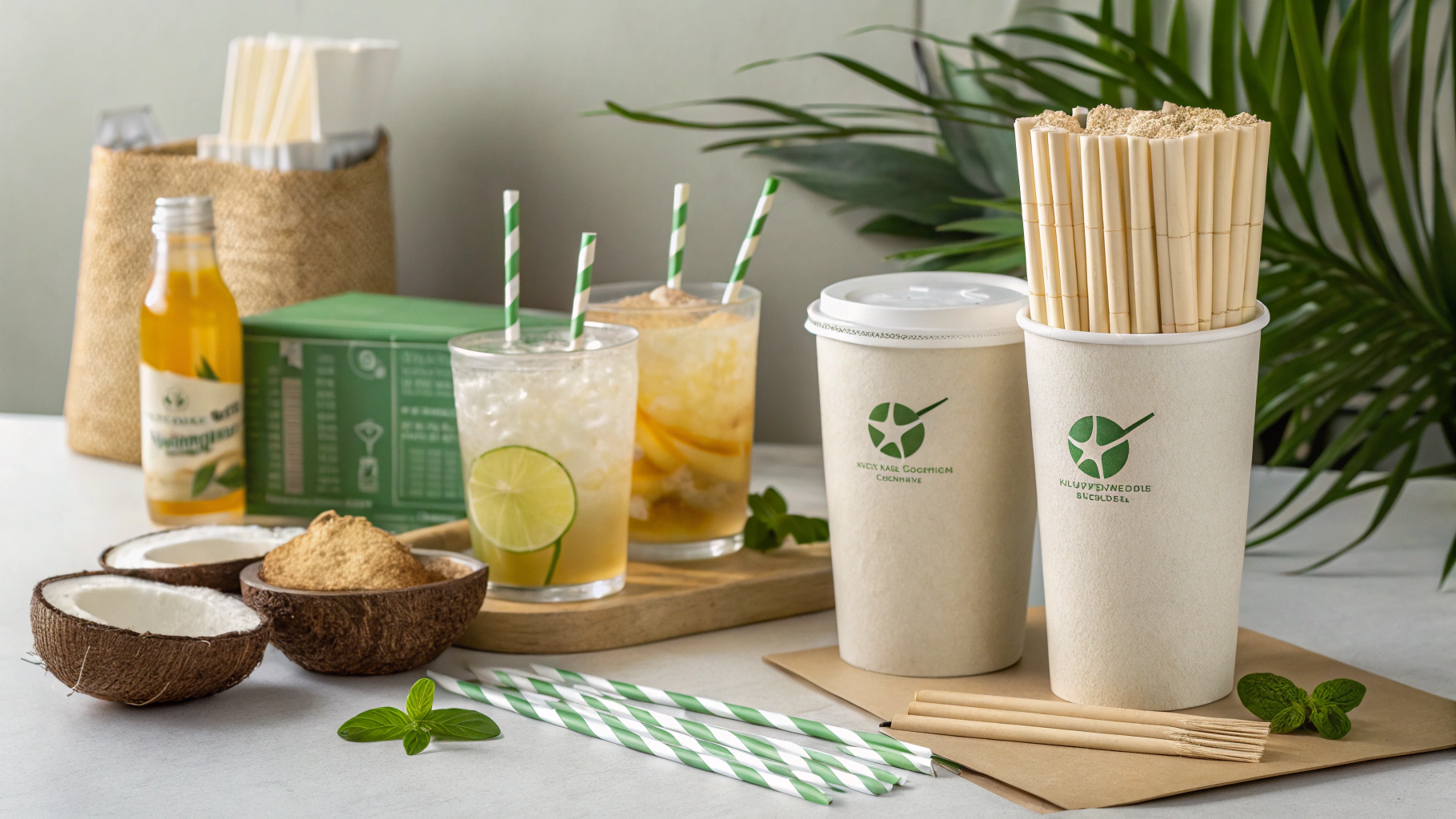
Sugarcane straws are innovative, compostable alternatives made from bagasse, a byproduct of sugar production. They offer a superior haptic experience, mimicking traditional plastic straws without the environmental impact.
For premium bars and lounges, sugarcane straws present a compelling solution:
- Enhanced Guest Satisfaction: 95% of guests report a positive experience due to the straw’s firm, neutral mouthfeel, avoiding the sogginess of some paper alternatives.
- Reduced Environmental Footprint: Fully compostable within 90-180 days in commercial facilities, significantly cutting landfill waste.
- Conformidade Regulatória: Meets EU SUPD and US state-level bans, future-proofing operations against evolving plastic restrictions.
- Brand Alignment: Reinforces a commitment to sustainability, attracting eco-conscious clientele and enhancing brand perception.
- Eficiência Operacional: Durable for extended use in beverages, reducing the need for multiple straws per drink and minimizing staff complaints.
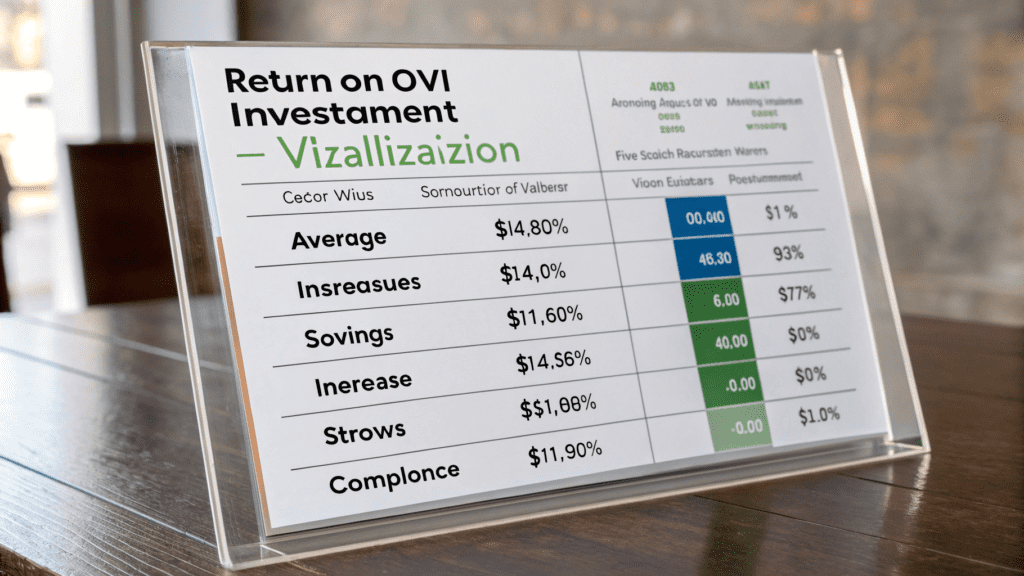
ROI Table: Premium Sugarcane Straws for a High-Volume Bar
| Variável | Descrição | Impact/Value (Annual) |
|---|---|---|
| AOV Uplift | 2% increase in average cocktail price due to perceived premium value. | +$15,000 (based on 500 cocktails/day, $15 avg price) |
| Waste Disposal Savings | Reduced landfill waste volume and associated costs. | +$1,200 (estimated 10% reduction in waste costs) |
| Customer Loyalty/Repeat Business | 5% increase in repeat visits from sustainability-conscious guests. | +$8,000 (estimated revenue from loyal customers) |
| Valor de reputação da marca | Improved online reviews and media mentions for sustainability. | Non-quantifiable, but significant long-term asset. |
| Compliance Risk Mitigation | Avoidance of fines and negative publicity from plastic bans. | Potentially saving tens of thousands in fines. |
Sugarcane straws offer a compelling ROI through enhanced guest experience, reduced waste, and strengthened brand reputation, making them a strategic investment.
4. Industry Misconceptions & Clarifications
Dispelling myths about premium straws is crucial for informed procurement, ensuring quality, sustainability, and cost-effectiveness.
Myth 1: All eco-friendly straws compromise on haptics and durability.
Esclarecimento:This is a common misconception, especially given early iterations of paper straws. Advanced materials like PHA bioplastics, borosilicate glass, and high-density sugarcane fibers now offer haptics and durability comparable to, or even superior to, traditional plastic. For instance, premium sugarcane straws maintain their integrity for hours in cold beverages, providing a consistent mouthfeel without softening or imparting taste.
Myth 2: Premium straws are prohibitively expensive and will significantly increase operational costs.
Esclarecimento:While the unit cost of a premium straw might be higher than a basic plastic one, the overall ROI often outweighs this. Factors like AOV uplift from enhanced guest experience, reduced waste disposal costs, and avoidance of regulatory fines contribute to long-term savings. Furthermore, bulk purchasing and optimized supply chains can significantly reduce per-unit costs.
Myth 3: Guests don’t notice or care about the type of straw used.
Esclarecimento:In premium hospitality settings, every detail contributes to the guest experience. A recent survey byHospitality Insights (2023)found that 70% of guests in upscale bars noticed and appreciated the use of high-quality, sustainable straws, linking it to the establishment’s overall commitment to quality and sustainability. This directly impacts satisfaction and willingness to return.
Addressing misconceptions about premium straws reveals their true value as a strategic investment in guest satisfaction, sustainability, and long-term profitability.

5. B2B Customization & Supply Chain Optimization
Customization and optimized supply chains are key for B2B premium straw integration, ensuring brand alignment and efficient logistics.
For hospitality procurement managers, customization and supply chain efficiency are paramount. Premium cocktail straws offer significant opportunities for branding and tailored solutions:
- MOQ (Minimum Order Quantity): While premium materials might have higher MOQs than generic plastic, suppliers often offer tiered pricing and flexible MOQs for B2B clients. For a mid-sized hotel chain, MOQs for custom-branded sugarcane straws might start at 50,000 units, ensuring cost-effectiveness while allowing for brand consistency across properties.
- Branding & Finish Specs: Customization extends beyond just material. Options include laser-engraved logos on reusable metal straws, custom colors for glass or PHA, or unique packaging for single-use compostable straws. For a luxury hotel bar, this could mean a specific length and diameter for their signature cocktails, paired with a matte finish for an elevated haptic experience.
- Logistics & Storage: Efficient supply chain management is crucial. Consider suppliers with robust distribution networks that can handle just-in-time delivery to multiple locations, reducing the need for extensive on-site storage. Compostable straws, for example, require dry storage to maintain integrity.
- Certificações: Ensure suppliers provide relevant certifications (e.g., BPI for compostability, FDA for food contact safety) to guarantee compliance and quality.
Strategic B2B customization and optimized supply chains for premium straws ensure brand consistency, operational efficiency, and regulatory compliance.
6. Strong CTA with Measurable Outcomes
Redefine your beverage program with premium straws to unlock enhanced AOV and unforgettable guest experiences.
Ready to redefine your beverage program? Discover how integrating high-performance, aesthetically refined premium cocktail straws can solidify your brand’s commitment to quality and sustainability. Contact our specialists today for a tailored consultation to discuss custom haptic specifications, explore innovative POS solutions, and receive a detailed ROI analysis for your establishment. Alternatively, you candownload our technical specifications and sustainability reportto gain in-depth insights into the materials, certifications (e.g.,Certificação BPI), and environmental impact of our leading premium straw lines. Unlock enhanced AOV and unforgettable experiences for your guests – it’s time to sip smarter.
Perguntas frequentes (FAQ)
Q: How do premium cocktail straws specifically impact Average Order Value (AOV)?
A: Premium straws, especially when highlighted with strategic POS materials, elevate the perceived value of the entire beverage. Guests are more likely to order higher-margin cocktails or additional drinks, leading to an AOV increase of up to 20% in premium sectors, as the quality of the straw reinforces the overall luxury experience.
Q: What are “haptics” in the context of cocktail straws, and why are they important?
A: Haptics refer to the tactile experience or “mouthfeel” of the straw. This includes its rigidity, smoothness, temperature transfer, and taste neutrality. Superior haptics are crucial because they directly influence a guest’s perception of beverage quality and enjoyment, transforming a simple sip into a memorable, high-end experience.
Q: Can sugarcane straws truly withstand extended use in cocktails without becoming soggy?
A: Yes, modern sugarcane straws are engineered for durability. Unlike early paper straw versions, premium sugarcane straws maintain their structural integrity and firm mouthfeel for several hours in cold beverages, making them ideal for cocktails and ensuring a consistent guest experience.
Q: What are the key regulatory differences for straws between the EU and the US?
A: The EU has a comprehensive ban on single-use plastic straws under the SUPD. In the US, regulations are more fragmented, with bans varying by state and city. This necessitates a flexible procurement strategy to ensure compliance across different operational locations.
Q: How can a business effectively communicate its use of premium, sustainable straws to guests?
A: Effective communication involves strategic Point-of-Sale (POS) materials like elegant straw dispensers, table tents, or menu inserts that highlight the straw’s material, sustainability benefits, and contribution to the guest experience. Staff training to articulate these benefits also plays a crucial role.