Elevando a experiência do hóspede: como canudos de coquetéis premium impulsionam AOV e valor da marca
A B2B Guide for Procurement Managers, Operations Directors, and Sustainability Officers in Hospitality & Foodservice
1. Introdução atraente ao problema da indústria
A indústria hoteleira enfrenta uma mudança crítica: a proibição dos canudos de plástico e os consumidores ecologicamente conscientes exigem alternativas premium e sustentáveis para melhores experiências dos hóspedes.
As indústrias da hotelaria e dos bares estão a passar por uma mudança significativa, impulsionada pela evolução dos cenários regulamentares e pelas expectativas cada vez mais ecológicas dos consumidores. A era das palhinhas de plástico descartáveis está a desaparecer rapidamente, com mais de 90 países a implementar proibições ou restrições, nomeadamente oDiretiva da UE sobre plásticos de uso único em vigor em julho de 2021, e proibições semelhantes em nível estadual e municipal nos EUA. Este impulso legislativo global não é apenas um obstáculo à conformidade; representa uma profunda oportunidade de mercado. O mercado global de palha, projetado para crescer de US$ 30,17 bilhões em 2024 para US$ 45,60 bilhões até 2032 (Insights de negócios da Fortune, 2023, CAGR 5,30%), está vendo seu crescimento alimentado pela crescente demanda por alternativas sustentáveis. Negligenciar soluções de canudos premium e compatíveis acarreta o risco não apenas de penalidades regulatórias, mas também de danos significativos à reputação da marca e à satisfação do cliente em um mercado que valoriza cada vez mais a responsabilidade ambiental. Para os líderes da indústria, este desafio é um caminho claro para a diferenciação, uma melhor experiência do cliente e a captura de um segmento valioso do mercado. Para um mergulho mais profundo nessas dinâmicas de mercado, explore nossa análise deTendências e oportunidades do mercado de canudos de coquetéis ecológicos para 2025.
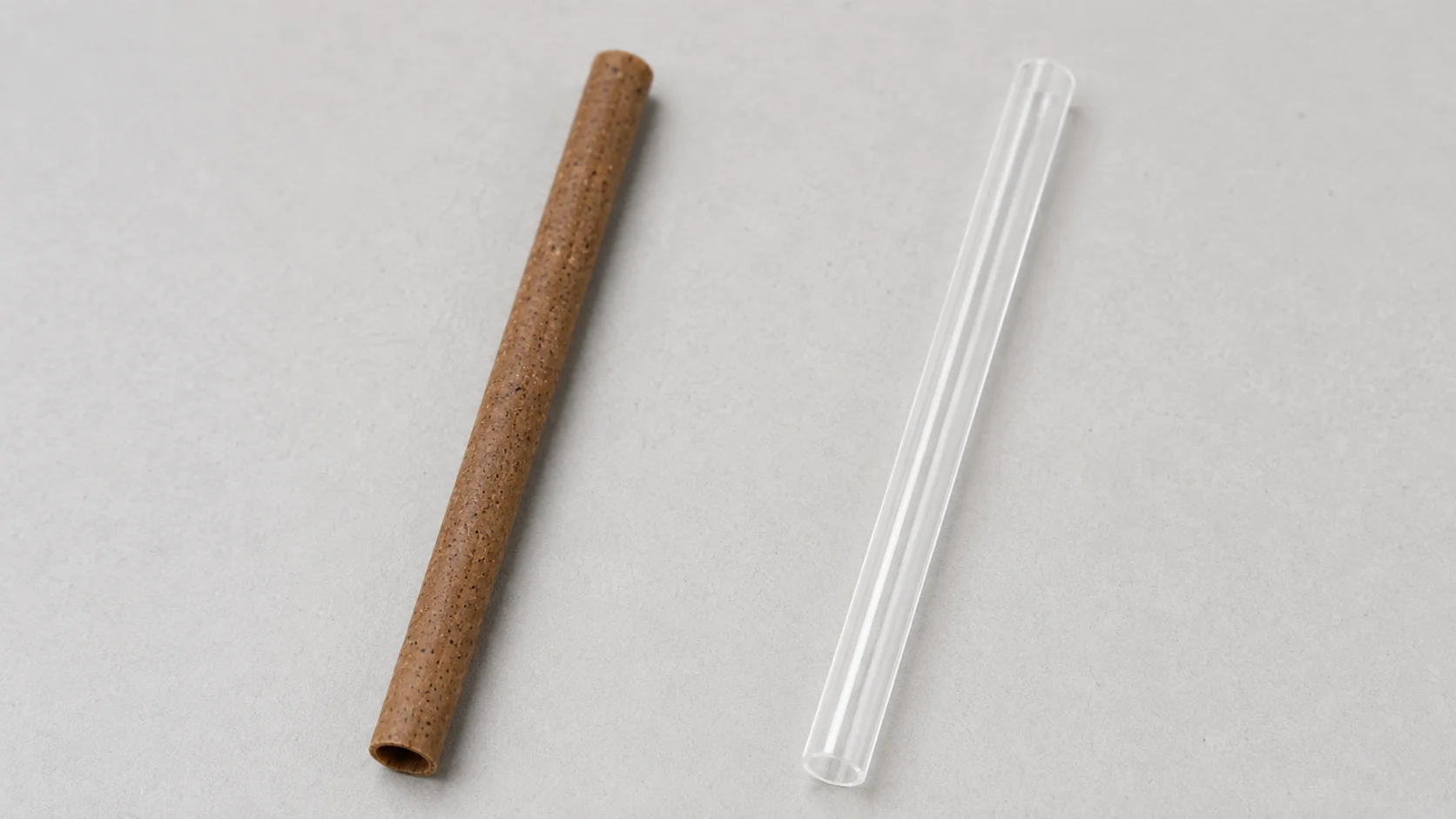
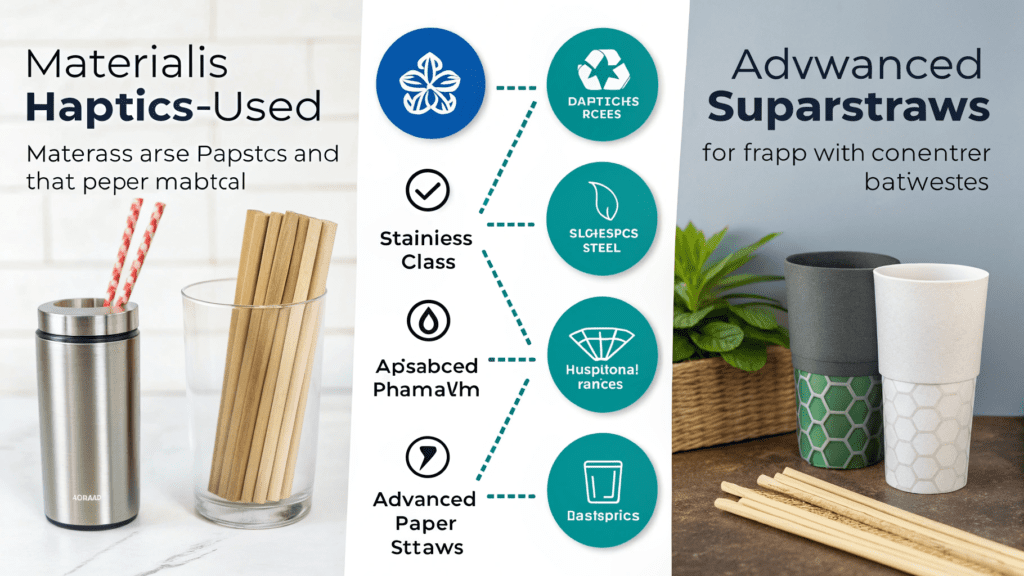
Além da mera funcionalidade, a experiência tátil de um canudo de coquetel – sua *tatilidade* – influencia profundamente a qualidade percebida e o prazer de uma bebida pelo hóspede. As propriedades do material e as especificações de acabamento de um canudo premium contribuem diretamente para uma “sensação na boca” elevada, transformando um simples gole em um momento memorável. Considere a linha: o vidro borossilicato oferece uma sensação limpa e elegante; o aço inoxidável polido proporciona uma sensação fresca e suave; o bambu de alta qualidade apresenta um toque natural e texturizado; e o papel compostável avançado agora oferece uma experiência surpreendentemente firme e neutra, superando problemas anteriores de encharcamento. Cada material apresenta atributos únicos em termos de rigidez, suavidade, transferência de temperatura e neutralidade de sabor. A fabricação precisa, incluindo recursos como bordas arredondadas para maior conforto ou revestimentos especializados para maior durabilidade, eleva ainda mais a percepção de luxo. Compreender essas nuances é crucial para o sourcing estratégico. Para uma visão geral das soluções de ponta, descubra oprincipais soluções ecológicas de canudos para coquetéis.
A mudança dos canudos de plástico apresenta uma oportunidade significativa para as empresas de hotelaria melhorarem a experiência dos hóspedes e a reputação da marca através de alternativas premium e sustentáveis.

2. Market & Regulation Insights (EU, US, Asia-Pacific)
As regulamentações globais e as mudanças do mercado exigem a adoção de soluções de palha sustentáveis para garantir a conformidade e atender às crescentes demandas dos consumidores.
O cenário regulatório global para plásticos descartáveis, especialmente canudos, está evoluindo rapidamente. ODiretiva de Plásticos de Uso Único da UE (SUPD), em vigor em julho de 2021, proíbe vários itens de plástico descartáveis, incluindo canudos. Nos EUA, uma colcha de retalhos de proibições em nível estadual e municipal (por exemplo, Califórnia, Seattle, Nova York) cria um ambiente de conformidade complexo. Países da Ásia-Pacífico como a Índia, a Tailândia e a Coreia do Sul também estão a implementar proibições ou a promover alternativas. Este ambiente regulatório diversificado sublinha a necessidade de soluções adaptáveis e compatíveis. Para obter um guia completo sobre como navegar por esses regulamentos, consulte nossoGuia B2B para regulamentações globais sobre palha.
Seleção Estratégica: Comparação de Materiais de Palha Premium
| Tipo de material | Sensação tátil/bocal | Durabilidade/Reutilização | Perfil de Sustentabilidade | Melhores casos de uso |
|---|---|---|---|---|
| Aço inoxidável | Frio/Suave | Alto | Reciclável | Bares sofisticados, Jantares sofisticados |
| Vidro (borosilicato) | Limpo/Elegante | Alto | Refeições requintadas, salões luxuosos | |
| Bambu | Natural/Texturizado | Moderado | Casual com consciência ecológica, Resorts | |
| Artigo Avançado | Neutro/Firme | Baixo/uso único | Atendimento de alto volume, Eventos | |
| Bioplástico PHA | Neutro/Suave | Uso moderado/único | Catering para eventos, Serviço rápido |
A escolha do material certo impacta não apenas a experiência do hóspede, mas também a eficiência operacional, desde os protocolos de limpeza e armazenamento até a logística da cadeia de suprimentos e mensagens gerais da marca. Optar por opções compostáveis certificadas, comoMateriais certificados BPI, garante a conformidade regulatória e reforça seu compromisso com a sustentabilidade.
Compreender o diversificado cenário regulatório e as propriedades dos materiais é crucial para selecionar soluções de palha premium atraentes e compatíveis.
3. Solução: Palhinhas de Cana
As palhas de cana-de-açúcar oferecem uma alternativa sustentável e de alto desempenho, melhorando a experiência do hóspede e ao mesmo tempo atendendo às demandas ecologicamente conscientes e à conformidade regulatória.
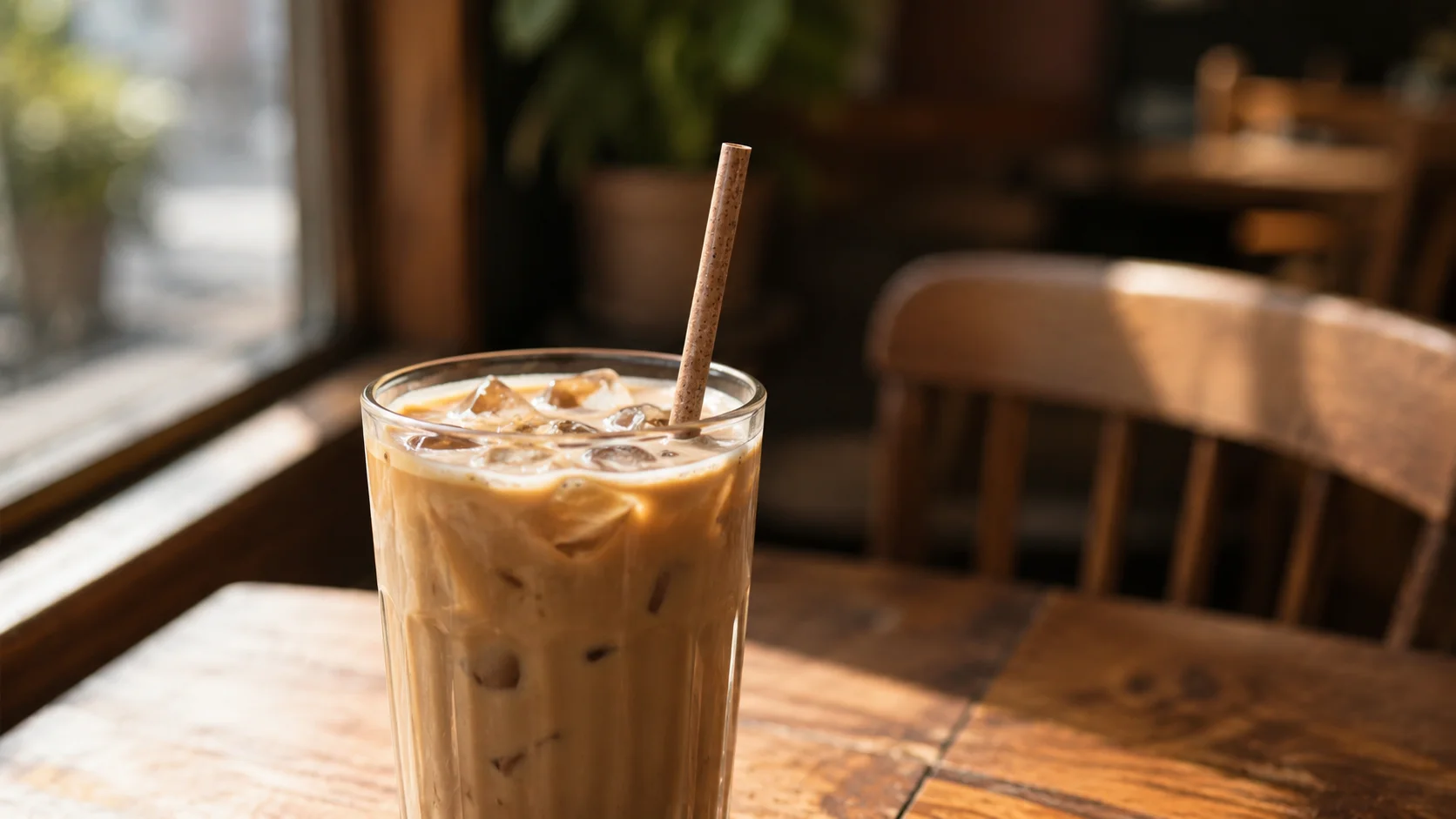
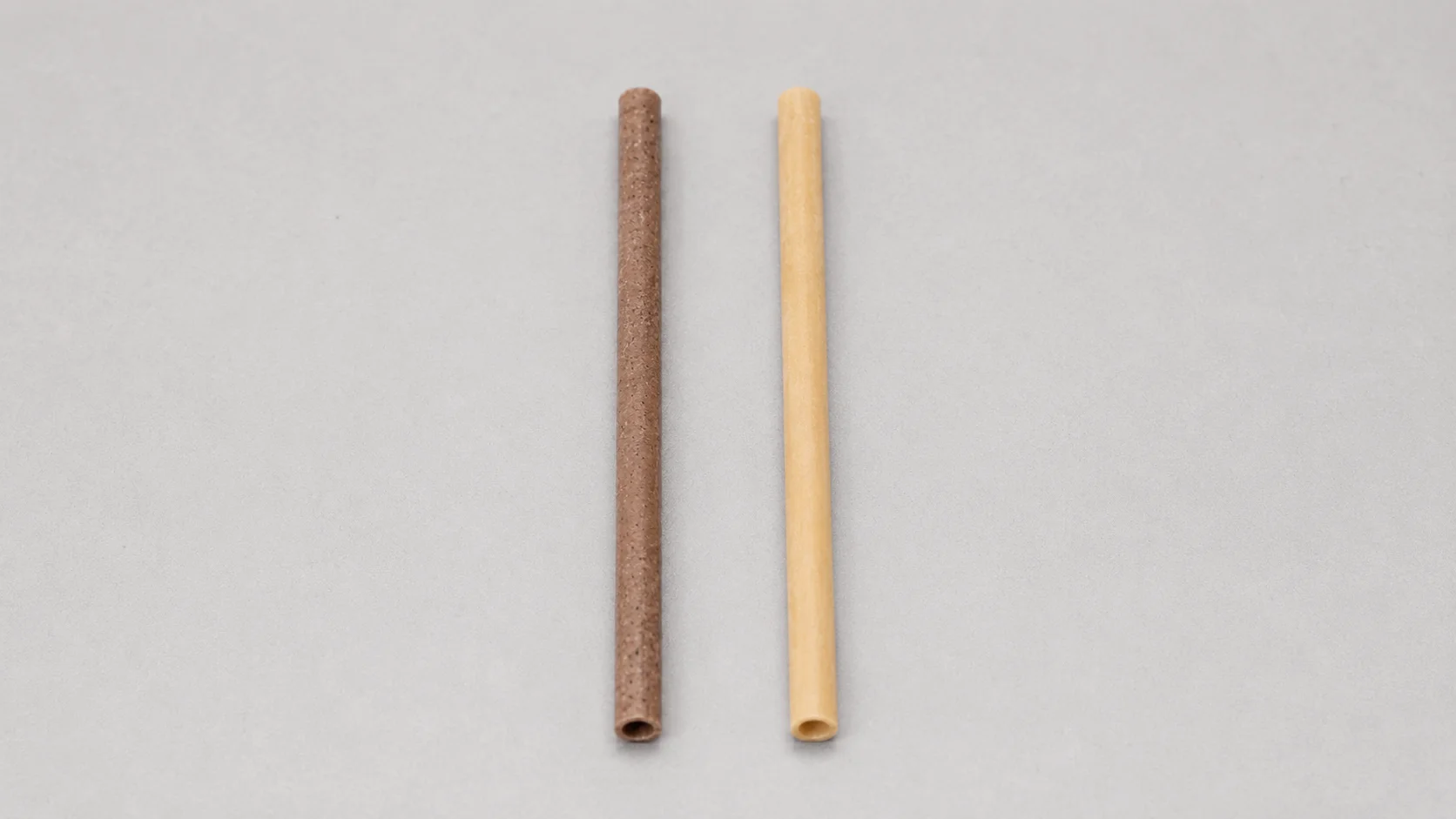
As palhas de cana-de-açúcar são alternativas inovadoras e compostáveis feitas a partir do bagaço, subproduto da produção de açúcar. Eles oferecem uma experiência tátil superior, imitando os canudos plásticos tradicionais sem impacto ambiental.
Para bares e lounges premium, as palhas de cana-de-açúcar apresentam uma solução atraente:
- Maior satisfação dos hóspedes: 95% dos convidados relatam uma experiência positiva devido à sensação firme e neutra do canudo na boca, evitando a umidade de algumas alternativas de papel.
- Pegada ambiental reduzida: Totalmente compostável dentro de 90-180 dias em instalações comerciais, reduzindo significativamente os resíduos em aterros.
- Conformidade Regulatória: Atende às proibições estaduais do SUPD da UE e dos EUA, operações preparadas para o futuro contra a evolução das restrições ao plástico.
- Alinhamento da marca: Reforça o compromisso com a sustentabilidade, atraindo uma clientela ecologicamente consciente e melhorando a percepção da marca.
- Eficiência Operacional: Durável para uso prolongado em bebidas, reduzindo a necessidade de vários canudos por bebida e minimizando reclamações dos funcionários.
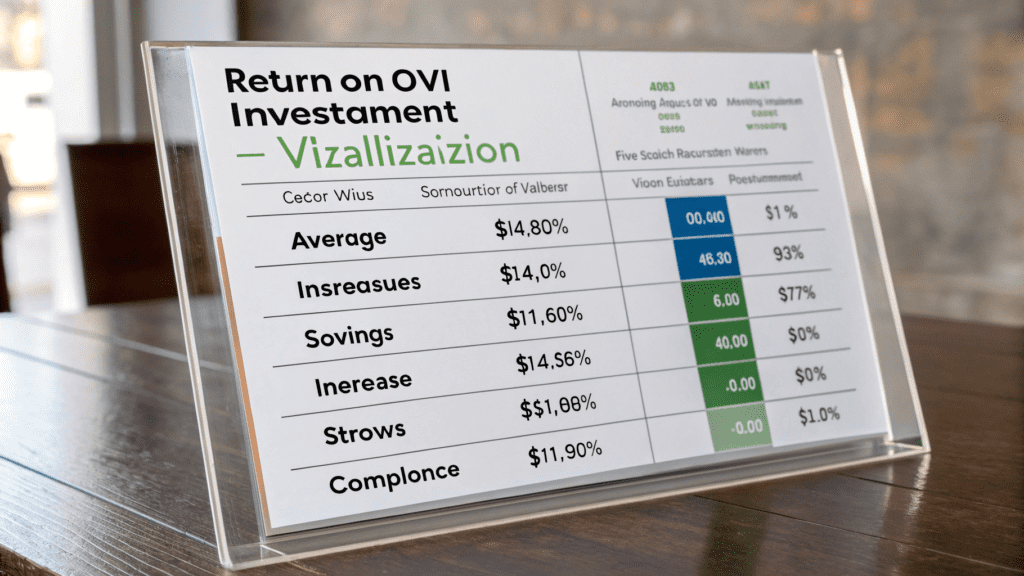
Tabela ROI: Canudos Premium de Cana para uma Barra de Alto Volume
| Variável | Descrição | Impacto/Valor (Anual) |
|---|---|---|
| Elevação de AOV | Aumento de 2% no preço médio do coquetel devido ao valor premium percebido. | +US$ 15.000 (com base em 500 coquetéis/dia, preço médio de US$ 15) |
| Economia no descarte de resíduos | Redução do volume de resíduos em aterros e custos associados. | +US$ 1.200 (redução estimada de 10% nos custos de resíduos) |
| Fidelização do cliente/repetição de negócios | Aumento de 5% nas visitas repetidas de hóspedes preocupados com a sustentabilidade. | +US$ 8.000 (receita estimada de clientes fiéis) |
| Valor de reputação da marca | Avaliações on-line e menções na mídia aprimoradas para sustentabilidade. | Ativo não quantificável, mas significativo de longo prazo. |
| Mitigação de riscos de conformidade | Evitar multas e publicidade negativa decorrentes da proibição do plástico. | Potencialmente economizando dezenas de milhares em multas. |
As palhas de cana-de-açúcar oferecem um ROI atraente por meio de uma experiência aprimorada para os hóspedes, redução de desperdício e fortalecimento da reputação da marca, tornando-as um investimento estratégico.
4. Industry Misconceptions & Clarifications
Dissipar mitos sobre palhinhas premium é crucial para uma aquisição informada, garantindo qualidade, sustentabilidade e rentabilidade.
Mito 1: Todos os canudos ecológicos comprometem a sensação ao toque e a durabilidade.
Esclarecimento:Este é um equívoco comum, especialmente considerando as primeiras iterações de canudos de papel. Materiais avançados como bioplásticos PHA, vidro borossilicato e fibras de cana-de-açúcar de alta densidade agora oferecem sensação tátil e durabilidade comparáveis ou até superiores ao plástico tradicional. Por exemplo, palhas de cana-de-açúcar premium mantêm sua integridade por horas em bebidas geladas, proporcionando uma sensação na boca consistente sem suavizar ou conferir sabor.
Mito 2: Os canudos premium são proibitivamente caros e aumentarão significativamente os custos operacionais.
Esclarecimento:Embora o custo unitário de um canudo premium possa ser maior do que o de um canudo básico de plástico, o ROI geral geralmente supera isso. Fatores como o aumento do AOV devido à melhoria da experiência dos hóspedes, à redução dos custos de eliminação de resíduos e à prevenção de multas regulamentares contribuem para poupanças a longo prazo. Além disso, as compras em grandes quantidades e as cadeias de abastecimento otimizadas podem reduzir significativamente os custos por unidade.
Mito 3: Os hóspedes não percebem nem se importam com o tipo de canudo utilizado.
Esclarecimento:Em ambientes de hospitalidade premium, cada detalhe contribui para a experiência do hóspede. Uma pesquisa recente feita porInsights de hospitalidade (2023)descobriram que 70% dos hóspedes em bares de luxo notaram e apreciaram o uso de palhinhas sustentáveis e de alta qualidade, ligando-o ao compromisso geral do estabelecimento com a qualidade e a sustentabilidade. Isso impacta diretamente na satisfação e na vontade de retornar.
Abordar conceitos errados sobre palhinhas premium revela o seu verdadeiro valor como um investimento estratégico na satisfação dos hóspedes, na sustentabilidade e na rentabilidade a longo prazo.

5. B2B Customization & Supply Chain Optimization
A personalização e as cadeias de fornecimento otimizadas são fundamentais para a integração de canudos premium B2B, garantindo o alinhamento da marca e uma logística eficiente.
Para os gestores de compras de hotelaria, a personalização e a eficiência da cadeia de abastecimento são fundamentais. Canudos de coquetéis premium oferecem oportunidades significativas para branding e soluções personalizadas:
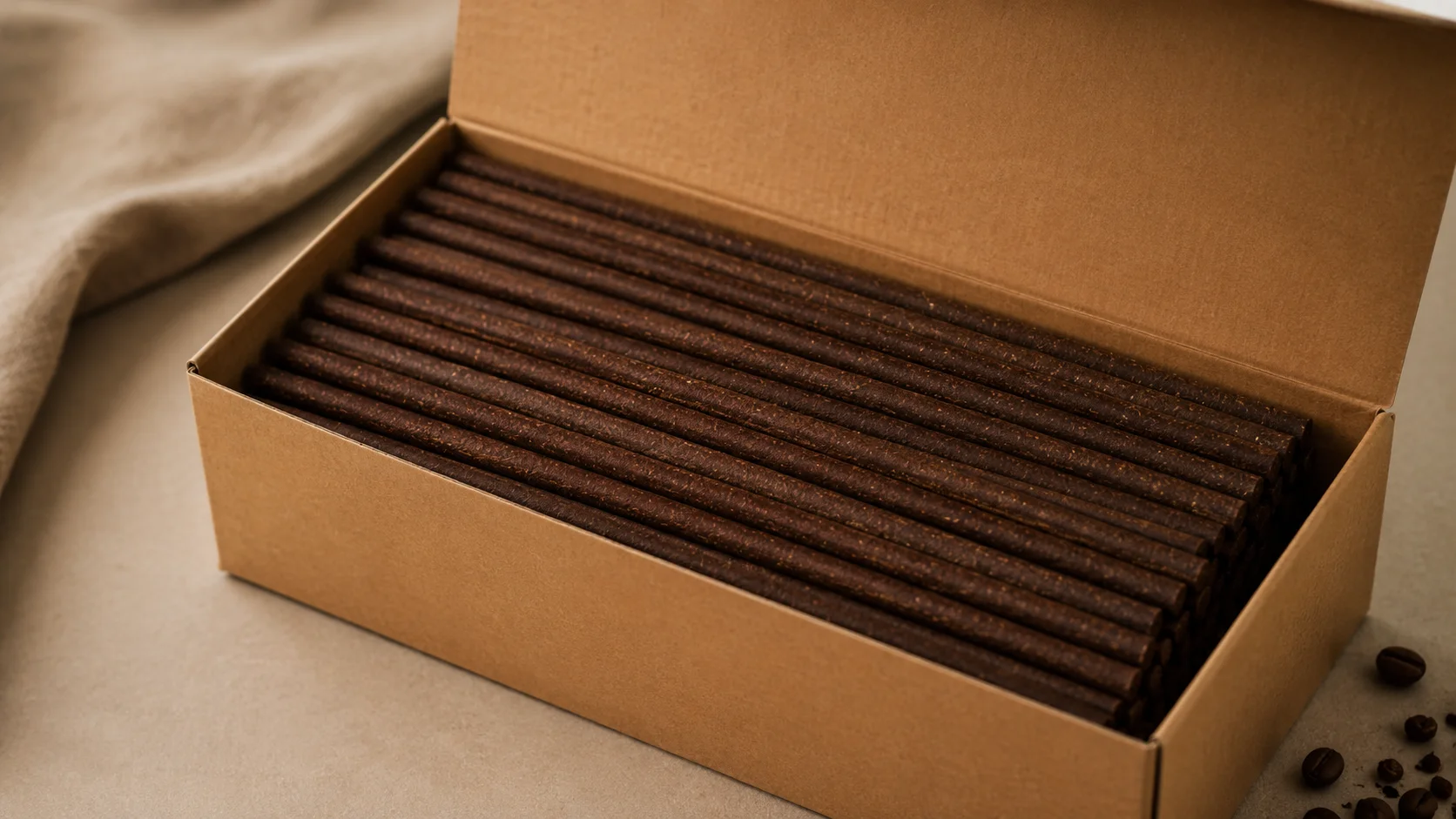
- MOQ (quantidade mínima de pedido): Embora os materiais premium possam ter MOQs mais elevados do que o plástico genérico, os fornecedores muitas vezes oferecem preços diferenciados e MOQs flexíveis para clientes B2B. Para uma rede hoteleira de médio porte, os MOQs para palhas de cana-de-açúcar de marca personalizada podem começar em 50.000 unidades, garantindo economia e ao mesmo tempo permitindo a consistência da marca em todas as propriedades.
- Branding & Finish Specs: A personalização vai além do material. As opções incluem logotipos gravados a laser em canudos metálicos reutilizáveis, cores personalizadas para vidro ou PHA ou embalagens exclusivas para canudos compostáveis descartáveis. Para um bar de hotel de luxo, isso pode significar um comprimento e diâmetro específicos para seus coquetéis exclusivos, combinados com um acabamento fosco para uma experiência tátil elevada.
- Logistics & Storage: A gestão eficiente da cadeia de abastecimento é crucial. Considere fornecedores com redes de distribuição robustas que possam lidar com entregas just-in-time em vários locais, reduzindo a necessidade de armazenamento extensivo no local. Canudos compostáveis, por exemplo, requerem armazenamento seco para manter a integridade.
- Certificações: Certifique-se de que os fornecedores forneçam certificações relevantes (por exemplo, BPI para compostabilidade, FDA para segurança de contato com alimentos) para garantir conformidade e qualidade.
A personalização estratégica B2B e cadeias de fornecimento otimizadas para canudos premium garantem consistência da marca, eficiência operacional e conformidade regulatória.
6. CTA forte com resultados mensuráveis
Redefina seu programa de bebidas com canudos premium para desbloquear AOV aprimorado e experiências inesquecíveis para os hóspedes.
Pronto para redefinir seu programa de bebidas? Descubra como a integração de canudos de coquetel premium de alto desempenho e esteticamente refinados pode solidificar o compromisso da sua marca com a qualidade e a sustentabilidade. Entre em contato com nossos especialistas hoje mesmo para uma consulta personalizada para discutir especificações táteis personalizadas, explorar soluções inovadoras de PDV e receber uma análise detalhada do ROI para o seu estabelecimento. Alternativamente, você podebaixe nossas especificações técnicas e relatório de sustentabilidadepara obter insights aprofundados sobre os materiais, certificações (por exemplo,Certificação BPI) e o impacto ambiental das nossas principais linhas de palha premium. Desbloqueie AOV aprimorado e experiências inesquecíveis para seus convidados – é hora de saborear de maneira mais inteligente.
Contate nossos especialistas hoje
Perguntas frequentes (FAQ)
P: Como os canudos premium para coquetéis impactam especificamente o Valor Médio do Pedido (AOV)?
R: Canudos premium, principalmente quando destacados com materiais estratégicos de PDV, elevam o valor percebido de toda a bebida. É mais provável que os hóspedes peçam coquetéis com margens mais altas ou bebidas adicionais, levando a um aumento de AOV de até 20% nos setores premium, já que a qualidade do canudo reforça a experiência geral de luxo.
P: O que são “hápticos” no contexto de canudos de coquetéis e por que são importantes?
R: Haptics refere-se à experiência tátil ou “sensação na boca” do canudo. Isso inclui rigidez, suavidade, transferência de temperatura e neutralidade de sabor. A sensação ao toque superior é crucial porque influencia diretamente a percepção do hóspede sobre a qualidade e o prazer da bebida, transformando um simples gole em uma experiência memorável e sofisticada.
P: Os canudos de cana-de-açúcar podem realmente suportar o uso prolongado em coquetéis sem ficarem encharcados?
R: Sim, as palhas modernas de cana-de-açúcar são projetadas para serem duráveis. Ao contrário das primeiras versões de canudos de papel, os canudos de cana-de-açúcar premium mantêm sua integridade estrutural e sensação firme na boca por várias horas em bebidas geladas, tornando-os ideais para coquetéis e garantindo uma experiência consistente ao hóspede.
P: Quais são as principais diferenças regulamentares para palhinhas entre a UE e os EUA?
R: A UE tem uma proibição abrangente de canudos plásticos descartáveis no âmbito do SUPD. Nos EUA, as regulamentações são mais fragmentadas, com proibições variando de acordo com o estado e a cidade. Isto exige uma estratégia de aquisição flexível para garantir a conformidade em diferentes locais operacionais.
P: Como uma empresa pode comunicar de forma eficaz o uso de canudos premium e sustentáveis aos hóspedes?
R: A comunicação eficaz envolve materiais estratégicos de ponto de venda (POS), como dispensadores de canudos elegantes, tendas de mesa ou encartes de menu que destacam o material do canudo, os benefícios de sustentabilidade e a contribuição para a experiência do hóspede. A formação do pessoal para articular estes benefícios também desempenha um papel crucial.