Din ce sunt făcute paiele compostabile? Un ghid strategic pentru liderii B2B
De către un strateg senior de conținut pentru sustenabilitate B2B
The global imperative to reduce plastic waste has escalated from an environmental concern to a critical business challenge, reshaping supply chains and procurement strategies worldwide. As plastic pollution continues to rise, projected to reach 1.2 billion tonnes by 2050 without intervention (UN Environment Programme, 2018), legislative pressures and consumer preferences are rapidly shifting towards sustainable alternatives. For B2B leaders in procurement, operations, and sustainability within the hospitality & foodservice industries, understanding the nuances of these alternatives – particularly compostable straws – is no longer optional but a strategic necessity.
Piața paielor compostabile se confruntă cu o creștere semnificativă, alimentată de reglementări stricte de mediu, cum ar fi Directiva UE privind materialele plastice de unică folosință (2019/904), care a impus interzicerea paielor de plastic din 2021. Această directivă, alături de interdicții similare în numeroase state și orașe din SUA, precum Seattle și San Francisco, a creat un mandat clar de tranziție către afaceri. Neadaptarea riscă nu numai sancțiuni de neconformitate, ci și daune semnificative reputației și acces redus pe piață pentru hoteluri, cafenele și companii aeriene.
Acest ghid cuprinzător analizează diversele materiale care compun paiele compostabile, elucidând proprietățile acestora, implicațiile operaționale și considerațiile strategice pentru adoptarea B2B, asigurându-vă că organizația dvs. poate naviga în acest peisaj în evoluție cu încredere și un avantaj competitiv clar.Înțelegerea materialelor de paie compostabile este crucială pentru ospitalitate și servicii alimentare pentru a asigura conformitatea și avantajul competitiv.
Înțelegerea compostabilității: distincții cruciale pentru managerii de achiziții
Termenii „biodegradabil” și „compostabil” sunt adesea folosiți în mod interschimbabil, dar ei denotă caracteristici fundamental diferite, cu implicații semnificative pentru impactul asupra mediului și conformitatea cu reglementările. Pentru managerii de achiziții din sectorul ospitalității, înțelegerea acestor distincții este esențială.
Diferențierea biodegradabilului de compostabil: standardele contează
Adevăratcompostabilmaterialele sunt verificate științific pentru a se descompune în componente naturale - dioxid de carbon, apă și biomasă - în condiții specifice de compostare (de exemplu, căldură ridicată, activitate microbiană). În mod esențial, acest proces trebuie să aibă loc într-un interval de timp definit, de obicei 180 de zile sau mai puțin, și să nu lase reziduuri toxice. Acest standard riguros asigură că materialul se întoarce cu adevărat în natură, contribuind la un sol sănătos.
În schimb, „biodegradabil” este un termen mai larg, adesea nereglementat. În timp ce un material s-ar putea deteriora în cele din urmă, acest lucru ar putea dura zeci de ani sau chiar secole și nu oferă nicio garanție că nu va lăsa în urmă microplastice sau produse secundare dăunătoare. Fără o certificare specifică, o afirmație „biodegradabilă” poate fi înșelătoare, subminând eventual eforturile de durabilitate ale unui hotel sau restaurant.
Navigating Certification Bodies and Regulatory Compliance: ASTM D6400 & EN 13432
Pentru a asigura compostabilitate autentică, companiile trebuie să se bazeze pe produse certificate de organizații terțe de renume. În America de Nord,Institutul pentru produse biodegradabile (BPI)este principalul organism de certificare, verificând produsele care îndeplinescASTM D6400sauASTM D6868standarde pentru compostarea comercială. Aceste standarde asigură că produsele se descompun complet și în siguranță în instalațiile de compostare municipale și comerciale, fără a lăsa reziduuri dăunătoare.
In Europa,TÜV AUSTRIA (OK compost INDUSTRIAL/ACASĂ)şiDIN CERTCOsunt organisme cheie de certificare, asigurând conformitatea cu standardul europeanEN 13432. Acest standard impune cel puțin 90% dezintegrare în 12 săptămâni și 90% biodegradare în șase luni, alături de limite stricte privind compoziția chimică, metale grele și ecotoxicitate. Este esențial să rețineți căDirectiva UE privind materialele plastice de unică folosință (2019/904), în vigoare din 2021, interzice în mod explicit paiele de plastic de unică folosință chiar dacă sunt etichetate „de proveniență biologică” sau „compostabile acasă”. Aceasta înseamnă că paiele compostabile certificate sunt singura alternativă conformă la plasticul convențional pentru locurile de cazare europene. În mod similar, în SUA, deși nu există nicio interdicție federală, state precum California și New York și orașe precum Seattle și San Francisco au interzis paiele de plastic și au stimulat trecerea la produse compostabile certificate prin diferite măsuri, având un impact direct asupra achizițiilor pentru operațiunile de servicii alimentare.Paiele compostabile certificate îndeplinesc standarde stricte, asigurând beneficii autentice de mediu și conformitatea cu reglementările pentru ospitalitate.

Materiale de bază din paie compostabile: o scufundare profundă în inovația bazată pe plante pentru lanțurile de aprovizionare
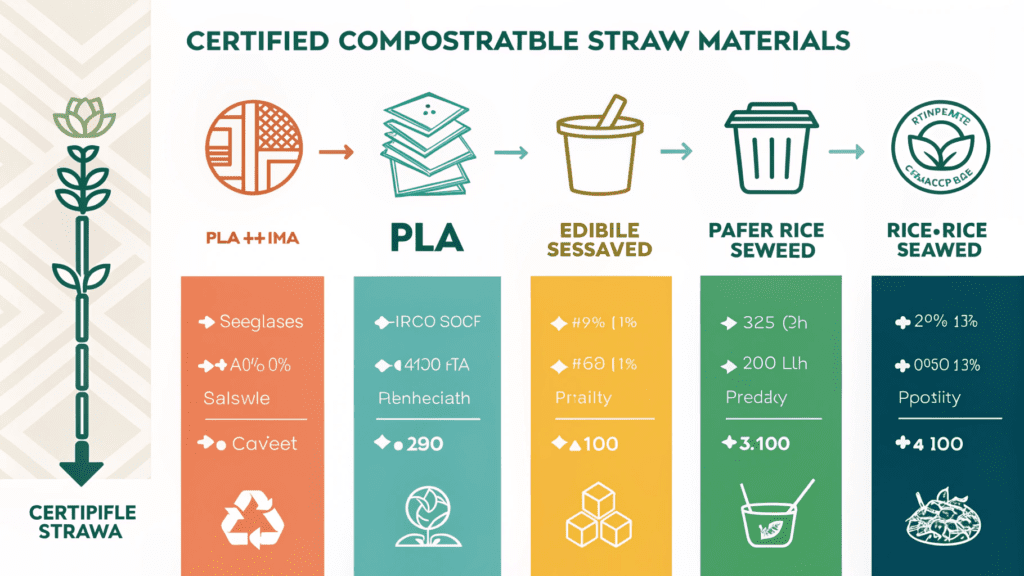
Inovația în materie de paie compostabile s-a extins semnificativ, oferind o gamă diversă de soluții pe bază de plante. Fiecare material prezintă proprietăți unice, potrivite pentru diferite nevoi operaționale și obiective de sustenabilitate din cadrul lanțurilor de aprovizionare pentru ospitalitate și servicii alimentare.
Acid polilactic (PLA) Materiale de paie compostabile: un bioplastic larg adoptat
Acidul polilactic (PLA) este una dintre cele mai utilizate bioplastice pentru paiele compostabile. Derivat din resurse regenerabile, cum ar fi amidonul de porumb, trestia de zahăr sau manioc, PLA oferă o senzație și o funcționalitate asemănătoare plasticului, făcându-l o tranziție familiară de la plasticul tradițional pe bază de petrol pentru cafenele și restaurante. Paiele PLA sunt rigide și ideale pentru băuturi reci, menținându-și integritatea structurală fără a deveni ude. Ele domină piața datorită disponibilității lor pe scară largă, biodegradabilității și durabilității ridicate pentru aplicații la rece.
Cu toate acestea, o considerație cheie pentru PLA este cerința de compostare: necesită instalații comerciale de compostare, care funcționează la temperaturi ridicate specifice (56-60°C), pentru o descompunere eficientă. Deși este biodegradabil, PLA va dura câțiva ani pentru a se descompune la temperatura camerei sau în medii naturale dacă nu este procesat corespunzător, ceea ce reprezintă o provocare pentru diversele fluxuri de deșeuri din sectorul ospitalității.
Polihidroxialcanoați (PHA) Materiale de paie compostabile: Biopolimerul revoluționar
Polihidroxialcanoații (PHA) reprezintă o clasă mai nouă și mai revoluționară de bioplastice. Produs de bacterii care fermentează zaharuri sau uleiuri din plante, PHA se mândrește cu o versatilitate superioară în descompunerea sa. Spre deosebire de PLA, paiele PHA sunt concepute pentru a se descompune nu numai în instalațiile de compostare industrială, ci și în mediile de compostare acasă și chiar în mediile marine, oferind o flexibilitate de neegalat pentru hoteluri și linii de croazieră.
Paiele PHA sunt flexibile, foarte durabile și prezintă o rezistență ridicată la căldură, făcându-le potrivite atât pentru băuturi calde, cât și pentru băuturi reci. Deși în prezent este mai costisitor de produs decât PLA, PHA este considerată o opțiune revoluționară pentru mărcile axate pe durabilitate cuprinzătoare și pe o conformitate pe viitor, oferind o soluție de eliminare cu adevărat versatilă pentru sectorul ospitalității.
Hârtie și pastă de lemn: materiale de paie compostabile îmbunătățite pentru versatilitate
Paiele din hârtie și celuloză sunt fabricate din fibre vegetale, adesea provenite din păduri gestionate în mod responsabil (certificat FSC). În timp ce paiele de hârtie necretate sunt compostabile în mod natural, multe au acum acoperiri avansate pe bază de plante (de exemplu, straturi subțiri de PLA) pentru a îmbunătăți în mod semnificativ durabilitatea și rezistența la apă, abordând preocuparea comună a umezelii în mediile aglomerate de restaurante.
Soluțiile inovatoare cum ar fi Sulapac Flow 1.7, un biopolimer pe bază de lemn cu 72% conținut de bază bio USDA, exemplifica acest progres. Paiele fabricate din Sulapac Flow 1.7 pot rezista până la 24 de ore fără a deveni umede, oferind o alternativă de înaltă performanță la hârtia tradițională. Acest material este compostabil industrial conform standardelor BPI (ASTM D6400) și Răsadurilor (EN 13432).
Mini studiu de caz:Un exemplu notabil de adopție reușită vine de laTranscend Packaging, care a devenit rapid un furnizor cheie pentru marile mărci globale. Ca răspuns la interdicțiile larg răspândite din plastic, Transcend Packaging, o sursă verificată, produce alternative pe bază de compost de acasă, hârtie și fibre pentru clienți precum McDonald’s, arătând viabilitatea tranzițiilor la scară largă la materiale durabile în sectorul alimentar.
Subproduse agricole: Materiale de paie compostabile durabile din fluxurile de deșeuri
Valorificarea fluxurilor de deșeuri agricole oferă o abordare inerent durabilă a producției de paie compostabile, ideală pentru întreprinderile de ospitalitate care doresc să-și minimizeze amprenta asupra mediului.
- trestie de zahăr (bagaș): Fabricate din deșeurile fibroase rămase după prelucrarea trestiei de zahăr, paiele de bagas sunt cunoscute pentru robustețea lor excepțională și rezistența la apă, făcându-le durabile pentru băuturi reci. Multe paie de bagas sunt certificate pentru compostare acasă, se descompun complet în 30-90 de zile și nu conferă niciun gust băuturii, un beneficiu cheie pentru experiența oaspeților.
- Paie de grâu: Un produs secundar natural al recoltării grâului, aceste paie simple și modeste se descompun rapid și în siguranță în mediul înconjurător, oferind o soluție directă, cu impact redus pentru unitățile ecologice.
- Agavă: Produse din fibre de deșeuri certificate FSC ale plantei de agave, paiele de agave oferă o compoziție robustă, naturală și sunt atât biodegradabile, cât și compostabile.
- Paie de orez: Formulate din făină de orez și amidon de tapioca, aceste paie inovatoare nu sunt doar biodegradabile, ci și comestibile. Companii precum NLYTech Biotech fabrică paie de orez care se descompun în 90 de zile dacă nu sunt consumate, oferind o soluție unică fără deșeuri pentru mese sau evenimente de lux.
Materiale de nișă și paie compostabile inovatoare: extinderea orizontului
Dincolo de opțiunile principale, cercetarea și dezvoltarea continuă depășesc granițele materialelor compostabile, oferind posibilități viitoare pentru lanțurile de aprovizionare pentru ospitalitate.
- Frunze de cocos: Pliantele de nucă de cocos uscate (lamina) produc paie 100% biodegradabile. O singură frunză de nucă de cocos poate produce aproximativ 200 de paie, demonstrând potențialul pentru economii locale, circulare, așa cum susțin companii precum Sunbird Straws, deosebit de relevante pentru destinațiile din stațiuni.
- Iarbă: Fabricate din iarbă de rogoz, aceste paie de unică folosință sunt 100% fără plastic și se biodegradează în siguranță în sol, oferind o alternativă naturală și simplă.
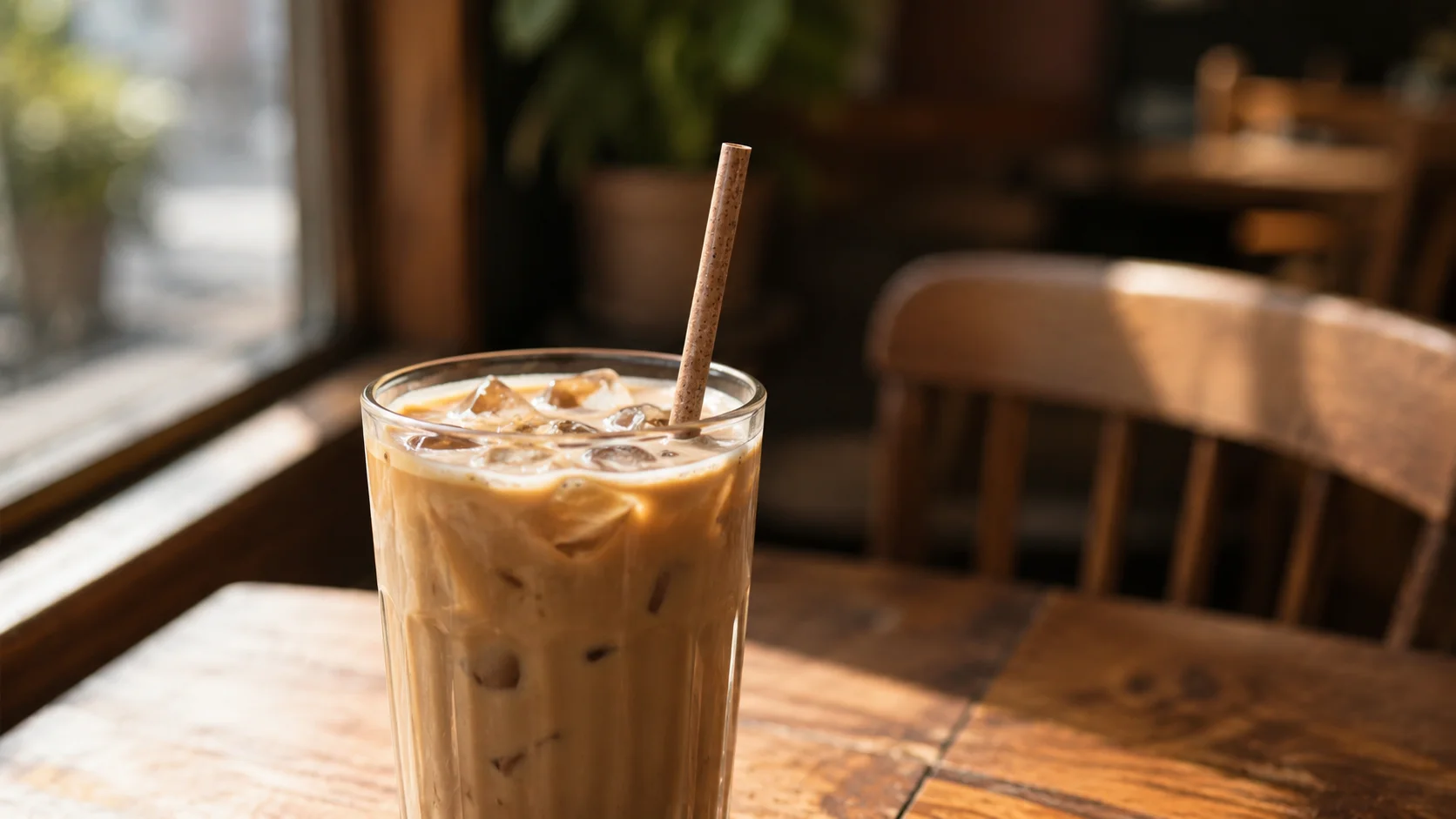
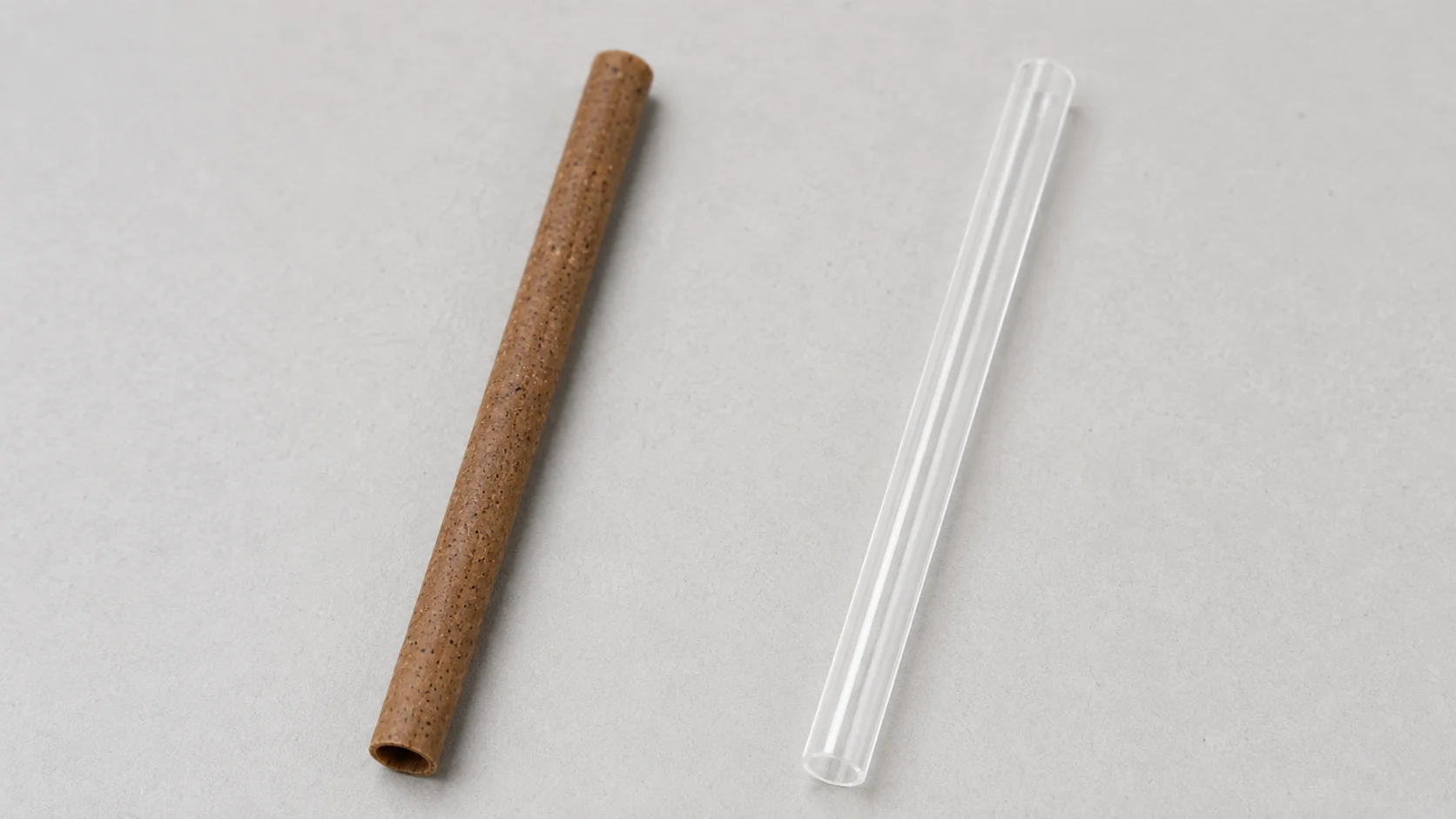
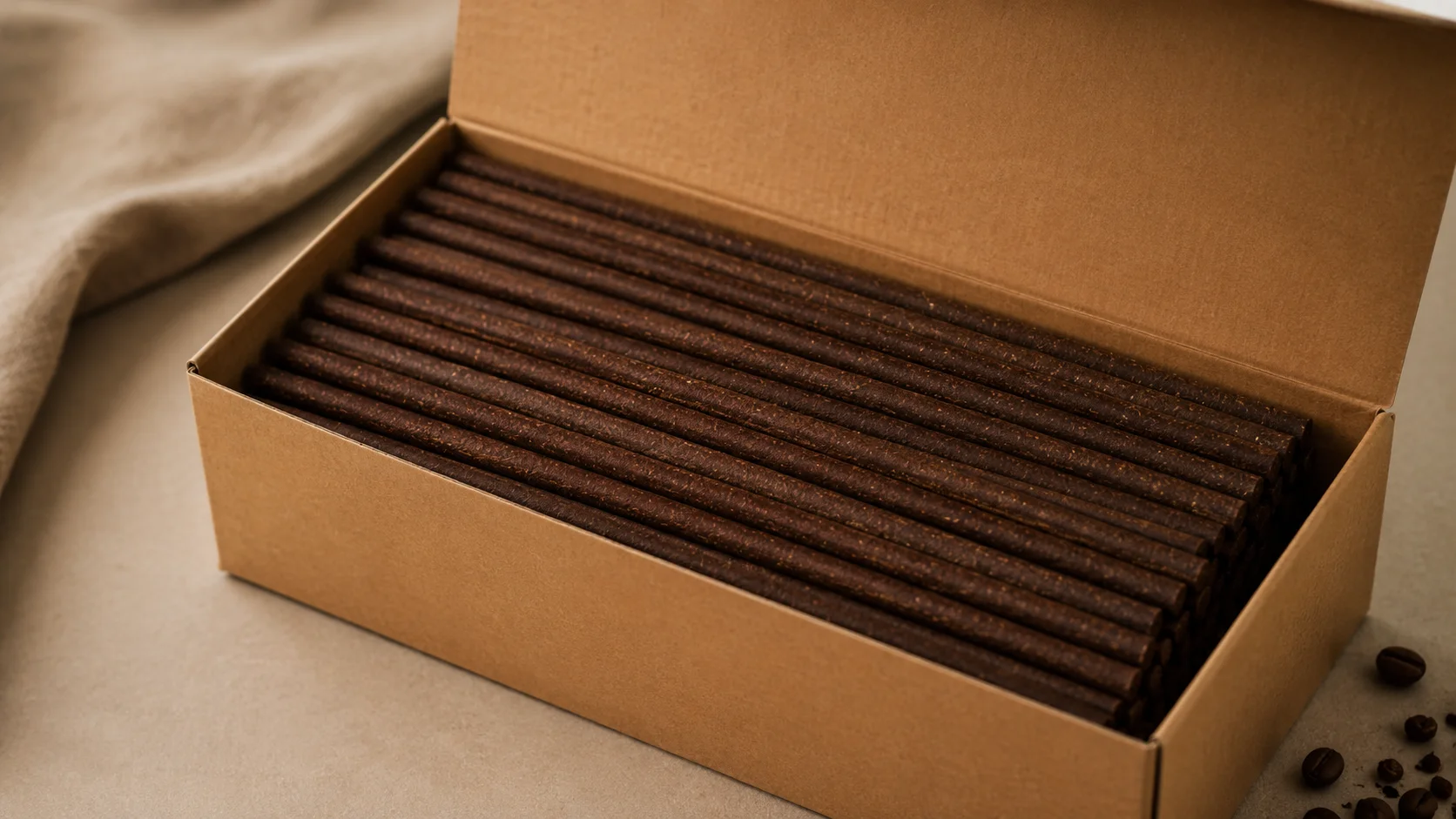
- Cafea măcinată: Fabricate din sedimente de cafea reciclate, aceste paie sunt inodore, fără gust și rezistă remarcabil la umiditate atât în băuturile calde, cât și în cele reci, transformând deșeurile într-un produs valoros pentru cafenele.
- Alge marine: Companii de pionierat precum Loliware au dezvoltat „Lolistraws”, care sunt comestibile și hipercompostabile, realizate dintr-un material brevetat pe bază de alge marine care se descompune în 60 de zile sau mai puțin, reprezentând soluția supremă fără deșeuri pentru mărcile inovatoare de ospitalitate.
- Cercetările academice continuă să exploreze materiale avansate, inclusiv compuși îmbunătățiți pe bază de amidon (care încorporează lignină și acid citric pentru proprietăți îmbunătățite ale filmului), inovații pe bază de celuloză (folosind coji de orez și bagas de trestie de zahăr pentru hidrostabilitate) și PLA stereocomplex (SC-PLA) pentru a depăși limitările de rezistență la căldură ale PLA convenționale. Cercetările ulterioare includ chitină, zeină și noi amestecuri de amidon pentru a îmbunătăți rezistența mecanică, stabilitatea apei și rezistența la căldură.
Diverse materiale pe bază de plante oferă performanțe variate și opțiuni de eliminare pentru lanțuri de aprovizionare durabile pentru ospitalitate.
Strategic Considerations: Operational Impact & ROI of Compostable Straw Materials
Pentru managerii de achiziții și directorii de operațiuni din sectorul ospitalității, înțelegerea rentabilității investiției (ROI) și a implicațiilor operaționale ale diferitelor materiale paie compostabile este crucială pentru o tranziție lină și succes pe termen lung.
| Caracteristică | Impact operațional B2B | Notă de conformitate | Potențial de rentabilitate a investiției |
|---|---|---|---|
| PLA | Necesită acces sigur la instalațiile comerciale de compostare; asigură o gestionare adecvată a sfârșitului de viață a materialului. | Certificat conform ASTM D6400 și EN 13432 pentru compostare industrială. Esențial pentru conformitatea la nivel de oraș în UE și SUA, unde paiele de plastic sunt interzise. | Taxe de depozitare reduse prin deturnarea deșeurilor; o imagine îmbunătățită a mărcii ca o întreprindere sustenabilă; îndeplinirea imediată a mandatelor de reglementare pentru a evita amenzile și restricțiile de acces pe piață. |
| PHA | Oferă cea mai largă flexibilitate de eliminare, compatibilă cu mediile industriale, casnice și chiar marine, simplificând instrucțiunile de eliminare a utilizatorului final și extinzând acoperirea pentru diverse setări de ospitalitate. | Biodegradabil în diverse medii, susținut de certificări emergente (de exemplu, BPI pentru anumite produse PHA). Poziționează mărcile ca fiind avansate și pe deplin conforme cu standardele de mediu în evoluție. | Comandă o poziționare premium a mărcii datorită atributelor de mediu superioare; conformitatea pentru viitor față de reglementări mai stricte; atractivitate mai larg pentru consumatori prin abordarea diferitelor opțiuni de eliminare, potențial creșterea cotei de piață în rândul consumatorilor conștienți de mediu. |
| Hârtie (cretită) | Poate necesita acoperiri specifice pe bază de plante pentru o durată prelungită de utilizare, deși unii utilizatori raportează umiditate pe perioade prelungite. Adesea nu este reciclabil din cauza materialelor amestecate. | Certificari precum BPI/EN 13432 pentru compostabilitate. Deși nu conține plastic, asigurați-vă că acoperirile sunt, de asemenea, compostabile și evitați PFAS. | Punct de intrare rentabil către durabilitate pentru multe întreprinderi; se aliniază cu cererea imediată a consumatorilor pentru opțiuni fără plastic, în special în mediile cu service rapid. Poate fi un câștig rapid pentru percepția publicului și nevoile imediate de conformitate. |
| Bagas de trestie de zahăr | Durabilitate excelentă atât pentru băuturi reci, cât și pentru băuturi calde, oferind performanțe robuste. Ușor acasă sau compostabil comercial, simplificând fluxurile de deșeuri pentru întreprinderi și consumatori. | Biodegradabilitate ridicată, adesea certificată pentru compost acasă. Utilizează deșeurile agricole, susținând principiile economiei circulare și reducând dependența de materialele virgine. | Percepția puternică pozitivă a consumatorilor datorită naturii sale derivate din deșeuri; contribuie la reducerea semnificativă a deșeurilor la depozitele de deșeuri; demonstrează un angajament față de aprovizionarea durabilă, atrăgând un segment în creștere de clienți conștienți de mediu. |
| Comestibile (orez/alge marine) | Oferă o adevărată soluție zero deșeuri; cu toate acestea, necesită o atenție atentă pentru siguranța alimentelor, gestionarea alergenilor și potențialele modificări ale gustului băuturii. Depozitarea și perioada de valabilitate sunt factori operaționali critici pentru serviciile alimentare. | Necesită certificări de calitate alimentară (de exemplu, FDA, EFSA). Consumul complet înseamnă că nu este necesară eliminarea, în conformitate cu obiectivele finale de durabilitate. | Realizare supremă în domeniul durabilității și diferențiere unică de marketing; atrage piețe de nișă și mărci inovatoare; potențial pentru noi fluxuri de venituri dacă este comercializat ca produs consumabil, creând un avantaj competitiv distinctiv. |
Alegerea paielor compostabile are impact asupra operațiunilor, conformității și rentabilității investiției, necesitând selecția strategică a materialelor pentru ospitalitate.
Abordarea provocărilor: PFAS și controlul de reglementare în materialele de paie compostabile
În timp ce trecerea la materialele compostabile este un pas pozitiv pentru ospitalitate, nu este lipsită de complexități. O provocare critică cu care se confruntă afirmația „compostabil” în unele produse, în special hârtie și paiele de bambus, este prezența pe scară largă a Substanțelor Per- și Polifluoroalchil (PFAS).
Problema PFAS: subminarea afirmațiilor „biodegradabile”.
Cercetările academice recente au scos la iveală un adevăr îngrijorător: PFAS, adesea denumite „substanțe chimice pentru totdeauna” din cauza degradării lor extrem de lente – potențial de-a lungul a mii de ani – au fost găsite în multe paie aparent ecologice. Un studiu publicat în *Chemosphere* în aprilie 2021 a analizat 38 de mărci de paie de hârtie biodegradabilă și a găsit PFAS detectabil în 36 dintre acestea, inclusiv variante comune precum PFBA, PFOA și PFHxA. Această constatare a fost coroborată de un studiu belgian publicat în *Food Additives and Contaminants* în august 2023, care a identificat PFAS în majoritatea paielor testate, în principal cele din hârtie și bambus.
Prezența PFAS subminează în mod fundamental afirmațiile „biodegradabile” și „compostabile” ale acestor produse. Dacă un produs conține substanțe chimice care persistă nelimitat în mediu, nu poate fi considerat cu adevărat o soluție durabilă la sfârșitul vieții pentru fluxurile de deșeuri din sectorul ospitalității.
Implicațiile asupra sănătății și mediului ale contaminării cu PFAS
PFAS sunt folosite pentru a oferi rezistență la apă, căldură și pete, dar persistența lor în mediu ridică preocupări semnificative pentru sănătate și mediu. Expunerea la PFAS a fost legată de o serie de probleme grave de sănătate, inclusiv un răspuns mai scăzut la vaccin, boli tiroidiene, niveluri crescute de colesterol, leziuni hepatice, cancer de rinichi și cancer testicular.
Contaminarea poate avea loc din diverse surse, inclusiv din solul în care au fost cultivate materialele vegetale, apa utilizată în timpul producției sau chiar aplicarea intenționată ca acoperire hidrofugă. Pentru echipele de achiziții din sectorul ospitalității, acest lucru necesită o schimbare critică a due diligence. Nu mai este suficient să ceri doar certificarea „compostabil”; Managerii de achiziții trebuie să solicite testare robustă de la terți pentru PFAS în toate produsele „compostabile” pentru a asigura integritatea autentică a mediului și a sănătății publice. PrioritizareaPaiele compostabile certificate BPIcare sunt verificate în mod explicit ca fără PFAS oferă o cale către conformitatea autentică și încrederea consumatorilor.Contaminarea cu PFAS în paiele compostabile subminează afirmațiile de durabilitate, solicitând testare riguroasă pentru achizițiile de ospitalitate.
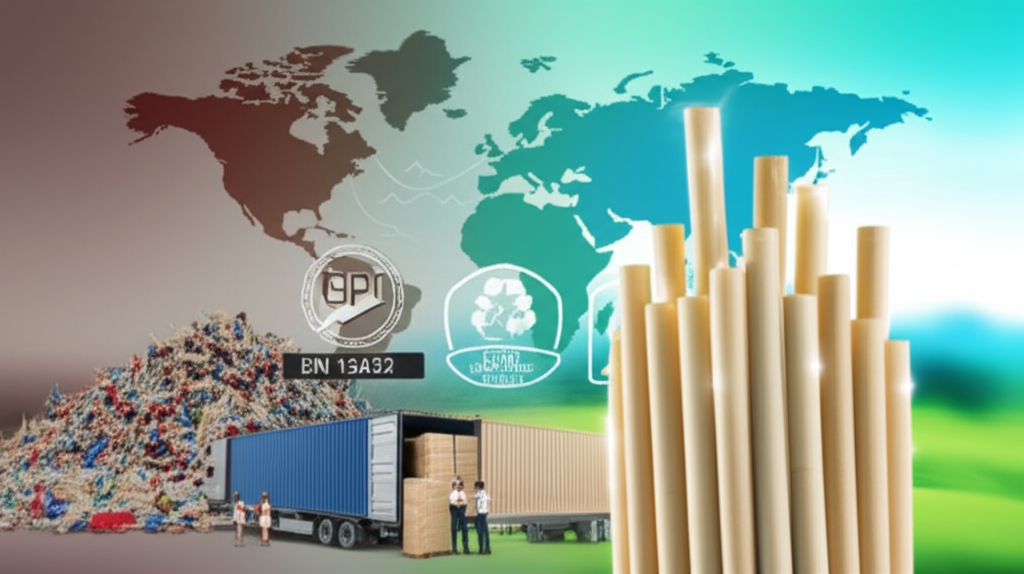
Peisajul viitorului: inovație și aprovizionare strategică cu materiale de paie compostabile
Călătoria către ambalaje cu adevărat durabile pentru ospitalitate și servicii alimentare este dinamică, marcată de inovație continuă și un accent din ce în ce mai pus pe circularitate.
Cercetare și dezvoltare continuă pentru performanță îmbunătățită
Eforturile academice și industriale în curs sunt concentrate pe îmbunătățirea rezistenței mecanice, stabilității apei și rezistenței la căldură a materialelor pe bază de plante. Noile frontiere în știința materialelor explorează substanțe precum chitina (derivată din coji de crustacee), zeina (o proteină din porumb) și amestecuri inovatoare pe bază de amidon, care încorporează adesea aditivi naturali precum lignina și acidul citric pentru a îmbunătăți performanța și a depăși limitările actuale, cum ar fi umezeala sau cerințele specifice de compostare. Dezvoltarea PLA stereocomplex (SC-PLA) își propune să îmbunătățească rezistența la căldură și rigiditatea, extinzând capacitatea de utilizare a PLA. Această căutare neîncetată a materialelor mai bune este crucială pentru satisfacerea diverselor nevoi operaționale, respectând în același timp standardele stricte de mediu în setările de ospitalitate cu volum mare.
Conducerea unei economii circulare prin aprovizionare responsabilă
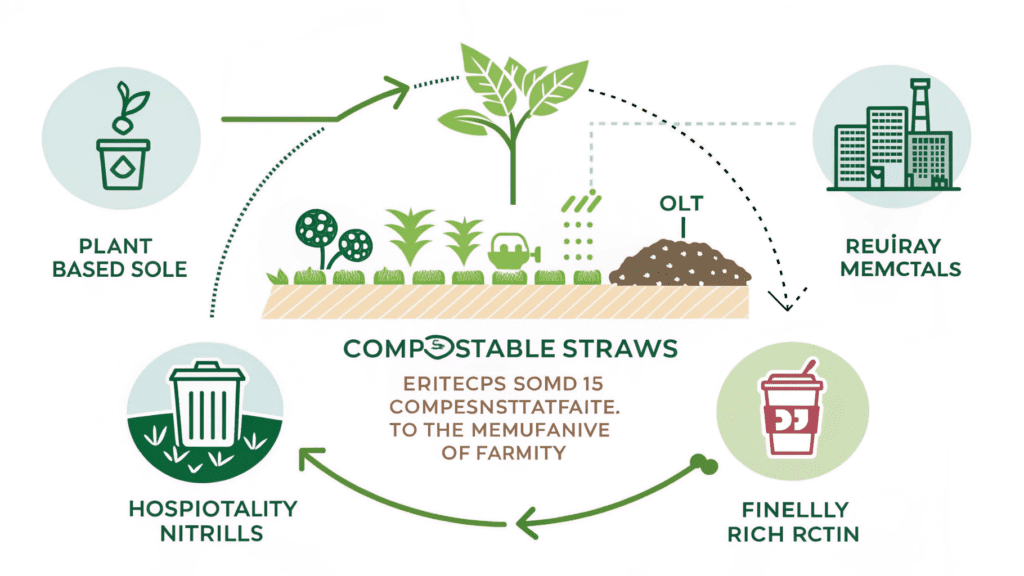
Paiele compostabile contribuie în mod semnificativ la stimularea unei economii circulare prin deturnarea deșeurilor din gropile de gunoi și oceane, care pot fi apoi returnate pe pământ ca sol bogat în nutrienți. Aprovizionarea acestor materiale din resurse regenerabile, în special din subproduse agricole, susține în continuare agricultura durabilă și reduce dependența de combustibilii fosili. Această abordare transformă deșeurile într-o resursă valoroasă, închizând bucla în ceea ce privește utilizarea materialelor pentru lanțul de aprovizionare pentru ospitalitate.
Pentru managerii de achiziții și directorii lanțului de aprovizionare, aceasta înseamnă prioritizarea lanțurilor de aprovizionare certificate și transparente. Verificarea faptului că materialele provin din surse durabile și că produsele finale îndeplinesc standarde stricte de compostabilitate și siguranță (de exemplu, fără PFAS) este esențială. Parteneriatele strategice cu furnizorii care se angajează să respecte aceste principii sunt esențiale pentru a asigura beneficiul real pentru mediu al soluțiilor compostabile. Descoperă cumPaiele compostabile BPIoferi o convingătoarerespectarea ospitalității și rentabilitatea investițieisoluţie.Inovația și aprovizionarea responsabilă cu paiele compostabile stimulează circularitatea și sporesc durabilitatea pentru ospitalitate.
Concluzie: adoptarea materialelor de paie compostabile certificate pentru un viitor durabil
Tranziția la paiele compostabile nu mai este doar o aspirație de mediu, ci un imperativ esențial de afaceri pentru industria ospitalității și a serviciilor alimentare, determinată de cererea în creștere a consumatorilor, peisajele de reglementare în evoluție și nevoia incontestabilă de responsabilitate socială corporativă. Prin înțelegerea strategică a diverselor materiale de paie compostabile, a impactului lor operațional specific și a cerințelor stricte de certificare, companiile pot lua decizii informate care să-și protejeze marca, să asigure conformitatea și să deblocheze noi oportunități de piață. Prioritizarea opțiunilor certificate, de înaltă performanță și fără PFAS asigură o durabilitate autentică, îmbunătățește reputația mărcii și poziționează organizația dumneavoastră ca lider în responsabilitatea de mediu.
Acționează acum: Evaluează-ți strategia actuală de achiziție de paie și angajează-te să folosești paiele compostabile certificate, de înaltă performanță, pentru a îndeplini cerințele de reglementare și pentru a-ți atinge obiectivele de durabilitate înainte ca accesul pe piață să fie restricționat sau să se erodeze încrederea consumatorilor.Îmbrățișați paiele compostabile certificate, fără PFAS, pentru o durabilitate reală, conformitate și o reputație sporită a mărcii.
întrebări frecvente
Care este diferența principală dintre paiele „biodegradabile” și „compostabile” pentru întreprinderile de ospitalitate?
Paiele compostabile sunt certificate pentru a se descompune în componente naturale într-un interval de timp specific (de exemplu, 180 de zile) în condiții controlate, fără a lăsa reziduuri toxice. Biodegradabilul este un termen mai larg, adesea nereglementat, care nu oferă nicio garanție pentru descompunerea completă, în timp util sau sigură, care este esențială pentru gestionarea deșeurilor din sectorul ospitalității.
Cum influențează reglementările UE și SUA alegerea paielor compostabile pentru lanțurile de aprovizionare cu alimente?
Directiva UE privind materialele plastice de unică folosință (2019/904) interzice paiele de plastic, făcând paiele compostabile certificate singura alternativă conformă. În SUA, deși nu există nicio interdicție federală, multe state și orașe au interdicții similare, stimulând produsele compostabile certificate pentru a evita penalizările și pentru a asigura accesul pe piață pentru serviciile alimentare.
Care sunt principalele beneficii ale trecerii la paiele din trestie de zahăr (bagas) pentru hoteluri și cafenele?
Paiele din trestie de zahăr (bagas) sunt excepțional de robuste, rezistente la apă și adesea compostabile acasă, se descompun în 30-90 de zile. Ele oferă o soluție durabilă, neutră din punct de vedere al gustului, derivată din deșeurile agricole, îmbunătățind imaginea de durabilitate a unui hotel sau cafenea și reducând contribuțiile la depozitele de deșeuri.
De ce este esențial pentru managerii de achiziții să testeze paiele compostabile pentru PFAS?
PFAS („substanțe chimice pentru totdeauna”) subminează afirmațiile compostabile, persistând pe termen nelimitat și prezentând riscuri pentru sănătate. Managerii de achiziții trebuie să solicite testarea PFAS de la terți pentru a asigura integritatea autentică a mediului și încrederea consumatorilor, în special pentru opțiunile certificate de BPI.
Cum pot companiile din sectorul ospitalității să se asigure că aprovizionarea cu paie compostabile este aliniată cu principiile economiei circulare?
Acordați prioritate lanțurilor de aprovizionare certificate și transparente care aprovizionează materiale din resurse regenerabile, în special produse secundare agricole. Acest lucru deturnează deșeurile, reduce dependența de combustibili fosili și asigură reîntoarcerea produselor pe pământ ca sol bogat în nutrienți, închizând bucla în utilizarea materialelor.