In an era defined by urgent environmental concerns and evolving regulatory landscapes, businesses across the hospitality, foodservice, and retail sectors face unprecedented pressure to pivot towards sustainable practices. The global movement away from single-use plastics is not merely a trend; it’s a fundamental shift demanding viable, reliable alternatives that align with both ecological responsibility and operational excellence. For procurement managers, operations directors, sustainability officers, and supply chain executives, a critical question emerges amidst a sea of options—paper, bamboo, metal, glass, and others: Are sugarcane straws truly safe, effective, and a sound long-term investment for your operations? This post cuts through the noise, providing the clarity you need to make an informed decision, underscoring that a proactive commitment to responsible operations is paramount for safeguarding your brand reputation, ensuring regulatory compliance, and building unwavering consumer trust.
Beyond Plastic: Understanding the Safety & Composition of Sugarcane Straws
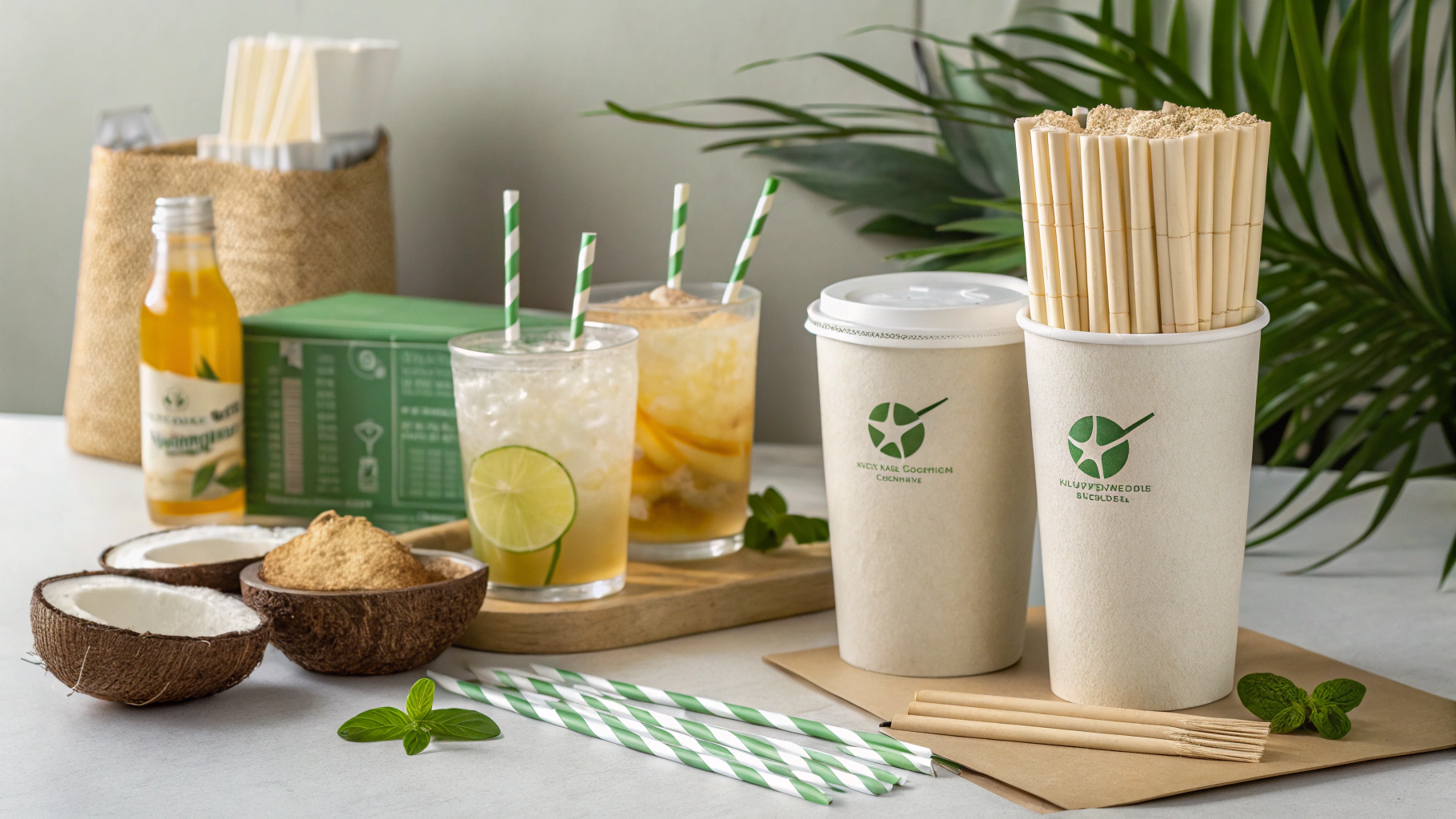
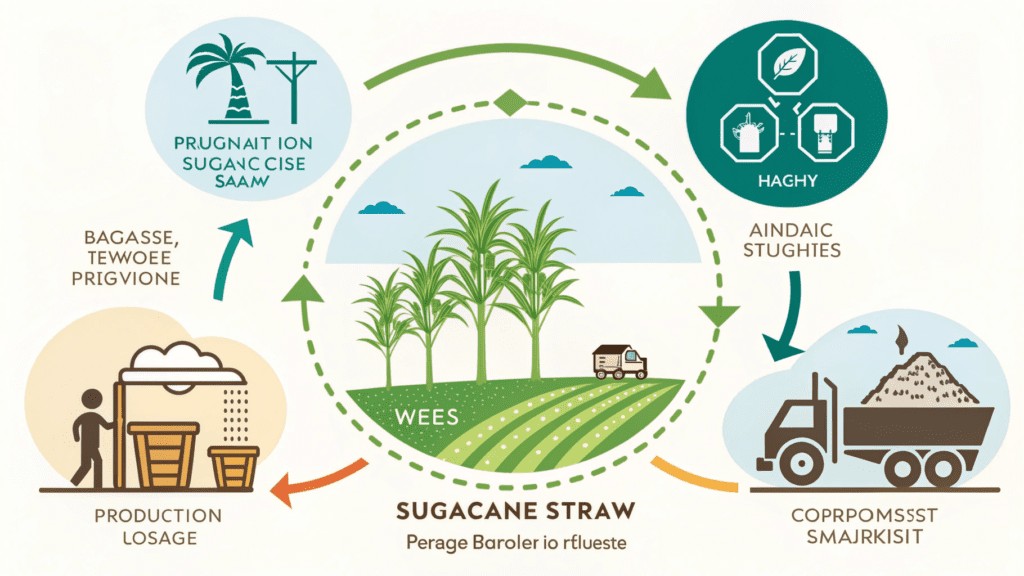
The journey away from plastic pollution begins with understanding innovative materials. At the core of sugarcane straws lies bagasse, the fibrous byproduct remaining after sugarcane stalks are crushed to extract their juice for sugar or ethanol production. Historically, this agricultural waste was often burned or treated as a low-value residue. Today, it is reimagined as a natural, renewable, and abundant foundation for eco-friendly products.

Sugarcane straws offer a compelling chemical-free promise, designed to be non-toxic from the ground up. They are inherently free from harmful substances commonly found in plastics, such as BPA, PFAS (per- and polyfluoroalkyl substances, often referred to as “forever chemicals”), phthalates, petroleum, bleach, heavy metals, and gluten. The meticulous manufacturing process ensures that these straws do not leach any undesirable substances into beverages, thereby maintaining the integrity of your drinks and, crucially, consumer health. This means your customers can sip with confidence, free from concerns about microplastic ingestion or chemical contamination.
For businesses, confidence in product safety is solidified through rigorous certifications. Reputable sugarcane straws adhere to international food safety standards, including FDA approval for food contact safety and EU food safety compliance (such as EU 10/2011). Beyond safety, their environmental credentials are verified by certifications like BPI (Biodegradable Products Institute) and OK Home Compostable by TÜV Austria, signifying their true end-of-life benefit. These certifications provide objective proof of their biodegradability and compostability, assuring that they break down naturally without harming the environment. Furthermore, sugarcane straws are generally considered safe for all ages and do not impact health conditions such as diabetes, as the sugar is extracted during processing, and the straws do not impart their composition into liquids. The history of sugarcane straws as a viable alternative to plastic gained significant traction around 2019, catalyzed by increased global awareness of plastic pollution and widespread single-use plastic bans, showcasing an industry’s rapid pivot towards truly sustainable solutions.
Avantajul strategic: de ce paiele de trestie de zahăr generează valoare pentru afaceri
Alegerea paielor de trestie de zahăr se extinde dincolo de simpla conformare; este o mișcare strategică care oferă avantaje tangibile de afaceri, îmbunătățind atât experiența clienților, cât și eficiența operațională. Una dintre cele mai comune frustrări legate de alternativele ecologice, în special paiele de hârtie, a fost infama „dilemă cu paiele ude”. Paiele din trestie de zahăr se adresează direct acestui lucru, concepute pentru a-și menține integritatea structurală ore în șir, chiar și în băuturi calde (rezistând la temperaturi de până la 80-90°C) și băuturi reci. Această durabilitate superioară înseamnă că clienții tăi se bucură de o experiență consistentă, de încredere, fără ca paiele lor să se dezintegreze la mijlocul băuturii. Mai mult decât atât, designul lor neutru din punct de vedere gustativ asigură că nu se transmit arome sau mirosuri nedorite, păstrând calitatea autentică și bucuria băuturilor dumneavoastră servite.
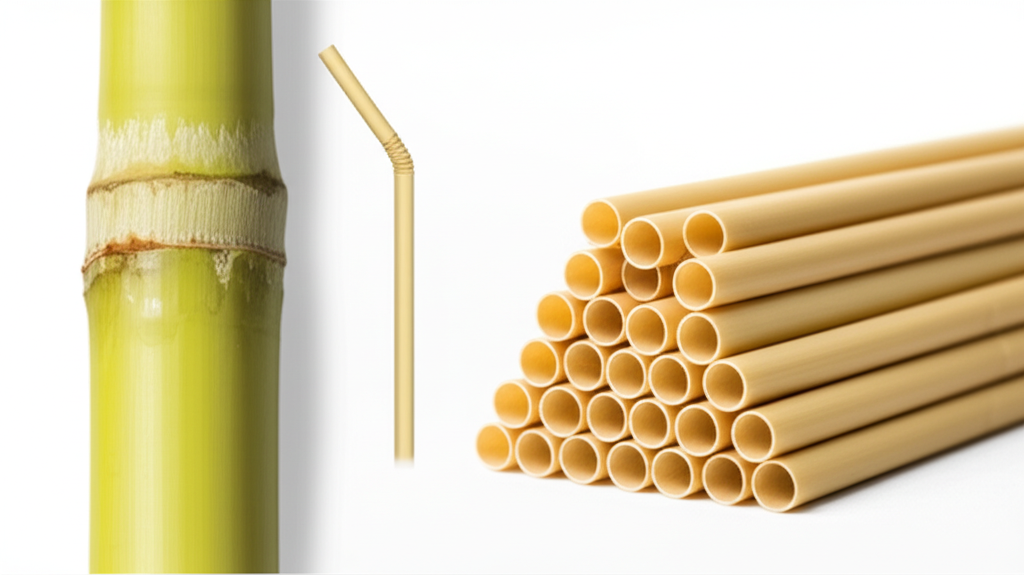
From an operational standpoint, sugarcane straws offer seamless integration into existing workflows. As a single-use yet eco-conscious solution, they eliminate the need for complex washing, drying, or storage logistics associated with reusable alternatives like metal or glass, significantly reducing labor costs and operational complexities. They also minimize the risk of breakages common with glass straws. This convenience, coupled with their environmental benefits, creates a compelling value proposition. Crucially, adopting sugarcane straws allows your business to align with a rapidly growing consumer preference: approximately 70-75% of consumers now actively prioritize and seek out eco-friendly options, preferring businesses that demonstrate a genuine commitment to sustainable practices. By making the switch, you not only meet this escalating demand but also foster stronger customer loyalty, enhance your brand reputation, and position your organization as a responsible industry leader. For deeper insights into embracing sustainable options in hospitality, explore howSugarcane Straws are Shaping the Sustainable Foodservice Future.
Making the Informed Switch: A B2B Comparison Guide to Eco-Straws
The market offers a diverse array of straw alternatives, each with its own set of advantages and drawbacks. Understanding these distinctions is crucial for procurement and operations leaders committed to making the best strategic choice.
Comparative Analysis: Sugarcane vs. Alternatives
- Paiele din plastic: While inexpensive and durable, their environmental cost is staggering. They persist for centuries, breaking down into harmful microplastics that permeate ecosystems and food chains. Increasingly, they are targeted by stringent regulatory bans globally.
- Pai de hartie: A common early alternative, paper straws are biodegradable. However, they frequently suffer from the “soggy straw” syndrome, quickly losing integrity. Concerns also exist regarding the glues and potential “forever chemicals” (PFAS) used in some variants, and their production often has a higher carbon footprint than sugarcane.
- Metal & Glass Straws: These offer reusability and high durability. Yet, their higher upfront cost and the logistical burden of cleaning, sanitizing, and storing them can be significant for high-volume operations. Safety concerns, such as potential for dental injury or choking hazards, also need consideration, especially for diverse customer bases including children.
- Paie de bambus: Natural and often reusable, bamboo straws are an eco-friendly option. However, quality can vary, and they require meticulous cleaning and drying to prevent mold or odors. Some may also have rough edges or impart a slight woody taste. For a detailed comparison, consider Sugarcane vs. Bamboo Straws for Sustainable Hospitality. Another valuable resource for making sustainable choices can be found in our deep dive on Sustainable Straws: Sugarcane vs. Bamboo in Hospitality.
Here’s a comprehensive comparison to guide your decision-making:
| Caracteristică | Paiele din trestie de zahăr | Paiele din plastic | Paie de hârtie | Metal/Glass Straws | Paie de bambus |
|---|---|---|---|---|---|
| Primary Material | Sugarcane Bagasse (often 100% plant-based) | Petroleum-based plastics (PP, PS, PET) | Pastă de lemn | Oțel inoxidabil, sticlă borosilicată | Natural Bamboo Stalk |
| Safety (Toxicity) | Non-toxic, PFAS-free, BPA-free | Potențial pentru BPA, ftalați, microplastice | Poate conține PFAS, cleiuri; se poate îmbiba | Seif (dacă este curat); potențial de rănire | Natural, dar calitatea variază; potențial de mucegai |
| Durabilitate în băuturi | Hours, hot & cold (resistant to sogginess) | Ridicat | Scăzut (udă, se dezintegrează rapid) | Foarte sus | Moderat (se poate crăpa/așchi) |
| Impactul gust/miros | Neutru | Neutru | Poate conferi gust, miros de hârtie | Poate conferi gust metalic (metal), nu (sticlă) | Poate conferi gust lemnos |
| Biodegradabilitate | 100% Biodegradable & Compostable (60-180 days) | Secole de rupt; microplastice | Biodegradabil, dar adesea lent; unele PFAS | Nu este biodegradabil | Biodegradabil |
| Compostabilitate | Yes (Home & Industrial Certified options) | Nu | variază; adesea numai industrial; unii nu | Nu | Da (compostabil acasă) |
| Conformitatea cu reglementările | Ridicat (îndeplinește EU SUPD, interdicțiile globale ale plasticului) | Scăzut (vizate de interdicții) | Variabilă (unele interdicții vizează non-compostabile) | Scutit (reutilizabil) | Scutit (reutilizabil/natural) |
| Implicații ale costurilor | Competitiv, puțin mai mult decât hârtie | Scăzut | Scăzut spre moderat | Investiție inițială mare | Investiție inițială moderată |
| Impact ecologic | Amprentă redusă de carbon, reutilizează deșeurile agricole | Amprentă mare de carbon, poluare | Amprentă mai mare decât trestia de zahăr; pe bază de arbori | Energie de producție ridicată | Variabilă (depinde de sursă) |
| Curățare necesară | Nu (de unică folosință) | Nu (de unică folosință) | Nu (de unică folosință) | Da (reutilizabil) | Da (reutilizabil) |

A real-world example of this strategic shift is seen with companies like Strwd, which successfully replaced over 500,000 traditional paper straws with sugarcane alternatives across 60 sites in its inaugural year. This demonstrates the viability and positive reception of sugarcane straws in large-scale operations. Looking ahead, the eco-friendly straw market is projected for robust growth, with global eco-friendly straw market reaching USD 5.1 billion by 2030 (from USD 1.8 billion in 2023) and the specific sugarcane straw market growing from USD 10.7 million in 2023 to USD 16.9 million by 2030. The broader biodegradable straw market is set to soar from USD 41.52 billion in 2024 to an estimated USD 178.87 billion by 2031, reflecting a compound annual growth rate (CAGR) of 23.20%. This trajectory highlights a sustained global shift driven by both consumer demand and regulatory pressures.
Industry Insights: Shaping the Future of Sustainable Operations
The future of sustainable operations is intrinsically linked to material innovation and regulatory foresight. The market for eco-friendly straws, particularly sugarcane, is experiencing unprecedented growth, driven by stringent global environmental laws and evolving consumer expectations. In Europe, the comprehensive Single-Use Plastics Directive (EU SUPD) has significantly impacted businesses, pushing them to abandon traditional plastics. Similarly, countries like Taiwan have implemented outright bans on plastic straws in dining outlets since 2020, and numerous U.S. states and cities are following suit. This creates a compliance imperative, where sugarcane straws offer a future-proof solution, helping businesses avoid escalating fines and legal repercussions while enhancing their public image.
Despite the clear advantages, some misconceptions about “biodegradable” products persist. One common point of confusion revolves around Polylactic Acid (PLA) content. While some bioplastics, including certain straw variants, are made with PLA which often requires specific industrial composting facilities to break down effectively, it is crucial to differentiate. Many leading sugarcane straws are now manufactured to be 100% PLA-free and certified for home composting, meaning they can decompose in less controlled environments within weeks to months. This distinction is vital for businesses to ensure they are truly delivering on their sustainability promises. Proper disposal, typically through composting, remains crucial for realizing the full environmental benefits of sugarcane straws; if they end up in landfills without the necessary conditions for decomposition, their advantages are diminished. Educating staff and customers on proper disposal is a small but impactful step.

Looking 5-10 years into the future, expect continuous innovations in sugarcane straw technology. Research and development are already exploring “second-generation” sugarcane straws designed for even higher temperature resistance and the integration of other agricultural waste streams, such as coffee grounds and bamboo fiber, to create multi-fiber solutions. This embodies the circular economy principle of transforming waste into valuable resources, minimizing carbon footprints, and promoting resource efficiency. This approach aligns perfectly with the Sustainable Development Goals (SDGs), ensuring that materials stay in continuous cycles. Leading industry players like Naturepoly, Strwd, and Renouvo (JuTian Cleantech Co., Ltd.) are at the forefront of this innovation, providing products backed by crucial certifications like BPI Industrial, TÜV Austria (OK Compost Home/Industrial), and US FDA approval, which verify their claims of biodegradability, compostability, and food contact safety.
Taking the Next Step: Integrating Sugarcane Straws into Your Business
The shift to sugarcane straws is more than just a product change; it’s a statement of your business’s values and a commitment to a sustainable future. When considering strategic sourcing, prioritize suppliers who demonstrate transparent production processes and possess verifiable certifications. While sugarcane straws are competitively priced, often only slightly more than paper straws, evaluate their cost-effectiveness against the long-term environmental benefits, enhanced brand reputation, and avoidance of regulatory penalties.
Operational implementation is straightforward. Sugarcane straws are easily integrated into existing supply chains and distribution networks, requiring minimal disruption. Crucially, invest in staff education to inform your teams about the benefits of this sustainable choice and ensure proper disposal practices are understood and followed.
Finally, showcase your commitment. Leverage your choice of sustainable straws as a key marketing message. Communicate your environmental stewardship clearly and proudly to customers, stakeholders, and the wider community. This demonstrates proactive leadership in sustainability, strengthens brand loyalty, and attracts the growing segment of eco-conscious consumers. By adopting sugarcane straws, you are not just purchasing a product; you are investing in a more resilient and responsible business model.
Conclusion: Lead with Sustainability, Sip with Confidence
Sugarcane straws unequivocally stand out as a safe, high-performing, and truly sustainable alternative to traditional plastic and even many less effective eco-friendly options. Made from agricultural byproducts, they exemplify circular economy principles, significantly reducing environmental impact while offering superior user experience compared to soggy paper alternatives.
Alegând paiele din trestie de zahăr, întreprinderile pot satisface în mod eficient cerințele de reglementare în creștere, pot spori în mod semnificativ satisfacția clienților, își pot consolida reputația mărcii și pot contribui semnificativ la un viitor mai ecologic și mai durabil. Această decizie este de câștig pentru toate: atenuează riscurile asociate cu poluarea cu plastic, cuantifică economiile de costuri prin evitarea amenzilor și taxele reduse de eliminare a deșeurilor și crește dramatic valoarea mărcii, deschizând porțile către noi oportunități de cotă de piață determinate de preferințele consumatorilor. Luați astăzi decizia în cunoștință de cauză de a vă îmbunătăți operațiunile cu un produs care întruchipează siguranță, inovație și responsabilitate față de mediu, conducând industria dvs. către un mâine cu adevărat durabil.
This section demonstrates responsive design. Content and layout adapt to screen size.
Întrebări frecvente (FAQ)
Yes, reputable sugarcane straws are 100% biodegradable and compostable. They are made from bagasse, the fibrous byproduct of sugarcane, and are designed to break down naturally in composting conditions. Many varieties are certified for both industrial composting (60-180 days) and home composting (weeks to months), leaving no harmful residues or microplastics behind.
While some “bioplastic” straws may contain PLA, many leading sugarcane straw brands offer 100% PLA-free options. Pure bagasse straws are often certified home compostable, ensuring they break down effectively without specialized facilities. Look for certifications like “PLA-free” and “OK Home Compostable.”
Sugarcane straws maintain their structural integrity for several hours, even in hot (up to 90°C/194°F) and cold beverages, making them a reliable option that won’t get soggy or disintegrate quickly.
Yes, sugarcane straws are generally considered safe for all ages. They are non-toxic, chemical-free (no BPA, PFAS, heavy metals, or gluten), and do not pose a risk if accidentally chewed. They have no impact on glucose-sensitive conditions like diabetes, as sugar is extracted during processing.
No, sugarcane straws are taste-neutral and odorless. Unlike paper, metal, or bamboo straws, they do not impart unwanted flavors or smells, preserving the true taste of beverages.
Sugarcane straws are competitively priced. While slightly more expensive than plastic, they are often comparable to or only marginally higher than quality paper straws. Their durability and compliance advantages deliver a strong return on investment.
Bagasse is the fibrous residue left after crushing sugarcane stalks to extract juice. Instead of discarding it, bagasse is processed into pulp and molded into straws, turning waste into a sustainable product.
Deși sunt concepute în principal pentru o singură utilizare, paiele din trestie de zahăr pot fi refolosite de câteva ori dacă este curățat corespunzător și depozitat într-un mediu răcoros și uscat. Adevăratul lor beneficiu constă fiind de înaltă performanță, de unică folosință și compostabil.
Look for certifications like: • BPI (Biodegradable Products Institute) • TÜV Austria (OK Compost Home/Industrial) • US FDA food contact safety • EU 10/2011 compliance • PFAS-free & BPA-free claims