I. Introducere: Sorbitura auzită „În jurul lumii
A. Cârlig:
Îți amintești când paiele erau doar... paie? Ei bine, vremurile s-au schimbat, iar înghițitura ta nevinovată a devenit un câmp de luptă pentru mediu și sănătate!
B. Marea problemă:
Those seemingly harmless plastic straws? They’re tiny tubes creating a massive headache for our planet, polluting oceans, harming marine life, and breaking down into microplastics that end up everywhere (including us!). It’s a curious predicament, isn’t it? How did something so seemingly insignificant become a symbol of environmental degradation? It speaks volumes about our consumption habits, the sheer volume of “disposable” items we churn through, and the lasting impact of convenience culture.

C. The Solution? “Toxin-Free” Straws!
But what exactly are they, and are they truly as “free” of toxins as they sound? This quest for a guilt-free gulp has led us down some unexpected paths, raising questions about greenwashing, the true cost of sustainability, and the very definition of “eco-friendly.”
D. What this post will cover:
Get ready for a journey through sipping history, a peek into who loves (and loathes) the new alternatives, the controversies swirling around them, and a glimpse into the future of guilt-free gulping. We’ll unravel the complexities, the hidden agendas, and the surprising science behind this seemingly simple issue.
II. A Twisted Tale: The History of the Humble Straw

A. Originile antice:
Credeți sau nu, paiele sunt străvechi! Vorbim acum 5.000 de ani în Mesopotamia, unde Sumerienii foloseau tuburi fanteziste de aur și lapis lazuli pentru a sorbi bere. Cine știa? Este intrigant să considerăm că, chiar și în antichitate, actul de a sorbit era considerat demn de artă și măiestrie. Au evitat pur și simplu rămășițele de orz sau a existat o semnificație ritualică mai profundă?
B. Primele paie ale naturii:
Avanză rapid până în anii 1800 – tulpinile de iarbă de secară erau cele mai potrivite. Ieftin, natural... dar ți-au făcut băutura să aibă gust de mașină de tuns iarba și s-au transformat rapid în ciupercă. Brut. Aproape că ne putem imagina plângerile răsunând în tavernele epocii: „Berea mea are un gust slab de iarbă proaspăt tăiată!” Este un memento că nici măcar soluțiile „naturale” nu sunt întotdeauna ideale.
C. Revoluția hârtiei:
Intră Marvin C. Stone, un tip în 1888 care era atât de sătul de julepi de mentă ierboasă încât a inventat primul pai de hârtie! Acoperit cu ceară, nu mai este ciupercă și foarte popular în anii 1930. Invenția lui Stone nu a fost doar o soluție practică; a fost o dovadă a ingeniozității umane, a dorinței noastre înnăscute de a ne îmbunătăți circumstanțele, chiar și în tărâmul sorbirii.
D. Descoperirea îndoită:
Just when you thought straws couldn’t get cooler, Joseph Friedman invents the flexible straw in 1937, initially for hospital patients (and soon, milkshake lovers everywhere!). This seemingly small innovation revolutionized accessibility, demonstrating how design can enhance the lives of those with specific needs. It’s a lesson in empathy and the power of simple solutions.
E. Plastic’s Reign:
The 1960s ushered in the plastic era. Cheap, durable, and seemingly indestructible, plastic straws took over, becoming an unquestioned part of daily life for decades. This period marks a turning point, a shift from mindful consumption to a culture of convenience. Plastic’s allure was undeniable, but its long-term consequences were unforeseen.
F. Apelul de trezire:
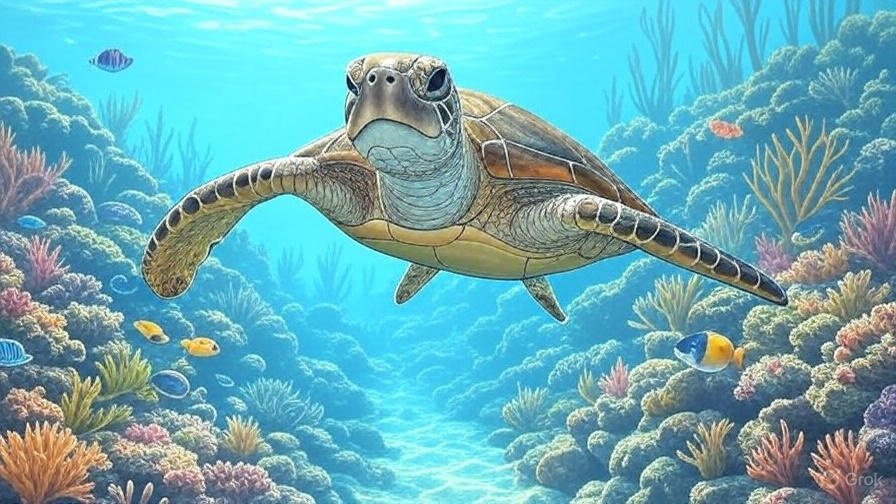
Apoi a venit secolul 21. Videoclipuri virale cu țestoase marine cu paie înfipte în nas a aprins un strigăt global. Dintr-o dată, comoditatea a fost umbrită de o catastrofă ecologică, ceea ce a dus la o puternică mișcare „anti-paie de plastic”. A fost un semnal de trezire visceral, o reamintire clară a interconexiunii acțiunilor noastre și a impactului lor asupra lumii naturale. Imaginea acelei broaște țestoase a devenit un simbol al responsabilității noastre colective.
III. Marea dezbatere de paie: cine crede ce?
A. Proprietarii de restaurante: echilibrarea verde cu verde (bani!)
Avantajele:
Sunt dornici să renunțe la plastic pentru a-și spori „credința ecologică”, să atragă clienții conștienți de mediu (bună ziua, Generația Z și Millennials!) și să respecte acele interdicții plictisitoare din plastic. Unii chiar găsesc anumite alternative precum sticla sau agavă paiele adaugă o notă premium. În plus, pe termen lung, le-ar putea economisi bani pentru gestionarea deșeurilor și evitarea amenzilor.
Wicketul lipicios (sau înmuiat):
Dar nu totul este soare și curcubeu durabil. Costul poate fi mult mai mare (paiele de hârtie pot fi de 10 ori mai scumpe!). Există probleme de performanță (temutul paie de hârtie udă este o adevărată plângere). Eliminarea corectă este un coșmar (aveți la îndemână o instalație de compostare industrială?). Și nu uitați de durerea de cap logistică de a păstra paiele de plastic la îndemână pentru clienții cu dizabilități. Proprietarii de restaurante se trezesc să navigheze într-un peisaj complex de considerații etice, constrângeri financiare și provocări logistice. Găsirea echilibrului potrivit este crucială atât pentru afacerea lor, cât și pentru mediu.

B. Enigma clientului: Sorbiți în siguranță sau surpriză înmuiată?
Sorbitura ideală:
For consumers, it’s simple: we want a straw that doesn’t taste weird, holds its shape, is easy to clean (for reusables), and can come with us on the go. It’s a fair expectation, isn’t it? A simple pleasure, untainted by concerns about environmental impact or potential health risks.
The “Forever Chemical” Fiasco:
Here’s the kicker – recent studies found “forever chemicals (PFAS)” in many supposedly “eco-friendly” straws, especially paper and bamboo! This is a huge concern for health and the environment, undermining their “toxin-free” claim. This revelation casts a shadow of doubt on the entire movement, forcing us to question the validity of “eco-friendly” labeling and the effectiveness of current regulations. How can we trust the alternatives when they might be just as harmful?
Straw Material Showdown (The Good, The Bad, The Meh):
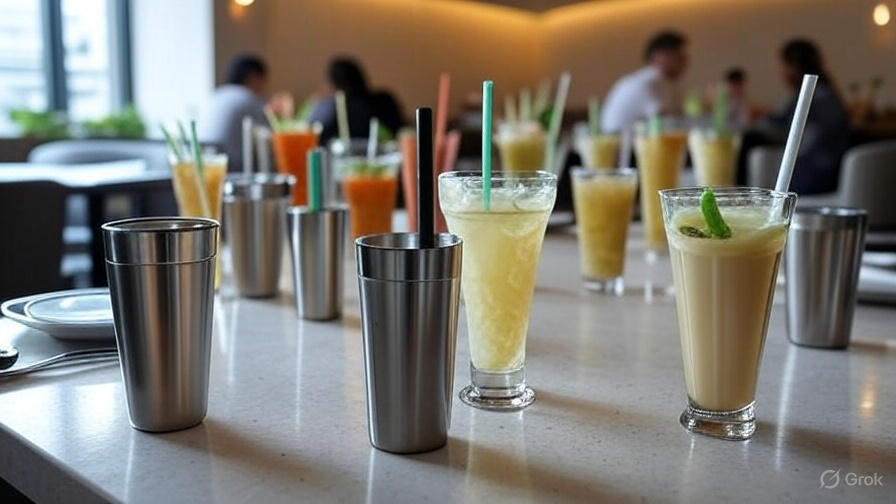
- Oţel inoxidabil: The MVP for chemical safety (PFAS-free!), super durable, and reusable. But watch out for metallic taste and rigid edges!
- Sticlă: Chic, transparent (so you can see if it’s clean!), non-toxic. But, oops, it broke! (And some even have PFAS!).
- Silicon: Soft, flexible, kid-friendly, and generally safe. Great for sensitive teeth.
- Hârtie: The original eco-darling, but often a soggy disappointment – and frequently loaded with PFAS.
- The New Kids on the Block: Innovations like cornstarch, PHA, rice, sugarcane, agavă, and even edible straws are stepping up, promising better performance, taste, and true biodegradability. Each material presents its own set of trade-offs, forcing consumers to weigh their priorities: safety, durability, environmental impact, and sensory experience. The ideal straw remains elusive, a testament to the complexity of material science and consumer preferences.
Hidden Allergens:
A quick heads-up: some eco-straws can hide allergens like latex, gluten, or soy. Always check! This is a crucial reminder that “eco-friendly” doesn’t necessarily equate to “allergy-friendly.” Transparency and clear labeling are essential to protect vulnerable individuals.
C. Environmental Advocates: Beyond the Ban
The War on Plastic:
Environmental groups were the driving force behind plastic straw bans, highlighting the massive pollution, microplastic spread, and devastating harm to marine life. Their efforts have raised awareness and sparked a global conversation about our relationship with plastic.
The PFAS Problem:
Now, they’re on a new mission: calling out the PFAS contamination in “eco-friendly” alternatives. They argue that “greenwashing” is just as bad as outright pollution. This shift in focus highlights the importance of continuous scrutiny and a refusal to accept superficial solutions.
The Composting Conundrum:
Many “compostable” straws need specialized industrial facilities to break down. If they end up in landfills or regular recycling, their eco-benefits are lost. This exposes a critical flaw in the system: the lack of adequate infrastructure to support the proper disposal of “compostable” products.
Their Broader Message:
It’s not just about straws; it’s about a fundamental shift in how we consume and dispose of all single-use plastics. Refuse, reduce, reuse! The straw debate serves as a microcosm of a much larger issue: the need for systemic change in our production and consumption patterns.
IV. The Straw-mageddon of Controversies & Challenges
A. The “Toxin-Free” Deception:
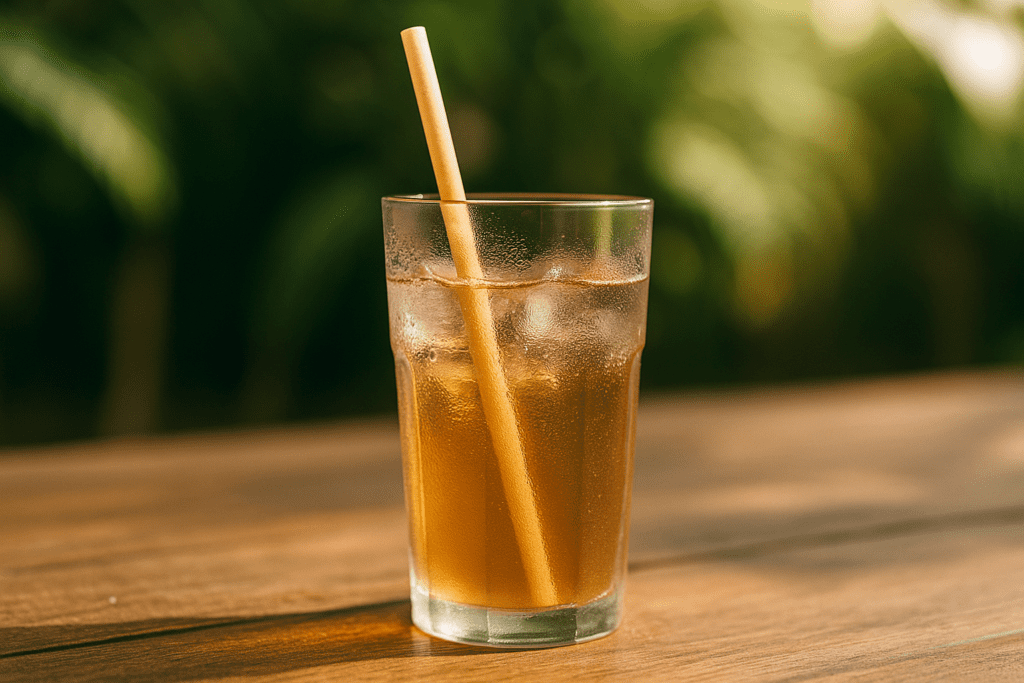
The biggest controversy is the irony of finding harmful PFAS in “eco-friendly” paper and bamboo straws, making consumers and environmental groups question their true benefit. This betrayal of trust undermines the credibility of the entire sustainability movement.
B. The Disposal Dilemma:
Most “compostable” straws are only truly compostable in industrial facilities, which are scarce. This means many still end up in landfills, where they don’t break down properly, nullifying their purpose. This highlights the disconnect between intention and reality, the gap between “compostable” labeling and actual composting infrastructure.
C. Performance Anxiety:
Remember that soggy paper straw in your milkshake? Or the metallic taste from steel? Or agavă straws that splinter? Eco-friendly alternatives often struggle to match plastic’s convenient durability. Consumer acceptance hinges on performance, and if alternatives fail to deliver a satisfactory experience, adoption will be limited.
D. The Price Tag:
Sustainable options are often significantly more expensive for restaurants, impacting their bottom line and sometimes leading to resistance. The economic barrier to sustainability is a significant challenge, requiring innovative solutions and government incentives to level the playing field.
E. Hygiene Hurdles for Reusables:
For busy restaurants, thoroughly cleaning the inside of hundreds of reusable straws to health standards is a logistical and labor-intensive nightmare. Hygiene is paramount, and ensuring the safety of reusable straws requires significant investment in equipment, training, and monitoring.
F. Accessibility and Inclusivity:
Plastic straw bans often include clauses requiring restaurants to provide them upon request for those who need them due to medical conditions or disabilities, adding a layer of complexity. Accessibility must be a central consideration in any sustainability initiative, ensuring that the needs of all individuals are met.
V. Sipping into the Future: Innovations and Regulations Ahead
A. The Next Generation of Straws:
PHA:
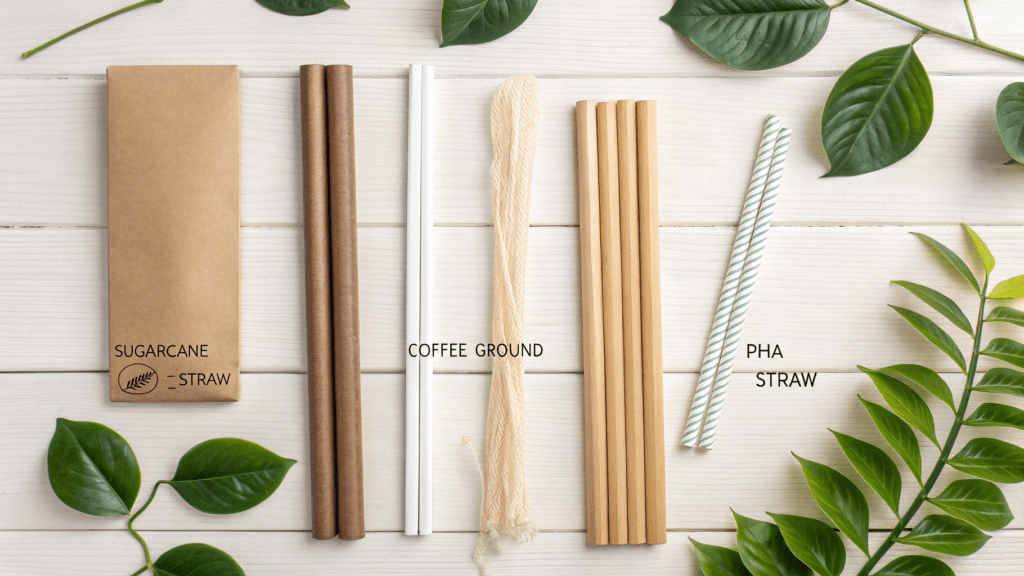
This bio-based polymer is touted as the future! It mimics plastic’s feel and durability but breaks down in any environment – industrial compost, home compost, even marine environments. Game-changer!
Edible Straws:
Imagine finishing your drink and then eating your straw! These innovative, flavored straws are zero-waste and surprisingly durable.
Smarter Paper Straws:
Manufacturers are learning from past mistakes, developing sturdier, less-soggy versions, and phasing out PFAS.
New Plant-Based Wonders:
Expect to see more straws made from agricultural waste like coffee grounds, banana fibers, and other inventive plant sources, turning trash into treasure. These innovations offer a glimmer of hope, a promise of a future where sustainability and convenience can coexist.
B. Restaurants Go Beyond Straws:
On-site Water Systems:
Many establishments are installing systems to filter and bottle their own water, ditching plastic bottles entirely.
Water Conservation:
The hospitality industry is a huge water user, so expect more technologies and regulations pushing for smarter water use.
Extended Producer Responsibility (EPR):
Get ready for manufacturers to be held accountable for their packaging’s entire lifecycle, pushing for more sustainable designs from the start. This broader approach to sustainability recognizes that straws are just one piece of a much larger puzzle.
C. The Regulatory Tsunami:
Global Bans:
The EU already banned single-use plastic straws, and more countries and cities worldwide are following suit with stricter bans and restrictions.
US State-Level Action:
States like California are leading the charge, requiring packaging to be recyclable or compostable and making straws “request-only.” More states are banning polystyrene foam and other single-use plastic items.
Push for Reusable Options:
Regulations will increasingly mandate that restaurants offer reusable packaging solutions. Government intervention is playing an increasingly important role in driving the transition to a more sustainable future.
VI. Conclusion: Cheers to a Cleaner Future (One Sip at a Time!)
A. Recapitulare:
The journey from ancient golden tubes to modern-day “forever chemical” concerns has been wild. But the collective drive for healthier, greener sips is undeniable.
B. The Imperative:
This isn’t just a trend; it’s a vital shift. Restaurants, consumers, and policymakers are all playing a crucial role in creating a more sustainable future.
C. A Call to Action:
As a diner, support restaurants embracing sustainable choices. As a consumer, demand transparency about straw materials and choose wisely.
D. Final Thought:
The future of drinking is less about what you sip with, and more about protecting the planet we all share. Here’s to making every sip count! It’s a call for conscious consumption, for mindful choices that reflect our commitment to a healthier planet. The humble straw, once a symbol of convenience, now represents a challenge and an opportunity: to sip responsibly and build a more sustainable future, one gulp at a time.