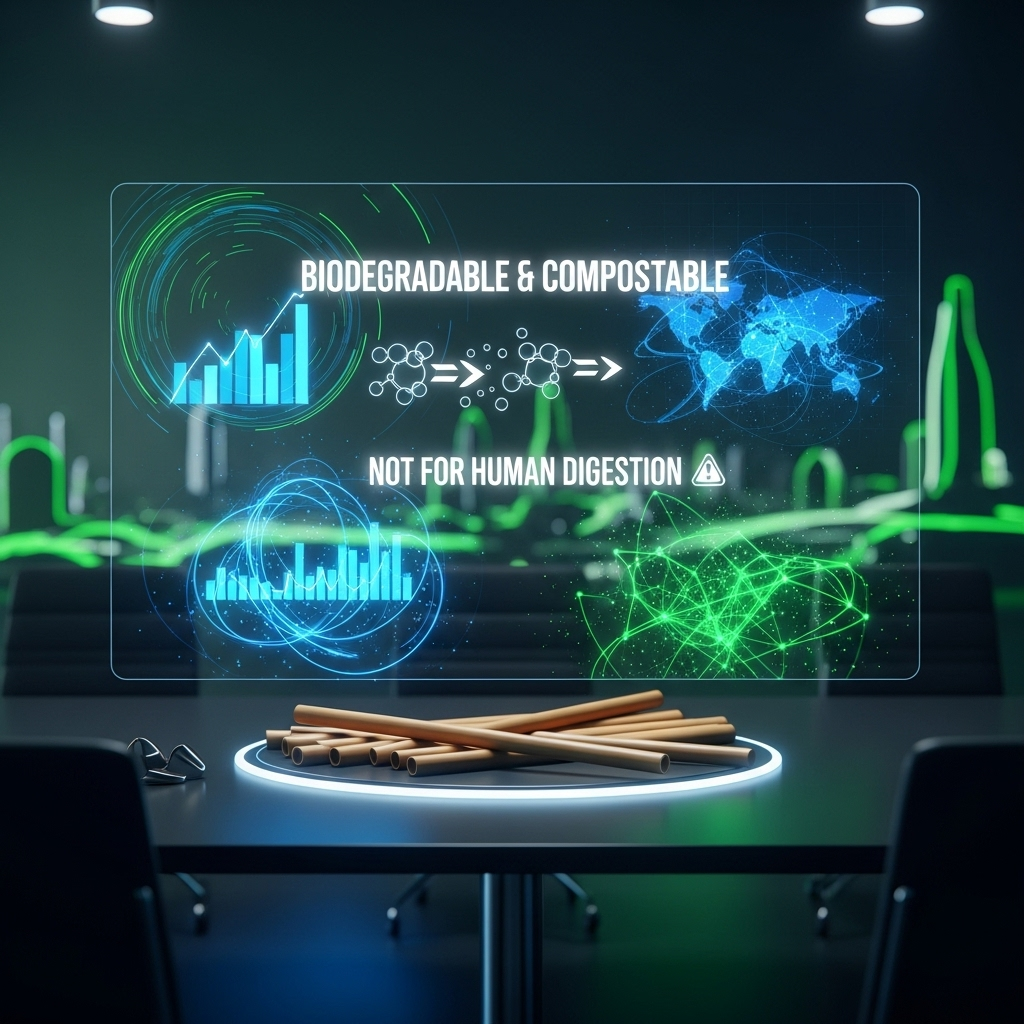
Det moderna affärslandskapet, särskilt inom hotell-, detaljhandels- och matservicesektorerna, står inför ett obestridligt krav: hållbarhet. Konsumenter granskar alltmer företagens miljöåtaganden, medan tillsynsorgan över hela världen inför stränga mandat för att stävja plastavfall. I denna föränderliga miljö är strävan efter miljövänliga alternativ av största vikt, och bambu sugrör har dykt upp som en föregångare. Men mitt i surrandet uppstår ofta en grundläggande fråga, ibland med en antydan till missförstånd: Är bambu sugrör verkligen smältbara?
Det direkta svaret är tydligt: Även om bambustrån är 100 % biologiskt nedbrytbara och komposterbara, tillverkade av naturliga bambustjälkar, är de inte avsedda för mänsklig matsmältning eller konsumtion. De är designade för att dricka, inte äta. För inköpschefer, verksamhetschefer, hållbarhetsansvariga och chefer för leveranskedjan är det avgörande att förstå denna distinktion. Desinformation kan leda till operativa felsteg, förvirrad kundkommunikation och i slutändan en äventyrad varumärkesimage. Att ta till sig hållbara lösningar med exakt kunskap säkerställer operativ integritet, möter den stigande vågen av miljömedvetna konsumentförväntningar och minskar de kommersiella och ryktemässiga riskerna med en plasttung leveranskedja.
Beyond the Buzz: Understanding Bamboo Straws in a Commercial Context
The global movement away from single-use plastics has gained unprecedented momentum. From the bustling streets of New York to the regulatory halls of Brussels, the pressure to reduce plastic pollution is intense. The European Union, for instance, has implemented wide-ranging bans on single-use plastic products, including straws, effective since July 2021, compelling businesses to seek viable alternatives. In the United States, numerous states and cities have followed suit, with varying degrees of restrictions on plastic straws, creating a complex but urgent compliance landscape for businesses. This accelerating regulatory environment, combined with a heightened public awareness stemming from viral images of plastic’s impact on marine life, has made the adoption of sustainable alternatives not just an ethical choice, but a strategic necessity.
Bamboo stands out in this shift due to its unique environmental profile. As a material, it boasts remarkable natural composition, crafted directly from the stalks of bamboo plants without the need for harmful chemicals or pesticides often found in plastic production. Its inherent properties make it a truly biodegradable and compostable option. Unlike traditional plastics that can take centuries to degrade, bamboo straws can disintegrate naturally within months to a few years—typically 6 months to 2 years—depending on factors like thickness and environmental conditions, effectively returning to the earth without leaving toxic residues. This rapid decomposition in natural environments or commercial composting facilities directly addresses the urgent need to divert waste from landfills and oceans. Furthermore, bamboo is a fast-growing, highly renewable resource, maturing in just 3-5 years and requiring minimal water, pesticides, or fertilizers, contributing to a significantly lower carbon footprint compared to petrochemical-derived plastics. The plant itself is a carbon sink, absorbing carbon dioxide and releasing oxygen, making its cultivation inherently beneficial.
Det är viktigt att upprepa den kritiska distinktionen: medan bambu är organisk och helt bryts ner i naturen, är det uttryckligen inte en livsmedelsprodukt. Den ska endast användas som ett dricksredskap. Denna tydlighet är väsentlig för kundutbildning och operativa riktlinjer.
Historien om att dricka sugrör i sig är omfattande och går tillbaka över 5 000 år till forntida sumerer som använde metallrör för att dricka öl. I det forntida Kina spelade bambu en betydande roll i tekulturen och användes för att dricka vin så långt tillbaka som under norra Wei-dynastin (300-500 e.Kr.), vilket värdesatte dess naturliga charm och koppling till naturen. Det moderna plasthalmen, en produkt av bekvämlighet från mitten av 1900-talet, blev allestädes närvarande men till en allvarlig miljökostnad. Den senaste tidens återkomst av bambustrån representerar en återgång till dessa gamla, hållbara metoder, drivna av ett globalt engagemang för miljövård. Företag som anammar denna förändring adopterar inte bara en produkt; de deltar i en historisk cykel av medveten konsumtion och innovation.

Strategiskt antagande: Maximera värdet av bambustrån i kommersiella miljöer
För B2B-företag sträcker sig affärsplanen för att anta bambuhalmstrån långt utöver enbart efterlevnad. Det är ett strategiskt drag för att förbättra varumärkets rykte, direkt i linje med målen för företagens sociala ansvar (CSR) och tilltala det snabbt växande segmentet av miljömedvetna kunder. Konsumentundersökningar visar genomgående höga nöjdhetsgrader för hållbara produkter; över 90 % av de tillfrågade i dryckesbutiker har uttryckt sitt godkännande för sugrör av bambu, vilket visar en tydlig efterfrågan på marknaden som kan leda till ökad lojalitet och återkommande affärer.
Ur en operativ synvinkel erbjuder högkvalitativa bambu sugrör praktiska fördelar. Även om de kräver ordentlig vård, är de designade för återanvändning och kan hålla i månader eller till och med år i kommersiella miljöer. Deras naturliga antimikrobiella egenskaper, som tillskrivs det unika biomedlet "bamboo kun", hjälper till att avskräcka bakterier och bidrar till säkrare användning. Dessutom är bambu sugrör i allmänhet smakneutrala, vilket säkerställer att endast dryckens smak upplevs, vilket är en avgörande faktor för kundnöjdhet. Deras mångsidighet gör att de är lämpliga för ett brett utbud av varma och kalla drycker, vilket gör dem till ett praktiskt val i olika matserveringsmiljöer, från kaféer till restauranger och hotell.
Choosing the right sustainable straw alternative for your business requires a detailed comparison. Each material presents unique advantages and disadvantages in a B2B context.

Making the Right Choice: A B2B Comparison of Sustainable Straw Alternatives
| Särdrag | B2B-effekt | Efterlevnadsrisk | ROI -potential |
|---|---|---|---|
| Bambu sugrör | Fördelar:High consumer appeal, natural aesthetic, antimicrobial properties, versatility.Nackdelar:Requires diligent cleaning, potential for ‘woody’ taste (rare). | Low for single-use plastic bans; check for PFAS concerns (source from certified suppliers). | Medium-High (initial cost offset by reusability and brand value; lower waste disposal costs). |
| Plast sugrör | Fördelar:Low upfront cost, flexible.Nackdelar:Severe negative brand image, high consumer aversion. | Very High (subject to widespread bans and escalating fines in US & EU). | Negative (rising disposal costs, brand damage, potential regulatory penalties). |
| Pappersstrån | Fördelar:Single-use convenience, biodegradable.Nackdelar:Prone to softening, can alter taste, potential PFAS contamination. | Low for plastic bans; emerging concerns about PFAS in some brands. | Medium-Low (frequent replacement due to degradation, potential for customer dissatisfaction). |
| Metall sugrör | Fördelar:Highly durable, reusable, sleek aesthetic.Nackdelar:Can conduct heat/cold, potential safety hazard (rigid), requires specialized cleaning, metallic taste. | Low (reusable, no plastic). | High (long-term durability, but higher upfront cost and cleaning labor). |
| Glas sugrör | Fördelar:Reusable, transparent, elegant aesthetic.Nackdelar:Fragile, potential safety hazard (breakage), requires careful cleaning. | Low (reusable, no plastic). | Medium (higher upfront cost, but good reusability; risk of breakage increases replacement costs). |
| Silikon sugrör | Fördelar:Flexible, durable, reusable, child-safe.Nackdelar:Can retain odors/flavors if not cleaned well, less rigid (not ideal for all drinks). | Low (reusable, no plastic). | High (very durable and reusable, lower replacement rates than other alternatives). |
When considering options like sugarcane straws, it’s beneficial to compare their specific benefits and drawbacks against bamboo. You can learn more about how different sustainable options stack up for hospitality businesses by visiting our detailed comparison onSugarcane vs. Bamboo Straws: Sustainable Hospitality.
Navigating the Nuances: Addressing B2B Concerns and Best Practices
Despite their advantages, bamboo straws come with specific considerations for commercial use.Hygiene and maintenanceare paramount. Due to bamboo’s porous nature, meticulous cleaning is required to prevent mold and bacteria buildup. This often necessitates specialized cleaning brushes, which should be provided with bulk straw purchases, and rigorous air-drying protocols. Staff training on proper washing and drying techniques is essential to maintain high hygiene standards, as bamboo straws are generally not dishwasher safe. Over-soaking should also be avoided as it can lead to cracking.
Durability and lifespanin high-turnover environments also require realistic expectations. While reusable, bamboo straws may have a shorter commercial lifespan compared to metal or glass—typically several months to a year, depending on frequency of use and care. Businesses should factor this into their procurement and replacement strategies.
Another point isuser experience challenges. Natural variations in bamboo stalk diameter can occur, and some users might perceive a subtle “woody” taste, especially with delicate beverages. However, this is generally minimal and often outweighed by the environmental benefits.
A critical concern demanding attention is the potentialpresence of “forever chemicals” (PFAS). A 2023 study found PFAS in a significant percentage of tested bamboo straw brands, chemicals linked to various health problems and environmental persistence. For businesses, this underscores the absolute importance of choosing certified suppliers who can guarantee PFAS-free products and adhere to ethical, transparent sourcing practices. Companies must demand proof of third-party testing and sustainable cultivation to mitigate this risk. Research on this topic is ongoing and vital for informed procurement decisions. For more detailed insights into the latest research regarding product safety, see reports published by institutions like the University of British Columbia. (Source:ubc.ca)
Finally, understandingdisposal solutionsis key. While bamboo straws are biodegradable and compostable, their breakdown efficiency can vary between home and industrial composting facilities. Businesses should investigate local composting infrastructure and educate customers on proper disposal methods to ensure the straws complete their intended lifecycle. For a deeper understanding of how these eco-friendly alternatives truly break down, explore resources onBryts bambustrån ner? B2B hållbarhet.

The Future Landscape: Industry Insights and Market Opportunities
The bamboo straw industry is not just growing; it’s undergoing significant innovation, positioning itself as a cornerstone of future sustainable commerce. The global bamboo straw market, valued at approximately USD 175 million in 2023, is projected to reach around USD 490 million by 2032, exhibiting a robust compound annual growth rate (CAGR) of about 12%. Other forecasts are even more optimistic, predicting the market could soar to USD 7.7 billion by 2034. This dramatic expansion highlights a substantial investment opportunity for businesses looking to lead in the green economy.
The key market drivers for businesses remain consistent and are intensifying: accelerating government bans on single-use plastics, surging consumer awareness and demand for eco-friendly products, and increasingly pervasive corporate sustainability commitments. These forces create a powerful impetus for market adoption and innovation.
Innovations are actively addressing previous limitations, driving significant product improvement. Researchers are developing advanced manufacturing processes, such as winding ultra-thin bamboo slices, which result in straws with enhanced tensile strength, exceptional flexibility, and superior resistance to repeated torsion—outperforming many paper and PLA straws. These new methods also lead to improved wetting stability, meaning the straws maintain their structural integrity longer in beverages and absorb less water. There’s also innovation around embedding seed paper within straws, allowing them to be planted after use, further closing the loop on waste. Automation in production is enhancing efficiency and consistency, and these advancements are expected to drive down the cost of bamboo straws, making them even more competitive.
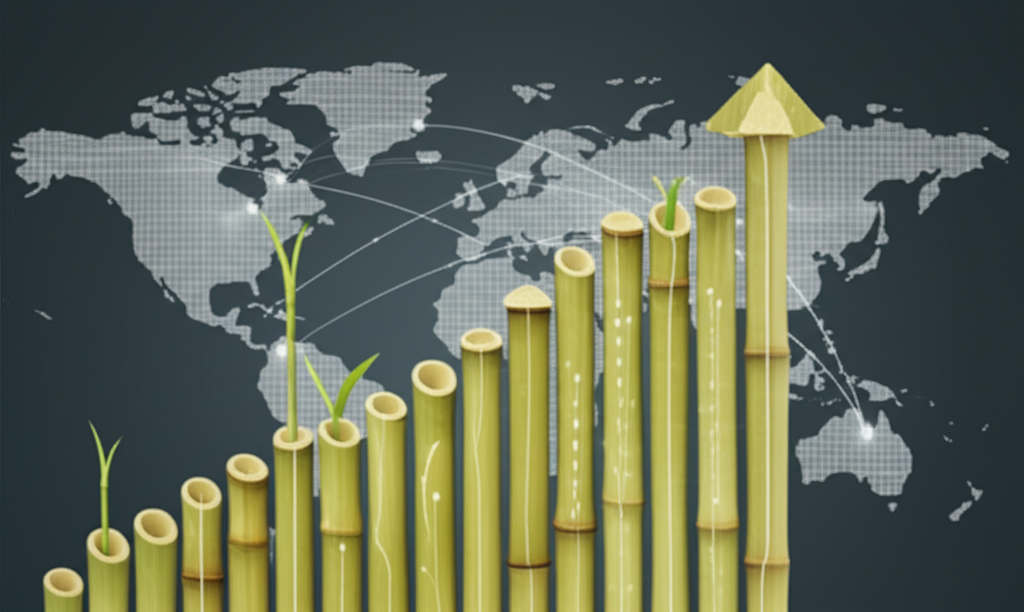
Regional market dynamicsshow clear growth hotspots. Asia Pacific remains a leader in both production and consumption, benefiting from abundant bamboo resources and a long-standing cultural affinity for bamboo products. North America, particularly the U.S. and Canada, is experiencing significant growth driven by rising environmental awareness and stringent regulations. Europe is also a strong and steadily expanding market, propelled by the EU’s proactive stance on plastic waste and a deeply ingrained cultural emphasis on sustainability, with Germany, the UK, and France leading the charge.
For businesses, strategic opportunities abound. Leveraging eco-tourism partnerships can expand market reach and enhance brand visibility within the sustainable travel sector. Expanding distribution channels, particularly through online retail which held 38% of the market share in 2024, can unlock new customer segments. Furthermore, diversifying product offerings—such as customized designs, printed straws, or varied diameters for different beverages—can cater to specific market niches. Continued investment in research and development, similar to the advancements in ultra-thin slice winding, will be key for future leadership in this category. For a deeper dive into the market dynamics and future of sustainable solutions, you can consult research fromeurekalert.organd other reputable scientific news aggregators that frequently cover material science innovations.
Prominent industry players like Bambaw, StrawFree, and Jungle Straws are at the forefront of this evolution, focusing on innovation and sustainability to meet the burgeoning global demand. Understanding their strategies and product lines can provide valuable insights for businesses seeking reliable and forward-thinking suppliers.
Empowering Sustainable Choices: Your Next Steps
The shift to sustainable operations is no longer optional; it’s a strategic imperative. To effectively integrate bamboo straws into your business and maximize their value, consider these actionable steps:
- Evaluate Your Current Procurement Strategy: Conduct a comprehensive audit of the environmental and operational costs associated with your existing straw solutions, including purchase price, disposal fees, and brand perception.
- Partner with Trusted Suppliers: Seek out manufacturers and distributors with verifiable certifications for ethical sourcing, sustainable production, and guaranteed PFAS-free products. Demand transparency in their supply chain.
- Pilot Programs and Feedback Integration: Implement bamboo straws in a controlled, smaller-scale environment initially. Gather feedback from both staff and customers to refine usage protocols and address any unforeseen challenges before a full-scale rollout.
- Utbilda din personal och dina kunder: Provide clear, concise instructions on the proper use, cleaning, and disposal of bamboo straws. This maximizes their lifespan, ensures hygiene, and reinforces your brand’s commitment to sustainability. Remember the crucial message: they are biodegradable but not for consumption.
- Join the Movement: By proactively adopting sustainable solutions like bamboo straws, you position your business at the forefront of the green economy, not only meeting but exceeding market demand and contributing meaningfully to a healthier planet. This move can significantly uplift your brand value, mitigate environmental and regulatory risks, and capture a growing market share in a fiercely competitive landscape.
Conclusion: A Sustainable Stake in Tomorrow’s Market
The discussion around “Are bamboo straws digestible?” serves as a powerful entry point into a broader conversation about sustainable procurement for businesses. While the answer is a definitive “no, they are not for consumption,” the true takeaway is the profound environmental benefit and commercial opportunity they represent. Bamboo straws are a highly sustainable, biodegradable, and renewable alternative to plastic, offering a tangible way for businesses to reduce their environmental footprint.
By understanding their unique properties, navigating the practical considerations of hygiene and durability in commercial settings, and staying informed about market innovations and ethical sourcing, businesses can strategically adopt bamboo straws. This proactive approach balances environmental responsibility with operational efficiency and customer satisfaction, securing a sustainable stake in tomorrow’s market and reinforcing your commitment to a greener future.
Bambu sugrör — Vanliga frågor
på grund av deras porösa natur, som kan hysa bakterier och mögel om de inte rengörs och torkas noggrant.
Nyligen genomförda studier belyser också potentialen för PFAS-kontamination i vissa märken, vilket ökar hälsan och
efterlevnadsproblem för företag.
Även om koncentrationerna kan vara låga för tillfällig användning, väcker detta allvarliga farhågor för företag
om långsiktig kundhälsa, varumärkesrykte och potentiella regulatoriska skyldigheter.
Verifierbara certifieringar och transparent inköp är avgörande.
specialborste och varmt tvålvatten, och grundlig lufttorkning i ett välventilerat utrymme för att förhindra mögel.
Regelbunden kokning för sterilisering rekommenderas också. Detta intensiva underhåll kan vara utmanande för
upptagen kommersiell verksamhet och kan leda till högre arbetskostnader och potentiella hygienförluster.
hög hållbarhet, återanvändbarhet och enkel rengöring utan PFAS-risk, idealisk för middagar.
För engångsbehov, avancerade papperssugrör med vattentåliga beläggningar eller innovativa växtbaserade alternativ
som PHA eller cellulosaacetat kan ge bättre prestanda än traditionellt papper, men verifiera alltid
påståenden om biologisk nedbrytbarhet och potentiell närvaro av PFAS. Silikonstrån är också bra för flexibilitet och återanvändbarhet.
hållbara sugrör i metall eller glas. Även om deras initiala produktionskostnad kan vara låg, behovet av frekvent
utbyte på grund av slitage, sprickor eller hygienproblem kan motverka långsiktiga kostnadsbesparingar jämfört med
mer robusta återanvändbara alternativ som håller i år. Företag måste väga förskottskostnad mot ersättning
frekvens och underhållsinsatser.