Som inköpschefer, verksamhetschefer, hållbarhetsansvariga och chefer för leveranskedjan navigerar du i ett komplext landskap där miljömandat korsar kundnöjdhet och operativ effektivitet. Den globala strävan efter hållbarhet har förändrat förväntningarna, med uppskattningsvis 70 % av konsumenterna globalt som är villiga att betala mer för hållbara varumärken. Ändå kommer övergången till miljövänliga engångsartiklar ofta med oförutsedda utmaningar, särskilt i miljöer med stora volymer som matservice och gästfrihet.
Dilemmat med pappersstrån fungerar som en skarp påminnelse om lösningar som misslyckas. Designade som en snabb lösning för förbud mot engångsplast, gör dessa alternativ ofta besvikelser, ger snabbt efter för vätska, ger en obehaglig smak och genererar en kaskad av kundklagomål. Utöver det omedelbara missnöjet, leder detta till dolda kostnader: ökade ersättningsgrader, skadad varumärkesuppfattning och bortkastad ansträngning för att hitta "hållbara" alternativ som inte fungerar.
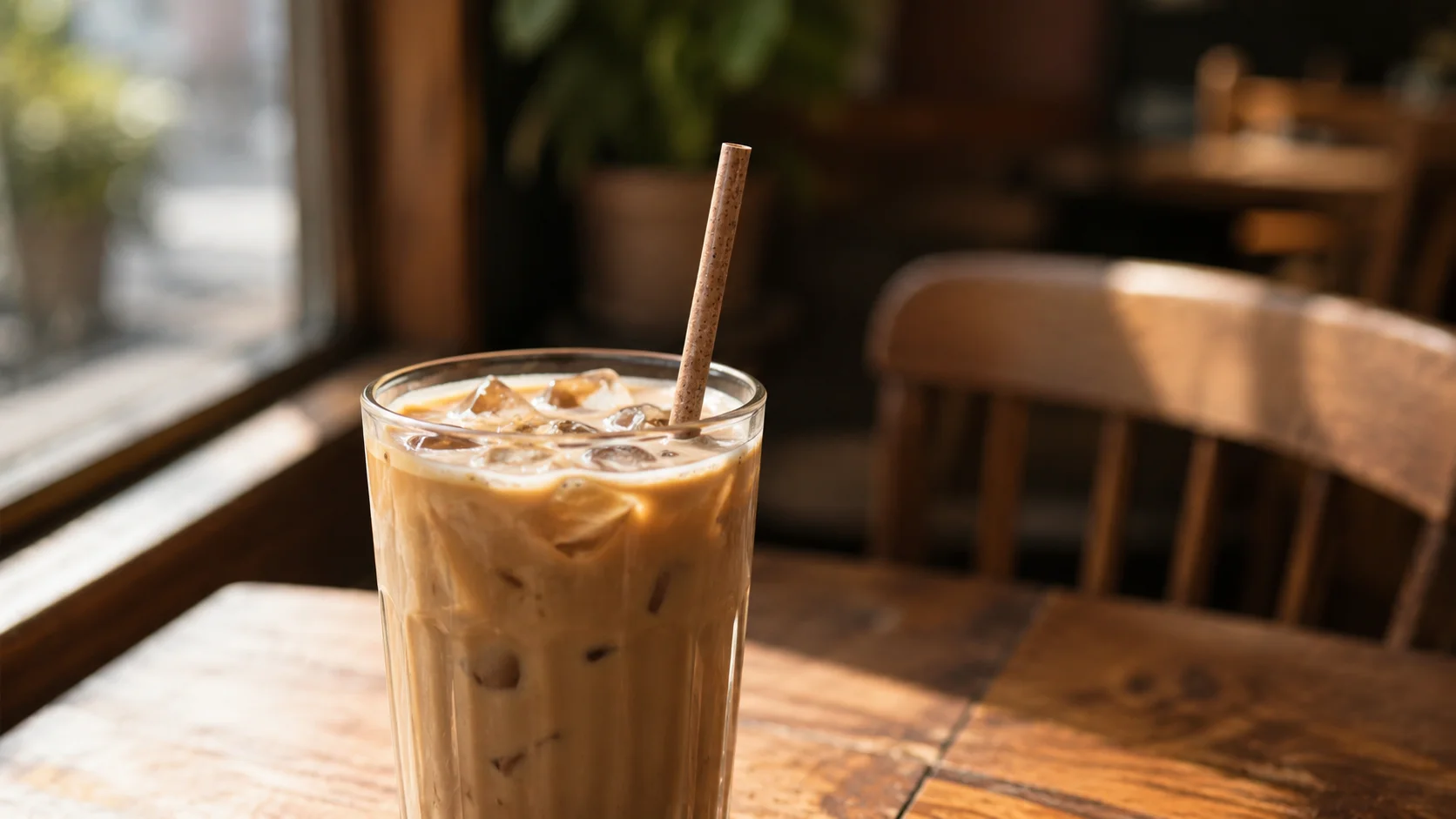
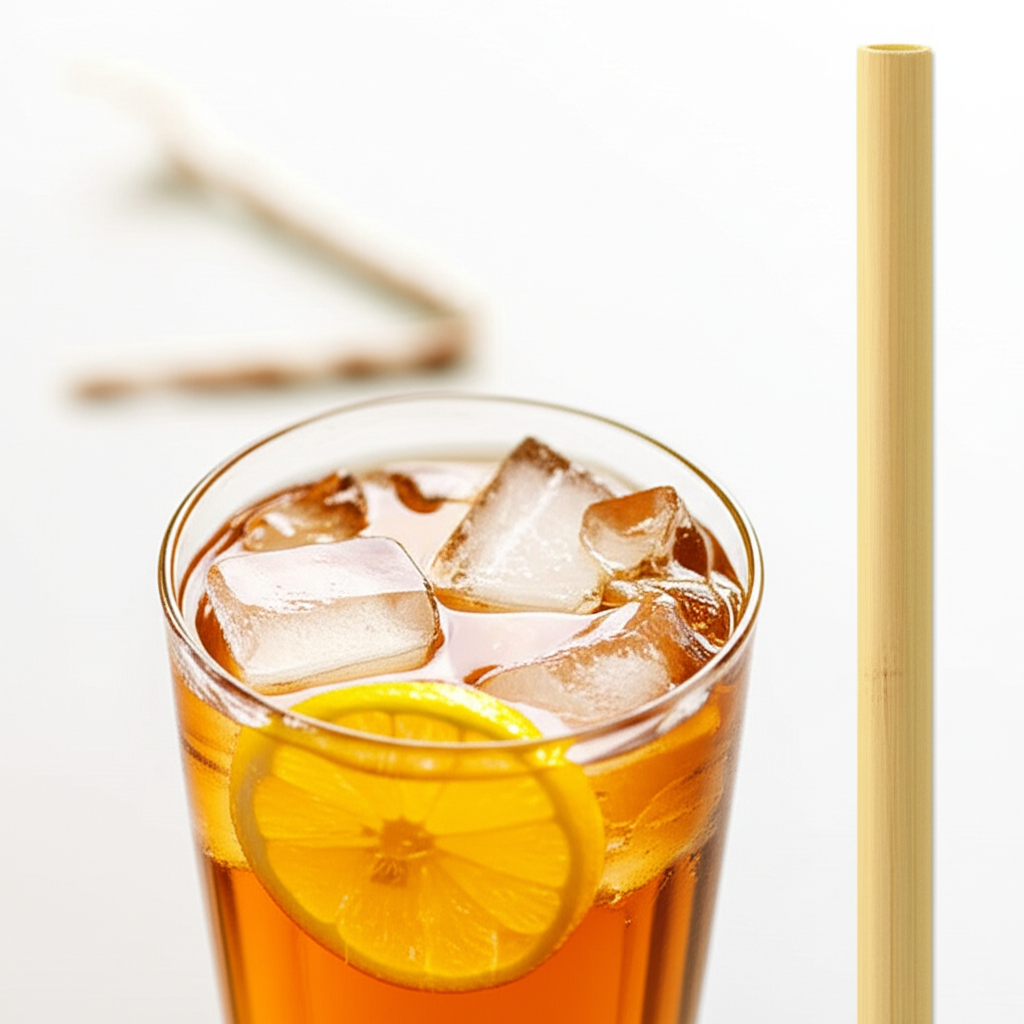
Föreställ dig en lösning som inte bara möter dina hållbarhetsmål utan också höjer kundupplevelsen, orkar genom en måltid eller dryck utan kompromisser. Det är här högkvalitativa bambu sugrör framstår som en lovande kandidat, och erbjuder ett hållbart, naturligt alternativ till det genomgripande problemet med tunna engångsartiklar. För företag som strävar efter att balansera ekologiskt ansvar med operativ excellens uppstår den kritiska frågan: Blir bambuhalmarna verkligen blöta?
Det definitiva svaret är nej, inte på det sätt som traditionella pappersstrån gör. Bambu sugrör, tillverkade av robusta, naturliga fibrer, är konstruerade för att bibehålla sin strukturella integritet under betydligt längre perioder när de utsätts för vätskor. Denna inneboende motståndskraft positionerar dem som ett övertygande val för organisationer som är engagerade i genuint hållbara och högkvalitativa gästupplevelser.

Skiftet bort från engångsplaster är mer än en trend; det är ett regulatoriskt imperativ och en hörnsten i modern varumärkesidentitet över hela USA och Europa. Företag möter ett ökande tryck från omfattande direktiv, såsom EU:s engångsdirektiv för plast och förbud på statlig nivå i hela USA. Att misslyckas med att anta robusta, hållbara alternativ medför inte bara efterlevnadsrisker utan också den påtagliga kostnaden för att urholka kundernas förtroende och lojalitet. Tunga pappersstrån, som ofta blir mosiga eller sönderfaller inom några minuter, påverkar direkt kundnöjdheten och signalerar en koppling mellan ett varumärkes angivna ekovärden och dess faktiska produktkvalitet.
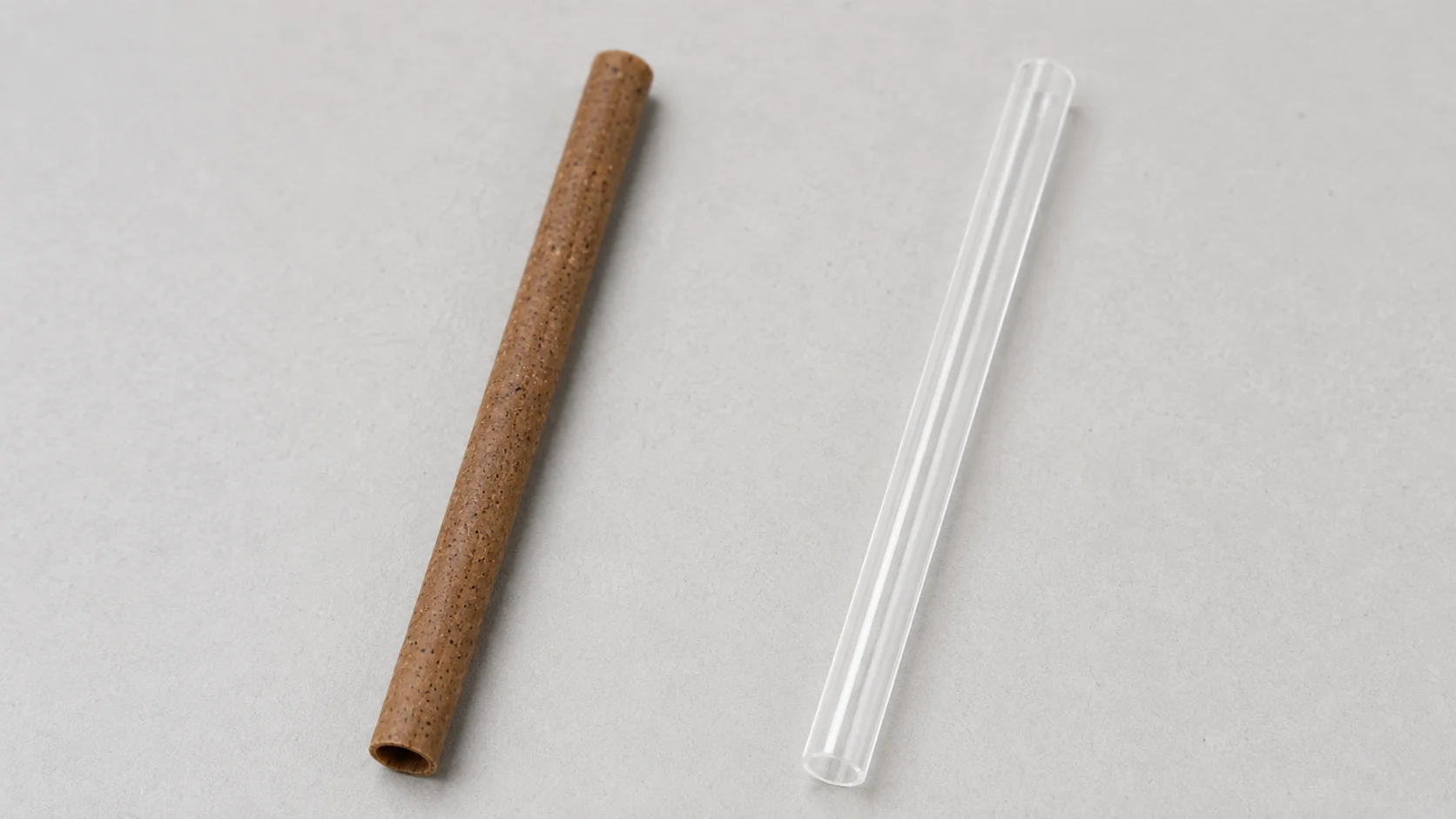
Bambus naturliga sammansättning erbjuder en övertygande motpol till dessa utmaningar. Dess unika fibrösa struktur ger inbyggt motstånd mot vätskeabsorption, vilket gör att den kan behålla sin form och funktion mycket längre än papper. Till skillnad från papper, som förlitar sig på kemiska behandlingar eller tjocka lager för att fördröja oundviklig mättnad, är bambus sega, naturliga fibrer i sig mer vattenbeständiga. Även om bambustrån kan absorbera en del vätska under långa perioder, och subtilt ändra deras struktur, leder detta inte till den snabba sönderdelningen eller mosighet som är karakteristisk för deras pappersmotsvarigheter. Vissa innovativa produkter, som "strån av bambumassapapper", kombinerar till och med fördelarna med bambus motståndskraft med bekvämligheten av papper, designat speciellt för ökad hållbarhet och för att motstå fuktighet.
Vetenskapen bakom bambuns stabilitet ligger i dess täta cellstruktur. Detta gör att den tål temperaturvariationer anmärkningsvärt bra, vilket gör att sugrör av bambu av hög kvalitet passar både varma och kalla drycker. Även om frekvent användning med extremt varma drycker så småningom kan förkorta deras livslängd genom att torka ut bambu och potentiellt orsaka sprickor, överträffar deras allmänna prestanda vida papper. För den kräsna foodservice- och gästfrihetssektorn innebär detta ett pålitligt sugrör som inte äventyrar dryckens integritet eller temperatur. De erbjuder en naturlig estetik som förbättrar presentationen, är återanvändbara med lämplig omsorg och, viktigare, ger inte drycker någon oönskad smak, vilket säkerställer att kunden njuter av sin drink som avsett. För företag som engagerar sig för att deras hållbara val ska vara hållbara är det ytterst viktigt att förstå hur man bäst tar hand om dessa produkter. Vår guide påBryter bambusrör ner B2B-hållbarhet?ger djupare insikter i att maximera livsfördelarna och livsfördelarna med dessa naturliga alternativ.
Strategisk upphandling i dagens landskap kräver en helhetssyn som balanserar initialkostnad med långsiktigt värde, miljöpåverkan och orubblig kundnöjdhet. När man utvärderar hållbara halmalternativ är en detaljerad jämförelse avgörande för B2B-beslutsfattare.
Jämförelse av hållbara halmalternativ: ett B2B-perspektiv
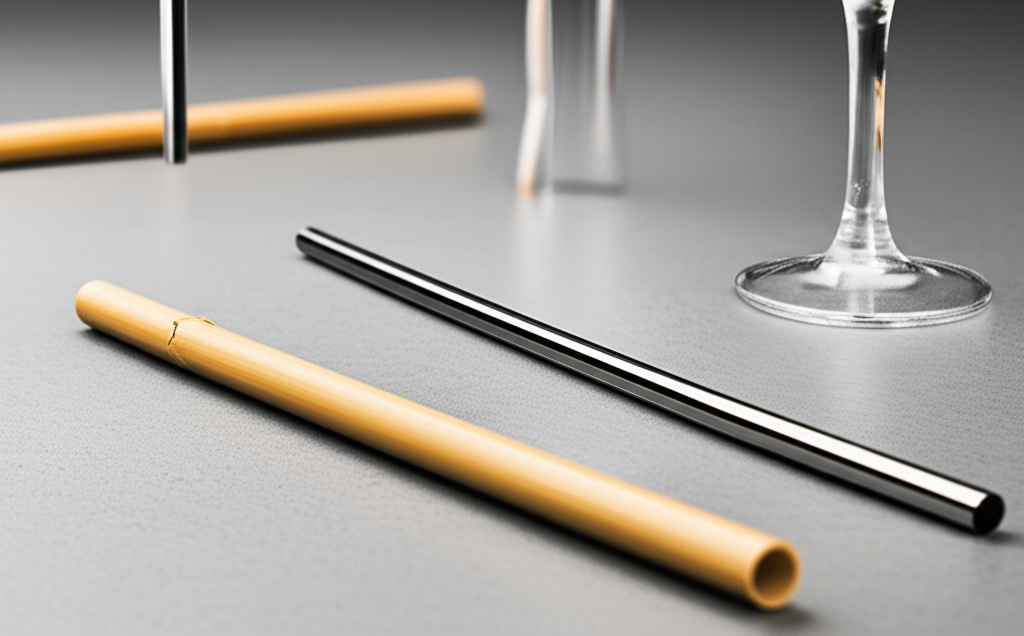
| Särdrag | Bambu sugrör | Pappersstrån | Halmrör i rostfritt stål | Glas sugrör | Silikon sugrör | Ätbara sugrör (t.ex. pasta, sjögräs) |
|---|---|---|---|---|---|---|
| B2B-effekt | Hållbar, återanvändbar, naturlig estetik, ingen smakförändring, naturlig antibakteriell. Förbättrar miljövänlig varumärkesimage. | Engångsbruk, dålig kundupplevelse (blöt, smak), hög ersättningsgrad. Skadar varumärkesuppfattningen. | Mycket hållbar, återanvändbar, snygg, utan smak. Tilltalar premiumsegment. | Elegant, återanvändbar, transparent för rengöring. Premiumkänsla. | Flexibel, säker för barn, återanvändbar. Bra för specifika demografier. | Nyhet, noll avfall. Unikt försäljningsargument för vissa upplevelser. |
| Efterlevnadsrisk | Låg (biologiskt nedbrytbar, komposterbar). Oro angående PFAS i vissa märken kräver noggrann inköp. | Måttlig-Hög (PFAS vanligt, mikroplastavfall från beläggningar). Ofta misslyckas prestandaförväntningar för förbud. | Låg (helt återvinningsbar, ingen PFAS). | Låg (återvinningsbar). Oro angående PFAS i vissa märken. | Låg (återanvändbar, inert). Ej biologiskt nedbrytbar. | Låg (biologiskt nedbrytbar, komposterbar). |
| ROI -potential | Higher initial cost, but reusability drives long-term savings. Improved customer loyalty & brand value. | Låg initial kostnad, men höga dolda kostnader (ersättningar, kundklagomål, skada på ryktet). | Hög initial kostnad, mycket låg ersättningsgrad (lång livslängd). Starkt varumärkesförslag. | Hög initial kostnad, låg ersättningsgrad om den hanteras varsamt. | Måttlig initial kostnad, bra livslängd. | Rörlig initial kostnad (kan vara hög), engångsbruk. Högre nyhetsvärde än direkt ROI. |
| Viktiga överväganden | Proper cleaning & drying essential for reuse. Source PFAS-free. | Benägen att bli fuktig, kan ändra smaken på drycken. Utbredda PFAS-kontaminationsproblem. | Värme/kyla konduktivitetsrisk, risk för skada, inte idealisk för alla demografiska grupper. | Bräcklig, brottrisk. | Mindre premium estetik för vissa märken. | Begränsad hållbarhet, kan förändra dryckens smak, specifika förvaringskrav. |
Företag som utvärderar dessa alternativ måste inte bara ta hänsyn till materialet, utan hela livscykelns konsekvenser. Till exempel, medan sugrör från sockerrör erbjuder ett övertygande biologiskt nedbrytbart alternativ, är det avgörande att förstå deras prestanda, särskilt när det gäller fuktighet. För en djupare dykning i ett annat populärt val, utforskaBlir sugrör för sockerrör?
Branschinsikter: Navigera på den hållbara halmmarknaden
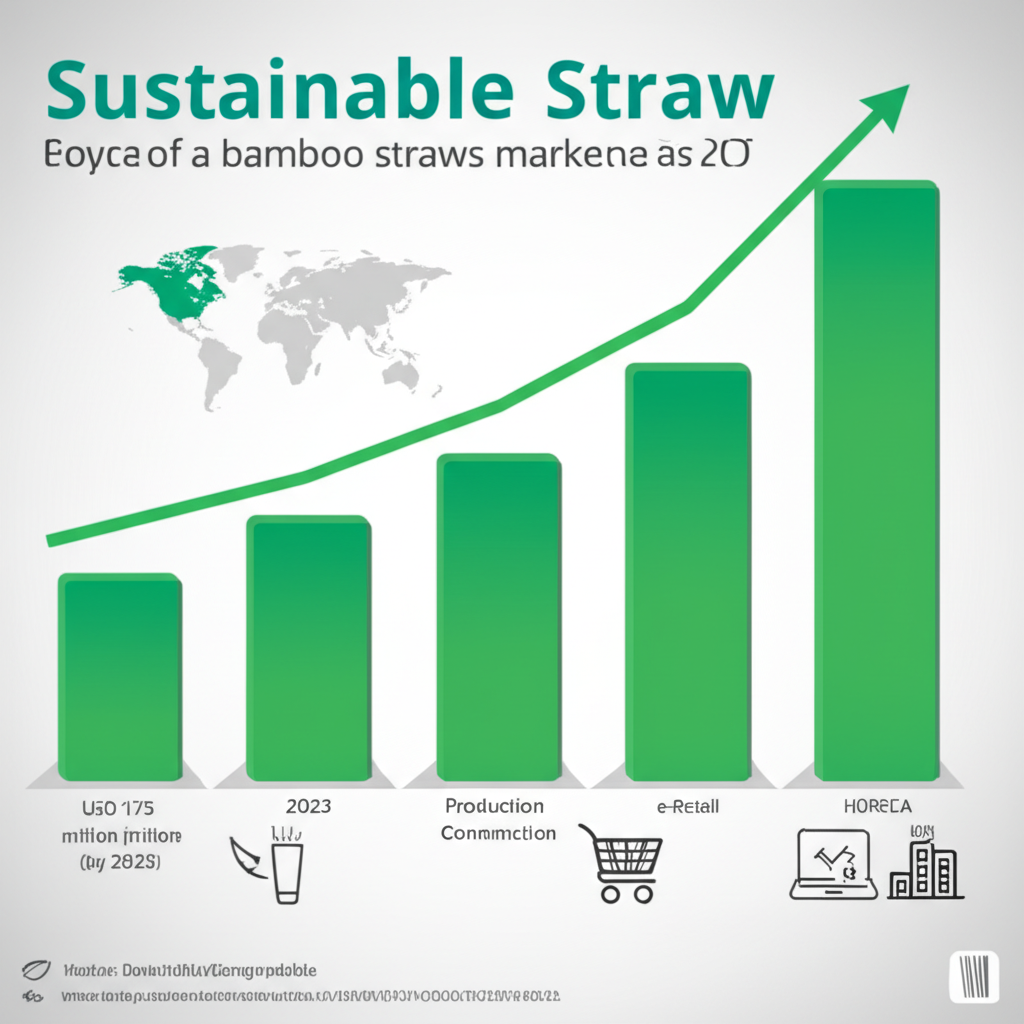
Den globala marknaden för bambuhalm genomgår kraftig expansion, vilket återspeglar ökad miljömedvetenhet och ett akut behov av hållbara lösningar. Värderat till cirka 175 miljoner USD 2023, förutser prognoser en betydande ökning till cirka 490 miljoner USD till 2032, driven av en sammansatt årlig tillväxttakt (CAGR) på mellan 5 % och 12 % under det kommande decenniet. Denna tillväxt drivs främst av striktare statliga regler för engångsplaster i regioner som EU och olika delstater i USA, tillsammans med ökande konsumentefterfrågan på miljövänliga produkter.
Livsmedelsbranschen, som omfattar hotell, restauranger och kaféer (HORECA), står som en primär katalysator, som förväntas stå för betydande 58,6 % av marknaden år 2025. E-detaljhandel har också en betydande andel och innehar 38 % 2024. Regionalt dominerar Asien-Stillahavsområdet både produktion och konsumtion, medan Nordamerika är den snabbast växande marknaden. Denna regionala dynamik understryker vikten av en globalt informerad upphandlingsstrategi. Ytterligare insikter om jämförande hållbarhet för gästfrihet finns i vår analys avSugarcane vs. bambu sugrör för hållbar gästfrihet.
Innovationer och framtidsutsikter:
Den hållbara halmindustrin är långt ifrån stillastående. Tillverkare strävar aktivt efter produktdifferentiering och förbättrad prestanda. Innovationer inkluderar nya linjer av bambu sugrör speciellt designade för varma drycker för att hantera hållbarhetsproblem vid högre temperaturer. Forskning fördjupar sig också i hybridmaterial som kombinerar växtbaserade polymerer med vattenbeständiga beläggningar, och till och med fröinbäddade strån som kan planteras efter användning för att främja ny växttillväxt, vilket signalerar en framtid där engångsartiklar aktivt bidrar till ekologisk förnyelse.
Ta itu med affärsproblem: hygien, livslängd och kvalitetskontroll
Även med sina tydliga fördelar är oro kring hygien, livslängd och kvalitetskontroll giltiga för B2B-applikationer.
- Hygienprotokoll: Bambus porösa natur kräver noggrann rengöring. För återanvändbara bambu sugrör i kommersiella miljöer är snabb rengöring efter varje användning, med dedikerade borstar och tillfällig kokning för grundlig sanering avgörande. Korrekt lufttorkning i ett välventilerat utrymme, undvik lufttäta behållare, är avgörande för att förhindra mögeltillväxt. Lyckligtvis innehåller bambu naturligt "bamboo kun", ett antibakteriellt medel som hjälper till att begränsa bakterietillväxten.
- Maximera livslängden: Med lämplig omsorg kan ett återanvändbart bambuhalm av hög kvalitet hålla i flera månader till ett år. Tecken på nedbrytning som synliga sprickor, sprickor, ihållande lukter eller betydande uppmjukning indikerar att det är dags för utbyte.
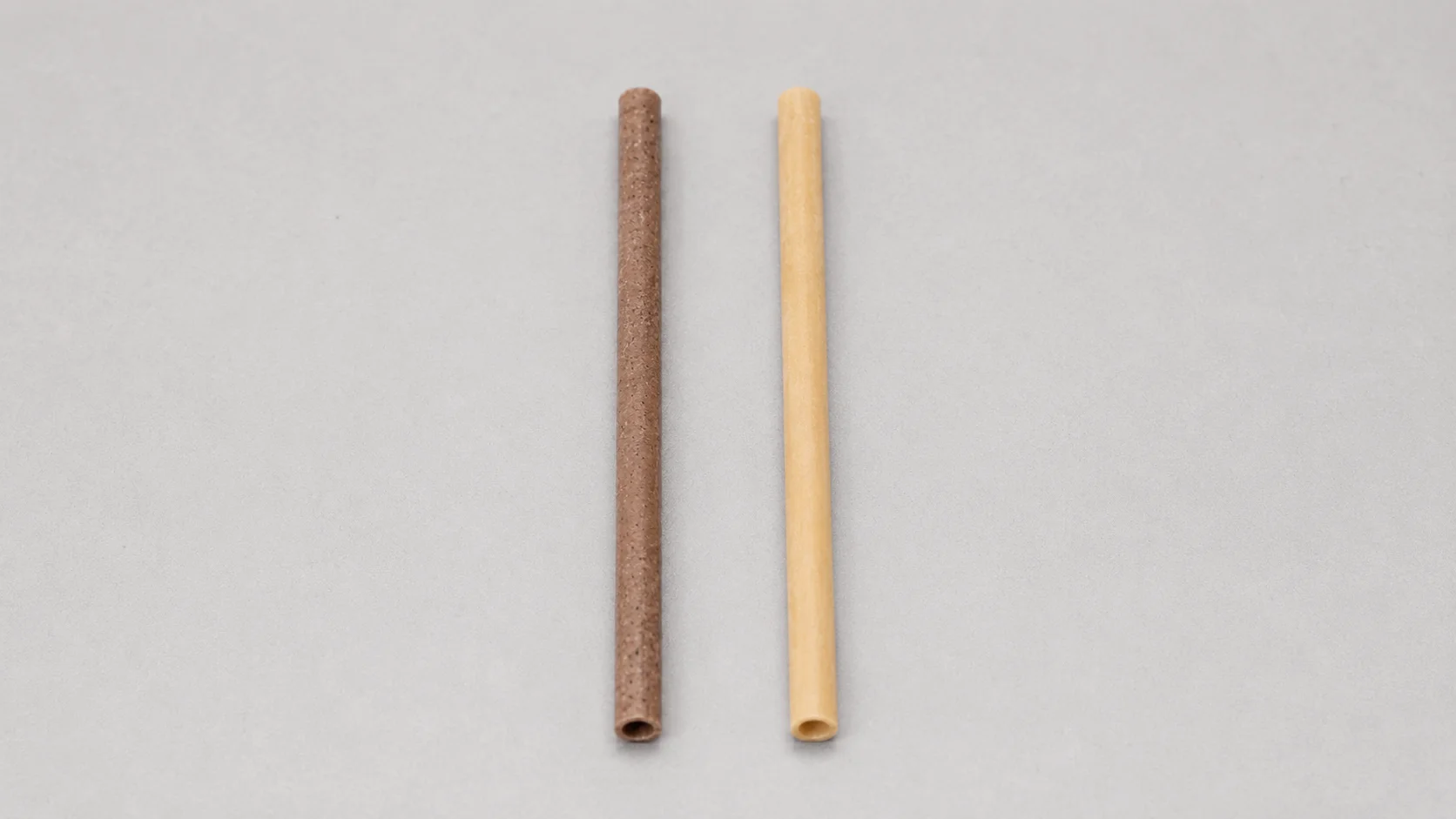
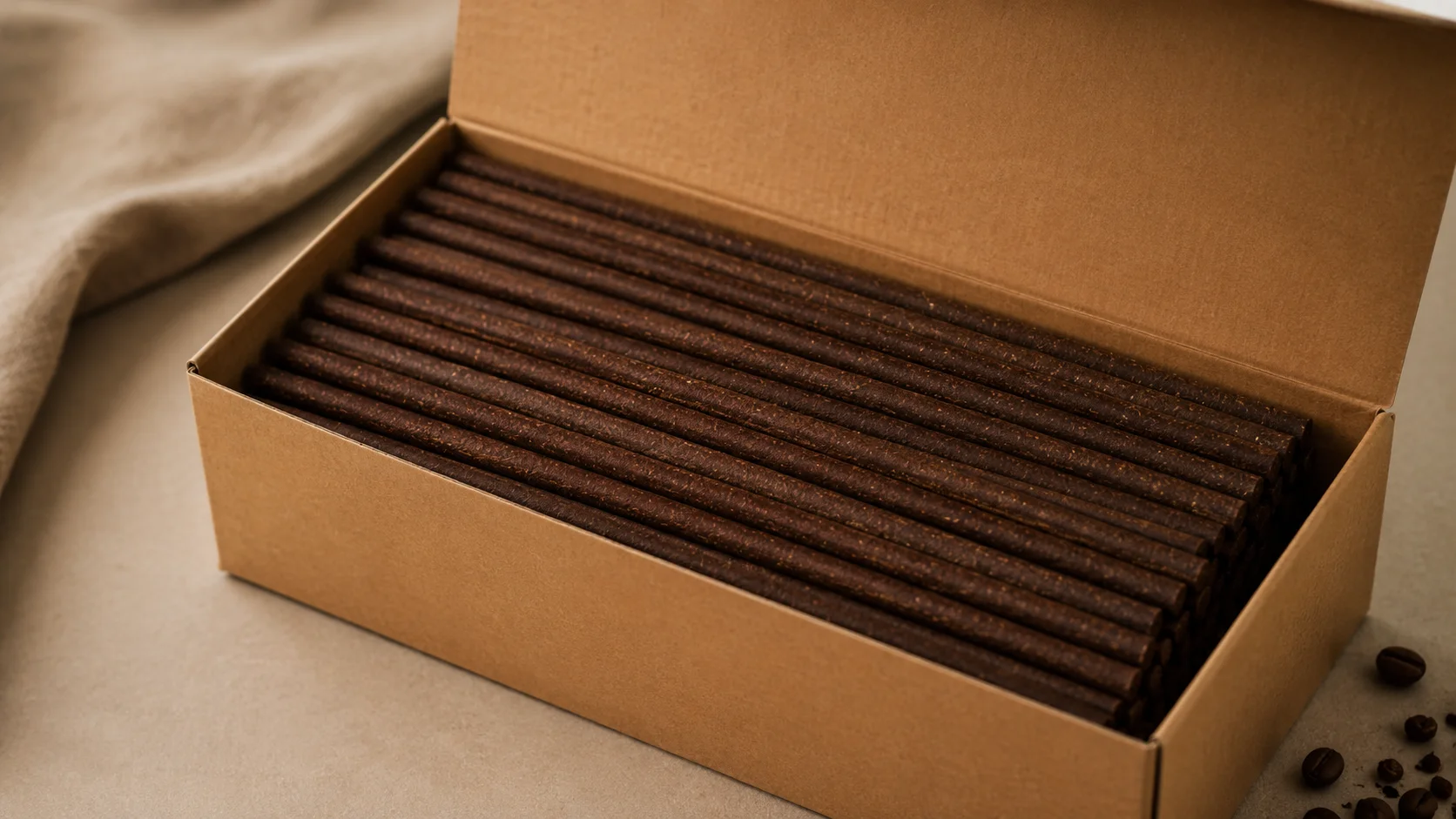
- PFAS-kontroversen och kvalitetskällan: En viktig utveckling för inköpsproffs var en studie från 2023 som publicerades i Livsmedelstillsatser och föroreningar journal, som avslöjade att fyra av fem testade bambuhalmmärken innehöll "för evigt kemikalier" (PFAS). Detta fynd, tillsammans med liknande föroreningar i många pappersstrån, understryker den yttersta vikten av noggrann leverantörskontroll. Ansedda företag som Bambu® har etablerat rigida kvalitetskontrollpraxis och inspektionsprocesser sedan 2012, och erbjuder produkter som deras "Precision Bamboo Straws" som är identiska i storlek och form, och som är avgörande, är verifierade PFAS-fria. Inköp från leverantörer med transparenta tillverkningsprocesser och tredjepartscertifieringar är inte längre valfritt; det är en nödvändighet. Detta säkerställer att ditt hållbara val inte oavsiktligt inför andra miljö- eller hälsorisker. Du kan hitta mer information om PFAS-frågan i olika miljö- och vetenskapliga publikationer, till exempel från U.S. Environmental Protection Agency (EPA) eller European Chemicals Agency (ECHA).
- Överväganden om koldioxidavtryck: Även om bambu är en snabbt förnybar resurs, måste koldioxidavtrycket i samband med skörd, bearbetning och särskilt internationell sjöfart erkännas. Företag bör prioritera leverantörer som är engagerade i hållbara odlingsmetoder, minimera transportavstånd där det är möjligt och använda miljövänliga förpackningar för att mildra denna påverkan.
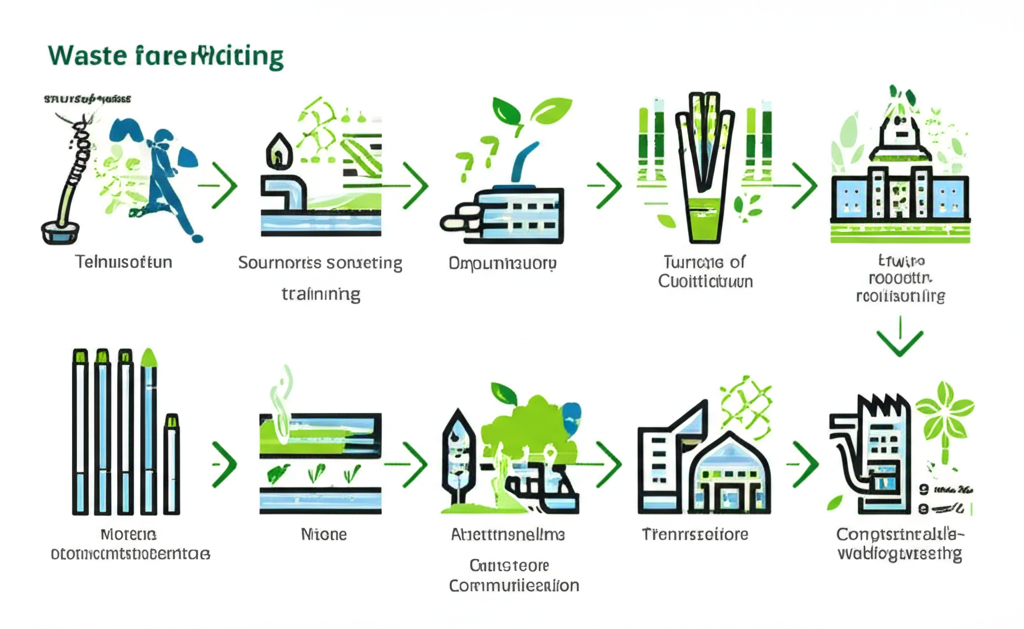
Att gå mot verkligt hållbar verksamhet kräver en strategisk förändring från reaktiv problemlösning till proaktivt, informerat beslutsfattande. Att implementera högkvalitativa bambuhalmstrån i din verksamhet erbjuder en påtaglig väg för att uppnå detta. Det första steget involverar rigorös leverantörskontroll: ställ kritiska frågor om inköpstransparens, tillverkningsprocesser och kvalitetskontroll. Insistera på tredjepartscertifieringar, särskilt de som verifierar PFAS-fria produkter och hållbara skogsbruksmetoder.
Avgörande, investera i personalutbildning. Utbilda ditt team om korrekt hantering, rengöringsprotokoll (inklusive desinficering för återanvändbara alternativ) och optimala förvaringsmetoder för bambustrån för att maximera deras livslängd och upprätthålla hygienstandarder. Samtidigt engagera dig i tydlig och konsekvent kundkommunikation. Informera dina kunder om ditt engagemang för hållbara val och vägled dem om korrekt kassering av engångsstrån av bambu eller hur man returnerar återanvändbara. Genom att spåra avfallsminskningsmått och observera förbättrad varumärkesuppfattning kan du kvantifiera den positiva effekten av dessa initiativ.
Att välja högkvalitativa bambu sugrör är mer än en miljövänlig gest; det är ett strategiskt affärsbeslut som förbättrar ditt varumärkes rykte, minskar efterlevnadsrisker och ger en överlägsen kundupplevelse. Genom att anamma en hållbar, naturlig och genuint hållbar lösning kan din organisation avsevärt minska de driftskostnader som är förknippade med tunna alternativ, säkra varumärkesvärdet på en miljömedveten marknad och fånga en större andel av den växande efterfrågan på ansvarsfulla konsument- och affärspraxis.
Ta nästa steg mot hållbar excellens idag.
Utforska vårt utvalda urval av certifierade, högkvalitativa bambusugrör, speciellt framtagna för B2B-behov. Kontakta våra experter för en personlig konsultation om att sömlöst integrera hållbara halmlösningar i din verksamhet, eller be om ett provkit för att uppleva skillnaden i första hand och bevittna verklig hållbarhet.
Kontakta våra experterBegär ett provkit
Vanliga frågor
Nej, bambusugrör av hög kvalitet blir i allmänhet inte blöta på samma sätt som traditionella pappersstrån gör.
Deras robusta, naturliga fibrer bibehåller strukturell integritet betydligt längre när de utsätts för vätskor,
även om långvarig blötläggning kan subtilt ändra deras konsistens.
Ja, med rätt skötsel och underhåll kan sugrör av bambu återanvändas. För kommersiellt bruk innebär detta
omedelbar rengöring efter varje användning, noggrann torkning och enstaka sanering (t.ex. kokning). De kan
pågå i flera månader till ett år under dessa förhållanden.
Bambu sugrör erbjuder flera fördelar för företag, inklusive förbättrad varumärkesimage, överensstämmelse med
engångsplastregler, förbättrad kundnöjdhet på grund av deras hållbarhet och neutrala smak,
naturliga antibakteriella egenskaper, och förmågan att minska avfall.
En studie från 2023 fann PFAS i vissa märken av bambuhalm. Det är avgörande för företag att köpa bambu sugrör
från välrenommerade leverantörer som tillhandahåller transparenta tillverkningsprocesser och tredjepartscertifieringar
se till att deras produkter är PFAS-fria för att undvika oavsiktliga miljö- eller hälsorisker.
För återanvändbara sugrör av bambu, rengör dem omedelbart efter varje användning med en stråborste och varmt tvålvatten,
skölj noggrant och låt dem torka helt i ett ventilerat utrymme. Förvara dem på ett torrt, rent
behållare för att förhindra mögel eller bakterietillväxt. Enstaka sanering, såsom kokning, hjälper till att förlänga
deras livslängd och upprätthålla hygienen.