I. The Plastic Straw Hangover: Varför vi behövde en förändring
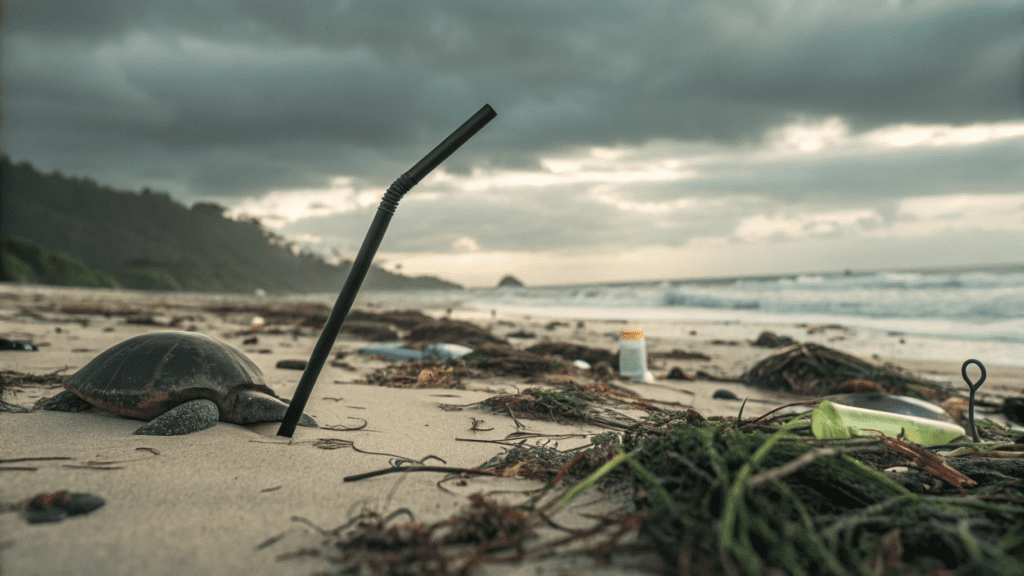
Ah, det allestädes närvarande plasthalmen. Kommer du ihåg de dagarna? Allestädes närvarande, bekvämt, en veritabel symbol för sorglös konsumtion. De fanns överallt – snabbmatsställen, snygga cocktailbarer, till och med lurar i djupet av din kökslåda. Billiga och till synes ofarliga, dessa smala rör underlättade vår njutning. Ändå är deras arv långt ifrån njutbart, och det finns kvar i århundraden på soptippar och våra hav.
Gå in i ekohjältarna: komposterbara sugrör! Vilken trolldom är dessa magiska rör, frågar du?
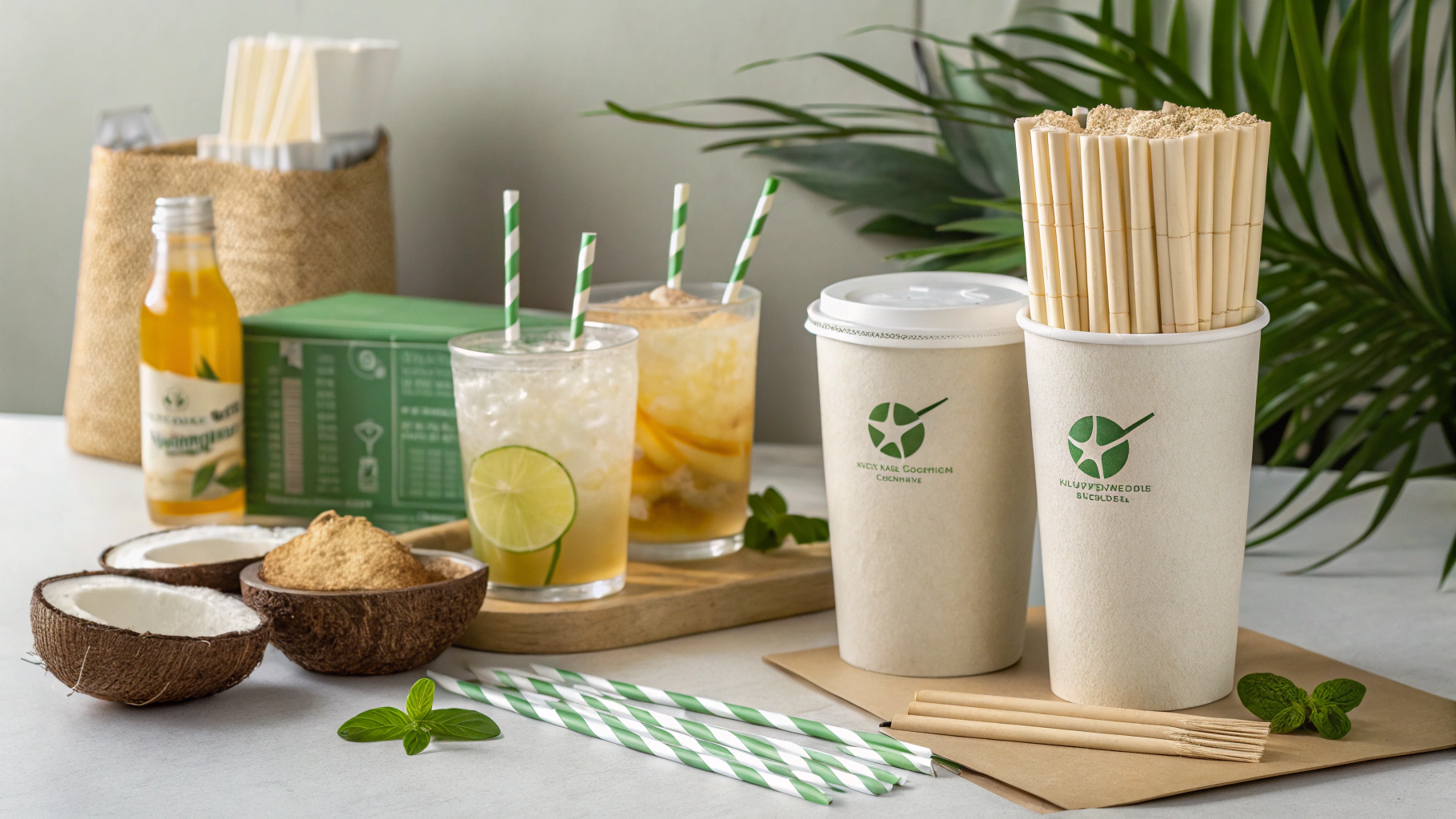
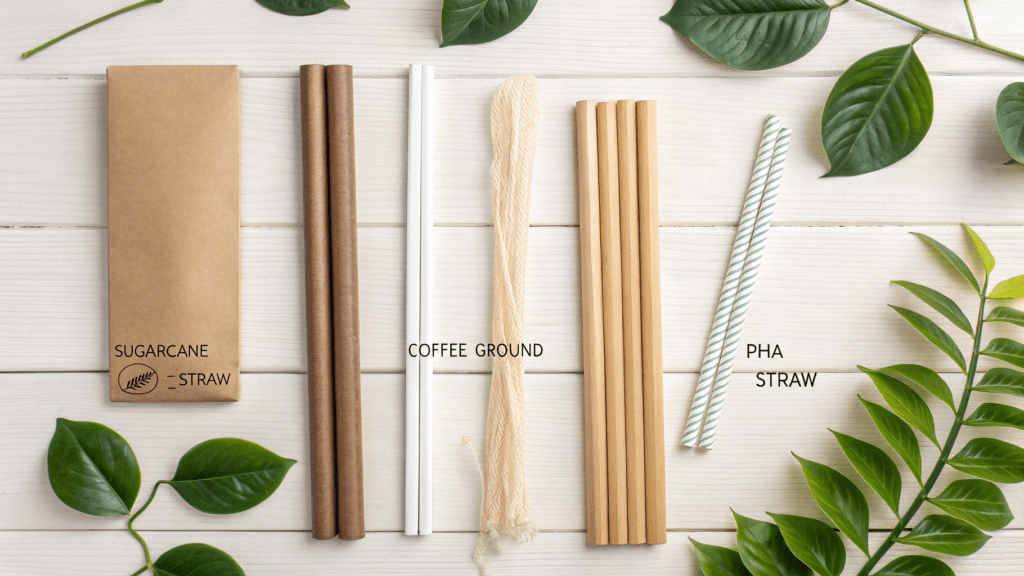
De ärinteplast, först och främst! Istället kommer de från växtriket – majs, sockerrör, vete, bambu, även den ödmjuka kaffemalningen lämpar sig för detta ändamål. Men den sanna magin ligger i deras stora löfte: att sönderfalla tillbaka till naturliga element – vatten, CO2 och gammal smuts – inom de kontrollerade miljöerna i komposteringsanläggningar, utan att lämna några spår av mikroplastisk illvilja. Vi pratar nedbrytning i veckor eller månader, inte århundraden.
Och kom ihåg den här tumregeln: "Komposterbar" regerar över "biologiskt nedbrytbar." Den förstnämnda följer stränga standarder, vilket säkerställer en sann försvinnande handling under specifika förhållanden. Det senare? Tja, låt oss bara säga att dess löften ofta är så tunna som ett ... blött halmstrå.
II. A Twisted History: Hur kom vi hit?
Halmens historia är längre och konstigare än du kan föreställa dig.
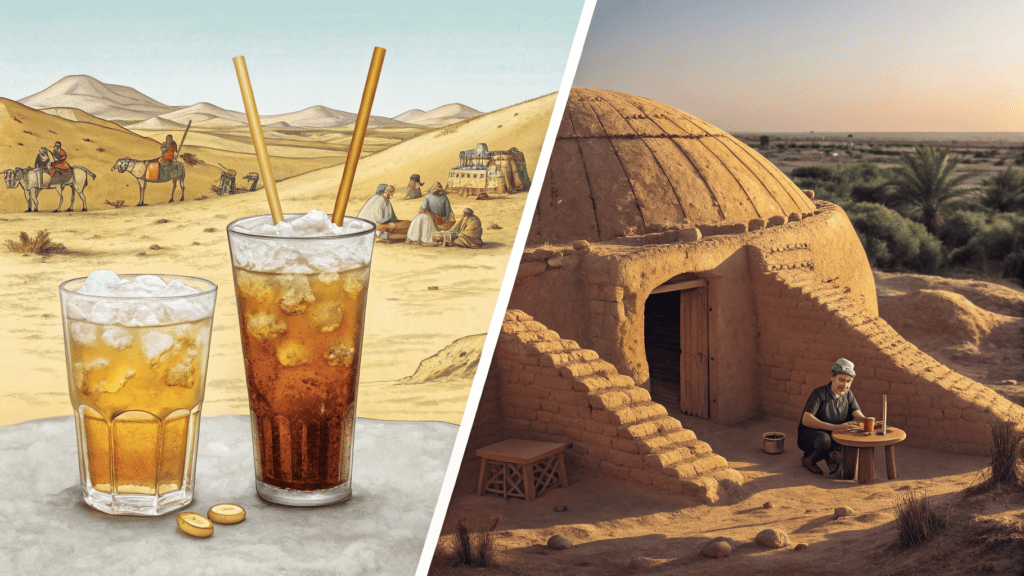
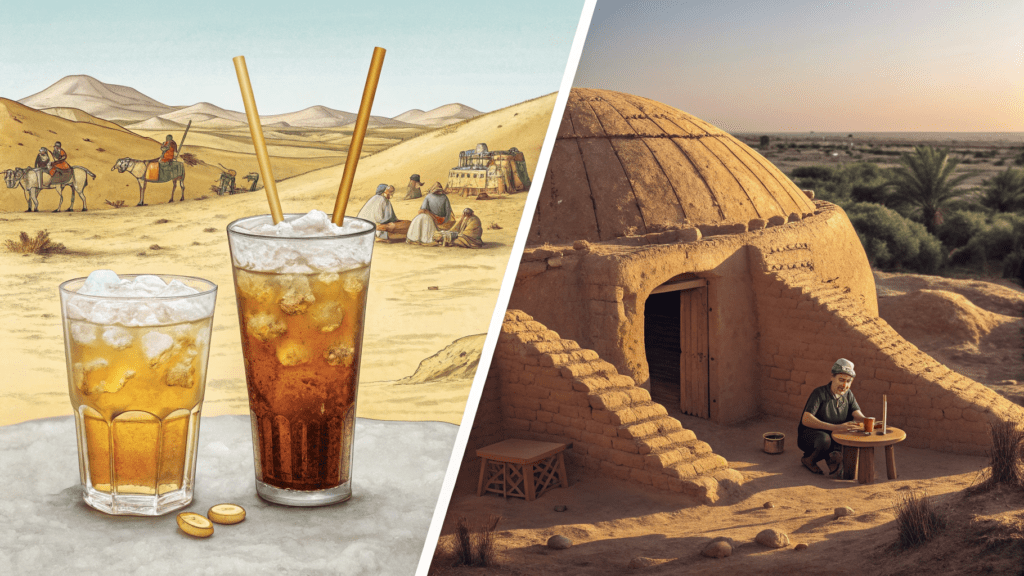
Tro det eller ej, våra förfäder smuttade genom rör för cirka 5 000 år sedan. Sumererna, dessa smarta mesopotamier, använde gyllene sugrör för att ta del av deras gemensamma öldrickande. Föreställ er festerna! Vass, bambu och till och med utsmyckade "bombillas" i metall – som används för att dricka snygga teer – följde.
Spola framåt till 1800-talet, och vi möter "Soggy Rye Era." Vanliga strån gjordes då av rajgräs. Billig? Ja. Välsmakande? Inte så mycket. Benägen till snabb sönderfall? Absolut. En revolution i omvänd riktning, kanske?
Ange papper till undsättning (omgång ett!). År 1888 patenterade Marvin Stone det första moderna pappersstrået, listigt vaxat för att motstå den fruktade fuktigheten. Sedan kom det böjiga sugröret 1937, ett bevis på mänsklig uppfinningsrikedom (eller kanske lättja?).
Men tyvärr var plastövertagandet nära. Efter andra världskriget började den billiga plastens tidsålder. Hållbar, smakneutral och mottaglig för massproduktion, plast svepte allt före den. Pappersstrån försvann nästan. Det var plaståldern, och strån var dess kungar (eller drottningar).
Sedan kom sköldpaddan. Den ökända virala videon från 2015 av en havssköldpadda, dess näsborre kränkt av ett plasthalm, fungerade som ett brutalt väckarklocka. Plötsligt lämnade bekvämligheten en bitter smak.
Så började "halmkrigen". Offentlig upprördhet och miljökampanjer antände en global rörelse. Pappersstrån (omgång två!) gjorde en comeback, men spöket av blöta dröjde sig kvar. Jakten på något bättre pågick.
III. Sippens tillstånd: Vad handlar det om idag?
Vad tycker den moderna konsumenten om denna halmsaga?
Tja, människorkärlektanken på att vara miljömedveten. Konsumenter visar alltmer en vilja att betala en premie och kämpar för företag som överger plast. För varumärken är det inte bara dygdigt att omfamna hållbarhet; det är kunnigt.
Men låt oss ta upp elefanten i rummet: klagomålet om "blöta halm". Ingen, och jag menaringen, njuter av upplevelsen av ett sugrör som kollapsar mitt i drinken. Detta är det primära klagomålet, särskilt riktat mot vissa pappersupprepningar. Viskningar av egendomliga smaker cirkulerar också.
Och så finns det den "komposterbara" gåtan. Det låter lovande, men var hamnar dessa strån egentligen? Tillgången till industriella komposteringsanläggningar är fortfarande ojämn, vilket leder till...
Hur reagerar restauranger på detta föränderliga landskap?
Konsumenternas efterfrågan, växande anti-plastlagstiftning (Seattle, DC, et al.) och en genuin längtan efter hållbarhet driver bytet.
Men övergången är inte utan prövningar:
Där finns kostnadschocken. Komposterbara sugrör kräver ofta ett högre pris än sina föregångare i plast.
Det finns prestationsångest. Kommer kunderna att klaga? Kommer flera sugrör att krävas per dryck?
Och, naturligtvis, komposteringsproblemet (återbesökt!). Om det lokala avfallshanteringssystemet saknar komposteringsmöjligheter, är bytet verkligen fördelaktigt?
Lösningarna? Etableringar vågar sig bortom papper och experimenterar med sockerrör, PHA (det "plastliknande men komposterbara" underverket), agave och till och med pasta! Politiken "halm på begäran" vinner också genomslag.
IV. Stirring the Pot: The Controverses Around Compostable Straws
Vägen till hållbart drickande är fylld av komplexitet och potentiella fallgropar.
Är detverkligenkomposterbar, eller bara ett smart marknadsföringsknep? Många PLA-strån kräver specialiserade industrianläggningar som fortfarande är få. Om de hänvisas till en konventionell deponi är deras påverkan minimal.
Och så finns det PFAS "för evigt kemiska" fiasko. Förbered er själva: vissa pappers- och växtbaserade sugrör har visat sig innehålla PFAS, dessa beständiga och potentiellt skadliga kemikalier. Ironin är påtaglig, eller hur?
Den största utmaningen ligger i infrastrukturgapet. Utan utbredd tillgång till ordentliga komposteringsanläggningar kan även de ädlaste avsikterna slå tillbaka. Dessa strån kan till och med förorena vanliga återvinnings- eller komposteringsströmmar om de sorteras felaktigt.
Vi är fångade i en evig dragkamp mellan prestation och princip. Prioriterar vi hållbarhet framför hållbarhet, eller vice versa?
Slutligen är det frågan om "Mat vs. sugrör?". Användningen av grödor som majs eller sockerrör för engångsartiklar väcker etiska överväganden.
V. Smutta på morgondagen: Vad är nästa steg för halm?
Innovation är framtidens ledord.
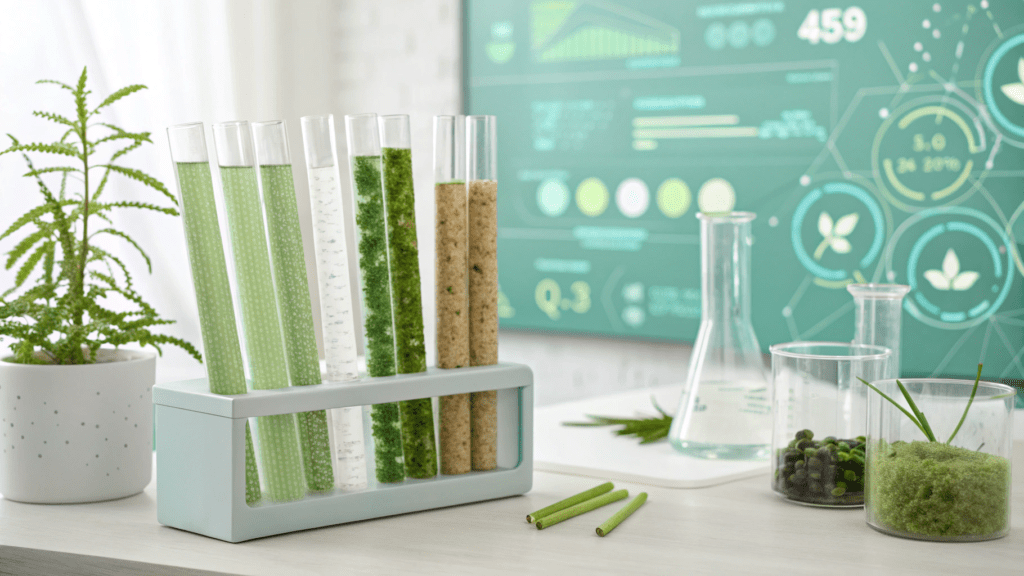
Överväg kalkstensbaserade strån (Biodolomer). Anmärkningsvärd stabilitet, styvhet, värmebeständighet och noll avgivning av mikroplast!
Eller bakteriell cellulosa och tångstrån. Kraftigare än papper, kräver ingen kompostering (i vissa fall) och potentiellt till och med ätbart! (Även om du kanske avstår från att äta mellanmål för tillfället.)
PHA är redo för sitt ögonblick. Detta material skiner verkligen, sönderfaller i hemkompost, industrianläggningar, jord och till och med marina miljöer! Det härmar känslan och funktionen av plast utan skuld.
Och låt oss inte glömma nästa generationstidning. Tjockare, förbättrade beläggningar (växthärledda!), naturliga lim – pappersstrån genomgår en allvarlig uppgradering.
Fokus skiftar mot material som bryts ned lätt och universellt, utan behov av specialiserade industrianläggningar.
När efterfrågan ökar, förvänta dig att priserna sjunker, vilket gör eko-halmstrån mer tillgängliga för alla.
I slutändan är ambitionen att överträffa engångsartiklar helt och hållet - kanske genom omdesignade "sip"-lock eller en större betoning på återanvändbara alternativ.
VI. Den sista klunken: Att varje droppe räknas
Jakten på det perfekta miljövänliga sugröret är en pågående saga, en gobeläng vävd av innovation, konsumentbeteende, industriutmaningar och infrastrukturella krav. Men en sanning förblir klar: engångshalmen i plast håller på att närma sig sitt slut. Genom att hålla oss informerade, göra samvetsgranna val och stödja företag och policyer som kämpar för genuin hållbarhet, kan vi säkerställa att varje klunk vi tar ger näring, snarare än skadar, vår planet.