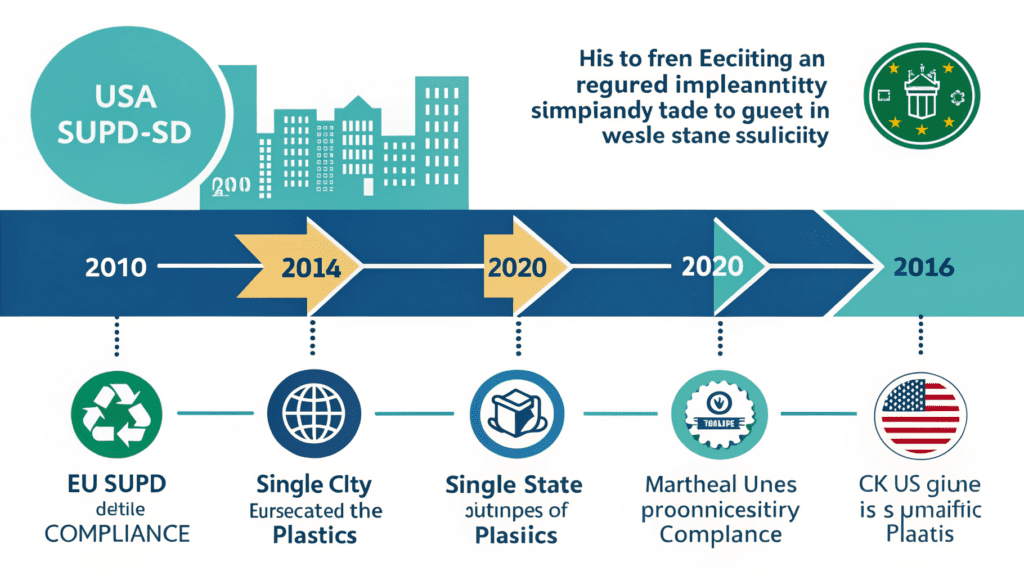
Tidvattnet har vänt. För inköpschefer, verksamhetschefer, hållbarhetsansvariga och chefer för leveranskedjan är frågan inte längre *om* ditt företag ska gå bort från engångsplast, utan *hur snabbt och strategiskt* att göra omställningen. Eran med billiga, bekväma plaststrån närmar sig sitt slut, driven av ett obestridligt globalt krav för miljövård och strikta regelskiften. FrånEuropeiska unionens engångsplastdirektiv, which took effect in 2021, to landmark state-level bans across the US, including Seattle and California, businesses face an evolving compliance landscape that demands immediate attention. Ignore this shift, and you risk not only substantial fines but also irreparable damage to your brand reputation among an increasingly eco-conscious consumer base. Images of marine life entangled in plastic have galvanized public opinion, making it clear that customers and stakeholders expect more. The operational and commercial impacts of inaction are profound, extending beyond mere compliance to affect customer loyalty, market perception, and even investor confidence.
Ändå är resan mot verkligt hållbara alternativ fylld av komplexitet som ofta förbises. Termen "miljövänlig" i sig har blivit ett minfält av vilseledande påståenden och ouppfyllda löften. Företag brottas rutinmässigt med prestandaproblem – sugrör som sönderfaller för snabbt, ger oönskade smaker eller skapar nya miljöproblem som "för evigt kemikalier" (PFAS). Att navigera i detta landskap kräver mer än bara goda avsikter; det kräver ett strategiskt, datadrivet tillvägagångssätt för att säkerställa att dina valda alternativ verkligen bidrar till hållbarhet utan att kompromissa med operativ effektivitet eller den avgörande kundupplevelsen. Att förstå nyanserna hos nya material, verifiera påståenden och säkerställa kompatibilitet med din befintliga avfallsinfrastruktur är avgörande för att undvika "gröntvättande" fallgropar och göra en verkligt effektfull övergång. Det handlar inte bara om att ersätta en produkt med en annan; det handlar om att omdefiniera ditt operativa fotavtryck i en snabbt föränderlig värld. För att utforska det bredare spektrumet av hållbara materialbyten, överväg våra omfattande insikter i vårPlastalternativ-serien.
För företag som verkar över olika geografier, särskilt inom USA och Europa, sträcker sig definitionen av ett "säkraste" halmalternativ långt utöver grundläggande biologisk nedbrytbarhet. Den omfattar en holistisk bedömning av miljöintegritet, operativ lönsamhet, kundnöjdhet och robust varumärkesskydd. I Europa innebär de stränga kraven i plastdirektivet för engångsbruk att alla alternativ måste uppvisa genuina miljöfördelar och gå bortom material som bara efterliknar plast utan verklig ekologisk nedbrytning. På samma sätt, i USA, medan federala åtgärder är långsammare, innebär ett lapptäcke av förbud på delstats- och stadsnivå, likt de banbrytande i Kalifornien och Washington D.C., att företag måste upprätthålla smidiga upphandlingsstrategier för att undvika bristande efterlevnad. Dessa regler handlar inte bara om att förbjuda plast; de handlar om att säkerställa *säkerheten* för ersättarna.
Miljöintegritet, i sin kärna, kräver alternativ som verkligen bryts ned, bidrar minimalt till koldioxidutsläpp under produktionen och, kritiskt, är fria från skadliga ämnen som per- och polyfluoralkylsubstanser (PFAS). Upptäckten av "för evigt kemikalier" (PFAS) i några till synes miljövänliga papper och växtbaserade sugrör, en oro som beskrivs i detalj av källor somAmerican Chemical Society, som används för vattenmotstånd, har skapat ett nytt larm, vilket förvandlar en välmenande switch till ett potentiellt hälso- och regleringsansvar. Driftchefer står samtidigt inför utmaningen att hitta alternativ som är tillräckligt hållbara för att klara varierande dryckestemperaturer utan att misslyckas, hygieniska för personal och kunder och lätta att lagra utan betydande logistiska översyner. Det ökända klagomålet om "blöta pappersstrån" har till exempel plågat branschen, vilket lett till utbrett missnöje hos konsumenterna och i vissa fall en beklaglig återgång till plast av företag som är frustrerade över alternativens dåliga resultat.
Kundupplevelse, ofta en eftertanke i hållbarhetsdrivande, är av största vikt. Alternativen måste inte bara vara tillförlitliga utan också inkluderande. Handikappgemenskapen har med rätta tagit upp oro över bristen på flexibla, säkra och hållbara alternativ när plaststrån tas bort, vilket lyfter fram ett krav på tillgänglighet som företag måste ta itu med på ett ansvarsfullt sätt. Att förbise denna demografi kan leda till betydande PR-bakslag och juridiska utmaningar. Dessutom måste inköpschefer navigera på en marknad som är full av "greenwashing" – där bioplaster som PLA marknadsförs som helt komposterbara men kräver specifika industrianläggningar som ofta inte är tillgängliga, vilket leder till att de hamnar på deponier där de inte bryts ned bättre än traditionell plast. Den globala marknaden för miljövänliga sugrör, beräknad avFramtida marknadsinsikterto grow from USD 12.3 billion in 2025 to nearly USD 25.1 billion by 2035, signals a clear opportunity, but also a complex landscape requiring astute decision-making. Making the wrong choice can lead to wasted investment, reputational damage, and a failure to meet the very sustainability goals you set out to achieve.
Navigating the Array of Plastic Straw Alternatives
Navigating the array of plastic straw alternatives demands a clear-eyed understanding of their commercial implications. The ‘safest’ choice for your enterprise isn’t merely about environmental virtue; it’s about a strategic alignment of performance, cost-effectiveness, regulatory compliance, and brand enhancement. Here’s a comprehensive look at the leading options and their business impacts:
Table: Commercial Straw Alternatives – Features & Business Implications
| Särdrag | B2B-effekt | Efterlevnadsrisk | ROI -potential |
|---|---|---|---|
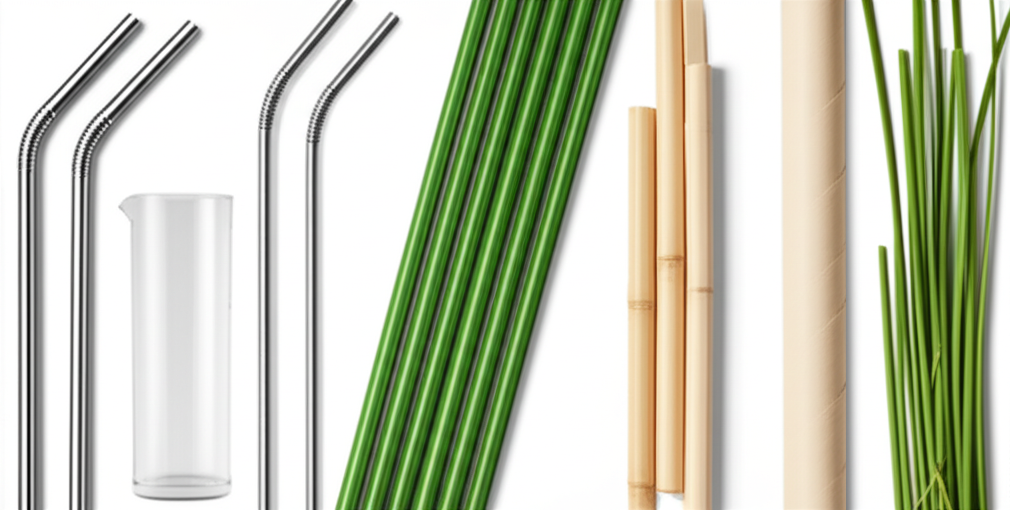
| Metal (Stainless Steel) | Fördelar:High durability, premium customer perception for dine-in, reusable for years.Nackdelar:High upfront cost, complex cleaning logistics (brushes, dishwashers), temperature conductivity (hot/cold drinks), perceived safety concern (rigidity, mouth injury risk). | Minimal, but requires robust cleaning protocols to avoid hygiene breaches. | High long-term ROI for reusable models due to reduced repurchase. Potential for premium pricing. Requires 37 uses to offset environmental impact of plastic. |
| Glas | Fördelar:Elegant, clear presentation, high-end feel.Nackdelar:Fragility (breakage risk), higher initial cost, safety concerns if broken, careful cleaning required. | Minimal, but breakage is a safety concern. | Moderate to High, for premium establishments. High replacement cost if breakage is frequent. |
| Silikon | Fördelar:Flexible, soft, durable, child-friendly, non-toxic.Nackdelar:Non-biodegradable, cleaning challenges (retains odors/flavors), not widely recyclable. | Low for usage, but disposal requires care as it’s not biodegradable. | Moderate. Durable for reuse, but lifecycle ends in landfill. |
| Bambu | Fördelar:Natural aesthetic, rapidly renewable, biodegradable, compostable.Nackdelar:Can split/crack, susceptible to mold if not cleaned thoroughly, potential to impart subtle taste to drinks. | Minimal, but hygiene during reuse is key. | Moderate to High for sustainable branding; lower initial cost for disposables. |
| Papper | Fördelar:Widely available, generally affordable, biodegradable (if uncoated).Nackdelar:Prone to sogginess and disintegration, variable quality, can impart papery taste, some contain PFAS for water resistance. | Moderate. Risk of non-biodegradability if PFAS present or poor quality; consumer dissatisfaction can lead to brand perception issues. | Variable. Low initial cost but high replacement rate due to poor performance. Customer complaints offset savings. |
| PLA (bioplast) | Fördelar:Similar look/feel to traditional plastic, plant-based (e.g., corn starch).Nackdelar:Requires specific industrial composting facilities (not widely available), marine biodegradability debated, greenwashing risk, concerns about competition with food crops. | High. Mislabeling as “compostable” without proper infrastructure is a major risk. | Moderate, but requires significant investment in waste stream management or reliance on third-party industrial composters. |
| Edible (Pasta, Rice, Seaweed) | Fördelar:Zero-waste, novelty appeal, biodegradable, compostable.Nackdelar:Limited shelf life, softens quickly in liquids (e.g., pasta straws soften in 15-20 min), specific storage requirements (humidity control), higher cost. | Low. Truly zero-waste and biodegradable. | Low to Moderate. High novelty, but practical application limited by durability. Higher cost per unit. |
| Grass (Wheat, Reed) | Fördelar:Fully natural, organic, highly biodegradable, compostable, low carbon footprint, generally tasteless, surprisingly strong.Nackdelar:Can be brittle, inconsistent supply for large scale, limited customization. | Very Low. Fully natural and eco-friendly. | Moderate to High. Excellent for sustainable branding, good cost-effectiveness if scaled. |
| Agave Fiber/Sugarcane Fiber | Fördelar:Closely resembles plastic, compostable, robust for hot/cold drinks.Nackdelar:Emerging options, supply chain consistency can be a challenge, higher cost than traditional plastic. | Low to Moderate. Compostability needs verification. | Moderate to High. Good performance, strong sustainability story. |
| Wood (e.g., Forest Straw) | Fördelar:Natural, compostable, resistant to hot/cold, durable.Nackdelar:Newer innovation, perceived as rustic, cost can be higher, sourcing requires FSC certification for true sustainability. | Low. If FSC certified, strong environmental integrity. | Moderate. Premium offering, strong brand alignment for eco-conscious businesses. |

When evaluating these options, critical decision criteria must guide your choice. Cost-effectiveness extends beyond unit price to include waste management, logistics, and potential reputational gains or losses. Customer experience and feedback are invaluable; a solution that customers dislike will ultimately fail, regardless of its environmental merits. Consider the journey of a customer seeking a truly sustainable boba straw alternative, where durability and taste neutrality are paramount – insights found in guides like ourSustainable Boba Straw Alternativescan be crucial. Moreover, your local waste management infrastructure dictates the true environmental impact of ‘compostable’ options; without industrial composting facilities, PLA, for example, often ends up in landfills, defeating its purpose. For those focusing on genuine compostability, a deep dive into options like those inThe Great Straw Escape: Compostable Alternativesis essential.
Real-world examples highlight both the challenges and opportunities. Craig Graffius, who started EcoGlass Straws over a decade ago, saw orders triple in a single year, demonstrating a clear market shift towards durable, reusable options. Similarly, America’s largest paper straw producer, Aardvark, has significantly increased production, continuously working to improve durability and eliminate the dreaded papery taste, indicating that even traditional alternatives are evolving rapidly. This dynamism is why the global eco-friendly straws market is projected to skyrocket, reaching nearly USD 25.1 billion by 2035, up from USD 12.3 billion in 2025. This isn’t just a trend; it’s a massive, burgeoning market opportunity.
The Future of Sustainable Straws: 5-10 Year Outlook
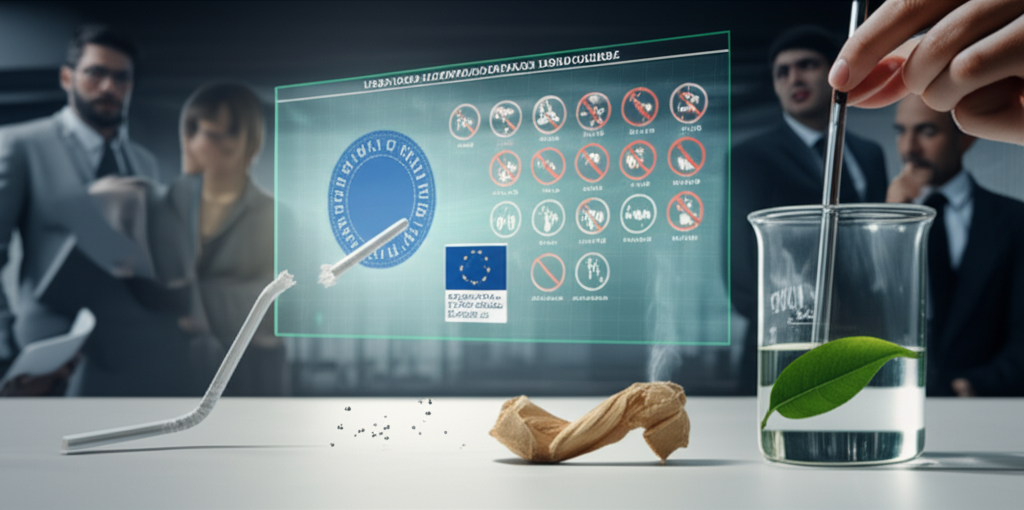
Looking ahead 5-10 years, the industry will be shaped by a relentless pursuit of true sustainability and performance. Regulatory pressures, especially the EU’s Single-Use Plastics Directive and similar legislations globally, will continue to tighten, mandating not just alternatives, but *genuinely sustainable* alternatives. Technological advancements are already revolutionizing the field: manufacturers are investing heavily in advanced waterproof coatings for paper straws to prevent sogginess and developing new bioplastics from sustainable sources like potato starch and lignin, aiming for materials that are both structurally sound and truly biodegradable without harmful byproducts like PFAS. The focus is increasingly shifting towards natural polymers to avoid the ‘forever chemical’ trap that has snared some early plant-based options.

Beyond the material itself, innovative strategies are gaining traction. ‘Straw upon request’ policies, adopted by major players like Starbucks and McDonald’s, significantly reduce unnecessary straw usage. The rise of ‘strawless lids,’ often dubbed ‘adult sippy cups,’ offers a practical alternative that minimizes the need for a separate straw altogether. However, businesses must remain vigilant against greenwashing. Transparent certifications – like FSC for wood products or verifiable industrial compostability standards – will become non-negotiable proofs of genuine sustainability. Crucially, the imperative of accessibility for individuals with disabilities will continue to drive inclusive innovation, ensuring that sustainable choices do not inadvertently create barriers. The future demands not just an alternative, but a thoughtfully integrated solution that addresses environmental, operational, and social responsibilities in equal measure.
Making Your Strategic Choice
The decision of which straw alternative is ‘safest’ is not a one-size-fits-all solution; it’s a strategic choice that reflects your business’s unique operational needs, customer demographics, and brand values. To avoid the common pitfalls of greenwashing and ensure genuine sustainability, start by conducting a thorough internal assessment. Pilot programs with different alternatives within your specific operational context are invaluable for gauging real-world performance and gathering candid feedback from both staff and customers. Crucially, partner with suppliers who offer complete transparency in sourcing and hold verifiable certifications for their products, assuring you of their environmental claims and adherence to safety standards.
Integrating your straw choices into a broader sustainability framework moves your business beyond mere compliance to genuine leadership. This involves educating your staff on the environmental impact of your choices and empowering them to communicate your sustainable practices effectively to customers. By embracing systemic waste reduction and demonstrating a commitment to responsible sourcing, you not only mitigate regulatory risks but also cultivate a powerful narrative of corporate social responsibility that resonates deeply with modern consumers and investors.
Don’t let the complexity of the market deter you from making a truly impactful and responsible decision. The ‘safest’ alternative is the one that not only meets rigorous environmental standards but also seamlessly integrates into your operations, delights your customers, and reinforces your brand’s commitment to a sustainable future. By making an informed choice today, your business can significantly quantify cost savings through reduced waste, mitigate substantial regulatory and reputational risks, and achieve a crucial uplift in brand value, securing a stronger competitive edge in a market increasingly defined by ethical leadership.
Ready to elevate your sustainability initiatives and future-proof your supply chain against evolving demands?Explore momoio.com’s certified eco-friendly straw solutions today
ellercontact our dedicated sustainability expertsfor a customized consultation tailored to your business’s unique needs.
Vanliga frågor
The ‘safest’ alternatives depend on your business’s specific needs, balancing environmental impact, operational efficiency, and customer experience. Options include reusable metal, glass, silicone, and bamboo straws, as well as disposable paper, PLA, edible, grass, agave fiber, sugarcane fiber, and wood straws. Each has pros and cons regarding durability, hygiene, and biodegradability. Grass and certified wood straws are often highlighted for their natural composition and full biodegradability, while reusable options offer long-term sustainability if managed correctly.
The transition is crucial due to increasing global regulatory pressures (e.g., EU Single-Use Plastics Directive, US state bans), growing consumer demand for sustainable practices, and the significant negative impact of plastic pollution on the environment and marine life. Failing to transition risks fines, damage to brand reputation, and loss of customer loyalty among an eco-conscious market. It also reflects a commitment to corporate social responsibility.
To avoid greenwashing, businesses must conduct due diligence. This includes verifying supplier claims with transparent certifications (e.g., FSC for wood, verified industrial compostability standards), understanding the true decomposition requirements of materials like PLA, and being aware of potential hidden chemicals like PFAS in supposedly eco-friendly options. Prioritize alternatives that genuinely contribute to sustainability and align with your local waste management infrastructure.
In Europe, businesses must comply with the Single-Use Plastics Directive, which bans many single-use plastic items, including straws. In the US, a complex patchwork of state and city-level bans requires businesses to stay updated on local legislation. The challenge lies in navigating these varied regulations while ensuring alternatives meet performance and safety standards, particularly concerning genuine biodegradability and the absence of harmful chemicals.
Ensuring accessibility means recognizing that individuals with disabilities may rely on flexible, durable, and safe plastic straws. When transitioning, businesses should provide suitable alternatives that cater to these needs, potentially by offering flexible silicone or high-quality paper straws upon request, or exploring innovative strawless lid designs. The goal is to balance sustainability efforts with inclusivity, ensuring no customer is disadvantaged.