Tedarik yöneticileri, operasyon direktörleri, sürdürülebilirlik görevlileri ve tedarik zinciri yöneticileri için çevresel etkiyi azaltma görevi artık ikincil bir konu değil, temel bir stratejik zorunluluktur. Tek kullanımlık pipet alternatiflerini değerlendirmek, yüzey seviyesindeki iddiaların ötesinde derin yaşam döngüsü analizine geçerek gerçek karbon ayak izinin sağlam, veriye dayalı bir şekilde anlaşılmasını gerektirir. Bu karmaşıklığın göz ardı edilmesi, kaynakların yanlış tahsis edilmesine, mevzuata uyumsuzluğa ve gerçek çevre yönetimine giderek daha duyarlı hale gelen bir pazarda ciddi itibar kaybına yol açabilir.
The stakes are high. Global single-use plastic bans are rapidly accelerating the shift to sustainable alternatives, with the global biodegradable straw market projected to reach a staggering USD 178.87 billion by 2031, growing at a robust 23.20% Compound Annual Growth Rate (CAGR). This monumental shift necessitates informed decisions to ensure your supply chain contributes positively to your organization’s sustainability goals, rather than inadvertently adding to its environmental burden.
Understanding the True Carbon Footprint of Plastic Straws
Traditional plastic straws, primarily made from polypropylene (PP), represent a significant environmental liability throughout their lifecycle. Their production is inherently carbon-intensive, relying heavily on fossil fuels.
Production’s Energy Intensity & Emissions
Manufacturing plastic straws is an energy-intensive process with a substantial carbon footprint. Production of 1,000 kg of polypropylene (PP) consumes approximately 75 kg of oil and 61 kg of natural gas. This translates to an estimated carbon footprint of 10–15 kg CO2 equivalent per 1,000 plastic straws. To put this into perspective, the total CO2 impact from plastic straw production in the United States alone rivals the average emissions of 19 million cars driven for a year. Furthermore, the common end-of-life scenario for plastic, incineration, releases approximately 1,343 kg CO2 equivalent per tonne of plastic straws, according to UK DEFRA data.
End-of-Life: Persistent Pollution & Microplastic Threat
Üretimin ötesinde, plastik pipetlerin kalıcı doğası ciddi bir çevresel sorun teşkil ediyor. Biyolojik olarak parçalanamazlar, çöplüklerde ve doğal ekosistemlerde yüzlerce yıl dayanırlar. Tahminler, 8,3 milyar plastik pipetin dünyadaki plajları kirlettiğini ve bunların 7,5 milyonunun yalnızca ABD kıyı şeridinde bulunduğunu gösteriyor. Görünüşte zararsız olan bu maddeler, ABD'de yıllık 73.000 metrik ton plastik saman atığına katkıda bulunuyor.
As they slowly degrade, plastic straws break down into microplastics—tiny fragments that permeate our environment. These microplastics have been found in 80% of human blood samples, carrying toxic chemicals like BPA. This widespread contamination not only impacts ecosystems and wildlife but also presents a growing concern for human health, creating a substantial long-term commercial and compliance risk for businesses still reliant on conventional plastic.Plastic straws pose significant environmental risks from production to persistent microplastic pollution.
Deconstructing the Carbon Footprint of Biodegradable Straws: A Nuanced View
"Biyolojik olarak parçalanabilir" terimi genellikle hızlı, zararsız ayrışma görüntülerini çağrıştırır. Ancak gerçek daha incelikli. Biyolojik olarak parçalanabilen pipetlerin karbon ayak izi, malzemeye ve bunların parçalanması için gereken özel koşullara bağlı olarak önemli ölçüde değişiklik gösterir.
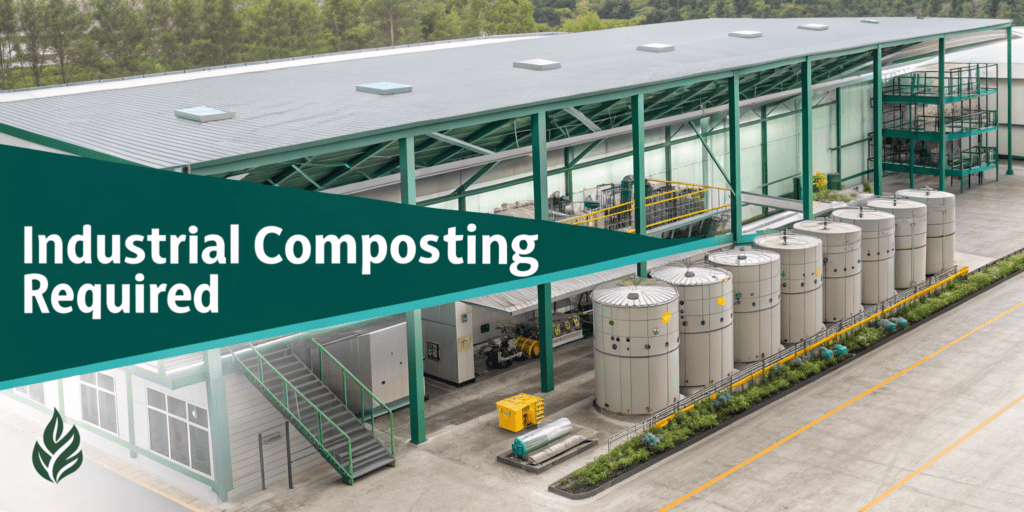
PLA Pipetleri: Biyoplastik Potansiyeli ve Endüstriyel Kompostlama İhtiyaçları
Polilaktik Asit (PLA) pipetleri, mısır nişastası gibi yenilenebilir kaynaklardan elde edilir. Bu bitki bazlı köken umut verici görünse de, bazı Yaşam Döngüsü Değerlendirmeleri (LCA'lar), PLA pipetlerinin PP pipetlere kıyasla daha yüksek bir genel çevresel yüke sahip olabileceğini göstermektedir (belirli imha senaryolarında PLA için bileşik Bağıl Çevresel Etki (REI) 6,4-6,8'e karşılık PP için 2,4-3,2). Önemli bir faktör, PLA'nın etkili biyolojik bozunmasının, evrensel olarak mevcut olmayan özel endüstriyel kompostlama tesisleri gerektirmesidir. PLA pipetleri gerekli koşullar olmadan (oksijen ve ışık eksikliği) çöplüklere atılırsa, geleneksel plastiklere benzer şekilde yavaş yavaş bozunarak amaçlanan çevresel faydaları zayıflatabilir. Biyoplastik saman üretimi sırasında oluşan üretim atığı da PLA'nın karbon ayak izini artırabilir, ancak süreç optimizasyonu bunu azaltabilir.
Paper Straws: Resource Consumption & PFAS Concerns
Paper straws are widely adopted as a plastic alternative and are generally biodegradable. However, their production is notably resource-intensive, demanding significant water and energy, and can pose a risk of deforestation if not sourced sustainably. Some LCAs report a carbon footprint of 2–3 kg CO2 per 1,000 paper straws, while others indicate a significantly higher Global Warming Potential of 2.58E+06 kg CO2 equivalent. A critical concern highlighted by a 2023 study published inFood Additives & Contaminantsfound per- and polyfluoroalkyl substances (PFAS), or “forever chemicals,” in 90% of tested biodegradable straws, including paper, raising significant environmental and health risks. Furthermore, the durability issues inherent to many paper straws often lead to increased consumption, negating some of their potential environmental gains.
Diğer Bitki Bazlı Pipetler (Pirinç, Bambu, Buğday): Doğal Ayrışma Avantajı
Materials like rice, bamboo, and wheat offer a more genuinely natural decomposition advantage. These alternatives leverage rapidly renewable resources, reducing reliance on fossil fuels. For instance, rice straws can decompose within 3–6 months. Their production generally involves less processing and is less reliant on synthetic chemicals, making them naturally more eco-friendly and reducing concerns around hidden contaminants like PFAS.Biodegradable straw impacts vary by material, requiring specific conditions for effective decomposition.
Life Cycle Assessment (LCA): The Gold Standard for Carbon Footprint Comparison
Pipetler de dahil olmak üzere herhangi bir ürünün çevresel etkisini gerçekten anlamak için kapsamlı bir Yaşam Döngüsü Değerlendirmesi (LCA) vazgeçilmezdir. LCA, hammadde çıkarılmasından üretim ve nakliyeye, bir ürünün kullanım ömrü sonunda imhasına kadar çevresel etkinin tüm yelpazesini değerlendirir. Bu titiz yaklaşım, ISO 14040 gibi uluslararası standartlara bağlı kalarak yalıtılmış veri noktalarının ötesine geçen bütünsel bir görünüm sağlar. Tüm saman türleri için, hammadde üretimi sürekli olarak genel çevresel yüke önemli bir katkıda bulunan faktör olarak öne çıkıyor.
Çakışan LCA Sonuçları: Nuance Neden Önemlidir?
B2B karar vericilerinin LCA'ların farklı sonuçlar verebileceğini fark etmeleri çok önemlidir. Bunun nedeni genellikle metodolojilerdeki, sistem sınırlarındaki ve üretim için kullanılan bölgesel enerji karışımlarındaki farklılıklardır. Örneğin, ağırlıklı olarak kömüre dayalı olan Güney Afrika'daki plastik üretimi, doğası gereği, daha temiz enerji kaynaklarına sahip bölgelerdeki üretime göre daha yüksek iklim değişikliği emisyonlarına sahip olacaktır. Bazı çalışmalar PLA'nın Küresel Isınma Potansiyeli'nin (4,28E+05 kg CO2 eşdeğeri) PP'den (5,66E+05 kg CO2 eşdeğeri) daha düşük olduğunu gösterebilirken, farklı parametreler kullanan diğerleri bunun tersini gösterebilir. Bu, kapsamlı bir durum tespitine ve tedarikçi iddialarına ilişkin incelikli bir anlayışa duyulan ihtiyacın altını çizerek sizi herhangi bir sürdürülebilirlik iddiasının ardındaki spesifik LCA'ya daha derinlemesine bakmaya teşvik eder.LCA provides a holistic view of environmental impact, but results vary based on methodology and regional factors.
Sürdürülebilir Pipetler için Düzenleyici Ortamlarda ve Pazar Dinamiklerinde Gezinme
Küresel hükümet düzenlemeleri, tek kullanımlık plastiklerden uzaklaşmayı hızla hızlandırıyor ve sürdürülebilir alternatiflere yönelik acil ve artan bir talep yaratıyor. Bu düzenleyici baskı, biyolojik olarak parçalanabilen saman pazarının #,20'lik yıllık bileşik büyüme oranıyla 2031 yılına kadar 178,87 milyar ABD dolarına ulaşması öngörülen patlayıcı büyümesinin ardındaki temel itici güçtür. Uyumlu, çevre dostu ürünleri proaktif bir şekilde benimseyen işletmeler kritik bir rekabet avantajı elde eder.

B2B Market Opportunities: Foodservice Dominance & Regional Growth
The foodservice sector is the largest application segment for straws, representing a substantial 55.0% revenue share in 2024. This segment, encompassing restaurants, cafes, and fast-food chains, is particularly susceptible to regulatory changes and consumer preferences for sustainability. North America leads the biodegradable straw market, holding over 40% market share (USD 16.61 billion in 2024), while Asia-Pacific dominates the overall straw market with a 38.5% revenue share in 2024, driven by a booming foodservice industry. These regional dynamics highlight significant opportunities for B2B suppliers and buyers to capitalize on evolving market demands.
The Rise of Certified Compostable Straws
Bu karmaşık ortamda sertifikalar hayati bir güvence sağlar. "BPI Sertifikalı Gübrelenebilir" ve "DIN CERTCO" gibi işaretler, ürün iddialarının bağımsız olarak doğrulanmasını sağlar ve bir ürünün endüstriyel kompostlama tesislerinde zararlı kalıntılar olmadan gerçekten organik maddeye dönüşeceğini garanti eder. Singreen Packaging gibi önde gelen tedarikçiler, yalnızca çevreye duyarlı değil, aynı zamanda FDA ve ISO 22000 gibi katı gıda güvenliği standartlarına uygun ve HACCP uyumlu çözümlerle yanıt veriyor. Sertifikalı çözümlere yönelik bu bağlılık, uyumluluk risklerini azaltmak ve tüketici güvenini güçlendirmek isteyen işletmeler için kritik öneme sahiptir. Bir pipeti gerçekten kompostlaştırılabilir kılan şeyin ne olduğuna dair daha ayrıntılı bilgi edinmek için kapsamlı kılavuzumuza bakın.BPI Gübrelenebilir ve Biyolojik Olarak Parçalanabilir: Sürdürülebilirlik Kılavuzu.Regulations drive market growth for sustainable straws, with certifications crucial for B2B compliance and trust.
Comparison Table: Evaluating Straw Alternatives for B2B Operations
The choice of straw material has direct implications for operational costs, compliance, and brand perception. The table below provides a strategic overview for B2B decision-makers.
| Özellik | B2B operasyonel etki | Uyum Notu | YG'nin potansiyeli |
|---|---|---|---|
| Plastik (PP) | Low initial cost, widespread availability. | Increasing bans/regulations; high environmental pollution risk. | Negative long-term brand impact; potential for fines/penalties. |
| PLA (Biyoplastik) | Moderate cost, similar feel to plastic; requires specific industrial composting. | Requires access to industrial composting infrastructure; “compostable” vs. “biodegradable” confusion. | Positive brand perception; reduced landfill fees if properly composted. |
| Kağıt | Moderate cost, widely available; durability issues (soggy). | Generally biodegradable; check for PFAS content. | Meets consumer eco-demand; higher consumption may increase purchasing volume. |
| Bamboo/Rice/Wheat | Higher cost (niche), strong eco-credentials; some texture variation. | Highly biodegradable; aligns with strict sustainability mandates. | Strongest brand halo; niche market appeal for premium segments. |
| Tekrar Kullanılabilir (Metal/Cam) | Higher upfront cost; requires washing/storage infrastructure. | Zero-waste champion; long-term regulatory resilience. | Lowest long-term cost per use; strong alignment with corporate sustainability goals. |
Choosing straw materials impacts B2B operations, compliance, and ROI, requiring careful evaluation.
Case Study: Eco-Forward Foodservice Adopts Local Bioplastic Straws for Reduced Carbon Footprint
A major U.S. restaurant chain faced the urgent challenge of eliminating single-use plastic straws and committed to reducing its supply chain carbon footprint by 20% by 2025. This ambitious target required a comprehensive re-evaluation of its procurement practices.
The solution involved a strategic partnership with UrthPact, a US-based manufacturer producing BPI Certified compostable straws from renewable plant-based biopolymers, including canola oil and corn starch. By prioritizing domestic sourcing, the chain significantly reduced transportation emissions, a major component of Scope 3 emissions. This decision not only ensured compliance with emerging regional regulations but also bolstered their commitment to supporting local economies.
The impact was measurable and impactful. Within 18 months, the initiative contributed to a 15% reduction in Scope 3 emissions related to packaging, exceeding initial targets. This tangible outcome enhanced the brand’s reputation as an environmental leader and provided a powerful narrative for their sustainability reporting. This case demonstrates that strategic supplier partnerships and material choices can yield significant environmental and commercial benefits.Strategic bioplastic straw adoption reduced a restaurant chain’s carbon footprint and enhanced brand reputation.
Strategic Considerations for Procurement & Operations Leaders
The shift towards sustainable straw solutions requires more than just a material swap; it demands a strategic overhaul of procurement, operations, and waste management.

Prioritizing “Reduce, Reuse” Before “Replace”
While exploring alternative materials, the most impactful approach remains the hierarchy of “reduce, reuse, recycle.” Actively encouraging customers to forgo straws or opt for reusable alternatives should be a primary strategy. The reusable straw market is projected to grow at a 6.5% CAGR to USD 4.0 billion by 2033, signaling a significant market shift and consumer readiness for such options. Reusable straws, particularly those made from durable materials like metal or glass, boast the lowest long-term environmental impact when used consistently. Our guide onBiodegradable Drinking Tubes: A B2B Guideexplores innovative solutions that support this approach.
Due Diligence: Avoiding Greenwashing and Hidden Risks
The proliferation of “biodegradable” claims necessitates rigorous due diligence. Many products marketed as such still require specific industrial composting facilities, which may not be available in all operating regions. Procurement teams must scrutinize certifications carefully. A significant concern, as highlighted by recent studies, is the presence of PFAS “forever chemicals” in up to 90% of tested biodegradable straws, posing environmental and health risks. Businesses must actively seek PFAS-free certified options and verify third-party certifications like BPI Compostable to ensure genuine environmental benefits and avoid inadvertently falling victim to greenwashing.
Investing in Proper Waste Management Infrastructure
The environmental benefits of many biodegradable straws are maximized only when integrated with robust industrial composting infrastructure. In the absence of sufficient oxygen and light, common in landfills, many bioplastics fail to degrade as intended and can even produce methane, a potent greenhouse gas. Businesses must collaborate closely with waste management partners to understand local capabilities and ensure appropriate end-of-life solutions for their chosen materials. Choosing the right supplier is also paramount in this process; our guide onBiyobozunur İçme Pipetleri: Doğru Tedarikçi Nasıl Seçiliroffers crucial insights.Strategic straw solutions demand prioritizing reuse, rigorous due diligence, and proper waste management infrastructure.
Future Trends & Innovation in Sustainable Straws
The landscape of sustainable straw solutions is continually evolving, driven by innovation and increasingly stringent environmental mandates. Looking ahead 5-10 years, several key trends will shape the market:
- Advanced Biopolymers:Expect the development of next-generation biopolymers that offer enhanced biodegradability across a wider range of environments, potentially even marine environments, without requiring specialized industrial composting facilities. Innovations like BioCal™ carbon-negative, compostable straws, which actively remove CO2 from the atmosphere, signal a new era of environmentally regenerative materials. (Reuters)
- PFAS-Free Solutions as Standard:Growing awareness and regulation around PFAS will push the industry towards universally PFAS-free biodegradable straw options. Certifications specifically for PFAS-free products will become standard.
- Döngüsel Ekonomi Entegrasyonu:Greater emphasis on truly circular solutions will emerge, focusing on materials that can be repeatedly composted or recycled, minimizing waste and maximizing resource efficiency. This will likely involve partnerships between straw manufacturers, foodservice providers, and composting facilities.
- Smart Packaging & Traceability:Integration of smart packaging technologies that allow for transparent tracking of a product’s life cycle, from raw material sourcing to disposal, will become more prevalent, aiding in demonstrating genuine sustainability claims.
- Regulatory Harmonization:Increased global harmonization of single-use plastic regulations and biodegradability standards will provide greater clarity and consistency for international businesses, simplifying compliance and encouraging broader adoption of sustainable materials. The European Union, for instance, continues to lead with ambitious directives on single-use plastics.
- Shift to Reusables in Specific Segments:While single-use alternatives will persist, certain B2B segments, particularly those with closed-loop systems (e.g., corporate campuses, event venues), will see a significant shift towards reusable straw solutions due to their long-term cost and environmental benefits.
These innovations will empower B2B decision-makers with more effective, verifiable, and compliant choices, ensuring their operations align with future sustainability demands and provide a competitive advantage.Future trends include advanced biopolymers, PFAS-free standards, circular economy integration, and increased regulatory harmonization.
Competitive Advantage & Business Case
For procurement and operations leaders, transitioning to truly sustainable straw solutions is not merely about compliance; it’s a strategic move that delivers quantifiable competitive advantages.
By proactively addressing the carbon footprint of your straw supply chain, you can realize significantmaliyet tasarrufu. Reduced reliance on fossil fuels for production, combined with potential lower landfill fees if industrial composting is accessible, directly impacts your bottom line. Furthermore, avoiding penalties and fines associated with non-compliance to increasingly stringent single-use plastic bans mitigates substantialrisk.
Beyond cost, themarka değeri artışıis immense. Consumers and B2B partners alike are prioritizing sustainability. Demonstrating a genuine commitment to reducing environmental impact, backed by verifiable certifications and transparent LCAs, enhances your corporate reputation, strengthens customer loyalty, and attracts environmentally conscious talent. This proactive approach allows you to capturepazar payı fırsatıin a rapidly growing segment. The global shift towards sustainable alternatives creates a vast, underserved market for businesses that can authentically deliver on eco-friendly promises. By aligning with corporate sustainability goals and embracing certified compostable or truly biodegradable solutions, your organization can position itself as a leader, not just a follower, in the journey towards a lower carbon footprint and a more sustainable future.Sustainable straw adoption offers B2B competitive advantages through cost savings, risk mitigation, and enhanced brand value.
Conclusion: Driving Sustainable Procurement Decisions with Data
The journey toward truly sustainable straw solutions is complex, requiring a deep dive into carbon footprints across the entire life cycle. While biodegradable alternatives offer significant advantages in mitigating plastic pollution, their production impacts and disposal requirements demand careful scrutiny. For B2B decision-makers, understanding these nuances, leveraging comprehensive Life Cycle Assessments, and prioritizing certified, responsibly sourced products are paramount to achieving genuine environmental stewardship.
Implement a robust straw sustainability strategy informed by data, optimize your supply chain for verified eco-friendly solutions, and lead your organization towards a genuinely lower carbon footprint and enhanced brand value in a rapidly evolving market.Sustainable procurement requires data-driven decisions, optimizing supply chains for verified eco-friendly solutions.
Sıkça Sorulan Sorular
What is the primary environmental concern with traditional plastic straws?▼
Traditional plastic straws are non-biodegradable, persisting for hundreds of years and breaking down into harmful microplastics that contaminate ecosystems and potentially human health.
Do all biodegradable straws decompose easily?▼
No, many biodegradable straws, like PLA, require specific industrial composting facilities to break down effectively; without these, they may degrade slowly in landfills.
What are PFAS and why are they a concern in biodegradable straws?▼
PFAS (per- and polyfluoroalkyl substances) are ‘forever chemicals’ found in some biodegradable straws, posing environmental and health risks due to their persistence and toxicity.
How can foodservice businesses ensure their sustainable straw choices are genuinely eco-friendly?▼
Businesses should prioritize certified compostable or PFAS-free options, conduct thorough due diligence on supplier claims, and invest in proper waste management infrastructure.
What is the most impactful strategy for reducing straw-related environmental impact?▼
The most impactful strategy is to prioritize ‘reduce, reuse’ by encouraging customers to forgo straws or opt for reusable alternatives before considering single-use replacements.