Comparaison des alternatives à la paille Boba : papier, PLA, canne à sucre et acier inoxydable
Optimiser votre expérience Boba : un guide comparatif des alternatives durables à la paille
Le paysage mondial des boissons subit une profonde transformation, motivée par une demande urgente de durabilité. Pour les responsables des achats, les directeurs des opérations, les responsables du développement durable et les responsables de la chaîne d’approvisionnement du secteur en plein essor du thé boba, ce changement n’est pas simplement une considération environnementale mais aussi un impératif commercial essentiel. Le marché mondial de la paille écologique devrait à lui seul atteindre la somme incroyable de 25,1 milliards de dollars d’ici 2035, avec une croissance robuste de 7,3 %. Cette trajectoire souligne un changement important du marché, propulsé par les préférences des consommateurs et des pressions réglementaires strictes à l’échelle mondiale.
Les enjeux sont élevés. Aux États-Unis, on estime que 500 millions de pailles en plastique sont jetées chaque jour, contribuant ainsi à une crise environnementale qui nuit aux écosystèmes fragiles depuis des siècles. À l’échelle mondiale, l’action législative est un signal clair de cette urgence : l’Union européenne a effectivement interdit les plastiques à usage unique, y compris les pailles, à partir du 3 juillet 2021, tandis que Taïwan avait déjà visé des interdictions similaires d’ici 2020. Ignorer ces déclencheurs réglementaires et l’évolution des demandes des consommateurs en faveur de pratiques durables risque non seulement de nuire à l’environnement, mais également d’importantes perturbations opérationnelles, des sanctions commerciales et de graves retombées sur la réputation de la marque. Les entreprises qui ne parviennent pas à s’adapter s’exposent à des amendes potentielles, à une presse négative et à une perte de parts de marché au profit de concurrents plus agiles et plus soucieux de l’environnement.
Adopter des alternatives durables à la paille de boba est crucial pour la viabilité commerciale à long terme et le leadership sur le marché.
Le besoin urgent d’alternatives à la paille Boba : faire face à un changement de marché de 25,1 milliards de dollars
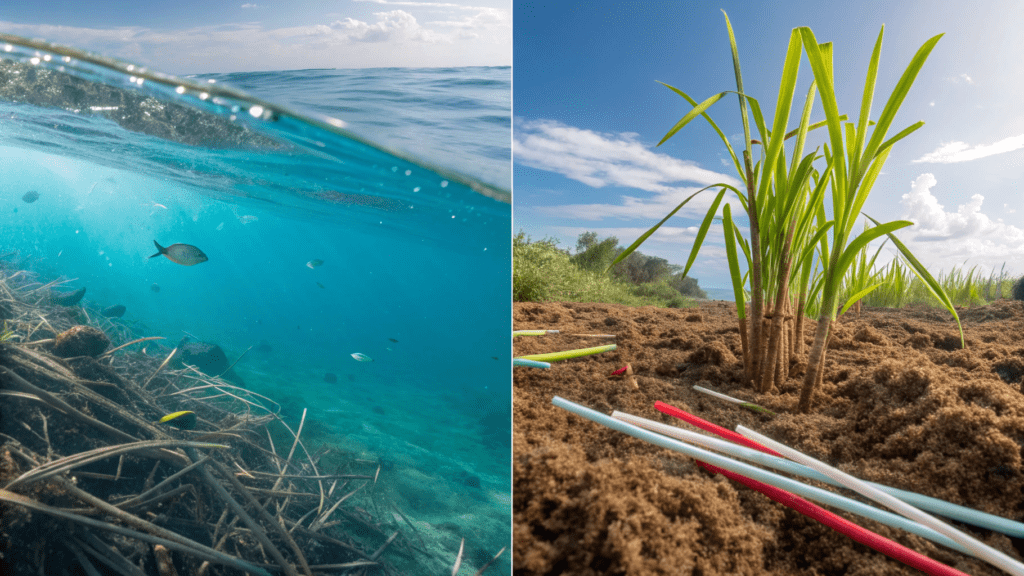
La large paille en plastique traditionnelle, autrefois un élément omniprésent dans l'expérience du thé boba, est devenue un symbole de pollution plastique à usage unique. Ces pailles, nécessaires à la consommation des perles de tapioca, échappent fréquemment aux flux de recyclage et persistent dans l'environnement pendant des centaines d'années, se décomposant en microplastiques nocifs. Ce bilan environnemental a un impact direct sur la vie marine, qui confond souvent les restes de plastique avec de la nourriture, entraînant ainsi de graves dommages écologiques.
Au-delà du mandat environnemental, le passage à des alternatives durables présente des problèmes et des opportunités tangibles pour les entreprises. Les risques de non-conformité sont primordiaux ; La directive européenne sur les plastiques à usage unique et diverses interdictions au niveau des États aux États-Unis, comme celles de San Francisco et de Seattle, imposent une transition. Le non-respect peut entraîner des amendes substantielles et des réactions négatives des clients, compromettant l'accès au marché, en particulier dans les régions dotées de politiques environnementales strictes comme de nombreux pays de la région Asie-Pacifique.
Les équipes d’approvisionnement sont confrontées à des défis immédiats. Le coût des alternatives durables peut être deux à trois fois plus élevé que celui des pailles en plastique traditionnelles. Pour les directeurs des opérations, la gestion des compromis en matière de performances des nouveaux matériaux est essentielle. Les pailles en papier détrempées, les exigences de compostage industriel du PLA et la logistique de nettoyage des options réutilisables en acier inoxydable ont tous un impact sur l'efficacité opérationnelle et, surtout, sur l'expérience client. Une expérience de consommation compromise en raison d'une paille fragile peut affecter directement la satisfaction des clients et la fidélité des clients, érodant ainsi la fidélité à la marque sur un marché concurrentiel. Adopter une stratégie proactive et basée sur les données pour intégrer les pailles boba vertes dans votre chaîne d'approvisionnement n'est plus une option ; c’est un impératif stratégique pour assurer la viabilité à long terme et le leadership sur le marché.
L’adoption proactive de pailles boba durables est un impératif stratégique pour la viabilité à long terme et le leadership sur le marché.
Alternatives à la paille Boba en papier : compromis entre durabilité et durabilité
Les pailles en papier représentent l'une des alternatives jetables les plus courantes au plastique, visant une biodégradabilité améliorée. Des fabricants comme HSD Packaging ont investi dans des techniques avancées, en se concentrant sur des constructions à 3 ou 4 couches pour une robustesse améliorée et en affichant des capacités annuelles impressionnantes de 5 milliards de pièces. Cette échelle de production, associée à des certifications telles que FSC, BRC et ISO9001, reflète un effort mûr pour répondre à la demande. Ils sont souvent personnalisables avec différentes couleurs et designs, permettant ainsi l’image de marque.
Environmental Footprint & Compliance: Biodegradable but with Caveats for Paper Straws
Généralement, les pailles en papier sont biodégradables et compostables et se dissolvent en quelques semaines dans des conditions appropriées. Cela réduit considérablement leur contribution aux décharges et à la pollution plastique. Cependant, le récit environnemental des pailles en papier n’est pas sans complexité. Des recherches ont révélé que certaines pailles en papier contiennent des « produits chimiques éternels » (substances per- et polyfluoroalkyles, ou PFAS), qui sont persistants dans l'environnement et ont été associés à divers problèmes de santé. Leur présence est souvent due aux agents d’encollage hydrophobes utilisés pour obtenir une résistance à l’eau. Même si les efforts se concentrent sur l’utilisation de matériaux de qualité alimentaire, non toxiques et sans BPA, cette mise en garde souligne la nécessité d’un approvisionnement minutieux. En outre, leur production nécessite toujours de l’énergie et des ressources, et bien qu’elle provienne souvent de forêts gérées de manière durable, une demande à grande échelle peut contribuer à la déforestation si elle n’est pas gérée avec soin. Le soutien gouvernemental et les réglementations favorisent généralement le papier comme option conforme aux interdictions du plastique, poussant ainsi à son adoption.
Operational Challenges & Cost for Paper Boba Straws
Malgré les progrès, les pailles en papier continuent de présenter des défis opérationnels. Leur principal inconvénient est leur tendance à s’affaisser ou à se ramollir rapidement lorsqu’ils sont exposés à des liquides pendant de longues périodes, en particulier dans les boissons plus épaisses comme le thé boba. Cela a un impact direct sur l’expérience de consommation du boba, entraînant le mécontentement des clients. Les performances peuvent également varier considérablement selon les fabricants. Du point de vue du coût, les pailles en papier sont nettement plus chères que leurs prédécesseurs en plastique, coûtant généralement entre 7 et 19 cents par paille, contre 1 à 3 cents pour le plastique. Pour les entreprises utilisant des millions de pailles chaque année, cela représente une augmentation substantielle des dépenses opérationnelles. Certains utilisateurs signalent également que les pailles en papier peuvent altérer le goût des boissons en raison de résidus de papier ou de revêtements, ce qui a un impact supplémentaire sur la perception des clients.
Les pailles en papier offrent une biodégradabilité mais sont confrontées à des problèmes de durabilité, de coût et de teneur potentielle en PFAS.
PLA Boba Straw Alternatives: Bio-based Innovation & Disposal Complexities
Les pailles d'acide polylactique (PLA) sont dérivées de sources végétales renouvelables telles que l'amidon de maïs ou la canne à sucre. Elles offrent une texture et une durabilité semblables aux pailles en plastique traditionnelles, ce qui en fait un choix populaire pour les entreprises visant des certifications plus écologiques. L'adoption par le marché augmente en raison des pressions réglementaires et de la demande croissante des consommateurs soucieux de l'environnement pour des alternatives durables mais fonctionnelles.
Sustainable Composition & Composting Needs for Plant-Based Straws
Les pailles PLA sont certifiées biodégradables et compostables, répondant aux normes internationales telles que l'européenne EN13432 et l'américaine ASTM D6400. Leur production implique généralement la fermentation de sucres végétaux en acide lactique, qui est ensuite polymérisé en PLA, visant une empreinte carbone inférieure à celle des plastiques à base de pétrole. Ils sont sans BPA, sans plastique et non toxiques, garantissant la sécurité de diverses boissons. Cependant, une mise en garde importante concernant les pailles PLA concerne leur élimination : elles ont généralement besoin d'installations de compostage industriel pour se décomposer efficacement en 90 à 180 jours. Sans ces conditions microbiennes et de haute température spécifiques, les pailles en PLA peuvent persister dans les décharges pendant des siècles, à l'instar des plastiques conventionnels, compromettant ainsi les avantages environnementaux escomptés.
Défis en matière de performances, de coûts et de recyclage pour les pailles PLA
Les pailles PLA offrent généralement une durabilité supérieure à celle du papier, résistant au détrempage des boissons froides et modérément chaudes (jusqu'à 140°F/60°C). Ils offrent une texture lisse et un aspect clair, imitant le plastique sans la culpabilité environnementale associée, ce qui les rend polyvalents pour les jus, les shakes et les smoothies. Du point de vue du coût, les pailles en PLA sont généralement plus chères que les pailles en papier ; une boîte de 2 000 peut coûter environ 229,66 $. Ce coût unitaire plus élevé, combiné aux exigences spécifiques de leur élimination, peut influencer les décisions d'approvisionnement. Un défi important en matière de recyclage réside dans le fait que les pailles PLA ne peuvent pas être traditionnellement recyclées avec d’autres plastiques, car elles nécessitent un traitement différent et peuvent contaminer les flux de recyclage si elles sont mélangées. Ils peuvent également être fragiles, créant potentiellement des arêtes vives en cas de rupture, ce qui constitue un problème de sécurité opérationnelle.
Les pailles PLA offrent une durabilité semblable à celle du plastique mais nécessitent un compostage industriel spécifique pour un véritable bénéfice environnemental.
Sugarcane Boba Straw Alternatives: Repurposed Waste & Natural Durability
Les pailles de canne à sucre sont une solution innovante à base de bagasse, le sous-produit fibreux restant après le broyage des tiges de canne à sucre pour en extraire le jus. Cela valorise les déchets agricoles, contribuant directement à un modèle d’économie circulaire. Ils offrent une alternative robuste et sans plastique, particulièrement adaptée au boba et à d’autres boissons épaisses, et sont réputés pour ne conférer aucun goût ni odeur aux boissons, préservant ainsi le profil de saveur prévu de la boisson.
Circular Economy & Certifications in Sugarcane Straws
Ces pailles sont un excellent exemple d'innovation durable, certifiées compostables par des organisations de premier plan telles que BPI, DIN CERTCO et CMA ; certains sont même admissibles au compostage domestique. Ils se décomposent naturellement en 90 à 180 jours dans les installations de compostage, bien plus rapidement que le plastique. Leur production présente une empreinte carbone remarquablement faible, certains fabricants ayant obtenu la certification ISO 14067 pour des émissions aussi faibles que 9,69 grammes d'équivalent CO2 par paille de boba. Surtout, ils sont exempts de plastiques, de colorants nocifs et de BPA, conformément aux normes strictes de sécurité environnementale et alimentaire. Leur composition naturelle signifie qu'elles se décomposent également plus rapidement dans les déchets généraux que les pailles en plastique classiques, même si elles ne sont pas compostées commercialement.
Performance, rentabilité et expérience utilisateur avec les pailles de canne à sucre
Les pailles de canne à sucre se distinguent par leur grande durabilité et leur robustesse, résistant bien mieux au détrempage que les alternatives en papier. Cela les rend idéaux pour une utilisation prolongée dans les boissons boba. Ils sont également remarquablement compétitifs en termes de coûts en gros, les prix des commandes importantes pouvant descendre jusqu'à 0,01 $ par pièce, ce qui en fait un choix économiquement viable pour les opérations à volume élevé. Bien qu'ils conviennent aux boissons froides et moyennement chaudes (jusqu'à 104°F/40°C), ils peuvent se ramollir légèrement dans les boissons très chaudes. Les utilisateurs signalent une texture douce et un arôme subtil, naturel et léger de cassonade, qui n'interfère pas avec le goût de la boisson, améliorant ainsi l'expérience globale de consommation. Leur capacité à percer les gobelets boba scellés sans se briser constitue un avantage opérationnel significatif.
Les pailles de canne à sucre offrent une excellente durabilité, une rentabilité et de solides qualités environnementales grâce aux déchets réutilisés.
Stainless Steel Boba Straw Alternatives: Reusable Durability & Long-Term ROI
Les pailles boba en acier inoxydable offrent une solution très durable et réutilisable pour réduire considérablement les déchets plastiques à usage unique. Fabriqués en acier inoxydable 304 de qualité alimentaire, ils assurent sécurité et longévité exceptionnelle. Ce choix de matériaux s’aligne parfaitement avec la préférence croissante des consommateurs pour des choix durables à long terme et un mode de vie zéro déchet. De plus, les pailles en acier inoxydable offrent une sensation haut de gamme, ce qui en fait un choix idéal pour les repas sur place ou comme marchandise de marque qui signale subtilement l'engagement d'une entreprise envers la qualité et la durabilité.
Unmatched Longevity & Environmental Impact of Reusable Straws
L’avantage environnemental des pailles en acier inoxydable réside dans leur réutilisation, ce qui réduit considérablement les déchets plastiques au fil du temps et dure des années, voire des décennies, avec des soins appropriés. À la fin de leur longue durée de vie, ils sont entièrement recyclables, s’inscrivant dans une véritable démarche d’économie circulaire. Cependant, leur cycle de vie n’est pas sans considérations environnementales. Les analyses du cycle de vie (ACV) indiquent que les pailles métalliques peuvent générer des émissions importantes associées à leur lavage quotidien, contribuant jusqu'à 85 % de leur impact annuel. La production initiale implique également l’extraction et la transformation de ressources non renouvelables, qui peuvent être gourmandes en énergie. Malgré cela, leur utilisation prolongée dépasse souvent ces coûts environnementaux initiaux et récurrents.
Practical Considerations & Commercial Viability for Stainless Steel Boba Straws
D'un point de vue pratique, les pailles en acier inoxydable nécessitent un nettoyage en profondeur avec une brosse spécialement conçue, bien qu'elles passent généralement au lave-vaisselle. Cette logistique de nettoyage peut constituer un obstacle pour les entreprises de vente à emporter à volume élevé et au rythme rapide. De plus, l’acier inoxydable conduit la température, ce qui signifie qu’il peut devenir inconfortablement chaud avec des boissons chaudes, ce qui pose un problème de sécurité. Tout en offrant un avantage économique à long terme grâce à la réutilisabilité, leur coût initial est nettement plus élevé que les alternatives à usage unique, allant généralement de 0,40 à 1,08 $ par paille en gros. Cet investissement initial plus élevé les rend moins pratiques pour les modèles commerciaux fortement dépendants de la distribution de pailles jetables à gros volumes, mais très attractifs pour les établissements de restauration haut de gamme ou dans le cadre d'une offre de vente au détail durable.
Les pailles en acier inoxydable offrent une durabilité inégalée et un retour sur investissement à long terme, idéales pour les modèles réutilisables.
Analyse comparative : choisir la bonne alternative à la paille Boba
Naviguer dans le paysage diversifié des alternatives à la paille de boba nécessite une compréhension nuancée de leurs implications B2B. Le bon choix peut rationaliser les opérations, garantir la conformité et générer un retour sur investissement significatif.
| Fonctionnalité | Papier | PLA | Canne à sucre | Acier inoxydable |
|---|---|---|---|---|
| Impact opérationnel B2B | Fréquence de remplacement élevée ; insatisfaction des clients en raison de la sogginess. Coûte 2 à 3 fois le plastique. | Nécessite un accès au compostage industriel ; risque de contamination des flux de recyclage. | Excellente durabilité ; image de marque positive ; approvisionnement stable à partir de déchets. | Coût initial élevé ; logistique de nettoyage; moins adapté aux plats à emporter à volume élevé. |
| Note de conformité | Généralement conforme aux interdictions de plastique ; vérifiez la certification sans PFAS. | Conforme si le compostage industriel est disponible ; sinon, non conforme à la véritable intention biodégradable. | Compostable certifié BPI, DIN CERTCO ; largement accepté dans les interdictions. | Favorise la réutilisabilité ; s'aligne sur les objectifs zéro déchet ; pas de problème d’interdiction du plastique à usage unique. |
| Potentiel de retour sur investissement | Faible; coût permanent élevé, potentiel de plaintes des clients. | Modéré; coût unitaire plus élevé que le papier, mais meilleure expérience utilisateur. | Haut; exploite les déchets, une forte durabilité et une éco-marque positive. | ROI élevé à long terme grâce à la réutilisabilité, mais investissement initial élevé. |
La sélection de l’alternative optimale à la paille boba nécessite d’équilibrer l’impact opérationnel, la conformité et le potentiel de retour sur investissement.
Adoption dans le monde réel : mini-étude de cas sur les alternatives à la paille Boba
La transition vers des pailles durables ne se fait pas sans obstacles opérationnels et financiers, comme en témoigne l’expérience d’entreprises de premier plan. Boba Guys, une chaîne de thé boba bien connue, fournit un exemple concret et convaincant. Après avoir déjà distribué environ 2 millions de pailles en plastique par an pour un coût minimal de 1 à 3 cents chacune, leur transition vers les pailles boba en papier a entraîné des « augmentations de coûts significatives » et introduit de nouveaux défis en matière de performances.
Cette étude de cas souligne le double impact du passage à des alternatives : tout en respectant leurs engagements environnementaux, les entreprises doivent faire face à la fois aux implications financières de coûts unitaires plus élevés et aux complexités opérationnelles liées au maintien de la satisfaction des clients avec des matériaux qui peuvent se dégrader avec le temps ou altérer l'expérience utilisateur. La leçon apprise est qu’une planification stratégique, une vérification approfondie des fournisseurs et une compréhension claire des propriétés des matériaux sont essentielles pour atténuer ces impacts. Les entreprises doivent non seulement prévoir l'augmentation des coûts d'approvisionnement, mais également prendre en compte les ajustements potentiels du service client et les efforts de marketing pour informer les consommateurs sur les nouvelles expériences paille. Ce changement, bien que difficile, est fondamental pour la durabilité à long terme et la pertinence du marché. Comprendre comment élaborer une stratégie pour votre stratégie commerciale en paille de boba verte est la clé du succès.
Des cas concrets mettent en évidence la nécessité d’une planification stratégique pour gérer les coûts et l’expérience client lors de transitions durables.
Les perspectives d’avenir pour les alternatives à la paille Boba (5 à 10 ans) : un horizon de 25,1 milliards de dollars
La trajectoire des alternatives à la paille de boba au cours des 5 à 10 prochaines années laisse présager un marché en expansion dynamique, qui devrait atteindre environ 25,1 milliards de dollars d'ici 2035. Cette croissance est soutenue par l'innovation continue dans la science des matériaux et par une attention accrue portée aux principes de l'économie circulaire.
Innovation et dynamique du marché pour les pailles Boba durables
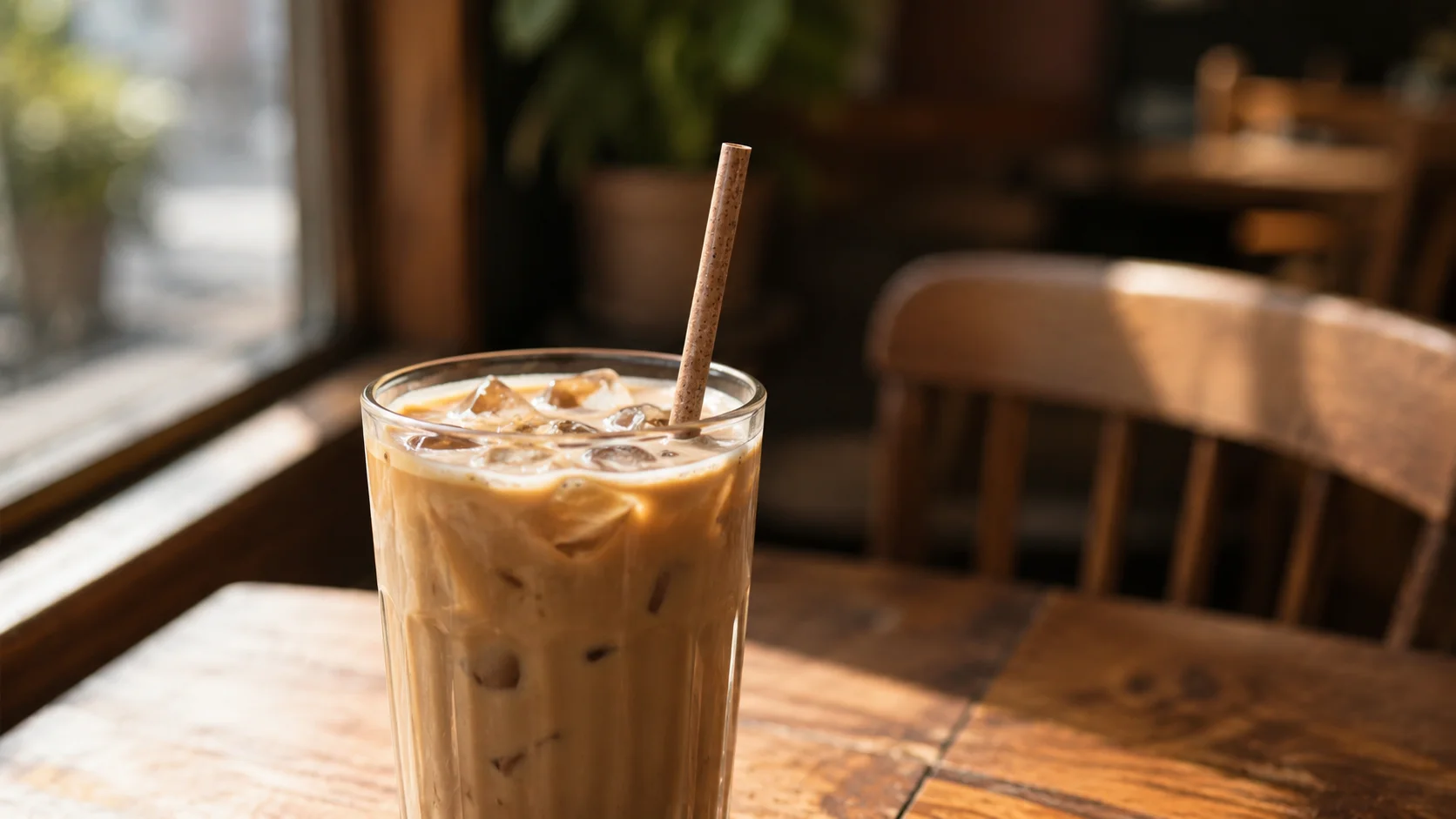
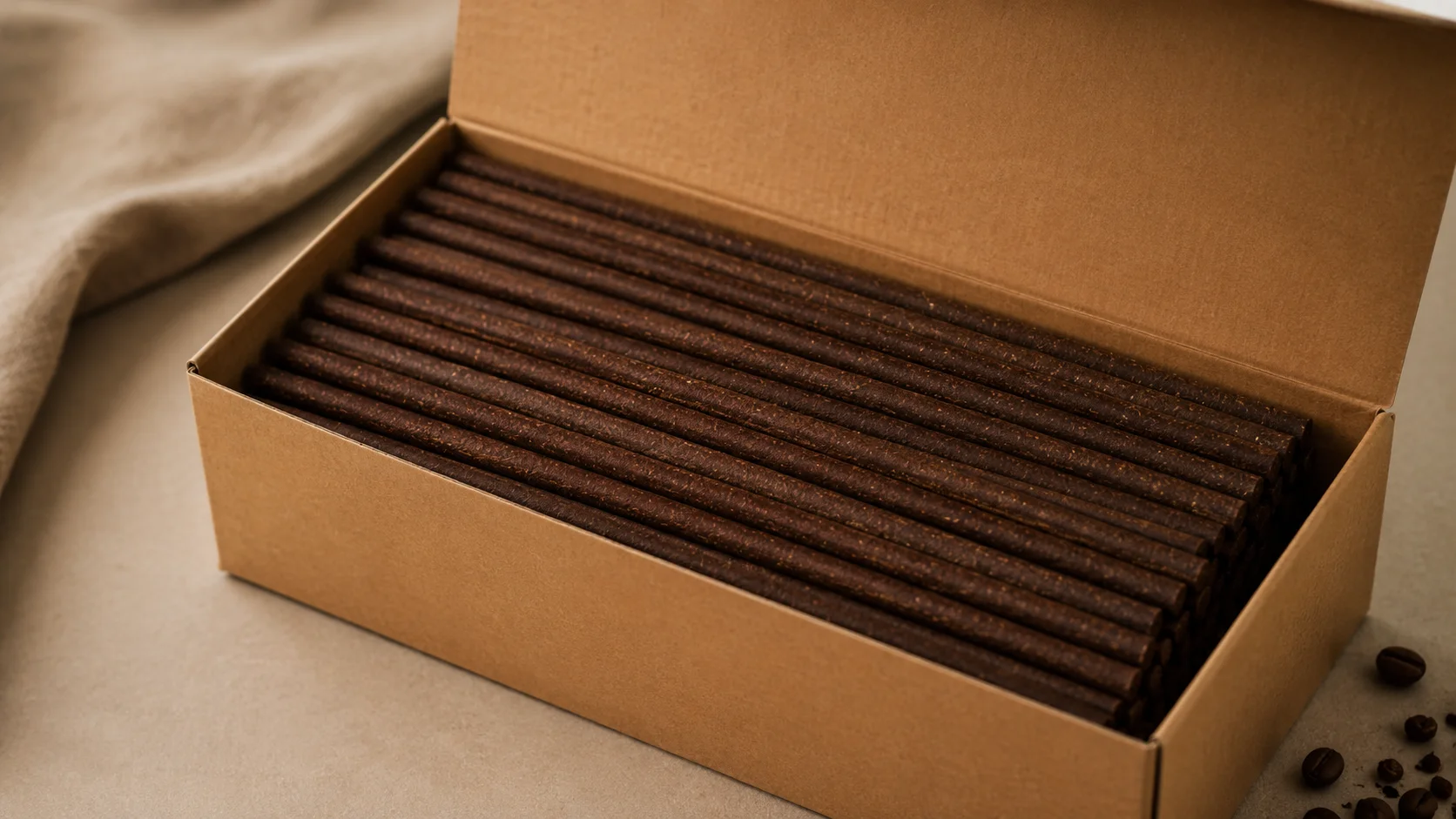
L’avenir verra des matériaux biodégradables comme les polyhydroxyalcanoates (PHA) et le PHBH capturer une part de marché estimée à 60 % d’ici 2030, offrant des performances similaires à celles du plastique avec une biodégradabilité améliorée. Les options réutilisables poursuivront leur forte ascension, les pailles boba en verre projetées à elles seules avec un TCAC robuste de 14,1 % entre 2024 et 2030, reflétant leur attrait et leur durabilité haut de gamme. Un front d’innovation fascinant est celui des pailles comestibles, qui devraient atteindre 446,96 millions de dollars d’ici 2030, offrant une solution véritablement zéro déchet. Ceux-ci sont fabriqués à partir de matériaux tels que le riz, le tapioca ou même le marc de café recyclé, et certains peuvent être aromatisés pour améliorer l'expérience client.
D'autres innovations incluent des revêtements avancés résistants à l'eau pour les pailles en papier afin de lutter contre le détrempage, et le développement de matériaux hybrides qui combinent les meilleures propriétés de différents composants durables pour une durabilité accrue. De nouveaux modèles, tels que des pailles multi-trous, font leur apparition pour optimiser la consommation de liquide et de garnitures, améliorant ainsi l'expérience de consommation du boba. Le paysage réglementaire, illustré par la directive européenne sur les plastiques à usage unique, continuera à être un moteur principal, accélérant l’adoption et poussant à une conformité encore plus stricte. Au-delà de la simple conformité, l'adoption de choix durables différenciera de plus en plus les marques, améliorera l'image de l'entreprise et répondra aux demandes changeantes des consommateurs soucieux de l'environnement, en particulier la génération Z.
Les tendances futures indiquent une croissance significative des innovations en matière de paille boba biodégradable et réutilisable, motivée par la demande des consommateurs et les réglementations.
Competitive Advantage & Business Case: Quantifying the Shift
Pour les responsables des achats et les responsables de la chaîne d’approvisionnement avisés, la transition vers des alternatives avancées à la paille de boba n’est pas seulement une question de responsabilité environnementale ; il s’agit d’une analyse de rentabilisation solide offrant des avantages quantifiables.
- Cost Savings & Long-Term Value: Même si les investissements initiaux peuvent paraître plus élevés, en particulier pour les options réutilisables en acier inoxydable ou compostables de qualité supérieure, le retour sur investissement à long terme est convaincant. L’achat en gros d’options à prix compétitifs comme les pailles de canne à sucre (à partir de 0,01 $ par pièce pour les grosses commandes) ou l’élimination des coûts récurrents à usage unique grâce à des stratégies réutilisables peuvent conduire à des économies opérationnelles significatives. De plus, éviter les amendes et pénalités réglementaires en cas de non-conformité représente une atténuation directe du risque financier.
- Risk Mitigation & Regulatory Resilience: La vague réglementaire mondiale contre les plastiques à usage unique est irréversible. L’adoption rapide et l’engagement en faveur d’alternatives certifiées durables assurent une résilience réglementaire cruciale, garantissant l’accès au marché, en particulier dans les régions fortement réglementées. Le non-respect peut entraîner des amendes substantielles, des batailles juridiques préjudiciables et une presse largement négative, érodant la valeur actionnariale. En gérant de manière proactive votre approvisionnement en gros durable en paille de boba, vous pérennisez efficacement vos opérations.
- Brand Value Uplift & Market Share Opportunity: Les consommateurs, en particulier les millennials et la génération Z, fondent de plus en plus leurs décisions d’achat sur les références en matière de durabilité d’une marque. Un engagement visible en faveur de pratiques respectueuses de l'environnement, telles que l'offre de pailles durables de qualité supérieure, améliore considérablement l'image de marque, favorisant la fidélité et attirant un segment croissant de clients soucieux de l'environnement. Cette différenciation crée un puissant avantage concurrentiel, permettant aux entreprises de conquérir des parts de marché sur le marché en pleine expansion des accessoires pour boissons écologiques. Le marché mondial du bubble tea lui-même est en plein essor, et devrait atteindre 5,4 milliards de dollars d'ici 2033, et l'alignement sur ses tendances en matière de développement durable positionne les entreprises pour une croissance optimale. C’est l’occasion non seulement de se conformer, mais aussi de diriger.
L'adoption de pailles boba durables offre des avantages concurrentiels significatifs, notamment des économies de coûts, une atténuation des risques et une augmentation de la valeur de la marque.
Conclusion : sélection stratégique pour un avenir Boba durable
Choisir la bonne alternative à la paille boba nécessite une prise en compte équilibrée de l'impact environnemental, de la faisabilité opérationnelle et de l'expérience du consommateur. Du profil durable et durable de la canne à sucre, offrant une rentabilité impressionnante en vrac, à la réutilisation à long terme de l'acier inoxydable pour les environnements haut de gamme, chaque option présente des avantages uniques pour les responsables des achats et les responsables du développement durable. Adoptez des décisions basées sur les données pour vous aligner sur l'évolution des réglementations et répondre aux demandes des consommateurs en matière de consommation respectueuse de l'environnement, renforçant ainsi votre position sur le marché et améliorant la valeur de votre marque.
La sélection stratégique d’alternatives à la paille boba est essentielle pour améliorer la valeur de la marque et réduire l’empreinte environnementale.
Transformez votre chaîne d'approvisionnement : évaluez et intégrez les alternatives optimales à la paille boba pour améliorer la valeur de la marque et réduire l'empreinte environnementale. Demandez une consultation dès aujourd’hui pour explorer des solutions de paille durables personnalisées pour votre entreprise.
Foire aux questions (FAQ)
Q : Comment les magasins de thé Boba gèrent-ils le coût plus élevé des pailles durables ? ▼
R : Les magasins de thé Boba peuvent gérer des coûts plus élevés en achetant en gros, en explorant des contrats à long terme avec des fournisseurs ou en ajustant légèrement les prix des boissons. Certains proposent également des pailles réutilisables à l’achat, faisant supporter le coût au consommateur tout en favorisant la durabilité.
Q : Quelles sont les meilleures alternatives à la paille boba pour les boissons chaudes ? ▼
R : Pour les boissons chaudes au boba, les pailles en acier inoxydable sont durables mais peuvent conduire la chaleur, ce qui les rend inconfortables. Les pailles de canne à sucre peuvent légèrement ramollir, tandis que les pailles en PLA ne sont généralement pas recommandées pour des températures supérieures à 140°F (60°C). Les pailles en papier sont sujettes au détrempage. Les options réutilisables comme le verre ou le bambou (si elles sont suffisamment larges) sont souvent meilleures pour les boissons chaudes.
Q : Comment les magasins Boba peuvent-ils informer leurs clients sur les nouveaux matériaux en paille ? ▼
R : Les magasins peuvent utiliser la signalisation en magasin, les campagnes sur les réseaux sociaux et la formation du personnel pour expliquer les avantages et l'élimination appropriée des nouveaux matériaux en paille. Mettre en évidence l’impact environnemental et l’engagement de la marque en faveur du développement durable peut favoriser l’appréciation et la compréhension des clients.
Q : Existe-t-il des réglementations spécifiques aux pailles boba sur les marchés d'Asie-Pacifique ? ▼
R : Oui, de nombreux pays de la région Asie-Pacifique interdisent le plastique à usage unique. Par exemple, Taïwan vise des interdictions d’ici 2020, et d’autres pays comme la Corée du Sud et la Thaïlande ont lancé des initiatives similaires. Les entreprises doivent consulter les réglementations locales pour connaître les exigences de conformité spécifiques concernant les pailles boba. Pour plus de détails, reportez-vous à notre guide complet des réglementations mondiales sur le plastique.
Q : Quel est le MOQ typique pour les pailles boba durables de marque personnalisée ? ▼
R : Les quantités minimales de commande (MOQ) pour les pailles boba durables de marque personnalisée varient considérablement selon le matériau et le fournisseur. Pour les pailles en papier et en canne à sucre, les MOQ peuvent aller de 50 000 à 100 000 pièces. Pour l’acier inoxydable, les MOQ peuvent être inférieurs, de l’ordre de 1 000 à 5 000 pièces, en raison d’un coût unitaire plus élevé. Il est préférable de consulter directement les fournisseurs pour connaître les exigences spécifiques et les options de marque.