Sugarcane Straws & Compliance: PFAS-Free, EPR-Ready Guide

Le ondate di preoccupazione ambientale sono in aumento e le imprese si trovano sotto un controllo senza precedenti. La crisi globale dell’inquinamento da plastica ha cambiato la coscienza pubblica, con consumatori e regolatori che richiedono alternative realmente sostenibili. Tuttavia, il panorama “eco-friendly” è irto di affermazioni fuorvianti e di pericoli nascosti. Le vostre attuali soluzioni “verdi” sono veramente conformi, sicure e a prova di futuro?
Non si tratta solo di ottica; si tratta di un imperativo fondamentale del mercato. Si prevede che il mercato della paglia ecologica raggiungerà livelli sbalorditivi25,1 miliardi di dollari entro il 2035, passando da 12,3 miliardi di dollari nel 2025 con un robusto tasso di crescita annuale composto (CAGR) del 7,3%. Questa crescita esponenziale non è solo una tendenza; è una risposta diretta alla crescente consapevolezza ambientale e a un’ondata crescente di normative rigorose. Tuttavia, inseguire ciecamente questa crescita senza una profonda comprensione della conformità può portare a sanzioni finanziarie significative, danni irreparabili alla reputazione e, in definitiva, al tradimento della fiducia dei consumatori.
Molte aziende stanno inconsapevolmente navigando in un campo minato, adottando alternative alla paglia “ecologiche” che non soddisfano gli standard di conformità critici. Ciò può esporli ad accuse di greenwashing, reazione negativa dei consumatori e, cosa allarmante, al rischio di introdurre inconsapevolmente “sostanze chimiche per sempre” dannose come i PFAS nella loro catena di approvvigionamento e, per estensione, nelle mani dei loro clienti. Il rischio invisibile è reale e le conseguenze della non conformità stanno diventando sempre più gravi. Per le imprese B2B lungimiranti, comprendere questa complessa rete di normative e minacce emergenti non è solo consigliabile, ma è essenziale per la sostenibilità a lungo termine e il vantaggio competitivo.

Decodificare il labirinto della conformità: greenwashing, PFAS e martello normativo
Il viaggio verso la vera sostenibilità è lastricato di intricati quadri normativi e di conoscenze scientifiche in evoluzione. Ciò che ieri era considerato “verde”, oggi può essere ritenuto insufficiente o addirittura dannoso. Per le aziende che operano nei settori della ristorazione, dell’ospitalità e della vendita al dettaglio, stare al passo con questa curva è fondamentale.
Il panorama normativo in evoluzione: un cambiamento globale
I governi di tutto il mondo stanno intraprendendo azioni aggressive per frenare l’inquinamento da plastica, creando un ambiente dinamico e spesso difficile per le imprese.
- Global Bans & Restrictions: IL Direttiva UE sulla plastica monouso (SUPD), in vigore dal 2021, ha già posto un freno a vari articoli di plastica monouso, comprese le cannucce, in tutti gli Stati membri. Questa direttiva prende di mira in modo specifico anche la plastica “di origine biologica” se rientra nella definizione di plastica. Guardando avanti, l'imminente Regolamento sugli imballaggi e sui rifiuti di imballaggio (PPWR), che dovrebbe entrare in vigore nel 2025, introdurrà norme ancora più severe, sottolineando la riciclabilità e la riutilizzabilità degli imballaggi a contatto con gli alimenti e, in particolare, un divieto totale dei PFAS negli imballaggi alimentari entro agosto 2026. Al di fuori dell'Europa, gli standard nazionali cinesi, come GB/T41008-2021, ora stabiliscono requisiti tecnici e di biodegradabilità per le cannucce, imponendo plastiche biodegradabili a contatto con gli alimenti o materiali polimerici naturali approvati. Negli Stati Uniti, nonostante l’assenza di un divieto federale, numerosi stati e grandi città hanno preso l’iniziativa. California, New York, Maine, Oregon e molti altri paesi hanno già promulgato leggi che limitano o vietano le cannucce di plastica monouso, spesso richiedendo alternative compostabili certificate. Ad esempio, l’Hazardous Packaging Act di New York ha vietato l’aggiunta intenzionale di PFAS negli imballaggi alimentari a partire dal 31 dicembre 2022.
- La responsabilità estesa del produttore (EPR) è qui: Forse uno dei cambiamenti più significativi che influiscono sui produttori di imballaggi è l’ascesa di Responsabilità estesa del produttore (EPR) legislazione. Questa politica ridefinisce radicalmente la responsabilità, spostando l’onere finanziario e operativo della gestione dei prodotti a fine vita – dalla raccolta e cernita al riciclaggio e allo smaltimento – lontano dai comuni e dai contribuenti, e direttamente sui produttori stessi. Stati come Maine, Oregon, California, Colorado e Minnesota hanno già approvato leggi EPR complete sugli imballaggi, con altre all’orizzonte. Una componente fondamentale di questi programmi è ecomodulazione, dove le tariffe dei produttori vengono adeguate in base all'impatto ambientale dei loro imballaggi. I marchi che utilizzano materiali veramente riciclabili, riutilizzabili o compostabili o che incorporano elevate percentuali di contenuto riciclato post-consumo possono beneficiare di tariffe più basse. Al contrario, coloro che fanno affidamento su materiali difficili da riciclare o non conformi devono affrontare costi più elevati. Ciò fornisce un potente incentivo economico affinché le aziende diano priorità alla progettazione circolare e a scelte di materiali realmente sostenibili. I pionieristici mandati EPR della California a Riduzione del 25% degli imballaggi in plastica e riciclabilità o compostabilità al 100% entro il 2032, a dimostrazione degli obiettivi aggressivi che le imprese devono ora raggiungere. La legge del Minnesota mira a che i produttori coprano fino al 90% dei costi del sistema di riciclaggio a livello statale entro il 2031 e che tutti gli imballaggi siano riutilizzabili, riciclabili, compostabili o raccolti attraverso un sistema di recupero approvato entro il 2032.

Il campo minato del greenwashing: molto più che semplicemente “biodegradabile”
La promessa di “ecosostenibilità” è stata sfruttata, portando a un diffuso greenwashing che mina la fiducia dei consumatori ed espone le imprese a rischi legali. Il termine “biodegradabile”, in particolare, è stato spesso colpevole.
- Guide verdi FTC: La Federal Trade Commission (FTC) Guide Verdi costituiscono il quadro definitivo negli Stati Uniti per evitare affermazioni ingannevoli di marketing ambientale. Pur non essendo leggi stesse, interpretano il modo in cui il divieto della legge FTC sulle pratiche sleali o ingannevoli si applica alla pubblicità ambientale. Affermazioni generiche e non qualificate come “eco-friendly” sono quasi impossibili da dimostrare e sono generalmente viste come fuorvianti. Le affermazioni di “compostabile” richiedono solide prove scientifiche a riguardo Tutto i materiali contenuti nel prodotto si decomporranno in modo sicuro e rapido in compost utilizzabile in un apposito impianto di compostaggio o in un cumulo di compostaggio domestico. È fondamentale che questa limitazione venga eliminata se è richiesto il compostaggio industriale e tali strutture non sono ampiamente disponibili per i consumatori nel mercato rilevante dovere essere chiaramente divulgato. La FTC mette specificamente in guardia contro le affermazioni "biodegradabili" per articoli destinati a discariche, inceneritori o impianti di riciclaggio se non si rompono entro un anno, poiché questi ambienti generalmente non favoriscono una rapida decomposizione. La FTC ha una storia di azioni coercitive contro aziende che fanno affermazioni infondate sulla “plastica biodegradabile”. Per le aziende che desiderano navigare in queste acque in sicurezza, consultare il Guide verdi della FTC è un primo passo essenziale.
- Il problema del PLA: Molte bioplastiche, come l’acido polilattico (PLA), sono spesso commercializzate come “compostabili”. Anche se tecnicamente vero, il PLA richiede in genere condizioni di compostaggio industriale molto specifiche – calore elevato sostenuto e umidità controllata – per essere decomposto in modo efficace. Se tali strutture non sono facilmente accessibili agli utenti finali, commercializzare i prodotti PLA come semplicemente “compostabili” senza un’adeguata qualificazione costituisce greenwashing. Inoltre, un’etichettatura errata può portare alla contaminazione del PLA con i flussi di riciclo se selezionati in modo errato, aggiungendo un ulteriore livello di complessità alla gestione dei rifiuti.
La verità allarmante: PFAS nelle cannucce “ecologiche”.
Forse la minaccia più insidiosa in agguato nel mercato della paglia “ecologica” è la presenza nascosta diPFAS(sostanze per- e polifluoroalchiliche). Queste “sostanze chimiche per sempre” sono un gruppo di sostanze chimiche sintetiche che non si decompongono naturalmente nell’ambiente o nel corpo umano.
- Sostanze chimiche esposte per sempre: Studi recenti hanno rivelato una realtà scioccante: molte cannucce di carta (fino al 90%) e di bambù (fino all’80%) apparentemente “ecologiche” contengono PFAS. Queste sostanze chimiche vengono aggiunte intenzionalmente per fornire resistenza all'acqua e al grasso oppure sono presenti a causa della contaminazione delle materie prime. L’aspetto allarmante è che i PFAS possono filtrare dalla cannuccia direttamente nelle bevande, portando all’ingestione diretta da parte dei consumatori. Queste “sostanze chimiche per sempre” sono collegate a una serie di gravi problemi di salute, tra cui problemi riproduttivi, ritardi nello sviluppo, vari tumori e squilibri ormonali. Questa scoperta getta una chiave di volta nella percezione della sostenibilità di molte popolari alternative “verdi”.
- Restrizioni globali: La risposta globale ai PFAS sta accelerando. Come accennato, il PPWR dell’UE attuerà un divieto totale dei PFAS negli imballaggi alimentari entro il 2019 Agosto 2026. Diversi stati degli Stati Uniti, tra cui California, New York, Maryland e Washington, hanno già messo al bando i PFAS negli imballaggi alimentari e la FDA ha annunciato l’eliminazione volontaria da parte dei produttori di PFAS utilizzati come agenti antigrasso negli imballaggi alimentari in carta e cartone. La rete normativa si sta restringendo e le aziende che non riescono ad affrontare i PFAS nei loro prodotti rischiano gravi sanzioni e l’abbandono dei consumatori. Le cannucce in acciaio inossidabile sono state tra gli unici tipi costantemente risultati privi di PFAS negli studi.
Per aiutare a visualizzare il paesaggio, considera i tipi di paglia più comuni e le relative sfide di conformità:
Tabella 1: Tipi di cannucce ecologici e relative sfide di conformità
| Tipo di paglia | Materiale primario | Principali vantaggi ambientali | Sfide comuni di conformità/greenwashing | Rischio PFAS (segnalato) |
|---|---|---|---|---|
| Plastica | Polipropilene (PP), PS | Basso costo | Non biodegradabile, inquina gli oceani, microplastiche, soggetto a divieti (SUPD UE, stati USA) | Basso |
| Carta | Polpa di legno | Biodegradabile, riciclabile (non rivestito) | Spesso rivestito con plastica/PFAS per una maggiore durata, diventa fradicio, non compostabile se rivestito con plastica, elevato consumo di energia/acqua nella produzione,Rischio PFAS elevato (fino al 90%) | Alto |
| Bioplastica PLA | Amido di mais, Canna da zucchero (fermentata) | A base vegetale, compostabile | Richiede compostaggio industriale (non ampiamente disponibile), greenwashing se non qualificato, può contaminare i flussi di riciclaggio tradizionali, può contenere plastificanti, alcune fonti riportano ancora PFAS nelle bioplastiche | Moderare |
| Bambù | Fibra di bambù | Rinnovabile, biodegradabile | La durata varia, può scheggiarsi, spesso richiede uno smaltimento specifico, alcuni bambù lavorati contengono additivi,Rischio PFAS elevato (fino all'80%) | Alto |
| Riutilizzabile (metallo, vetro, silicone) | Acciaio inossidabile, vetro borosilicato, silicone | Zero rifiuti, durevole | Richiede infrastrutture di lavaggio, trasporto e stoccaggio; impronta di carbonio della produzione, potenziale di rottura (vetro), problemi di igiene se non puliti adeguatamente;Generalmente senza PFAS (acciaio inossidabile) | Basso |
| Bagassa di canna da zucchero | Fibra di canna da zucchero (bagassa) | Veramente circolare, compostabile certificato, privo di PFAS | Costo iniziale leggermente superiore a quello della plastica, richiede un'adeguata infrastruttura di compostaggio per il fine vita (industriale/domestico) | Nessuno rilevato |

Sugar Cane Straws: Your Blueprint for Uncompromised Sustainability & Compliance
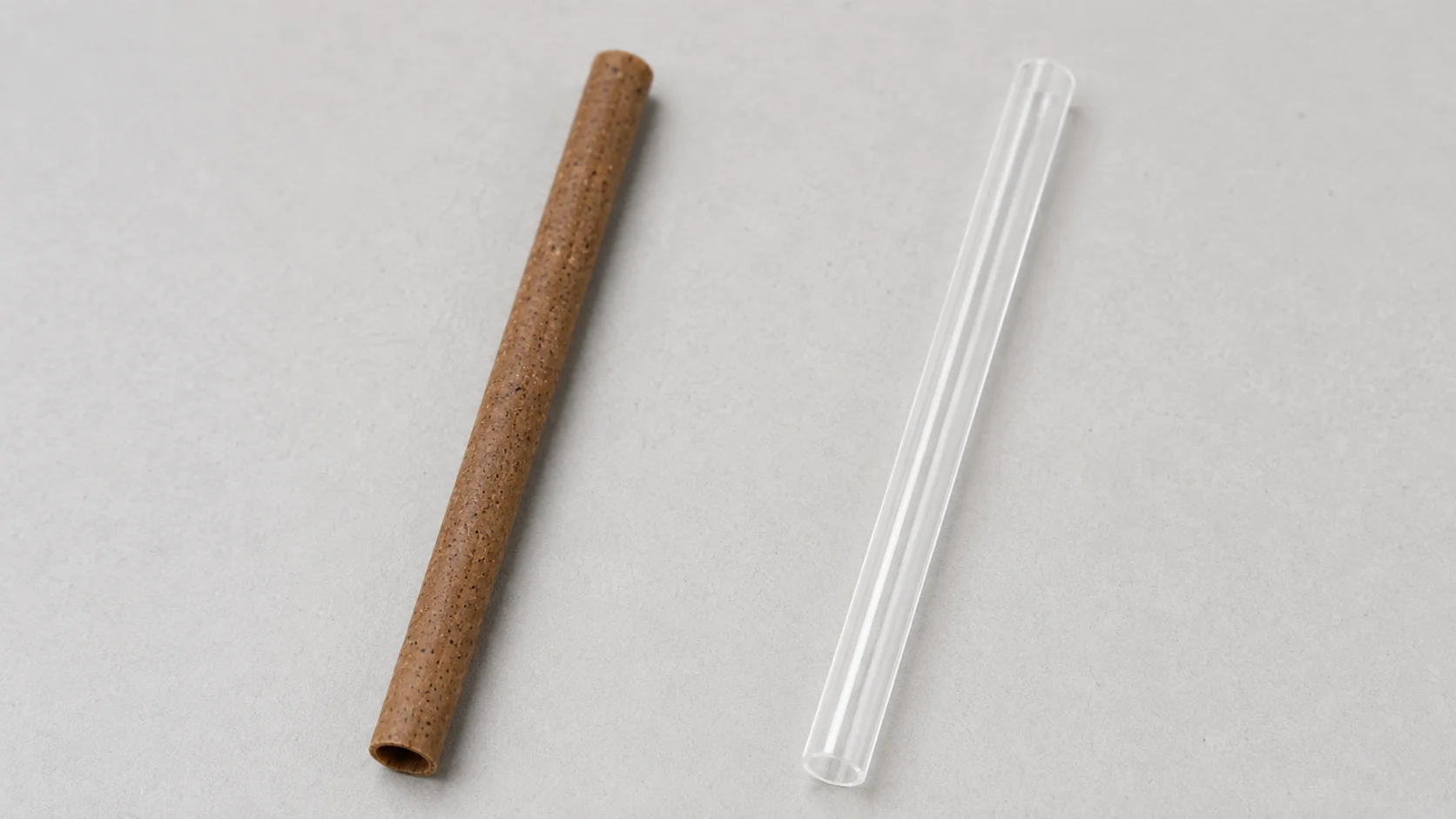
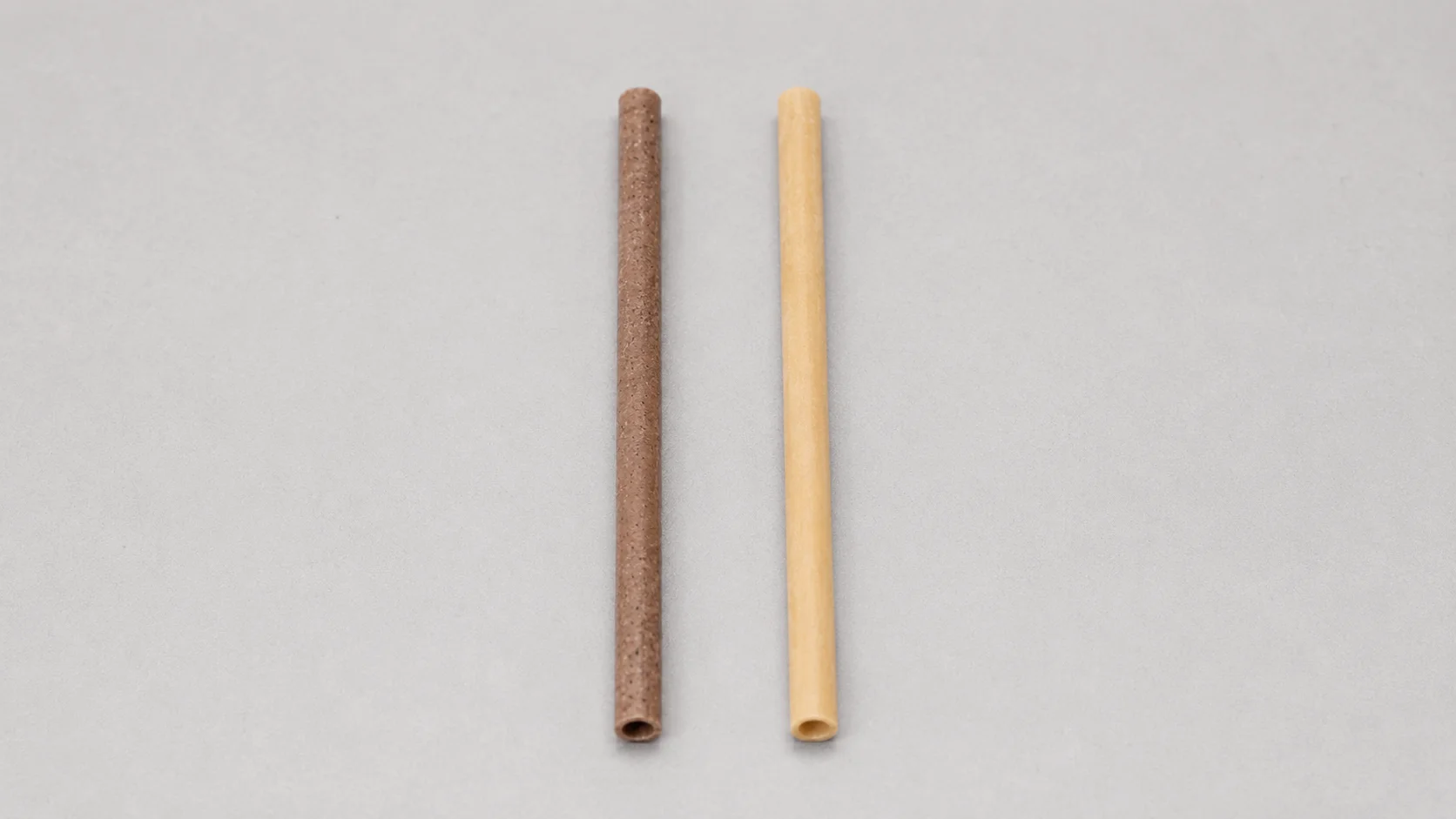
In questo panorama complesso e spesso fuorviante, le aziende più esigenti hanno bisogno di una soluzione chiara, affidabile e realmente sostenibile. Le cannucce di canna da zucchero, derivate dalla bagassa di canna da zucchero, un sottoprodotto agricolo facilmente disponibile, si distinguono come un'alternativa di prim'ordine che non solo soddisfa, ma spesso supera i requisiti di conformità attuali e futuri. Offrono una miscela unica di eco-compatibilità, prestazioni robuste e completa trasparenza.
Credenziali ambientali senza rivali
Le cannucce di canna da zucchero MOMOIŌ non sono solo “verdi”; rappresentano un vero impegno per la circolarità e l’integrità ambientale.
- Truly Plant-Based & Circular: Realizzate al 100% con fibra di canna da zucchero rinnovabile, le nostre cannucce trasformano ingegnosamente i rifiuti agricoli in un prodotto prezioso. Questo approccio a circuito chiuso riduce significativamente la dipendenza dalle risorse vergini e abbassa drasticamente l’impronta di carbonio del prodotto rispetto alla plastica, alla carta o anche ad alcune bioplastiche. Utilizzando la bagassa, un materiale che altrimenti verrebbe scartato o bruciato, contribuiamo a un ecosistema agricolo più sostenibile.
- Certified Biodegradable & Compostable: La comprovazione delle affermazioni ambientali con certificazioni credibili di terze parti non è negoziabile. Le cannucce di canna da zucchero MOMOIŌ soddisfano i più elevati standard globali di compostabilità:
- Certificato industriale BPI (Nord America – aderente ASTM D6400 E ASTM D6868). Questa certificazione garantisce che le nostre cannucce si decomporranno in modo efficiente negli impianti di compostaggio industriale.
- TÜV AUSTRIA OK Compost Industrial & OK Compost Home Certified (Europa – conforme a EN13432, ISO 14855/20200). Questa doppia certificazione è fondamentale, poiché convalida la compostabilità sicura ed efficace sia in ambienti industriali su larga scala che in ambienti di compostaggio domestico meno controllati. Questa ampia applicabilità semplifica le opzioni di smaltimento sia per i consumatori che per le imprese.
Queste rigorose certificazioni verificano che le nostre cannucce si biodegradano naturalmente, trasformandosi in compost ricco di sostanze nutritive al loro interno 60-90 giorni in ambienti di compost industriale, senza lasciare residui nocivi o microplastiche. Per una comprensione più approfondita di queste certificazioni critiche, fare riferimento alle risorse di organizzazioni rispettabili come Istituto dei prodotti biodegradabili (BPI).
- PFAS-Free & Pure: In un'era in cui i "prodotti chimici per sempre" gettano una lunga ombra su molte alternative "ecologiche", le cannucce di canna da zucchero MOMOIŌ offrono la massima tranquillità. Siamo garantiti Senza PFAS, eliminando i rischi per la salute e le preoccupazioni di greenwashing associati alla carta e alle cannucce di bambù. Inoltre, le nostre cannucce sono prive di BPA, le “5 plastiche” (PP, PE, PS, PVC, PET), ftalati, petrolio, candeggina, metalli pesanti e glutine. Anche molte delle nostre opzioni lo sono Senza PLA, semplificando ulteriormente lo smaltimento e garantendo una vera integrità ambientale senza fare affidamento sulle bioplastiche che potrebbero richiedere strutture industriali specializzate. Questo impegno per la purezza significa che il tuo marchio può promettere con sicurezza un'esperienza sicura, pulita e veramente sostenibile.
Prestazioni superiori per le tue operazioni
La sostenibilità non dovrebbe mai andare a scapito della funzionalità o dell’esperienza del cliente. Le cannucce di canna da zucchero MOMOIŌ sono progettate per l'eccellenza negli ambienti B2B esigenti.
- Durata eccezionale: Dì addio alle cannucce fragili e fradicie che si dissolvono a metà bevanda. A differenza delle cannucce di carta che spesso si degradano rapidamente, le cannucce di canna da zucchero mantengono la loro robustezza e funzionalità per ore sia nelle bevande calde che in quelle fredde. Ciò garantisce un'esperienza cliente coerente e premium, prevenendo l'alterazione del gusto e la frustrante disintegrazione. I tuoi clienti apprezzeranno l'atmosfera familiare e le prestazioni affidabili, associando il tuo marchio alla qualità, anche nelle scelte eco-consapevoli.
- Sicurezza al contatto con gli alimenti assicurata: La salute e la sicurezza sono fondamentali. Le nostre cannucce di canna da zucchero sono pienamente conformi alle rigorose normative globali sulla sicurezza alimentare, tra cui Approvazione FDA statunitense E UE 10/2011, parte del più ampio REGOLAMENTO QUADRO (CE) N. 1935/2004 sui materiali a contatto con gli alimenti. Inoltre, i nostri processi di produzione aderiscono a HACCP (Analisi dei Rischi e Punti Critici di Controllo) E Sistema di gestione della sicurezza alimentare ISO 22000 standard, garantendo la massima sicurezza e qualità lungo tutta la filiera produttiva.
Per illustrare i chiari vantaggi, confrontiamo le cannucce di canna da zucchero con altre comuni alternative “ecocompatibili” in termini di conformità e prestazioni:
Table 2: Comparative Compliance & Performance of “Eco-Friendly” Straws
| Caratteristica | Cannucce di canna da zucchero (MOMOIŌ) | Cannucce di carta standard | Cannucce in bioplastica PLA | Cannucce Di Bambù |
|---|---|---|---|---|
| Fonte materiale | Bagassa di canna da zucchero (sottoprodotto dei rifiuti agricoli) | Polpa di legno vergine | Amidi vegetali (ad esempio mais) | Pianta di bambù |
| Risorsa rinnovabile | Sì (100%) | Sì (da alberi, ma spesso materiale vergine) | Sì (a base vegetale) | SÌ |
| Compostabilità | Certified Industrial & Home Compostable (BPI, TÜV OK Compost EN 13432, ASTM D6400/D6868) | Spesso non è veramente compostabile se rivestito in plastica; necessita di specifico compostaggio industriale se certificato | Tipicamente solo compostabile industriale (ASTM D6400, EN 13432); richiede condizioni specifiche | Biodegradabile, ma il processo di compostaggio varia; spesso non certificati per standard specifici |
| Tempo di biodegradazione (compost industriale) | 60-90 giorni | Varia notevolmente; può essere molto più lungo dei compostabili certificati se rivestiti in plastica | 90-180 giorni (in condizioni industriali ideali) | Varia (può essere molto lungo senza condizioni adeguate) |
| Senza PFAS | Garantito senza PFAS | Rischio elevato (segnalato fino al 90%) | Rischio moderato (alcune segnalazioni di PFAS nelle bioplastiche), ma generalmente inferiore a quello della carta | Alto rischio (fino all'80% segnalato) |
| Opzioni senza PLA | Sì (molte opzioni) | Generalmente sì (a meno che non venga utilizzato uno specifico rivestimento in bioplastica) | No (il PLA è il materiale principale) | SÌ |
| Durabilità nelle bevande | Eccellente (ore in caldo/freddo) | Scarso (spesso diventa molliccio rapidamente, altera il gusto) | Buono (paragonabile alla plastica) | Moderato (può scheggiarsi, la consistenza varia) |
| Sicurezza del contatto alimentare | Approvato dalla FDA statunitense, UE 10/2011; HACCP, ISO 22000 | Varia; preoccupa se è rivestito in plastica o contiene PFAS | Generalmente adatto agli alimenti; problemi se non è vera bioplastica o contiene additivi | Varia; preoccupa se non adeguatamente trattato o contiene additivi |
| Rischio di greenwashing | Molto basso (supportato da solide certificazioni) | Alto (a causa delle dichiarazioni “biodegradabile” o “compostabile” per i prodotti rivestiti in plastica o del contenuto di PFAS) | Moderato (a causa delle dichiarazioni di “compostabilità” senza rivelare i requisiti degli impianti industriali) | Moderato (a causa di affermazioni generiche su “naturale” o “biodegradabile” senza percorsi specifici di fine vita) |
| Implicazioni dell'EPR | Positive (eco-modulated fees likely lower due to compostability & sustainability credentials) | Negativo (tasse eco-modulate più elevate se non realmente compostabili o riciclabili; sfide nella gestione dei rifiuti) | Mixed (positive if industrial composting is available & clear; negative if mislabeled/contaminates) | Misto (può essere positivo se veramente compostato; negativo se semplicemente messo in discarica senza un'adeguata decomposizione) |

Rendi il tuo business a prova di futuro
Adottare le cannucce di canna da zucchero MOMOIŌ è più di una scelta di prodotto; è un investimento strategico nella futura resilienza e reputazione del tuo marchio.
- Raggiungi la tranquillità normativa: Naviga con sicurezza nel panorama complesso e in continua evoluzione dei divieti sulla plastica monouso e dei requisiti EPR. Scegliendo un prodotto certificato secondo standard globali come EN 13432 e ASTM D6400, la tua azienda può evitare pesanti sanzioni, sfide legali e notevoli danni alla reputazione derivanti dalla non conformità. Le nostre soluzioni garantiscono che le vostre operazioni rimangano conformi oggi e siano pronte per le normative più rigorose di domani.
- Enhance Brand Reputation & Consumer Trust: Nel mercato odierno, la vera sostenibilità è un potente elemento di differenziazione. Impegnandoti in modo dimostrabile verso soluzioni veramente ecologiche, prive di PFAS e compostabili certificate, ti rivolgi direttamente al segmento in rapida crescita dei consumatori eco-consapevoli. Ciò crea un’autentica fedeltà al marchio, attira l’attenzione positiva dei media e garantisce un vantaggio competitivo significativo in un mercato affollato. I tuoi clienti riconosceranno e apprezzeranno il tuo impegno per un pianeta più sano.
- Gestione semplificata dei rifiuti: Contribuire in modo significativo a un’economia circolare. I prodotti che compostano effettivamente riducono il carico sulle discariche e sull'incenerimento, riducendo potenzialmente i costi di smaltimento dei rifiuti per la tua azienda, soprattutto con l'aumento dei programmi EPR. Le nostre cannucce si decompongono in prezioso compost, non in microplastiche, completando il ciclo naturale.
L’impegno di Momoiō per il tuo successo sostenibile
Noi di Momoiō siamo più di un semplice fornitore; siamo il tuo partner nella costruzione di un futuro veramente sostenibile per il tuo business. Siamo specializzati nella fornitura di soluzioni ecocompatibili innovative e certificate che soddisfano e superano gli standard di conformità globali. Le nostre cannucce di canna da zucchero testimoniano la nostra costante dedizione alla vera sostenibilità senza compromessi, offrendo una miscela perfetta di integrità ambientale, prestazioni superiori e garanzia normativa.
Comprendiamo che il passaggio richiede un supporto completo e diverse opzioni. Ti invitiamo a esplorare i vantaggi e le specifiche della nostra soluzione di punta:
Oltre alle cannucce, offriamo una gamma completa di cannucce certificateimballaggi alimentari biodegradabiliprogettato per una varietà di settori ed esigenze operative. Scopri le soluzioni su misura per:
- Soluzioni per i bar
- Soluzioni per Hotel
- Soluzioni per i rivenditori
Ti invitiamo inoltre a scoprire altre opzioni innovative e sostenibili nella nostra gamma di prodotti, tra cui le nostre ciotole in bagassa, le cannucce in bambù e le cannucce macinate per caffè, assicurandoti l'accesso a diverse soluzioni per ogni esigenza.
Domande frequenti
Senza PFAS • Compostabile certificato • Durabilità pronta per B2B
Perché le cannucce di canna da zucchero sono considerate superiori?
Le cannucce di canna da zucchero utilizzano la bagassa (rifiuti agricoli) in un modello circolare e sono certificate sia per il compostaggio industriale che domestico (BPI, TÜV AUSTRIA OK Compost EN 13432, ASTM D6400/D6868). Sono garantiti senza PFAS e mantengono un'eccellente durata nelle bevande calde e fredde, a differenza delle cannucce di carta fradicie.
In che modo le cannucce di canna da zucchero dimostrano la conformità?
They hold BPI Industrial Certification (ASTM D6400, D6868) and TÜV AUSTRIA OK Compost Industrial & Home (EN 13432, ISO 14855/20200). Food contact safety aligns with US FDA and EU 10/2011 (under Framework Regulation EC 1935/2004). Manufacturing follows HACCP and ISO 22000, ensuring PFAS-Free production.
In che modo le cannucce di canna da zucchero evitano il greenwashing?
Le dichiarazioni sono supportate da certificazioni di terze parti (BPI, TÜV AUSTRIA). A differenza delle vaghe etichette "biodegradabili", le nostre cannucce sono esplicitamente certificate per il compostaggio industriale e domestico e si decompongono in 60-90 giorni senza residui nocivi, inoltre sono garantite prive di PFAS.
Cosa sono i PFAS e perché dovrebbero essere evitati?
I PFAS sono “sostanze chimiche per sempre” persistenti legate a rischi per la salute (ad esempio problemi riproduttivi, tumori, alterazioni endocrine). Gli studi indicano che molte cannucce di carta (fino al 90%) e di bambù (fino all'80%) contengono PFAS che possono filtrare nelle bevande. Le cannucce di canna da zucchero sono garantite prive di PFAS per un'esperienza più sicura.
Nota: testiamo continuamente i materiali in entrata e i prodotti finiti per verificare lo stato privo di PFAS.
In che modo le cannucce di canna da zucchero aiutano con la EPR (responsabilità estesa del produttore)?
I programmi EPR modulano le tariffe dei produttori in base all’impatto ambientale. Le cannucce compostabili certificate a base vegetale beneficiano in genere di tariffe ecomodulate più basse rispetto a materiali difficili da riciclare o non conformi, aiutandoti a contenere i costi e a garantire una conformità a prova di futuro.
Le cannucce di canna da zucchero sono durevoli nell'uso commerciale?
SÌ. Mantengono la struttura per ore nelle bevande calde e fredde, resistono all'alterazione del gusto e funzionano in modo affidabile nelle operazioni di ospitalità ad alto volume.
Fornite certificati di conformità?
SÌ. Possiamo fornire: BPI, ASTM D6400/D6868, TÜV AUSTRIA OK Compost (EN 13432), ISO 14855/20200, FDA, UE 10/2011, HACCP, E ISO22000. Richiedi un pacchetto documenti con il tuo preventivo.