食用ストローはあなたのビジネスにとって持続可能な選択でしょうか?
持続可能な飲酒の未来: 食用ストローは企業にとって真の廃棄物ゼロのソリューションですか?

飲料サービスの未来をナビゲートする
使い捨てプラスチック廃棄物を削減するという世界的な義務により、地味なストローが脚光を浴び、単なる便利なアイテムから企業の環境責任の象徴へと変わりました。調達マネージャー、オペレーションディレクター、サステナビリティ責任者、サプライチェーン幹部は現在、業務効率を維持し、コストを管理し、進化する消費者や規制の要求に応えながら、従来のプラスチックからどのように移行するかという重要な課題に直面しています。賭け金は高い。プラスチック製のストローだけでも、海岸のプラスチック廃棄物の約 4% を占めており、ストローが詰まったウミガメの 2015 年のビデオは、変化を求める世界的な運動を活性化しました。この変化を無視すると、EU使い捨てプラスチック指令などの指令に基づく規制上の罰金から、ブランド価値の低下、ますます環境意識を高める消費者の間での市場シェアの喪失に至るまで、重大な商業的影響につながる可能性があります。このガイドでは、環境に優しいストローの微妙なニュアンスを掘り下げ、食用ソリューションが企業にとって本当に実行可能で拡張性があり、有益な代替品となり得るかどうかについての戦略的視点を提供します。
環境に優しいストローのラインナップを紐解く
持続可能なストローを目指す過程は複雑なことが多く、「生分解性」、「堆肥化可能」、「食用」などの当惑するような用語が並び、混乱をさらに深めています。情報に基づいたビジネス上の意思決定を行うには、次の違いを理解することが重要です。
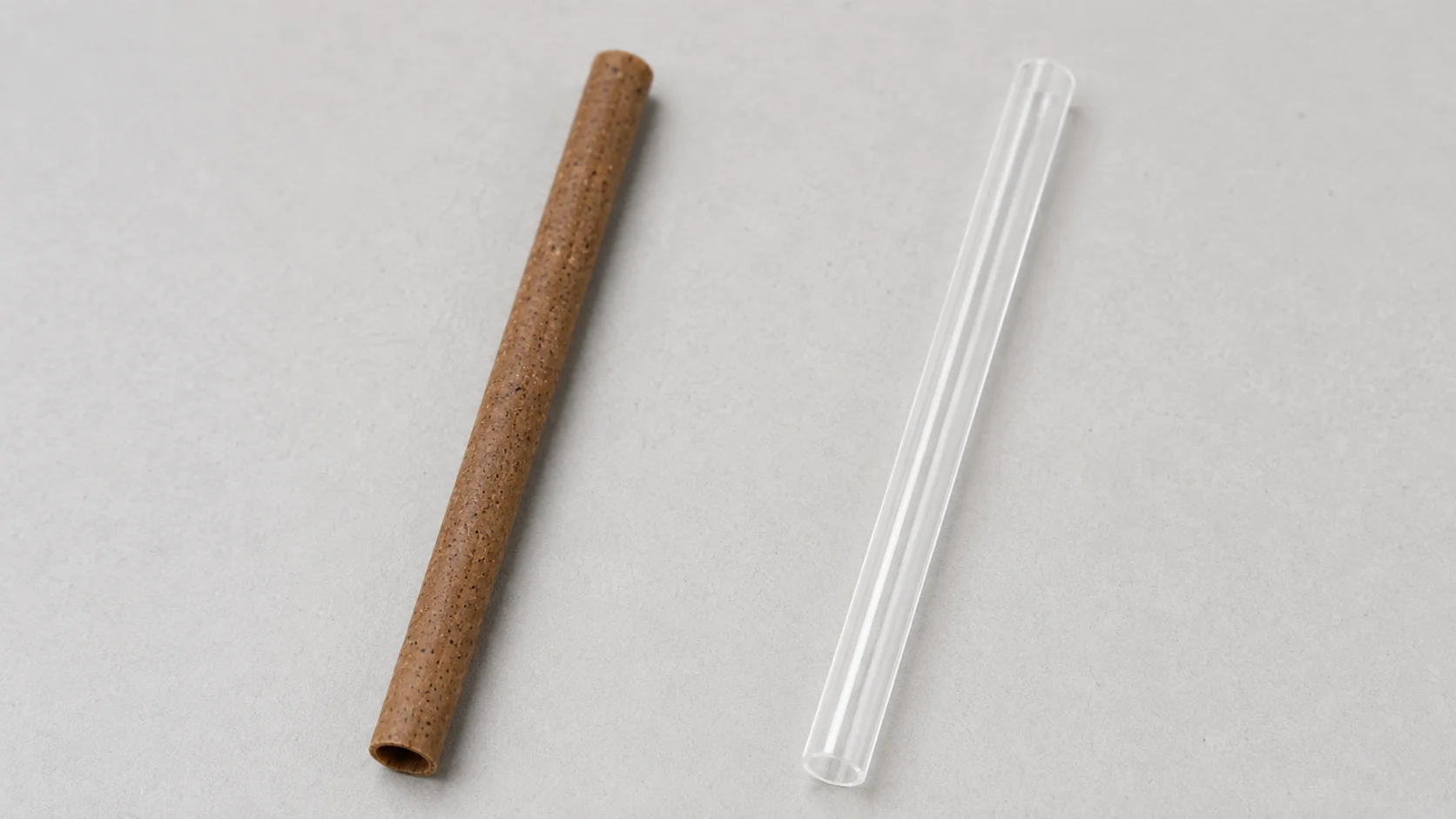
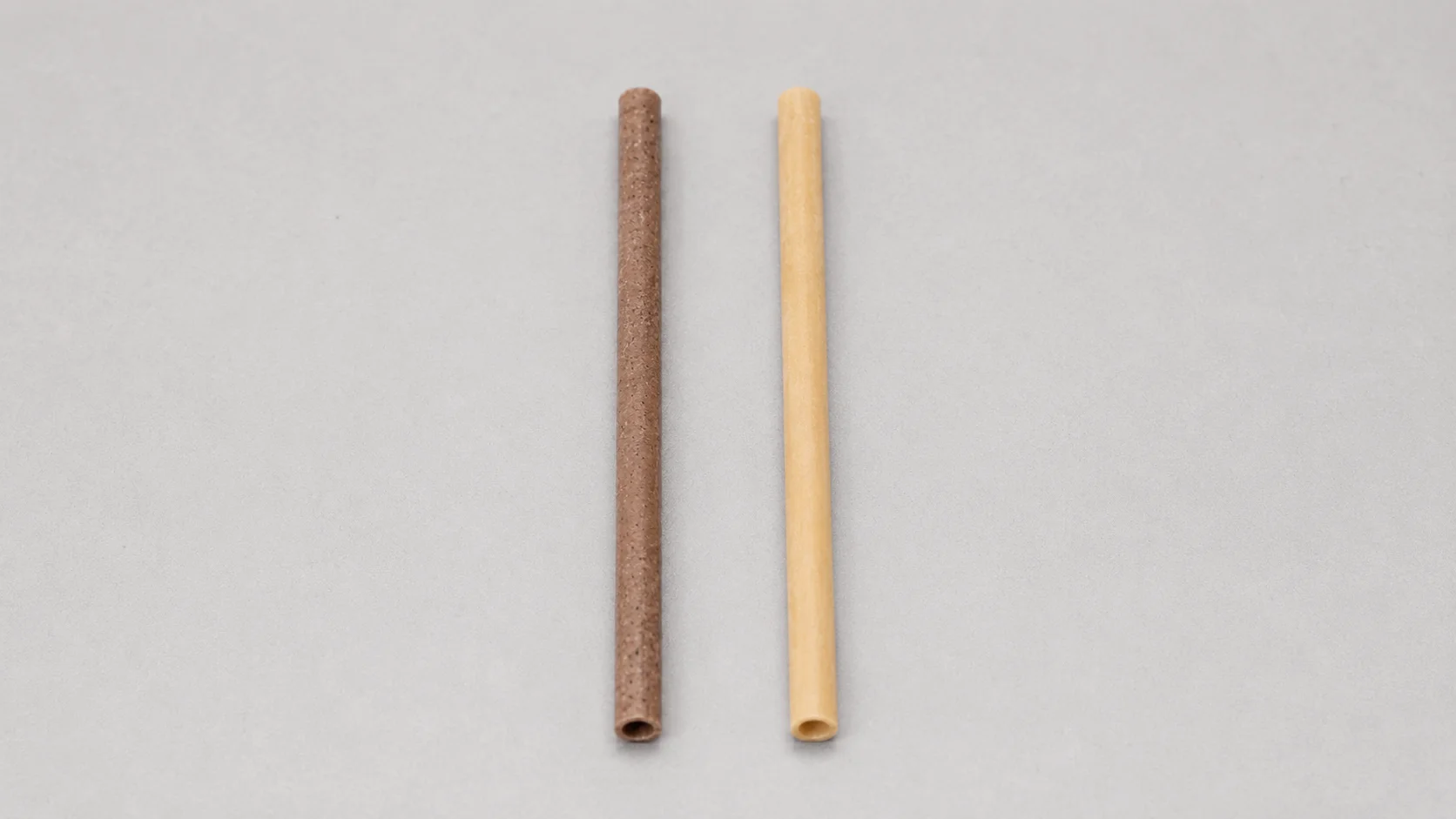
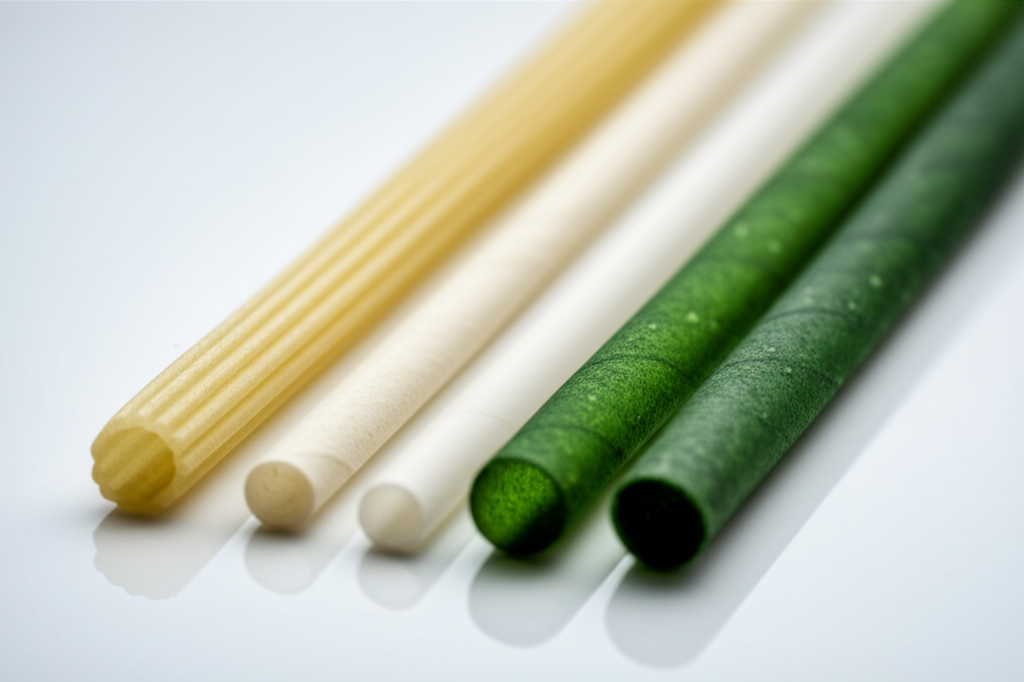
食用ストローの定義:これらの革新的な代替品は、使用後に消費されるように特別に設計されており、真の廃棄物ゼロのソリューションを提供します。米、パスタ(通常は小麦またはセモリナ粉)、タピオカデンプン、コーンスターチ、海藻、砂糖、ゼラチンなどの食品グレードの原材料から作られており、厳しい食品安全性テストを受けています。食用ストローは、使用中に硬くて機能するように設計されており、多くの場合、冷たい飲み物の中で数時間その完全性を維持し(たとえば、稲ストローは最大 4 ~ 5 時間持続します)、その後食べられるほど柔らかくなるか、飲まなければ自然に分解します。多くは無味、または補完的で微妙な風味を与え、全体的な飲み心地を向上させるように設計されています。
生分解性ストロー (非食用):このより広いカテゴリーには、時間の経過とともに自然に分解されるが、人間の消費を目的としていない物質が含まれます。例としては次のものが挙げられます。
- 紙ストロー: 広く採用されている代替品ですが、特に温かい飲み物や長時間使用するとすぐにべたべたになるという批判がよくあります。耐水性のために使用される「永久化学物質」(PFAS)が紙ストローの高い割合で含まれていることに関しても、重大な懸念が生じています。これは環境中に残留し、健康上のリスクを引き起こす可能性があります。
- PLA(ポリ乳酸)ストロー: トウモロコシやサトウキビなどの植物デンプンを発酵させて作られた PLA ストローは従来のプラスチックに似ており、堆肥化可能です。ただし、生分解性には条件があります。通常、それらを効果的に分解するには、高温(60℃以上)で稼働する特定の産業用堆肥化施設が必要です。これらの特殊な施設で処分されない場合、従来のプラスチックと同様に埋め立て地や海洋に数百年から数千年にわたって残留する可能性があり、融点の違いによりリサイクルの流れを汚染する可能性さえあります。
- その他の植物由来のストロー: サトウキビバガス (サトウキビ加工の廃棄物)、竹、リュウゼツランなどの材料も生分解性ストローの製造に使用されます。これらは分解においては環境に優しいものですが、人間が食べるように設計されていません。
B2B の意思決定者にとって、環境上の義務は、EU および米国のさまざまな州で急増するプラスチック禁止への単なる遵守を超えて広がっています。食用ストローのような真に持続可能なソリューションを採用することは、企業の環境に対する評価を大幅に強化し、環境意識の高い消費者の共感を呼び、ブランドイメージと企業の社会的責任の目標に有意義に貢献することができます。企業は、次のようなトピックに関する包括的なガイドを確認することで、持続可能な包装戦略を最適化するための洞察を得ることができます。生分解性ストローの輸入コンプライアンス。
戦略的エッジ: 食用ストローが現代のビジネスに響く理由
持続可能性をリードすることを目指す先進的な企業にとって、食用ストローは単に「環境に優しい」ということをはるかに超えた魅力的な利点を提供します。
- 廃棄物ゼロの活動: 最も即時的で影響力のある利点は、消費後の廃棄物を完全に排除できることです。食用ストローが消費されると、文字通り処分するものがなくなり、埋立地への負担が大幅に削減され、施設の廃棄物管理プロセスが合理化されます。この目に見える廃棄物の削減は、より効率的でコストが削減され、環境に配慮した運営に直接つながります。
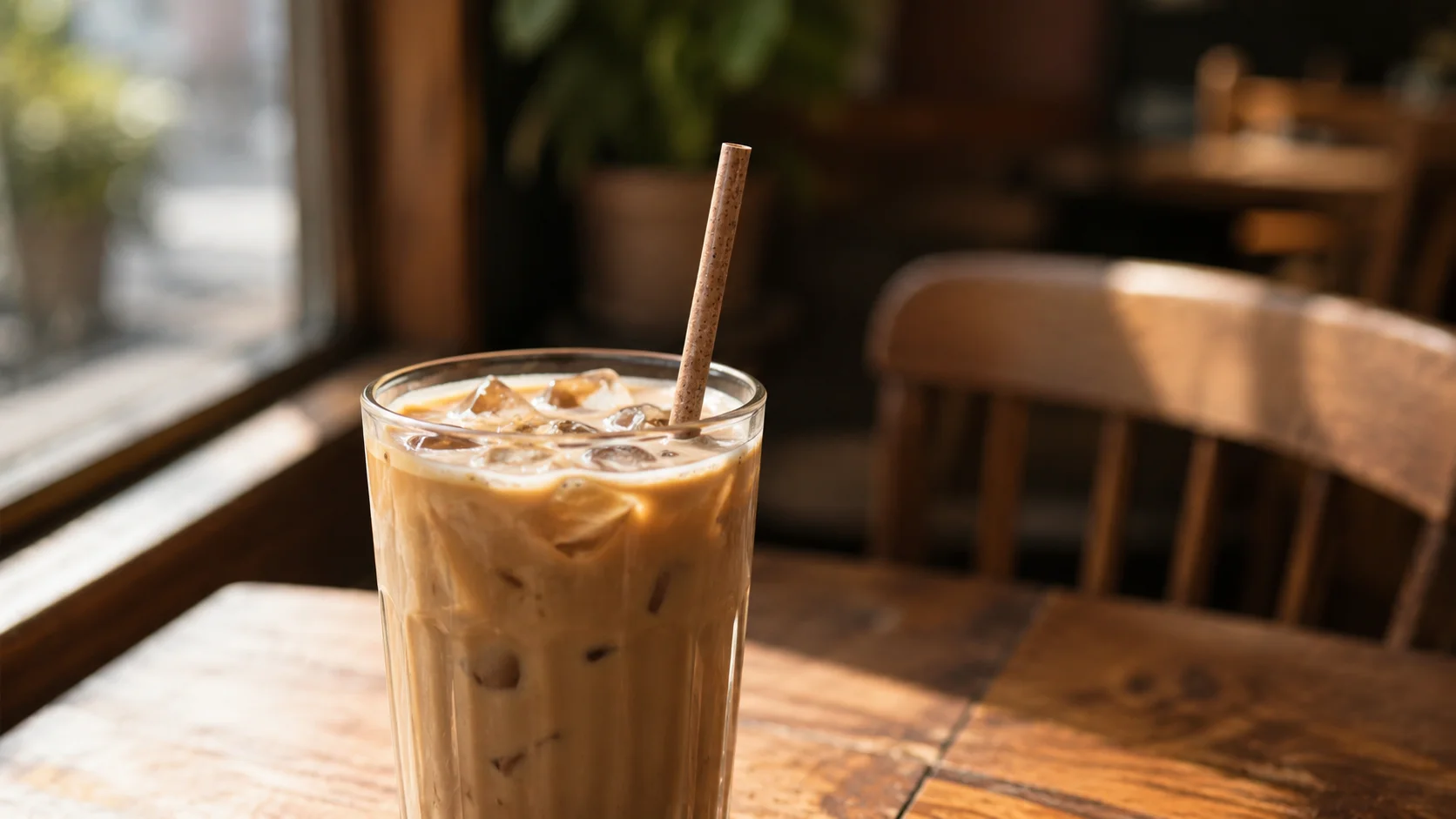
- Enhanced Customer Experience & Brand Differentiation: 食用ストローは、飲み物にユニークで記憶に残る風味豊かなアクセントを加えます。この斬新さは、競争市場において強力な差別化要因となり、持続可能な選択肢とユニークな体験を優先する若い層に強くアピールします。レモン、ストロベリー、チョコレート、さらにはジンジャーなどのフレーバーオプションは、単なる実用性を超えて飲酒体験を高め、ポジティブなソーシャルメディアエンゲージメントと口コミマーケティングを促進します。コーヒーにほのかなチョコレートの香りを添えたり、ジュースに爽やかな柑橘系の香りを添えたりすることを想像してみてください。
- 安全性と健康に関する考慮事項: 天然の食品グレードの原料から作られた食用ストローには、BPA やフタル酸エステルなど、一部のプラスチック製ストローによく見られる有害な化学物質が本質的に含まれていません。さらに、一部の紙代替品とは異なり、深刻な健康問題に関連する「永遠の化学物質」としても知られる PFAS (パーフルオロアルキル物質およびポリフルオロアルキル物質) が含まれていません。多くの食用オプションはグルテンフリーおよびアレルゲンフリーになるように配合されており、その魅力が広がり、より幅広い顧客層にとってアクセスしやすくなります。
- アクセシビリティのニーズを満たす: プラスチック製ストローを廃止する世界的な動きにより、水分補給や投薬のために従来のプラスチック製ストローの柔軟性と耐久性に依存している障害のある人のニーズが時々見落とされてきました。食用ストローは、硬くて再利用可能なオプション (金属やガラスなど) よりも柔軟で、すぐに劣化する紙製ストローよりも耐久性があり、より実用的で安全な代替品となり、持続可能性への取り組みへの包括性を確保できます。当社のガイドで詳しく説明されているように、大手ブランドが使用しているものを含む、持続可能なストローのオプションの全体像を理解することは、調達戦略にとって重要です。 マクドナルドのストロー戦略を解読する: B2B ガイド。
選択肢をナビゲートする: 持続可能なストローに関する B2B 比較ガイド
最適なストロー ソリューションを選択するには、パフォーマンス、コストへの影響、および真の環境への影響を微妙に理解する必要があります。ここでは、目の肥えたB2B意思決定者向けの主要なオプションを比較してみます。
| 特徴/ストロータイプ | 食用ストロー(ご飯、パスタ、海苔) | 紙ストロー | PLA(バイオプラスチック)ストロー | 従来のプラスチック (PP/PS) ストロー (文脈用) |
|---|---|---|---|---|
| 主要な資料 | 米粉、タピオカ澱粉、小麦、コーンスターチ、海藻、砂糖、ゼラチン | バージンクラフト紙、再生紙(コーティングが施されている場合が多い) | コーンスターチ、サトウキビ、リュウゼツラン(植物発酵デンプン) | ポリプロピレン(PP)、ポリスチレン(PS) |
| 液体中での耐久性 | 良好 (30 分~4 時間、種類/ドリンクに応じて)。柔らかくするように設計されています | 変化しやすい(特に高温/長時間使用するとすぐにべたべたになる可能性があります)。改善する | 良好 (プラスチックと同様)。暑い/寒いのに適しています | 優れていますが、マイクロプラスチックを破壊します |
| 耐用年数終了後の廃棄 | 使用後に摂取してください。食べなければ完全に堆肥化可能/生分解性 | 生分解性、堆肥化可能 (PFAS がない場合)。最終的に埋め立て地に送られることが多い | 堆肥化可能 (家庭では堆肥化できないが、産業施設が必要) | リサイクル可能(受け入れられない場合が多い)。主に埋め立て地/海洋汚染 |
| 味・食感への影響 | ニュートラルまたは補完的な風味。独特の食感 | 紙のような味を与える可能性があります。ねっとりとしたときの不快な口当たり | ニュートラルな味。プラスチックのような感触 | ニュートラルな味。滑らかで馴染みのある感触 |
| コストへの影響 | 初期単価は高くなりますが、廃棄物ゼロにより廃棄コストが削減されます | 中程度ですが、プラスチックよりも高くなる可能性があります | 中程度から高程度 | 非常に低い |
| 規制の遵守 | 優れています (廃棄物ゼロのソリューション、プラスチック禁止に準拠) | さまざま(一部の禁止事項は満たされていますが、PFAS の懸念が高まっています) | 異なります(産業用堆肥化が利用可能で利用されている場合に準じます) | 高リスク (世界的に禁止/制限が増加) |
| 消費者の認識 | 非常にポジティブ(革新的、楽しい、環境に配慮した、ユニークなセールスポイント) | 混合(環境に優しい意図があるが、経験が乏しい場合が多い) | 混合(環境に優しいが、廃棄に関する混乱、グリーンウォッシングの懸念) | 非常にネガティブ(主な環境要因、積極的に回避されることが多い) |
| アレルゲンのリスク | 材料によって異なります(例:パスタにはグルテンが含まれています)。多くはGF/AFです | PFAS への懸念は低いが増大している (ヨーロッパや北米など) | 低いが、GMO作物については若干の懸念がある | 低い |
| 貯蔵寿命 | 通常 12 ~ 24 か月 (乾燥した湿度管理された保管が必要) | さまざまですが、一般的に良好です | 良い、プラスチックに似ている | 非常に長い(数世紀にわたる環境、マイクロプラスチックの分解) |

Market Dynamics & Forward-Looking Insights for Your Business
食用で生分解性のストローへの世界的な移行は、単なる一時的な傾向ではなく、市場の根本的な変革であり、その動向を理解している企業にとって重要な機会と独自の課題をもたらしています。
市場の堅調な成長:環境に優しいストロー市場全体は力強い拡大を見せており、2025 年の推定 123 億米ドルから 2035 年までに 251 億米ドル近くに達すると予測されており、年平均成長率 (CAGR) 7.3% を示しています。この急成長分野の中で、食用ストロー部門だけでも、2033年から2035年にかけて9~10%を超える強力なCAGRで成長すると予測されており、一部のレポートでは、2020年の2億903万米ドルから2030年には4億4696万米ドルに成長することが示されており、これは需要の急増と戦略的投資の熟した環境の証です。
導入を推進する主な推進力:
- 規制圧力: 世界中の政府は、使い捨てプラスチックに対する禁止や制限をますます厳格化しています。たとえば、欧州連合の使い捨てプラスチック指令 (SUPD) により、代替品への移行が大幅に加速され、欧州は生分解性ストロー市場のリーダーとなっています。同様に、米国全土のさまざまな州レベルの禁止措置により、企業は適応を余儀なくされています。
- 消費者の需要: 環境意識が世界的に高まり、特に若い世代の間で、持続可能な選択肢に対する強い選好と、それに割増料金を支払う意欲が高まっています。消費者は、自分たちの環境価値観に合致するブランドを積極的に探しています。
- 企業の持続可能性への取り組み: 企業はますます環境に優しい取り組みを中核的なビジネス戦略に組み込んでいます。持続可能なストローを採用することは、ブランドの評判を高め、競争上の優位性を高め、社内の ESG (環境、社会、ガバナンス) 目標を達成するための目に見えて影響力のある方法です。

Sector-Specific Adoption & Regional Insights:のHoReCa(ホテル・レストラン・カフェ)この分野は、食用で生分解性のストローを主に採用している企業として際立っています。 W ホテル (マリオット) やヒルトン ホテルなどの大手ホスピタリティ ブランドは、環境上の利点と顧客体験の向上の両方を認識し、すでに食用ストローを自社の運営に取り入れています。クイックサービスレストラン(QSR)や食品宅配サービスも需要に大きく貢献しています。地域的には現在、ヨーロッパと北米が導入と市場シェアでリードしており、ヨーロッパでは年間約1億8,000万本の食用ストローが導入されており、これは世界の使用量の30%に相当します。アジア太平洋地域は、急速な都市化、小売部門の拡大、プラスチック廃棄物抑制に対する政府の強力な取り組みによって、環境に優しいストローが最も急速に成長している地域として認識されています。

Innovation Hotbeds & Future Trends:この業界はイノベーションの温床であり、常に新しい素材が開発され、機能が強化されています。
- 新しい素材: キャノーラ油などの再生可能資源由来のPHA(ポリヒドロキシアルカノエート)ストローの継続的な進歩に注目してください。海洋環境を含むさまざまな環境で数カ月以内に生分解する能力により注目を集めています。細菌が砂糖を食べて生成し、アルギン酸ナトリウムでコーティングされたバクテリアセルロースストローは、紙に比べて耐久性に優れ、コストはプラスチックに匹敵し、工業的な堆肥化なしで分解することができます。乾燥したココナッツの葉は、天然の抗酸化作用のある多層ストローにも加工されています。
- 強化された機能: 引き続き、初期の代替案の欠点を克服することに重点が置かれています。イノベーションにより、湿潤強度と飲み物中での耐久性が向上しており、特定の食用ストロー配合は、冷たい飲み物の中で柔らかくなるまで最大 45 分間持続するように設計されています。食用ストローの多様で魅力的な風味プロファイルも重要な成長分野であり、企業はレモンやイチゴからコーヒーやビートに至るまで幅広い製品を提供しています。
- 製造効率: 新しい押出技術と接着剤を使用しない生産方法により、生産コストが継続的に削減され、一貫性が向上し、持続可能な選択肢がより経済的に実行可能になっています。
- 「スマート」なソリューション: まだ初期段階ではありますが、将来のイノベーションには、浄水用の濾過機能が組み込まれた再利用可能なスマート ストローや、AI を活用した廃棄物削減分析が含まれ、真に統合された持続可能性ソリューションを提供する可能性があります。
課題に正面から取り組む:食用ストローの可能性は計り知れませんが、企業は既存の限界を認識し、乗り越える必要があります。従来のプラスチックに比べて初期単価が高いことが依然として障害となっていますが、廃棄物処理の削減による長期的な節約によりこれを相殺できます。適切な廃棄教育の必要性、特に産業用堆肥化が厳密に要求され、方向を誤るとリサイクルを汚染する可能性がある PLA ストローについては、運用上の問題も生じます。さらに、一部の紙ストローに含まれる「永久化学物質」(PFAS)に関する懸念は、慎重な材料調達と透明性のあるサプライチェーンの重要な必要性を浮き彫りにしています。真に食用または海洋分解可能なオプションに重点を置く企業は、これらのリスクを大幅に軽減し、消費者の信頼を強化し、ブランドを差別化することができます。ホスピタリティにおける効果的な廃棄物管理についてさらに詳しく知りたい場合は、次のガイドを参照してください。堆肥化可能なストローの廃棄: おもてなしガイド。
企業にとって持続可能な賢い選択をする
先進的な調達マネージャー、オペレーションディレクター、サステナビリティ責任者、サプライチェーン幹部にとっての質問は、もはや次のようなものではありません。もしあなたのビジネスは持続可能なストローを採用する必要がありますが、どれの持続可能なストローは、企業価値、業務上のニーズ、顧客の期待に最もよく適合します。食用ストローを戦略的に採用することで、増え続ける規制の波に準拠するだけではありません。あなたは、あなたのブランドが革新者として、そして環境管理のリーダーとして際立っている未来に具体的な投資をしていることになります。この積極的なアプローチは、廃棄物管理費用の削減を通じて大幅なコスト削減につながり、規制リスクを軽減し、ブランド価値を大幅に向上させ、真の持続可能性がますます評価される市場シェアの拡大を確保します。
次の戦略的ステップ:
- 包括的な評価を実施します。 現在のストローの使用パターン、提供される飲料の種類、主な顧客層、事業に利用できる地域の廃棄物管理と堆肥化インフラストラクチャを分析します。
- パイロット プログラムを開始します。 制御された環境での食用ストローの小規模な試験を考えてみましょう。耐久性、顧客の受け入れ、および広範な展開の前に必要な運用上の調整に関する貴重なフィードバックを収集します。
- 戦略的パートナーシップを築く: 透明な調達、堅牢な認証(食品グレード、堆肥化可能など)、多様な食用ストローのオプションを提供する信頼できるサプライヤーと協力して、ブランド固有のニーズに最適なものを特定します。
- コミットメントを強化します: 食用ストローへの移行を、マーケティングや顧客エンゲージメントの取り組みにおける強力なストーリーとして活用します。持続可能性とイノベーションへの取り組みを明確に伝え、必要な運用変更を環境リーダーシップの説得力のあるストーリーに変えます。
情報に基づいた戦略的な意思決定を今すぐ下すことで、貴社の企業は地球規模の環境問題を、成長、ブランドの評判の向上、大きなプラスの影響をもたらす魅力的な機会に変えることができます。
よくある質問(FAQ)
すべての生分解性ストローは食べても安全ですか?
Only straws specifically labeled as 「食べられるストロー」 are made from food-grade ingredients and intended to be eaten.
Other biodegradable options, like sugarcane bagasse straws or some paper straws, are designed to break down naturally but are not meant for ingestion.
食用ストローは何からできていますか?
These materials allow the straws to hold their shape during use and then be safely consumed or composted.
食用ストローは飲み物の中でどれくらい持ちますか?
Many edible straws can maintain their integrity in cold beverages for 30分から1時間。
Some advanced rice straws can last up to 冷たい飲み物で4〜5時間、他のものは食べやすいように時間の経過とともに柔らかくなるように設計されています。
食用ストローは飲み物の味に影響しますか?
However, some varieties are intentionally flavored (e.g., lemon, chocolate, strawberry) to complement specific beverages or offer a unique sensory experience.
Consumers generally prefer straws that do not impart an off-flavor.
企業にとって食用ストローの主な利点は何ですか?
- 達成する 廃棄物ゼロの活動 (食べられるので)
- 斬新さとフレーバーの追加による顧客体験の向上
- 食品の安全性の確保(PFASフリー、食品グレード認証)
- サポートする アクセシビリティ 障害のある人のための