QSR における環境に優しい包装の複雑さを乗り越える: マクドナルドの紙ストロー戦略からの教訓
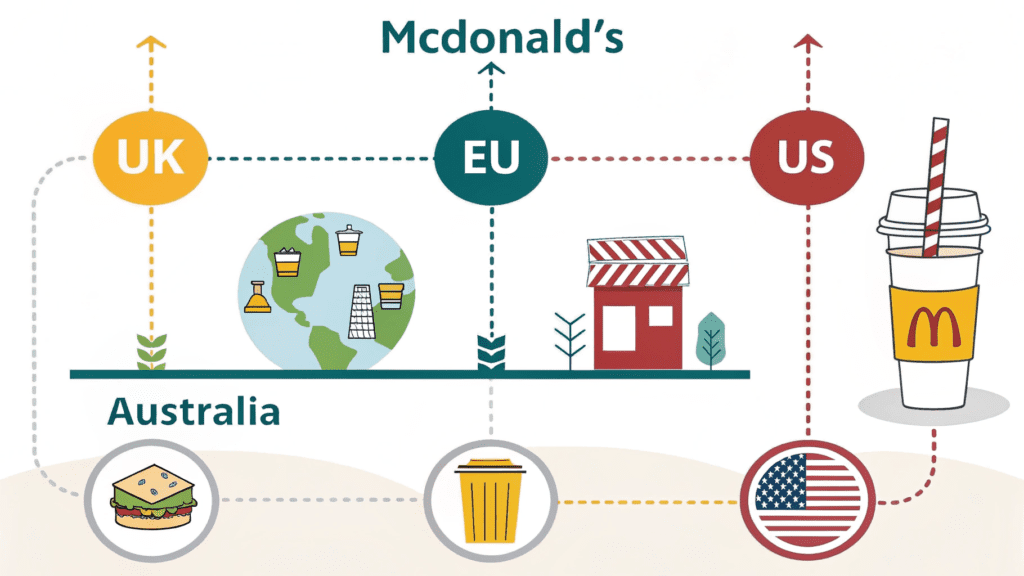
QSR における環境に優しい包装の複雑さを解決する
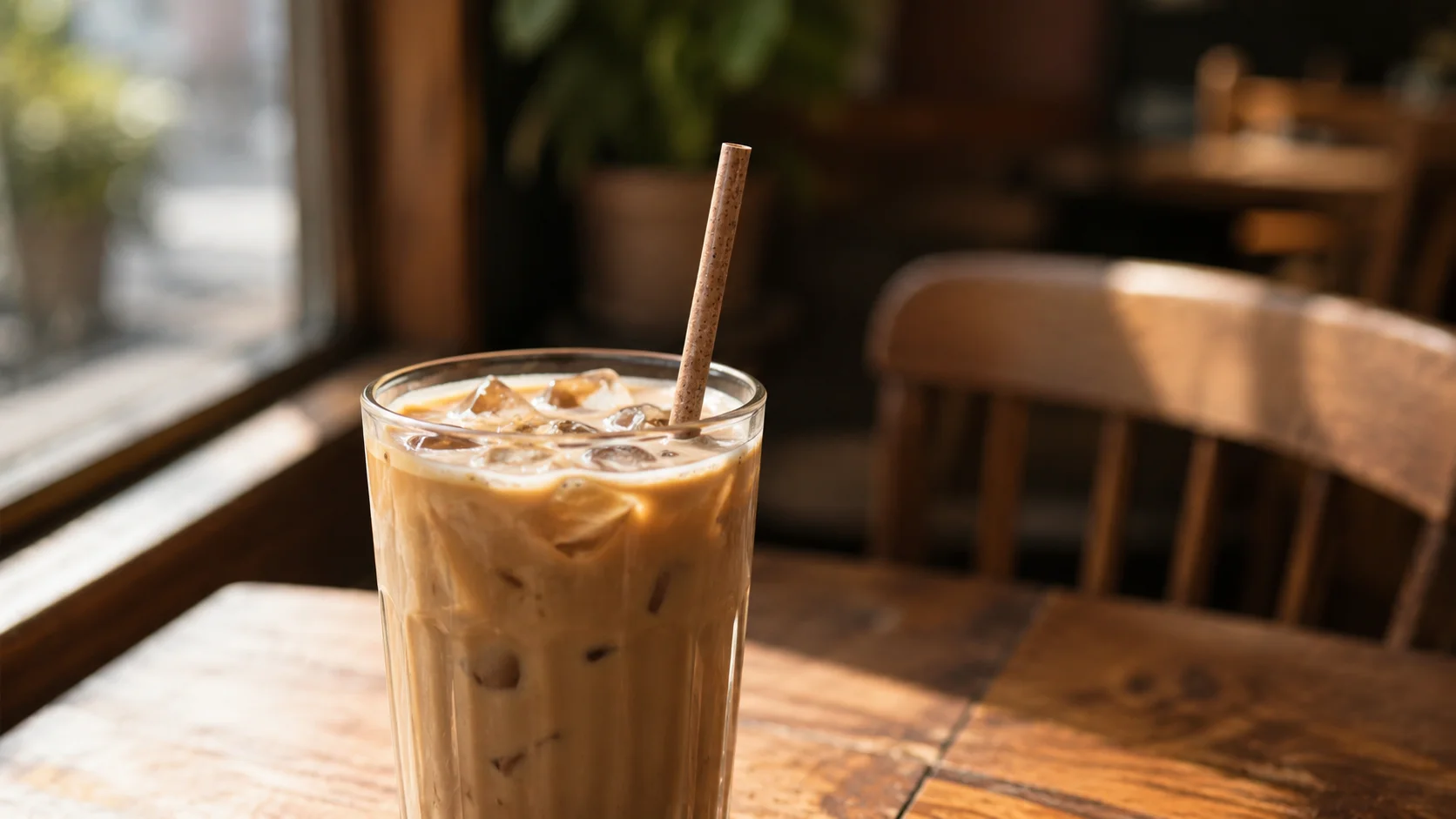
持続可能な慣行を採用するという企業にとっての必須事項は、ニッチな関心事から基本的な戦略の柱へと移行しました。業界全体で、特にクイックサービス レストラン (QSR) やより広範な外食サービス分野では、そのプレッシャーは計り知れません。この圧力は、環境に配慮した製品に対する消費者の需要の高まり、使い捨てプラスチックを対象とした厳格な規制の枠組み、不作為に伴う否定できない運営上および商業上のリスクなど、複数の側面から生じています。マクドナルドのような世界的巨人は、その規模と市場への影響力で知られており、この進化する状況における痛ましいケーススタディとしての役割を果たしています。紙ストローへの移行は大々的に報道され、当初はより環境に優しい未来に向けた記念碑的な前進として賞賛されましたが、その後、持続可能性への取り組みを進めるすべてのB2B意思決定者に重要な教訓を提供する複雑な真実が明らかになりました。 「マクドナルドの紙ストローは生分解性ですか?」という質問。一見シンプルに見えますが、真の持続可能性の複雑さについてのはるかに幅広い物語を解き明かします。
環境に優しい包装のニュアンスを無視すると、重大な影響が生じる可能性があります。ますます規制が進む市場では、コンプライアンス違反による罰金という差し迫った脅威のほかに、ブランドの信頼と顧客ロイヤルティが長期的に損なわれます。今日の消費者は、より多くの情報と洞察力を備えています。彼らは表面レベルの「グリーン」主張を超えて、目に見える環境上の利点を要求しています。これらの期待に応えられなかったり、さらに悪いことに「グリーンウォッシング」と思われる行為を行ったりすると、市場シェアと収益性に重大な影響を与える可能性があります。対照的に、サステナビリティを真に統合している企業は、競争力を獲得し、新しい顧客セグメントを引きつけ、回復力のある将来性のある事業を構築することができます。
プラスチックから紙へ: マクドナルドのサステナビリティに関する取り組みを紐解く
プラスチック汚染に対する国民の不安の高まりと差し迫った政府の命令を受けて、マクドナルドはプラスチックストローからの大幅な移行を開始した。同社は2018年3月に英国でのトライアルを開始し、2019年末までに英国とアイルランドにある全1,361店舗の完全移行を約束した。この動きは公的請願への直接の対応であり、そのうちの1つはファストフード大手にプラスチックストローの廃止を求める50万近くの署名を集めたもので、2018年4月に英国政府が使い捨てプラスチックストローと綿棒を禁止する提案に続いたものだった。 2020年。オーストラリア、カナダ、ベルギー、フランス、スウェーデン、ノルウェー、一部の米国市場など他の主要市場でも同様の取り組みや試験がすぐに続き、いずれも耐久性の高いプラスチックを、より環境に優しいと考えられる材料に置き換えることを目的としている。
しかし、この善意の移行により、すぐに一連の多面的な課題が明らかになり、単純な材料交換が現実世界の持続可能性実装における複雑なケーススタディに変わりました。
The “biodegradable” nuance became a central point of contention. While paper straws are, by their very nature, designed to decompose naturally, their practical recyclability proved to be a formidable hurdle. McDonald’s paper straws, particularly the thicker, more durable versions rolled out in response to customer complaints about sogginess, posed difficulties for existing waste management infrastructure. In August 2019, it was revealed that despite being made from recyclable materials, the straws were too thick to be processed efficiently by their recycling partners in the UK and Ireland. This led to a critical revelation: McDonald’s advised customers in some regions to dispose of the paper straws in general waste. While the company clarified that this general waste was then used for energy generation rather than sent to landfills, the public outcry was swift. Critics levied accusations of “greenwashing,” pointing out the irony of a supposedly eco-friendly product ending up in incineration rather than being recycled as widely assumed. This highlights a crucial gap between a material’s inherent recyclability and the actual infrastructure available for its processing. Understanding the nuances of this transition is vital for any business. For a deeper dive into one of the most visible changes in the fast-food industry, explore our analysis ofdecoding McDonald’s straw strategy。
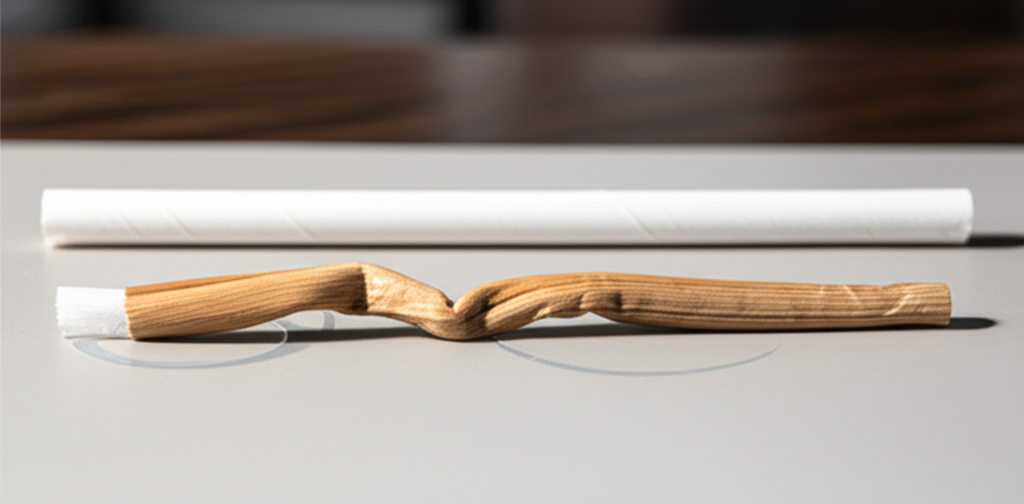
Beyond the recycling conundrum, customer experience and brand perception suffered significantly. Numerous complaints surfaced, with consumers lamenting that the paper straws became soggy and disintegrated quickly, especially in thicker beverages like milkshakes, making them difficult or even impossible to use. Some customers reported that the paper straws altered the taste and feel of their drinks, negatively impacting their overall enjoyment. This widespread dissatisfaction fueled online petitions calling for the return of plastic straws, one of which garnered over 51,000 signatures. McDonald’s responded by introducing an “evolved,” stronger paper straw across Europe in November 2019, and in Australia, they later confirmed a 30% increase in thickness for their paper straws. Yet, even these improvements couldn’t fully mitigate the negative sentiment. This case study underscores the critical balance businesses must strike between environmental goals, product functionality, and customer satisfaction, especially when implementing changes at a global scale.
より環境に優しい未来の構築: フードサービス包装の戦略的ソリューション
マクドナルドのような業界リーダーが直面する複雑さは、真に持続可能な包装ソリューションの導入を目指すあらゆる企業にとって貴重な教訓を提供します。環境に優しい代替品の市場は単に成長しているだけではありません。現在進行中のイノベーション、急増する消費者需要、世界中でますます厳しくなる法的圧力によって、それは急速に進化しています。例えば、世界の環境に優しいストロー市場は、2025年の約123億米ドルから2035年までに251億米ドル近くまで、7.3%の年平均成長率(CAGR)で急増すると予測されています。この堅調な成長は、より持続可能な実践への不可逆的な移行を強調しています。
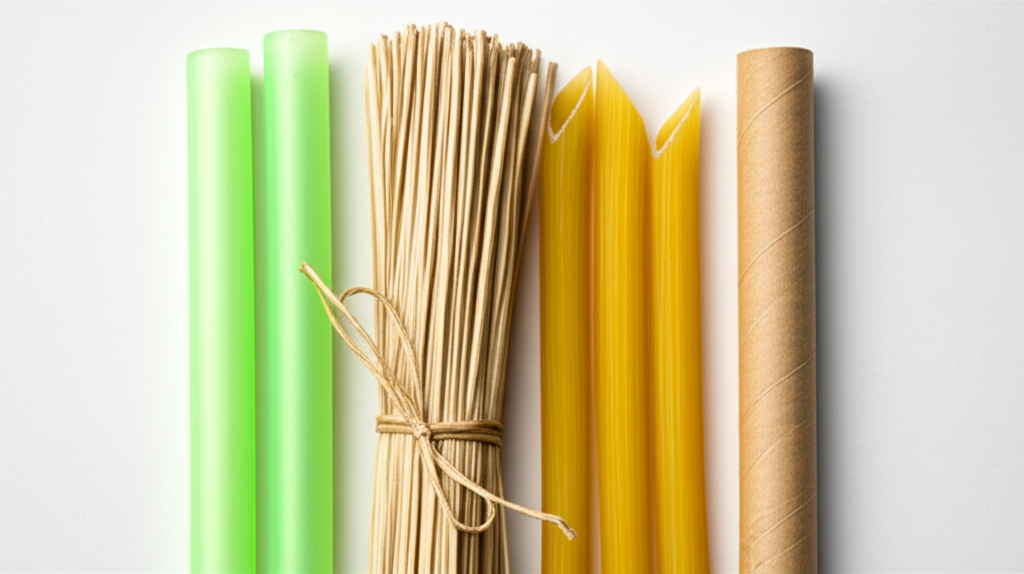
Comparison of Sustainable Straw Technologies: A B2B Perspective
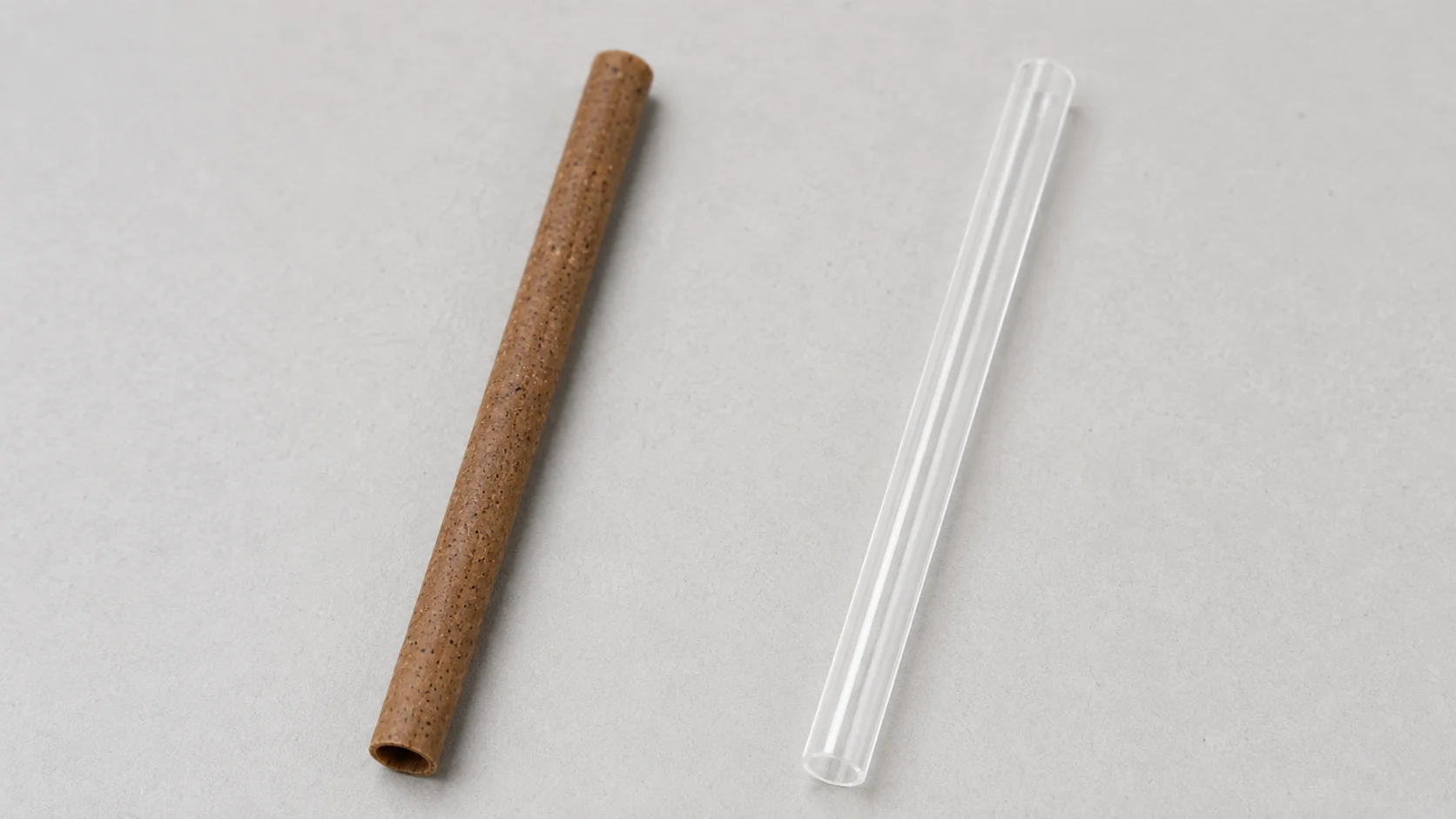
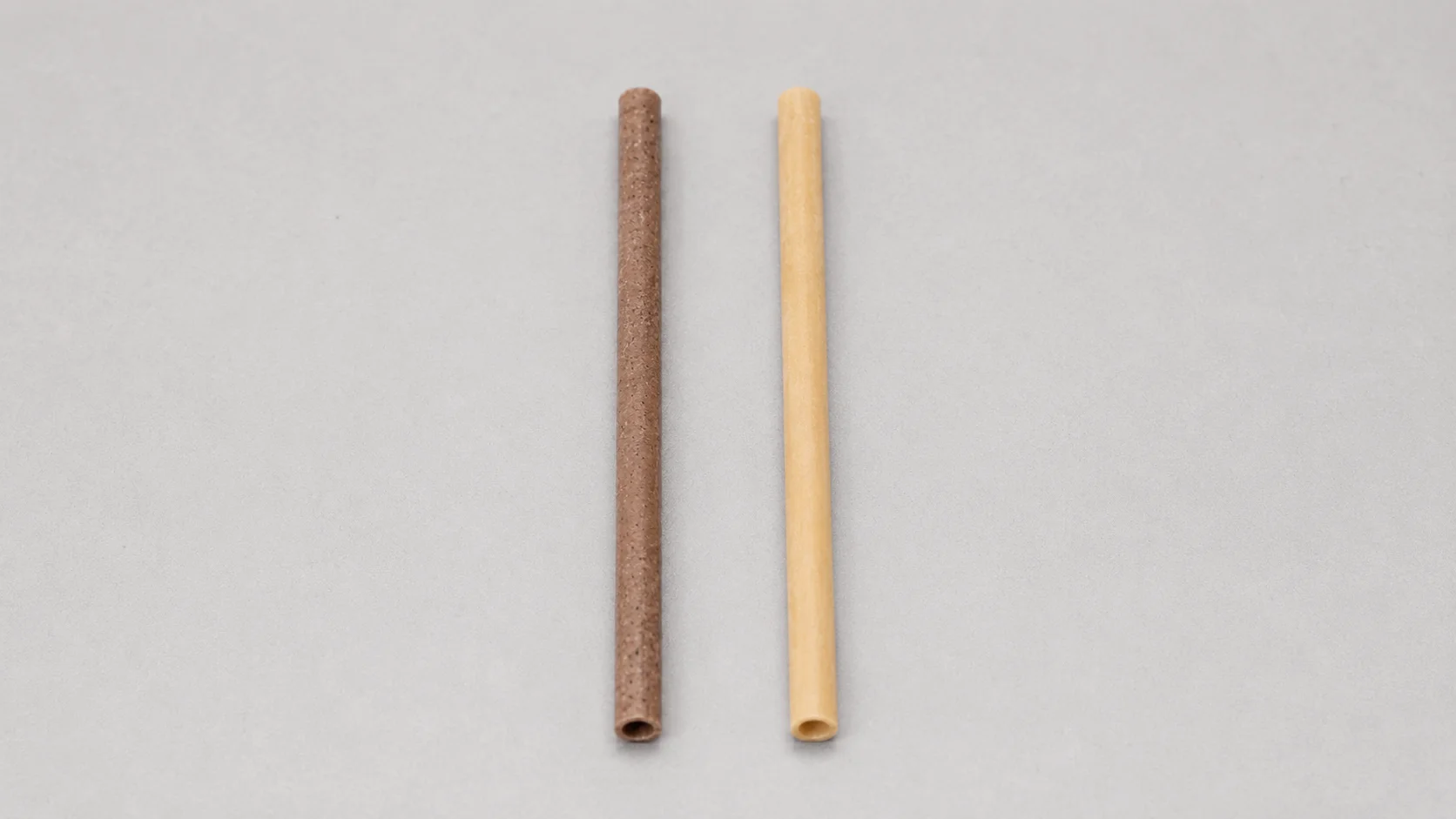
Choosing the optimal sustainable straw solution involves more than a simple material swap. It demands a thorough evaluation of performance, cost implications, and end-of-life solutions that align with your specific operational environment and target market. Businesses must consider factors beyond initial price, including regulatory compliance, supply chain stability, and the overall impact on customer experience and brand loyalty. For a broader understanding of material properties, consult our guide onbiodegradable straw materials。
| Straw Material | 主な特徴 | 生分解性・堆肥化性 | Durability/Use Case | コストへの影響 | Infrastructure Need |
|---|---|---|---|---|---|
| 紙ストロー | Made from wood pulp, often coated. Virgin kraft paper popular for strength. | Biodegradable; often commercially compostable. | Variable; prone to sogginess. Improved coatings enhance resistance. Suitable for most cold drinks. | 適度 | General waste (often incinerated), or specific industrial composting if coated. Difficult for standard recycling facilities due to thickness. |
| PHAストロー | Bioplastic from renewable resources (cornstarch, sugarcane). Mimics traditional plastic. | Biodegrades in various environments, including marine and soil. | High; similar feel and durability to plastic. Excellent for hot/cold beverages. | 高い | Industrial composting; natural decomposition in diverse environments. |
| プラストロー | Bioplastic from fermented plant starch (corn). | Requires commercial composting facilities. | Good; similar to plastic. Not ideal for very hot liquids. | 適度 | Industrial composting facilities are essential for proper disposal. |
| サトウキビ(バガス)ストロー | Made from sugarcane waste byproduct. | Biodegradable; often home compostable. | Good; sturdy in both hot and cold drinks. Water-resistant. | 適度 | Home or industrial composting, minimal infrastructure needed. |
| 干し草ストロー | Natural wheat stems. | Readily compostable. | Good, sturdy for cold beverages. | 低い | Composting. Limited use cases due to natural variations. |
| パスタストロー | Edible, typically wheat-based. | Edible, biodegradable, truly zero-waste. | Short-term use (approx. 1 hour in cold drinks); not for hot. Allergen concern (gluten). | 低い | Edible/Compostable. |
| Seaweed-Based Straws | Emerging technology from seaweed. | Marine-safe, fully biodegradable. Dissolves harmlessly in nature. | Durable for hot & cold liquids; doesn’t affect taste. | High (emerging) | Natural decomposition/composting. Future-proof solution. |
| 再利用可能 (金属、ガラス、シリコン) | Durable, multi-use, washable. | N/A (Reusable, not disposable) | Very high durability, long lifespan. | High initial, very low long-term per-use cost. | Requires robust cleaning, collection, and sanitation infrastructure. Generally not suitable for high-volume fast-food due to logistics and breakage risks. |
Industry Trends & The Future of Eco-Friendly Packaging
The industry’s pivot towards sustainable straws is not an isolated phenomenon but an integral part of a broader, transformative shift in global packaging. This evolution is defined by a commitment to circular economy principles and a proactive approach to environmental stewardship.
- Market Growth & Regulatory Tailwinds: The significant market growth projected for eco-friendly straws is fueled directly by escalating plastic bans and restrictions. Regions like the European Union, various US states (e.g., California, New York, Washington), and the UK are actively mandating green manufacturing practices and waste reduction, compelling businesses to adapt or face penalties. Businesses that proactively embrace these changes can secure a first-mover advantage and future-proof their operations against tightening regulations.
- The Power of Consumer Preference: 現代の消費者は、この変化を推進する強力な原動力となっています。 2023 年の NielsenIQ 調査によると、ファストフード顧客の 69% がエコ包装の変更に気づき、58% がそのような包装がレストランの選択に影響を与えたと述べています。さらに、消費者の 44% は、堆肥化可能または生分解性の包装で提供される食事に対しては、5 ~ 10% の追加料金を支払う意向を示しました。これは、ブランドの評判の向上、顧客ロイヤルティの向上、そして潜在的に持続可能性に真に取り組む企業の市場シェアの拡大に直接つながります。
- 主要な課題に対処するイノベーション: The challenges faced by early sustainable alternatives, such as the sogginess of paper straws or the cost of bioplastics, are being aggressively addressed by manufacturers. Innovations include developing advanced, plant-based coatings for paper straws to improve moisture resistance without compromising biodegradability. The emergence of Polyhydroxyalkanoate (PHA) straws, which mimic conventional plastic in feel and performance while offering superior biodegradability in diverse environments (including marine and soil), signifies a major leap forward. Edible straws, available in various flavors and already adopted by clients like Disney, offer a truly zero-waste solution. For a comprehensive guide on responsible waste management, including the disposal of compostable items, refer to our article on compostable straw disposal。
- Building a Circular Economy: Beyond individual material solutions, the industry is increasingly focused on establishing a circular economy. This involves not only selecting sustainable materials but also proactively improving recycling and composting infrastructure, fostering collaboration with waste management providers, and exploring closed-loop systems. McDonald’s, for example, is investing in partnerships like The Recycling Partnership’s Polypropylene Recycling Coalition to boost the recyclability of challenging materials. Companies are also implementing strategies like offering straws only upon request and piloting “strawless lids” to reduce consumption at the source, demonstrating a holistic approach to waste reduction. The future lies in solutions that are not merely “biodegradable” in theory, but genuinely manageable within existing or evolving waste streams, ensuring that sustainability efforts translate into tangible environmental benefits.
Your Roadmap to Sustainable Success: Implementing Responsible Packaging
For quick-service restaurants, cafes, hospitality groups, and any food service business, transitioning to truly sustainable straws and packaging requires a strategic, holistic approach that extends far beyond mere compliance. It’s an opportunity to redefine your brand, optimize operations, and secure a competitive advantage in a rapidly evolving market.

- Conduct a Comprehensive Packaging Audit: Begin by meticulously evaluating your current packaging portfolio. Identify all single-use plastic dependencies and assess their environmental footprint, associated costs (including waste disposal), and impact on customer experience. Critically, understand the specific disposal and recycling infrastructure available in each of your operating regions, as this dictates the viability of different material choices.
- Prioritize Material Selection Based on Lifecycle: Avoid the “paper is always better” trap. Instead, consider the full lifecycle of alternative materials: raw material sourcing, manufacturing energy consumption, transportation emissions, and crucially, their end-of-life scenarios (true recyclability, industrial or home compostability, or degradation). Balance theoretical biodegradability with practical functionality – will a paper straw withstand a thick milkshake, for example? – and the capabilities of your local waste management partners.
- Invest in Infrastructure & Partnerships: The McDonald’s case highlights the critical gap in waste infrastructure. Proactively engage with your waste management providers to understand their capabilities for processing new, sustainable materials. Explore and invest in partnerships that support closed-loop systems, upcycling initiatives, or industrial composting where available. Become an advocate for improved local and regional infrastructure.
- Engage with Your Supply Chain: Collaborate closely with packaging suppliers who are genuinely committed to innovation and sustainability. Demand transparency regarding certifications (e.g., FSC for paper, ASTM D6400 for compostables, marine biodegradability certifications) and the environmental claims of their products. A strong supply chain partnership is vital for sourcing cost-effective and truly sustainable materials.
- スタッフと顧客を教育します。 Transparency is paramount. Clearly communicate your sustainability goals, the reasons behind packaging changes, and the environmental benefits you aim to achieve. Provide unambiguous instructions for proper disposal at the point of consumption to maximize the effectiveness of your efforts. Comprehensive staff training ensures consistent implementation and helps them answer customer questions confidently.
- Measure and Iterate: Sustainability is an ongoing journey. Establish clear metrics to track the environmental impact of your changes (e.g., plastic reduction, waste diversion rates), monitor customer feedback, and analyze operational efficiency. Be prepared to adapt and iterate your strategy as new technologies emerge, waste infrastructures evolve, and consumer expectations shift.
By learning from the experiences of industry leaders, embracing strategic insights, and committing to a holistic approach, your business can move beyond superficial green initiatives. You can implement solutions that truly contribute to a more sustainable future, significantly enhance brand value, mitigate regulatory risks, and resonate deeply with today’s environmentally conscious consumer, ultimately securing a greater share of an increasingly green market.
よくある質問
Q1: Are McDonald’s paper straws truly biodegradable?
A1: Yes, McDonald’s paper straws are considered biodegradable because they are made of paper and will naturally decompose. However, their thickness makes them difficult for standard recycling facilities to process, leading to the company’s advice to dispose of them in general waste.
Q2: Why are McDonald’s paper straws not easily recyclable despite being made of paper?
A2: The primary reason is the straws’ increased thickness. McDonald’s reinforced the paper straws after complaints about earlier versions dissolving. This thicker construction challenges existing recycling systems that are set up for standard paper grades.
Q3: What happens to McDonald’s paper straws when disposed of in general waste?
A3: McDonald’s indicates that general waste from its restaurants, including paper straws, is routed to energy-from-waste facilities rather than landfilled in some markets.
Q4: What are the main criticisms of McDonald’s paper straws from customers?
A4: Common complaints include sogginess or disintegration (especially with thick shakes), altered taste or mouthfeel, and the perception that multiple straws may be needed for a single drink.
Q5: What are some alternative sustainable straw materials available for businesses?
A5: Viable options include:
- サトウキビバガス (sturdy, compostable; check certifications like BPI/TÜV AUSTRIA).
- PHA bioplastic (plant-based; designed to biodegrade in more environments than PLA).
- Reed / wheat stems / bamboo (natural fibers; home-compostable, rustic aesthetic).
- Rice/tapioca “edible” straws (true zero-waste if consumed; flavor-neutral or flavored).
- 再利用可能 stainless steel, glass, or silicone (best for dine-in with robust cleaning SOPs).
When sourcing, prioritize PFASフリー claims for paper/fiber products and verify food-contact documentation (e.g., FDA/LFGB) plus compostability standards (BPI, CMA, EN 13432).