Zijn papieren rietjes echt duurzaam - of alleen greenwashing? Een B2B -noodzakelijk voor geïnformeerde sourcing
Terwijl inkoopmanagers, operationeel directeuren en duurzaamheidsfunctionarissen door het complexe landschap van maatschappelijk verantwoord ondernemen navigeren, is de verschuiving van plastic naar papieren rietjes een zichtbaar symbool geworden van betrokkenheid bij het milieu. Onder de oppervlakte van de publieke perceptie schuilt echter een genuanceerde realiteit die het wijdverbreide geloof in de inherente duurzaamheid van papieren rietjes ter discussie stelt. Dit artikel ontleedt de werkelijke ecologische voetafdruk van papieren rietjes, legt potentiële ‘greenwashing’ bloot en begeleidt B2B-beslissers naar echt duurzame oplossingen. Het negeren van deze inzichten riskeert niet alleen operationele inefficiëntie en stijgende kosten, maar ook aanzienlijke reputatieschade en mogelijke wettelijke boetes in een steeds kritischer onderzochte markt.
De mondiale drang naar duurzame oplossingen en plasticverboden
De wijdverbreide acceptatie van papieren rietjes was grotendeels een reactie op de escalerende druk van het publiek en de regelgeving, aangewakkerd door zorgen over de plasticvervuiling in de zee. Levendige beelden, zoals een zeeschildpad die verstrikt is in een plastic rietje, hebben mondiale actie aangewakkerd, waardoor plastic rietjes een tastbaar symbool zijn geworden van milieuschade. Deze publieke verontwaardiging vertaalde zich snel in wijdverbreide wetgevende maatregelen. Het Verenigd Koninkrijk verbood plastic rietjes voor eenmalig gebruik in 2020, gevolgd door 27 landen van de Europese Unie in juni 2021, en soortgelijke maatregelen werden ingevoerd in verschillende Amerikaanse steden en staten.
Naast overheidsmandaten hebben grote bedrijven, waaronder luchtvaartmaatschappijen, hotels en themaparken, proactief hun engagement kenbaar gemaakt door plastic rietjes te vervangen, waardoor een aanzienlijke marktverschuiving ontstond. Deze collectieve beweging had tot doel het plasticafval te verminderen, het milieu te verbeteren en te voldoen aan de veranderende verwachtingen van consumenten ten aanzien van milieubewuste merken. De snelle overstap naar papieren rietjes is weliswaar goed bedoeld, maar heeft ook een complex scala aan verborgen kosten en onbedoelde gevolgen blootgelegd die nauwgezet onderzoek van B2B-beslissers vereisen.
De wereldwijde verschuiving naar papieren rietjes, gedreven door publieke druk en regelgevende druk, brengt verborgen kosten en onbedoelde gevolgen voor B2B-beslissers aan het licht.
Deconstructie van ‘duurzaamheid’: verder dan de eerste percepties van papieren rietjes
De reis van plastic naar papieren rietjes werd verdedigd als een duidelijke overwinning op milieugebied. Maar een diepere duik in de levenscyclus van papieren rietjes onthult een meer ingewikkelde en vaak problematische realiteit, die hun waargenomen milieuvriendelijkheid in twijfel trekt.
Beyond biologische afbreekbaarheid: de verborgen milieukosten van papieren rietjes
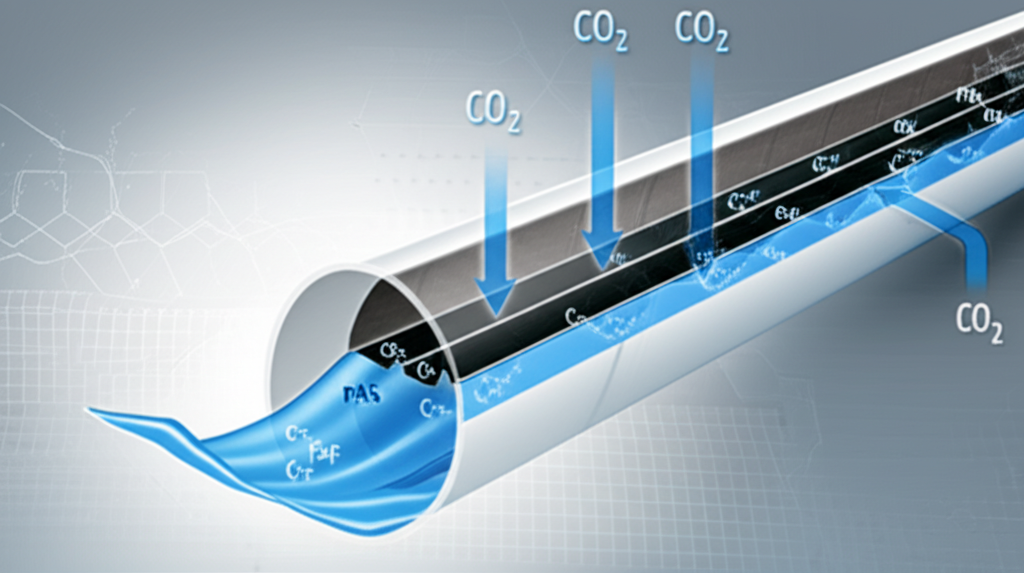
Terwijl papieren rietjes vaak worden geprezen om hun biologische afbreekbaarheid, vertelt hun productieproces een ander verhaal. De pulp- en papierindustrie, die de grondstoffen voor deze rietjes levert, is een energie-intensieve sector, die verantwoordelijk is voor ongeveer 6% van het mondiale industriële energieverbruik en 2% van de directe industriële CO2-uitstoot. Deze substantiële energievraag is vaak afhankelijk van fossiele brandstoffen, wat aanzienlijk bijdraagt aan de uitstoot van broeikasgassen.
Inzichten in de levenscyclusanalyse (LCA) onderstrepen deze zorgen nog meer. Een onderzoek uit 2022 gepubliceerd inWetenschap van de totale omgevingvergeleek de milieu-impact van verschillende stromaterialen en gaf aan dat papieren rietjes (PA) een aardopwarmingsvermogen (GWP) hadden van 2,58E+06 kg CO2-eq. Dit cijfer is aanzienlijk hoger dan dat van polypropyleen (PP) plastic rietjes, die in hetzelfde onderzoek 5,66E+05 kg CO2-eq maten. Het onderzoek benadrukte dat het vervangen van PP-rietjes door papieren alternatieven om de plasticvervuiling in de zee tegen te gaan milieukosten in andere categorieën met zich mee zou kunnen brengen, zoals de gevolgen van de klimaatverandering.
Bovendien is de papierproductie notoir waterintensief, waarbij grote hoeveelheden zoet water worden verbruikt. Als de vraag naar papier niet afkomstig is uit verantwoord beheerde bossen die zijn gecertificeerd door instanties als de Forest Stewardship Council (FSC), kan dit ook bijdragen aan ontbossing, wat kan leiden tot verlies van leefgebied en een verminderde capaciteit voor het vastleggen van koolstof. Deze factoren tonen aan dat de ecologische voetafdruk van papieren rietjes veel verder reikt dan de afbraak ervan aan het einde van hun levensduur.
De verontrustende realiteit van PFAS-chemicaliën in papieren rietjes
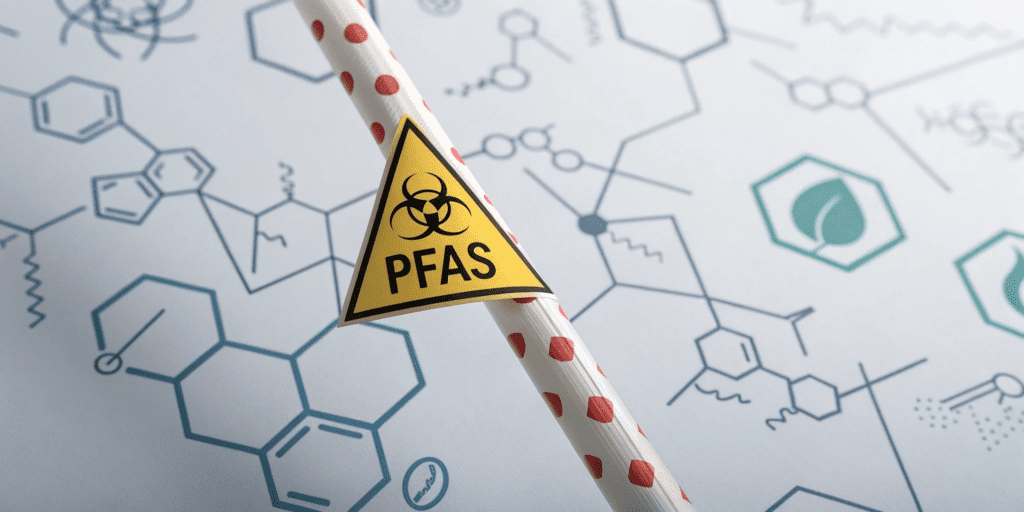
Misschien wel een van de meest alarmerende onthullingen over papieren rietjes is de wijdverbreide aanwezigheid van per- en polyfluoralkylstoffen (PFAS). Deze “forever chemicaliën” worden vaak gebruikt als waterafstotende coatings om de duurzaamheid van papieren rietjes te verbeteren, een kritieke ontwerpfout in hun inherente materiaal. Een studie uit augustus 2023 gepubliceerd inVoedseladditieven en verontreinigingenuitgevoerd door Belgische onderzoekers vonden PFAS in 90% van de geteste merken papierstro in Europa, waardoor dit het meest waarschijnlijke materiaal is dat deze problematische stoffen bevat voor alle onderzochte soorten stro.
De gevolgen van PFAS zijn groot. Deze chemicaliën zijn zeer persistent, worden in de loop van duizenden jaren ongelooflijk langzaam afgebroken en hopen zich op in het milieu en in biologische systemen. Ze zijn in verband gebracht met een reeks ernstige gezondheidsproblemen, waaronder schildklieraandoeningen, leverschade, nierkanker, zaadbalkanker, verhoogd cholesterol en een zelfs lagere respons op vaccins. De aanwezigheid van PFAS is rechtstreeks in tegenspraak met de ‘milieuvriendelijke’ en ‘biologisch afbreekbare’ marketingclaims van veel papieren rietjes, waardoor bedrijven worden blootgesteld aan aanzienlijke nalevingsrisico’s, vooral met de opkomende regelgeving die zich op deze gevaarlijke verbindingen richt.
Duurzaamheid, functionaliteit en ontevredenheid van de consument
Naast de verborgen milieukosten brengen papieren rietjes ook aanzienlijke operationele en klantervaringsuitdagingen met zich mee. Door hun inherente materiaaleigenschappen hebben ze moeite met duurzaamheid, vooral als ze gedurende langere tijd aan vloeistoffen worden blootgesteld. Onderzoek gepubliceerd inBiobronnenin 2019 is aangetoond dat papieren rietjes na slechts 20-30 minuten in vloeistoffen meer dan 75% van hun stevigheid en 70-90% van hun druksterkte kunnen verliezen. Deze snelle afbraak leidt vaak tot frustratie bij de consument, omdat rietjes drassig worden, instorten of oplossen voordat een drankje op is.
Deze slechte functionaliteit heeft praktische gevolgen voor bedrijven. Klanten kunnen hun toevlucht nemen tot het gebruik van meerdere rietjes per drankje, waardoor onbedoeld enkele van de beoogde milieuvoordelen teniet worden gedaan en het afvalvolume toeneemt. Dit kan ook leiden tot een negatieve merkperceptie, waarbij consumenten de slechte prestaties van het rietje associëren met de algehele kwaliteit van het aanbod van het etablissement, waardoor de merkloyaliteit en de waargenomen waarde worden beïnvloed.
De productie van papieren rietjes, het PFAS-gehalte en de slechte duurzaamheid stellen de waargenomen milieuvriendelijkheid in vraag en hebben een impact op de klanttevredenheid.
Het ‘Greenwashing’-dilemma: misleidende claims uit de doeken doen
De snelle acceptatie van papieren rietjes heeft onbedoeld een vruchtbare voedingsbodem gecreëerd voor ‘greenwashing’, waarbij bedrijven ongefundeerde of misleidende beweringen doen over hun milieupraktijken of -producten.
Het ontmaskeren van zorgen over greenwashing op de papierstromarkt
Een treffend voorbeeld van greenwashing deed zich voor toen McDonald’s UK in 2018 ‘100% recyclebare’ papieren rietjes introduceerde ter vervanging van plastic rietjes. Ondanks de milieuclaim konden deze papieren rietjes uiteindelijk niet worden gerecycled vanwege een gebrek aan geschikte infrastructuur om hun dikte en coatings te verwerken, waardoor ze op stortplaatsen of in de verbranding of zelfs in de oceanen terechtkwamen. Dit benadrukt een cruciale discrepantie tussen marketingclaims en de daadwerkelijke realiteit rond het levenseinde. De Environmental Claims Guidance van de EU ontmoedigt expliciet vage algemene claims als ‘milieuvriendelijk’, juist omdat ze consumenten kunnen misleiden en greenwashing kunnen faciliteren.
Veel recyclingfaciliteiten zijn niet uitgerust om met voedsel verontreinigde papierproducten of papieren rietjes met bepaalde coatings te verwerken, zelfs als het basismateriaal papier is. Deze leemte in de infrastructuur belemmert de circulariteit van papieren rietjes aanzienlijk, waardoor ze in de afvalstromen terechtkomen, ondanks dat ze als recycleerbaar of composteerbaar worden bestempeld. Deze uitdaging onderstreept de noodzaak voor bedrijven om verder te kijken dan oppervlakkige claims en de gehele toeleveringsketen en verwijderingsinfrastructuur onder de loep te nemen.
Oppervlakkige oplossingen versus systemische impact
De focus op het verbieden van plastic rietjes is weliswaar symbolisch, maar richt zich op een relatief klein milieuprobleem, gezien in een bredere context. Plastic rietjes vormen een minuscule 0,025% van de enorme hoeveelheid plastic die jaarlijks in de oceaan terechtkomt. Deze onevenredige focus kan de aandacht en middelen afleiden van veel grotere bronnen van plasticvervuiling, zoals verlaten visnetten of industriële lozingen.
Deskundige kritiek, vooral van bedrijven als de Boston Consulting Group (BCG), heeft de focus op papieren rietjes grotendeels als een ‘afleidingsmanoeuvre’ bestempeld. BCG merkt op dat deze verschuiving over het geheel genomen zeer weinig impact heeft gehad op bredere problemen met plastic afval en biodiversiteit. Erger nog: door de reputatie van echt duurzame producten te beschadigen vanwege hun slechte prestaties of verborgen milieukosten, heeft het consumenten onbedoeld teruggeduwd naar plastic, waardoor het vertrouwen in milieuvriendelijke alternatieven is aangetast. Voor bedrijven brengt het zwaar investeren in een ‘oplossing’ die uiteindelijk oppervlakkig of zelfs contraproductief is, aanzienlijke strategische risico’s met zich mee.
Greenwashing op de markt voor papierstro wijst op een kritische discrepantie tussen marketingclaims en de daadwerkelijke impact op het milieu.
Strategische inkoop: duurzaamheid evalueren voor B2B-activiteiten
Voor inkoopmanagers, operationeel directeuren en duurzaamheidsfunctionarissen vereist de genuanceerde realiteit van papieren rietjes een verfijnde benadering van inkoop. Het simpelweg overstappen van plastic naar papier op basis van aannames op oppervlakkig niveau kan tot onvoorziene uitdagingen leiden en echte duurzaamheidsdoelstellingen ondermijnen.
De overgang naar papieren rietjes, vooral de rietjes die niet echt duurzaam zijn, heeft geleid tot stijgende inkoopkosten. Papieren rietjes zijn doorgaans twee tot drie keer duurder dan hun plastic tegenhangers, wat een directe impact heeft op de operationele budgetten en mogelijk de winstmarges uitholt als ze niet worden gecompenseerd door andere efficiëntieverbeteringen of prijsaanpassingen.
Bovendien zorgt het inkopen van echt duurzame papieren rietjes voor een aanzienlijke complexiteit van de toeleveringsketen. Het vereist een strenge controle op verifieerbare certificeringen, zoals FSC voor verantwoord bosbeheer en onafhankelijke certificeringen van derden (bijv. BPI, DIN CERTCO) voor industriële composteerbaarheidsnormen zoals ASTM D6400/D6868 (Noord-Amerika) en EN13432 (Europa). Van cruciaal belang is dat bedrijven PFAS-vrije garanties moeten eisen om de gezondheids-, milieu- en compliancerisico's te beperken. Deze toegenomen due diligence vereist diepere relaties met leveranciers en robuuste auditprocessen.
Het belangrijkste is misschien wel dat bedrijven die ongefundeerde groene claims maken, opzettelijk of onbedoeld, te maken krijgen met aanzienlijke reputatierisico's. In een tijdperk van toegenomen consumentenbewustzijn en toezicht door de toezichthouders kunnen beschuldigingen van greenwashing het vertrouwen en de loyaliteit van merken ernstig schaden, wat kan leiden tot consumentenreacties, negatieve berichtgeving in de media en zelfs mogelijke juridische straffen. De Korea Fair Trade Commission heeft bijvoorbeeld wijzigingen voorgesteld in haar ‘Review Guidelines Concern Greenwashing’ om willekeurige marketing te voorkomen. Proactieve risicobeperking vereist transparantie en verifieerbare gegevens.
| Functie | B2B operationele impact | Nalevingsopmerking | ROI-potentieel |
|---|---|---|---|
| Kunststof (PP) | Lage initiële kosten, hoge duurzaamheid, direct beschikbaar. | Wereldwijd steeds meer verboden (bijv. VK 2020, EU 2021 Plastics-richtlijn voor eenmalig gebruik). | Negatieve ROI als gevolg van mogelijke boetes, PR-crises en gederfde inkomsten. |
| Papier (gecoat/PFAS) | Matige kosten, slechte duurzaamheid, klachten van klanten. | Risico op niet-naleving van opkomende PFAS-regelgeving en greenwashing-wetten (bijv. EU Environmental Claims Guidance). | Lage ROI als gevolg van meer verspilling, ontevredenheid van de consument en mogelijke boetes. |
| Papier (PFAS-vrij, gecertificeerd com.) | Hogere kosten, verbeterde maar nog steeds beperkte duurzaamheid. | Voldoet aan ASTM D6400/EN13432 voor industriële compostering; FSC-gecertificeerde inkoop. | Matige ROI door positief merkimago, maar hogere operationele kosten. |
| PLA Bioplastic (Industriële Com.) | Hogere kosten, betere duurzaamheid dan papier, specifieke verwijderingsbehoeften. | Vereist industriële composteringsfaciliteiten (bijvoorbeeld ASTM D6400-gecertificeerd). | Matige ROI als er een robuuste industriële composteringsinfrastructuur beschikbaar is en is afgestemd op lokale faciliteiten. |
| Herbruikbaar (roestvrij staal/bamboe) | Hoge investeringen vooraf, vereisen schoonmaak-/logistiekinfrastructuur. | Bevordert de principes van de circulaire economie en vermindert de afhankelijkheid van eenmalig gebruik. | Hoge ROI op lange termijn door vermindering van afval, sterke merkloyaliteit en verminderde inkoop. |
Strategische inkoop vereist een strenge controle van stro-alternatieven om de kosten, nalevingsrisico's en reputatieschade te beperken.
Innoveren voor echte duurzaamheid: oplossingen van de volgende generatie
Om verder te gaan dan de valkuilen van conventionele papieren rietjes, moeten echt innovatieve en verifieerbare duurzame oplossingen worden omarmd die zowel de impact op het milieu als de operationele prestaties aanpakken.
Gecertificeerde industrieel composteerbare oplossingen
Voor bedrijven die zich inzetten voor opties voor eenmalig gebruik, moet de focus verschuiven naar materialen en producten die voldoen aan strenge industriële composteerbaarheidsnormen. Producten die zijn gecertificeerd volgens normen als ASTM D6400/D6868 (Noord-Amerika) en EN13432 (Europa) zorgen ervoor dat materialen binnen 180 dagen volledig worden afgebroken in commerciële composteerinstallaties, zonder schadelijke resten achter te laten. Deze certificeringen bieden een verifieerbare maatstaf die verder gaat dan louter ‘biologisch afbreekbare’ claims.
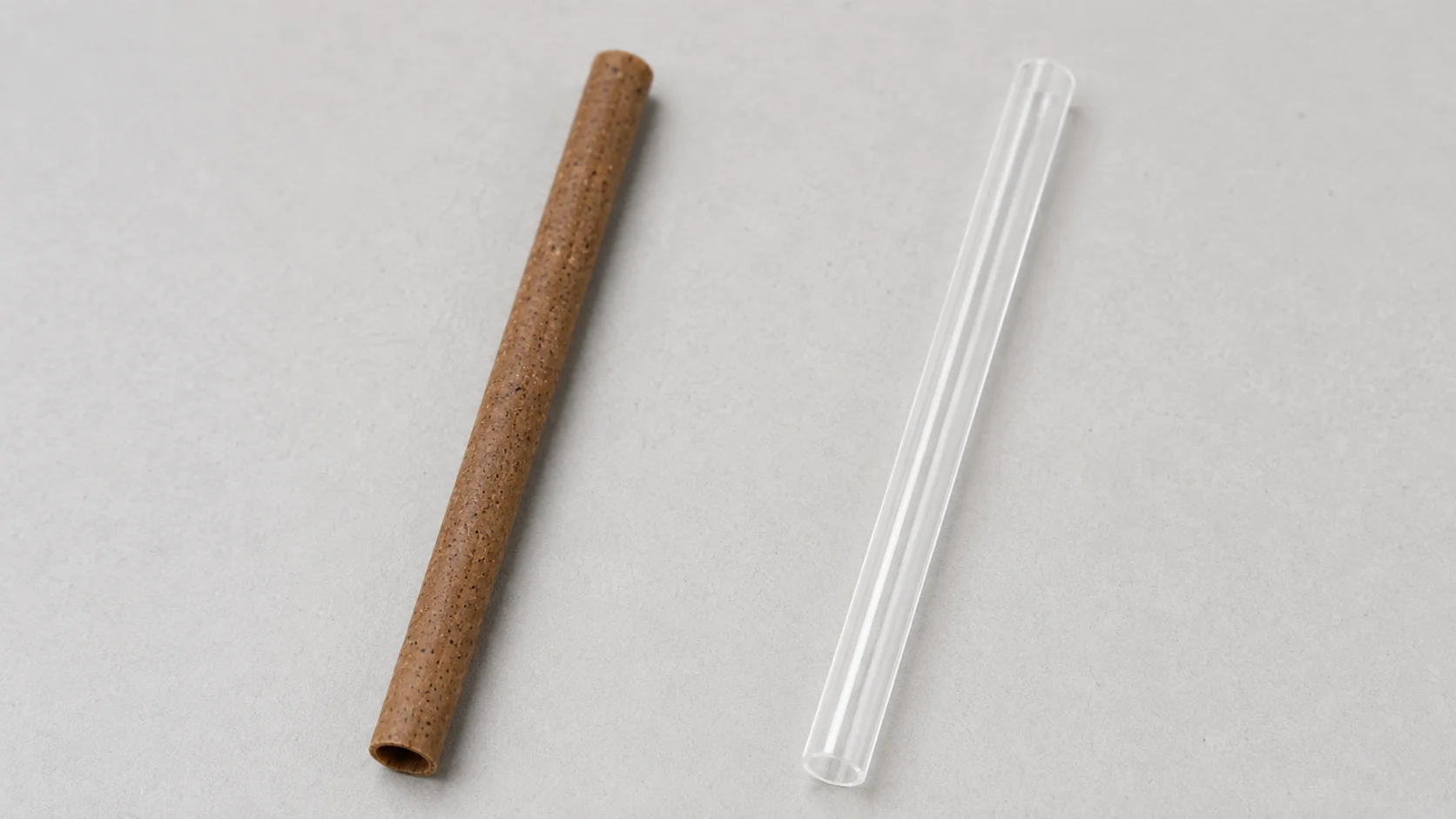
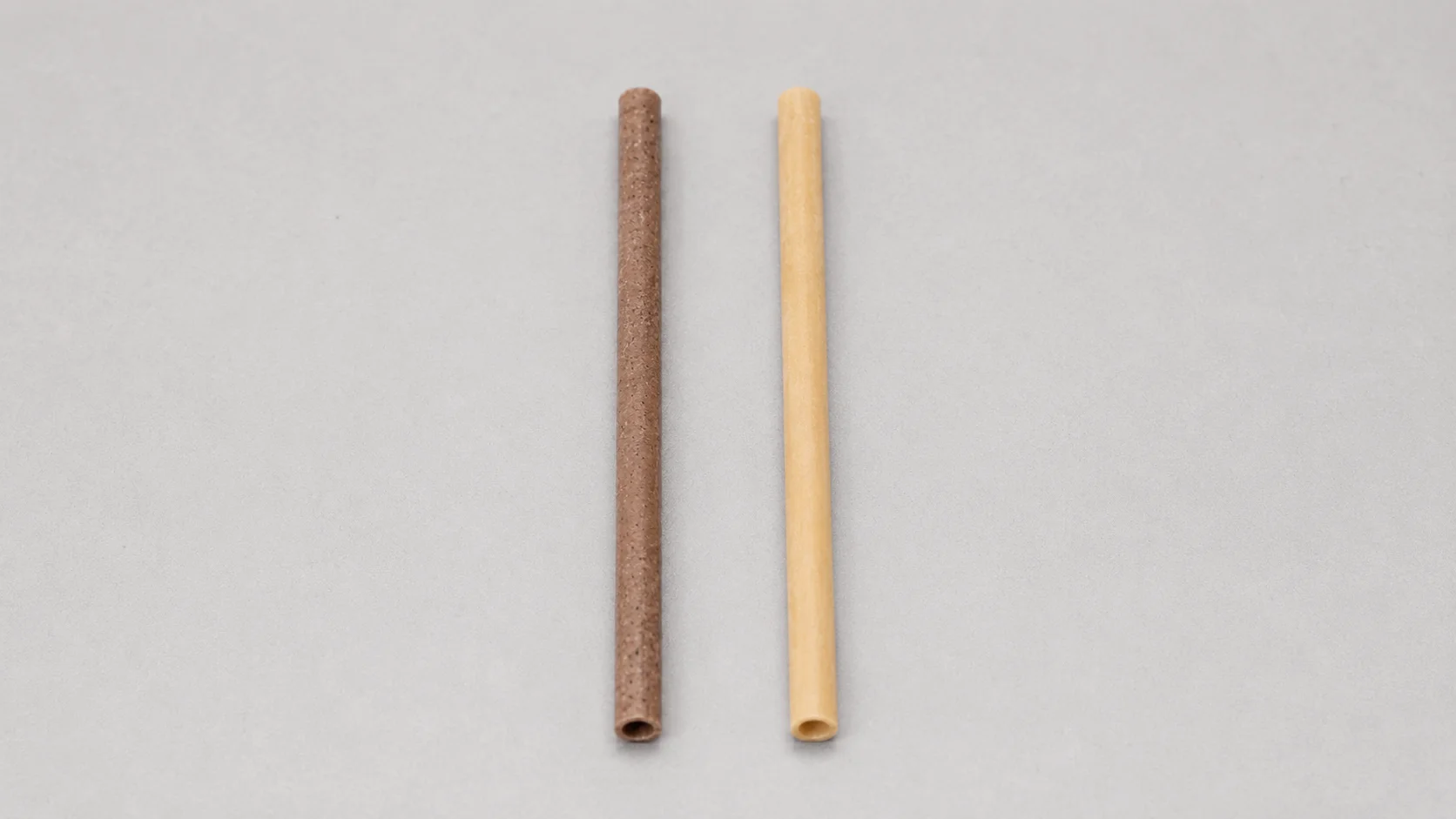
Innovatieve materialen zoals PHA-rietjes (polyhydroxyalkanoaat) vormen een veelbelovend alternatief. PHA is een biopolymeer dat is afgeleid van natuurlijke bronnen, zoals koolzaadolie, en dat verbeterde duurzaamheid biedt en een gevoel geeft dat vergelijkbaar is met traditioneel plastic, terwijl het beschikt over opmerkelijke eigenschappen op het gebied van biologische afbreekbaarheid. Voor bedrijven die op zoek zijn naar echte milieuvriendelijke opties, het verkennen van debeste biologisch afbreekbare rietjes die geen papier zijnis een strategische noodzaak.
Casestudy: adoptie van Phade®-stro:Phade®-rietjes, gemaakt van PHA, zijn een voorbeeld van deze volgende generatie duurzame oplossingen. Ze hebben strenge certificeringen behaald, waaronder de ‘OK compost HOME’- en ‘OK biodegradable MARINE’-certificeringen van TUV Austria, wat aangeeft dat ze in staat zijn om af te breken in zowel industriële als thuiscomposteringsomgevingen, evenals in mariene ecosystemen. Toonaangevende foodservice-distributeurs hebben PHA-rietjes in hun aanbod geïntegreerd, waarbij ze hun superieure duurzaamheid en geverifieerde end-of-life-trajecten erkennen. Deze adoptie stelt bedrijven in staat om de functionaliteitsproblemen en beschuldigingen van greenwashing te vermijden die verband houden met eerdere iteraties van papierstro, wat blijk geeft van een oprechte toewijding aan milieubeheer zonder de klantervaring in gevaar te brengen. Duik dieper in de milieuvergelijking vansuikerrietrietjes versus plastic en papierom weloverwogen keuzes te maken.
De kracht van herbruikbare rietjes en afvalvermindering
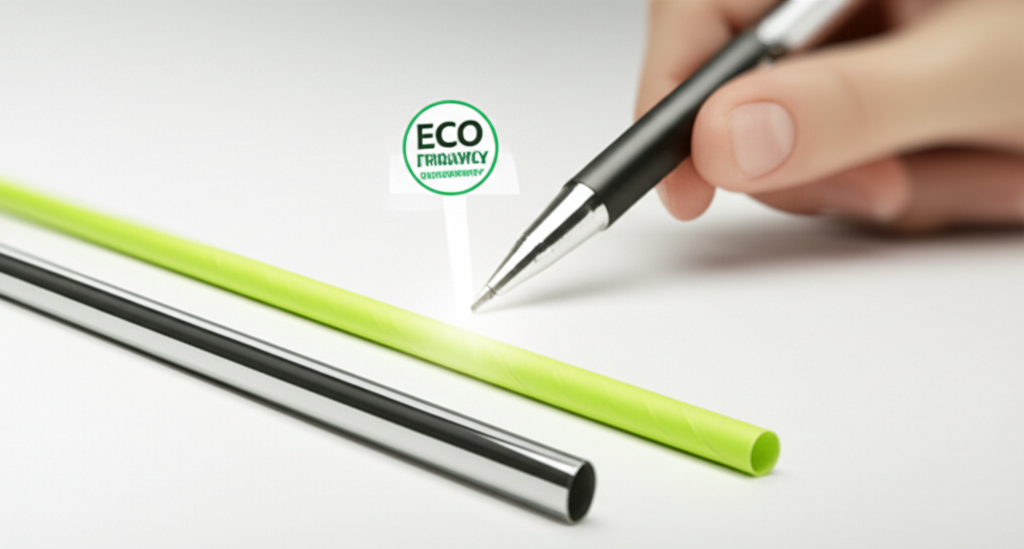
Terwijl oplossingen voor eenmalig gebruik blijven evolueren, ligt de meest impactvolle weg naar duurzaamheid in het omarmen van de principes van de circulaire economie en het terugdringen van de totale consumptie. Herbruikbare rietjes, gemaakt van materialen als roestvrij staal, glas of bamboe, bieden duurzame alternatieven voor meervoudig gebruik die de continue productie- en verwijderingscyclus van artikelen voor eenmalig gebruik volledig elimineren. Het implementeren van programma's voor herbruikbaar stro vereist echter een zorgvuldige afweging van de schoonmaakinfrastructuur, de logistiek en veranderingen in het consumentengedrag.
Uiteindelijk is het meest duurzame rietje vaak helemaal geen rietje, wat de nadruk legt op een fundamentele verschuiving van een wegwerpcultuur naar bewuste consumptie. Voor contexten waarin rietjes echt nodig zijn, moeten bedrijven alternatieven zoals duurzaam verkennensuikerrietrietjes versus plasticom functionele teleurstellingen te voorkomen. Het is ook van cruciaal belang om te erkennen dat plastic rietjes voor veel mensen met een handicap essentiële hulpmiddelen blijven voor sociale inclusie, en dat het doordacht aanbieden van geschikte opties van het grootste belang is.
Omarm gecertificeerde composteerbare materialen en herbruikbare opties voor echte duurzaamheid, en ga verder dan oppervlakkige oplossingen voor eenmalig gebruik.
Future Trends & Innovation in Sustainable Straws
Het landschap van duurzame stro-oplossingen evolueert voortdurend, gedreven door vooruitgang in de materiaalwetenschap en strengere regelgevingskaders. De komende vijf tot tien jaar kunnen we een aantal belangrijke trends verwachten die de inkoopstrategieën vorm zullen geven:
- Geavanceerde biogebaseerde polymeren:Naast PHA zullen onderzoek en ontwikkeling op het gebied van biogebaseerde polymeren nieuwe materialen opleveren die verbeterde duurzaamheid, bredere biologische afbreekbaarheid en duurzamere productieprocessen bieden. Deze materialen zullen in toenemende mate de prestatiekenmerken van traditionele kunststoffen nabootsen, terwijl ze controleerbare ecologische end-of-life trajecten behouden.
- Gedecentraliseerde composteringsinfrastructuur:De uitbreiding van industriële en zelfs thuiscomposteringsfaciliteiten zal op grotere schaal plaatsvinden, waardoor een werkelijk circulaire economie voor gecertificeerde composteerbare materialen mogelijk wordt. Regelgevende instanties en brancheverenigingen, zoals de EU-branchevereniging 360° Foodservice met zijn ‘Charter of Trust for Paper Drinking Rietjes’ en het bijbehorende ‘Trust Mark’, werken actief aan het vaststellen van duidelijke normen en het waarborgen van naleving, waardoor bedrijven weloverwogen keuzes kunnen maken en echt duurzame producten kunnen onderscheiden.
- Strengere PFAS-regelgeving:Mondiale regelgevende instanties ondernemen agressief actie om PFAS in alle consumentenproducten, inclusief materialen die met voedsel in aanraking komen, te beperken of te verbieden. Dit zal een volledige transitie naar PFAS-vrije coatings en materialen in de hele toeleveringsketen noodzakelijk maken, wat gevolgen zal hebben voor fabrikanten van papier en andere plantaardige producten.
- Focus op ‘geen rietje’ of herbruikbare standaardinstellingen:Bedrijven zullen steeds vaker een ‘straw-on-request’-beleid hanteren of standaard herbruikbare opties aanbieden, waardoor de consumptie voor eenmalig gebruik verder wordt teruggedrongen. Innovaties op het gebied van reiniging en ontsmetting voor herbruikbare programma's zullen ook geavanceerder worden.
- Transparante LCA-rapportage:Nu het onderzoek naar greenwashing steeds intensiever wordt, zullen bedrijven te maken krijgen met toenemende druk om transparante, verifieerbare levenscyclusanalysegegevens (LCA) voor hun producten te verstrekken. Dit zal B2B-kopers in staat stellen de milieueffecten holistisch te vergelijken en verder te gaan dan claims op basis van één enkele maatstaf.
Toekomstige trends duiden op een verschuiving naar geavanceerde biogebaseerde polymeren, uitgebreide compostering, strengere PFAS-regelgeving en transparante LCA-rapportage.
Competitive Advantage & Business Case for True Sustainability
In een markt die steeds milieubewuster wordt, is echte duurzaamheid niet alleen maar een kostenpost of een last voor naleving; het is een krachtige aanjager van concurrentievoordeel en waarde op de lange termijn.
Door productclaims nauwgezet te onderzoeken en prioriteit te geven aan echt duurzame alternatieven kunnen bedrijven kwantificeerbare voordelen behalen:
- Kostenbesparingen door afvalreductie:Hoewel hoogwaardige duurzame rietjes wellicht hogere kosten per eenheid hebben, vermindert hun superieure duurzaamheid de behoefte aan meerdere rietjes per portie, wat leidt tot minder afval en mogelijk een lager totaalverbruik. Bovendien verkleint het vermijden van plasticverboden voor eenmalig gebruik de risico's op boetes en operationele verstoringen.
- Risicobeperking door greenwashing en compliance:Proactieve adoptie van gecertificeerde, PFAS-vrije oplossingen vermindert drastisch het reputatierisico dat gepaard gaat met greenwashing-schandalen. Dit garandeert ook de naleving van de veranderende regelgeving, waardoor dure boetes en juridische uitdagingen worden voorkomen. Het behouden van een sterk, verifieerbaar duurzaamheidsprofiel beschermt uw merk tegen publieke reacties en toezicht door aandeelhouders.
- Verbeterde merkwaarde en klantloyaliteit:Het tonen van authentieke toewijding aan verantwoordelijkheid voor het milieu vindt diepe weerklank bij moderne consumenten en B2B-partners. Dit vertaalt zich in een grotere merkaffiniteit, klantloyaliteit en een gedifferentieerde marktpositie. Bedrijven die als echt duurzaam worden gezien, krijgen vaak een premie, trekken nieuwe marktsegmenten aan en bevorderen sterkere relaties.
- Kans op marktaandeel:Naarmate het milieubewustzijn groeit, kunnen bedrijven die toonaangevend zijn op het gebied van verifieerbare duurzaamheid marktaandeel veroveren van concurrenten die vertrouwen op oppervlakkige of misleidende ‘groene’ claims. Dit positioneert uw organisatie als marktleider, trekt milieubewuste klanten en talent aan en ontsluit mogelijk nieuwe inkomstenstromen via duurzame inkooppartnerschappen.
Uiteindelijk gaat de business case voor echte duurzame inkoop verder dan de directe kosten. Het omvat risicobeperking op de lange termijn, merkveerkracht en de mogelijkheid om een leidende positie te verwerven in een markt die steeds meer waarde hecht aan milieu-integriteit.
Echte duurzaamheid zorgt voor concurrentievoordeel via kostenbesparingen, risicobeperking, grotere merkwaarde en groei van het marktaandeel.
Conclusie: Navigeren door de complexiteit van duurzame inkoop
De reis naar echte duurzaamheid in B2B-activiteiten vereist dat we verder gaan dan oppervlakkige oplossingen en symbolische gebaren. Terwijl papieren rietjes naar voren kwamen als een ogenschijnlijk eenvoudige oplossing voor plasticvervuiling, leggen rigoureuze levenscyclusanalyses, chemische analyses die de alomtegenwoordige aanwezigheid van PFAS aan het licht brengen, en operationele uitdagingen een veel complexere realiteit bloot. Bedrijven moeten productclaims nauwgezet onderzoeken, verifieerbare certificeringen eisen en prioriteit geven aan systemische strategieën voor afvalvermindering om ervoor te zorgen dat hun milieu-initiatieven echt impact hebben en niet alleen maar performatief zijn.
Leid uw organisatie naar verifieerbare milieuverantwoordelijkheid. Evalueer uw huidige stro-inkoop met behulp van uitgebreide LCA-gegevens, geef prioriteit aan PFAS-vrije en industrieel composteerbare gecertificeerde opties en verken robuuste herbruikbare oplossingen om ervoor te zorgen dat uw duurzaamheidsinitiatieven impact hebben en niet alleen performant zijn.
Veelgestelde vragen (FAQ's)
Zijn papieren rietjes echt duurzaam voor horecabedrijven?
Hoewel ze op de markt worden gebracht als milieuvriendelijk, hebben veel papieren rietjes verborgen milieukosten als gevolg van energie-intensieve productie, waterverbruik en de wijdverbreide aanwezigheid van PFAS ‘forever chemicaliën’. Hun slechte duurzaamheid leidt ook tot meer verspilling en ontevredenheid van klanten in horecagelegenheden.
Wat zijn PFAS-chemicaliën en waarom zijn ze een probleem in papieren rietjes voor de foodservice?
PFAS (per- en polyfluoralkylstoffen) zijn waterafstotende ‘forever chemicaliën’ die worden gebruikt in papierstrocoatings. Ze zijn zeer persistent en houden verband met ernstige gezondheidsproblemen, waardoor aanzienlijke nalevings- en gezondheidsrisico's voor de foodservice-activiteiten met zich meebrengen.
Hoe kunnen inkoopmanagers greenwashing vermijden bij de inkoop van rietjes?
Inkoopmanagers moeten verifieerbare certificeringen eisen (bijvoorbeeld FSC, ASTM D6400/EN13432 voor composteerbaarheid), zorgen voor PFAS-vrije garantie en de hele toeleveringsketen en verwijderingsinfrastructuur onder de loep nemen om misleidende ‘groene’ claims te voorkomen.
Wat zijn echt duurzame alternatieven voor conventionele papieren rietjes voor hotels en cafés?
Overweeg gecertificeerde industrieel composteerbare oplossingen zoals PHA-rietjes (polyhydroxyalkanoaat), die een betere duurzaamheid en geverifieerde biologische afbreekbaarheid bieden. Herbruikbare rietjes (roestvrij staal, bamboe) hebben ook een grote impact op het verminderen van afval.
Welke invloed hebben papieren rietjes op de klantervaring in restaurants en bars?
Papieren rietjes worden vaak drassig en bezwijken snel, wat leidt tot frustratie bij de klant en mogelijk een negatieve merkperceptie. Dit kan ertoe leiden dat klanten meerdere rietjes gebruiken, waardoor de hoeveelheid afval onbedoeld toeneemt.
Klaar om uw duurzaamheidsstrategie naar een hoger niveau te tillen?
Zet de volgende stap in de richting van verifieerbare verantwoordelijkheid voor het milieu en stel uw concurrentievoordeel veilig in de horeca- en foodservice-industrie.Neem contact met ons op voor duurzame inkoopoplossingen