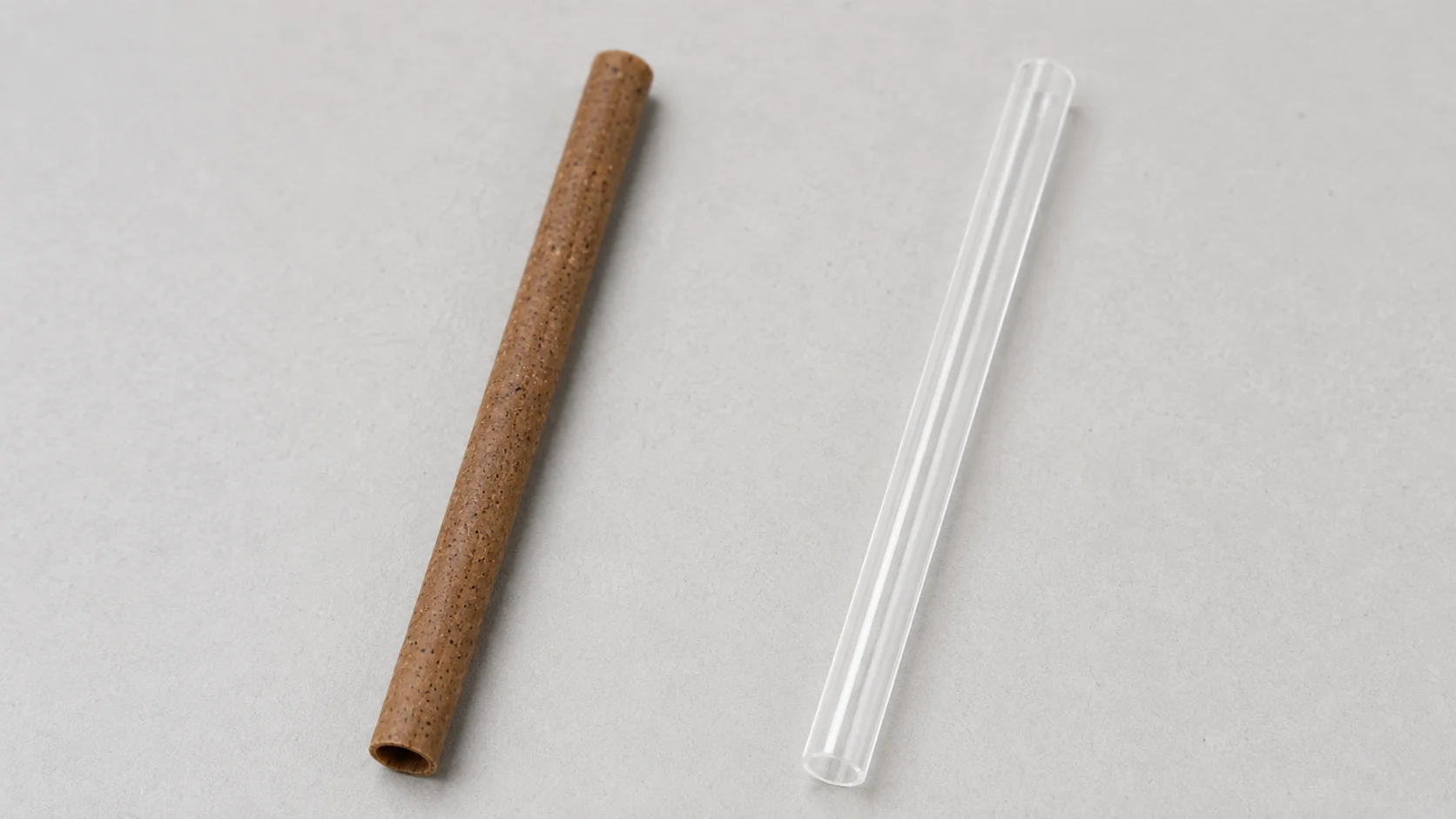
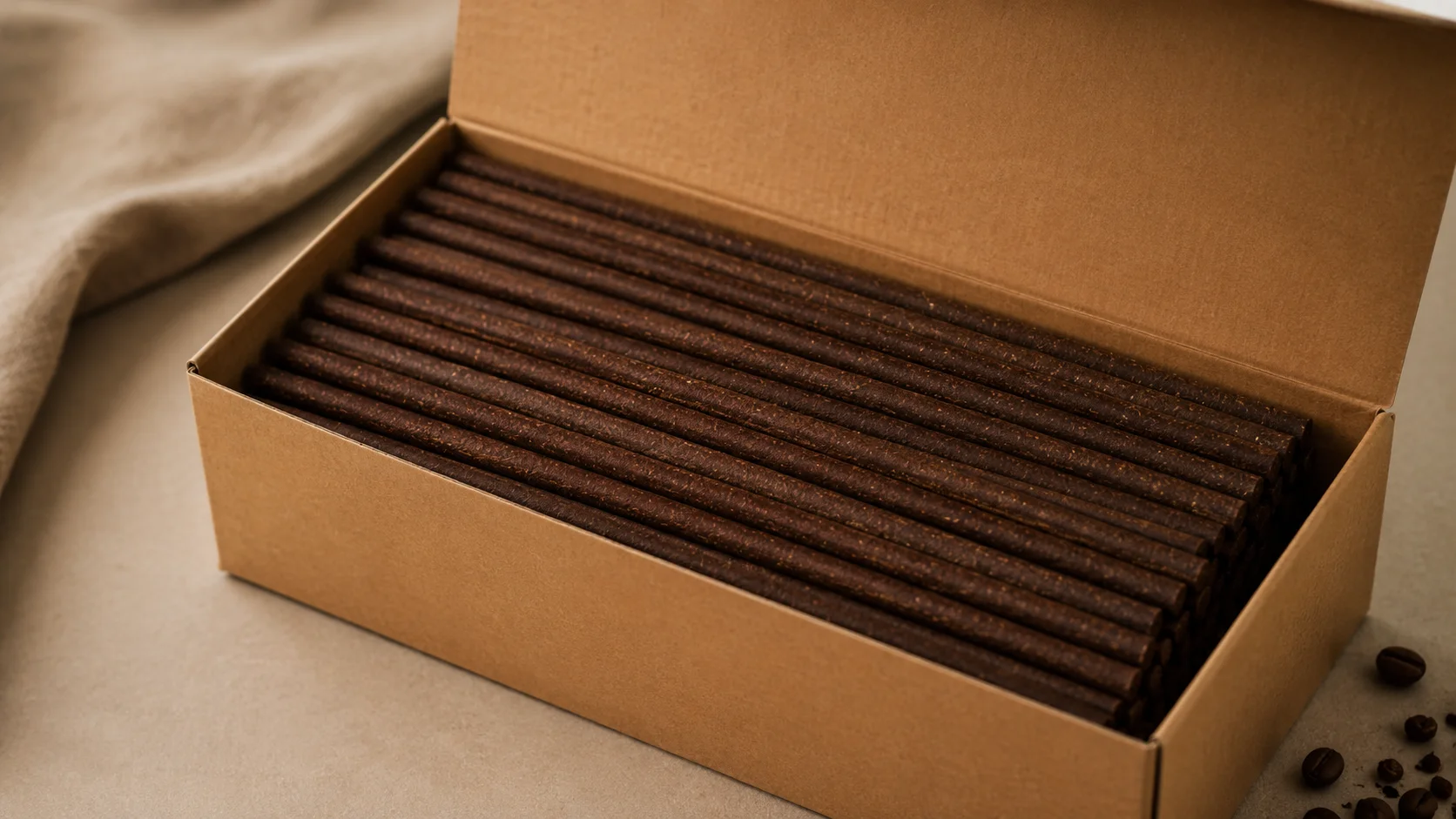
Is BPI composteerbaar hetzelfde als biologisch afbreekbaar? Een cruciaal onderscheid voor B2B-leiders
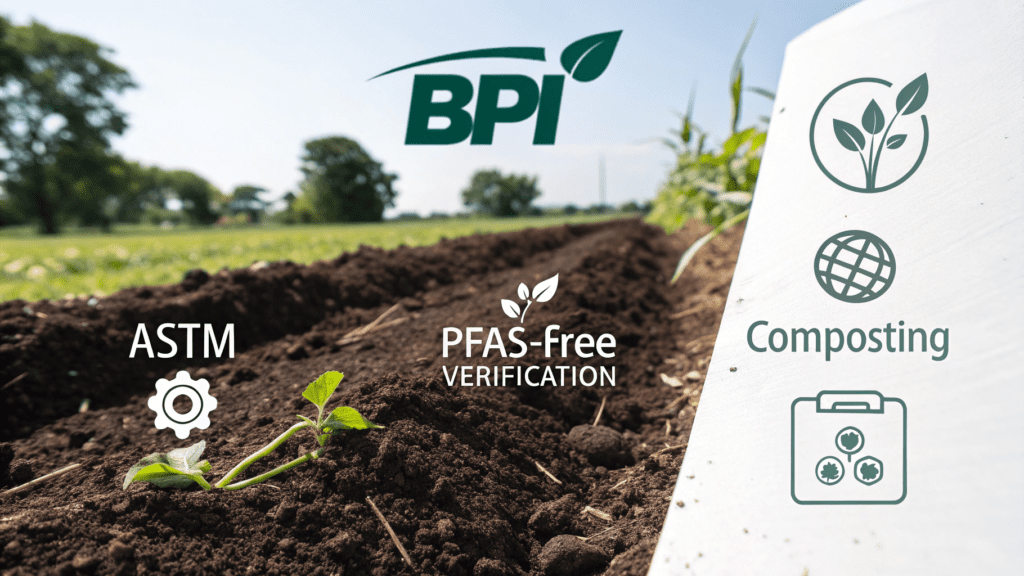
Navigeren door het landschap van duurzaam verpakkings- en afvalbeheer vereist nauwkeurig inzicht, vooral voor inkoop- en operationele leiders in de horeca- en foodservice-industrie. De termen “biologisch afbreekbaar” en “composteerbaar” worden vaak door elkaar gebruikt, wat leidt tot wijdverbreide verwarring en mogelijke operationele misstappen. Deze semantische ambiguïteit vormt een aanzienlijk risico voor bedrijven die streven naar echte milieu-, sociale en governance (ESG)-naleving, wat mogelijk kan leiden tot kostbare ‘greenwashing’-beschuldigingen en inefficiënte afvalstromen.
Voor B2B-beslissers is het onderscheid tussen deze termen niet louter een academische oefening; het is een strategische noodzaak. De mondiale markt voor composteerbare verpakkingen, die in 2024 op ongeveer 55,53 miljard dollar wordt geschat (Grand View Research, 2024), zal naar verwachting in 2032 89,85 miljard dollar bereiken, met een samengesteld jaarlijks groeipercentage (CAGR) van 6,20% tussen 2025 en 2032 (Precedence Research, 2023). Deze groei onderstreept een cruciale kans voor bedrijven om zich aan te passen aan de veranderende verwachtingen van de consument en het regelgevingslandschap. Zonder een duidelijk begrip van gecertificeerde composteerbaarheid lopen bedrijven echter het risico te investeren in oplossingen die de beloofde milieuvoordelen niet opleveren of niet voldoen aan de steeds strengere nalevingsnormen, met gevolgen voor alles, van de efficiëntie van de toeleveringsketen tot de merkreputatie. Het negeren van dit onderscheid kan leiden tot hogere kosten voor afvalverwerking, boetes van toezichthouders en aanzienlijke merkschade in een markt die steeds meer waarde hecht aan echte duurzaamheid (Ellen MacArthur Foundation, 2022).
Het begrijpen van dit onderscheid is cruciaal voor duurzame B2B-activiteiten en het vermijden van kostbare greenwashing.
Inzicht in ‘biologisch afbreekbaar’: een brede en vaak misleidende claim
De term ‘biologisch afbreekbaar’ suggereert dat een materiaal op natuurlijke wijze afbreekt, maar het is grotendeels ongereguleerd en mist specificiteit voor B2B-toepassingen. Zonder duidelijke normen kan deze brede definitie effectief afvalbeheer en duurzaamheidsinitiatieven belemmeren, waardoor een mijnenveld ontstaat voor nietsvermoedende bedrijven.
De ongereguleerde aard van biologische afbreekbaarheid: risico's voor toeleveringsketens
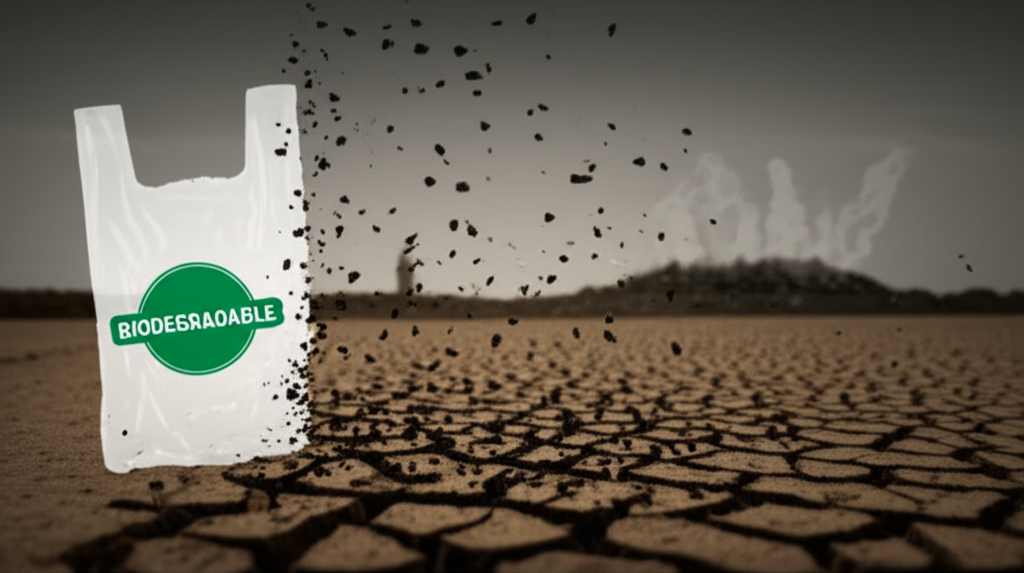
Het kernprobleem met ‘biologisch afbreekbaar’ ligt in het ontbreken van een gedefinieerd tijdsbestek of specifieke omgevingsomstandigheden voor ontbinding. Hoewel de term afbraak door micro-organismen impliceert, kan het in werkelijkheid “honderden jaren” duren voordat een product met het label ‘biologisch afbreekbaar’ is afgebroken. Cruciaal is dat het nog steeds schadelijke residuen achterlaat of zelfs uiteenvalt in microplastics, waardoor de milieudoelstellingen die het beweert te ondersteunen worden ondermijnd.
De Federal Trade Commission (FTC) in de VS heeft bedrijven expliciet gewaarschuwd voor het maken van ongekwalificeerde claims over ‘biologisch afbreekbaar’, waarbij de aanzienlijke risico’s van greenwashing worden benadrukt. Dergelijke vage beweringen kunnen consumenten misleiden en leiden tot toezicht door de toezichthouders. Sommige ‘biologisch afbreekbare’ kunststoffen, zoals oxo-afbreekbare producten, zijn bijvoorbeeld in wezen conventionele kunststoffen gemengd met additieven waardoor ze sneller uiteenvallen, maar toch worden ze afgebroken tot talloze microplastics die het milieu ernstig kunnen vervuilen, in plaats van echt te verdwijnen. Dit vormt een aanzienlijk reputatie- en nalevingsrisico voor toeleveringsketens waarin dergelijke materialen onbedoeld worden verwerkt, vooral voor horecabedrijven die grote hoeveelheden wegwerpartikelen beheren.
Waarom ‘biologisch afbreekbaar’ tekortschiet voor de duurzaamheidsdoelstellingen van B2B
Het inherente gebrek aan specificiteit van ‘biologisch afbreekbare’ claims maakt ze niet geschikt voor robuuste B2B-duurzaamheidsstrategieën.
- Geen gedefinieerd tijdsbestek: Zonder een gegarandeerd tijdsbestek kunnen bedrijven de einde-levenscyclus van hun producten niet op betrouwbare wijze voorspellen of beheren, wat leidt tot onvoorspelbare afvalophoping en inefficiënte operationele omstandigheden, vooral in snel veranderende foodservice-omgevingen.
- Afwezigheid van toxiciteitstests: Er zijn geen verplichte testen op toxische bijproducten in doorgaans “biologisch afbreekbare” materialen nodig. Dit brengt milieu- en reputatierisico's met zich mee, omdat producten schadelijke stoffen in de bodem of het water kunnen vrijgeven.
- Verwarring bij consumenten en afvalverwerkingsbedrijven: De dubbelzinnigheid rond ‘biologisch afbreekbaar’ brengt zowel consumenten als afvalbeheerfaciliteiten in verwarring, waardoor de juiste verwijdering wordt bemoeilijkt en de besmettingspercentages in recycling- of composteringsstromen toenemen, een veel voorkomend probleem bij het afvalbeheer van hotels.
- Wettelijke en regelgevende kwetsbaarheid: Het gebruik van ‘biologisch afbreekbaar’ in de verkoop en marketing van producten voor eenmalig gebruik wordt als problematisch beschouwd en is zelfs ‘potentieel illegaal’ in sommige Amerikaanse staten, zoals Californië (AB 1201), waar dergelijke claims worden verboden zonder certificering door derden. Dit creëert een duidelijk compliancerisico voor bedrijven die actief zijn op gereglementeerde markten.
“Biologisch afbreekbaar” ontbeert duidelijke normen, wat aanzienlijke greenwashing- en operationele risico’s voor bedrijven met zich meebrengt.
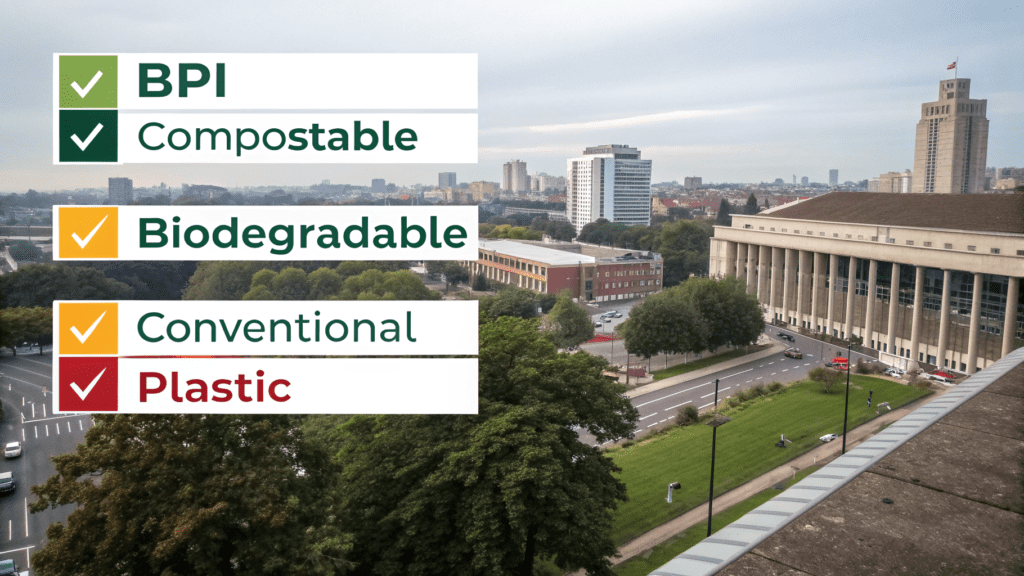
Definitie van “BPI Composteerbaar”: de gouden standaard voor duurzame bedrijfsvoering
“BPI Compostable” betekent een rigoureus getest en gecertificeerd product dat is ontworpen om effectief af te breken in specifieke industriële omgevingen, en dat duidelijke voordelen biedt voor conforme en impactvolle B2B-duurzaamheidsinspanningen. Deze certificering biedt een transparant, verifieerbaar traject naar echte bijdragen aan de circulaire economie.
De rol van het Biodegradable Products Institute (BPI) bij certificering
Het Biodegradable Products Institute (BPI) is de toonaangevende non-profitorganisatie van Noord-Amerika, opgericht in 1999, die zich toelegt op het promoten en certificeren van composteerbare producten en verpakkingen. BPI-certificering is niet alleen een label; het is een onafhankelijke verificatie door derden dat producten voldoen aan de strenge ASTM-normen (American Society for Testing and Materials) voor composteerbaarheid.
Het BPI-certificeringsmerk – een duidelijk wervelontwerp – identificeert producten die specifiek zijn ontworpen voor een goede ontbinding in commerciële systemen. Dit keurmerk is van onschatbare waarde voor inkoopmanagers en operationeel directeuren, omdat het composteerders helpt echte composteerbare producten te onderscheiden van vergelijkbare producten, waardoor kostbare vervuiling in hun faciliteiten wordt voorkomen. Het geeft een duidelijk signaal af van integriteit en naleving van wetenschappelijk onderbouwde normen, wat cruciaal is voor het opbouwen van vertrouwen bij afvalbeheerpartners en eindgebruikers, vooral in horecagelegenheden met grote volumes.
Voldoet aan de strenge ASTM-normen voor BPI-gecertificeerde composteerbare materialen
Om de BPI-certificering te behalen, moeten producten uitgebreide en strenge tests ondergaan om te voldoen aan specifieke ASTM-normen.
- ASTM D6400 (voor kunststoffen/verpakkingen) of ASTM D6868 (voor coatings/films): Dit zijn de primaire normen waaraan BPI-gecertificeerde producten moeten voldoen. Ze bepalen hoe goed een product afbreekt in industriële composteerinstallaties.
- Gedefinieerde desintegratietijdlijn: Producten moeten binnen 12 weken (84 dagen) fysiek voor 90% uiteenvallen en binnen 90 tot 180 dagen biologisch worden afgebroken tot koolstofdioxide, water en biomassa in commerciële composteringsomgevingen. Dit zorgt voor een tijdige verwerking en efficiënte doorvoer in industriële faciliteiten, cruciaal voor het afvalbeheer van de foodservice.
- Niet-giftige componenten: Cruciaal is dat het afbraakproces niet-giftige componenten moet opleveren, zonder dat er schadelijke residuen, onaanvaardbare hoeveelheden zware metalen of gefluoreerde chemicaliën (PFAS) achterblijven. De resulterende compost moet ook bewezen veilig zijn voor de plantengroei, waardoor milieuvoordelen en terugwinning van hulpbronnen worden gegarandeerd die de bodem daadwerkelijk verrijkt en de regeneratieve landbouw ondersteunt.
- Exclusief voor industriële compostering: Het is belangrijk op te merken dat de BPI-certificering uitsluitend van toepassing is op producten waarvan bewezen is dat ze afbreken in commerciële composteringsomgevingen, die de noodzakelijke hoge niveaus van hitte, vocht en microbiële activiteit behouden. Deze producten zijn over het algemeen niet bedoeld voor thuiscompostering of traditionele stortplaatsen, waar de omstandigheden voor ontbinding onvoldoende zijn.
BPI Composteerbaar betekent gecertificeerde afbraak in industriële installaties, waardoor echte milieuvoordelen worden gegarandeerd.
BPI composteerbaar versus biologisch afbreekbaar: een cruciale vergelijking voor B2B-beslissers
Het begrijpen van de operationele, nalevings- en financiële implicaties van “BPI-composteerbaar” versus “biologisch afbreekbaar” is van cruciaal belang voor strategische inkoop- en duurzaamheidsinitiatieven. Deze verschillen hebben een diepgaande invloed op het afvalbeheer, de naleving van de regelgeving en de merkreputatie.
Inkoopmanagers staan voor de complexe taak om materialen te selecteren die niet alleen aan de operationele behoeften voldoen, maar ook aansluiten bij de groeiende ESG-doelstellingen van bedrijven en de eisen van de regelgeving. Als u ten onrechte als 'biologisch afbreekbare' producten kiest, kan dit leiden tot vervuiling van de afvalstroom, hogere verwijderingskosten en aanzienlijke merkschade als gevolg van beschuldigingen van greenwashing. Omgekeerd biedt investeren in BPI-gecertificeerde composteerbare oplossingen een verifieerbaar pad naar milieuverantwoordelijkheid en operationele efficiëntie, vooral voor horeca- en foodservicebedrijven die grote hoeveelheden organisch afval beheren.
Vergelijkingstabel: Kenmerk | B2B operationele impact | Nalevingsopmerking | ROI-potentieel
| Functie | B2B operationele impact | Nalevingsopmerking | ROI-potentieel |
|---|---|---|---|
| “Biologisch afbreekbaar” (algemeen) | Onvoorspelbare storing in gevarieerde omgevingen; hoog risico op vorming van microplastics en accumulatie van stortplaatsen. Kan aparte, niet-geoptimaliseerde afvalstromen noodzakelijk maken, waardoor de logistieke complexiteit en kosten voor hotels en restaurants toenemen. | Gebrek aan duidelijke wettelijke definities wereldwijd; hoog risico op ‘greenwashing’-claims die leiden tot FTC/regelgevend toezicht. Mogelijk illegaal voor de marketing van producten voor eenmalig gebruik in sommige Amerikaanse staten (bijvoorbeeld California AB 1201) vanwege misleidende claims. | Beperkte of negatieve ROI als gevolg van potentieel voor het storten van afval, hogere kosten voor het vervoeren van afval als gevolg van verontreiniging en ernstige reputatieschade als gevolg van misleidende claims. Draagt niet op betrouwbare wijze bij aan initiatieven op het gebied van de circulaire economie of verifieerbare ESG-cijfers. |
| “BPI Composteerbaar” | Gegarandeerde afbraak binnen 90-180 dagen in commerciële composteringsinstallaties; maakt een efficiënte omleiding van organisch afval mogelijk en vermindert het stortvolume en de methaanemissies. Stroomlijnt de afvalscheiding en verbetert de operationele stroom voor foodservice-activiteiten. | Gecertificeerd volgens ASTM D6400/D6868-normen door een onafhankelijke derde partij; vermijdt “greenwashing”-verplichtingen; komt overeen met en wordt vaak vereist door de toenemende nationale/lokale regelgeving (bijv. CA AB 1201, Canada SOR/2022-138 voor kunststoffen voor eenmalig gebruik). | Positieve ROI door aanzienlijk lagere afvalverwerkingskosten, verbeterde merkreputatie en marktdifferentiatie (ondersteunt ESG-rapportage) en bijdrage aan doelstellingen van de circulaire economie (waardevolle compostproductie). Vermindert toekomstige compliancerisico's. |
Het kiezen van composteerbare producten van BPI biedt duidelijke operationele, compliance- en financiële voordelen ten opzichte van vage claims over ‘biologisch afbreekbaar’.
Navigeren door de uitdagingen: infrastructuur, verkeerde informatie en composteerbare oplossingen van BPI
Ondanks de duidelijke voordelen van BPI-gecertificeerde composteerbare producten worden B2B-leiders geconfronteerd met hindernissen die verband houden met de infrastructuur, de perceptie van de consument en de complexiteit van de regelgeving. Het aanpakken van deze uitdagingen is van cruciaal belang om de ecologische en operationele voordelen ervan te maximaliseren, vooral binnen de horeca- en foodservicesector.
Het tekort aan industriële composteringsinfrastructuur: een belangrijke hindernis
Een grote uitdaging voor de wijdverbreide acceptatie van BPI-gecertificeerde composteerbare materialen is de beschikbaarheid van adequate industriële composteringsfaciliteiten. In veel regio's ontbreekt het aan voldoende infrastructuur, wat essentieel is voor een goede afbraak van deze goederen onder gecontroleerde omstandigheden. Deze leemte in de infrastructuur betekent dat zelfs echt composteerbare producten op stortplaatsen of verbrandingsovens terecht kunnen komen als er geen goede inzameling en verwerking mogelijk is, wat gevolgen heeft voor de duurzaamheidsinspanningen van hotels en restaurants.
Verontreiniging blijft een groot probleem; ongeveer 17% van de bedrijfskosten van composteerders bestaat uit het verwijderen van niet-composteerbare items. Inconsistente inzamelingsprogramma's aan de kant van de weg verergeren de uitdagingen op het gebied van de verwijdering van composteerbare verpakkingen nog verder. Als BPI-gecertificeerde producten, of welk organisch materiaal dan ook, op stortplaatsen belanden, kunnen ze methaan produceren – een krachtig broeikasgas – als de omstandigheden anaëroob worden. Dit onderstreept de cruciale behoefte aan verbeterde sorteer- en inzamelingssystemen die zijn afgestemd op composteerbare materialen, met name voor grootschalige foodservice-activiteiten.
Strijd tegen ‘Greenwashing’ en consumentenverwarring met ‘BPI Composteerbaar’
Misleidende ‘biologisch afbreekbare’ labels veroorzaken wijdverbreide verwarring, wat vaak een defect in elke omgeving impliceert. De term ‘biologisch afbreekbaar’ wordt breed bekritiseerd vanwege ‘greenwashing’, waardoor de aandacht wordt afgeleid van echte duurzaamheid. Voor inkoop- en duurzaamheidsfunctionarissen in de horeca betekent dit een voortdurende strijd tegen desinformatie, die zowel de interne bedrijfsvoering als de externe percepties beïnvloedt.
BPI-certificering bestrijdt dit rechtstreeks door duidelijk, verifieerbaar bewijs van composteerbaarheid te leveren, waardoor het vertrouwen van consumenten en belanghebbenden wordt opgebouwd. Het garandeert dat producten zullen presteren zoals bedoeld in een industriële composteringsomgeving. Het opleiden van personeel, partners in de toeleveringsketen en eindgebruikers over de juiste verwijdering van BPI-gecertificeerde materialen is van cruciaal belang voor een effectieve afvalomleiding en het maximaliseren van de voordelen voor het milieu. Deze opleiding strekt zich uit tot het onderscheiden van BPI-gecertificeerde artikelen van niet-gecertificeerde ‘look-alikes’ om besmetting in afvalstromen van hotels en restaurants te voorkomen.
Evoluerend regelgevingslandschap: naleving en kansen
Het regelgevingslandschap rond duurzame verpakkingen evolueert snel en evolueert in de richting van meer duidelijkheid en handhaving. Amerikaanse staten als Californië (AB 1201) en Washington hebben misleidende ‘biologisch afbreekbare’ claims al verboden zonder robuuste certificering door derden. In Canada verplicht de SOR/2022-138-verordening inzake kunststoffen voor eenmalig gebruik vaak de naleving van ASTM D6400/BPI voor haalbare alternatieven, wat een bredere trend naar gecertificeerde oplossingen in Noord-Amerika weerspiegelt.
Organisaties als de U.S. Composting Council en BPI werken actief samen om de wetgeving te begeleiden, waarbij ze anticiperen op meer wetten over composteerbare producten in de komende jaren. Proactieve bedrijven die zich aan de BPI-normen houden, kunnen toekomstige regelgeving voorkomen, mogelijke boetes vermijden en zichzelf positioneren als leiders op het gebied van verantwoord milieubeheer. Deze toekomstgerichte naleving beperkt niet alleen de risico's, maar ontsluit ook kansen voor marktdifferentiatie in de concurrerende horeca- en foodservice-industrie. Voor volledige regelgevingsdetails,lees onze uitgebreide gids over regelgeving voor duurzame verpakkingen.
Het aanpakken van lacunes in de infrastructuur en desinformatie is de sleutel tot het effectief inzetten van composteerbare oplossingen van BPI.
Het strategische voordeel van BPI-gecertificeerde composteerbare oplossingen voor inkoop en bedrijfsvoering
Het omarmen van BPI-gecertificeerde composteerbare verpakkingen biedt meer dan alleen milieuvoordelen; het zorgt voor tastbare operationele efficiëntie, versterkt de merkreputatie en draagt bij aan de financiële gezondheid op de lange termijn. Voor inkoopmanagers en operations directors in de horeca en foodservice vertaalt dit zich in meetbare bedrijfswaarde.
Het versterken van de ESG-doelstellingen van bedrijven en de merkreputatie
Door BPI-gecertificeerde producten te gebruiken, kunnen bedrijven direct voldoen aan de ambitieuze doelstellingen op het gebied van milieu, maatschappij en bestuur (ESG). Door op aantoonbare wijze afval van stortplaatsen te weren en bij te dragen aan een circulaire economie kunnen bedrijven op geloofwaardige wijze rapporteren over hun inspanningen om afval te verminderen, waardoor het vertrouwen van belanghebbenden wordt vergroot en sociaal bewuste investeerders worden aangetrokken. De doelstellingen van de Ellen MacArthur Foundation voor 2025 omvatten bijvoorbeeld het garanderen dat 100% van de plastic verpakkingen herbruikbaar, recycleerbaar of composteerbaar is, waarmee een duidelijke industriële benchmark voor de horecasector wordt vastgesteld.
Een sterke toewijding aan gecertificeerde composteerbare producten onderscheidt merken in een competitieve, duurzaamheidsbewuste markt. Het getuigt van oprecht leiderschap, vindt weerklank bij milieubewuste consumenten en partners, en kan zich vertalen in een grotere merkloyaliteit en marktaandeel. Deze proactieve houding ten aanzien van duurzaamheid kan een belangrijke concurrentiedifferentiator worden voor hotels, cafés en restaurants.
Operationele efficiëntie en afvalstroomoptimalisatie
Correct geïmplementeerde BPI-gecertificeerde producten stroomlijnen de inzameling van organisch afval, waardoor het stortvolume en de bijbehorende verwijderingskosten direct worden verminderd. Dit is vooral waardevol voor bedrijven met veel voedselgerelateerd afval, zoals horecabedrijven of foodservicebedrijven. Het gebruik van composteerbare verpakkingen voor toepassingen die met voedsel in contact komen (bijvoorbeeld afhaalcontainers, koffiebekers) vergemakkelijkt schonere organische afvalstromen, omdat voedselverontreiniging conventionele plasticrecycling vaak onpraktisch maakt.
Deze transitie vermindert ook de afhankelijkheid van conventionele kunststoffen, die steeds meer onderhevig zijn aan toezicht door de regelgeving en consumentenreacties. Door de vervuiling in compoststromen te minimaliseren ondersteunen bedrijven de lokale compostinfrastructuur, verlagen ze de verwijderingskosten en dragen ze bij aan de productie van waardevolle compost. Voor bedrijven die op zoek zijn naar alomvattende duurzaamheidsstrategieën in de horecasector, kan het onderzoeken hoe BPI-certificering aansluit bij bredere duurzaamheidsdoelstellingen aanzienlijke voordelen opleveren. Meer inzichten over het optimaliseren van afvalstromen met gecertificeerde composteerbare oplossingen vindt u door er meer over te lezenBPI composteerbare certificering en duurzaamheid in de horeca.
Casestudy: Succesvol afvalreductie van milieuvriendelijke voedselleveranciers
Een grote universitaire foodserviceprovider implementeerde vanaf eind 2023 BPI-gecertificeerde composteerbare foodserviceproducten (bijvoorbeeld PLA-koelbekers, composteerbare kartonnen containers) op zijn campussen. Deze strategische verschuiving werd gedreven door een engagement om afval op stortplaatsen te verminderen en duurzaamheidsinitiatieven op de campus te verbeteren.
Binnen slechts twaalf maanden rapporteerde de aanbieder een aanzienlijke vermindering van 35% in het afval dat afkomstig was uit de eetzalen. Deze indrukwekkende prestatie werd mogelijk gemaakt door alle BPI-gecertificeerde artikelen duidelijk te labelen met het duidelijke swirl-teken en door actief samen te werken met lokale commerciële composteringsfaciliteiten die ASTM D6400-conforme materialen accepteerden. De gestroomlijnde inzameling van organisch afval, mogelijk gemaakt door de identificeerbare composteerbare producten, leidde tot een geschatte 15% reductie in de kosten voor het vervoer van afval voor hun organische stroom. Deze casus toont aan dat BPI-gecertificeerde composteerbare producten, met de juiste productselectie, etikettering en samenwerking op het gebied van afvalstromen, een haalbare en economisch voordelige oplossing bieden voor grootschalige activiteiten zoals universitaire eetgelegenheden.
BPI-gecertificeerde oplossingen verbeteren de ESG, stroomlijnen de activiteiten en bieden meetbare financiële en reputatievoordelen.
Het toekomstige landschap: groei en innovatie in composteerbare materialen
Het traject voor composteerbare materialen is er een van aanzienlijke expansie en voortdurende innovatie, aangedreven door een collectieve mondiale inzet om de plasticvervuiling terug te dringen en een meer circulaire economie te bevorderen. Inkoop- en operationele leiders moeten dit evoluerende landschap onderkennen om weloverwogen, toekomstbestendige beslissingen te kunnen nemen.
Verwachte marktgroei en drijvende factoren
De mondiale markt voor composteerbare verpakkingen zal naar verwachting in 2032 een waarde van 89,85 miljard dollar bereiken, met een robuuste CAGR van 6,20% vanaf 2025. Deze groei is een direct antwoord op de escalerende vraag van consumenten naar duurzame oplossingen, gecombineerd met steeds strengere overheidsregels gericht op het verminderen van plasticvervuiling en het bevorderen van milieuvriendelijke praktijken. Er wordt verwacht dat het voedsel- en drankensegment zijn dominantie zal voortzetten en het grootste omzetaandeel zal hebben op de markt voor composteerbare verpakkingen, aangezien bedrijven in deze sector prioriteit geven aan verpakkingen die samen met voedselafval kunnen worden gecomposteerd. Papier en karton zijn, naast Polylactic Acid (PLA), toonaangevende materiaalsegmenten vanwege hun hernieuwbaarheid en gecertificeerde composteerbare eigenschappen.
Vooruitgang in biopolymeerinnovatie en materiaalkunde
Continue innovatie is gericht op de ontwikkeling van nieuwe biopolymeren die qua prestaties kunnen wedijveren met traditionele kunststoffen en tegelijkertijd composteerbaar blijven. Onderzoekers onderzoeken nieuwe materialen zoals PHA (polyhydroxyalkanoaten), afgeleid van hernieuwbare bronnen zoals algen en bacteriën. Deze ontwikkelingen zijn erop gericht materialen te creëren met verbeterde duurzaamheid, flexibiliteit en barrière-eigenschappen, waarmee eerdere beperkingen van composteerbare alternatieven worden aangepakt. Nieuwe formuleringen zijn specifiek ontworpen om te worden afgebroken tot onschadelijke verbindingen, waardoor de bodem wordt verrijkt en wordt bijgedragen aan de natuurlijke kringloop van voedingsstoffen zonder microplastics of gifstoffen achter te laten. Lopend onderzoek richt zich ook op economische uitdagingen en streeft ernaar de kosten te verlagen en de dichtheid van composteerbare materialen te optimaliseren, waardoor ze steeds competitiever worden met conventionele verpakkingen voor horeca- en foodservice-toepassingen.
De rol van composteerbare materialen in een circulaire economie
Composteerbare materialen zijn van cruciaal belang om organisch afval van stortplaatsen te weren, waardoor de uitstoot van methaangas – een krachtig broeikasgas – aanzienlijk wordt verminderd. Door ze om te zetten in voedingsrijke compost dragen ze bij aan de gezondheid en vruchtbaarheid van de bodem, waardoor mogelijk de afhankelijkheid van synthetische meststoffen wordt verminderd en regeneratieve landbouwpraktijken worden ondersteund. Het integreren van composteerbare materialen ondersteunt het bredere doel van de circulaire economie om hulpbronnen zo lang mogelijk in gebruik te houden. Hoewel ze geen wondermiddel zijn voor alle afvaluitdagingen, zijn ze wel een essentieel onderdeel, vooral voor met voedsel besmette artikelen waar recycling een uitdaging is. Voor bedrijven die geïnteresseerd zijn in de ROI op lange termijn van het adopteren van deze oplossingen en de voordelen ervan willen onderzoekenBPI composteerbare rietjes voor compliance in de horeca en ROIkunnen waardevolle inzichten verschaffen in toekomstige marktvoordelen.
Innovatie en marktgroei in composteerbare materialen zorgen voor een meer circulaire, duurzame toekomst.
Conclusie
Het begrijpen van het precieze verschil tussen “BPI-composteerbaar” en “biologisch afbreekbaar” is niet alleen semantisch; het is van fundamenteel belang voor B2B-beslissers die zich inzetten voor echte duurzaamheid, operationele efficiëntie en naleving van de regelgeving. Terwijl ‘biologisch afbreekbaar’ een vage belofte biedt met potentiële verborgen valkuilen zoals greenwashing en microplasticvervuiling, biedt ‘BPI composteerbaar’ een gecertificeerde, verifieerbare weg naar verantwoord afvalbeheer en een gezondere planeet. Dit onderscheid stelt inkoopmanagers, operationeel directeuren en duurzaamheidsfunctionarissen in de horeca- en foodservice-industrie in staat om weloverwogen keuzes te maken die de risico's beperken, de merkreputatie verbeteren en een positieve bijdrage leveren aan zowel het milieu als het bedrijfsresultaat. Omarm BPI-gecertificeerde oplossingen om ervoor te zorgen dat uw milieuclaims robuust zijn, uw activiteiten worden gestroomlijnd en de inzet van uw merk voor een circulaire economie impactvol en geloofwaardig is.
Evalueer vandaag nog uw afvalstromen!
Maak gebruik van deze duidelijkheid voor meetbare voordelen voor het milieu en het bedrijfsleven, door het storten van afval tot 35% te verminderen en de transportkosten met 15% te verlagen.
Omarm BPI-gecertificeerde oplossingen voor verifieerbare duurzaamheid en operationele uitmuntendheid.
Veelgestelde vragen (FAQ)
Vraag: Waarom is ‘biologisch afbreekbaar’ vaak misleidend voor horecabedrijven?
A: Bij de term ‘biologisch afbreekbaar’ ontbreken specifieke normen voor de afbraaktijd of -omstandigheden, wat betekent dat het honderden jaren kan duren voordat producten zijn afgebroken of schadelijke microplastics achterlaten. Voor de horeca kan dit leiden tot beschuldigingen van greenwashing, boetes van toezichthouders en vervuiling van afvalstromen, waardoor echte inspanningen op het gebied van duurzaamheid worden ondermijnd.
Vraag: Welke voordelen heeft BPI-certificering specifiek voor foodservice-activiteiten?
A: BPI-certificering zorgt ervoor dat producten zoals afhaalcontainers en bestek efficiënt worden afgebroken in industriële composteringsfaciliteiten. Dit stroomlijnt de inzameling van organisch afval, vermindert het volume van stortplaatsen en minimaliseert verontreiniging, wat leidt tot lagere kosten voor het vervoer van afval en een verbeterde operationele efficiëntie voor grote foodserviceproviders.
Vraag: Wat zijn de belangrijkste ASTM-normen voor composteerbare producten van BPI?
A: BPI-gecertificeerde producten moeten voldoen aan ASTM D6400 (voor kunststoffen/verpakkingen) of ASTM D6868 (voor coatings/films). Deze normen vereisen een desintegratie van 90% binnen 12 weken en biologische afbraak tot niet-giftige componenten binnen 90-180 dagen in commerciële composteringsomgevingen.
Vraag: Kunnen BPI-gecertificeerde producten thuis of op stortplaatsen worden gecomposteerd?
A: BPI-certificering is uitsluitend van toepassing op producten die zijn ontworpen voor industriële composteringsfaciliteiten, die specifieke warmte-, vocht- en microbiële omstandigheden handhaven. Ze zijn over het algemeen niet bedoeld voor thuiscompostering of traditionele stortplaatsen, waar de omstandigheden onvoldoende zijn voor een goede afbraak.
Vraag: Hoe kunnen hotels ervoor zorgen dat BPI-gecertificeerde artikelen op de juiste manier worden afgevoerd om besmetting te voorkomen?
A: Hotels moeten BPI-gecertificeerde artikelen duidelijk labelen met de duidelijke krulmarkering, speciale afvalbakken voor organisch afval aanbieden en personeel en gasten voorlichten over de juiste scheiding. Samenwerking met lokale commerciële composteringsfaciliteiten die materialen accepteren die voldoen aan ASTM D6400 is ook van cruciaal belang om een effectieve afvalomleiding te garanderen.