Wat moet ik doen met BPI Composteerbaar? Een B2B-draaiboek voor duurzaam afvalbeheer
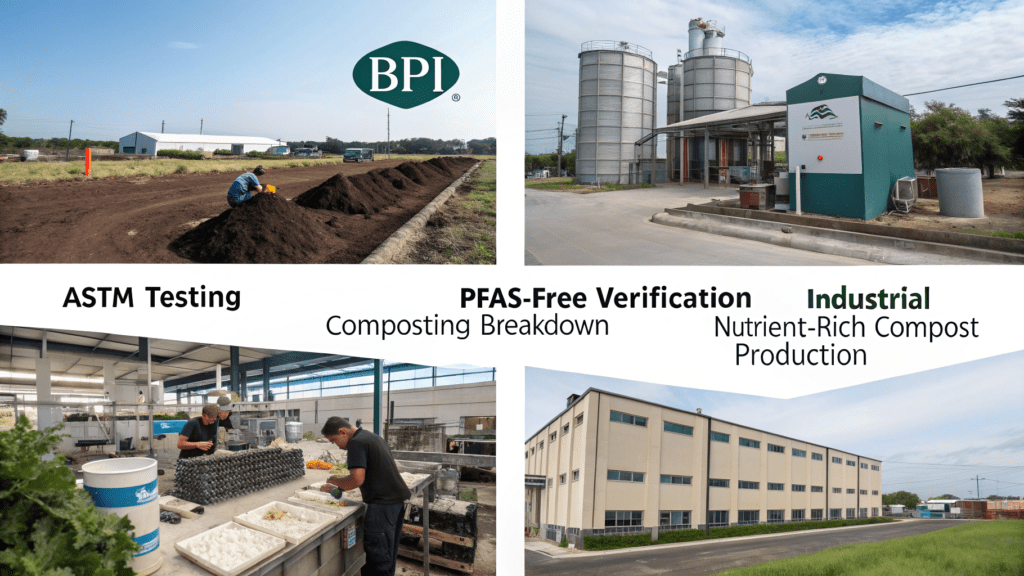
Navigeren door composteerbare oplossingen van BPI: een strategische noodzaak voor bedrijven
Bedrijven in alle sectoren worden geconfronteerd met een ongekende toename van de druk om duurzame praktijken toe te passen. Van evoluerende regelgevingslandschappen tot hogere verwachtingen van consumenten en belanghebbenden: de verschuiving naar milieubewust ondernemen is niet langer optioneel maar een strategische noodzaak. De mondiale markt voor composteerbare verpakkingen is een bewijs van deze onomkeerbare trend, die naar verwachting een duizelingwekkende omvang zal bereiken113,88 miljard dollar in 2030met een samengesteld jaarlijks groeipercentage (CAGR) van 6,5%. Deze exponentiële groei onderstreept een duidelijk marktsignaal: duurzame verpakkingsoplossingen worden snel mainstream.
In de voorhoede van deze transformatie in Noord-Amerika staat BPI (Biodegradable Products Institute). Gevestigd in2002als non-profitorganisatie met meerdere belanghebbenden biedt BPI de “gouden standaard” voor composteerbare producten. Voor inkoopmanagers, operationeel directeuren, duurzaamheidsfunctionarissen en leidinggevenden in de toeleveringsketen in dehoreca- en foodservice-industrieHet begrijpen en benutten van BPI-certificering is van cruciaal belang. Het gaat niet alleen om het behalen van milieudoelstellingen; het gaat om het veiligstellen van de merkreputatie, het garanderen van naleving van de regelgeving en het ontsluiten van operationele efficiëntie die concurrentievoordeel oplevert in een snel evoluerende markt. Dit uitgebreide draaiboek stelt B2B-beslissers in staat om BPI-gecertificeerde materialen effectief te integreren in hun duurzame afvalbeheerstrategieën, waardoor uitdagingen worden omgezet in kansen voor groei en milieubeheer.Het omarmen van composteerbare oplossingen van BPI is een strategische noodzaak voor horeca- en foodservicebedrijven.
Decoding BPI Compostable: Certification & Compliance for B2B Decision-Makers
Understanding the intricacies of BPI certification is foundational for any business committed to genuine sustainability. BPI is a non-profit organization dedicated to ensuring that products meet rigorous scientific standards for compostability. Specifically, BPI-certified products must comply with ASTM D6400 (for compostable plastics) or ASTM D6868 (for biodegradable plastics used as coatings on paper and other compostable substrates). These stringent standards mandate a minimum of90% biodegradation within 90 daysin industrial composting facilities, without leaving any toxic residue.
Deze wetenschappelijke nauwkeurigheid is van cruciaal belang omdat het een aanzienlijk pijnpunt in de sector aanpakt: het wijdverbreide probleem van ‘greenwashing’. De markt wordt overspoeld met vage en vaak misleidende claims zoals ‘biologisch afbreekbaar’ of ‘afbreekbaar’. In tegenstelling tot de composteerbare producten van BPI ontberen deze artikelen vaak verifieerbare normen voor volledige afbraak en kunnen ze microplastics of schadelijke residuen achterlaten, waardoor echte milieu-inspanningen worden ondermijnd. Bijvoorbeeld,Californië AB 1201verbiedt specifiek niet-gecertificeerde ‘biologisch afbreekbare’ claims, waarbij de juridische en reputatierisico’s worden benadrukt die gepaard gaan met niet-conforme marketing. Het officiële BPI-wervellogo is daarom de sleutel voor identificatie, signaleert naleving en biedt zekerheid aan zowel bedrijven als composteerfaciliteiten dat een product echt kapot zal gaan. Dit onderscheid is van cruciaal belang voor een nauwkeurige omleiding van de afvalstroom en het voorkomen van kostbare vervuiling. Om dieper in te gaan op deze cruciale verschillen, raadpleegt u onze uitgebreide handleiding overBPI composteerbaar versus biologisch afbreekbaar: een duurzaamheidsgids.BPI-certificering garandeert echte composteerbaarheid, voorkomt greenwashing en zorgt voor naleving.
Operationaliseren van BPI Compostable: Maximaliseren van ROI en duurzaamheidsimpact
Het integreren van BPI-gecertificeerde producten in uw activiteiten is niet alleen maar een gebaar voor het milieu; het is een strategische zet die een tastbare ROI en een aanzienlijke duurzaamheidsimpact kan opleveren. Het belangrijkste voordeel ligt in het faciliteren van het omleiden van echt organisch afval van stortplaatsen. Wanneer niet-composteerbare artikelen organische afvalstromen vervuilen, kan dit de composteringsindustrie jaarlijks miljoenen kosten in termen van hogere operationele kosten voor sorteren en verwijderen. Door ervoor te zorgen dat alleen BPI-gecertificeerde artikelen in de compoststroom terechtkomen, voorkomen bedrijven deze verontreiniging en ondersteunen ze de productie van waardevolle, voedselrijke grond.
Deze toewijding aan verifieerbare composteerbaarheid verbetert ook de merkintegriteit, een cruciale troef in een tijdperk van groeiende consumentenvraag naar ethische en milieubewuste bedrijven. De mondiale markt voor bioplastics zal naar verwachting een omvang bereiken33,3 miljard dollar in 2033, wat een CAGR van 10,18% weerspiegelt. Deze groei wordt aangedreven door een toenemend milieubewustzijn en een voorkeur voor milieuvriendelijke producten, wat onderstreept dat duurzaamheid zich rechtstreeks vertaalt in aantrekkelijkheid van de markt en klantloyaliteit. Een goede integratie van BPI-composteerbare materialen kan ook leiden tot operationele efficiëntie en lagere afvalverwerkingskosten, vooral in regio's met een gevestigde composteringsinfrastructuur. Voor B2B-beslissers in dehorecasector, this shift is particularly relevant. Learn more about how to navigate these changes in our article onBPI Compostable Certification in Hospitality Sustainability.
Real-World Application: KFC Canada’s Commitment
Major corporations are already demonstrating the tangible benefits of this shift.KFC Canada, for example, has publicly aimed forall consumer-facing compostable packaging by 2025. This commitment showcases how integrating BPI-certified materials is a viable and impactful strategy for large-scale operations. Such initiatives not only align with sustainability goals but also resonate deeply with environmentally conscious consumers, strengthening brand perception and market position.
A Comparison: BPI Compostable vs. Conventional Packaging for B2B Operations
| Functie | B2B operationele impact | Nalevingsopmerking | ROI-potentieel |
|---|---|---|---|
| BPI Compostable Packaging | Reduces landfill waste; supports organic waste streams; requires specific industrial composting infrastructure for proper breakdown; minimizes contamination in compost. | Meets ASTM D6400/D6868 standards; avoids “greenwashing” penalties (e.g., California AB 1201); aligns with evolving regulations like California SB 54 (all packaging recyclable/compostable by2032); can reduce future waste taxes/fees. | Enhanced brand reputation, attracting eco-conscious customers and partners; potential for reduced waste hauling costs where organics collection is available; improved ESG scores. |
| Conventional Plastic Packaging | Lower upfront cost; contributes significantly to landfill burden; lacks organic waste stream compatibility; poses long-term environmental concerns. | Faces increasing regulations (e.g., plastic bans inover 60 countries by 2024); contributes to environmental fines/PR risk from non-compliance; potential for future taxes/fees on plastic usage (e.g., plastic taxes in Europe). | Short-term cost savings; long-term brand risk due to negative environmental perception; vulnerability to future regulatory penalties and supply chain disruptions. |
BPI compostable products offer significant ROI through waste diversion and enhanced brand integrity.
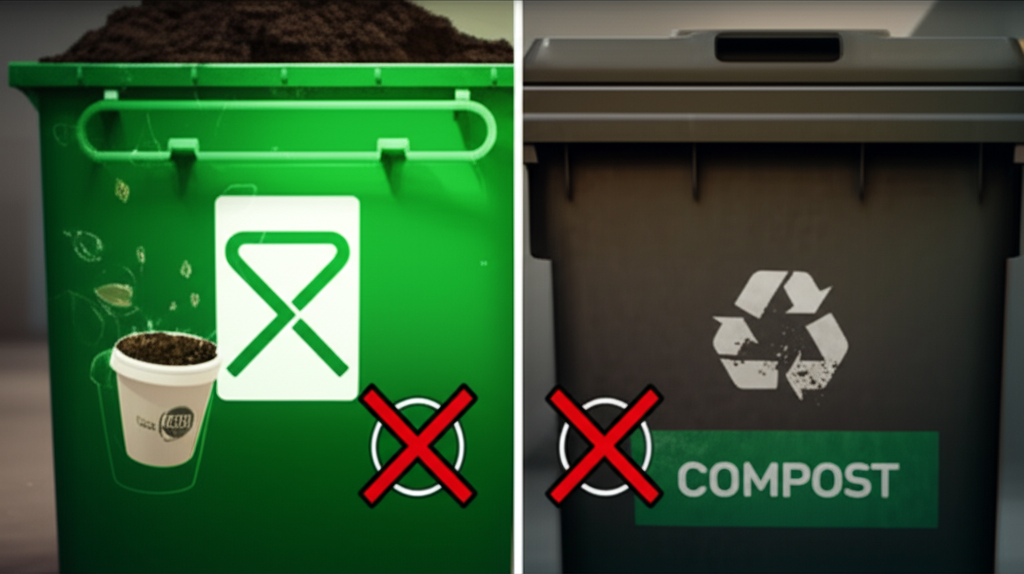
The Core Directive: Disposing of BPI Compostable via Industrial Composting Facilities
The success of BPI compostable products hinges entirely on their proper disposal.Industrial composting facilities are thealleencorrect disposal routefor BPI-certified items. These facilities are specifically engineered to provide the high temperatures (often exceeding 130°F), optimal moisture, and controlled aeration needed for BPI-certified materials to achieve their mandated90-day breakdown.
For procurement and operations managers inhoreca en foodservice, this means a critical need to“Check Local Guidelines.”Municipal waste authorities are the definitive source for local composting rules. It is vital to confirm whether local programs and facilities accept BPI-certified plastics, as policies can vary significantly. For instance,Ann Arbor ceased accepting plastic BPI-certified items in 2024, now only accepting fiber and paper-based compostables. This highlights the dynamic nature of local infrastructure and the need for continuous vigilance.
Acrucial rule:DO NOTplaats composteerbare artikelen van BPI in traditionele recyclingbakken. Ze verschillen fundamenteel van conventionele kunststoffen, metalen of papier. Ze zijn gemaakt van plantaardige materialen zoals polymelkzuur (PLA) of plantaardige vezels en vereisen microbiële actie voor afbraak, en geen mechanische recycling. Als u ze in recyclingbakken plaatst, vervuilt u de recyclingstroom, wat leidt tot hogere verwerkingskosten en het storten van anderszins recyclebare materialen. Op dezelfde manier is composteren in de achtertuin over het algemeen niet geschikt voor BPI-producten vanwege onvoldoende en inconsistente omstandigheden voor volledige afbraak van materiaal. Zonder toegang tot een industriële composteringsfaciliteit of een lokaal programma dat composteerbare artikelen van BPI accepteert, blijft de meest verantwoorde verwijderingsmethode het gewone afval, hoewel de milieuvoordelen van compostering dan verloren gaan.Industrial composting is the only correct disposal route for BPI-certified items.
Overcoming Hurdles: Challenges in BPI Compostable Infrastructure & Policy
Despite the clear benefits and growing market for compostable packaging, several systemic challenges impede the widespread adoption and effectiveness of BPI-certified solutions in thehospitality and foodservice supply chains.
Contamination remains a primary hurdle.When non-compostable items mistakenly enter the organic waste stream, they contaminate the compost, increasing operational costs for composting facilities by approximately17%in some cases, due to the need for manual sorting and removal. This issue stems largely from consumer confusion and inconsistent labeling. Indeed, a survey found that nearlya third of respondentsmistakenly put compostable packaging into recycling bins.
Limited access to industrial composting facilitiesposes another major challenge. Only an estimated15% of North American facilitiesare currently equipped to accept bioplastics. This infrastructure gap means that even when businesses procure BPI-certified products, the necessary end-of-life processing may not be available in their region, leading to landfill disposal and negating the intended environmental benefits.
Regulatory hurdles also persist. The ongoingUSDA National Organic Program (NOP) debateis een belangrijk voorbeeld; De huidige regels verbieden composteerbare bioplastics in gecertificeerde organische compost, waardoor composteerders gedwongen worden deze te screenen als ze USDA-gecertificeerde organische compost willen verkopen. Hoewel de BPI-certificering streng is, wordt er bovendien kritisch naar gekeken. Er blijven deskundige meningen en debatten bestaan over de rol van BPI, waaronder kritiek van organisaties als Beyond Plastics met betrekking tot de toxiciteit en de samenstelling van het bestuur. BPI weerlegt dit door de nadruk te leggen op het onafhankelijke testproces van derden via DIN Certco en de strenge normen, waaronder het verbod op opzettelijk toegevoegde PFAS sinds 2020.
Strategische oplossingen voor het uitbreiden van de composteerbare adoptie van BPI
Addressing these challenges requires a multi-pronged approach involving industry collaboration, policy advocacy, and public education:
- Standardized Labeling and Education Campaigns: Advocating for clear, standardized labeling, such as the How2Compost label, is crucial to reduce consumer confusion and improve sorting at the source. Robust education campaigns targeting businesses and consumers can significantly reduce contamination rates and ensure proper disposal.
- Infrastructure Development and Support: Supporting industry-wide efforts like the US Composting Infrastructure Coalition (USCIC) and legislative initiatives, such as the federal COMPOST Act, which provides grants for food scrap composting, is essential. The U.S. Senate’s Recycling and Composting Accountability Act (RCAA) also aims to improve data collection and explore national composting strategies, laying the groundwork for future infrastructure investments.
- Extended Producer Responsibility (EPR) Programs: Emphasizing the need for EPR programs, as mandated by California’s SB 54, can generate necessary funding for the expansion and improvement of composting infrastructure, shifting the financial burden from municipalities to producers. This aligns with broader efforts to achieve circular economy principles.
- BPI’s Pivotal Role: Underscoring BPI’s critical role in working with manufacturers and composters since 1999 to verify compliance with ASTM standards fosters composter confidence and ensures that certified products genuinely meet industrial composting requirements. This sustained collaboration is key to building a robust and reliable compostable supply chain. The certification for specific products like rietjes, for instance, reinforces trust in the market. More information on such product-specific certifications can be found at BPI Certified Compostable Straws: Hospitality Sustainability.
Overcoming BPI compostable hurdles requires collaboration, education, and infrastructure development.
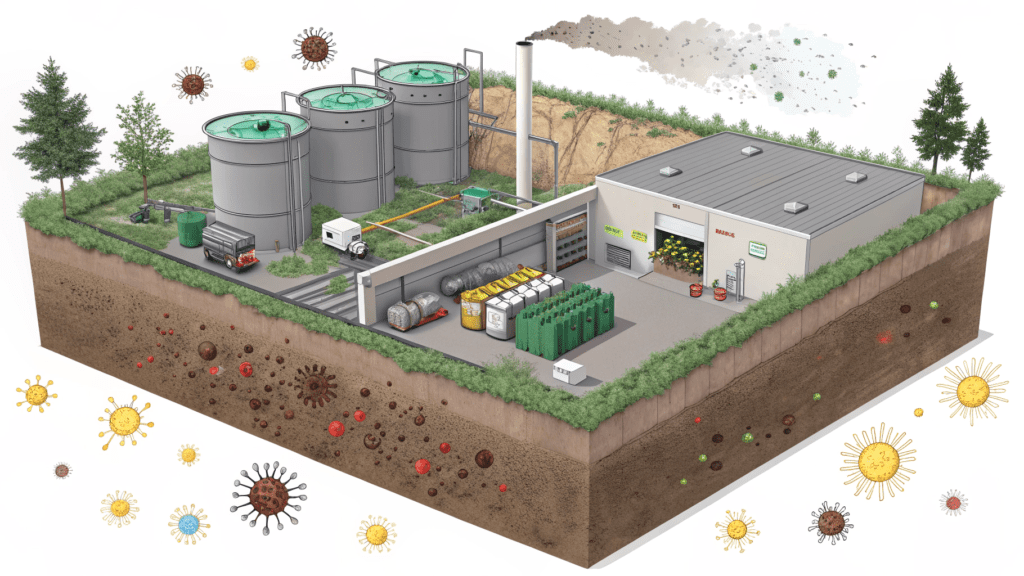
The Growth Trajectory: Future of BPI Compostable in Sustainable Business
The future of BPI compostable materials in sustainable business is poised for significant expansion, driven by continuous innovation and a supportive policy environment. Market projections reinforce this optimistic outlook, indicating strong growth for compostable packaging, with some estimates reaching$132.86 billion by 2032at a CAGR of 6.51%. This growth is not just about volume but also about the evolution of materials.
Innovations in bioplastics, particularly advanced materials likePHA (polyhydroxyalkanoaten), offer promising solutions. PHA-based materials are industrially compostable, non-toxic, and crucially, do not generate microplastics, addressing key environmental concerns. These advancements are making compostable alternatives more versatile and economically viable across a broader range of applications relevant tofoodservice and hospitality.
Supportive legislation is also paving the way. The U.S. Senate’s aforementionedRecycling and Composting Accountability Act (RCAA), aimed at improving data collection and exploring national composting strategies, signals a growing federal commitment to composting infrastructure. Similarly, California’s ambitiousSB 54mandates that all packaging sold in the state be recyclable or certified compostable by2032, establishing a strong regulatory push towards sustainable materials.
BPI continues to guide this transition, actively collaborating with industry stakeholders—from manufacturers to composters—to align B2B practices with circular economy principles. As research into biodegradation and composting efficacy advances, the confidence in BPI-certified solutions will only strengthen. The trajectory is clear: BPI compostable solutions are central to achieving a truly circular economy, minimizing waste, and maximizing resource value.The future of BPI compostable materials is bright, driven by innovation and supportive legislation.
Veelgestelde vragen (FAQ's)
What is BPI certification and why is it important for hospitality businesses?
BPI (Biodegradable Products Institute) certification ensures products meet rigorous ASTM standards for industrial compostability, breaking down within 90 days without toxic residue. For hospitality, it’s crucial for genuine organic waste diversion, avoiding greenwashing, enhancing brand reputation, and ensuring compliance with evolving regulations like California AB 1201.
How do I properly dispose of BPI-certified compostable items in my hotel or restaurant?
BPI-certified items must be disposed of in industrial composting facilities. Always check local municipal waste guidelines, as acceptance policies vary. Do NOT place them in traditional recycling bins or backyard compost, as this contaminates streams and prevents proper breakdown.
What are the ROI benefits of switching to BPI compostable packaging for foodservice operations?
Switching to BPI compostable packaging can enhance brand integrity, attract eco-conscious customers, potentially reduce waste hauling costs in areas with organic collection, and improve ESG scores. It also prevents costly contamination of organic waste streams, saving the composting industry millions annually.
Are there specific challenges in implementing BPI compostable solutions in large-scale hospitality settings?
Yes, challenges include consumer and staff confusion leading to contamination, limited access to industrial composting facilities (only ~15% in North America accept bioplastics), and evolving regulatory hurdles like the USDA NOP debate. Education and infrastructure development are key to overcoming these.
How can procurement managers ensure their BPI compostable product sourcing is effective and compliant?
Procurement managers should prioritize suppliers offering products with the official BPI swirl logo, verify local composting infrastructure, and educate staff on proper sorting. Staying informed on regulations like California SB 54 and supporting EPR programs will also ensure long-term compliance and impact.
Conclusion: Paving the Way for a Truly Circular BPI Compostable Economy
Navigating BPI compostable solutions is no longer a niche concern but a strategic imperative for modern B2B operations. By understanding the rigorous distinction of BPI certification, embracing proper industrial disposal protocols, and actively advocating for critical infrastructure development, businesses can unlock significant environmental and operational benefits. The robust growth of the compostable packaging market underscores a collective commitment to sustainability that permeates consumer demand, regulatory frameworks, and corporate social responsibility.
Businesses inhoreca en foodservicethat proactively assess their current waste streams, partner with BPI-certified suppliers, and educate their teams will be best positioned to drive sustainable change. This proactive approach not only enhances an organization’s environmental impact but also bolsters brand reputation, ensures long-term regulatory compliance, and secures a competitive edge in a market increasingly prioritizing eco-conscious practices.
Assessyour current waste streams,partnerwith BPI-certified suppliers, andeducateyour teams to drive sustainable change and enhance your organization’s environmental and commercial impact today.Proactive BPI compostable adoption enhances environmental impact, reputation, and competitive edge.