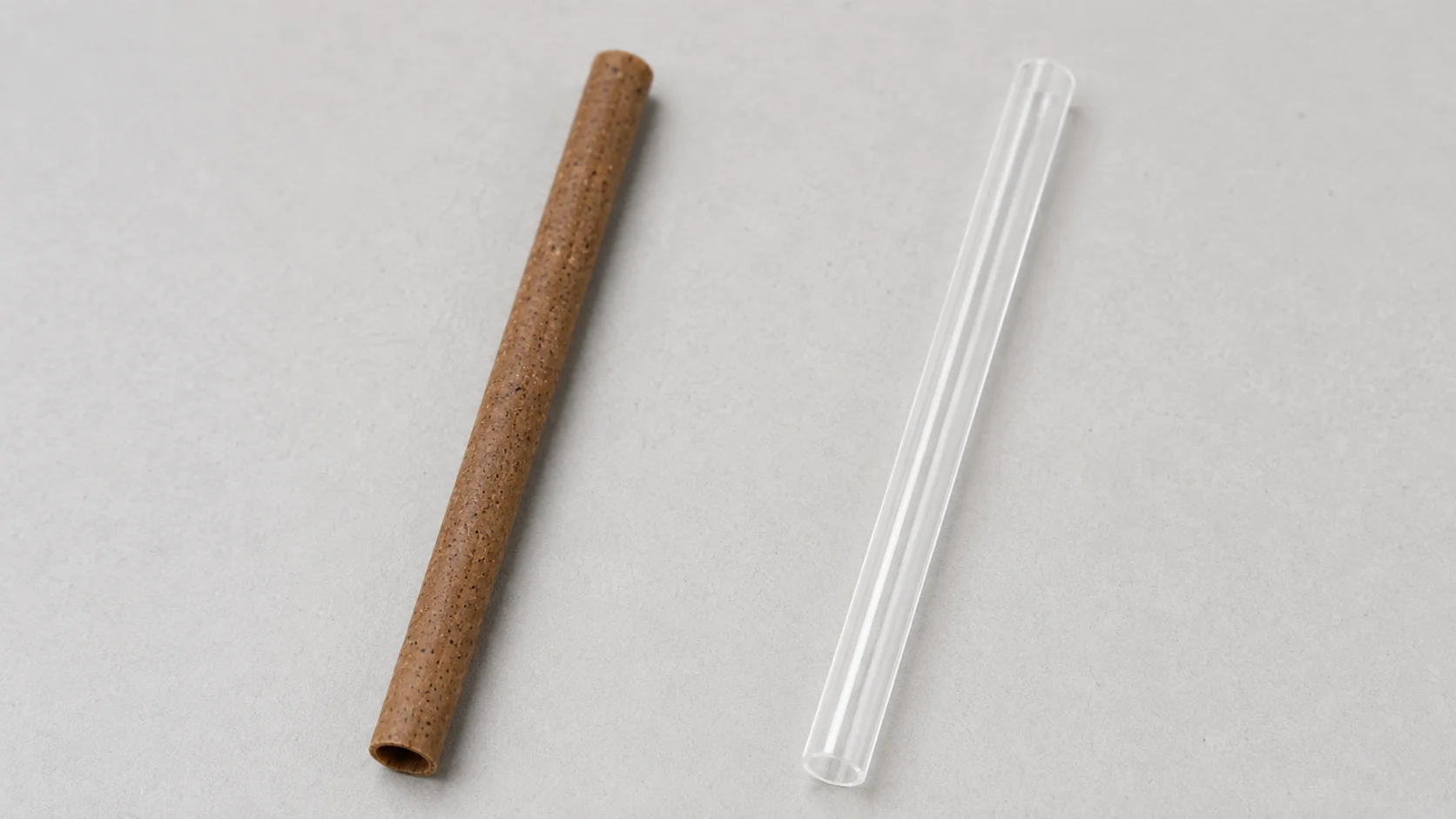
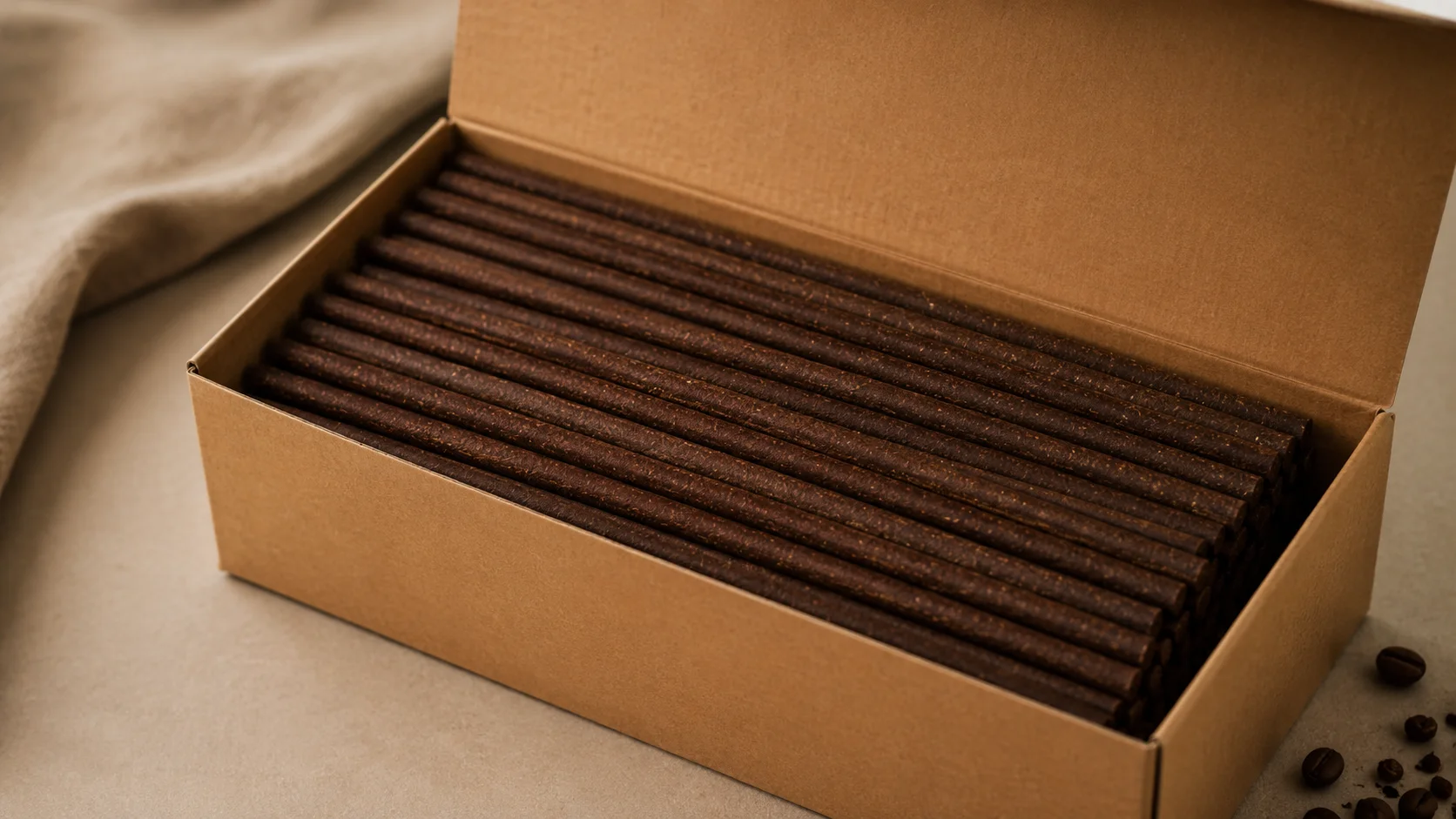
Este BPI Compost sigur? Un ghid definitiv pentru liderii B2B

Introducere: Navigarea ambalajelor durabile pentru excelență operațională
Într-o eră definită de o conștientizare sporită a mediului și peisaje de reglementare în evoluție, alegerile de ambalare durabilă nu mai sunt opționale pentru întreprinderile moderne; sunt esențiale pentru excelența operațională și viabilitatea pe termen lung. Pe măsură ce managerii de achiziții, directorii de operațiuni, ofițerii de sustenabilitate și directorii lanțului de aprovizionare navighează prin decizii complexe, înțelegerea standardelor solide de certificare devine primordială. Certificarea Biodegradable Products Institute (BPI) este un ghid de top în America de Nord pentru verificarea produselor compostabile. Acest ghid va explora standardele riguroase ale BPI, angajamentul său neclintit față de siguranța compostului și modul în care îmbrățișarea materialelor certificate de BPI vă poate ajuta organizația să îndeplinească obiectivele de sustenabilitate în creștere, să atenueze riscurile de conformitate și să îmbunătățească reputația mărcii.
The urgency to adopt truly sustainable practices is underscored by the escalating global plastic waste crisis and tightening regulations. Businesses face increasing pressure to divert waste from landfills, which not only contributes to greenhouse gas emissions but also incurs significant operational costs. Choosing the right compostable solutions, validated by reputable third-party certifications like BPI, ensures that your efforts translate into genuine environmental impact and commercial advantage, rather than falling prey to greenwashing claims.
Embracing BPI-certified materials is crucial for hospitality and foodservice to meet sustainability targets and enhance brand reputation.
Understanding “BPI Compost Safe”: The Gold Standard in North America
Înființată în 1999, Institutul pentru Produse Biodegradabile (BPI) este o organizație non-profit, cu mai multe părți interesate, care cuprinde reprezentanți ai guvernului, industriei și mediul academic. BPI servește ca principal certificare terță parte din America de Nord pentru produse și ambalaje compostabile, jucând un rol crucial în promovarea utilizării și recuperării materialelor biodegradabile prin compostare. Misiunea sa principală este de a verifica dacă produsele se vor biodegrada în mod sigur și eficient în instalațiile de compost gestionate, promovând deturnarea scalabilă a deșeurilor organice din gropile de gunoi către operațiuni valoroase de compostare.
The BPI Certification Mark is recognized as a definitive symbol of compostability within the value chain, ensuring that products bearing this label have been independently tested and verified. This robust verification process addresses past skepticism about products making unsubstantiated “biodegradable” claims, providing confidence to consumers, businesses, and composting facilities alike. To learn more about how BPI certification drives sustainable practices in the hospitality sector, explore our insights onBPI Compostable Certification & Hospitality Sustainability.
Adherence to Compostable Packaging Standards: ASTM D6400 and D6868
BPI-certified products are rigorously tested to comply with specific ASTM (American Society for Testing and Materials) technical standards, which are foundational to their certification. These include:
- ASTM D6400: This standard specifically addresses the “Standard Specification for Labeling of Plastics Designed to Be Aerobically Composted in Municipal or Industrial Facilities,” primarily applied to bioplastics.
- ASTM D6868: This standard focuses on the “Standard Specification for Labeling of End Items That Incorporate Plastics and Polymers as Coatings or Additives with Paper and Other Substrates Designed to Be Aerobically Composted in Municipal or Industrial Facilities.”
Aceste standarde asigură că produsele certificate BPI se descompun complet în dioxid de carbon, apă, compuși anorganici și biomasă. Descompunerea trebuie să aibă loc eficient în condițiile de compostare industrială, de obicei în 90 până la 180 de zile. În mod esențial, certificarea asigură că nu sunt lăsate în urmă reziduuri dăunătoare sau metale grele, asigurând calitatea și siguranța compostului rezultat pentru aplicații agricole sau de amenajare a teritoriului. Aceste standarde susținute științific sunt dezvoltate printr-un proces de cinci ani care implică 15 organizații din cadrul ASTM Institute for Standards and Research (ISR), corelând testele de laborator cu sistemele reale de eliminare. (Sursă:BPIworld.org)
Certificarea BPI asigură că produsele îndeplinesc standardele riguroase ASTM pentru defalcare completă și sigură în compostarea industrială.
Rigoarea științifică a siguranței compostului BPI: dincolo de revendicări
Obținerea certificării BPI necesită testare independentă cuprinzătoare care depășește simplele afirmații de biodegradabilitate. Produsele trebuie să demonstreze performanță în funcție de trei criterii critice: biodegradare, dezintegrare și ecotoxicitate.
Pentru biodegradare, produsele trebuie să atingă 90% biodegradare absolută sau 90% față de un substrat de referință pozitiv adecvat în termen de șase luni într-o grămadă de compost. Acest lucru asigură că materialul este convertit în dioxid de carbon de către organisme la o rată acceptabilă. Dezintegrarea fizică este la fel de vitală; produsele trebuie să se despartă fizic și să se amestece în compost, cu 90% finalizare în 84 de zile (12 săptămâni), prevenind articolele să înfunde echipamentul de screening din instalațiile de compostare. În cele din urmă, compostul rezultat este supus unor teste de ecotoxicitate pentru a se asigura că susține creșterea sigură a plantelor, confirmând că nu sunt eliberate substanțe dăunătoare sau reziduuri care ar putea avea un impact negativ asupra sănătății solului sau mediului.
Eliminarea substanțelor chimice nocive: Regulamentul PFAS și certificarea BPI
O piatră de temelie a angajamentului BPI față de siguranță este poziția sa proactivă față de substanțele chimice dăunătoare, în special substanțele per- și polifluoroalchilice (PFAS). Începând cu 1 ianuarie 2020, BPI a implementat o interdicție strictă împotriva PFAS adăugat în mod intenționat în orice produs certificat. Acest standard critic previne „substanțele chimice pentru totdeauna”, cunoscute pentru persistența asupra mediului și potențialele efecte asupra sănătății, să contamineze fluxurile de compost.
Pentru a susține acest lucru, toate produsele care solicită certificarea BPI trebuie să furnizeze un raport de testare care să arate mai puțin de 100 ppm de fluor organic total, împreună cu o declarație semnată din partea producătorului care confirmă că nu sunt adăugate substanțe chimice fluorurate intenționat. În plus, BPI impune dezvăluirea completă a formulării pentru certificare, inclusiv toate ingredientele, chiar și cele sub 0,1% din greutatea uscată, împreună cu informații despre furnizor, numere CAS și fișe cu date de securitate (SDS) pentru ingredientele care nu sunt certificate BPI. Acest nivel de transparență și testare riguroasă asigură că compostul certificat BPI este cu adevărat sigur și benefic pentru sol.
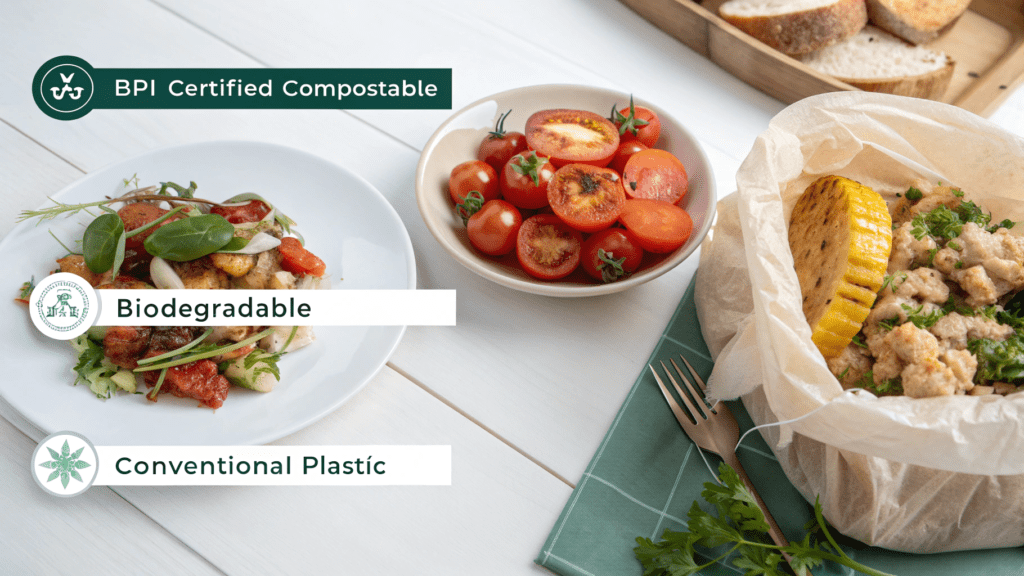
Certificarea BPI testează riguros biodegradarea, dezintegrarea și ecotoxicitatea, interzicând substanțele chimice nocive PFAS.
BPI Compost Safe vs. Misleading Labels: A Strategic Comparison
Navigating the myriad of “eco-friendly” labels can be challenging for B2B decision-makers. Many terms like “biodegradable” or “plant-based” lack verifiable standards, leading to widespread confusion and potential contamination of organic waste streams. BPI certification stands apart by offering a robust, third-party verified standard for industrial compostability.
The following table highlights the critical differences between BPI Certified Compostable products and other common categories, underscoring their operational impact, compliance implications, and ROI potential for businesses:
| Caracteristică | Impact operațional B2B | Notă de conformitate | Potențial de rentabilitate a investiției |
|---|---|---|---|
| Compostabil certificat BPI | Streamlines organic waste diversion; accepted by most industrial composters, reducing sorting burden. | Meets ASTM D6400/D6868; PFAS-free since 2020; transparent, third-party verification. | Reduced contamination costs (approx. 17% of composter operating costs); enhanced brand reputation, attracting eco-conscious customers; supports ESG goals and avoids plastic bans. |
| Non-Certified “Biodegradable” | High risk of rejection by composters due to lack of verified breakdown; leads to landfilling or incineration. | No verified standard; terms often lack scientific rigor for composting conditions or toxic residue testing. | Negative impact on sustainability initiatives; potential for reputational damage and consumer distrust due to greenwashing. |
| Conventional Plastic | Familiar disposal routes (landfill/recycling where available); limited organic waste diversion capabilities. | Not designed for composting; contributes to plastic pollution; increasing regulatory pressure (e.g., single-use plastic bans) and long-term environmental liability. | Lower upfront material costs, but increasing regulatory fines, potential legal liabilities, and damage to corporate social responsibility (CSR) standing. |
Choosing BPI-certified products significantly reduces the risk of contaminating organic waste streams, a major cost driver for composting facilities. Some composters report that approximately 17% of their total operating expenses are spent on removing non-compostable contaminants, highlighting the direct financial benefit of verified compostable solutions.
BPI certification offers clear operational, compliance, and ROI advantages over misleading “biodegradable” labels.
Impact în lumea reală: Demonstrarea performanței în siguranță a compostului BPI
În timp ce testele de laborator oferă fundația științifică, BPI subliniază, de asemenea, performanța în lumea reală. La începutul anului 2021, BPI și-a lansat „Programul de validare pe teren” pentru a urmări modul în care produsele certificate funcționează în condițiile reale de compostare comercială. Această inițiativă creează o punte între conformitatea laboratorului și rezultatele practice, construind o mai mare încredere în rândul instalațiilor de compostare.
Până în prezent, programul a compilat date disponibile public care indică faptul că peste 1.000 de produse certificate BPI au trecut cu succes testele de teren, unele atingând defalcarea completă în doar 49 de zile. Aceste date solide întăresc faptul că produsele certificate de BPI nu numai că îndeplinesc standardele stricte de laborator, ci și-au îndeplinit promisiunile în mediile comerciale de compostare.
Mini studiu de caz: tranziția durabilă a furnizorilor de servicii alimentare lider
Un important operator de servicii alimentare din America de Nord a recunoscut imperativul tot mai mare pentru gestionarea durabilă a deșeurilor și a căutat să-și îmbunătățească gestionarea mediului. Confruntat cu provocarea de a deturna volume semnificative de resturi alimentare și ambalajele asociate din gropile de gunoi, operatorul și-a făcut tranziția întregului portofoliu de ambalaje de unică folosință la articole exclusiv certificate BPI.
Prin aprovizionarea și implementarea meticuloasă a paielor, paielor și recipientelor compostabile certificate de BPI, furnizorul de servicii alimentare a atenuat semnificativ riscurile de contaminare din fluxurile sale de deșeuri organice. Această schimbare strategică le-a simplificat procesele de gestionare a deșeurilor, ceea ce a condus la o creștere notabilă a ratelor de deviere a deșeurilor și la o producție de compost mai curată și mai valoroasă. Angajamentul operatorului față de standardele BPI a demonstrat că soluțiile compostabile verificate facilitează nu numai eficiența operațională, ci și o gestionare autentică a mediului, îmbunătățind imaginea mărcii lor în rândul consumatorilor din ce în ce mai conștienți de mediu. Pentru o scufundare mai profundă a modului în care paiele compostabile certificate BPI contribuie la durabilitatea ospitalității, citiți articolul nostru despreBPI Certified Compostable Straws: Hospitality & Sustainability.
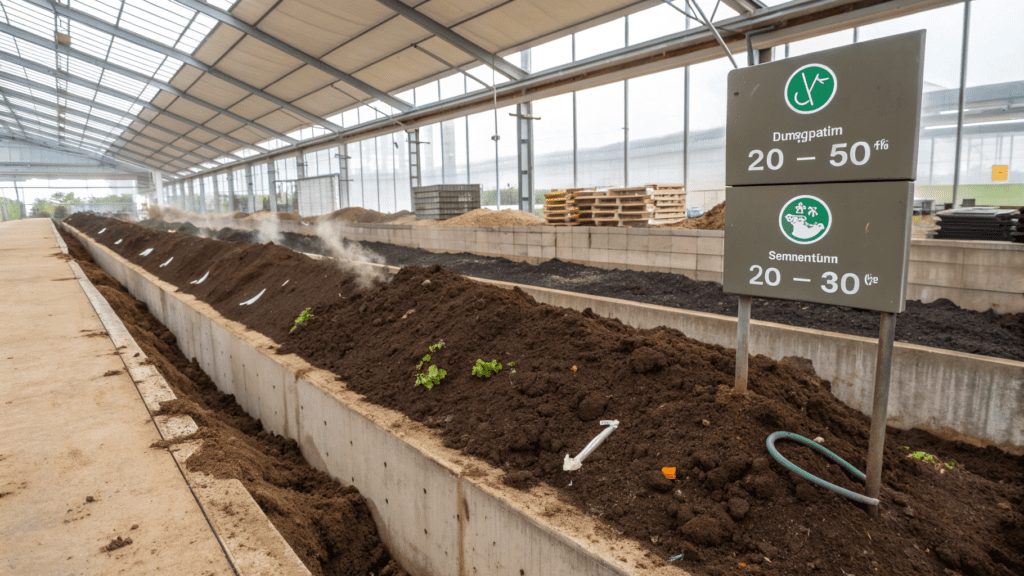
BPI-certified products demonstrate proven real-world performance, enabling significant waste diversion for foodservice operators.
Market Landscape and Future Outlook for BPI Compost Safe Solutions
The market for compostable solutions is experiencing robust growth, driven by a confluence of consumer demand, evolving regulatory frameworks, and ambitious corporate ESG policies. The global compostable plastic packaging material market, for instance, is projected to reachUSD 3.5 billion by 2035, expanding at a compound annual growth rate (CAGR) of5.2%. Within this burgeoning market, Polylactic acid (PLA) is anticipated to remain the leading material, holding an estimated36.4% market share in 2025due to its versatility and alignment with sustainability initiatives. The food and beverage industry continues to be the largest sector for compostable packaging, expected to account for a substantial48.7% of the global market by 2025.
Addressing Consumer Confusion and Enhancing Industrial Composting Acceptance
Despite this promising market trajectory, a significant challenge remains: consumer confusion. A joint study conducted by Closed Loop Partners’ Composting Consortium and BPI in December 2022, based on a survey of 2,765 U.S. respondents, revealed concerning misconceptions. The study found that49% of consumers confuse the terms “biodegradable” and “compostable,”often believing them to be interchangeable. Furthermore, up to50% of respondents incorrectly believed that packaging labeled “made from plants” was inherently compostable, highlighting the prevalence of misleading claims in the market. This confusion directly contributes to improper disposal, with nearly one-third of respondents indicating they would incorrectly place compostable packaging in a recycling bin, leading to contamination of recycling streams or landfills. (Source:Closed Loop Partners)
Pentru a contracara acest lucru, BPI și-a lansat Ghidurile de etichetare din 2020, cu scopul de a standardiza identificarea și de a reduce contaminarea. Etichetarea consecventă și clară a produsului este esențială pentru a ajuta utilizatorii finali, consumatorii și composterii să distingă cu ușurință articolele cu adevărat compostabile, deturnând astfel resturile de alimente și creând fluxuri organice mai curate. Educația continuă și mărcile de certificare clare, cum ar fi BPI, sunt vitale pentru a ne asigura că investițiile în produse compostabile se traduc în beneficii reale pentru mediu și operațiuni raționalizate de gestionare a deșeurilor.
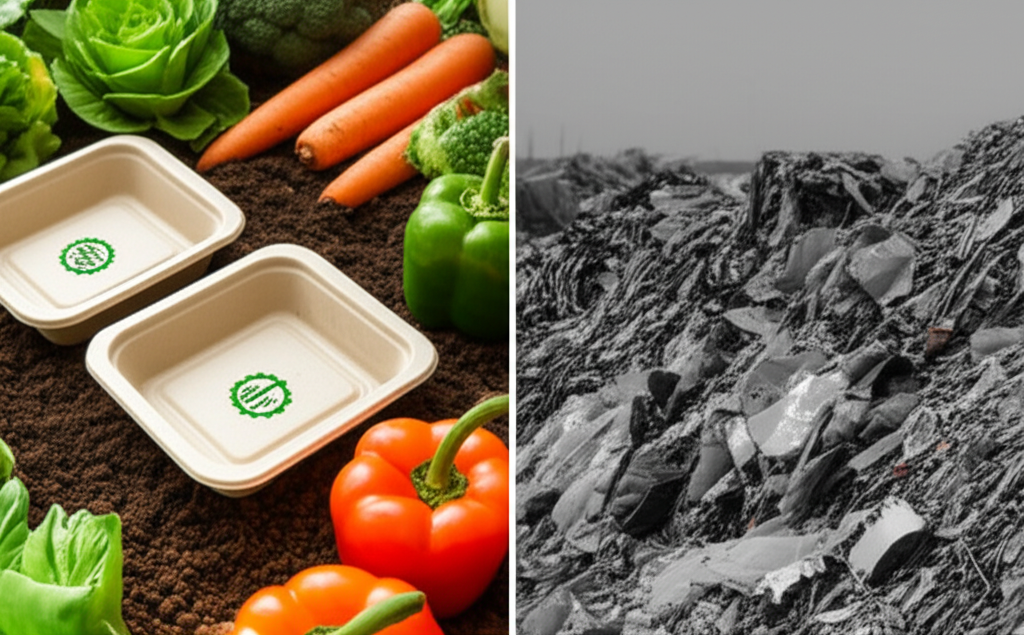
Piața compostabilului este în creștere, dar etichetarea clară a BPI este vitală pentru a combate confuzia consumatorilor și pentru a asigura o eliminare adecvată.
Competitive Advantage & Business Case: Quantifying the Value of BPI Certification
For B2B decision-makers, embracing BPI-certified compostable solutions offers a compelling business case that extends far beyond environmental goodwill. Quantifiable benefits include:
- Economii de costuri: By ensuring materials properly break down, BPI certification dramatically reduces contamination within organic waste streams. As noted, contamination can account for approximately 17% of composter operating costs, a significant burden that can be mitigated by verifiable compostable inputs. This translates to lower processing fees, reduced rejection rates for organic loads, and more efficient waste management for your enterprise.
- Reducerea riscurilor: The regulatory landscape is rapidly shifting, with increasing bans on single-use plastics and mandates for organic waste diversion in regions across the US and EU. Adopting BPI-certified products proactively aligns your operations with these evolving regulations, safeguarding against potential fines, legal liabilities, and supply chain disruptions.
- Brand Value Uplift and Market Share Opportunity: Demonstrating a genuine commitment to sustainability through verifiable certifications like BPI enhances your brand reputation. This resonates strongly with increasingly eco-conscious consumers and B2B partners, opening doors to new market segments and bolstering customer loyalty. It directly supports your organization’s Environmental, Social, and Governance (ESG) goals, providing a tangible narrative for corporate responsibility reports and investor relations. By being an early adopter and clear leader in truly compostable solutions, you can carve out a competitive advantage and capture a larger share of a market that values authenticity and proven environmental performance.
BPI certification offers quantifiable benefits, including cost savings, risk mitigation, and enhanced brand value for B2B operations.
Conclusion: Empowering Sustainable Operations with BPI Certification
BPI certification is the definitive assurance for “BPI compost safe” products, ensuring complete, non-toxic breakdown in industrial composting facilities. For procurement managers, operations directors, and sustainability officers, BPI certification is critical for achieving genuine sustainability and waste diversion goals. It mitigates risks of contamination, supports circular economy initiatives, and aligns with growing regulatory pressures, offering a clear path to operational efficiency and environmental leadership.
Act Now:Verify your packaging portfolio, partner with BPI-certified suppliers, and drive your organization’s transition to truly compostable solutions. Access the BPI online product database today to ensure compliance, maximize your environmental impact, and position your business at the forefront of the sustainable economy.
BPI certification empowers hospitality and foodservice leaders to achieve sustainability, mitigate risks, and lead in the circular economy.
Întrebări frecvente (FAQ)
What does BPI certification mean for my hospitality business?
BPI certification ensures that disposable products like cups, cutlery, and food containers will safely and completely break down in commercial composting facilities, preventing contamination of organic waste streams and supporting your sustainability goals.
How does BPI certification help reduce operational costs for foodservice providers?
By using BPI-certified products, foodservice providers can significantly reduce contamination in their organic waste, leading to lower waste disposal fees, fewer rejected loads by composters, and more efficient waste management operations.
Are BPI-certified products truly free of harmful chemicals like PFAS?
Yes, as of January 1, 2020, BPI prohibits intentionally added PFAS in all certified products. This ensures that BPI-certified compost is safe and free from “forever chemicals” that could harm soil health.
Can BPI-certified products be composted in a home compost pile?
BPI certification is specifically for industrial composting facilities, which operate at higher temperatures and with controlled conditions necessary for complete breakdown. Home composting conditions vary greatly and may not be sufficient.
How can I verify if a product is BPI certified?
Look for the BPI Certification Mark on the product or packaging. You can also verify a product’s certification status by searching its name or certification number on the official BPI online product database.